
🔄
Skip to content

Cart

Your cart is empty

Article: 36x80 Steel Door: A Complete Buyer's Guide

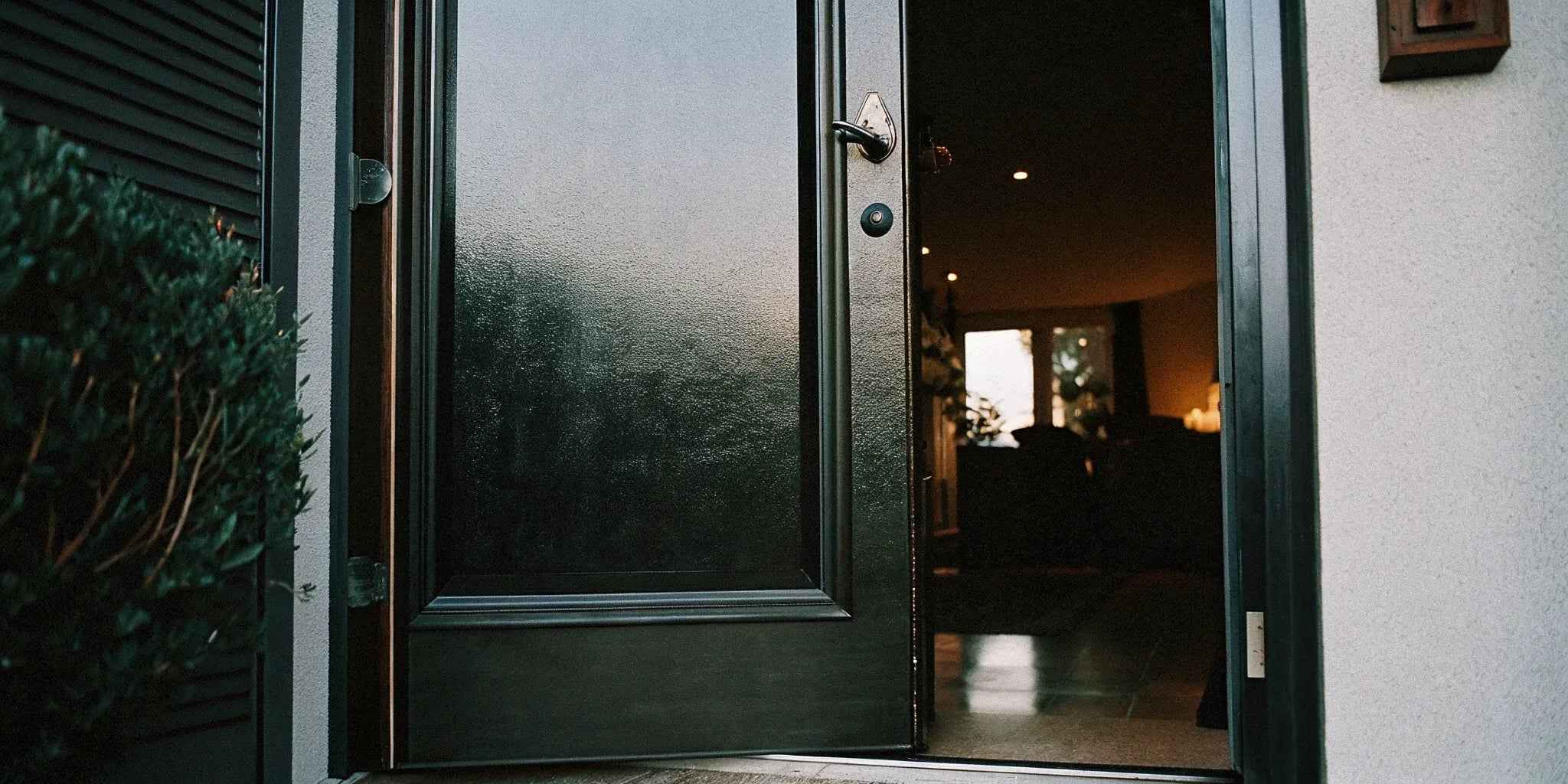
A 36x80 single steel door, open to show its durable construction and secure lock.
Steel Door

36x80 Steel Door: A Complete Buyer's Guide

Your front door has a tough job. It needs to be secure, look great, and last for years. Finding one that does it all? That's the challenge. Meet the modern 36x80 steel door. If you're picturing a cold, industrial slab of metal, think again. These doors offer powerful security against warping and forced entry, giving you real peace of mind. But they don't skimp on style—with tons of finishes and glass options, you can design a truly welcoming entrance. It’s the smart choice that doesn't make you choose between safety and curb appeal.

Key Takeaways

  • Balance strength, style, and efficiency: The 36x80 steel door is a standard for a reason—it delivers robust security and excellent insulation without forcing you to compromise on modern aesthetics, making it a practical choice that covers all the essentials.
  • Your budget dictates the features: A basic steel door slab is highly affordable, but the price increases with additions like decorative glass, thicker steel, and pre-hung frames. Prioritize your must-have features to find a high-quality door that fits your financial plan.
  • Proper installation is non-negotiable: A door's performance is only as good as its installation. Choosing between a slab or a pre-hung unit and taking precise measurements are the most critical steps to ensure a secure, draft-free fit.

What Makes a 36x80 Steel Door a Smart Choice?

When you start shopping for a new entryway, the term "36x80 steel door" comes up a lot, and for good reason. It’s one of the most common and versatile sizes on the market, fitting the standard openings of countless homes and commercial buildings across the country. But it's more than just a set of dimensions; it represents a perfect balance of strength, efficiency, and style that has made it a go-to choice for contractors and homeowners alike.

Think of it as the reliable workhorse of the door world. Its steel construction provides a level of security that other materials often can't match, giving you peace of mind. Inside, modern steel doors are engineered with an insulated core to help maintain your home's temperature and keep energy bills in check. And forget the idea of a cold, industrial look—today’s designs offer a surprising amount of customization, from sleek, modern finishes to classic paneling with beautiful glass inserts. It’s a practical choice that doesn’t force you to compromise on curb appeal, offering a durable, long-lasting solution that stands up to daily wear and tear while enhancing your home's exterior.

Breaking Down the Core Dimensions

Let's break down the numbers. A "36x80" door is exactly what it sounds like: 36 inches wide and 80 inches tall. This is a standard measurement for most exterior front and back doors in residential construction, which makes finding a replacement or a new door for a project relatively straightforward. The 36-inch width provides a comfortable and accessible entryway, wide enough for moving furniture or accommodating wheelchair access, while the 80-inch height (or 6 feet 8 inches) is the standard for most homes. Because it's such a common size, you'll find a huge variety of styles and features available.

Nominal vs. Actual Slab Size

When you see a door listed as "36x80," you're looking at its nominal size. This is the standard industry term used for labeling, but it’s not the door's exact measurement. The actual slab is intentionally made slightly smaller—for instance, a nominal 36-inch wide door might actually measure 35 ¾ inches. This small difference is crucial because it creates the necessary clearance for the door to swing open and close smoothly without scraping against the frame. Think of it as built-in wiggle room that ensures a perfect, functional fit once everything is installed, preventing frustrating jams and alignment issues down the road.

Understanding Frame and Rough Opening Sizes

Beyond the door slab itself, you need to consider the frame and the rough opening. The rough opening is the unfinished space in your wall where the entire door unit will be installed. This opening must be larger than the door and frame combined to allow for adjustments. A pre-hung door unit, which includes the frame, is typically about 1 ½ to 2 inches wider and taller than the door slab. For a 36x80 door, you’d generally need a rough opening of about 38 inches by 82 inches. Measuring this space accurately is one of the most important steps to ensure your new steel door fits securely and operates flawlessly.

Door and Frame Thickness

The thickness of a door is a key indicator of its strength and insulating properties. While most interior doors are about 1 ⅜ inches thick, an exterior door like the 36x80 steel model is typically a more substantial 1 ¾ inches thick. This extra thickness provides superior durability, making the door much more resistant to impact and forced entry. It also allows for a thicker core of foam insulation, which helps prevent heat transfer and can contribute to lower energy bills. This robust construction is what gives a steel door its secure, solid feel and long-lasting performance against the elements.

Typical Door Weight

One of the first things you'll notice about a steel door is its weight. A standard 36x80 steel door can weigh anywhere from 100 to 150 pounds, depending on the gauge of the steel and the type of core material. This heft is a good thing—it’s a direct reflection of the door's solid construction and security features. However, it’s also a practical consideration for installation. Due to its weight, hanging a steel door is usually a two-person job. It also requires heavy-duty hinges and a sturdy frame to ensure it remains properly aligned and swings smoothly for years to come without sagging.

A Closer Look at Materials and Insulation

A steel door isn't just a single sheet of metal. It’s a sophisticated system designed for durability and performance. The outer layers are made of strong, galvanized steel that resists warping, cracking, and denting far better than wood. Inside, you’ll find a high-density foam core. This insulation is the door's secret weapon against the elements, acting as a thermal barrier that helps keep your home warmer in the winter and cooler in the summer. This smart design not only contributes to a more comfortable living space but can also lead to noticeable savings on your heating and cooling costs over time.

Steel Gauge Explained (24 vs. 26)

When you're comparing steel doors, you'll inevitably come across the term "gauge." It sounds technical, but it's simply a measurement of the steel's thickness, and it's a critical factor in your door's overall strength. The key thing to remember is that the gauge system works in reverse: the lower the number, the thicker and more durable the steel. This means a 24-gauge steel door is significantly stronger than a 26-gauge door. That extra thickness provides superior resistance against dents, dings, and warping, ensuring your door can handle everything from stray soccer balls to harsh weather without showing wear and tear.

So how does this translate to your decision? For most residential entryways, 24-gauge steel is the preferred standard for a reason. It provides an excellent combination of security and dent resistance, making it ideal for high-traffic front doors or any entrance that needs to stand up to the elements. While a 26-gauge door can be a more economical choice and is still a durable material, its thinner construction makes it more vulnerable to impacts. The difference in steel gauge might seem minor on paper, but it plays a major role in the door's longevity and ability to maintain its pristine look over the years.

Ultimately, choosing between 24-gauge and 26-gauge steel is about balancing your budget with your long-term goals. If your top priorities are maximum security and a door that will look great for years with minimal fuss, opting for the thicker 24-gauge steel is a wise investment. This added strength provides peace of mind and protects the value of your home by ensuring your entryway remains a strong, secure, and attractive focal point. It’s a choice that pays off over time by reducing the likelihood of needing costly repairs or a premature replacement.

Can a Steel Door Match My Home's Style?

If you think a steel door means sacrificing style, think again. The modern 36x80 single steel door is highly customizable. You can choose from smooth finishes for a minimalist look or embossed panels that mimic the classic appearance of a traditional wood door. Many designs incorporate glass inserts, or "lites," to let in natural light. These can range from a simple, single pane to intricate decorative patterns. For privacy, you can opt for frosted or textured glass. And for safety, look for options with double-pane tempered glass, which is much stronger and safer than standard glass.

Modern Designs and Finishes

The biggest myth about steel doors is that they all look the same—plain, flat, and industrial. That couldn't be further from the truth. Today’s modern steel doors are designed with aesthetics in mind, offering a variety of finishes to suit any architectural style. For a clean, contemporary home, a smooth, unadorned finish provides a sleek and minimalist statement. If your home has more traditional or craftsman-style elements, you can opt for doors with embossed panels that beautifully replicate the depth and character of a classic wood door without any of the maintenance headaches. This versatility means you get the uncompromising security of steel while perfectly complementing your home's unique design.

Color and Glass Options

Customization is where a 36x80 steel door truly shines. Most come with a primed surface, ready to be painted in any color you can imagine—from a bold, welcoming red to a sophisticated, understated charcoal. This gives you complete creative control over your home's curb appeal. Beyond color, glass inserts, often called "lites," can completely transform your entryway. They allow natural light to flood your foyer, making the space feel brighter and more open. You can choose from simple, clear panes for maximum light, or opt for frosted, textured, or decorative glass to maintain privacy while still adding a touch of elegance. For a cohesive look, you can even coordinate the style with matching steel windows, creating a unified and polished exterior.

Why Choose Steel for Your Next Door?

When you're choosing a new door, you're deciding on your home's security, style, and efficiency. While many materials are available, steel consistently stands out for its blend of strength, durability, and value. It’s a practical choice that doesn’t force you to compromise on what matters most. From protecting your property to saving you money on energy bills, a steel door is a smart investment that pays off for years. Let's look at exactly why steel is such a popular and reliable option.

How Steel Doors Keep Your Home Secure

First and foremost, a steel door is a security powerhouse. Its rigid construction makes it incredibly resistant to forced entry, warping, and cracking. Unlike wood, steel won't bow or swell with changes in humidity, ensuring a tight fit in its frame year after year. This inherent strength provides a formidable barrier against intruders, giving you valuable peace of mind. When you choose from a collection of strong and secure steel doors, you're not just installing an entryway; you're upgrading your home's first line of defense.

Advanced Construction Techniques

A modern steel door is more than just a solid piece of metal; it’s an engineered system built in layers for maximum performance. The outer skin is made from strong, galvanized steel—often 24 or 26-gauge—that is specifically designed to resist the dents, warping, and cracking that can affect other materials. But the real secret is what’s inside: a high-density foam core. This core acts as a powerful thermal barrier, providing excellent insulation that helps keep your home’s temperature stable and your energy costs down. This smart combination of a tough exterior and an insulated interior is what makes today's steel doors a superior choice for both security and efficiency.

Lower Your Energy Bills with Better Insulation

A drafty door can be a major source of energy loss, but a steel door helps keep your home comfortable and your utility bills down. Most are designed with a core of high-density foam insulation, creating a powerful thermal barrier. This prevents outdoor heat from seeping in during summer and keeps your home’s warmth from escaping in winter. Paired with quality weatherstripping, a steel door creates an airtight seal that improves your home's efficiency. These excellent insulating properties mean your HVAC system doesn't have to work as hard, leading to real savings.

Why Steel Doors Are So Easy to Maintain

If you’re looking for a low-maintenance option that can handle tough weather, steel is the way to go. Modern steel doors are made with galvanized steel to resist rust and corrosion. They won't rot, split, or warp like wood doors often do, which means you can forget about constant sanding and repainting. A simple cleaning with soap and water a couple of times a year is usually all it takes to keep a steel door looking great. This durability makes it a perfect choice for busy homeowners and a reliable product for contractors seeking a long-lasting solution.

Special Durability Features

The durability of a steel door goes beyond just the metal; it’s rooted in smart engineering. Most high-quality steel doors are constructed with galvanized steel, which has a protective zinc coating that actively fights off rust and corrosion, even in damp or coastal climates. This is a huge advantage over wood doors, which can rot, split, or warp over time. Inside, a high-density foam core provides more than just excellent insulation. It adds significant structural rigidity, making the door highly resistant to dents and dings from everyday life. This powerful combination of a tough exterior and a solid core ensures your door maintains its precise shape, closing smoothly and securely for years without sticking or creating drafts.

Gain Peace of Mind with Fire-Rated Protection

Beyond security from intruders, steel doors offer an extra layer of protection against fire. As a non-combustible material, steel won't catch fire and contribute to the spread of flames. Many steel doors are available with a specific fire rating, such as a 20-minute or 90-minute rating, which indicates how long the door can withstand a fire. This feature is especially important for doors connecting a garage to a house, where building codes often require it. Choosing a fire-rated steel door is a simple step that can make a critical difference in an emergency.

Beyond Insulation: Noise Reduction and Pest Control

The benefits of a steel door extend beyond just keeping your home insulated. The same solid construction that makes them so secure also works wonders for noise reduction. The dense, insulated core acts as a sound barrier, helping to muffle street traffic, loud neighbors, and other outside disturbances, creating a more peaceful indoor environment. Additionally, steel doors offer a surprising advantage in pest control. Unlike wood doors that can warp or shrink with temperature changes and create small gaps, steel maintains its shape. This creates a consistently tight seal all around the frame, effectively blocking entry points for insects and other unwanted critters, keeping your home comfortable and secure in more ways than one.

How Much Does a 36x80 Steel Door Cost?

Figuring out the cost of a new steel door can feel tricky because prices vary quite a bit. You can find a basic, no-frills door for just over a hundred dollars, while a high-end, custom model can run into the thousands. The final price tag really depends on what you’re looking for in terms of style, features, and construction. The good news is that because the range is so wide, there’s a durable and secure 36x80 steel door for almost any budget. Let’s break down the different price tiers so you know what to expect.

Budget-Friendly Steel Doors

If you're working with a tight budget, you can find entry-level steel doors that get the job done without breaking the bank. These are often simple, flush (flat) door slabs without any glass or fancy paneling, sometimes costing as little as $125. They are a practical choice for workshops, utility rooms, or rental properties where function is more important than flair. Keep in mind that at this price point, you’re typically just buying the door slab itself. You’ll still need to purchase the frame, hinges, and hardware separately, which will add to the overall project cost.

The Best Value: Mid-Range Options

For most homeowners, the mid-range category is the sweet spot. Here, you’ll find doors that offer a great balance of quality, style, and affordability. Brands like JELD-WEN are popular in this space, providing reliable security and a clean look that suits most homes. Mid-range doors often come pre-hung in a frame, which simplifies installation. They also tend to have better insulation and may feature simple glass inserts or embossed panel designs. This tier gives you a durable, energy-efficient door that looks great without the premium price of a custom model.

Premium and Custom-Designed Doors

When you want to make a strong design statement or need top-of-the-line performance, high-end and custom doors are the way to go. These doors are built with premium materials, like thicker gauge steel or wrought iron details, and often feature intricate designs, custom glasswork, and advanced locking systems. You can expect to pay a premium for this level of craftsmanship and personalization. High-end steel doors are perfect for grand entrances where you want the door to be a focal point of your home’s exterior, offering unmatched curb appeal and security.

What Influences the Final Price?

Several key factors determine where a door falls on the price spectrum. The thickness of the steel, the type of core insulation (polyurethane foam is often more efficient and expensive than polystyrene), and whether the door is a simple slab or a pre-hung system all play a role. Adding decorative glass, sidelights, or a transom window will also increase the cost significantly. Finally, the brand’s reputation and the quality of the included hardware—like locks and handles—contribute to the final price you’ll pay for your new door.

Specific Price Examples

To give you a clearer picture of what to expect, let's look at some real-world prices. You might find a basic 36x80 pre-hung steel door with nine glass lites for around $270. Another retailer might offer just the door panel, without the frame, for about $295. If you're looking for something with more privacy, a pre-hung door with frosted glass could be priced at approximately $300. These examples show that for a solid, entry-level to mid-range door, you're likely looking at a budget between $270 and $300. This price point typically gets you a reliable, pre-hung unit that's ready for installation, though it's always important to check what's included before you buy. Exploring different steel door options will help you compare features and find the best value for your project.

How to Choose the Right 36x80 Steel Door

Picking the right steel door involves more than just measuring the entryway. While the 36x80 size is a popular standard for front and back doors, the details make all the difference in performance, security, and style. Your decision should be based on where the door will be installed, how much energy efficiency you need, and the look you want to achieve. Thinking through these key factors will help you find a door that not only fits perfectly but also meets all your functional and aesthetic goals for years to come. Let’s walk through the main considerations to help you make a confident choice.

Home vs. Business: What's the Difference?

First, consider the door's destination. Is it for your home's front entrance or the back of a commercial building? A heavy-duty steel door designed for a business or high-traffic area prioritizes durability and function over flair. These doors are built to withstand constant use and often feature simpler, more utilitarian designs. Residential steel doors, on the other hand, offer a balance of strength and style. They come in a wider variety of finishes, panel designs, and glass options to complement your home’s architecture while still providing excellent security for your family.

Understanding Door Handing and Swing

One of the most important—and often confusing—details to get right is the door's "handing." This simply refers to which way the door swings open and where the hinges are located. It might seem like a minor point, but choosing the wrong handing means your door won't open correctly in your space, could block a hallway, or might not even fit the frame. Before you finalize your order for a new steel door, you need to be certain about its swing direction. Getting this right from the start ensures a smooth installation and a door that functions exactly as you need it to.

Inswing vs. Outswing

The first decision is whether you need an inswing or an outswing door. An inswing door opens into your home, which is the standard for most residential front doors. This design keeps the hinges on the inside, offering better security and protection from the elements. An outswing door opens outward, which can be a great space-saver for smaller entryways or rooms. Outswing doors are also common in coastal regions prone to high winds and hurricanes, as the wind pressure helps push the door tighter against the frame, creating a stronger seal. Your choice will depend on your climate, security needs, and the layout of your home.

Universal Swing Options

Beyond inswing or outswing, you have to choose between the two universal options for handing: left-hand or right-hand. The method for determining this is standard across the industry. To figure out what you need, stand on the outside of the door, facing it. If the door is an inswing model and the hinges are on your left, you need a left-hand inswing. If the hinges are on your right, it’s a right-hand inswing. This same rule applies to outswing doors. It’s a critical detail because the door slab is pre-drilled for the lockset and hinges based on its specific handing, so confirming this before you buy will prevent a major installation headache.

Decoding Energy Star and U-Factor Ratings

An exterior door is a critical part of your home's thermal envelope, and a well-insulated one can make a real difference in your energy bills. Many steel doors feature a foam core and a special wood-edge design to help keep your home warm in the winter and cool in the summer. When shopping, look for the door's U-factor, which measures heat transfer—the lower the number, the better it insulates. You can also look for doors with an ENERGY STAR certification, which guarantees they meet strict energy performance standards set by the EPA.

What to Look for in Glass and Safety Options

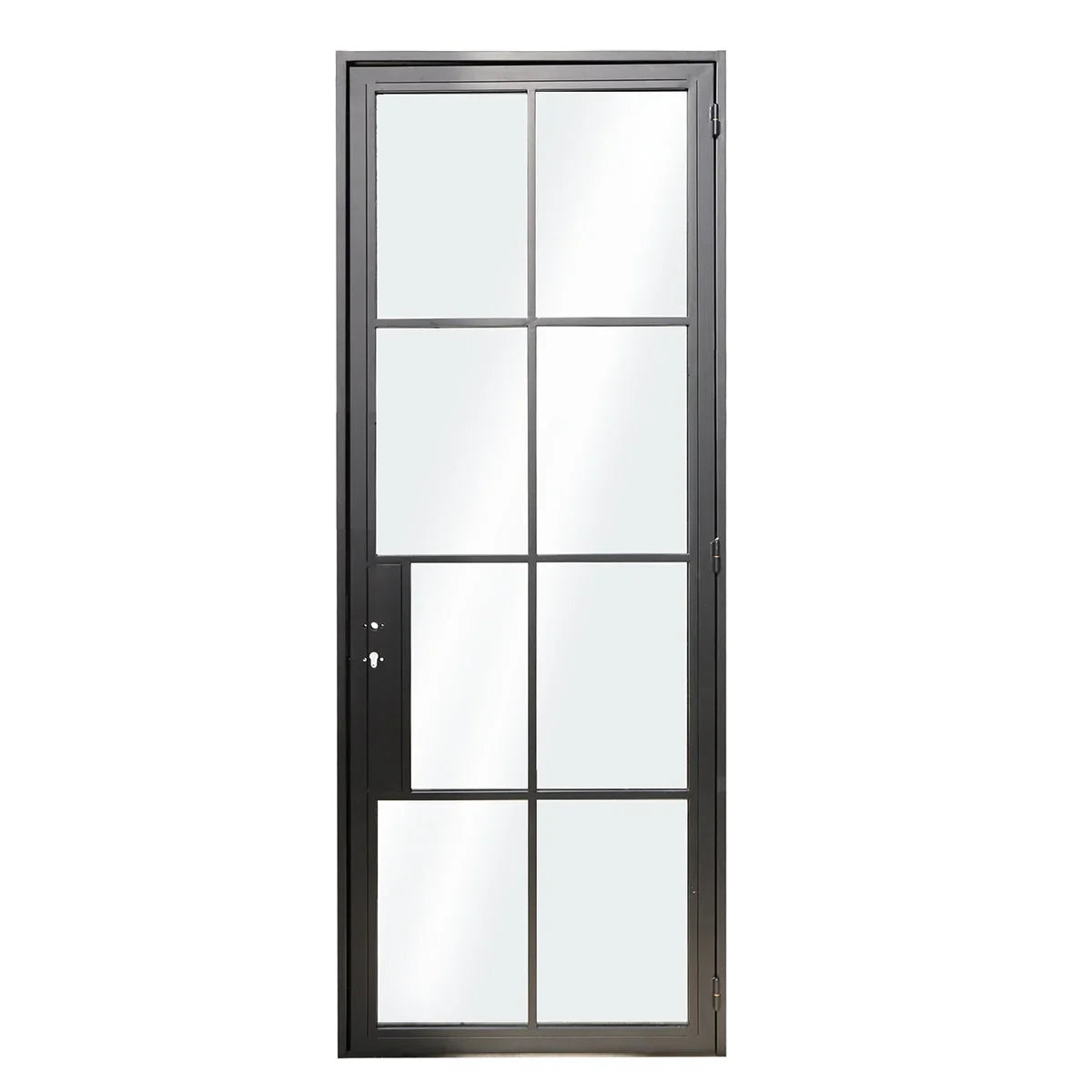
Glass panels, or "lites," can transform a solid steel door into a bright, welcoming entryway. A "9 Lite" door, for example, has nine small glass panes, typically in the top half, that let in natural light without sacrificing too much privacy. For security, look for options with double-pane tempered glass, which is much stronger and safer than standard glass. You can also choose from frosted, textured, or decorative glass to obscure the view while still brightening up your foyer. The right glass configuration adds character and enhances your home's curb appeal.

What Does "Lite" Mean in a Door?

When you're browsing for doors, you'll often see terms like "9-Lite" or "Full Lite," and it can be a bit confusing. Simply put, a "lite" is just the industry term for a pane of glass set into a door. It has nothing to do with the door's weight; it's all about letting in light. So, a "1-Lite" door has a single, large glass panel, while a "9-Lite" door has nine smaller, individual panes. These glass inserts, also known as vision panels, are a fantastic way to brighten up an entryway without compromising on the strength of a steel frame. You can choose from clear glass for maximum light, or opt for frosted or decorative patterns to maintain privacy while still enjoying a naturally lit space.

Don't Forget the Hardware: Locks and Handles

The hardware you choose is the finishing touch that completes your door's look and function. Keep in mind that many steel doors are sold as a "slab," meaning the lockset (doorknob and lock) is not included. This gives you the freedom to select hardware that matches your personal style and security needs. From classic deadbolts to modern smart locks, the options are endless. Consider the finish—like matte black, brushed nickel, or oil-rubbed bronze—to ensure it complements your door color and other exterior fixtures for a cohesive and polished look.

Understanding Door Prep and Hardware Packages

Once you've decided on a door slab or a pre-hung unit, the next step is figuring out the hardware. This isn't just about picking a stylish handle; it's about ensuring everything fits and functions correctly. Doors come with different levels of "preparation" for hardware, from fully kitted-out packages to blank slates ready for custom work. Knowing the difference will help you get exactly what you need for a smooth installation and a secure, finished look. Let's walk through the common options so you can choose with confidence.

Included Hardware Packages

The most straightforward option is a door that comes with a complete hardware package. This is common with pre-hung systems and is designed to take the guesswork out of the equation. A typical package includes the essentials: hinges, a lockset (knob or lever and deadbolt), and weatherseals to create a tight seal. For commercial or heavy-duty applications, you might also find a door closer and a code-compliant threshold included. Choosing a door with an included package ensures all components are compatible and designed to work together, simplifying the installation process significantly and getting your door operational in no time.

Custom Hardware Preparations

If you want more control over your hardware's style and function, look for a door that comes "prepped" but not fully equipped. This means the door slab has been pre-drilled with standard holes for the lockset and hinges, but the hardware itself is sold separately. This is a great middle ground, offering you the flexibility to choose a unique handle or a high-tech smart lock while saving you the trouble of drilling the holes yourself. Many suppliers, including us at USA Builders Depot, offer a wide selection of steel doors with standard prep, allowing you to bundle your preferred hardware for convenience and a perfect match.

Technical Hardware Specifications

If you're buying a door slab and hardware separately, you'll need to pay close attention to the technical specs. Look for terms like "bore" (the large hole for the lockset) and "backset" (the distance from the door's edge to the center of the bore). These measurements must match your chosen hardware. The door's spec sheet will also detail the hinge preparations, including their size and location. Double-checking these details is a critical step to avoid the frustration of finding out your new deadbolt doesn't fit the pre-drilled hole, ensuring a secure and professional-looking installation.

Getting Your New Steel Door Installed

You’ve picked out the perfect door—now it’s time to get it in place. Proper installation is what makes your new steel door truly effective. A door that’s perfectly hung will swing smoothly, lock securely, and create an airtight seal that keeps drafts out. Whether you’re a seasoned contractor or a weekend warrior, understanding the key steps will help you get the job done right.

Pre-Hung vs. Slab: Which Is for You?

First, you’ll need to decide between a pre-hung door and a slab door. A slab is just the door itself—no frame, no hinges. This option works if your existing door frame is perfectly square and in great condition. A pre-hung door, on the other hand, is an all-in-one package. It arrives with the door already mounted in its frame, complete with hinges, weatherstripping, and a threshold. For new construction or if you’re replacing an old, warped frame, a pre-hung unit is almost always the better choice. It takes the guesswork out of aligning the door and ensures a tight, energy-efficient fit from the start. Most of the steel doors you'll find offer this convenient option.

How to Measure Your Door Frame Correctly

Accuracy is everything when it comes to installation. Before you order, grab a tape measure and check your rough opening—the space inside the wall studs where the door frame will sit. Measure the width at the top, middle, and bottom, and use the smallest number. Do the same for the height. A standard 36x80 single steel door typically requires a rough opening of about 38 inches by 82 inches to leave room for the frame and shims. Double-check the manufacturer's specifications before you buy. An accurate measurement ensures your door fits perfectly, preventing air leaks and operational issues down the road.

DIY or Hire a Pro?

So, should you install it yourself or call a professional? If you have solid carpentry skills and the right tools, a DIY installation is definitely achievable, especially with a pre-hung door. Some doors even come with pre-drilled holes to make the process a bit easier. However, hanging a door perfectly can be tricky. If the opening isn’t perfectly square, you’ll need to make precise adjustments with shims. For homeowners who want peace of mind, hiring a professional ensures the job is done correctly and efficiently. If you’re a contractor, you can apply for our trade program to get access to bulk discounts for your projects.

Tips for Safely Handling a Heavy Door

Don’t underestimate the heft of a steel door. They are built for strength and security, which means they are heavy. A solid steel door can easily weigh over 100 pounds, so this is not a one-person job. Always have a helper on hand to assist with lifting and setting the door in place. This prevents injury and protects the door and your floors from accidental damage. Before you start, make sure your workspace is clear and you have all your tools—like levels, shims, and drills—within easy reach. Being prepared makes the process of moving and positioning the heavy door much smoother and safer for everyone involved.

Who Makes the Best 36x80 Steel Doors?

When you start shopping for a steel door, you’ll quickly notice there are quite a few brands to choose from. The "best" one really comes down to your specific needs—are you prioritizing budget, a specific modern look, or the highest possible security? Different manufacturers excel in different areas, so it’s helpful to know the key players and what they bring to the table. Let's walk through some of the top names you’ll encounter and what makes a brand truly stand out from the rest.

A Look at the USA Builders Depot Collection

When you're looking for a door that blends security with serious style, our 36x80 Single Steel Door is a fantastic place to start. We focus on quality craftsmanship you can see and feel, ensuring your entryway makes a statement while keeping your home safe. Our collection is designed for homeowners and builders who want durability without compromising on modern aesthetics. Exploring our full range of steel doors gives you options built to last and designed to impress.

A Look at JELD-WEN and Masonite

You’ve likely come across names like JELD-WEN and Masonite in your search, and for good reason. These brands are staples in the industry, known for producing reliable and often affordable steel doors. JELD-WEN, for instance, is a popular choice for homeowners looking for a secure entrance that fits a practical budget. Both companies offer a wide variety of durable and classic designs that you can find at major home improvement stores. They are a go-to for many builders and renovators who need a dependable door that gets the job done without any fuss.

Other Brands to Consider

Beyond the big names, you'll find a host of other brands making excellent steel doors, often with a focus on specific styles. For example, some companies specialize in modern designs with features like tinted glass lites and bold, black finishes, which have become incredibly popular. Brands like VDOMDOORS have gained traction by offering these contemporary looks. It’s always a good idea to see what’s out there, as you might find a smaller brand that perfectly matches your home’s unique aesthetic. Checking the best-rated options at large retailers can introduce you to some of these contenders.

What Defines a Top-Tier Brand?

So, what separates a good door from a great one? A top-tier brand consistently delivers on a few key promises. First is long-term durability, which comes from using high-quality, weather-resistant materials like galvanized steel that stands up to the elements. Second is thoughtful design and customization. The best brands understand that a front door is a major architectural feature and offer options to personalize everything from the finish to the glass inserts. Ultimately, a leading brand provides a door that is secure, energy-efficient, and perfectly suited to your home’s style.

Common Questions and Myths, Answered

Steel doors come with a reputation for being tough, but that toughness is sometimes misunderstood. If you're considering a steel door, you've probably heard a few things that gave you pause. Let's clear the air and tackle some of the most common questions and myths head-on so you can feel confident in your choice.

Will It Rust? Debunking Corrosion Myths

Let's start with the biggest one: rust. It’s a valid concern, especially for an exterior door that will face the elements day in and day out. While older, untreated steel doors might have had issues, modern manufacturing has solved this problem. Today’s steel doors are built with galvanized steel and finished with protective coatings that create a powerful barrier against moisture and prevent corrosion. As long as that finish is maintained—which just means occasional cleaning and touching up any deep scratches—your door will stand up to rain, snow, and humidity for years without a hint of rust.

Is It Too Heavy to Install?

There’s no denying that a steel door has some heft to it—that’s part of what makes it so secure. But is it too heavy for a standard installation? Not at all. While it’s certainly heavier than a hollow-core interior door, it’s designed to be manageable. For a DIYer, having an extra set of hands is a good idea to help lift and position the door safely. If you’re a contractor, it’s a routine job. Opting for a pre-hung unit, which includes the frame, can also simplify the process significantly, ensuring everything is aligned and ready to go right out of the box.

Can a Steel Door Actually Look Good?

Absolutely! The idea that steel doors are just plain, industrial slabs of metal is long outdated. Modern designs offer incredible versatility to match any architectural style, from sleek and contemporary to classic and traditional. You can find 36x80 single steel doors with beautiful glass inserts, decorative paneling, and finishes that convincingly mimic the warm look of natural wood. Plus, they can be painted in virtually any color, giving you complete creative control to customize your entryway and make a statement that reflects your personal style.

How Energy Efficient Is It, Really?

A steel door isn't just strong; it's also a smart choice for your energy bills. Most high-quality steel doors are engineered with a thermal break and an insulating core, typically made of polyurethane foam. This core acts as a barrier, preventing heat from escaping in the winter and keeping cool air inside during the summer. This excellent insulation helps maintain a consistent temperature in your home, reducing the strain on your HVAC system. Over time, the energy savings can be substantial, making a steel door a great long-term investment for both your wallet and your home’s comfort.

Where to Buy Your 36x80 Steel Door

Once you’ve decided that a 36x80 steel door is the right fit for your project, the next step is finding the right place to buy it. The supplier you choose can impact everything from product selection and price to shipping and customer support. A great supplier doesn’t just sell you a door; they provide a seamless experience from start to finish. Whether you’re a homeowner tackling a weekend project or a contractor outfitting an entire building, knowing where to look and what to look for is key to getting the best value and a product you’ll love for years to come.

Online vs. In-Store: The Pros and Cons

Shopping for a steel door in a physical store allows you to see and touch the product, which can be helpful for judging its weight, finish, and overall quality. However, brick-and-mortar stores often have limited inventory and may not carry the specific style or configuration you need. Online suppliers, on the other hand, typically offer a much wider selection. Shopping online for steel doors gives you access to a vast range of designs, glass options, and hardware without leaving your home. You can easily compare prices and specs from different brands, ensuring you find the perfect door that fits both your style and budget.

Purchase Limitations to Know

Before you click “buy,” it’s smart to read the fine print. One of the most common surprises is discovering you’ve purchased a “door panel only”—just the slab, without the frame, hinges, or threshold. This is a great option if your existing frame is in perfect shape, but it’s a headache if you were expecting a complete pre-hung unit. Some suppliers also have specific purchasing rules; for example, certain doors might only be available for in-store pickup or require a phone call to order, which can be a hurdle if you're not local. Always double-check the product description to understand exactly what's included in your purchase and how you can complete the transaction to avoid any last-minute issues.

How to Find Trade and Bulk Discounts

If you’re a contractor, builder, or designer, you should always look for suppliers that offer trade programs. These programs provide exclusive discounts on bulk orders, which can lead to significant savings on large projects. Many suppliers have a straightforward application process to get you set up with professional pricing. For example, you can fill out a trade application to access special pricing and services tailored to industry professionals. Even if you’re a homeowner, buying multiple doors for a full renovation might qualify you for a bulk discount, so it’s always worth asking.

What to Expect from Shipping and Delivery

When buying a heavy item like a steel door online, understanding the shipping process is essential. Before you purchase, check the estimated delivery time and cost. Most suppliers offer curbside delivery, meaning the door will be delivered to the edge of your property. It’s a good idea to have a plan for moving it from the curb to a secure location. A reliable supplier will provide fast nationwide shipping and ensure your door is properly packaged to prevent damage during transit. Always inspect the door for any dings or scratches immediately upon arrival, before you sign for the delivery.

Don't Skip This: Warranties and Support

A steel door is a long-term investment, so a solid warranty is non-negotiable. Look for suppliers that clearly state their warranty terms, covering potential defects in materials and workmanship. Good customer support is just as important. You want a team that is responsive and helpful if you have questions about installation or encounter any issues after your purchase. Reading customer reviews can give you a great sense of a company’s reputation for service and product quality. A supplier that stands behind its products with a strong warranty and accessible support provides valuable peace of mind.

Checking the Return Policy

Before you finalize your purchase, take a moment to review the supplier's return policy. A steel door is a large, heavy item, and returning it isn't as simple as dropping a small package at the post office. Look for a few key details: the length of the return window, whether the door must be in its original packaging, and who is responsible for the return shipping costs, which can be substantial. Many suppliers will only pay the return shipping costs if the return is due to their error. Also, be aware that custom-ordered doors are often non-refundable unless they arrive damaged or have a manufacturing defect. Understanding these terms upfront can save you from a major headache later on.

Related Articles

Read more

A secure and stylish 36x96 single steel door installed in a modern home entryway.
Steel Door

Your Complete Guide to the Single Steel Door

Find out why a 36x96 single steel door is the perfect blend of style, security, and energy efficiency for your home’s entryway.

Read more
A modern accent wall featuring the best 3D wall panels with a geometric design.
Wall Panels & Cladding

How to Choose the Best 3D Wall Panel for Your Home

Find the best 3D wall panel for your space with this buyer’s guide—compare top brands, materials, and installation tips for a flawless feature wall.

Read more