



The Ultimate Acoustic Slat Panel Buyer's Guide
Ever notice how conversations can feel loud and hollow in a room with bare walls? That distracting echo is a common problem. But what if the solution could also be a stunning architectural feature? That’s the dual power of the acoustic slat panel. These panels are a brilliant blend of form and function, combining the natural beauty of wood with high-performance sound absorption. They turn any plain wall into a work of art that makes your space quieter and more comfortable. In this guide, we’ll cover how to choose the right style, what makes a quality panel, and how to install them for a flawless, professional finish.
Key Takeaways
- Solve for Style and Sound Simultaneously: Acoustic slat panels are a powerful design tool that adds modern texture to your walls while also absorbing excess noise to create a calmer, more focused space.
- Manage Echo, Don't Expect Soundproofing: Remember that acoustic panels are built to absorb sound within a room, reducing echo and making conversations clearer. They won't block noise from your neighbors or the street.
- Choose Your Installation Based on Your Goal: For a simple aesthetic upgrade, mount panels directly to the wall. For maximum sound absorption, install them on wooden battens with mineral wool insulation behind them to achieve Class-A performance.
What Are Acoustic Slat Wood Panels?
Ever walked into a room that just feels calm and focused? Chances are, the acoustics had something to do with it. Acoustic slat wood wall panels are one of the most popular ways designers and homeowners are achieving that feeling. These panels are stylish wall coverings made of vertical wood strips mounted on a soft, felt-like backing. They’ve become a go-to material for hotels, restaurants, home offices, and living rooms for one simple reason: they do two jobs at once.
First, they add warmth, texture, and a sophisticated architectural element to any wall. The clean lines of the slats create a modern look that complements a wide range of decor styles, from minimalist to rustic. Second, and most importantly, they improve the sound quality of a space. Instead of sound waves bouncing off hard surfaces like drywall or concrete and creating harsh echoes, these panels absorb them. This makes conversations clearer, music sound richer, and the entire room feel more peaceful. They are the perfect blend of form and function, offering a beautiful solution to everyday noise problems.
How Do Slat Panels Actually Work?
So, how does a simple-looking panel work its magic on sound? It’s all about its clever, two-part construction. When sound waves from a conversation, TV, or music travel across a room, they first hit the wood slats. The slats’ surface helps to break up the sound waves, scattering them instead of letting them bounce back as a flat, harsh echo.
But the real work happens in the layer behind the wood. The sound waves that pass through the gaps between the slats are then trapped by the soft, porous acoustic felt backing. This material is designed to absorb sound energy, converting it into a tiny amount of heat and stopping it from reflecting back into the room. This process, known as sound absorption, is what reduces reverberation and makes a space feel acoustically comfortable.
What's Inside an Acoustic Slat Panel?
Acoustic slat panels are engineered with specific materials chosen for performance and aesthetics. The slats themselves are typically made from MDF (Medium-Density Fiberboard), which provides a stable and smooth base. A thin layer of real wood veneer is then applied to the surface, giving you the beautiful, natural grain of woods like oak or walnut without the weight or cost of solid timber. This construction ensures the slats remain straight and consistent.
The backing is just as important. It’s made from a high-density acoustic felt, which is often produced from recycled materials like plastic bottles, making it an environmentally friendly choice. This felt is specifically designed to be porous enough to trap sound waves effectively. Together, the wood-veneered slats and the recycled felt backing create a high-performance panel that looks incredible and significantly improves a room's soundscape.
Sound Absorption vs. Soundproofing: What's the Difference?
This is a big one, so let's clear it up. Acoustic panels are designed for sound absorption, not soundproofing, and the two are very different. Think of it this way: sound absorption is about controlling the sound quality inside a room. It’s like putting a plush rug and soft furniture in an empty, echoey space to stop it from sounding hollow. The panels soak up excess sound to reduce echo and reverberation, making speech clearer and the environment more pleasant.
Soundproofing, on the other hand, is about blocking sound from traveling from one space to another. It’s like building a thick, dense wall to stop you from hearing your neighbor’s TV. Soundproofing requires mass and airtight construction to create a barrier. While acoustic slat panels will make a room quieter, they won't stop noise from coming through the walls.
Why Your Space Needs Acoustic Slat Panels
Slat wood panels are more than just a design trend; they're a functional upgrade that solves common problems while looking incredible. Whether you're designing a cozy home theater, a productive office, or a welcoming restaurant, these panels offer a unique combination of benefits. They tackle sound issues, add visual interest, and fit seamlessly into a wide range of design aesthetics. Let's break down exactly why slat wood panels have become such a go-to choice for designers, contractors, and homeowners. From creating a peaceful environment to making a bold style statement, you'll see how versatile and effective these panels can be in almost any setting.
Tame Echo and Improve Sound Quality
One of the biggest reasons people choose acoustic slat panels is for their sound-dampening properties. In rooms with hard surfaces like hardwood floors and large windows, sound waves bounce around, creating distracting echo and reverb. Slat panels are designed to absorb these sound waves, thanks to their slatted wood construction and felt backing. This helps quiet a noisy room, clarifies conversations, and makes your audio sound crisp and clear. It’s an ideal solution for home offices where you take calls, media rooms for better movie nights, or any open-concept living space that feels a bit too loud. They create a more balanced and pleasant acoustic environment without sacrificing style.
Instantly Add Warmth and Texture
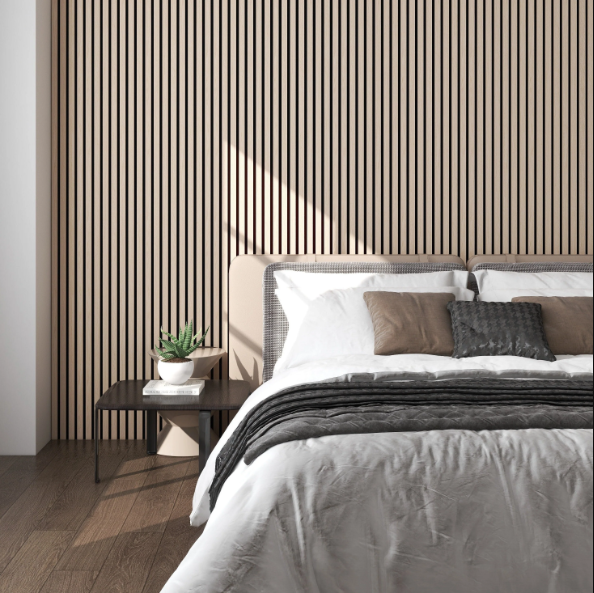
Beyond their acoustic benefits, slat wood panels are a fantastic way to add warmth, texture, and architectural interest to a plain wall. The clean, vertical lines create a sense of height and modern sophistication, turning a simple surface into a stunning feature wall. Available in a variety of wood veneers and finishes, you can find wall panels that complement any color scheme. They bring a natural, organic element indoors that feels both contemporary and timeless. Whether you use them to frame a TV, create a headboard, or cover an entire wall, they instantly make a space feel more polished and intentionally designed.
Ideal for Both Home and Commercial Spaces
In commercial settings like offices, restaurants, and hotels, controlling the ambiance is key. Slat wood panels are a multifunctional solution that improves acoustic comfort while reinforcing a brand's identity. In an office, they reduce noise distractions, helping create a more focused and productive environment. In a restaurant or café, they absorb chatter and clatter, allowing for more comfortable conversations. These panels are also durable enough for high-traffic areas and offer a high-end look that impresses clients and customers. For contractors and business owners, this makes them a smart investment that enhances both function and form. Professionals can even apply for a trade account to get discounts on bulk orders.
From Modern to Rustic: Finding Your Style
The versatility of slat wood panels is one of their best features. Their clean lines and natural material make them a perfect fit for several popular design styles. In Scandinavian and Japandi interiors, they add warmth and a connection to nature. For modern and minimalist spaces, they provide subtle texture without creating clutter. They can even work in industrial designs by softening hard elements like concrete and metal. You can paint them to match your walls for a subtle, textured look or choose a contrasting wood finish to make a bold statement. Paired with the right lighting fixtures, they can completely transform the mood of a room.
What to Look for in a Quality Slat Panel
Not all slat panels are created equal. When you’re shopping, the small details—from the type of wood veneer to the density of the felt backing—make a huge difference in both appearance and acoustic performance. Paying attention to these key features ensures you get a product that looks beautiful and effectively manages sound in your space. Let’s break down exactly what to look for.
Choosing the Right Wood and Veneer
The surface of the slat is what you see, so the wood choice is critical for your design. Most high-quality panels use a wood veneer over a stable MDF core. You’ll typically find options like natural wood veneer, which showcases the unique grain and texture of real wood like oak or walnut. For a more consistent look, engineered veneers are a great choice. If you’re looking for full creative control, consider Unfinished Wood Wall Panels that you can paint or stain to perfectly match your room’s color palette. This allows you to create a truly custom feature wall.
The Advantage of 3-Sided Veneer
When you're comparing acoustic slat panels, you might notice a detail called a "3-sided veneer." This is a premium feature that makes a huge difference in the final look. It means the real wood veneer doesn't just cover the front of each slat; it wraps seamlessly around both sides as well. On lower-quality panels, the sides of the slats are often left as exposed MDF, which can look unfinished when viewed from an angle. The 3-sided design ensures the beautiful wood grain is visible from every viewpoint, giving your wall a much more polished, cohesive, and high-end appearance. It’s a mark of quality craftsmanship that truly sets a panel apart.
This continuous wrap of veneer does more than just look good—it adds to the panel's authenticity and durability. By covering the edges, the panel more closely mimics the appearance of solid wood, adding depth and a natural warmth that enhances the entire space. Functionally, this design also protects the MDF core of the slats from moisture and chipping, which is especially important in high-traffic areas or rooms with fluctuating humidity. When you invest in Acoustic Wall Panels with a 3-sided veneer, you're choosing a product designed for both superior aesthetics and long-term performance, ensuring your feature wall remains a stunning focal point for years.
Why the Felt Backing and Core Matter
The magic of acoustic panels happens in the backing. Look for panels with a dense, high-quality felt backing, which is responsible for absorbing sound waves and reducing echo. The best acoustic felt is often made from recycled materials, making it an eco-friendly choice. This material traps sound, preventing it from bouncing around the room. The slats themselves are usually made from MDF (Medium-Density Fiberboard) because it’s stable, durable, and provides a smooth surface for the veneer. Together, the solid core and absorbent felt create a powerful combination for sound control.
Checking for Sustainable Materials
Making a design choice you feel good about often means looking at the materials behind the product. Many high-quality acoustic slat panels are made with sustainability in mind. When you're comparing options, look for wood veneers sourced from certified, sustainable forests, which ensures the timber is harvested responsibly. The real star of the show, however, is often the felt backing. This is the layer that does the heavy lifting for sound absorption, and it's frequently made from recycled materials like plastic bottles. Choosing panels with these features means you're not just creating a beautiful, quiet space—you're also making an environmentally conscious decision.
How to Read Performance Ratings
Acoustic panels are rated using a system that measures their ability to absorb sound. You might see a Noise Reduction Coefficient (NRC) rating or a Sound Absorption Class, ranging from A to E. Class A represents the highest level of absorption. However, this rating isn't just about the panel itself—it’s also about how it’s installed. Mounting panels directly on a wall offers good performance, but for Class-A results, you’ll want to install them on wooden battens with mineral wool insulation behind them. This creates an air gap that traps even more sound, maximizing the panel’s effectiveness.
Understanding Sound Absorption Rates
The sound absorption rating you see on a panel isn't a fixed number—it's a measure of its potential, which is determined by how you install it. Think of it this way: mounting a panel directly onto your wall will provide a noticeable reduction in echo and is a great option for a simple aesthetic upgrade. However, to achieve the highest level of performance, like a Class-A rating, you need to create an air gap. This is done by installing the panels on wooden battens with mineral wool insulation placed in the space behind them. This method significantly increases the panel's ability to trap sound waves, making it the gold standard for spaces where acoustic control is a top priority, like home theaters or offices. Understanding this difference helps you plan your installation based on whether your primary goal is style, maximum sound absorption, or a balance of both.
Finding the Perfect Finish for Your Panels
Beyond the type of wood, the finish determines the final look. Popular options range from Natural Oak and Walnut to darker, moodier Smoked Oak and Black finishes. The color of the felt backing can also change the overall aesthetic, with grey felt offering a softer contrast than standard black. Because colors can look different on a screen, I always recommend ordering samples first. This lets you see how the various Acoustic Wall Panels look in your home’s lighting and how they feel to the touch, so you can make a confident decision.
Common Colors and Finishes
When it comes to choosing the right look for your slat panels, you have plenty of options that go far beyond basic wood. The classics like Natural Oak and Walnut are always popular because they bring an organic warmth and timeless sophistication to any room. You can also find panels in a range of modern tones, from rich, earthy Umber to a dramatic, elegant Ebony, that add texture and depth. For those with a very specific color palette in mind, the best choice is often an Unfinished Wood Wall Panel. This gives you a blank canvas to paint or stain, allowing you to perfectly match your existing decor and create a custom accent wall that is uniquely yours.
How to Choose the Right Acoustic Panels
Choosing the right acoustic panels can feel like a big decision, but it really comes down to balancing two key things: performance and style. You want panels that solve your sound issues, but you also want them to look amazing in your space. The good news is that with slat wood panels, you don't have to compromise. They are designed to deliver on both fronts.
The key is to approach it step-by-step. Before you even think about wood finishes or colors, you need a clear picture of what you're trying to achieve acoustically. Are you dealing with a slight echo in a large living room, or are you trying to create a focused environment for a home office or recording space? Once you know your goal, you can start exploring the design options that will bring your vision to life. Thinking through your needs first will help you narrow down the choices and find the perfect panels for your project.
Understanding Panel Dimensions and Coverage
Before you can start your project, you need to know how many panels to order. Most acoustic slat panels come in a standard size, which makes planning pretty straightforward. For example, a typical panel is around 94.5 inches tall and 12.6 inches wide. They are designed with seamless edges, so when you place them side-by-side, they create a continuous, uninterrupted look. To figure out how many you need, just measure the width of the wall you want to cover and divide it by the width of a single panel. The standard height is usually enough to cover a wall from floor to ceiling, but you can easily trim them down with a fine-toothed saw to fit shorter walls or work around outlets and light switches.
Exploring Different Panel Types
Once you have your measurements, the fun part begins: choosing a style. The most common options feature a real wood veneer, which gives you the authentic grain and texture of woods like oak and walnut. For a more premium look, some panels have a "3-sided veneer," meaning the wood grain wraps around the edges of each slat for a more finished appearance. If you have a specific color in mind, look for Paint and Stain Grade Panels that you can customize. There are also specialty options, like durable WPC (Wood Plastic Composite) panels for interiors or even Exterior Shiplap Cladding for outdoor projects, giving you plenty of creative freedom.
How Much Sound Absorption Do You Need?
First things first, take a moment to listen to your room. Walk into the space, clap your hands, and listen for an echo or flutter. Is conversation hard to hear? Does the TV sound hollow and distant? Acoustic panels are specifically designed to improve the sound quality of a space by absorbing sound waves, reducing echoes, and minimizing background noise. A home theater will have different needs than a bustling open-plan office or a quiet bedroom. Identifying your primary acoustic challenge is the most important first step. This will guide how many panels you need and where you should place them for the best results.
Matching Panels to Your Existing Decor
Now for the fun part: aesthetics. Slat wood panels are a powerful design tool that can add warmth, texture, and a modern architectural element to any room. Think about your existing decor. Are you aiming for a minimalist Scandinavian look, a warm mid-century modern vibe, or a sleek, contemporary feel? With options ranging from rich walnut and classic oak to unfinished panels you can paint or stain yourself, there’s a style for every interior. These panels are a favorite in high-end hotels and restaurants for a reason—they are a multifunctional solution that enhances both acoustic comfort and visual appeal.
Calculate How Many Panels You Need
You don’t need to cover every surface to get great results. For most residential rooms, treating one or two key walls—often the ones reflecting the most sound—is enough to make a significant difference. A good starting point is to cover the wall your TV is on or the wall directly across from your main speakers. For the best possible sound absorption, consider your installation method. To achieve Class-A performance, you can install the panels with thin wood strips (batons) and mineral wool insulation behind them. This creates an air gap that dramatically improves their ability to trap sound waves. If you're a trade professional, you can also find bulk discounts for larger jobs.
Why You Should Test Samples First
Colors and textures can look different on a screen than they do in your home. Lighting plays a huge role in how a wood finish will appear, changing throughout the day. Buying samples is the best way to see and feel the quality of the panels before committing to a full order. Hold the sample up on the wall you plan to install it on and look at it in the morning, afternoon, and evening light. This simple step helps you confirm that the finish complements your paint colors, flooring, and furniture, ensuring you’ll love the final result. It’s a small investment that provides complete peace of mind.
Getting Reimbursed for Sample Costs
Paying for samples can feel like an extra step, but it's a smart one—and it doesn't have to be an extra cost. Many suppliers, especially for materials like acoustic slat wood panels, offer a sample reimbursement program. The process is straightforward: you order the samples to see them in your space, and once you’re ready to buy, the cost of the samples is deducted from your final order total. This approach makes testing your options completely risk-free. It’s a sign that a company stands behind its quality and wants you to be 100% confident in your decision before you commit.
How Much Do Acoustic Slat Panels Cost?
When you start shopping for acoustic slat panels, you’ll find that prices can vary quite a bit. Generally, you can expect a box of panels to start around $200, but this number can climb depending on the materials, brand, and acoustic performance. It’s helpful to think of these panels as an investment in both the style and function of your space. You’re not just buying a wall covering; you’re purchasing a solution that can dramatically improve a room's sound quality while adding a sophisticated, modern design element. The final cost of your project will depend on the size of the area you want to cover and the specific type of acoustic wall panels you choose. As you compare different options, it’s important to look beyond the initial price tag and consider the factors that contribute to their value, from sound absorption capabilities to long-term durability.
Typical Price Ranges to Expect
When you're budgeting for your project, it helps to have a clear idea of the costs involved. The price for acoustic slat panels can vary quite a bit, depending on factors like the wood veneer, the density of the acoustic felt, and the overall brand quality. As a general rule, you can expect a box of panels to start around $200. However, you'll find options across the spectrum, from more budget-friendly choices to high-end designer panels. It’s important to see this as an investment in your space—you're not just getting a beautiful feature wall, but also a significant improvement in sound quality. As you explore different Acoustic Wall Panels, focus on the long-term value they bring in terms of both durability and acoustic performance, not just the initial price.
What Factors Influence the Price?
Several key factors determine the price of acoustic slat panels. The most significant is the material. Panels made with real wood veneers like oak or walnut will be more expensive than those with a laminate or paint-grade finish. The quality of the core material—typically MDF—and the density of the recycled felt backing also play a big role in both cost and performance. A thicker, more absorbent felt backing does a better job of dampening sound, but it also adds to the manufacturing cost. Beyond the raw materials, the brand and design complexity influence the price. Well-known manufacturers may charge more for their reputation and proven quality, while intricate designs or custom finishes will also increase the cost compared to standard, off-the-shelf panels.
How to Save with Bulk and Trade Discounts
If you’re covering a large wall or outfitting multiple rooms, the cost can add up quickly. The good news is that many suppliers offer discounts for bulk purchases. This is especially beneficial for contractors, designers, and builders who are buying materials for client projects. Look for suppliers that have a dedicated program for professionals, as this is often the best way to get reduced pricing on high-quality materials. For example, here at USA Builders Depot, we offer a trade program that gives industry professionals access to exclusive pricing. Even for homeowners tackling a big DIY project, it’s always worth asking about discounts on larger orders or looking for promotions like free shipping when you buy a certain number of boxes.
Benefits for Trade Professionals
For contractors, designers, and builders, acoustic slat panels are more than just a design choice—they're a problem-solver for your clients. In commercial settings like offices or restaurants, these panels offer a multifunctional solution that tackles noise control while delivering a high-end aesthetic. This makes them a smart investment you can confidently recommend, as they enhance both the function and form of a space. Sourcing these materials efficiently is also key to keeping projects on budget. That’s why looking for suppliers with dedicated professional programs is so important. For example, our trade program provides access to bulk discounts, helping you secure premium materials while protecting your profit margins on every job.
How to Compare Value, Not Just Price
It’s easy to get caught up in comparing sticker prices, but with acoustic panels, it’s crucial to think about long-term value. A cheaper panel might save you money upfront, but it may not deliver the sound-dampening results you’re looking for. A high-quality panel, on the other hand, can transform a noisy, echo-filled room into a calm and focused environment. This improvement in sound quality adds real value to your home or commercial space, enhancing comfort and productivity. When you’re comparing options, consider the panel’s acoustic ratings, the durability of the materials, and the quality of the finish. A well-made panel will not only perform better but will also look great for years to come. Think about the overall impact: a beautiful accent wall that also makes conversations clearer is an investment that pays off every day.
Where to Find High-Quality Slat Wood Panels
Once you’ve decided to add slat wood panels to your space, the next big step is finding a reliable supplier. The right partner won’t just sell you a product; they’ll provide high-quality materials, a wide selection, and the support you need to get the job done right. When you’re shopping around, consider the range of finishes, the quality of the acoustic felt backing, and whether the company offers services like nationwide shipping and trade discounts. A great supplier makes the entire process smoother, from selecting the perfect panels to getting them delivered to your door.
Why Choose USA Builders Depot
When it comes to sourcing acoustic panels, we believe in making things simple without sacrificing quality. By installing our Acoustic Wall Panels, you can significantly improve sound quality in any room, which is perfect for creating a more focused home office or a more peaceful living area. We offer a huge variety of options that cater to both aesthetic and acoustic needs, making us a top choice for homeowners and contractors looking to enhance their spaces.
We also understand that a project involves more than just panels. That’s why we offer fast nationwide shipping to keep your timeline on track. If you’re a trade professional, you can apply for our trade program to access bulk discounts and specialized support. Our goal is to be your one-stop shop for premium building materials.
Veneer vs. Paint-Grade: Which Is Right for You?
Slat panels offer a unique aesthetic appeal while improving a room’s ambiance and acoustics. The best part is the flexibility you get with different finishes. At USA Builders Depot, we carry options that allow for complete customization to fit your design vision.
Our Natural Veneer Wall Panels feature a thin layer of real wood, giving you the authentic grain and warmth of species like oak or walnut for a timeless, high-end look. If you have a specific color palette in mind, our Paint and Stain Grade Panels are the perfect blank canvas. You can paint them to match your walls for a subtle, textured effect or choose a bold, contrasting color to create a dramatic focal point.
How Top Brands Compare
Slatted wood wall panels have become a go-to material for hotels, restaurants, offices, and homes. As you compare different brands, it’s helpful to look beyond the price tag and consider a few key factors that separate the good from the great. First, check the material quality—is the core made from durable MDF, and is the felt backing thick enough to provide real acoustic benefits?
Next, look at the product range. A top-tier supplier will offer a wide selection of finishes and may even carry specialty products like Exterior Fluted Slat Wall Panels for outdoor applications. Finally, consider logistics and support. Does the company have a track record of reliable, nationwide shipping? Do they offer clear installation guidance and responsive customer service? The best brands provide a seamless experience from start to finish.
What High Customer Ratings Indicate
When you’re investing in materials for a project, trust is everything. High customer ratings are more than just a gold star; they’re a reliable indicator of a company's product quality and customer service. Research from the American Marketing Association shows that consumer reviews have the greatest influence on high-involvement products—exactly like building materials. A history of positive feedback shows that a supplier consistently delivers on its promises, from the quality of its wall panels to the accuracy of its orders. Before committing to a purchase, take a few minutes to read through a company’s reviews. It’s one of the best ways to gauge whether you can expect a smooth, professional experience.
Understanding Shipping and Return Policies
Nothing stalls a renovation project faster than a delayed or incorrect shipment. That’s why a company’s shipping and return policies are just as important as the quality of its products. A great supplier understands that your project runs on a timeline and offers fast, reliable nationwide shipping to keep things moving. Clear, straightforward policies give you peace of mind, ensuring you know exactly what to expect and what your options are if something isn’t quite right. According to a guide from PowerReviews, clear and favorable policies are key drivers of customer satisfaction. Look for a company that is transparent about shipping times and makes its return process simple and hassle-free. This commitment to a positive customer experience is a hallmark of a supplier you can count on.
Available Payment Options
Building and renovation projects are a significant investment, and managing your budget is crucial. The best suppliers make this easier by offering flexible payment options. Having choices beyond a simple credit card transaction can make high-quality materials more accessible and help you manage your cash flow, whether you’re a homeowner working on a single room or a contractor juggling multiple job sites. As research published in ScienceDirect points out, the overall customer experience, including payment flexibility, contributes to better outcomes and higher satisfaction. This flexibility is especially valuable for trade professionals, who can often access specialized accounts or financing to streamline their purchasing process. A company that invests in providing convenient payment solutions shows that it understands and supports its customers' financial needs.
How to Install Acoustic Slat Panels
One of the best things about acoustic slat panels is how simple they are to install. Whether you’re a seasoned contractor looking for an efficient solution or a weekend DIY warrior ready for a new project, you can create a stunning feature wall in just a few hours. The process is straightforward, and you have a couple of installation options depending on your goals and the level of sound absorption you need.
You can mount the panels directly to the wall for a quick visual upgrade, which is perfect for adding texture and warmth with minimal effort. This method is incredibly fast and requires the fewest materials. Alternatively, you can install them on a batten frame to maximize their sound-absorbing properties. This second method is ideal for spaces like home offices, media rooms, or commercial settings where controlling echo and noise is key. Before you begin, it’s a good idea to gather all your tools and map out your layout. This little bit of prep work will ensure a smooth process and a professional-looking result that completely transforms your space. No matter which method you choose, you'll be surprised at how quickly your room takes on a whole new character.
Installing on Different Wall Surfaces
The great thing about acoustic slat panels is that they can be installed on almost any interior wall, from standard drywall and plaster to more challenging surfaces like concrete or brick. The key is to use the right hardware for the job. For drywall, you can use black screws driven directly into the wall studs for a secure hold, or use drywall anchors if a stud isn't available. For an even cleaner look, a strong construction adhesive works beautifully. If you're working with a concrete or brick wall, you'll need to use masonry screws and a hammer drill to ensure the panels or battens are firmly attached. Regardless of the surface, always make sure it's clean and dry before you begin to guarantee the best possible adhesion and a professional finish.
Direct Mount vs. Batten Frame: Which Method Is Best?
The quickest way to get your panels up is the direct mount method. For this, you simply screw the panels through their felt backing directly into the wall. It’s a great choice if your primary goal is aesthetics and you want a fast, easy project. You can also use a strong construction adhesive in combination with screws for extra security.
For the best acoustic performance, the batten frame method is the way to go. This involves securing thin wooden strips (battens) to the wall first, then attaching the acoustic wall panels to the battens. This creates an air gap behind the panels, which significantly improves their ability to absorb sound. It’s the preferred method for home theaters, recording studios, or any room where sound quality is a top priority. Both methods work for vertical or horizontal panel orientations.
Get Your Tools Ready: A Quick Checklist
Gathering your tools and materials beforehand makes the installation process much smoother. You won’t need anything too specialized, and you probably have most of these items already in your garage or workshop.
Here’s a quick checklist:
- Tools: Tape measure, pencil, level, a fine-toothed hand saw or circular saw, and a drill/driver.
- Materials: Your acoustic slat panels, black screws (they blend into the felt backing), and a strong construction adhesive (optional for direct mount).
- For the Batten Method: You’ll also need wooden battens (1x2s work well) and longer screws to secure them to the wall studs.
- For Maximum Sound Absorption: Consider adding mineral wool insulation to fit between the battens.
A Step-by-Step Installation Guide
Ready to get started? Just follow these simple steps for a flawless installation.
- Measure and Prep: Start by measuring your wall and planning your layout. Use a stud finder to locate and mark the wall studs—this is where you’ll anchor your screws for a secure hold.
- Cut Panels: If your panels need to be trimmed to fit around outlets, windows, or the edges of the wall, measure carefully and cut them with a fine-toothed saw. It’s best to cut from the back to prevent splintering the wood veneer.
- Install the First Panel: For a direct mount, apply construction adhesive to the back of the panel and press it against the wall. For the batten method, skip the adhesive. Place your first panel and use a level to ensure it’s perfectly straight.
- Secure the Panel: Drive black screws through the felt backing and into the wall studs (or battens). About 9-12 screws per panel is a good rule of thumb for a secure fit.
- Add Remaining Panels: Continue installing panels, making sure each one fits snugly against the last. The felt backing on each panel overlaps slightly, creating a seamless, professional finish.
Tips for Cutting Panels to Size
One of the best features of these panels is how easy they are to customize. You can cut them to fit perfectly around light switches, outlets, or windows for a truly built-in look. The key is to handle the two materials—wood and felt—separately. For the wood slats, use a saw with a fine-toothed blade to get a clean, sharp edge. A circular saw or even a hand saw will work well. To avoid chipping the veneer, I always recommend placing painter's tape along your cut line and cutting from the back of the panel. Once the slats are cut, you can simply use a sharp utility knife to slice through the felt backing. This two-step process ensures a professional finish every time.
Securing Panels with the Right Hardware
The final step is securing your panels, and the right hardware makes all the difference for a clean, seamless look. The easiest way to do this is by driving screws directly through the felt backing and into the wall or battens. For a nearly invisible finish, use black screws that blend right into the dark felt. If your panels have a grey felt backing, silver or grey screws will work just as well. To ensure your acoustic panels are held firmly in place, use at least nine screws per panel, spacing them evenly across the surface. This provides a secure hold that will last for years, whether you're mounting them directly to drywall or onto a batten frame for enhanced sound absorption.
Pro Tip: Add Mineral Wool for Maximum Absorption
If you’re serious about improving your room’s acoustics, adding mineral wool is a game-changer. This step is only for the batten frame installation method, but it’s what helps you achieve a top-tier, Class A sound absorption rating. After you’ve secured the wooden battens to the wall, simply cut the mineral wool insulation to fit snugly into the spaces between them. A thickness of around 45mm (about 1.75 inches) is ideal as it fits perfectly behind the panels without compressing. Once the insulation is in place, you can install the acoustic slat panels directly onto the battens as usual. This combination of slats, an air gap, and insulation traps sound waves far more effectively than the panels alone.
Debunking Common Myths About Acoustic Panels
Acoustic panels have become a go-to solution for both designers and homeowners, but a few misconceptions still float around. It’s easy to get the wrong idea about what they do and where they belong. Let's clear up some of the most common myths so you can make an informed decision for your space. Understanding the truth about these versatile panels will help you see just how valuable they can be for improving the sound and style of almost any room. From managing noise in a busy living area to adding a sophisticated touch to an office, knowing the facts is the first step.
Myth 1: Acoustic Panels Are the Same as Soundproofing
This is probably the biggest misunderstanding about acoustic panels. Many people think they are a soundproofing solution that will create a silent, isolated room. In reality, Acoustic Wall Panels are designed for sound absorption, not soundproofing. Their job is to improve the sound quality within a space by soaking up sound waves, which reduces echo and reverberation. This makes conversations clearer and music sound richer. Soundproofing, on the other hand, involves blocking sound from entering or leaving a room and usually requires structural changes like adding mass to walls. So, while panels will make your room sound much better, they won’t stop you from hearing loud noises from the street.
Myth 2: They Only Belong in Recording Studios
When you hear "acoustic panels," it’s easy to picture a professional recording studio or a concert hall. While they are essential in those environments, their use is much broader. Think about any space where sound quality matters. A noisy restaurant can feel more intimate, a home office can become a more focused workspace, and a living room can transform into the perfect spot for movie nights. Any room with hard surfaces like wood floors, large windows, or high ceilings can benefit from panels that tame stray sound waves. They are a functional design element that adds comfort and calm to everyday spaces, not just specialized ones.
Myth 3: Any Slat Panel Will Give You the Same Results
It might seem like any wood slat panel would have the same effect, but that’s far from true. The effectiveness of an acoustic panel comes from its specific construction: the type of wood or veneer, the density of the core material, and most importantly, the quality of the felt backing. These components are engineered to work together to absorb sound waves effectively. A purely decorative slat wall won't offer the same acoustic benefits. High-quality panels, like Unfinished Wood Wall Panels that you can customize, are designed with performance in mind. The materials, spacing of the slats, and felt backing are all chosen to deliver measurable acoustic improvements, proving that not all panels are created equal.
How to Care for Your New Slat Panels
Once your beautiful slat wood panels are installed, keeping them looking their best is surprisingly simple. With just a little routine care, you can ensure they remain a stunning and functional feature in your home or commercial space for years. The key is to use gentle cleaning methods and protect the wood from harsh conditions. Proper maintenance not only preserves the panel's appearance but also protects its acoustic properties, ensuring you continue to enjoy a quieter, more balanced room. Following a few basic guidelines will help you maintain the natural beauty and integrity of your investment.
Keeping Your Panels Clean: The Basics
For day-to-day maintenance, a light dusting is all you need. Use a soft, dry microfiber cloth or a duster to gently wipe down the surface of the slats and the felt backing. This quick step prevents dust from building up and keeps your panels looking fresh. If you notice a small spot or smudge, you can use a slightly damp, lint-free cloth to carefully wipe the area. Be sure to wring out the cloth well so it’s not dripping—too much moisture can damage the wood veneer. Always avoid saturating the panel with water, as this can lead to damage over time.
How to Safely Test Cleaning Products
Before you use any cleaning product, even a mild one, it’s always a smart move to do a quick spot test. The wood veneer on your Acoustic Wall Panels is a natural material, and different finishes can react in unexpected ways to certain ingredients. A patch test is your safety net, ensuring the cleaner won't cause discoloration or damage the finish. The best place to do this is on an inconspicuous area—think a small spot in a lower corner, a section that will be hidden behind furniture, or even on a leftover scrap piece from your installation. This simple precaution takes just a few minutes but can save you from a major headache down the road.
To perform the test, first make sure the small area is clean and dry. Apply a tiny amount of your chosen cleaning solution to a soft, clean cloth—never spray it directly onto the panel. Gently wipe the test spot and let it dry completely. After it’s dry, inspect the area closely in good light. Look for any changes in color, sheen, or texture. It's also a good idea to check your cloth to see if any of the wood finish has transferred onto it. If the area looks exactly the same as before, you’re good to go. If you notice any changes, it’s best to find a different, gentler cleaning solution.
Tips for Long-Term Durability
To protect the finish and material of your Acoustic Wall Panels, stay away from harsh chemical cleaners, furniture polish, or abrasive sponges. These products can strip the finish, discolor the wood, and damage the acoustic felt. For a deeper clean, a vacuum cleaner with a soft brush attachment works wonders for getting into the grooves between the slats without scratching the surface. Gentle, consistent care is the best approach to preserve the wood’s natural texture and the panel’s sound-absorbing qualities. This simple routine ensures your panels continue to look and perform as they did on day one.
Special Considerations for Different Environments
While acoustic slat panels are incredibly versatile, they aren't a one-size-fits-all solution for every single location. The materials that make them so effective at absorbing sound—the wood veneer, MDF core, and felt backing—also mean you need to be mindful of the environment where you install them. Factors like humidity and direct exposure to the elements can impact their appearance and longevity. Thinking about these conditions ahead of time will ensure your panels look great and perform well for years to come.
Using Panels in Humid Areas
Thinking about adding panels to a bathroom or a basement? You’ll need to take an extra step to protect them. The MDF core and wood veneer are susceptible to moisture, which can cause them to swell or warp over time. To prevent this, it’s essential to apply a quality water-resistant finish or sealant to the wood slats before installation. This creates a protective barrier against humidity. Paired with good ventilation, this simple precaution allows you to bring the warmth and texture of wood panels into spaces that experience higher moisture levels without worry.
Indoor vs. Outdoor Use
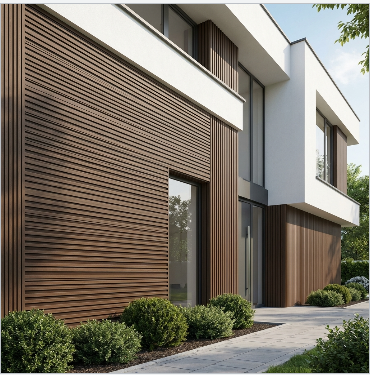
Standard acoustic slat panels are designed exclusively for indoor use. The materials, including the acoustic felt and the adhesives used for the veneer, are not built to handle rain, direct sunlight, or fluctuating temperatures. Exposing them to the outdoors would quickly lead to damage. However, if you love the modern, fluted look for an exterior project, you’re not out of luck. You just need a product built for the job. Options like Exterior Fluted Slat Wall Panels are specifically engineered with weather-resistant materials to provide that same beautiful aesthetic while standing up to the elements.
How to Make Your Investment Last
Wood is a natural material that responds to its environment, so it’s important to protect your panels from extreme conditions. Try to avoid installing them in areas with constant high humidity or direct exposure to moisture, as this can cause the wood to warp over time. Maintaining a stable indoor climate will go a long way in preserving their structure and appearance. For an extra layer of protection, especially for unfinished or stain-grade panels, you can apply a quality wood sealant or conditioner. This helps enhance the wood’s durability and keeps it from drying out, ensuring your panels remain a lasting feature in your space.
Ready to Transform Your Space?
Acoustic slat wood wall panels are much more than a design trend; they're a functional upgrade that can completely change how a room feels and sounds. Whether you're designing a cozy living room, a productive office, or an inviting restaurant, these panels offer a powerful combination of style and performance. By installing them, you’re not just covering a wall—you’re creating a more balanced and comfortable environment. The magic lies in their ability to diffuse sound waves, which helps reduce distracting echo and creates a calmer atmosphere for conversation, focus, or relaxation.
The aesthetic appeal is just as compelling. The clean lines and natural texture of wood slats add warmth, depth, and a touch of modern sophistication to any interior. This versatility is why they’ve become a go-to material for designers working on everything from hotels and retail spaces to home theaters and bedrooms. Our collection of Acoustic Wall Panels includes a variety of finishes, so you can find the perfect match for your vision, whether it’s a rustic oak or a sleek, paintable surface.
For commercial spaces, the benefits are even more tangible. In an open-plan office or a busy café, controlling background noise is essential for maintaining productivity and ensuring a pleasant customer experience. Acoustic panels help create a more focused work environment by minimizing noise distractions. If you’re a contractor or designer, incorporating these panels into your projects is a smart way to deliver both high-end design and practical sound management for your clients. Professionals can explore our trade program for bulk pricing and specialized support. Ultimately, choosing slat wood panels is an investment in both the beauty and functionality of your space.