



Acoustic Wall Panels: The Ultimate Buyer's Guide
Think solving office noise means sacrificing style for bulky, unattractive soundproofing? That's an outdated idea. Today’s acoustic wall panels are designed to be a beautiful, functional part of your interior design. From sophisticated wood slat panels that add warmth to fabric-wrapped options in a rainbow of colors, modern acoustic wall paneling for offices can become a stunning focal point. You no longer have to choose between a quiet workspace and a stylish one. This guide shows you how to integrate these design-forward solutions, turning a practical necessity into a key feature that enhances your office aesthetic.
Key Takeaways
- Acoustic panels manage sound, they don't block it: Their primary role is to absorb echo and improve sound clarity inside a room, not to create a soundproof barrier that stops noise from coming through the walls.
- Use panels as a key design feature: Move beyond purely functional solutions and treat acoustic panels as part of your interior design. Use materials like wood slat or colored fabric panels to create a beautiful accent wall that also controls noise.
- Strategic placement is more effective than total coverage: You can achieve significant noise reduction by covering just 15-20% of a room's wall surface. Focus on placing high-quality panels on the main reflection points to get the best results for your investment.
How Do Acoustic Wall Panels Actually Work?
If you’ve ever been in a room where every footstep and conversation seems to echo, you’ve experienced poor acoustics. Open-plan offices, conference rooms with large glass walls, and minimalist spaces with hard surfaces are often the biggest culprits. Acoustic wall panels are designed to solve this exact problem. They are specialized panels made from sound-absorbing materials that you install on walls or ceilings. Their primary job is to soak up excess sound, reduce echo and reverberation, and make a space feel quieter and more comfortable. Instead of sound waves bouncing around the room, they get trapped in the panel, creating a more controlled and pleasant auditory environment.
Sound Absorption vs. Sound Blocking: What's the Difference?
It’s easy to confuse sound absorption with sound blocking (or soundproofing), but they serve two very different purposes. Acoustic panels are designed for sound absorption. They improve the sound quality within a room by preventing sound waves from reflecting off hard surfaces. Think of them as a tool for managing echo, chatter, and background noise to make a space less chaotic.
Sound blocking, on the other hand, is about preventing sound from traveling from one space to another. This requires dense, heavy materials that create a barrier. So, while acoustic panels will make your office conference room sound clearer, they won’t stop you from hearing loud music from the office next door. Understanding this difference is key to choosing the right solution for your noise problem.
How Panels Tame Echo and Reverb
Imagine sound waves as tiny balls bouncing around a room. When they hit a hard surface like drywall, glass, or a concrete floor, they bounce right back, creating echo and reverb. This is why large, empty rooms sound so loud. Acoustic panels work by introducing a soft, porous surface that stops the bounce. When sound waves hit an acoustic panel, they penetrate the material, and the sound energy is converted into a minuscule amount of heat, effectively trapping the noise.
The core materials, often made of foam, mineral wool, or felt, are full of tiny pockets and fibers that capture the sound. The more decorative acoustic wall panels you install, the more surface area you cover, and the more sound gets absorbed. This process reduces overall noise levels and creates a calmer, more focused atmosphere.
What If You Need to Block Sound, Not Just Absorb It?
Sometimes, managing the echo inside a room isn't enough. You might have a private office next to a noisy common area or a conference room where sensitive conversations need to stay confidential. In these cases, your goal shifts from sound absorption to sound blocking—or soundproofing. While acoustic panels are masters of the first, soundproofing is a different beast entirely. It involves creating a dense, heavy barrier that physically stops sound vibrations from passing through a wall. This is less about adding a finishing touch to a room and more about undertaking a construction project to fundamentally change its structure.
Common Soundproofing Methods for Walls
True soundproofing isn't about a single product; it's about a system of materials working together to add mass and dampen vibrations. The most effective strategies involve layering different materials to create a wall assembly that is difficult for sound waves to penetrate. This usually means opening up walls or building new ones, so it’s a much more involved process than hanging decorative panels. The two core techniques that deliver the best results are adding dense mass to the wall and using specialized compounds to stop vibrations in their tracks. Let's break down what that actually looks like.
Adding Mass with Drywall and Vinyl
The simplest principle in soundproofing is that mass blocks sound. The heavier and denser a wall is, the more energy it takes for sound waves to make it vibrate and pass through to the other side. A common starting point is adding a second layer of 5/8" drywall over the existing wall. For even better results, you can sandwich a layer of Mass Loaded Vinyl (MLV) between the two drywall sheets. MLV is a thin but incredibly dense, flexible material specifically engineered for sound blocking. It's a powerful way to add significant mass without taking up too much space.
Using Damping Compounds and Insulation
Adding mass is great, but you can take it a step further with damping. This technique involves using a special viscoelastic compound, like Green Glue, between layers of drywall. When sound waves hit the wall, this gooey compound shears and transforms the sound energy into a tiny amount of heat, effectively killing the vibration before it can pass through. It’s an incredibly effective way to stop noise, especially low-frequency sounds like bass music or rumbling traffic. For a complete solution, filling the wall cavity with dense insulation, like mineral wool, also helps absorb sound that gets trapped inside the wall.
Potential Downsides of Soundproofing
While creating a truly quiet space is an appealing goal, soundproofing comes with a few significant trade-offs. First, it’s a considerable investment. Materials like Mass Loaded Vinyl and damping compounds are more expensive than standard building supplies, and the labor can be costly unless you’re an experienced DIYer. Second, adding layers of drywall and other materials will make your walls thicker, which slightly reduces the room's overall square footage. For many office situations where the primary issue is echo and conversational noise, a full soundproofing project can be overkill. If your goal is simply to improve clarity and reduce distracting chatter within a space, starting with high-quality acoustic wall panels is often the most practical and aesthetically pleasing solution.
Why You Can't Ignore Your Office Acoustics
Poor acoustics aren't just a minor annoyance; they can directly impact business operations. In an office with too much echo and background noise, employees can struggle to concentrate, leading to decreased productivity and increased stress. Constant auditory distractions make focused work difficult and can contribute to mental fatigue over the course of the day.
Good acoustics are crucial for clear communication. Whether it’s an important client call, a team video conference, or an in-person meeting, you want every word to be heard distinctly. Acoustic treatments minimize disruptive background noise, enhance speech clarity, and ensure that conversations are intelligible. By creating a sonically comfortable environment, you support employee well-being and help everyone perform at their best.
Choosing the Right Type of Acoustic Panel for Your Office
Once you’ve decided to improve your office acoustics, the next step is choosing the right tools for the job. Acoustic panels come in a variety of materials, styles, and performance levels, and the best choice depends on your specific goals, budget, and office design. Are you trying to quiet a noisy open-plan space, or are you designing a high-end boardroom that needs to look as good as it sounds? Let’s walk through the most common types of acoustic panels to help you find the perfect fit for your workspace.
Fabric-Wrapped Panels: The Versatile Choice
These are the workhorses of the acoustic world. Fabric-wrapped panels consist of a sound-absorbing core, typically made of mineral wool or fiberglass, enclosed in a decorative fabric. They are designed to absorb sound and reduce echo within a room, which makes your space feel much quieter and calmer. Because they come in a huge range of colors and textures, they can easily blend into your existing decor or be used to add a pop of color. They are a fantastic, versatile solution for conference rooms, open-plan areas, and private offices where clear communication and focus are essential. You can find a great selection of Acoustic Wall Panels to match any style.
Wood Slat Panels: Style Meets Function
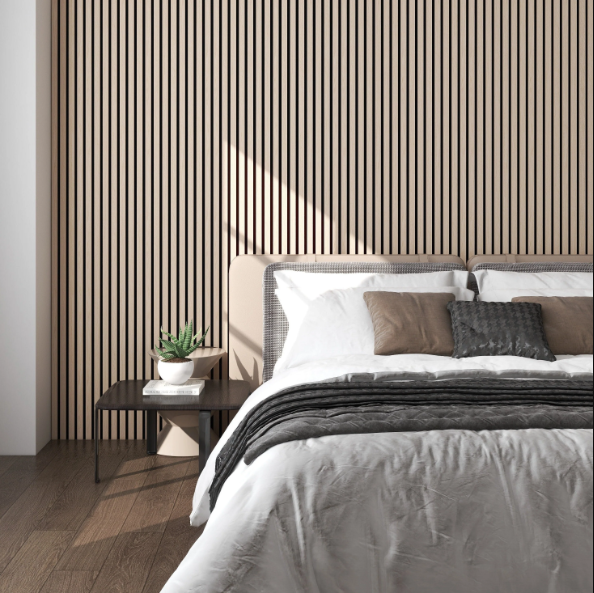
If you’re looking for a solution that combines acoustic performance with sophisticated design, wood slat panels are an excellent choice. These panels feature vertical wood slats mounted on a dark, sound-absorbing felt backing. The result is a beautiful, textured surface that adds warmth and a modern touch to any room. Modern acoustic panels are designed to be seen, acting as functional art that absorbs echoes while enhancing your office aesthetic. They are perfect for creating a stunning accent wall in a lobby, executive office, or collaborative space. Our collection of Natural Veneer Wall Panels offers this elegant and functional design.
Sustainable Materials and Recycled Components
As more businesses prioritize environmental responsibility, the demand for sustainable building materials has grown. This trend is beautifully reflected in acoustic panel design. Many modern panels are now crafted from eco-friendly materials, such as recycled PET felt (made from plastic bottles), post-consumer textiles like cotton and denim, or natural fibers like cork. These options not only perform exceptionally well at absorbing sound but also help you meet green building standards and reduce your project's environmental footprint. Choosing panels with recycled components means you can create a quieter, more productive workspace without compromising on your commitment to sustainability. It’s a smart choice that benefits both your team and the planet.
Acoustic Foam: A Cost-Effective Solution
You’ve probably seen these pyramid- or wedge-shaped foam panels in photos of recording studios. Foam panels may look like an attractive noise reduction option as they are normally cheaper than other types of acoustic panels. They are very effective at absorbing high-frequency sounds, like chatter and clicks, but they don’t perform as well with lower-frequency rumbles from HVAC systems or outside traffic. While they serve a purpose in specific applications, their distinct look may not fit the aesthetic of a professional office. For most corporate environments, fabric or wood panels offer a more durable and visually integrated solution.
Eco-Friendly Panels: Sustainable Sound Control
As more businesses focus on sustainability, the demand for green building materials has grown. Eco-friendly acoustic panels are made from materials like recycled PET plastic (the same stuff as water bottles), cork, or wood sourced from responsibly managed forests. These options prove you don’t have to sacrifice performance for sustainability. Selecting the right material for acoustic wall panels ensures a balance between sound performance and durability. Choosing a sustainable option can support your company’s environmental goals and contribute to a healthier indoor air quality for your team, making it a win-win for your people and the planet.
The Benefits of Installing Acoustic Panels in Your Office
Installing acoustic panels is one of the most effective ways to improve your office environment. Beyond simply quieting a noisy space, the right acoustic treatment can directly impact your team's focus, collaboration, and well-being. It’s a functional upgrade that addresses common workplace challenges while also offering a chance to enhance your office's interior design. Here are the key benefits of adding acoustic panels to your workspace.
Minimize Distractions and Unwanted Noise
Open-plan offices are great for collaboration but notorious for noise. Hard surfaces like glass and concrete cause sound to bounce around, creating a constant echo and distracting background chatter. Acoustic wall panels are engineered to absorb these sound waves instead of letting them reflect. By soaking up excess noise from conversations and keyboards, they reduce reverberation and create a much calmer atmosphere, making the entire office feel more controlled and less chaotic.
Help Your Team Focus and Be More Productive
When your brain constantly processes background noise, it has less capacity for deep work. A noisy office leads to mental fatigue and frequent interruptions that break concentration. By controlling sound, acoustic panels help create an environment where employees can truly focus. This contributes to better workplace productivity and a higher quality of work. When your team isn't fighting against a wall of sound, they can dedicate their full attention to important tasks.
Ensure Crystal-Clear Communication in Meetings
Clear communication is essential, but it’s often compromised in rooms with poor acoustics. In conference rooms with hard surfaces, voices can sound muffled or echoey, making it difficult to understand each other in person and on video calls. Acoustic panels solve this by absorbing stray sound waves, which makes speech much more intelligible. This ensures conversations are clear and crisp, leading to more effective meetings and better collaboration. It’s a critical upgrade for any space where important discussions happen.
Add Style and Function to Your Office Decor
Forget the idea that acoustic solutions have to be unattractive. Today’s acoustic panels are designed to be a seamless part of your office decor. Available in a wide range of colors and finishes, they can add texture and visual interest to any room. For example, wood slat panels can create a stunning, modern accent wall that also absorbs sound. Instead of compromising your aesthetic, acoustic panels can become a key feature that enhances your office design.
What to Look for When Choosing Acoustic Panels
Picking the right acoustic panels is about finding the perfect balance between performance, aesthetics, and budget. It’s not just about quieting a room; it’s about creating an environment where people can do their best work. When you know what to look for, you can transform a noisy, distracting office into a calm and productive space. The key is to break down the decision into a few manageable steps, from understanding your specific sound issues to choosing a style that complements your office design. This process ensures you invest in a solution that truly works for your unique needs.
Before diving into specific products, it's helpful to think about the bigger picture. What is the primary function of the space you're treating? A collaborative open-plan area has different acoustic needs than a private executive office or a high-traffic conference room. Similarly, the materials in your office—like glass walls, concrete floors, and high ceilings—all contribute to how sound travels. By considering these factors upfront, you can better target your efforts and get the most impact from your investment. The goal is to choose panels that not only absorb unwanted noise but also integrate beautifully into your existing decor, turning a functional necessity into a stylish design feature. Let’s walk through exactly what you need to consider to make a confident choice.
Start by Assessing Your Room's Acoustics
Before you start shopping, take a moment to walk through your office and listen. Where is the noise coming from? Is it the open-plan area where sales calls echo, the conference room where it’s hard to hear over the HVAC, or the lobby where conversations bounce off hard surfaces? Acoustic panels are designed to absorb sound and reduce echo, which makes your space feel much quieter and calmer. Pinpoint your problem areas and define your goals. Are you trying to improve speech clarity for video calls, reduce general background chatter, or create quiet zones for focused work? Knowing what you want to achieve will guide every other decision you make.
Decoding NRC and Other Performance Ratings
Once you know your goals, you can look at how different panels perform. The most important metric is the Noise Reduction Coefficient (NRC), which is a rating from 0 to 1. A rating of 0 means the material reflects all sound, while a rating of 1 means it absorbs all sound. For most office spaces, panels with an NRC of 0.75 or higher are very effective. Acoustic panels work by absorbing sound waves and preventing them from bouncing off walls and ceilings, which reduces the amount of noise in the room. A higher NRC rating means better sound absorption, so you’ll want to match the rating to the needs of your space—a bustling call center will need a higher NRC than a quiet executive office.
Consider Material Quality and Long-Term Durability
Acoustic panels are a long-term investment in your workspace, so you want to choose materials that will last. High-quality panels are made from dense, durable materials like mineral wool or fiberglass, often wrapped in sturdy, attractive fabric. Wood slat panels offer a great combination of sound diffusion and absorption while adding a sophisticated look. The quality of the materials directly impacts both the panel’s acoustic performance and its lifespan. Cheaper foam panels might seem like a good deal, but they can degrade over time and may not offer the same level of sound control. Investing in durable wood wall panels or fabric-wrapped options ensures they’ll look great and perform well for years to come.
Match the Panels to Your Office Style
Gone are the days of boring, utilitarian acoustic panels. Today’s options are designed to be a seamless part of your interior design. The key is to match the material, color, and pattern of the panels with the room's existing decor. You can choose from a huge range of colors and fabrics to match your brand or create a specific mood. You can also find panels that mimic art, feature custom prints, or use natural wood finishes to add warmth and texture. Think of them as a functional design element. You can create a stunning accent wall behind a reception desk or use colored panels to add a pop of personality to a sterile conference room, proving that you don’t have to sacrifice style for sound control.
How to Make Acoustic Panels Part of Your Office Design
Acoustic panels have come a long way from the boring, utilitarian squares of the past. Today, they are powerful design tools that can transform the look and feel of your office while creating a more comfortable soundscape. The trick is to think of them as part of your overall interior design, not just a functional add-on. A well-designed office considers both visual appeal and auditory comfort, and modern acoustic solutions allow you to address both at once. By thoughtfully integrating sound-absorbing materials, you can reduce distracting echoes and create an environment where conversations are clearer and concentration is easier to maintain.
The right panels can do more than just manage noise; they can help define spaces. In an open-plan office, you can use a cluster of colored panels to visually anchor a collaborative zone or run a line of sleek unfinished wood wall panels to create a sense of separation for a quiet work area. The sheer variety of materials, from soft fabrics to rich natural veneers, means you can find a solution that complements your brand identity and existing decor. Whether you want your panels to blend in quietly or make a bold statement, there are simple strategies to get it right. Let’s look at a few creative ways to incorporate acoustic wall panels into your office design.
Coordinating Colors, Textures, and Materials
The key to making acoustic panels work with your decor is to match their material, color, and pattern with the room's existing style. For a subtle, integrated look, choose panels that match your wall color. This allows them to blend in seamlessly, providing sound absorption without drawing attention. On the other hand, you can use panels to add a pop of color or texture. Consider a contrasting shade to create visual interest or opt for materials that add warmth and sophistication. For example, natural veneer wall panels can introduce an organic, calming element into a modern office, turning a functional necessity into a beautiful design feature.
Where to Place Panels for the Best Results
Where you put your acoustic panels matters just as much as how they look. For the best results, install them on walls to absorb sound reflections and reduce echo. Focus on "first reflection points"—the surfaces where sound first bounces. In an office, this is typically the empty wall space parallel to where people are talking. Placing panels at seated or standing head height in conference rooms, open-plan work zones, and private offices will capture sound waves right at the source. Don't forget about the ceiling, either. It's a large, uninterrupted surface perfect for acoustic treatment, especially in rooms with high ceilings where sound tends to bounce around freely.
Freestanding vs. Wall-Mounted: Which Is Better?
Your office layout and flexibility needs will help determine whether mounted or freestanding panels are the right fit. Mounted wall panels are a permanent solution that becomes part of the room’s architecture. They offer a clean, polished look and are ideal for treating specific areas like conference rooms or reception walls where the layout is fixed. Freestanding panels or mobile dividers, however, offer adaptability. They can be moved around to create temporary quiet zones or divide a large space as your team’s needs change. This is a great option for agile workspaces or open-plan offices that require a more flexible approach to sound management and space division.
Using Acoustic Panels to Create a Feature Wall
An acoustic panel accent wall is a fantastic way to merge style with functionality. Instead of hiding your sound-absorbing materials, make them the star of the show. This approach works especially well on a wall that is naturally a focal point, such as the one behind a reception desk or the main presentation wall in a boardroom. You can cover the entire surface with panels or create a unique geometric pattern. Using materials with inherent texture, like interior fluted slat wall panels, adds depth and visual interest while effectively dampening noise. This turns your acoustic solution into a deliberate and impactful piece of interior design.
Integrating Accessories like Shelving and Lighting
Your acoustic panels can do more than just absorb sound—they can become a dynamic, functional part of your wall. By integrating accessories, you can add another layer of style and utility. Think about adding sleek, floating shelves between the slats of acoustic wall panels to display plants, company awards, or books. This not only adds visual dimension and warmth but also turns a practical acoustic solution into a personalized focal point. Lighting can also be woven into your design. You can install subtle LED strips along the edges of the panels or within the grooves of fluted designs to create a soft, ambient glow that highlights the texture. Combining these elements transforms your wall from a simple surface into a multi-functional feature that is both beautiful and acoustically effective.
Acoustic Panel Installation and Pricing: What to Expect
Once you’ve found acoustic panels that match your office design, it’s time to think about the practical side of things: installation and cost. Planning your budget and installation strategy ahead of time ensures the project runs smoothly and you get the best value. From deciding between a DIY approach to finding bulk discounts, here’s what you need to know to make smart, cost-effective decisions for your office renovation.
Should You DIY or Hire a Professional?
Many modern acoustic wall panels are designed for straightforward installation, making them a great weekend project for a confident DIYer. Most systems use simple methods like construction adhesive or screws to attach directly to the wall, and they often come with clear instructions.
However, for large-scale office projects, complex patterns, or if you just want a flawless finish without the effort, hiring a professional is the way to go. An experienced installer can handle tricky cuts, ensure perfect alignment, and complete the job quickly and efficiently. Consider the scale of your project and your own comfort level with home improvement tasks before deciding which route is best for you.
Pro Tips for a Flawless Installation
Cutting Panels Correctly
Getting a clean, straight cut is crucial for a professional finish. Before you cut anything, always dry fit the panels on the wall to make sure your layout lines are perfectly level and plumb. Once you're confident in the placement, mark your cutting lines clearly. For most fabric-faced or felt-backed panels, like our Acoustic Wall Panels, a sharp utility knife and a sturdy straight edge are your best friends. This simple combination allows you to make precise cuts without fraying the material. Taking your time with this step prevents gaps and ensures every panel fits together seamlessly for a polished, high-end look.
Using Battens for Enhanced Sound Absorption
If you want to get the absolute best acoustic performance from your acoustic panels, consider installing them on battens. Battens are thin strips of wood that you attach to the wall first, creating a small air gap between the wall and the back of the acoustic panel. This gap might seem minor, but it significantly improves sound absorption by allowing sound waves to be trapped more effectively. This method not only boosts the panel's functional performance but can also add a subtle, dimensional look to your installation. Just make sure the battens are securely fastened and the panels sit flush against them for optimal results.
Protecting Panels in High-Moisture Areas
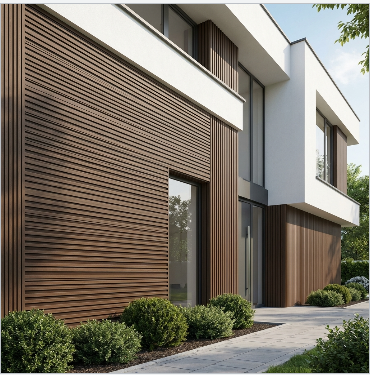
While most office installations are in dry areas, some spaces like breakroom kitchens or bathrooms can have higher humidity. For these high-moisture zones, it's important to choose a panel built to handle it. Materials like WPC (Wood Plastic Composite) are naturally resistant to moisture and won't degrade over time. Our Interior WPC Fluted Slat Wall Panels are a great option for these applications. For extra peace of mind, you can also apply a protective sealant to any cut edges before installation. This simple step prevents moisture from seeping into the core of the panel, ensuring it maintains its structural integrity and acoustic performance for years.
How Many Acoustic Panels Do You Really Need?
You don’t need to cover every inch of your walls to get great results. The key is strategic placement. Start by identifying the noisiest areas in your office, like open-plan workspaces, conference rooms, or reception areas. Measure the total square footage of the walls in these spaces.
A good rule of thumb is to aim for covering about 15% to 20% of the wall surface area to notice a significant improvement in sound quality. The more panels you install, the more sound they will absorb, creating a quieter and more controlled environment. You can always start with a smaller number of panels in critical spots and add more later if needed.
Breaking Down the Costs: What Affects the Price?
The price of acoustic panels can vary quite a bit, so it’s helpful to understand what drives the cost. Key factors include the material, size, and overall quality. For example, premium wood slat panels often cost more than standard fabric-wrapped options due to material and manufacturing complexity.
Custom sizes and unique finishes will also influence the final price. When planning your budget, think about the acoustic performance you need. A panel with a higher Noise Reduction Coefficient (NRC) might be a bigger investment, but it will deliver better sound absorption. Balancing your aesthetic goals, acoustic needs, and budget will help you find the perfect solution.
Understanding Panel Pricing, Samples, and Shipping
Before committing to a full order, it’s always a smart move to get samples. Seeing how different wall panels look in your actual office lighting is the only way to be sure the color and texture are a perfect match for your design. It also gives you a chance to feel the quality firsthand. Once you’ve made your selection, think about logistics. A supplier with fast, reliable nationwide shipping simplifies project planning, ensuring your materials arrive on schedule. For larger commercial projects, it’s also worth checking for trade benefits. Professionals can often apply for programs that offer bulk discounts, which can make a significant impact on the final budget.
Tips for Finding Wholesale and Bulk Pricing
If you’re outfitting an entire office, the cost of panels can add up quickly. One of the best ways to manage your budget is to look for wholesale pricing or bulk discounts. Many suppliers offer special programs for contractors, designers, and business owners who are purchasing larger quantities. This can lead to significant savings, allowing you to get high-quality materials without breaking the bank.
Before you buy, ask about trade programs or volume discounts. At USA Builders Depot, we offer a trade application for professionals to access exclusive pricing. Buying directly from a supplier that caters to trade professionals is a great way to make your project more affordable.
Common Myths About Office Acoustics (Debunked)
When it comes to office acoustics, a few common myths can steer you in the wrong direction. Getting the facts straight helps you make smarter choices, save money, and create a workspace that actually sounds as good as it looks. Let's clear up some of the confusion so you can confidently choose the right acoustic solution for your office. Understanding the difference between sound absorption and sound blocking is the first step toward creating a more focused and productive environment for everyone.
Myth #1: Acoustic Panels Will Block All Noise
One of the biggest misunderstandings is that acoustic panels create total silence. In reality, their job isn't to block sound but to absorb it. Think of them like sponges for sound waves. They soak up excess noise, preventing it from bouncing around the room and creating distracting echoes and reverberation. While they significantly reduce overall noise levels and improve speech clarity, they don't create a soundproof vault. For true soundproofing, you would need to explore construction methods that block sound from entering or leaving a room, which is a much more involved process than installing Acoustic Wall Panels.
Myth #2: "Soundproofing" and "Acoustic Treatment" Are the Same
It’s easy to assume that any material labeled "acoustic" will do the trick, but that's far from true. For example, cheap foam panels might look the part, but they often lack the density and fire-rating needed for a commercial space and may only absorb high-frequency sounds. High-quality acoustic solutions are engineered with specific materials, like dense mineral wool or wood composites, designed to absorb a broader range of sound frequencies effectively. The material, thickness, and construction all play a critical role in performance, so investing in a quality product ensures you get the results you’re paying for.
Myth #3: You Have to Cover Every Wall for Them to Work
You don't need to cover your office from floor to ceiling to get results. In fact, that would likely be overkill and could make the room sound uncomfortably "dead." The key is strategic placement. By identifying the primary points of sound reflection—typically parallel walls and the space directly behind a sound source—you can make a big impact with fewer panels. Even a few well-placed panels on a single accent wall can dramatically reduce echo and improve the room's acoustics. This targeted approach is not only more effective but also much more budget-friendly.
Myth #4: Any Acoustic Panel Will Do the Job
Acoustic panels come in a wide variety of materials, shapes, and designs, and each one performs differently. Some panels are designed to absorb high-frequency sounds like chatter, while others are better at tackling low-frequency hums from HVAC systems. For instance, fabric-wrapped panels offer excellent broad-spectrum absorption, while Interior WPC Fluted Slat Wall Panels can help diffuse sound while adding a distinct design element. The right choice depends entirely on your specific acoustic challenges and aesthetic goals. Understanding these differences is crucial for selecting a panel that will effectively solve your office's noise problems.


