
🔄
Skip to content

Cart

Your cart is empty

Article: 4 Best Materials for Exterior Shiplap Compared

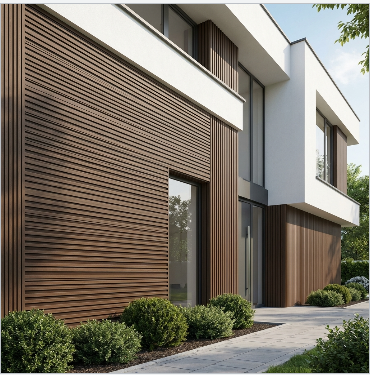
A modern home's exterior featuring one of the best materials for durable shiplap siding.

4 Best Materials for Exterior Shiplap Compared

Everyone loves the crisp, clean lines of shiplap, but not everyone loves the idea of yearly maintenance. This brings you to a key decision: do you want the authentic, warm character of natural wood, or the hands-off ease of a modern engineered material? There’s no single right answer—it all comes down to your priorities and how much time you’re willing to spend on upkeep. Before you decide, it’s important to be honest with yourself about your lifestyle. We’ll compare the maintenance needs of cedar, pine, fiber cement, and composites to help you find the best material for exterior shiplap that fits how you want to live.

Key Takeaways

  • Your material is the most critical decision: Natural wood offers authentic beauty but requires consistent upkeep, while engineered options like fiber cement and composites provide superior durability with far less maintenance.
  • Always choose a material that suits your climate: For wet or humid regions, prioritize moisture-resistant options like fiber cement to prevent rot. In areas with intense sun and temperature swings, select a stable material that resists fading and cracking.
  • Think in terms of long-term value, not just upfront cost: A more durable material may have a higher initial price, but it will save you significant money and effort on future repairs, repainting, and maintenance over the life of your home.

What is Exterior Shiplap and Why Does the Material Matter?

When you’re choosing siding for your home or project, you want something that looks great and protects your investment from the elements. Exterior shiplap is a popular choice for achieving a clean, modern, or rustic look, but its performance depends almost entirely on the material you choose. Unlike interior applications where aesthetics might be the top priority, exterior siding has to stand up to rain, sun, humidity, and pests.

The material you select will determine how much maintenance is required, how long the siding will last, and how well it holds up in your specific climate. Making the right choice from the start saves you from costly repairs and headaches down the road. Before we compare the top materials, let’s cover the basics of what shiplap is and why the material is such a critical decision.

What is shiplap siding?

Shiplap siding consists of boards that have a special groove, called a rabbet joint, cut into the top and bottom edges. This design allows the boards to overlap and interlock snugly when installed. Think of it as a more robust version of tongue-and-groove. This overlapping feature creates a tight, weather-resistant seal that effectively sheds water and blocks wind, protecting the structure underneath. It’s this simple yet effective design that has made exterior shiplap cladding a timeless choice for centuries, offering both functional protection and distinct, clean lines that enhance a building’s curb appeal.

How your material choice impacts performance and durability

For any outdoor project, the material has to be tough. Exterior shiplap is constantly exposed to moisture, temperature swings, and UV rays. Your material choice is the single most important factor in determining how well your siding will perform over time. A material that can’t handle moisture will rot, warp, or swell, while one that isn’t suited for your climate might crack or fade. Choosing a durable material from the start ensures your siding can withstand these challenges without needing constant repairs or replacement. It’s the key to a beautiful, low-maintenance exterior that lasts for decades.

Comparing the Most Common Shiplap Materials

Choosing the right material for your exterior shiplap is one of the most important decisions you'll make. It directly affects your home's curb appeal, how much maintenance you'll be doing down the road, and how well your siding holds up to your local climate. Each option comes with its own set of strengths and trade-offs, from the classic look of natural wood to the engineered resilience of modern composites. Let's break down the most popular choices so you can find the perfect fit for your project.

Natural Wood: Cedar and Pine

Natural wood offers a timeless, classic look that’s hard to beat. Cedar is a top-tier choice because it contains natural oils that make it resistant to moisture and insects, giving it impressive strength and longevity. This makes it a fantastic option for homes in damp climates or for projects where durability is the main priority. Pine is a more budget-friendly wood alternative that still delivers that beautiful, rustic charm. However, it doesn't have cedar's natural defenses, so it requires proper treatment and sealing to protect it from the elements and ensure it lasts.

Engineered Strength: Fiber Cement

If you’re looking for a material that can handle just about anything, fiber cement is an excellent contender. This engineered material is incredibly durable, offering top-notch resistance to fire, rot, insects, and severe weather. Because it’s so resilient, fiber cement boards require very little maintenance over their lifespan, making them a practical, set-it-and-forget-it solution. For homes in regions with high humidity or heavy rainfall, fiber cement provides peace of mind, as it won’t warp or degrade when exposed to moisture. It’s a smart investment for long-term performance.

Low-Maintenance: Composite and Vinyl

For those who want a hands-off solution, composite and vinyl are fantastic low-maintenance alternatives. Composite materials, like Wood Plastic Composite (WPC), are engineered to resist rot, insects, and moisture while holding paint exceptionally well. Many composites also use recycled materials, making them a more sustainable choice. Vinyl is another popular option known for its durability and minimal upkeep. While traditional wood siding requires regular maintenance to stay protected, these modern cladding options are designed to look great for years with very little effort.

Cedar Shiplap: The Premium Wood Choice

When you think of classic, high-quality wood siding, cedar is often the first material that comes to mind, and for good reason. It’s earned its reputation as a premium choice by offering a fantastic combination of natural beauty and rugged performance that is tough to beat. Cedar shiplap brings a sense of warmth and authenticity to a home’s exterior that synthetic materials just can’t replicate. It’s the kind of choice that signals quality and attention to detail, fitting perfectly on everything from a modern farmhouse to a rustic coastal retreat.

While it does come with a higher price tag than some other options like pine or vinyl, its longevity and timeless appeal make it a worthwhile investment for many homeowners and builders. Think of it less as a cost and more as a long-term value proposition. The natural durability means fewer worries about rot or pests down the line, and its classic look never goes out of style, which can even add to your home's resale value. If you’re aiming for an exterior that delivers on both curb appeal and lasting strength, cedar is a top contender that should be on your shortlist.

Natural durability and weather resistance

Cedar’s biggest strength is its incredible natural resilience. Thanks to its inherent oils and compounds, cedar is naturally resistant to moisture, decay, and insect infestations. This makes it an ideal material for exterior shiplap cladding, as it can stand up to harsh weather without breaking down. It’s one of the most water-resistant woods available, which is a huge advantage in rainy or humid climates. This built-in protection means you get a siding material that not only looks great but is also engineered by nature to last for decades with the proper care.

Aesthetics and customization options

There’s no denying the authentic, warm look of real cedar. Its rich, varied tones and beautiful grain patterns add character and texture to any home exterior, from rustic cabins to modern farmhouses. Cedar provides a high-end finish that instantly elevates a property’s aesthetic. You have plenty of customization options, too. You can apply a clear sealant or a semi-transparent stain to highlight the natural wood grain, or you can paint it any color you like. This flexibility allows you to achieve the exact look you want while still benefiting from the underlying quality of the wood.

Maintenance needs and long-term costs

While cedar is naturally durable, it’s not a set-it-and-forget-it material. To keep it looking its best and protect it from the elements, you’ll need to perform regular maintenance. Plan on repainting or restaining your cedar shiplap every five to ten years, depending on your local climate and sun exposure. The upfront cost of cedar is higher than materials like pine or vinyl, but its long lifespan and classic appeal provide significant long-term value. Proper wood siding maintenance ensures your investment remains a beautiful and functional part of your home for years to come.

Pine Shiplap: The Budget-Friendly Wood Option

Pine is a classic choice for shiplap siding, loved for its warm, traditional look and, most notably, its accessible price point. If you're aiming for that beautiful wood aesthetic without the higher cost of premium options like cedar, pine is an excellent contender. It’s a fantastic material for achieving a rustic or modern farmhouse style on a budget, making it a go-to for many builders and homeowners who want authentic wood grain and character. However, its affordability comes with a key consideration: pine requires consistent care and proper finishing to stand up to the elements. Unlike cedar, it doesn't have the same natural defenses against moisture and pests, so it relies on a good quality finish to stay protected. This doesn't mean it's a high-maintenance headache; it just means you need a solid plan from the start. With the right approach, you can protect your investment and keep your pine exterior shiplap cladding looking great for years. It’s all about understanding its needs and committing to a simple maintenance routine that will ensure its longevity and preserve its timeless appeal.

The cost-effective advantage

The biggest draw for pine shiplap is undeniably its cost. For large projects or for homeowners keeping a close eye on the budget, pine is often the most economical wood siding available. This makes it possible to cover a significant amount of exterior wall space without the steep investment required for cedar or other premium woods. This cost-effectiveness makes pine a popular choice for outbuildings, accent walls, or full home exteriors where the classic wood look is desired. While it's not as naturally durable or long-lasting as cedar, its lower upfront cost frees up room in your budget for high-quality paints, stains, and sealants that are essential for its protection.

Treatment and sealing requirements

Unlike cedar, which has natural oils that help it resist moisture and insects, pine is more vulnerable to the elements. To ensure it lasts, pine shiplap must be properly sealed and protected before or immediately after installation. This isn't optional—it's a critical step to prevent rot, warping, and insect damage. You’ll need to apply a high-quality primer followed by exterior-grade paint or a protective stain and sealant. This protective layer acts as a shield against rain, snow, and sun. Think of it as giving your siding a durable raincoat. Regular care, including reapplying these finishes, is key to maintaining that protection and keeping all your wall panels healthy.

How to maximize its lifespan with proper care

Keeping your pine shiplap in top condition is straightforward with a simple maintenance schedule. A little proactive care goes a long way in extending its life and beauty. First, make it a habit to inspect your siding twice a year, ideally in the spring and fall. Look for any signs of trouble like cracked boards, peeling paint, or failing caulk around windows and doors. Next, give it a gentle cleaning annually with mild soap, warm water, and a soft brush to remove dirt and mildew. Finally, plan on refreshing the finish every five to ten years by repainting or restaining. This schedule keeps the wood protected and ensures your home’s exterior always looks its best.

Fiber Cement: The Engineered Performer

If you’re looking for a material that combines the classic look of wood shiplap with modern performance, fiber cement is your answer. Made from a durable mix of cement, sand, and cellulose fibers, this engineered siding is designed to withstand just about anything you throw at it. It’s the perfect choice for homeowners and builders who prioritize strength and low maintenance without sacrificing style. Unlike wood, which can be vulnerable to the elements, fiber cement offers a reliable, long-lasting solution that keeps its good looks for decades. It’s a true workhorse material that provides peace of mind and lasting value.

Unmatched resistance to weather, fire, and pests

One of the biggest advantages of fiber cement is its incredible toughness. This material is practically immune to the most common problems that plague wood siding. It doesn't rot when exposed to moisture, making it ideal for rainy or humid climates. Termites and other pests simply aren't interested in it, so you can skip the costly pest control treatments. Plus, fiber cement is non-combustible, offering an extra layer of fire protection for your home. It stands up to harsh weather, from hailstorms to high winds, without cracking, warping, or deteriorating. It’s a material built to last with very little upkeep required.

Installation and painting considerations

While fiber cement is heavier than wood or vinyl, its installation is straightforward for experienced professionals. Because it resists moisture so well, you don't have to worry about the perfect sealing required to prevent wood from rotting. Most fiber cement boards come pre-primed and ready for paint. This material holds paint exceptionally well—often longer than wood—meaning you’ll spend less time and money on repainting over the years. Just be sure to use a high-quality acrylic exterior paint to get a finish that lasts and protects your investment.

Long-term durability and value

When you look at the big picture, fiber cement offers incredible long-term value. While the initial cost might be higher than some wood options, its durability and low maintenance needs save you money over time. With proper installation, fiber cement siding can easily last 30 to 50 years or more, all without the constant need for repairs, sealing, or repainting that wood demands. It’s a smart investment that protects your home, maintains its curb appeal, and gives you one less thing to worry about. For anyone building or renovating for the long haul, fiber cement is tough to beat.

Composite and Vinyl: The Low-Maintenance Alternatives

If you love the crisp, clean lines of shiplap but don't love the idea of yearly maintenance, composite and vinyl are your answer. These materials are engineered specifically to give you the classic look of wood without the constant upkeep. Think of them as the modern, practical choice for a beautiful exterior that lasts. Unlike wood, which can be susceptible to the elements, composite and vinyl are designed to stand up to whatever nature throws their way, from harsh sun to heavy rain.

Composite siding, often made from a blend of recycled wood fibers and plastics, offers a durable alternative that can convincingly mimic natural wood grain. Vinyl, a type of plastic siding, is known for its affordability and wide range of color options. Both materials are a smart investment for homeowners and builders who prioritize long-term performance and minimal hassle. By choosing an engineered material, you’re opting for a solution that saves you time and money on repairs and refinishing down the road, making it easier than ever to maintain your home’s curb appeal. Our collection of exterior shiplap cladding includes options that deliver this hands-off durability.

Resists rot, insects, and moisture

One of the biggest advantages of composite and vinyl shiplap is their incredible resistance to common exterior problems. Because these materials are synthetic, they don’t offer a food source for termites or other wood-boring insects. They also don't absorb moisture the way wood does, which means you can say goodbye to worries about rot, mold, and mildew, even in damp or humid climates. Materials like Wood Plastic Composite (WPC) are specifically designed to resist moisture damage, ensuring your siding won't warp, swell, or decay over time. This inherent durability makes them a reliable choice for coastal homes or any area with significant rainfall, providing peace of mind that your exterior will stay structurally sound and look great for years.

Lasting color and a variety of styles

Forget about scraping and repainting every few years. Vinyl and composite shiplap come with factory-applied color that’s integrated into the material itself. This means the color won't chip, flake, or peel like a coat of paint. Your siding will maintain its vibrant look with very little effort—usually just a simple cleaning with soap and water is all that’s needed to keep it looking fresh. Beyond the low-maintenance color, these materials come in a huge array of styles and textures. You can find options that perfectly replicate the warm appearance of cedar, pine, or other wood species, allowing you to achieve your desired aesthetic without compromising on performance. The variety of available wall panels ensures you can find the perfect fit for your home's design.

A durable, hands-off solution

Ultimately, choosing composite or vinyl shiplap is about choosing a durable, hands-off solution for your home’s exterior. While natural wood requires a commitment to regular sealing, staining, and inspections, these engineered materials are built for longevity with minimal intervention. Their ability to withstand fading, cracking, and denting means they hold up well in busy environments and harsh weather conditions. This makes them an excellent choice not just for homeowners who want to spend more time enjoying their home and less time working on it, but also for contractors looking for reliable products that lead to satisfied clients. Investing in a low-maintenance material from the start translates into significant savings in both time and money over the life of your home.

How to Choose the Right Material for Your Climate

The location of your home plays a huge role in how your exterior shiplap will perform over time. A material that looks beautiful in a dry, mild climate might warp, rot, or fade in a humid, coastal region. Thinking about your local weather patterns isn't just a minor detail—it's the key to choosing a siding that lasts for years with minimal headaches. The main things to consider are moisture, sun exposure, and temperature swings. Constant rain and humidity demand materials that won't absorb water, while intense sun requires a finish that can stand up to UV rays without breaking down.

Making the right choice from the start saves you from costly repairs and constant maintenance down the road. While the classic look of wood is always tempting, engineered materials often provide a more practical solution for challenging environments. They are specifically designed to resist the elements that cause natural materials to fail. By matching the material to your climate, you ensure your home's exterior not only looks great on day one but continues to protect and beautify your home for decades. Our collection of exterior wall panels includes options designed to handle whatever nature throws their way, giving you peace of mind no matter where you live.

Best options for humid and coastal areas

If you live somewhere with high humidity, frequent rain, or salty coastal air, moisture resistance is your top priority. Water is the enemy of many building materials, leading to rot, mold, and decay. For these environments, fiber cement and composite shiplap are excellent choices because they don't absorb moisture. This makes them incredibly stable and durable in damp conditions. While natural wood can be used, it requires a flawless installation and a high-quality, consistently maintained sealant to prevent water damage. One small gap or crack can let moisture in and start a cycle of rot. For a reliable, low-maintenance solution in wet climates, fiber cement boards are hard to beat.

What works in dry and extreme temperature regions

In dry, sunny climates like the Southwest, your main concern shifts from moisture to UV radiation and temperature fluctuations. Intense sun can cause wood to fade, dry out, and crack over time. If you choose wood shiplap, it's essential to use a finish with strong UV protection and reapply it as needed. Materials like fiber cement and composites are often more stable in climates with extreme temperature swings between day and night. They are less likely to expand, contract, and warp, which helps maintain a tight, secure fit. These engineered options also hold paint exceptionally well, reducing the chances of peeling or fading under the constant sun.

Factoring in sun and moisture exposure

Most homes deal with a combination of sun and moisture, so you need a material that can handle both. For any outdoor project, the goal is to find a durable siding that resists weather, insects, and moisture without demanding constant upkeep. Traditional wood shiplap is beautiful but often requires a lot of work to protect it from the elements. Engineered materials like fiber cement and composites are specifically designed to stand up to these challenges from the start. They offer the clean lines of shiplap without the vulnerability to rot and pests, giving you a durable, worry-free exterior that looks great year after year.

Key Factors for Long-Term Durability

Choosing the right material for your exterior shiplap isn't just about looks—it's about finding a solution that will protect your home and hold up for years. Three key factors play a huge role in how well your siding will perform over time: its ability to handle weather, its environmental footprint, and how it responds to temperature changes. Getting these right means you'll have a durable, beautiful exterior that adds lasting value to your property.

Moisture resistance and weather performance

Moisture is the number one enemy of exterior siding. Whether it's rain, humidity, or snow, water can lead to rot, mold, and structural damage if your shiplap isn't up to the task. Natural woods like cedar are a top choice because they are inherently water-resistant, making them ideal for exterior shiplap cladding. However, even the best wood needs to be perfectly installed and sealed to prevent moisture from getting in. In particularly rainy or humid climates, engineered materials like fiber cement or composites often have an edge. They are manufactured to resist moisture absorption, which means they won't warp, swell, or rot. This makes them a reliable, low-maintenance option for protecting your home against the elements.

Sustainability and environmental impact

Building with the environment in mind is more important than ever. When it comes to shiplap, you have several sustainable options. If you love the look of real wood, look for products sourced from sustainably managed forests. Many modern composite materials also offer an eco-friendly alternative, as they are often made from upcycled or recycled content like wood fibers and plastics. Beyond the material itself, durability is a key part of sustainability. Choosing a high-performance material that resists pests, rot, and weather damage means you won't have to replace it as often. This reduces waste and the long-term environmental cost of maintenance and repairs, making it a smart choice for both your home and the planet.

How materials expand and contract

All exterior materials expand in the heat and contract in the cold. This natural movement is a critical factor in how your shiplap will perform long-term. Wood, for example, expands and contracts with changes in both temperature and humidity. Composite and vinyl materials also move, but in different ways. If this movement isn't accounted for during installation, your siding can buckle, warp, or create gaps that let moisture in. This is why professional installation is so important. Experienced trade professionals understand how each material behaves and will install the planks with the correct spacing to allow for natural expansion and contraction. Proper installation ensures your shiplap remains stable, secure, and beautiful through every season.

Common Mistakes to Avoid When Choosing Your Material

Choosing the right material for your exterior shiplap is about more than just looks—it’s a decision that impacts your home's durability, maintenance needs, and long-term value. A little foresight can save you from costly repairs and headaches down the line. By understanding a few common pitfalls, you can ensure your shiplap siding not only looks fantastic but also performs beautifully for years to come.

Before you finalize your choice, let’s walk through three key mistakes homeowners and even some pros make: picking a material that can’t handle your local weather, cutting corners on installation, and not thinking about the upkeep or how the style fits your home. Getting these details right from the start is the secret to a successful project.

Mismatching the material to your climate

Your local weather is one of the biggest factors in how your shiplap will perform. A material that thrives in a dry, sunny climate might struggle in a region with high humidity and heavy rainfall. For instance, traditional wood shiplap looks beautiful but requires meticulous sealing and care to protect it from moisture and pests. In rainy or humid places, fiber cement boards or composite materials are often a more resilient choice because they naturally resist moisture. If your heart is set on wood, just be sure it’s properly treated and installed to prevent rot and warping.

Ignoring proper installation requirements

Even the highest-quality material will fail if it isn't installed correctly. Proper installation is your first line of defense against the elements. It’s crucial to ensure there's a good weather-resistant barrier behind the siding, proper flashing around windows and doors, and a complete seal to stop water from getting in. Each material has its own set of best practices, from leaving the right amount of space for expansion to using the correct fasteners. Always follow the manufacturer’s guidelines to the letter or hire a professional who understands the specific requirements of the material you’ve chosen.

Overlooking maintenance and style compatibility

Be honest with yourself about how much upkeep you’re willing to do. While all shiplap siding requires some care, the level of commitment varies widely. Natural wood may need to be re-stained or repainted every few years, while composite and vinyl options just need an occasional cleaning. It’s important to choose a material that can handle your local weather without needing constant repairs. Finally, make sure the shiplap’s style complements your home’s architecture. The clean lines of fiber cement might suit a modern design, while the rustic charm of cedar could be perfect for a more traditional home.

Making Your Final Decision: Cost vs. Value

Choosing the right shiplap material is a classic balancing act between your budget and your long-term goals. The cheapest option today isn't always the most cost-effective one over the next 10 or 20 years. When you factor in maintenance, repairs, and eventual replacement, a more durable material with a higher initial price can actually save you money and headaches. Think of it as an investment in your home’s future. The key is to look beyond the price tag and consider the total cost of ownership. This approach helps you find a material that not only fits your budget now but also delivers lasting performance and peace of mind for years to come.

Balancing upfront cost with long-term value

When you’re looking at samples, it’s easy to get sticker shock from premium materials like cedar. While it has a higher upfront cost, cedar’s natural strength and water resistance make it a fantastic long-term investment, especially for homes in wet climates or moisture-prone areas. This durability means you’ll spend less time and money on repairs. On the other hand, a less expensive wood might save you money initially but could require more frequent sealing, painting, or even replacement. The best value comes from choosing a material that can truly withstand your local weather, giving you a beautiful finish that lasts.

How to match the material to your project budget

If you’re working with a firm budget, pine is often the most accessible option for shiplap siding. With material costs typically ranging from $2.50 to $7.00 per square foot, it makes the shiplap look achievable for less. However, it’s important to factor future maintenance costs into your budget. Pine will require diligent sealing and painting to protect it from the elements. For contractors and trade professionals, another way to manage costs is by applying for trade discounts, which can make higher-quality materials more affordable when purchased in bulk. Planning ahead for both initial and future expenses ensures your project stays on track financially.

Key trade-offs to consider

Ultimately, your decision will come down to a few key trade-offs. Do you prefer the warm, classic appearance of natural wood? If so, be prepared for regular maintenance to keep it looking its best. Or, would you rather have a low-maintenance solution? Materials like fiber cement boards and composites resist rot, fire, and insects with minimal upkeep, though they offer a different aesthetic. Weigh what matters most to you: is it the initial cost, the authentic look of wood, or the freedom of a hands-off material? Answering that question will point you directly to the best shiplap for your home.

Related Articles

Read more

A worker from one of the best custom steel window manufacturers assembles a frame.
Modern steel windows

6 Best Custom Steel Window Manufacturers for Your Project

Find the best custom steel window manufacturers for your project. Compare top brands, customization options, and expert tips to choose the right supplier.

Read more
One of the best ultra modern kitchen faucets, featuring a sleek, high-arc design.
Modern kitchen faucet

7 Stunning & Best Ultra Modern Kitchen Faucets

Find the best ultra modern kitchen faucets for your home. Explore sleek designs, smart features, and finishes that bring style and function to your kitchen.

Read more