
🔄
Skip to content

Cart

Your cart is empty

Article: How to Pick the Right Exterior Shiplap Material

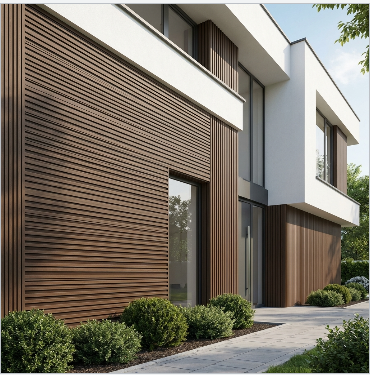
A modern home's exterior featuring one of the best materials for durable shiplap siding.

How to Pick the Right Exterior Shiplap Material

You love the crisp, clean lines of shiplap, but the thought of yearly maintenance? Not so much. This brings you to a key decision: do you want the authentic charm of natural wood or the hands-off ease of a modern engineered material? There’s no single right answer. Choosing the best material for exterior shiplap comes down to being honest about your lifestyle and priorities. Let's compare the real-world upkeep for cedar, pine, fiber cement, and composites to help you find an option that looks great and actually fits how you want to live.

Key Takeaways

  • Your material is the most critical decision: Natural wood offers authentic beauty but requires consistent upkeep, while engineered options like fiber cement and composites provide superior durability with far less maintenance.
  • Always choose a material that suits your climate: For wet or humid regions, prioritize moisture-resistant options like fiber cement to prevent rot. In areas with intense sun and temperature swings, select a stable material that resists fading and cracking.
  • Think in terms of long-term value, not just upfront cost: A more durable material may have a higher initial price, but it will save you significant money and effort on future repairs, repainting, and maintenance over the life of your home.

What is Exterior Shiplap? (And Why the Material is Key)

When you’re choosing siding for your home or project, you want something that looks great and protects your investment from the elements. Exterior shiplap is a popular choice for achieving a clean, modern, or rustic look, but its performance depends almost entirely on the material you choose. Unlike interior applications where aesthetics might be the top priority, exterior siding has to stand up to rain, sun, humidity, and pests.

The material you select will determine how much maintenance is required, how long the siding will last, and how well it holds up in your specific climate. Making the right choice from the start saves you from costly repairs and headaches down the road. Before we compare the top materials, let’s cover the basics of what shiplap is and why the material is such a critical decision.

So, What is Shiplap Siding?

Shiplap siding consists of boards that have a special groove, called a rabbet joint, cut into the top and bottom edges. This design allows the boards to overlap and interlock snugly when installed. Think of it as a more robust version of tongue-and-groove. This overlapping feature creates a tight, weather-resistant seal that effectively sheds water and blocks wind, protecting the structure underneath. It’s this simple yet effective design that has made exterior shiplap cladding a timeless choice for centuries, offering both functional protection and distinct, clean lines that enhance a building’s curb appeal.

The History Behind the Name

The term "shiplap" isn't just a trendy name—it has a practical history rooted in shipbuilding. For centuries, boat builders used this method to create strong, watertight hulls. They would overlap wooden planks in a way that prevented water from seeping through, ensuring the vessel was seaworthy. This same principle was later applied to buildings for its excellent weather-shedding capabilities. The name itself is a nod to this heritage of durability and craftsmanship, which is why shiplap has remained a trusted choice for protecting structures from the elements. It’s a building material with a story of strength built right in.

Common Design Features and Orientations

While the interlocking rabbet joint is what defines shiplap, the final look is shaped by a few key design choices. The two most important factors are the spacing between the boards and the direction you install them. These details might seem small, but they have a major impact on the overall aesthetic, allowing you to tailor the siding to fit a specific architectural style. Whether you’re aiming for a classic farmhouse vibe or a sleek, modern facade, understanding these options is the first step to getting the look you want.

The Classic Nickel Gap

You’ll often hear the term "nickel gap" used with shiplap, and it refers to the intentional 1/8-inch space left between the boards. This gap is more than just a stylistic choice; it serves two important functions. Visually, it creates crisp, clean shadow lines that add depth and definition to the siding. Functionally, it gives the boards room to naturally expand and contract with changes in temperature and humidity. This prevents buckling and warping over time, which is especially important for exterior applications where the material is exposed to the elements.

Horizontal vs. Vertical Installation

Shiplap’s versatility really shines when you consider its installation orientation. The most common method is horizontal, which creates a traditional, classic look that can make a house appear wider and more grounded. It’s a timeless choice that works well with farmhouse, coastal, and transitional styles. For a more contemporary feel, installing shiplap vertically can make a structure feel taller and more dramatic. This orientation draws the eye upward and is often used to create modern accent walls or to add a unique touch to gables and entryways.

Beyond Siding: Other Uses for Exterior Shiplap

Shiplap isn't just for covering the entire exterior of a home. Its clean lines and weather-resistant properties make it a fantastic choice for a variety of other outdoor applications. You can use it to add character to porch ceilings, create durable and stylish soffits, or highlight architectural features like gables and dormers. This adaptability also allows you to create a cohesive design that flows from the outside in, as many homeowners use similar wall paneling for interior accent walls and ceilings. Using shiplap in these smaller, targeted ways can add a custom touch without committing to a full siding replacement.

How Your Material Choice Affects Performance

For any outdoor project, the material has to be tough. Exterior shiplap is constantly exposed to moisture, temperature swings, and UV rays. Your material choice is the single most important factor in determining how well your siding will perform over time. A material that can’t handle moisture will rot, warp, or swell, while one that isn’t suited for your climate might crack or fade. Choosing a durable material from the start ensures your siding can withstand these challenges without needing constant repairs or replacement. It’s the key to a beautiful, low-maintenance exterior that lasts for decades.

A Breakdown of Common Exterior Shiplap Materials

Choosing the right material for your exterior shiplap is one of the most important decisions you'll make. It directly affects your home's curb appeal, how much maintenance you'll be doing down the road, and how well your siding holds up to your local climate. Each option comes with its own set of strengths and trade-offs, from the classic look of natural wood to the engineered resilience of modern composites. Let's break down the most popular choices so you can find the perfect fit for your project.

Natural Wood: The Pros and Cons of Cedar and Pine

Natural wood offers a timeless, classic look that’s hard to beat. Cedar is a top-tier choice because it contains natural oils that make it resistant to moisture and insects, giving it impressive strength and longevity. This makes it a fantastic option for homes in damp climates or for projects where durability is the main priority. Pine is a more budget-friendly wood alternative that still delivers that beautiful, rustic charm. However, it doesn't have cedar's natural defenses, so it requires proper treatment and sealing to protect it from the elements and ensure it lasts.

Fiber Cement: Engineered for Strength

If you’re looking for a material that can handle just about anything, fiber cement is an excellent contender. This engineered material is incredibly durable, offering top-notch resistance to fire, rot, insects, and severe weather. Because it’s so resilient, fiber cement boards require very little maintenance over their lifespan, making them a practical, set-it-and-forget-it solution. For homes in regions with high humidity or heavy rainfall, fiber cement provides peace of mind, as it won’t warp or degrade when exposed to moisture. It’s a smart investment for long-term performance.

Composite & Vinyl: The Low-Maintenance Options

For those who want a hands-off solution, composite and vinyl are fantastic low-maintenance alternatives. Composite materials, like Wood Plastic Composite (WPC), are engineered to resist rot, insects, and moisture while holding paint exceptionally well. Many composites also use recycled materials, making them a more sustainable choice. Vinyl is another popular option known for its durability and minimal upkeep. While traditional wood siding requires regular maintenance to stay protected, these modern cladding options are designed to look great for years with very little effort.

Why Choose Cedar for Your Exterior Shiplap?

When you think of classic, high-quality wood siding, cedar is often the first material that comes to mind, and for good reason. It’s earned its reputation as a premium choice by offering a fantastic combination of natural beauty and rugged performance that is tough to beat. Cedar shiplap brings a sense of warmth and authenticity to a home’s exterior that synthetic materials just can’t replicate. It’s the kind of choice that signals quality and attention to detail, fitting perfectly on everything from a modern farmhouse to a rustic coastal retreat.

While it does come with a higher price tag than some other options like pine or vinyl, its longevity and timeless appeal make it a worthwhile investment for many homeowners and builders. Think of it less as a cost and more as a long-term value proposition. The natural durability means fewer worries about rot or pests down the line, and its classic look never goes out of style, which can even add to your home's resale value. If you’re aiming for an exterior that delivers on both curb appeal and lasting strength, cedar is a top contender that should be on your shortlist.

How Cedar Naturally Resists Weather

Cedar’s biggest strength is its incredible natural resilience. Thanks to its inherent oils and compounds, cedar is naturally resistant to moisture, decay, and insect infestations. This makes it an ideal material for exterior shiplap cladding, as it can stand up to harsh weather without breaking down. It’s one of the most water-resistant woods available, which is a huge advantage in rainy or humid climates. This built-in protection means you get a siding material that not only looks great but is also engineered by nature to last for decades with the proper care.

Getting the Look: Cedar's Aesthetic Appeal

There’s no denying the authentic, warm look of real cedar. Its rich, varied tones and beautiful grain patterns add character and texture to any home exterior, from rustic cabins to modern farmhouses. Cedar provides a high-end finish that instantly elevates a property’s aesthetic. You have plenty of customization options, too. You can apply a clear sealant or a semi-transparent stain to highlight the natural wood grain, or you can paint it any color you like. This flexibility allows you to achieve the exact look you want while still benefiting from the underlying quality of the wood.

Understanding Cedar's Maintenance and Long-Term Cost

While cedar is naturally durable, it’s not a set-it-and-forget-it material. To keep it looking its best and protect it from the elements, you’ll need to perform regular maintenance. Plan on repainting or restaining your cedar shiplap every five to ten years, depending on your local climate and sun exposure. The upfront cost of cedar is higher than materials like pine or vinyl, but its long lifespan and classic appeal provide significant long-term value. Proper wood siding maintenance ensures your investment remains a beautiful and functional part of your home for years to come.

Pine Shiplap: An Affordable Wood Siding

Pine is a classic choice for shiplap siding, loved for its warm, traditional look and, most notably, its accessible price point. If you're aiming for that beautiful wood aesthetic without the higher cost of premium options like cedar, pine is an excellent contender. It’s a fantastic material for achieving a rustic or modern farmhouse style on a budget, making it a go-to for many builders and homeowners who want authentic wood grain and character. However, its affordability comes with a key consideration: pine requires consistent care and proper finishing to stand up to the elements. Unlike cedar, it doesn't have the same natural defenses against moisture and pests, so it relies on a good quality finish to stay protected. This doesn't mean it's a high-maintenance headache; it just means you need a solid plan from the start. With the right approach, you can protect your investment and keep your pine exterior shiplap cladding looking great for years. It’s all about understanding its needs and committing to a simple maintenance routine that will ensure its longevity and preserve its timeless appeal.

The Main Advantage: A Lower Upfront Cost

The biggest draw for pine shiplap is undeniably its cost. For large projects or for homeowners keeping a close eye on the budget, pine is often the most economical wood siding available. This makes it possible to cover a significant amount of exterior wall space without the steep investment required for cedar or other premium woods. This cost-effectiveness makes pine a popular choice for outbuildings, accent walls, or full home exteriors where the classic wood look is desired. While it's not as naturally durable or long-lasting as cedar, its lower upfront cost frees up room in your budget for high-quality paints, stains, and sealants that are essential for its protection.

Why Treatment and Sealing are Non-Negotiable

Unlike cedar, which has natural oils that help it resist moisture and insects, pine is more vulnerable to the elements. To ensure it lasts, pine shiplap must be properly sealed and protected before or immediately after installation. This isn't optional—it's a critical step to prevent rot, warping, and insect damage. You’ll need to apply a high-quality primer followed by exterior-grade paint or a protective stain and sealant. This protective layer acts as a shield against rain, snow, and sun. Think of it as giving your siding a durable raincoat. Regular care, including reapplying these finishes, is key to maintaining that protection and keeping all your wall panels healthy.

Understanding Pre-Treated and Primed Pine

To make the process of protecting pine shiplap easier and more reliable, many manufacturers offer pre-treated or primed options. This is a huge time-saver and a smart move for ensuring a quality finish. Pre-treated pine has been infused with preservatives to resist rot and insects, while primed pine comes with a factory-applied base coat of primer. Choosing this option means your siding arrives at the job site with a crucial layer of protection already in place. This not only saves you significant labor but also ensures a more uniform and effective application than what might be achieved manually on-site. It’s a practical step that helps bridge the gap between pine’s affordability and its need for a durable, weather-resistant protective finish.

How to Make Your Pine Siding Last for Years

Keeping your pine shiplap in top condition is straightforward with a simple maintenance schedule. A little proactive care goes a long way in extending its life and beauty. First, make it a habit to inspect your siding twice a year, ideally in the spring and fall. Look for any signs of trouble like cracked boards, peeling paint, or failing caulk around windows and doors. Next, give it a gentle cleaning annually with mild soap, warm water, and a soft brush to remove dirt and mildew. Finally, plan on refreshing the finish every five to ten years by repainting or restaining. This schedule keeps the wood protected and ensures your home’s exterior always looks its best.

Best Applications for Wood Shiplap

Natural wood shiplap is the perfect choice when you want your home’s exterior to feel warm, authentic, and full of character. It excels in designs that celebrate texture and natural materials, making it a go-to for modern farmhouse, rustic cabin, and coastal cottage styles. Whether you're using it for a full exterior or as a statement-making accent on gables and entryways, wood brings a timeless quality that engineered materials can't quite replicate. It’s a material that signals craftsmanship and attention to detail, creating an inviting first impression that stands out from the crowd. If aesthetic is your top priority, the rich grain and classic lines of wood are hard to beat.

When deciding between cedar and pine, consider both your climate and your budget. Cedar is an excellent option for high-end projects or homes in damp, humid regions, where its natural moisture resistance provides long-term value and peace of mind. Pine is a great fit for budget-conscious projects where you still want that classic wood look, as long as you’re committed to a solid maintenance plan. Both materials are fantastic for creating beautiful, textured exteriors. Ultimately, choosing natural wood Exterior Shiplap Cladding Wall Panels is about prioritizing that authentic aesthetic and classic charm that only real wood can provide.

Fiber Cement: The Ultra-Durable Shiplap Material

If you’re looking for a material that combines the classic look of wood shiplap with modern performance, fiber cement is your answer. Made from a durable mix of cement, sand, and cellulose fibers, this engineered siding is designed to withstand just about anything you throw at it. It’s the perfect choice for homeowners and builders who prioritize strength and low maintenance without sacrificing style. Unlike wood, which can be vulnerable to the elements, fiber cement offers a reliable, long-lasting solution that keeps its good looks for decades. It’s a true workhorse material that provides peace of mind and lasting value.

Resists Almost Everything: Weather, Fire, and Pests

One of the biggest advantages of fiber cement is its incredible toughness. This material is practically immune to the most common problems that plague wood siding. It doesn't rot when exposed to moisture, making it ideal for rainy or humid climates. Termites and other pests simply aren't interested in it, so you can skip the costly pest control treatments. Plus, fiber cement is non-combustible, offering an extra layer of fire protection for your home. It stands up to harsh weather, from hailstorms to high winds, without cracking, warping, or deteriorating. It’s a material built to last with very little upkeep required.

What to Know About Installation and Painting

While fiber cement is heavier than wood or vinyl, its installation is straightforward for experienced professionals. Because it resists moisture so well, you don't have to worry about the perfect sealing required to prevent wood from rotting. Most fiber cement boards come pre-primed and ready for paint. This material holds paint exceptionally well—often longer than wood—meaning you’ll spend less time and money on repainting over the years. Just be sure to use a high-quality acrylic exterior paint to get a finish that lasts and protects your investment.

Is Fiber Cement a Good Long-Term Investment?

When you look at the big picture, fiber cement offers incredible long-term value. While the initial cost might be higher than some wood options, its durability and low maintenance needs save you money over time. With proper installation, fiber cement siding can easily last 30 to 50 years or more, all without the constant need for repairs, sealing, or repainting that wood demands. It’s a smart investment that protects your home, maintains its curb appeal, and gives you one less thing to worry about. For anyone building or renovating for the long haul, fiber cement is tough to beat.

Composite & Vinyl: The Easiest Shiplap to Maintain

If you love the crisp, clean lines of shiplap but don't love the idea of yearly maintenance, composite and vinyl are your answer. These materials are engineered specifically to give you the classic look of wood without the constant upkeep. Think of them as the modern, practical choice for a beautiful exterior that lasts. Unlike wood, which can be susceptible to the elements, composite and vinyl are designed to stand up to whatever nature throws their way, from harsh sun to heavy rain.

Composite siding, often made from a blend of recycled wood fibers and plastics, offers a durable alternative that can convincingly mimic natural wood grain. Vinyl, a type of plastic siding, is known for its affordability and wide range of color options. Both materials are a smart investment for homeowners and builders who prioritize long-term performance and minimal hassle. By choosing an engineered material, you’re opting for a solution that saves you time and money on repairs and refinishing down the road, making it easier than ever to maintain your home’s curb appeal. Our collection of exterior shiplap cladding includes options that deliver this hands-off durability.

Say Goodbye to Rot and Moisture Damage

One of the biggest advantages of composite and vinyl shiplap is their incredible resistance to common exterior problems. Because these materials are synthetic, they don’t offer a food source for termites or other wood-boring insects. They also don't absorb moisture the way wood does, which means you can say goodbye to worries about rot, mold, and mildew, even in damp or humid climates. Materials like Wood Plastic Composite (WPC) are specifically designed to resist moisture damage, ensuring your siding won't warp, swell, or decay over time. This inherent durability makes them a reliable choice for coastal homes or any area with significant rainfall, providing peace of mind that your exterior will stay structurally sound and look great for years.

Find Your Style with Lasting Color Options

Forget about scraping and repainting every few years. Vinyl and composite shiplap come with factory-applied color that’s integrated into the material itself. This means the color won't chip, flake, or peel like a coat of paint. Your siding will maintain its vibrant look with very little effort—usually just a simple cleaning with soap and water is all that’s needed to keep it looking fresh. Beyond the low-maintenance color, these materials come in a huge array of styles and textures. You can find options that perfectly replicate the warm appearance of cedar, pine, or other wood species, allowing you to achieve your desired aesthetic without compromising on performance. The variety of available wall panels ensures you can find the perfect fit for your home's design.

A Closer Look at WPC Composition and Finishes

Wood Plastic Composite, or WPC, is an innovative material made by blending recycled wood fibers with durable plastics. This smart combination gives you the best of both worlds: the wood fibers provide a natural, textured appearance, while the plastic encapsulates and protects them from moisture, rot, and insects. This engineering is why WPC is so incredibly resilient against sun fading, weather, and fire. The color is often integrated directly into the material during manufacturing, so you don't have to worry about it chipping or peeling like paint. Our Exterior Shiplap Cladding Wall Panels are a perfect example of how WPC delivers a high-end look with minimal upkeep, making it a fantastic long-term investment for any project.

Why It's a Truly Hands-Off Solution

Ultimately, choosing composite or vinyl shiplap is about choosing a durable, hands-off solution for your home’s exterior. While natural wood requires a commitment to regular sealing, staining, and inspections, these engineered materials are built for longevity with minimal intervention. Their ability to withstand fading, cracking, and denting means they hold up well in busy environments and harsh weather conditions. This makes them an excellent choice not just for homeowners who want to spend more time enjoying their home and less time working on it, but also for contractors looking for reliable products that lead to satisfied clients. Investing in a low-maintenance material from the start translates into significant savings in both time and money over the life of your home.

How to Pick the Right Shiplap Material for Your Climate

The location of your home plays a huge role in how your exterior shiplap will perform over time. A material that looks beautiful in a dry, mild climate might warp, rot, or fade in a humid, coastal region. Thinking about your local weather patterns isn't just a minor detail—it's the key to choosing a siding that lasts for years with minimal headaches. The main things to consider are moisture, sun exposure, and temperature swings. Constant rain and humidity demand materials that won't absorb water, while intense sun requires a finish that can stand up to UV rays without breaking down.

Making the right choice from the start saves you from costly repairs and constant maintenance down the road. While the classic look of wood is always tempting, engineered materials often provide a more practical solution for challenging environments. They are specifically designed to resist the elements that cause natural materials to fail. By matching the material to your climate, you ensure your home's exterior not only looks great on day one but continues to protect and beautify your home for decades. Our collection of exterior wall panels includes options designed to handle whatever nature throws their way, giving you peace of mind no matter where you live.

What's the Best Siding for Humid or Coastal Areas?

If you live somewhere with high humidity, frequent rain, or salty coastal air, moisture resistance is your top priority. Water is the enemy of many building materials, leading to rot, mold, and decay. For these environments, fiber cement and composite shiplap are excellent choices because they don't absorb moisture. This makes them incredibly stable and durable in damp conditions. While natural wood can be used, it requires a flawless installation and a high-quality, consistently maintained sealant to prevent water damage. One small gap or crack can let moisture in and start a cycle of rot. For a reliable, low-maintenance solution in wet climates, fiber cement boards are hard to beat.

Which Materials Handle Dry Heat and Cold Snaps?

In dry, sunny climates like the Southwest, your main concern shifts from moisture to UV radiation and temperature fluctuations. Intense sun can cause wood to fade, dry out, and crack over time. If you choose wood shiplap, it's essential to use a finish with strong UV protection and reapply it as needed. Materials like fiber cement and composites are often more stable in climates with extreme temperature swings between day and night. They are less likely to expand, contract, and warp, which helps maintain a tight, secure fit. These engineered options also hold paint exceptionally well, reducing the chances of peeling or fading under the constant sun.

Does Your Home Get a Lot of Sun or Rain?

Most homes deal with a combination of sun and moisture, so you need a material that can handle both. For any outdoor project, the goal is to find a durable siding that resists weather, insects, and moisture without demanding constant upkeep. Traditional wood shiplap is beautiful but often requires a lot of work to protect it from the elements. Engineered materials like fiber cement and composites are specifically designed to stand up to these challenges from the start. They offer the clean lines of shiplap without the vulnerability to rot and pests, giving you a durable, worry-free exterior that looks great year after year.

What Makes an Exterior Shiplap Material Truly Durable?

Choosing the right material for your exterior shiplap isn't just about looks—it's about finding a solution that will protect your home and hold up for years. Three key factors play a huge role in how well your siding will perform over time: its ability to handle weather, its environmental footprint, and how it responds to temperature changes. Getting these right means you'll have a durable, beautiful exterior that adds lasting value to your property.

How Well Does It Stand Up to Moisture?

Moisture is the number one enemy of exterior siding. Whether it's rain, humidity, or snow, water can lead to rot, mold, and structural damage if your shiplap isn't up to the task. Natural woods like cedar are a top choice because they are inherently water-resistant, making them ideal for exterior shiplap cladding. However, even the best wood needs to be perfectly installed and sealed to prevent moisture from getting in. In particularly rainy or humid climates, engineered materials like fiber cement or composites often have an edge. They are manufactured to resist moisture absorption, which means they won't warp, swell, or rot. This makes them a reliable, low-maintenance option for protecting your home against the elements.

Expected Lifespan and Warranty Coverage

When you choose new siding, you're making a long-term investment in your home's protection and curb appeal. The expected lifespan of your shiplap is a huge part of its overall value. In this department, engineered materials often come out on top. For example, properly installed fiber cement siding can last an incredible 30 to 50 years, giving you decades of performance with very little fuss. Composite and vinyl are also built for the long haul, designed to stand up to the elements that can wear down other materials. Of course, natural wood like cedar also boasts an impressive lifespan, thanks to its natural oils that fight off moisture and insects. Most materials come with a warranty that covers manufacturing defects, which gives you confidence in the quality of the product right from the start.

The Reality of Natural Wood Weathering

One of the most important things to understand about natural wood is that it weathers. Over time, sun and rain will transform its surface, creating a silvery-gray patina. Some people absolutely love this rustic, aged look, but it’s a sign that the wood is changing. If you want to maintain the wood's original color and integrity, regular maintenance is non-negotiable. For cedar, this means restaining or repainting every five to ten years. Pine requires even more attention because it doesn't have cedar's natural defenses and needs a perfect seal to prevent moisture damage. This weathering process is the key trade-off when selecting from natural wood exterior wall panels—you get unmatched authentic beauty, but you have to commit to the upkeep to keep it that way.

Considering the Environmental Impact

Building with the environment in mind is more important than ever. When it comes to shiplap, you have several sustainable options. If you love the look of real wood, look for products sourced from sustainably managed forests. Many modern composite materials also offer an eco-friendly alternative, as they are often made from upcycled or recycled content like wood fibers and plastics. Beyond the material itself, durability is a key part of sustainability. Choosing a high-performance material that resists pests, rot, and weather damage means you won't have to replace it as often. This reduces waste and the long-term environmental cost of maintenance and repairs, making it a smart choice for both your home and the planet.

Will It Warp? Understanding Expansion and Contraction

All exterior materials expand in the heat and contract in the cold. This natural movement is a critical factor in how your shiplap will perform long-term. Wood, for example, expands and contracts with changes in both temperature and humidity. Composite and vinyl materials also move, but in different ways. If this movement isn't accounted for during installation, your siding can buckle, warp, or create gaps that let moisture in. This is why professional installation is so important. Experienced trade professionals understand how each material behaves and will install the planks with the correct spacing to allow for natural expansion and contraction. Proper installation ensures your shiplap remains stable, secure, and beautiful through every season.

Installation Considerations for Exterior Shiplap

You’ve picked the perfect material for your exterior shiplap—that’s a huge step! But even the most durable, high-end siding can fail if it isn’t installed correctly. Proper installation is what turns a great material into a long-lasting, protective barrier for your home. It ensures your siding can handle temperature changes, shed water effectively, and stay securely attached for decades. Whether you’re a seasoned DIYer ready for a challenge or you’re planning to hire a professional, understanding the key installation requirements is essential. Getting these details right from the start is the best way to protect your investment and ensure your home looks fantastic for years to come.

DIY vs. Professional Installation

Deciding whether to install your exterior shiplap yourself or hire a professional comes down to balancing your budget, timeline, and skill level. A DIY installation can be incredibly rewarding and save you money on labor, but it’s a demanding job that requires precision, the right tools, and a solid understanding of building practices. Mistakes can lead to moisture damage, warped boards, and an unprofessional finish that costs more to fix in the long run. For most homeowners, hiring an experienced contractor is the safer bet. A professional ensures the job is done efficiently, correctly, and according to manufacturer specifications, which is often necessary to keep the product warranty valid. They have the expertise to handle tricky cuts and ensure everything is weathertight, giving you peace of mind. We work with skilled trade professionals every day who know how to get the job done right.

Key Installation Requirements to Follow

Whether you’re tackling the project yourself or overseeing a crew, there are a few non-negotiable rules for installing exterior shiplap. These best practices are universal because they address the core challenges of any exterior cladding: managing moisture and securing the material properly. Following these guidelines is crucial for preventing common issues like rot, water intrusion, and loose siding. Paying close attention to details like ground clearance and using the correct fasteners will make all the difference in the longevity and performance of your exterior shiplap cladding, ensuring it protects your home as intended.

Proper Ground Clearance

One of the most critical steps in any siding installation is maintaining proper ground clearance. This means leaving a gap—typically at least six to eight inches—between the bottom edge of your first row of shiplap and the ground or any hard surfaces like driveways and patios. This space is essential for preventing moisture from the ground from wicking up into the siding, which is a primary cause of rot and decay, especially with wood materials. Proper clearance allows the area to dry out after it rains and protects the lower boards from splashback. Skipping this step can lead to costly damage and significantly shorten the lifespan of your siding.

Choosing the Right Fasteners

The nails or screws you use to attach your shiplap are just as important as the siding itself. For any exterior application, you must use corrosion-resistant fasteners, such as hot-dipped galvanized or stainless steel nails. Using the wrong type can lead to rust streaks running down your beautiful new siding and can cause the fasteners to fail prematurely. The length is also critical; your fasteners need to be long enough to penetrate through the shiplap and sheathing and securely into the wall studs by at least 1.25 inches. This ensures each board is held firmly in place and can withstand wind and weather without coming loose over time.

Common Mistakes to Avoid When Choosing Shiplap

Choosing the right material for your exterior shiplap is about more than just looks—it’s a decision that impacts your home's durability, maintenance needs, and long-term value. A little foresight can save you from costly repairs and headaches down the line. By understanding a few common pitfalls, you can ensure your shiplap siding not only looks fantastic but also performs beautifully for years to come.

Before you finalize your choice, let’s walk through three key mistakes homeowners and even some pros make: picking a material that can’t handle your local weather, cutting corners on installation, and not thinking about the upkeep or how the style fits your home. Getting these details right from the start is the secret to a successful project.

Ignoring Your Local Climate

Your local weather is one of the biggest factors in how your shiplap will perform. A material that thrives in a dry, sunny climate might struggle in a region with high humidity and heavy rainfall. For instance, traditional wood shiplap looks beautiful but requires meticulous sealing and care to protect it from moisture and pests. In rainy or humid places, fiber cement boards or composite materials are often a more resilient choice because they naturally resist moisture. If your heart is set on wood, just be sure it’s properly treated and installed to prevent rot and warping.

Forgetting About Installation Needs

Even the highest-quality material will fail if it isn't installed correctly. Proper installation is your first line of defense against the elements. It’s crucial to ensure there's a good weather-resistant barrier behind the siding, proper flashing around windows and doors, and a complete seal to stop water from getting in. Each material has its own set of best practices, from leaving the right amount of space for expansion to using the correct fasteners. Always follow the manufacturer’s guidelines to the letter or hire a professional who understands the specific requirements of the material you’ve chosen.

Overlooking Future Maintenance and Style

Be honest with yourself about how much upkeep you’re willing to do. While all shiplap siding requires some care, the level of commitment varies widely. Natural wood may need to be re-stained or repainted every few years, while composite and vinyl options just need an occasional cleaning. It’s important to choose a material that can handle your local weather without needing constant repairs. Finally, make sure the shiplap’s style complements your home’s architecture. The clean lines of fiber cement might suit a modern design, while the rustic charm of cedar could be perfect for a more traditional home.

How to Decide: Balancing Cost vs. Long-Term Value

Choosing the right shiplap material is a classic balancing act between your budget and your long-term goals. The cheapest option today isn't always the most cost-effective one over the next 10 or 20 years. When you factor in maintenance, repairs, and eventual replacement, a more durable material with a higher initial price can actually save you money and headaches. Think of it as an investment in your home’s future. The key is to look beyond the price tag and consider the total cost of ownership. This approach helps you find a material that not only fits your budget now but also delivers lasting performance and peace of mind for years to come.

Looking Beyond the Upfront Price Tag

When you’re looking at samples, it’s easy to get sticker shock from premium materials like cedar. While it has a higher upfront cost, cedar’s natural strength and water resistance make it a fantastic long-term investment, especially for homes in wet climates or moisture-prone areas. This durability means you’ll spend less time and money on repairs. On the other hand, a less expensive wood might save you money initially but could require more frequent sealing, painting, or even replacement. The best value comes from choosing a material that can truly withstand your local weather, giving you a beautiful finish that lasts.

Typical Cost Estimates per Square Foot

To give you a clearer picture, let's talk numbers. The total cost to install exterior shiplap typically falls between $3.60 and $11 per square foot, a range that includes both materials and professional labor. The shiplap boards themselves usually range from $1.00 to $2.50 per square foot, but this varies depending on whether you choose pine, cedar, or a composite material. Labor is the other big piece of the puzzle, with professional installers charging anywhere from $35 to $100 per hour. For a standard project, you might expect the total cost to land somewhere between $550 and $1,500. Remember, these are just estimates—your final cost will depend on your specific material choice, local labor rates, and the complexity of your project.

How to Find the Right Material for Your Budget

If you’re working with a firm budget, pine is often the most accessible option for shiplap siding. With material costs typically ranging from $2.50 to $7.00 per square foot, it makes the shiplap look achievable for less. However, it’s important to factor future maintenance costs into your budget. Pine will require diligent sealing and painting to protect it from the elements. For contractors and trade professionals, another way to manage costs is by applying for trade discounts, which can make higher-quality materials more affordable when purchased in bulk. Planning ahead for both initial and future expenses ensures your project stays on track financially.

Finding Value: Discounts and Purchasing Options

Beyond choosing the right material, smart purchasing can make a big difference in your budget. For contractors and builders managing large projects, buying in bulk is one of the most effective ways to save. This is where establishing a relationship with a reliable supplier pays off. Many suppliers offer special pricing for industry professionals, making premium materials like cedar or fiber cement more accessible. By applying for a trade account, you can often access exclusive discounts that aren’t available to the general public. This strategy allows you to deliver higher-quality results to your clients while keeping your project costs in check, turning a good investment into a great one.

What Are the Key Trade-Offs?

Ultimately, your decision will come down to a few key trade-offs. Do you prefer the warm, classic appearance of natural wood? If so, be prepared for regular maintenance to keep it looking its best. Or, would you rather have a low-maintenance solution? Materials like fiber cement boards and composites resist rot, fire, and insects with minimal upkeep, though they offer a different aesthetic. Weigh what matters most to you: is it the initial cost, the authentic look of wood, or the freedom of a hands-off material? Answering that question will point you directly to the best shiplap for your home.

Where to Source Exterior Shiplap

Once you’ve decided on the best material for your project, the next step is finding a reliable place to buy it. Your options range from local big-box stores to specialized online suppliers, and the right choice often depends on the scale of your project, the specific material you need, and how quickly you need it. For standard materials, a quick trip to a local retailer might be all it takes. However, for specialty products, larger quantities, or the convenience of delivery, looking at online suppliers can open up a much wider range of possibilities. Let’s explore the best places to find the perfect shiplap for your home’s exterior.

Finding Shiplap at Local and Online Retailers

For smaller projects or if you need materials immediately, your local home improvement store or lumber yard is a great starting point. Chains like Home Depot and Lowe’s typically stock common options like pine and some pre-primed fiber cement boards, making it easy to grab what you need and get started. Local lumber yards are another excellent resource, often providing more personalized service and a wider selection of wood species. They can be incredibly helpful, and you get the added benefit of supporting a local business. These local options are perfect when you want to see the material in person before you buy.

When convenience and selection are top priorities, online retailers are the way to go. For homeowners and contractors tackling larger projects, a nationwide supplier can streamline the entire process. At USA Builders Depot, we offer a comprehensive collection of exterior shiplap cladding, including durable engineered options designed for modern homes. The advantage of sourcing online is having high-quality materials delivered directly to your home or job site, saving you time and logistical headaches. This is especially useful when you need a consistent supply or are looking for specific profiles that might not be available locally.

Sourcing Reclaimed and Salvaged Wood

If you’re looking for shiplap with a unique story and unmatched character, reclaimed wood is an incredible option. Sourcing salvaged materials is not only a sustainable choice but also a way to add a one-of-a-kind aesthetic to your home that simply can’t be replicated with new boards. Each plank has its own history, with distinctive weathering, nail holes, and a rich patina that speaks to its past life. This route is perfect for projects aiming for a rustic, historic, or truly custom look. While it requires a bit more of a treasure hunt, the final result is a beautiful exterior with undeniable soul.

Finding reclaimed wood often starts at local salvage yards or architectural salvage stores. These places are fantastic for discovering unique materials from old barns, warehouses, and historic buildings. You can inspect the wood yourself and find pieces that perfectly match your vision. For a wider selection, online marketplaces like Etsy and specialized reclaimed wood suppliers have become popular resources. They allow you to browse different types of salvaged wood from across the country. While this path takes more effort than buying new, the reward is a stunning, character-rich exterior that is entirely your own.

Related Articles

Read more

A worker from one of the best custom steel window manufacturers assembles a frame.
Custom Steel Window

How to Choose a Custom Steel Window Manufacturer

Find the best custom steel window manufacturers for your project. Compare top brands for quality, design options, and expert support to match your vision.

Read more
One of the best ultra modern kitchen faucets, featuring a sleek, high-arc design.
Modern kitchen faucet

How to Choose a Modern Kitchen Faucet for Your Home

Find the perfect modern kitchen faucet with these 7 stunning picks featuring smart tech, stylish finishes, and practical features for any kitchen.

Read more