


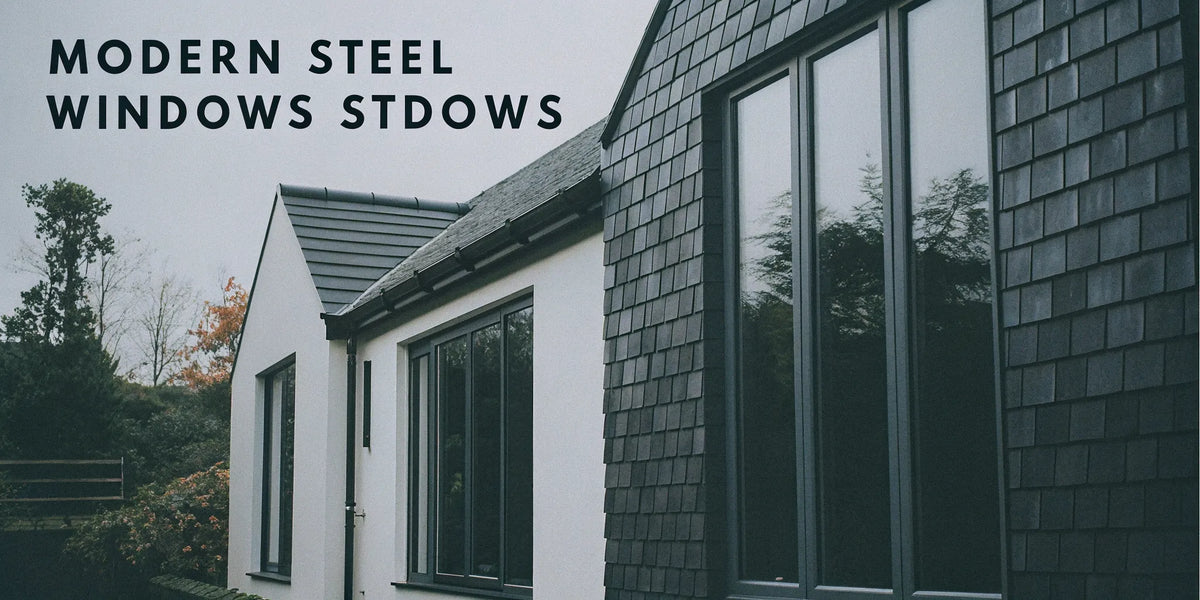
The Ultimate Guide to the Best Steel Windows
If you love clean lines and bright, open spaces, you know bulky window frames can get in the way. The solution? Steel windows. Because steel is so strong, the frames can be remarkably thin. This means more glass, slimmer sightlines, and tons of natural light flooding your home. It’s why designers and architects choose them for everything from modern new builds to classic renovations. The best steel windows feel almost invisible, creating a seamless connection between your indoor and outdoor spaces. Let's explore how to get this look and why their performance is just as impressive as their style.
Key Takeaways
- Steel's Strength Creates Better Views: Because steel is so strong, its frames can be incredibly thin. This results in larger panes of glass, cleaner sightlines, and more natural light than you can get with bulkier materials like wood or vinyl.
- Focus on Key Energy-Saving Features: Modern steel windows are highly efficient. To ensure you get a high-performance product, look for essential technologies like thermal breaks, low-E glass coatings, and official NFRC energy performance labels.
- Understand the Long-Term Value: While steel windows have a higher initial cost, they are built to last for 50 years or more with minimal maintenance. This durability, combined with superior security and timeless style, makes them a smart investment in your home's value.
Why Homeowners Love Steel Windows
When you’re planning a renovation or a new build, windows are one of the most important decisions you'll make. They define your home's character, fill your rooms with light, and play a huge role in energy efficiency. While you have plenty of materials to choose from, steel windows offer a unique combination of strength, elegance, and performance that’s hard to beat. They are a true long-term investment in your property's style and security.
One of the biggest draws of steel is its incredible strength. Because the material is so robust, the window frames can be remarkably thin. What this means for you is larger panes of glass, slimmer sightlines, and more natural light flooding into your home. This minimalist aesthetic works beautifully in everything from modern, industrial-style homes to classic, historic properties. You get unobstructed views and a clean, sophisticated look that other materials can't quite replicate. The design flexibility of custom steel windows allows you to create stunning architectural features, like entire window walls that seamlessly connect your indoor and outdoor spaces.
Beyond their good looks, modern steel windows are built for performance. A common myth is that metal windows are poor insulators, but today’s designs have solved that problem. High-quality steel windows incorporate "thermal breaks"—a layer of insulation within the frame that stops heat and cold from passing through. When you pair this with high-performance, double- or triple-pane glass, you get a window that helps keep your home comfortable year-round and can even lower your energy bills. They offer a powerful combination of timeless style and modern efficiency that adds lasting value to any home.
What Defines a High-Quality Steel Window?
Not all steel windows are created equal. When you're investing in a feature that will define your home's aesthetic for decades, it’s worth understanding what separates a premium product from a standard one. The difference often comes down to the specific materials used and the manufacturing process. Knowing what to look for ensures you get windows that are not only beautiful on day one but also durable, secure, and efficient for years to come. Key factors like the grade of the steel and the construction method play a huge role in how your windows will perform against weather, wear, and time.
The Importance of Steel Grade: 304 vs. 202
When you see different steel grades, think of them as different recipes—each with its own strengths. Grade 304 stainless steel is a higher-quality option because it contains more chromium and nickel, which are essential for corrosion resistance. This makes it an excellent choice for exterior applications like windows, as it holds up incredibly well against rain, humidity, and fluctuating temperatures. On the other hand, Grade 202 is a more budget-friendly steel that uses less nickel. While it's still strong, it's more susceptible to rust over time, making it less ideal for products exposed to the elements. For a long-lasting investment, choosing a window made from a superior grade like 304 is a smart decision.
Manufacturing Methods: Galvanized vs. Solid Hot-Rolled Steel
Beyond the grade, how the steel is treated and formed is critical. Galvanization is a process where steel is coated with a protective layer of zinc to prevent rusting. It’s a proven and effective method for making steel windows durable. Another premium option is solid hot-rolled steel. This method involves shaping the steel at high temperatures, resulting in exceptionally strong and dense profiles that allow for the slimmest possible sightlines. Top-tier manufacturers often use solid hot-rolled steel and combine it with modern innovations like a "thermal break"—an insulating barrier within the frame that stops heat and cold from transferring through the metal, dramatically improving energy efficiency.
Potential Downsides of Steel Windows to Consider
While steel windows offer unmatched style and durability, it’s important to have a complete picture before making a decision. Like any premium building material, they come with a few considerations that are best addressed during the planning stages of your project. Being aware of these factors doesn't mean you should shy away from steel; it just means you can work with your builder or contractor to ensure a smooth installation and long-term satisfaction. Thinking through weight, maintenance, and energy performance will help you confirm that steel windows are the perfect fit for your home and goals.
Weight and Structural Considerations
There’s no getting around it: steel is heavy. Its strength and density are what make it so durable, but that also means steel windows weigh significantly more than their vinyl, aluminum, or wood counterparts. This is especially true for large, multi-pane window walls. Because of the extra weight, your contractor will need to verify that the wall and foundation can handle the load. In some cases, additional structural support may be needed. This is a standard part of the home renovation process for high-end installations and simply requires a bit of forethought to ensure everything is properly supported for safety and longevity.
Long-Term Maintenance and Refinishing
Modern steel windows are designed to be incredibly low-maintenance, but that doesn’t mean "no maintenance." The factory-applied finishes are extremely tough and designed to protect the steel from the elements for many years. To keep them looking their best, a simple cleaning with mild soap and water a few times a year is usually all that’s needed. While they are highly resistant to rust, especially when galvanized or made from high-grade steel, the finish can still be scratched or damaged. After many decades of exposure, they may eventually need to be refinished to maintain their protective coating and pristine appearance, a process that is still far less frequent than the upkeep required for wood windows.
Energy Efficiency Compared to Other Materials
An old myth that still circulates is that all metal windows are poor insulators. While a basic, single-pane metal frame can transfer heat and cold, modern high-performance steel windows are engineered to be highly energy-efficient. The key is to look for products that incorporate advanced technology. A thermal break is the most important feature—it’s an insulated barrier that separates the interior and exterior metal surfaces, stopping temperature transfer. When you combine a thermally broken frame with double- or even triple-pane glass with low-E (low-emissivity) coatings, you get a window that provides excellent insulation, keeping your home comfortable and your energy bills in check.
Who Makes the Best Steel Windows?
When you're ready to invest in steel windows, choosing the right manufacturer is a huge decision. You're not just buying a product; you're choosing a partner for a key feature of your home. The best brands offer a blend of durability, style, energy efficiency, and customization. From established names known for thermal innovation to suppliers offering streamlined custom solutions, the market has some incredible options. Let's look at a few of the top contenders to help you find the perfect fit for your project.
A Closer Look: USA Builders Depot
If you're looking for a streamlined process with plenty of custom options, USA Builders Depot is a fantastic starting point. They specialize in helping homeowners and contractors find the perfect custom steel windows for any project, whether it's a new build or a renovation. Their approach focuses on providing high-quality, durable steel windows that meet specific design needs without the hassle. By offering a curated selection of top-tier products, they make it easier to compare styles, features, and finishes. This is a great choice if you want expert guidance and a supplier who understands how to match the right windows to your home's aesthetic and performance requirements.
A Closer Look: Hope's Windows
Hope's has a long-standing reputation for exceptional craftsmanship, particularly in thermal performance. They are the only manufacturer to create solid hot-rolled steel windows and doors featuring their proprietary "Thermal Evolution" technology. This innovative design includes a thermal break that dramatically reduces heat and cold transfer, making their windows incredibly energy-efficient. For homeowners in climates with extreme temperatures, this feature is a game-changer. If your top priorities are superior insulation, historical accuracy, and unmatched quality, Hope's Windows are a leading choice in the luxury market, delivering both timeless style and modern performance.
A Closer Look: Optimum Window
Optimum Window is known for creating stunning custom steel window walls that blur the line between indoors and outdoors. Their products are designed to make a statement, transforming living spaces with expansive views and abundant natural light. Beyond aesthetics, Optimum emphasizes durability. Their steel windows are engineered to last for more than 50 years, far surpassing the lifespan of wood or vinyl alternatives. This longevity makes them a smart long-term investment for your home. If you envision a space with a strong connection to nature and want a product built to endure for decades, Optimum Window offers the custom solutions to make it happen.
A Closer Look: Marvin Windows
While widely recognized for its premium wood and fiberglass products, Marvin also brings its legacy of quality and design flexibility to the broader window market. The company is celebrated for its commitment to craftsmanship and extensive customization options, allowing you to create windows that are truly unique to your home. Customers often praise the brand for its high-end engineering and beautiful designs that stand the test of time. When considering your options, exploring Marvin's collections can provide a benchmark for premium quality and design innovation, ensuring you understand the full spectrum of what's available in the high-end window market.
A Closer Look: Pella Corporation
Pella is a household name that offers a diverse range of window solutions to fit various styles and budgets. They are known for strong engineering, innovative features like smart-home integration, and some of the best warranties in the business. While their steel offerings are part of their broader custom portfolio, their reputation is built on reliability and performance. For homeowners who value brand recognition and the peace of mind that comes with a comprehensive warranty, Pella is a solid contender. Their Reserve series, for example, showcases how they blend classic architectural designs with modern energy efficiency, offering a versatile choice for many homes.
How Much Do Steel Windows Really Cost?
Let's talk about the numbers. Steel windows are a premium product, and their price reflects their superior quality, durability, and style. While the initial investment is higher than for materials like vinyl or aluminum, it’s helpful to understand what goes into the cost. The final price tag depends on several key factors, including the manufacturer, the size and complexity of the window, the type of glass you choose, and any custom features you add.
Think of it as a long-term investment in your home’s security, efficiency, and aesthetic appeal. The price for a single installed window can range anywhere from a few hundred to several thousand dollars. Steel windows typically fall on the higher end of that spectrum because you're paying for a product that can last a lifetime. When you start shopping for custom steel windows, you’ll find that pricing is often tailored to your specific project. Getting a detailed quote that breaks down the cost of the window itself and the installation is the best way to create an accurate budget.
A Brand-by-Brand Price Breakdown
The price for installed windows can vary significantly, from around $300 to over $3,700 per window, depending on the material and brand. Steel windows are positioned at the premium end of this range. High-end brands often justify their cost with exceptional craftsmanship, advanced thermal break technology, and comprehensive warranties. When comparing quotes, look beyond the bottom line. Consider the brand's reputation, the quality of the steel used, and the energy efficiency ratings. A slightly higher upfront cost can often mean better performance and fewer maintenance headaches down the road.
What Should You Budget for Installation?
Professional installation is a critical part of the equation and typically costs between $100 and $400 per window. This price can change based on the complexity of the job. For example, replacing an old window in a historic home might require more labor than installing a window in a new construction project. While it might be tempting to cut costs here, proper installation is essential for ensuring your windows are weathertight, secure, and energy-efficient. A professional installer will have the right tools and expertise to get the job done correctly, protecting your investment for years to come.
Are Steel Windows a Good Long-Term Investment?
High-quality steel windows are a significant investment that adds security, efficiency, and style to your property for decades. Their incredible strength makes your home more secure, while modern thermal breaks contribute to lower energy bills. Unlike other materials that may need replacing every 15-20 years, steel windows can last a lifetime with minimal care. This durability, combined with their timeless aesthetic, can also increase your home's resale value. When you look at the cost over the entire lifespan of the product, premium materials like steel doors and windows often prove to be a very smart financial decision.
Which Energy Efficiency Features Actually Matter?
When you think of steel windows, you might picture old, single-pane factory windows that let in drafts. But today’s
Decoding the Jargon: Thermal Breaks & U-Factor
One of the most important innovations in modern steel windows is the thermal break. Steel is a natural conductor, meaning it can transfer heat and cold from the outside in. A thermal break is a piece of low-conductivity material placed inside the window frame to separate the interior and exterior metal pieces. This barrier effectively stops that energy transfer, keeping your home warmer in the winter and cooler in the summer. When you’re comparing windows, also look for the U-factor. This rating measures how well the window insulates, and a lower number is always better. A low U-factor indicates that the window does a great job of preventing heat from escaping.
How a Thermal Break Works
Think about how a metal spoon gets hot when you leave it in a cup of tea. Steel acts the same way—it’s a natural conductor, meaning it easily transfers heat and cold. Without the right technology, your window frames could bring the outdoor temperature right into your home. This is where a thermal break comes in. It’s a barrier made of a less conductive material, like a high-strength polymer, that is placed inside the frame to separate the interior and exterior steel pieces. This simple but brilliant feature stops the flow of energy, preventing your steel windows from becoming too hot in the summer or icy cold in the winter, which helps keep your home comfortable and your energy bills in check.
What's a Good U-Factor Rating?
When you're comparing windows, you'll see a sticker with a bunch of ratings, and one of the most important is the U-factor. In simple terms, the U-factor measures how well a window prevents heat from escaping your home. The rule is easy to remember: the lower the number, the better the insulation. A window with a low U-factor is a great insulator, which means it will help keep your house warm in the winter and cool in the summer. The National Fenestration Rating Council (NFRC) sets the standards for these ratings, so looking for a low U-factor on that official label is a reliable way to know you’re choosing an energy-efficient product.
What Does NFRC Certified Mean for Your Windows?
How can you be sure a window’s energy claims are accurate? Look for the National Fenestration Rating Council (NFRC) label. The NFRC is an independent organization that tests, certifies, and labels windows for their energy performance. This certification provides a reliable way to compare products apples-to-apples. The NFRC label will show the U-factor and another key metric: the Solar Heat Gain Coefficient (SHGC). SHGC measures how much heat from the sun a window blocks. A lower SHGC is ideal for warmer climates to reduce cooling costs, while a higher SHGC can be beneficial in colder climates to capture free solar heat.
How to Choose the Best Glass for Your Windows
The frame is only one part of the equation; the glass you choose is just as critical for energy efficiency. Single-pane glass is a thing of the past for most residential applications. Today’s high-performance options include double-pane or even triple-pane glass, which creates insulating air gaps between the layers. Many modern steel windows also feature low-emissivity (low-E) coatings. This is an ultra-thin, transparent metallic layer that reflects infrared energy, helping to keep heat inside during the winter and outside during the summer. For even better insulation, the space between the panes can be filled with a dense, inert gas like argon.
Will My New Windows Get Condensation?
Condensation on your windows isn't just annoying—it can also lead to moisture damage, mold, and mildew over time. That’s why you should check a window’s Condensation Resistance (CR) rating. This NFRC measurement indicates how well a window resists the formation of condensation on its interior surface. The rating is on a scale, and unlike U-factor, a higher CR number is better. A window with a high CR rating will stay clearer and drier, even during significant temperature differences between inside and out. This feature is especially important in humid climates or in rooms like kitchens and bathrooms where moisture levels are naturally higher.
Understanding Condensation Resistance (CR) Ratings
Let's get a little more specific about that CR rating. It’s measured on a scale from 1 to 100, and your goal is to find a window with the highest number possible. A higher rating means the window's surface will stay warmer, making it much harder for condensation to form when it's cold outside and warm inside. For most homes, a CR rating of 50 or higher is a great target, but if you live in a particularly cold or humid climate, aiming even higher is a smart move. This is especially true for areas of your home that produce a lot of moisture, like bathrooms, kitchens, and laundry rooms. When you're comparing different steel windows, checking the CR rating on the NFRC label gives you solid proof of how well it will perform against annoying and potentially damaging moisture buildup.
How Can You Customize Your Steel Windows?
One of the best parts of choosing steel windows is that you don’t have to settle for a one-size-fits-all solution. Modern steel windows are incredibly versatile, allowing you to tailor almost every detail to match your home’s architecture and your personal style. From the color of the frame to the type of glass and the style of the hardware, you have control over the final look and function. This level of personalization ensures your new windows are a true reflection of your vision, not just a standard building component. Let’s look at the key areas where you can make these windows your own.
Common Window Styles: Fixed, Casement, and More
When you start exploring steel windows, you'll find a style for just about any need or aesthetic. The right choice depends on where the window is going and how you want it to function. Fixed windows, for example, don’t open at all, making them perfect for maximizing a beautiful view and letting in tons of light. Casement windows are hinged on the side and swing outward, providing excellent ventilation and a clear, unobstructed view. Then there are awning windows, which are hinged at the top and open from the bottom, allowing for airflow even during a light rain shower. The beauty of working with a supplier that offers custom steel windows is that you can mix and match these styles to create the perfect combination of function and design for your home.
Finding the Perfect Frame Finish and Color
Forget the idea that steel windows only come in basic black. Today’s options include a wide spectrum of colors and finishes that can complement any design, from a classic Tudor to a sleek, modern build. You can select a powder-coated finish for a durable, vibrant color or opt for a finish that mimics other materials. This flexibility allows you to create a cohesive look with your home’s exterior and interior palettes. The right finish not only adds to the beauty of your custom steel windows but also provides an extra layer of protection against the elements, ensuring they look great for years to come.
From Clear to Tinted: Choosing Your Glass
The glass you choose is just as important as the frame, impacting everything from energy efficiency to privacy and light control. You can select from double- or even triple-pane glass for superior insulation, which helps keep your home comfortable and your energy bills down. Adding a low-E coating can further improve thermal performance by reflecting heat. Beyond performance, you can also choose tinted or frosted glass for bathrooms and other private spaces. This allows you to get the perfect balance of natural light and seclusion without needing to rely on window coverings.
The Finishing Touches: Hardware and Locks
The hardware is where function meets style. You can customize handles, locks, and cranks to match your home’s aesthetic, whether you prefer something traditional or more contemporary. But hardware is about more than just looks—it’s a critical component of your home’s security. High-quality steel doors and windows feature robust locking systems, often with multi-point locks that secure the window in several places. This provides enhanced security and peace of mind. When choosing your hardware, consider both the design and the strength to ensure your windows are as safe as they are beautiful.
Getting the Perfect Fit with Custom Sizes
Steel’s inherent strength allows for incredibly slim frames that can support large panes of glass, opening up a world of design possibilities. You aren’t limited to standard rectangular shapes. You can design windows with custom arches, unique geometric forms, or expansive floor-to-ceiling configurations that create a stunning focal point. Whether you’re replacing an oddly sized window in an older home or designing a modern masterpiece with a wall of glass, steel offers the flexibility to bring your specific vision to life. These custom configurations ensure your windows fit your space perfectly, both physically and aesthetically.
Steel vs. Other Materials: What's the Difference?
Choosing the right window material is a big decision. While you've likely come across common options like wood, vinyl, and aluminum, it's worth understanding how they stack up against steel. Each material has its place, but steel windows bring a unique blend of strength, elegance, and longevity to the table that the others simply can't match. Let's break down the key differences to help you see why steel is often the best long-term investment for your home.
Steel vs. Wood: Which Is Better?
Wood windows have a timeless, classic appeal, but that beauty comes with a lot of upkeep. They need regular painting or staining to protect them from moisture, rot, and pests. Steel, on the other hand, offers incredible durability with minimal maintenance. Modern steel windows are treated to resist corrosion and won't warp or crack like wood can. Plus, steel’s structural strength allows for much slimmer frames, maximizing your glass area and flooding your home with natural light. When it comes to longevity, there’s no contest: steel windows can last over 50 years, while wood windows typically need replacing within 20 to 30 years.
Steel vs. Vinyl: A Head-to-Head Comparison
Vinyl windows are a popular budget-friendly choice, but they come with trade-offs in both performance and aesthetics. Because vinyl isn't as strong as steel, the frames have to be much thicker and bulkier, which shrinks your view and lets in less light. Steel’s impressive strength is what allows for the very thin frames and large glass panes that create better views and a more open feel. Vinyl can also become brittle over time and may warp or discolor with sun exposure, while steel maintains its integrity and finish for decades, making it a smarter investment in the long run.
Steel vs. Aluminum: Key Differences to Know
Aluminum is another strong material that allows for slim sightlines, making it a closer competitor to steel in terms of style. The biggest difference, however, is energy efficiency. Aluminum is a natural conductor, meaning it easily transfers heat and cold, which can lead to higher energy bills. In fact, steel is five times better at resisting heat than aluminum, making it a far more insulating choice for your home. While both materials are durable, steel’s superior strength also makes it more resistant to dents and damage, ensuring your windows not only perform better but also hold up beautifully for years to come.
Common Questions About Steel Windows
When you’re considering a significant upgrade like new windows, it’s natural to have questions. Steel windows are a fantastic choice for their strength and style, but let’s clear up a few common concerns so you can feel confident in your decision.
But Aren't Steel Windows Cold?
It's a common myth that steel windows let all your heating and cooling escape. While that might have been true for older designs, modern steel windows are a completely different story. Today’s high-quality steel frames are engineered with energy efficiency at their core. They often include a "thermal break"—a layer of insulation built into the frame that stops heat and cold from transferring through the metal. When you pair this with high-performance, double- or triple-pane glass, you get a window that provides excellent insulation without sacrificing those sleek, minimal sightlines.
What About Rust and Corrosion?
Rust is a valid consideration for steel windows, especially in humid or coastal climates. Some manufacturers use galvanization or zinc-coated steel together with weather-resistant finish systems to reduce corrosion risk, while others use different protection methods. Confirm the exact material, coating specification, intended environment, maintenance requirements, repair instructions, and warranty for the selected product. Routine cleaning and inspection may help protect the finish, but they do not guarantee decades without corrosion.
How Complicated Is the Installation?
I'll be straight with you—installing steel windows isn't your typical weekend DIY project. Because they are heavier and require precise fitting to ensure they are weathertight and operate smoothly, professional installation is the way to go. An experienced installer has the right tools and expertise to handle the job correctly. Factoring in professional labor is an important part of your budget, but it’s a worthwhile expense. Proper installation ensures your windows perform at their best, protects your warranty, and gives you peace of mind that your investment is secure and sealed perfectly.
Why Do Steel Windows Cost More Upfront?
There's no getting around it: steel windows are a premium product with a higher upfront cost. But it's important to see it as a long-term investment in your home's value, security, and style. The price reflects the superior strength and durability of the material—these windows are built to last a lifetime, not just a decade. The cost also covers the precision engineering required to create those slim, elegant frames and features like thermal breaks. When you choose custom steel windows, you're paying for a product that offers unmatched security and timeless design.
Your Checklist for Choosing the Best Steel Windows
Choosing the right windows is a big decision, but it doesn't have to be overwhelming. Once you've narrowed down your style and material, a few key factors can help you distinguish a good window from a great one. Think of it as a final quality check before you commit. Focusing on certifications, warranty, security features, and the installation plan will ensure you get beautiful windows that perform exceptionally well for decades. These details are what separate a standard purchase from a smart, long-term investment in your home's comfort, value, and safety. Let's walk through what really matters.
What Certifications Should Your Windows Have?
When you're comparing windows, look for official labels and ratings—they're your proof of performance. The most important one to know is the NFRC (National Fenestration Rating Council) label. Think of it as the energy-efficiency report card for your window. It gives you clear ratings on how well the window insulates and prevents heat transfer. Also, ask about features like thermal breaks, which are small barriers inside the frame that stop hot or cold air from passing through. These certified features ensure your steel windows meet high industry standards for durability and energy performance, so you know you're getting a product that works as promised.
How to Read the Fine Print on Warranties
A manufacturer's warranty tells you a lot about how much they stand behind their product. Don't just glance at the warranty period; take a moment to understand what it actually covers. A comprehensive warranty should provide separate details for the frame, the glass, the hardware, and sometimes even the factory finish. A strong warranty is your peace of mind, protecting you from potential defects and ensuring your investment is secure. Good manufacturer support means that if something does go wrong, you have a reliable partner to help you resolve the issue quickly and efficiently.
How Secure Are Steel Windows?
Your windows are a critical part of your home's security system. Steel is an incredibly strong material, which naturally makes it resistant to forced entry. When choosing your windows, look for features like multi-point locking systems that secure the sash at several points, not just one. Some high-quality windows also undergo rigorous testing to earn ratings for forced-entry resistance, air and water leakage, and structural strength. These ratings confirm that your windows can stand up to harsh weather and potential intruders, keeping your home and family safe.
How to Find a Qualified Window Installer
Even the highest-quality window will fail to perform if it isn't installed correctly. A poor installation can lead to drafts, water leaks, and operational issues, completely negating the benefits of your investment. That's why finding a qualified installer is just as important as choosing the right window. Ask your window supplier for a list of recommended professionals in your area who have experience with steel windows. For contractors and builders, joining a trade program can also provide access to a network of trusted partners and resources, ensuring every project is completed to the highest standard.
Keeping Your Steel Windows Looking New for Years
Steel windows are a fantastic investment in your home’s style and security, known for their strength and timeless appeal. The great news is that they are also incredibly low-maintenance. With just a little bit of routine care, you can ensure your steel windows look and perform their best for decades to come. Following a few simple steps will protect your investment and keep them operating smoothly year after year, preserving that clean, modern look you chose them for.
Your Simple Cleaning and Maintenance Routine
Keeping your steel windows pristine is straightforward. For routine cleaning, simply wipe down the frames and glass with a soft, dry microfiber cloth to remove dust and loose debris. For a deeper clean, use a gentle solution of mild soap and warm water with a soft sponge. It’s important to avoid abrasive scrubbers or harsh chemical cleaners, as these can damage the finish. After washing, rinse the windows thoroughly with clean water to remove any soap residue and dry them with a clean cloth to prevent water spots. While you’re cleaning, take a moment to check that all hardware, like locks and handles, is functioning smoothly.
How Long Do Steel Windows Actually Last?
One of the biggest advantages of steel windows is their incredible longevity. When properly cared for, you can expect them to last for 30 to 50 years, and often much longer. This durability makes them one of the best long-term investments you can make in your home. Unlike other materials that may warp, crack, or degrade over time, steel holds its shape and strength against the elements. This impressive lifespan is directly linked to consistent, simple maintenance. A few minutes of care a couple of times a year is all it takes to ensure these windows last a lifetime, making them a truly sustainable choice among durable building materials.
Why Protective Coatings Are a Must-Have
Protective finishes can help reduce corrosion risk on steel-window systems, but the correct maintenance method depends on the manufacturer and finish. Inspect frames periodically for scratches, chips, seal damage, or other deterioration, and use only manufacturer-approved cleaning, coating, wax, and touch-up products. Repairing finish damage can help reduce moisture exposure to the steel, but it should not be described as guaranteeing that rust cannot start or that the window will remain in perfect condition.