



Acoustic Wood Panel: Your Ultimate Buyer's Guide
Your room looks perfect, but does it sound right? If conversations echo and your TV sounds hollow, you're not alone. It's a common issue in modern homes with open layouts and hard surfaces. But the fix isn't bulky soundproofing or ugly foam. The answer is a design piece that does double duty: the acoustic wood panel. These panels are engineered to absorb unwanted noise while adding stunning warmth and texture to your walls. This guide will walk you through everything you need to know before you buy, from how they work to installation.
Key Takeaways
- Solve for Sound and Style Simultaneously: Acoustic wood panels are a smart upgrade that adds stunning visual texture to a wall while actively improving the room's sound by absorbing echo and reverb.
- Know the Difference Between Absorption and Soundproofing: These panels are designed to enhance the audio quality inside a room by soaking up ambient noise, not to block sound from entering or leaving the space entirely.
- Plan Your Project for a Flawless Finish: Before buying, measure your walls to determine how many panels you need (aiming for 30-50% coverage), check the NRC and fire safety ratings, and always order samples to ensure the quality and color are right for your space.
What Are Acoustic Wood Panels?
At their core, acoustic wood panels are specialty wall coverings designed to do two things really well: improve the sound quality in a room and look fantastic while doing it. Think of them as a functional and stylish upgrade that pulls double duty. It’s important to know that they aren't the same as soundproofing materials. While soundproofing aims to block sound from entering or leaving a space entirely, acoustic panels focus on controlling the sound inside the room. They work by absorbing sound waves, which dramatically cuts down on echo and reverberation—that annoying "bouncy" sound you hear in rooms with lots of hard surfaces. This creates a calmer, clearer, and more comfortable auditory environment.
They’re perfect for home theaters where you want crisp dialogue, home offices that need clear audio for video calls, or even just a bustling open-plan living area where conversations can get overwhelming. By turning a plain wall into a stunning feature, they add warmth, texture, and a sophisticated architectural element to any space. By combining the natural beauty of wood with smart design, these panels offer a solution that is both highly effective and aesthetically pleasing, fitting seamlessly into all kinds of interior styles from minimalist to modern rustic.
How Do Acoustic Panels Actually Work?
The science behind how acoustic panels work is pretty straightforward. When sound waves travel through a room, they hit hard surfaces like drywall, glass, or tile and bounce right back. This creates echo and reverb, making a space feel loud and chaotic. Acoustic panels are designed to interrupt this process. Their surface, often made of wood slats, helps break up the sound waves, while the soft, porous backing material—usually a high-density felt—traps and absorbs them. This process converts sound energy into a tiny amount of heat, effectively stopping the sound from reflecting back into the room. Understanding this core function is key to seeing why they make such a big difference. The result is a space that feels more balanced and peaceful, where you can hear conversations, music, and movies with much greater clarity.
What Are Acoustic Panels Made Of?
The quality of an acoustic panel really comes down to its construction. Most high-end panels feature a face made of real wood veneer strips applied to an MDF core, which gives them their signature stylish look. This top layer isn't just for show; it helps diffuse sound waves before they even reach the absorbent backing. Beneath the wood, you’ll find the most important component for sound absorption: a thick, dense felt. This is typically made from recycled materials like plastic bottles, making it an eco-friendly choice. The combination of these materials is one of the key factors to consider when you're shopping. The rigid wood slats and the soft felt backing work together to absorb a wide range of sound frequencies, making the panels effective and versatile for different environments.
What Are the Benefits of Acoustic Wood Panels?
Acoustic wood panels are one of the most popular design upgrades for a reason: they solve two common problems at once. Not only do they manage sound to create a more peaceful environment, but they also add incredible texture, warmth, and style to any wall. They are a perfect blend of high-performance function and modern aesthetics, making them a smart investment for homeowners and trade professionals alike. Whether you’re looking to quiet a noisy living room, design a stunning feature wall, or add a professional touch to a home office, these panels deliver. Let’s look at the key benefits you can expect.
Improve Your Room's Sound Quality
Ever been in a room where conversations echo and every little noise feels amplified? That’s usually due to sound waves bouncing off hard surfaces like drywall and glass. Acoustic Wall Panels are engineered to fix this. Their primary job is sound absorption, not soundproofing. Instead of blocking sound from entering or leaving a room, they soak up ambient noise and reverberation within the space. The combination of wood slats and a felt backing traps sound waves, preventing them from bouncing around. This leads to clearer audio from your TV, easier conversations, and an overall calmer, more pleasant atmosphere. It’s an effective way to improve the auditory experience of any room.
Add a Touch of Modern Style
Beyond their acoustic benefits, these panels are a powerful design tool. They instantly add depth, texture, and a touch of natural warmth that painted drywall simply can’t match. The clean, linear look of wood slats creates a sophisticated and contemporary feel, turning a plain wall into a high-end architectural feature. You can use them to frame a media center, create a cozy backdrop in a bedroom, or add visual interest to a long hallway. With options like Unfinished Wood Wall Panels, you can even stain or paint them to perfectly match your decor. They are a simple yet dramatic way to give your space a custom, designer look.
Increase Privacy
Beyond just improving a room's sound, acoustic wood panels also create a welcome sense of privacy. It’s important to know their primary job is sound absorption, not soundproofing, meaning they are designed to soak up ambient noise within a room rather than completely block it from the outside. This absorption has a fantastic side effect: it helps keep sounds from traveling between rooms. This makes them an ideal solution for open-concept homes where conversations can easily carry, or for creating a more focused environment in a home office. By strategically placing Acoustic Wall Panels, you can dampen noise bleed and create a more intimate atmosphere, ensuring private conversations stay private.
Where Can You Use Acoustic Panels?
One of the best things about acoustic wood panels is their incredible versatility. They aren’t limited to just home theaters or recording studios. You can install them in almost any room to enhance both its sound and style. In a living room, they can reduce the echo from a high ceiling. In a home office, they help create a quieter, more focused workspace. They can even add a stylish, sound-dampening touch to bedrooms, dining rooms, and entryways. Because they are a modular wall paneling system, you can cover an entire wall for maximum impact or use just a few panels to create a smaller accent piece. Their adaptability makes them a go-to solution for countless design challenges.
How to Choose the Right Acoustic Panels
Picking the right acoustic panels involves more than just choosing a color you like. To get the sound quality and aesthetic you're after, you need to look at a few key details that separate a great-looking room from a great-sounding one. The goal is to find a balance between performance and style, ensuring the panels you choose are effective, safe, and complementary to your design.
Think about what the panels are made of, how well they actually absorb sound, how many you'll need for your specific room, and what it will take to get them on the wall. It might sound like a lot, but breaking it down makes the process straightforward. By focusing on quality, performance, and safety, you can confidently select panels that will transform your space's look and feel. We'll walk through the most important factors to consider, from understanding sound ratings to planning your installation, so you can make an informed decision.
Check the Quality and Construction
The effectiveness of an acoustic panel starts with its construction. High-quality acoustic wall panels are typically made from real wood strips mounted on a dense, sound-absorbing felt backing. This combination isn't just for looks; the wood helps scatter sound waves while the felt traps them, reducing echo and reverb. Cheaper alternatives might use laminate or MDF, which can look similar but may not offer the same acoustic performance or durability. When you're comparing options, pay close attention to the materials listed in the product description. Real wood and high-density felt are usually signs of a well-made panel that will stand the test of time.
Look for Sustainable and Eco-Friendly Materials
When you're upgrading your home, it feels good to know you're making a responsible choice. Many of the best acoustic wood panels are designed with sustainability in mind. The two main components to look at are the wood itself and the felt backing. The wood veneers are often sourced from responsibly managed forests, ensuring that your design choice doesn't come at an environmental cost. Even more impressively, the dense felt backing that does the heavy lifting of sound absorption is frequently made from recycled materials, such as plastic bottles. This turns post-consumer waste into a high-performing, stylish product for your home. Choosing panels made from these materials means you're not just improving your room's acoustics; you're also supporting a more circular economy.
How to Read Sound Absorption Ratings (NRC)
It’s easy to confuse sound absorption with soundproofing, but they do very different jobs. Acoustic panels are designed for sound absorption—their goal is to reduce echo and minimize noise disturbances within a room. They aren't meant to block sound from entering or leaving. The performance of a panel is measured by its Noise Reduction Coefficient (NRC) rating, which ranges from 0 to 1. A rating of 0 means no sound is absorbed, while a 1 means 100% of sound is absorbed. For most residential or office spaces, a panel with an NRC of 0.75 or higher is considered very effective. Always check for this rating to compare how different panels will perform.
Understanding the Performance Metrics
While the Noise Reduction Coefficient (NRC) is the headline number for acoustic performance, it’s not the only metric that matters. True performance is a combination of a panel’s technical ratings, its physical construction, and how it’s used in your space. Think of it this way: a high NRC rating tells you the panel is good at its job, but the quality of its materials determines how long it will last and how it will look. Similarly, even the best Acoustic Wall Panels won’t be effective if they aren’t installed strategically. To make a smart investment, you need to look beyond a single number and consider the complete picture of what makes a panel perform well in the real world.
Beyond sound absorption, another critical performance metric to check is the fire rating. For safety and code compliance, especially in commercial spaces or multi-family homes, look for panels with a Class A fire rating. This is the highest rating for building materials, indicating that the panel has a low flame spread and smoke development. The quality of the materials also plays a huge role in performance. High-density felt backing, often made from recycled materials, is better at trapping sound waves than lower-density alternatives. The wood veneer should be durable and well-adhered to prevent peeling or damage over time, ensuring your investment looks great for years to come.
How Much Coverage Do You Need?
You don't need to cover every inch of your walls to get great results. In fact, doing so can make a room sound unnaturally "dead." For most spaces, the sweet spot is to cover about 30% to 50% of the total wall area. To figure out what you need, start by measuring the length and height of the walls you plan to treat and calculate the total square footage. Then, determine what 30-50% of that number is. This will give you a target for how many panels to buy. This approach ensures you get optimal sound absorption without overdoing it, creating a comfortable and balanced acoustic environment.
How Easy Are They to Install?
The good news is that you don't always need to hire a professional to install acoustic panels. Many modern slat wood panels are designed with DIYers in mind. The installation process is generally straightforward, often requiring just a strong construction adhesive and a few screws to secure the panels directly to the wall. Before you commit, it's a good idea to check the manufacturer's installation guide, which is usually available on the product page. This will help you understand the steps involved and confirm you have the right tools for the job, ensuring a smooth and successful project from start to finish.
Don't Forget Fire Safety Ratings
One crucial detail that often gets overlooked is the fire safety rating of the materials you're bringing into your home or office. Reputable acoustic panels should be tested and rated for fire resistance. In the US, materials are often given a classification like Class A, B, or C, with Class A being the most flame-resistant. This information is especially important for commercial projects, but it's a smart thing for any homeowner to check. Look for the fire rating in the product specifications before you buy. Choosing panels that meet safety standards provides peace of mind and ensures your project is not only beautiful and functional but also safe.
Applying a Protective Oiled Finish
If you've opted for Unfinished Wood Wall Panels to achieve a truly custom look, applying a protective oil is a fantastic final step. This finish does more than just protect the wood from everyday wear; it dramatically enhances its natural beauty. A quality oil finish will deepen the color and make the wood grain pop, giving the panels a richer, more luxurious appearance. As experts from The Wood Veneer Hub note, a premium oil is used to enrich the wood's appearance and provide enhanced protection. This simple process ensures your panels not only look their best from day one but also stay that way for years to come.
When it comes to application, the process is straightforward. The key is to apply the oil in a thin, even layer using a small roller or a clean cloth. Always work in the direction of the wood grain to ensure a smooth, professional finish. It's important to focus the oil only on the wood slats and be careful to avoid getting any on the felt backing or the edges of the panel, as this can cause discoloration. For best results, use a maintenance oil specifically designed for wood surfaces. By taking the time to apply this protective finish, you’re not just completing a project—you’re investing in the longevity and timeless style of your new feature wall.
Where to Buy Acoustic Panels Online
Shopping for acoustic panels online gives you access to a huge variety of styles, materials, and price points. You can compare options from specialized retailers without leaving your home. Before you add anything to your cart, it’s a good idea to look at a few different suppliers to see who offers the best fit for your project’s budget, aesthetic goals, and installation needs. Here are some of the top places to find acoustic wood panels online.
USA Builders Depot
USA Builders Depot is a great starting point because they offer a wide selection of building materials, making them a convenient one-stop shop for larger renovation projects. Their collection of Acoustic Wall Panels is designed for both looks and performance. It's important to remember that these panels are built for sound absorption—their job is to reduce echo and soften noise within a room, not to completely soundproof it. This is a key distinction that helps you set the right expectations. With fast nationwide shipping and special pricing for trade professionals, they cater to everyone from DIY homeowners to seasoned contractors looking for quality and reliability.
AKU Woodpanel
If your top priority is a premium finish, AKU Woodpanel is a brand worth checking out. They specialize in high-quality wooden slat panels and are known for their unique "3-sided real wood veneer." This means the veneer wraps around the edges of each slat, creating a more seamless and solid-wood appearance from every angle. This attention to detail not only enhances the visual appeal but also contributes to the panel's durability over time. Their focus on craftsmanship makes them a strong contender for projects where aesthetics are just as important as acoustic performance, like in a high-end living room or a professional office space.
The Wood Veneer Hub
The Wood Veneer Hub is another excellent source, especially if you have a specific look in mind. As their name suggests, they specialize in wood veneer products and offer beautifully designed slatted paneling. They are particularly well-known for their natural oak options, which are versatile enough for both wall and ceiling applications. If you're aiming for a warm, contemporary, or Scandinavian-inspired design, their selection provides plenty of inspiration. Their focus on specific wood finishes makes it easy to find a panel that complements your existing decor and acts as a stunning feature in any room.
Woodson Panels
For those who love a good DIY project, Woodson Panels is a fantastic option. Their products are specifically designed with the home installer in mind, aiming to make the process as straightforward as possible. They offer wood veneer acoustic panels that help quiet a room while adding a stylish, modern touch. By focusing on ease of installation, they empower homeowners to transform their spaces without needing to hire a professional. Many online retailers, including Woodson, often provide helpful guides and videos to walk you through the steps. Plus, perks like free shipping can make a big difference in your project's overall budget.
A Few More Brands to Check Out
Beyond these names, you'll find many other specialized retailers online. As you explore, keep the core function of the product in mind: acoustic panels work by absorbing sound waves to stop them from bouncing around a room. This is what reduces echo and makes a space feel calmer and sound clearer. When comparing different brands, be sure to read customer reviews, check for sound absorption ratings (like an NRC rating), and understand their shipping and return policies. Ordering samples is also a great way to see the quality and color in person before committing to a full order.
How Much Do Acoustic Wood Panels Cost?
Figuring out your budget is a key step in any project, and the cost of acoustic wood panels can vary. You’ll find options ranging from budget-friendly to high-end, with the final price depending on material quality and project size. While it’s tempting to go for the lowest price, remember that a panel’s construction impacts both its sound absorption and its look. Think of it as an investment in your space’s comfort and style. We’ll break down what drives these costs so you can find the perfect acoustic wall panels for your budget.
How Quality Affects the Price Tag
With acoustic panels, you get what you pay for. Higher-quality panels often feature real wood veneers, giving them a more authentic look than laminate finishes. Some premium options even have a three-sided veneer, where the wood grain wraps around each slat for a seamless appearance. The backing is just as important—look for panels made with high-density, recycled felt for effective sound absorption. A cheaper panel might look similar at first glance, but it likely won’t perform as well or hold up over time, making quality a worthwhile investment.
What Affects the Price?
Several factors contribute to the cost of acoustic panels. The core materials are the biggest driver—real wood veneer costs more than MDF with a laminate finish. The thickness and density of the acoustic felt backing also play a role, as better soundproofing materials are more expensive. Beyond the materials, a brand’s reputation and warranty can influence the price. Finally, consider the finish. Panels with unique stains or custom colors will have a higher price tag than standard oak or walnut. It’s all about balancing aesthetics, performance, and your budget.
Saving Money with Bulk and Trade Discounts
If you’re a contractor, designer, or homeowner tackling a large project, buying in bulk is a smart way to save. Most suppliers offer discounts on large orders, which lowers the cost per panel. This is perfect for outfitting an entire office, restaurant, or home theater. Many companies have dedicated trade programs that provide professionals with exclusive pricing. If you’re in the business, it’s always worth it to apply for a trade account to access these benefits. Don’t forget to ask about shipping—some suppliers offer free shipping on bulk orders, which adds to your savings.
Residential and Commercial Applications
The beauty of acoustic wood panels lies in their versatility. In a home setting, they can transform a living room with high ceilings from an echo chamber into a cozy space for conversation. They’re also perfect for home offices, where they absorb sound to ensure your voice comes through clearly on video calls. You can use them to create a stunning, sound-dampening feature wall behind a bed or to add a touch of sophistication to a dining room. Because they are a modular wall paneling system, you can cover an entire wall for maximum impact or use just a few panels to create a smaller accent piece. In commercial spaces like restaurants, lobbies, or open-plan offices, they help control ambient noise, creating a more comfortable and professional environment for both clients and employees.
Important Usage Limitations
It’s crucial to understand the difference between sound absorption and soundproofing, as this is the most common point of confusion. Acoustic panels are designed for sound absorption—their job is to improve the sound quality *inside* a room by reducing echo and reverb. Think of them like a sponge for sound waves. They are not, however, designed for soundproofing, which aims to block sound from entering or leaving a space entirely. If your goal is to stop hearing your neighbor's TV or the traffic outside, acoustic panels are not the right tool for the job. Their purpose is to make the room they are in sound better, not to isolate it from external noise.
What Are the Different Styles of Acoustic Panels?
Acoustic wood panels come in a few different styles, but they all share the same goal: to absorb sound and look great while doing it. Understanding the main types will help you choose the perfect fit for your space, whether you’re designing a quiet home office or a lively living room. Most acoustic wall panels combine a wood surface with a sound-absorbing backing, but the way they’re constructed creates different looks and performance levels. This isn't a one-size-fits-all situation; the right panel depends entirely on your aesthetic goals and acoustic needs.
Some designs feature prominent vertical slats that create a bold, modern statement, while others have a more seamless, solid appearance with tiny, hidden perforations doing the acoustic work. The type of wood finish, the color, and the material used for the backing also play a huge role in both the panel's appearance and its ability to control sound. For example, a dark walnut slat panel creates a very different mood than a light oak perforated one. Getting familiar with these key components—slats, perforations, veneers, and felt—is the first step to finding a solution that not only solves your noise issues but also becomes a beautiful focal point in your room. Let's break down the most common options you'll find online.
The Classic: Slat Wood Panels
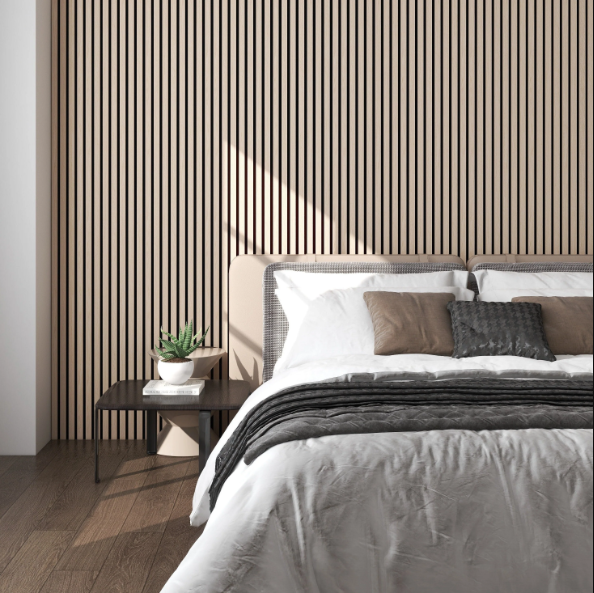
Slat wood panels are probably what you picture when you think of acoustic panels. They feature thin vertical strips of wood veneer mounted onto a soft, dense felt backing. This design is incredibly popular because it offers the best of both worlds: the clean, modern lines of the wood slats add texture and warmth to a room, while the felt backing does the heavy lifting of soaking up sound waves. This construction helps reduce echo and reverb, making conversations clearer and rooms feel more peaceful. They are a go-to choice for feature walls in bedrooms, living rooms, and offices where style is just as important as sound control.
A Modern Twist: Perforated Panels
Perforated panels take a more subtle approach to sound absorption. Instead of slats, these are solid-looking panels with thousands of tiny, almost invisible holes, or micro-perforations, on the surface. Sound waves enter these small openings and are trapped by the acoustic material behind them. This type is great if you want the look of a solid wood wall without sacrificing acoustic performance. They are often engineered with multiple layers, including a high-density core and an acoustic textile, to achieve excellent sound control in spaces like home theaters, recording studios, or conference rooms where minimizing distractions is key.
Fluted, Tile, and Colored Options
Beyond the classic slat and perforated styles, you'll find even more creative options to match your vision. Fluted panels, for instance, offer a softer, wavier texture than the sharp lines of slats, creating a unique visual rhythm on the wall while still hiding micro-perforations that trap sound. You can also find panels in tile formats, which break away from the traditional vertical look and let you create custom patterns. For ultimate creative control, consider Unfinished Wood Wall Panels. These arrive ready for you to paint or stain in any color imaginable, ensuring your feature wall perfectly complements your room’s specific color palette. This opens up a world of design possibilities beyond natural wood tones, allowing you to make a bold statement or a subtle, textured addition to your space.
Choosing Your Wood Veneer Finish
The finish is what gives an acoustic panel its signature look. Most high-quality panels use a real wood veneer, which is a thin layer of actual hardwood (like oak, walnut, or ash) bonded to the panel’s core. This gives you the authentic color, grain, and texture of natural wood. You can find panels with a wide range of natural veneer options to match your existing decor. Some panels are also available unfinished, allowing you to paint or stain them for a completely custom look that fits your design vision perfectly. This flexibility makes it easy to integrate them into any interior style, from minimalist to rustic.
Popular Finishes: Oak, Walnut, and Teak
When you start looking at options, you'll quickly notice a few finishes that pop up everywhere, and for good reason. Oak is easily the most popular choice because of its incredible versatility. Its light, neutral tone fits seamlessly into a wide range of styles, from bright Scandinavian designs to cozy modern farmhouse aesthetics. If you're after a more dramatic and sophisticated look, Walnut is a fantastic option. Its deep, rich brown tones add a touch of luxury and work beautifully in mid-century modern or contemporary spaces. Teak offers a warmer, golden-brown hue that brings an organic and slightly exotic feel to a room. Choosing from these popular natural veneer options makes it simple to coordinate your walls with existing flooring, furniture, or cabinetry for a cohesive, professionally designed look.
The Role of Felt Backing
The felt backing is the unsung hero of acoustic panels. This dense, fibrous material is what actually absorbs sound, reducing echo and background noise. It’s typically made from recycled materials like plastic bottles, making it an eco-friendly choice. The combination of hard wood slats and soft, porous felt creates an ideal structure for trapping sound waves that would otherwise bounce around the room. When you’re shopping, pay attention to the thickness and density of the felt, as this directly impacts the panel’s Noise Reduction Coefficient (NRC) rating and its overall effectiveness in creating a quieter, more comfortable environment.
Acoustic Panels vs. Non-Acoustic Panels
Sound Absorption vs. Sound Reflection
The biggest difference between these two types of panels comes down to how they handle sound waves. Acoustic Wall Panels are specifically engineered to absorb sound. Their felt backing acts like a sponge, soaking up ambient noise and stopping it from bouncing around the room. This is what reduces that annoying echo and makes a space feel calmer and sound clearer. Their job is to improve the audio quality inside the room, not to act as soundproofing that blocks noise from coming in or out. On the other hand, non-acoustic panels are all about aesthetics. Since they lack that sound-absorbing backing, they are just another hard surface. They will reflect sound waves just like a regular wall, which can sometimes make a room feel even louder.
Comparing Cost and Installation Complexity
Because of their specialized construction, acoustic panels typically come with a higher price tag. The cost reflects the engineering and materials involved, like the high-density felt backing and the specific design needed to effectively trap sound. Non-acoustic options, like standard Interior WPC Fluted Slat Wall Panels, are purely decorative and often more budget-friendly. When it comes to installation, the physical process is similar for both—usually involving adhesive and screws. The main difference is in the planning. For acoustic panels to work well, their placement matters. You need to consider where sound reflects most in the room. With non-acoustic panels, you can place them anywhere you think they look best, without any thought to sound dynamics, making the design phase a bit simpler.
How to Plan Your Project
A successful project starts with a solid plan. Before you click “add to cart,” taking a few moments to map out your installation will save you time, money, and potential headaches down the road. Proper planning ensures you order the right amount of material, know exactly how it will look, and feel confident in your final decision. Think of it as creating a simple roadmap for your room's transformation. It’s easy to get excited and jump straight to buying, but a little prep work makes all the difference between a good result and a great one. These next few steps will guide you through measuring your space, calculating your needs, and making sure the panels you choose are the perfect fit for your home or office. We'll cover the practical details that turn your vision into a reality, ensuring your acoustic panel project goes smoothly from start to finish. This isn't about complex architectural drawings; it's about simple, practical steps anyone can take to prepare for a beautiful and functional wall upgrade that you'll be proud of for years to come.
Step 1: Measure Your Space
First things first: grab a tape measure. To plan your installation effectively, you need to know the dimensions of the area you're working with. Calculate the total square footage of the wall or walls where you want to install the panels. As a general guideline for getting the best acoustic results, you should aim to cover between 30% and 50% of the wall surfaces in the room. This coverage strikes a great balance between noticeable sound improvement and maintaining your room's aesthetic. Knowing these numbers is the essential first step to figuring out how many Acoustic Wall Panels you’ll need.
Step 2: Calculate Your Panel Needs
Once you have your measurements, you can determine the number of panels required. The placement and quantity of your panels are crucial, as they directly affect the sound-dampening performance. A single panel will have a different impact than several installed side-by-side. Look up the dimensions of the specific panels you’re interested in—for example, a standard panel might be 94 inches tall by 24 inches wide. Divide your wall’s total square footage by the square footage of a single panel to get a baseline number. Always round up to ensure you have enough material, especially if you plan on making custom cuts.
Understanding Common Panel Dimensions
While sizes can vary slightly between brands, most acoustic wood panels are designed with standard room dimensions in mind. A very common size you'll see is around 8 feet tall (roughly 94 to 96 inches) and 2 feet wide (about 24 inches). This height is perfect for covering a wall from floor to ceiling in a room with standard ceiling heights, which simplifies installation. However, you'll also find narrower options, so it's always a good idea to check the specific dimensions of the panels you're considering. These panels are designed to be modular and are easy to cut, allowing you to trim them to fit around outlets, windows, or in rooms with different ceiling heights for a custom, built-in look.
Step 3: Always Order Samples First
Before committing to a full order, it’s always a smart move to get your hands on a sample. Seeing a product online is one thing, but feeling the texture and seeing the color in your room’s actual lighting is another. Ordering a sample lets you assess the quality and finish up close, ensuring it matches your expectations and existing decor. This small step helps you make an informed decision and shows that the company is confident in its product. It’s a low-cost way to guarantee you’ll love the final look before you purchase everything for your project.
How to Install Acoustic Wood Panels
One of the best things about modern acoustic panels is that they are designed for straightforward installation. You don't need to be a professional contractor to achieve a stunning, high-end look. With a bit of planning and the right tools, you can completely transform a wall in an afternoon. The process is generally simple, whether you choose to glue or screw the panels directly to the wall. For those looking to achieve the absolute best sound absorption, there's also a method using timber battens that creates an air gap for superior performance.
Before you begin, it’s important to prepare your space and gather your tools. A clean wall surface is key to a secure installation, and having everything you need on hand will make the process go smoothly. We’ll walk through the most common installation methods, from the simplest direct application to the more advanced techniques for maximizing acoustic benefits. We'll also cover some practical tips for cutting panels to size and working around outlets or light switches, ensuring you get a clean, professional finish that looks like it was done by an expert.
Preparing for Installation
A little prep work goes a long way in ensuring your installation is a success. Before you start, make sure your wall is clean, dry, and smooth. Wipe it down to remove any dust or grime that could interfere with adhesion. Next, gather your tools. You’ll need a tape measure, a pencil, a level, and a saw if you need to make any cuts. Depending on your chosen installation method, you’ll also need either a strong construction adhesive and a caulk gun or a drill with screws. Having everything ready will make the process much more efficient and help you avoid any last-minute trips to the hardware store.
Common Installation Methods
There are three primary ways to install your acoustic wood panels, and the best one for you depends on your wall type, your DIY comfort level, and your acoustic goals. The two most common methods for homeowners are gluing or screwing the panels directly onto the wall. Both are relatively simple and provide a secure, lasting fit. For those seeking the highest level of sound absorption, installing the panels on timber battens is the recommended approach. This method creates an air gap behind the panel, which significantly improves its ability to trap sound waves, and is often used in home theaters or recording studios.
Method 1: Gluing Directly to the Wall
For a seamless look with no visible hardware, gluing is an excellent choice. This method is fast, effective, and creates a permanent bond between the panel and the wall. Start by applying a generous amount of strong construction adhesive to the felt backing of the panel in a zig-zag pattern. Be sure to apply it evenly across the entire surface. Once the adhesive is on, carefully press the panel onto the wall, using a level to ensure it’s perfectly straight. Apply firm, even pressure for a minute or so to help the adhesive set properly.
Method 2: Screwing Directly into the Wall
Screwing the panels directly into the wall is another popular and secure method. This approach is great if you’re working with drywall and want the option to remove the panels later with minimal damage. We recommend using at least nine screws per panel, spaced evenly, to ensure a solid hold. Drive the screws directly through the felt backing and into the wall. For a nearly invisible finish, choose black screws that will blend in with the dark felt. Make sure to check for studs if you want an even more secure attachment point.
Method 3: Using Timber Battens for Maximum Sound Absorption
If your goal is to achieve Class A sound absorption, this is the method to use. It involves mounting the panels onto timber battens (wood strips) that have been screwed to the wall. This creates an air gap between the wall and the panel, which dramatically improves sound absorption. For even better performance, you can fill this gap with insulation like Rockwool. Once the battens are in place, you simply screw the acoustic panels into the battens. This professional-grade installation is the ultimate solution for creating a truly quiet and acoustically balanced space.
Tips for a Clean Installation
Achieving a professional-looking finish is all in the details. Always start your installation with a level line to ensure your first panel is perfectly straight—all subsequent panels will align with it. When you encounter outlets, light switches, or windows, you’ll need to cut the panels to fit around them. Take your time with these cuts, measuring carefully to ensure a snug fit. Planning your layout on the floor before you start mounting can also help you visualize the final result and make any necessary adjustments, ensuring a flawless and beautiful feature wall.
Cutting Panels to Size
Most installations will require some cuts to fit your space perfectly. The good news is that these panels are designed to be easily modified. To cut the wood slats, use a saw with a fine-toothed blade to get a clean edge and minimize splintering. You can cut through the felt backing with a sharp utility knife. The golden rule of carpentry applies here: measure twice, cut once. Taking a moment to double-check your measurements will save you from costly mistakes and ensure every piece fits exactly as it should.
Installing on Ceilings
While acoustic panels look incredible on ceilings, this type of installation is a bit more advanced and requires extra care. Because you’re working against gravity, it’s essential that the panels are securely fastened. We strongly recommend screwing them directly into the ceiling joists rather than relying on adhesive alone. Locating the joists is a critical step for safety and stability. If you’re not comfortable with this type of work, it’s a good idea to consult with or hire a licensed contractor to ensure your ceiling can support the weight and that the installation is done safely.
Acoustic Panel Myths, Busted
When you start shopping for acoustic panels, you’ll likely run into some common misconceptions. It’s easy to get tripped up by misinformation, but understanding the facts will help you choose the right products for your space and get the results you’re looking for. Let’s clear up a few of the most persistent myths about acoustic wood panels so you can move forward with your project confidently.
Myth 1: They're Completely Soundproof
This is probably the biggest misunderstanding about acoustic panels. Their job is sound absorption, not soundproofing. Think of it this way: soundproofing is about creating a barrier to stop sound from entering or leaving a room (like building thicker walls). Sound absorption, which is what acoustic wall panels do, is about improving the sound quality inside a room. They work by soaking up sound waves to reduce echo and reverberation, which makes speech clearer and music sound richer. They won’t stop you from hearing a lawnmower outside, but they will make your living room sound much more pleasant.
Myth 2: Installation Is a Nightmare
The idea of installing wall panels can seem intimidating, but most modern acoustic panels are designed with DIYers in mind. Many systems are surprisingly straightforward to mount, often requiring just a few basic tools like a drill, level, and saw. The panels are typically installed using screws directly into the wall or by first mounting wooden battens. With clear instructions and a little patience, you can achieve a professional-looking finish without hiring a contractor. It’s a manageable weekend project that can completely transform a room’s look and feel.
Sound Absorption vs. True Soundproofing
It’s crucial to understand that sound absorption and soundproofing are two different things. Acoustic panels are masters of sound absorption, designed to improve the sound quality inside a room by soaking up ambient noise and cutting down on echo. Think of how sound bounces around in an empty room with hardwood floors—acoustic panels are engineered to stop that. They trap sound waves in their felt backing, creating a clearer, calmer auditory environment. True soundproofing, on the other hand, is about blocking sound from entering or leaving a space, which requires dense materials and specialized construction. While panels will make conversations in your living room easier to hear, they won’t prevent the sound of a passing train from coming through your window. Setting the right expectations is key: use them to enhance your space, not to silence the outside world.
Myth 3: They're Only for Big Spaces
While acoustic panels are fantastic for large, open spaces like auditoriums or conference rooms, they are just as effective in smaller areas. In fact, they can be even more critical in compact rooms where sound waves bounce around more aggressively. A home office, a podcasting corner, a home theater, or even a bedroom can benefit immensely from acoustic treatment. By reducing echo in a small space, you create a calmer, more focused environment. You don’t need to cover every wall; even a few strategically placed panels can make a huge difference.
Myth 4: They Absorb All Sound Frequencies
Acoustic panels are not all-purpose sound sponges. They are specifically engineered to absorb mid-to-high range frequencies—the ones responsible for most of the echo and reverb you hear in a room. This targeted absorption is actually a good thing. It clarifies sound without making the room feel acoustically "dead" or unnatural. Lower frequencies (like the bass from a subwoofer) require different solutions, such as bass traps. Understanding that acoustic panels are designed for a specific purpose helps you set realistic expectations and build a more effective sound treatment plan for your space.
Keeping Your Acoustic Panels Looking New
Once your beautiful acoustic panels are installed, you’ll want to keep them looking and performing their best. The good news is that maintenance is surprisingly simple and doesn't require any special equipment or expertise. With just a little routine care, your panels will continue to enhance your room's sound and style for years to come. Think of it like caring for any other piece of quality wood furniture in your home. A consistent cleaning schedule, knowing how to handle small scuffs, and taking a few preventative steps are all you need to keep your investment in top shape.
The key is to be gentle. These panels are designed for durability, but their finely crafted surfaces and acoustic felt backing appreciate a light touch. Harsh chemicals and abrasive tools are unnecessary and can cause damage. Instead, simple dusting and occasional spot-cleaning will do the trick. It's also wise to consider the environment where your panels are installed. Like any wood product, they can be sensitive to extreme changes in humidity or prolonged exposure to direct sunlight. Taking a proactive approach to care not only preserves the visual appeal of the wood but also ensures the panels continue to absorb sound effectively. In the following sections, we'll walk through the specifics of cleaning, repairing minor damage, and preventing issues before they start.
Your Simple Cleaning and Dusting Routine
To keep your panels looking fresh, regular dusting is your first line of defense. Over time, dust can settle on the surface and in the grooves, which can dull the wood’s natural finish and slightly impact the acoustic properties of the felt. The best approach is to gently wipe the panels weekly with a soft, dry microfiber cloth. For a more thorough clean, especially along the edges or between slats, you can use a vacuum with a soft brush attachment. This method easily lifts away dust without scratching the wood veneer or pulling at the felt backing. Avoid using water or cleaning sprays directly on the panels, as moisture can damage the wood.
The Best Way to Clean Your Panels
Keeping your acoustic panels looking their best is all about a gentle, consistent routine. The most effective method is a simple weekly dusting with a soft, dry microfiber cloth. This quick wipe-down prevents dust from settling into the wood grain or the felt backing, keeping the finish looking rich and clean. For a more thorough clean, especially in the grooves between the slats where dust loves to hide, a vacuum with a soft brush attachment is your best friend. It gently lifts away debris without scratching the surface. The most important rule is to avoid moisture at all costs. Steer clear of water and chemical cleaning sprays, as they can cause the wood veneer to warp or discolor and may damage the felt’s sound-absorbing properties. This simple care routine will ensure your acoustic wall panels maintain their beautiful finish for years.
How to Handle Scratches and Minor Repairs
Life happens, and occasionally your panels might get a small chip or scratch from a piece of furniture or an accidental bump. Don’t worry—these minor imperfections are usually an easy fix that you can handle yourself. For light scratches on the wood veneer, a simple touch-up with a matching wood stain pen or finish can make the damage virtually disappear. You can find these at most hardware stores. It’s a great idea to test the stain on an inconspicuous area first to ensure a perfect match. This simple step helps maintain the seamless, high-end look of your wall panels and keeps them looking brand new for years.
Tips for Preventing Damage
The best way to handle repairs is to prevent damage from happening in the first place. When cleaning, always stick to soft materials like microfiber cloths and avoid abrasive scrubbers or harsh chemical cleaners that could strip the wood finish. It’s also a good practice to periodically inspect your panels for any signs of warping, cracks, or loose edges, especially in rooms with fluctuating humidity. Catching these things early allows for a quick fix. Placing your panels out of direct, prolonged sunlight will also prevent the wood veneer from fading over time. By starting with high-quality, durable wall panels from the start, you’re already giving yourself a major advantage in longevity and performance.
Your Pre-Purchase Checklist
You’ve found the perfect acoustic panels, and you’re ready to add them to your cart. Before you finalize your purchase, running through a quick checklist can save you from potential headaches later on. Taking a few extra minutes to verify the details ensures your project goes smoothly from order to installation. Here’s what to double-check before you buy.
Always Read the Customer Reviews
Before committing, see what previous buyers have to say. Customer reviews are a goldmine of information, offering honest feedback on everything from product quality and appearance to how well the panels actually perform in a real space. Look for comments on ease of installation, the accuracy of the color, and the company's customer service. While every project is unique, reading through a few customer testimonials can give you confidence in your choice and help you spot any potential red flags. Pay attention to recurring themes, both positive and negative, as they often paint the most accurate picture of what you can expect.
Understand the Return Policy
Even with careful planning, sometimes things don’t work out. Maybe the color isn’t quite right in your room’s lighting, or you accidentally ordered too many panels. That’s why it’s so important to understand the return policy before you buy. Find out how long you have to make a return and what the conditions are—for example, some companies require the box to be unopened. Knowing the policy upfront gives you a clear backup plan and prevents any unwelcome surprises if you need to send something back. It’s a simple step that provides peace of mind for your purchase.
What to Expect from a Typical Return Policy
Most online retailers offer a return window of 14 to 30 days, but the details are what really count. When it comes to building materials like acoustic panels, you’ll almost always need to return them in their original, unopened packaging, since they can't be resold as new once opened. It's also common to see restocking fees, which can be 15% to 25% of the item's cost, to cover the supplier's processing expenses. You'll likely be responsible for return shipping costs too, which can add up for large, heavy items. This is exactly why ordering samples is so important—it’s a small upfront investment that helps you avoid the much larger cost and hassle of a return. Always review the full policy before you finalize your purchase.
Don't Forget to Check Shipping Details
Don’t let shipping be an afterthought. Look into the delivery timeline and costs before you finalize your order, as these can impact both your budget and your project schedule. Some suppliers offer free shipping on larger orders, while others have a flat fee. Knowing the estimated arrival date helps you plan your installation accordingly. At USA Builders Depot, we offer fast nationwide shipping on our acoustic wall panels to get your materials to you quickly. Confirming these details ensures there are no delays or unexpected costs, letting you focus on bringing your design to life.
DIY or Hire a Pro: Making the Call
One final consideration is how the panels will get on the wall. Are you planning to install them yourself, or will you hire a professional? Many modern acoustic panels are designed for straightforward DIY installation, often requiring just a few basic tools like a saw and adhesive. If you're comfortable with home projects, this can be a great way to save money. However, if you're short on time or want a flawless finish, hiring a contractor is a solid choice. Making this decision beforehand helps you budget accurately for the entire project, including labor costs if needed.


