





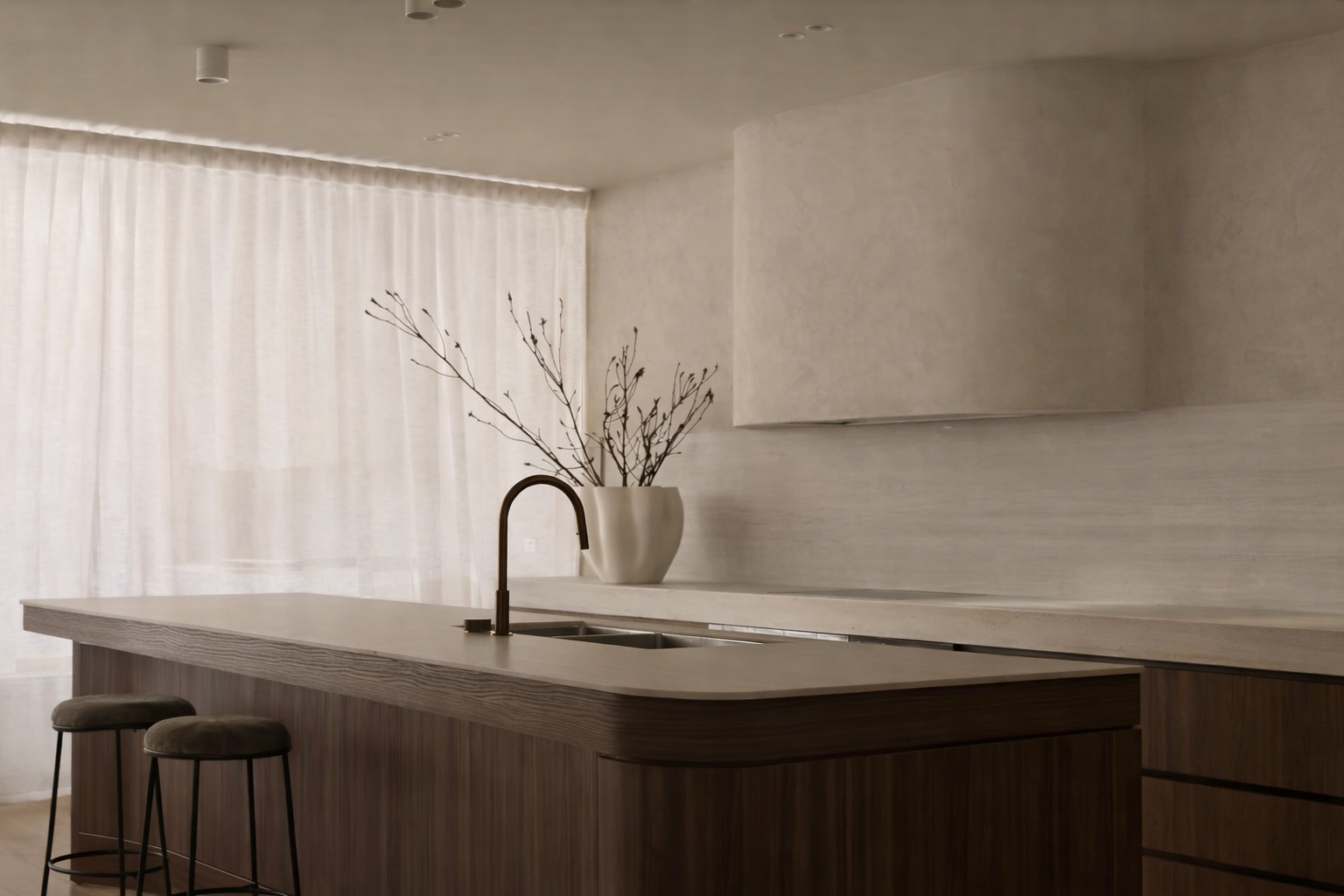
How to Choose the Perfect Modern Kitchen Faucet
A new kitchen faucet isn't just a purchase; it's a long-term investment in your home's busiest workspace. You use it constantly, so you need something that works flawlessly every single time. But when you're shopping for a modern kitchen faucet online, how do you know you're getting real quality? It's about looking past the sleek photos. This guide will show you what to look for in materials, how to spot key kitchen faucet features that last, and what a good warranty really means. We'll help you choose a faucet that's truly built to last.
Key Takeaways
- Measure Twice, Buy Once: Avoid the most common online shopping mistake by confirming your faucet's spout height and reach will fit your sink and clear any overhead cabinets. Also, check your sink's pre-drilled hole configuration to ensure a perfect match.
- Focus on Total Value, Not Just the Price Tag: A great deal means getting a durable faucet made from solid brass or stainless steel that won't need replacing in a few years. Look for suppliers with fair shipping costs and consider trade discounts to maximize your budget.
- Do Your Homework for Peace of Mind: Get a true sense of a faucet's long-term performance by reading customer reviews. Before you buy, always check the manufacturer's warranty and the store's return policy to protect your investment.
Kitchen Sinks and Faucets as Design Focal Points
The kitchen sink and faucet have officially moved beyond their purely functional roles. Today, they are powerful design elements that can anchor your kitchen's entire aesthetic. Think of them as the jewelry of the room—the finishing touches that tie everything together. Choosing the right plumbing fixtures can set a modern, traditional, or eclectic tone, making them a fantastic starting point for any kitchen renovation or new build. By understanding how to use these pieces as focal points, you can create a space that is both beautiful and highly practical.
Emerging Kitchen Design Trends
Kitchen design is constantly evolving, with new ideas shaping how we use and enjoy our spaces. Staying current with these trends doesn't mean you have to follow every fad, but it can provide incredible inspiration for creating a kitchen that feels both timeless and fresh. From the materials we choose to the colors we embrace, the latest trends are all about personalization, efficiency, and creating a welcoming atmosphere. Below are a few key trends that are redefining the role of sinks and faucets in the modern kitchen, turning them from simple necessities into statement pieces that reflect your personal style.
The Rise of Mixed Metals
The era of perfectly matched finishes is giving way to a more curated and personal look. According to a report on kitchen trends, designers and homeowners are intentionally mixing different metals to create a rich, layered aesthetic. Imagine a striking brass faucet paired with a classic stainless steel sink, or matte black cabinet hardware complementing chrome fixtures. This approach adds visual interest and depth, allowing you to blend different styles for a look that is uniquely yours.
Bold Sink Colors as a Statement Piece
Sinks are no longer limited to stainless steel or white porcelain. They have become a canvas for color, serving as a bold focal point in the kitchen. Design experts note a surge in sinks in shades like matte black, warm copper, and deep gray. These statement colors create a beautiful contrast, especially when set against neutral countertops or natural wood cabinets, adding a touch of drama and personality to the space.
A Focus on Sustainable Materials
Homeowners are increasingly looking for products that are both beautiful and built to last. This has led to a greater focus on sustainable and durable materials for sinks and faucets. Materials like stainless steel (which often contains recycled content), resilient fireclay, and granite or quartz composites are popular choices because they stand up to daily use while minimizing environmental impact. Investing in high-quality, long-lasting fixtures is a smart choice for your home and the planet.
The Efficiency of Workstation Sinks
Functionality is meeting high design with the rise of the workstation sink. These innovative sinks feature built-in ledges that support custom accessories like cutting boards, colanders, and drying racks. This design transforms your sink into a multi-functional prep area, helping to keep your countertops clear and organized. As noted by industry watchers, workstation sinks streamline the entire process from food prep to cleanup, making them a perfect fit for busy modern kitchens.
What Kind of Modern Kitchen Faucet is Right for You?
Choosing a new kitchen faucet feels like a small decision, but it has a huge impact on your daily routine. It’s not just about finding a style you like; it’s about selecting a tool that makes cooking and cleaning easier. Modern faucets have evolved far beyond the basic tap, offering specialized designs that cater to different needs, sink types, and kitchen layouts. From high-arc spouts with integrated sprayers to smart, hands-free technology, the right faucet can streamline your workflow and become a stunning focal point in your kitchen. Let's walk through the most popular types so you can find the perfect match for your space.
The Flexible Pull-Down Faucet
Pull-down faucets are a favorite in modern kitchens, and for good reason. They feature a high, gooseneck-style arc with a spray head that you can pull straight down into the sink. This design is perfect for filling tall pots, rinsing produce, and cleaning out deep sinks without a lot of splashing. The spray head docks back into the spout, often with a magnetic lock, creating a seamless look when not in use. Most models offer multiple spray functions, letting you switch from a steady stream to a powerful spray with the touch of a button. Their height and functionality make them a practical and visually striking addition to any kitchen island or main sink.
The Practical Pull-Out Faucet
If you have a smaller sink or limited overhead space due to cabinets, a pull-out faucet is an excellent alternative. Unlike the pull-down style, the body of a pull-out faucet is shorter, and the wand pulls straight out toward you on a flexible hose. This gives you more maneuverability to direct the water flow exactly where you need it, whether you're filling a coffee pot on the counter or rinsing the far corners of your sink. The extended reach offers great flexibility for all kinds of food prep and cleanup tasks, making it a highly functional choice for busy kitchens where versatility is key.
Pull-Down vs. Pull-Out: A Direct Comparison
Deciding between a pull-down and a pull-out faucet boils down to two key factors: your sink setup and your daily routine. Pull-down faucets, with their elegant high-arc spouts, are a perfect match for deep sinks. The spray head pulls directly downward, giving you excellent clearance for filling tall stockpots and helping to contain splashes within the basin. In contrast, pull-out faucets are the practical choice for kitchens with low-hanging cabinets or shallower sinks. The wand pulls straight out toward you on a longer, more flexible hose, making it easy to fill a coffee maker on the counter or rinse every corner of a wide sink. Consider how you work: if your tasks are mostly inside the sink, a pull-down is your best bet. If you need the freedom to reach beyond the sink, a pull-out offers that extra maneuverability. Both are fantastic examples of modern plumbing fixtures designed for today's kitchens.
Go Hands-Free with a Touchless Faucet
For the ultimate in convenience and hygiene, look no further than touchless faucets. These smart fixtures use a motion sensor to turn the water on and off with a simple wave of your hand, which is a lifesaver when your hands are covered in dough or raw chicken. This hands-free operation helps reduce the spread of germs and keeps your faucet cleaner with fewer fingerprints and water spots. Many models also help conserve water by automatically shutting off after a set period. While they represent a bigger initial investment, the daily convenience and cleanliness they offer make them a worthwhile upgrade for any modern kitchen.
Touchless vs. Touch-Activated: What's the Difference?
While people often use these terms interchangeably, touchless and touch-activated faucets rely on two distinct technologies. Understanding the difference will help you decide which one fits your kitchen habits best. A touchless faucet uses a motion sensor to detect your hands or an object, turning the water on and off without any physical contact. This is the ultimate solution for hygiene, especially when you’re handling raw ingredients, as it prevents cross-contamination and keeps your fixture free of smudges and water spots. Many models also include smart features like automatic shut-off timers to conserve water, making them as efficient as they are convenient.
A touch-activated faucet, in contrast, requires a simple tap anywhere on its body or handle to start or stop the flow of water. You can use your wrist, forearm, or the back of your hand, which is still a major step up in cleanliness from a traditional handle. These modern faucets offer a great balance of smart technology and tactile control, giving you quick access to water without needing to find a sensor. The choice really comes down to personal preference: do you want a completely hands-free experience, or do you prefer the quick, responsive tap of a touch-activated model?
The Space-Saving Wall-Mounted Faucet
A wall-mounted faucet is a fantastic choice for creating a clean, uncluttered countertop. Because it’s installed on the wall behind the sink, it frees up valuable counter space and makes wiping down the area a breeze—no more trying to clean around the base of a faucet. This style lends a professional, minimalist look to the kitchen and pairs beautifully with undermount or apron-front sinks. Keep in mind that installation is more involved, as the plumbing needs to be routed inside the wall. For this reason, wall-mounted faucets are easiest to incorporate into a new build or a major kitchen renovation.
Single-Handle vs. Double-Handle: Which is Better?
This choice comes down to both aesthetics and function. Single-handle plumbing fixtures are the most common in modern kitchens because they’re incredibly simple to use—one lever controls both water flow and temperature. They also require only one hole in the countertop, making installation straightforward. Double-handle faucets, with separate controls for hot and cold water, offer more precise temperature adjustments and can create a classic, bridge, or industrial look. However, they require more space and can be slightly less convenient to operate with one hand. Think about your daily habits and which design best fits your kitchen's workflow and overall style.
Single-Hole vs. Bridge Faucets: Which is More Reliable?
When we talk about long-term reliability, single-hole faucets generally come out on top, and it all comes down to their simple, efficient design. Because they only require one hole in your countertop and have fewer internal components, there are fewer potential points of failure. This streamlined construction means the installation process is much more straightforward, which can reduce the chances of leaks right from the start and makes it a dependable choice for busy kitchens. While bridge faucets are undeniably stunning with their classic two-hole design, their complexity means more connections that must be perfectly sealed, making them slightly more susceptible to issues over a long period of use.
Your Checklist for Buying a Faucet Online
Shopping for a faucet online gives you access to a world of styles, but it can also feel overwhelming. How do you know you're choosing the right one without seeing it in person? The key is to focus on the details that matter most for your space and daily routine. From practical measurements like spout height to the finish that ties your whole kitchen together, a little prep work ensures you find a faucet you'll love for years. Let's break down the five most important things to look for.
Getting the Right Fit: Spout Height and Reach
This seems simple, but it's one of the easiest mistakes to make. Before you fall in love with a design, grab a tape measure. Spout height is the vertical distance from the countertop to the highest point of the faucet's arc. You need to make sure it will fit comfortably under any overhead cabinets. Spout reach is the horizontal distance from the center of the faucet base to the center of the water stream. An ideal reach allows the water to flow into the middle of your sink basin, not too close to the back. Getting these two measurements right prevents splashing and ensures your new faucet is a perfect functional fit.
Find a Finish That Lasts (and Looks Great)
A faucet is one of the hardest-working fixtures in your kitchen, so it needs to be built to last. Look for models constructed from solid brass or stainless steel, as these materials resist rust and corrosion. The finish is where you can really let your style shine. Popular options include timeless chrome, modern matte black, and warm brushed gold. When browsing different plumbing fixtures, think about how the finish will coordinate with your cabinet hardware, lighting, and appliances. A cohesive look pulls the entire room together, making the faucet a true design feature rather than just a utility.
Don't Forget Water Flow and Pressure
You want a faucet that provides a strong, steady stream for filling pots and washing dishes. Water flow is measured in gallons per minute (GPM), and while federal standards cap this for conservation, the faucet's internal design and aerator quality still make a big difference. Cheaper faucets might have lower-quality components that can lead to weak pressure over time. While you don't need to spend a fortune, investing in a faucet from a reputable brand often means better performance. Check the product specifications for the GPM rating and look at customer reviews for real-world feedback on water pressure.
Understanding GPM (Gallons Per Minute)
Let's get into GPM, or gallons per minute. This spec tells you how much water your faucet delivers, and it makes a real difference in your daily routine—think filling a large pot or rinsing stubborn food off plates. While most modern faucets are designed with a water-saving flow rate around 1.5 to 1.8 GPM, that doesn't mean you have to sacrifice pressure. The key is in the quality of the faucet's design. A well-engineered aerator and solid internal parts ensure a strong, consistent stream. This is why investing in high-quality plumbing fixtures is so important; you get the efficiency without compromising the performance you need in a busy kitchen.
Will It Fit? Checking Sink Compatibility
Nothing is more frustrating than receiving your new faucet only to find it doesn't fit your sink. Before you buy, check your sink's configuration. Does it have one, two, three, or four pre-drilled holes? Single-handle faucets typically require just one hole, while double-handle designs might need three. Some faucets come with an optional deck plate (escutcheon) to cover unused holes if you're switching from a three-hole to a single-hole model. Confirming your sink’s setup is a critical step that will save you a major headache—and a potential return—down the line.
Exploring Smart Faucet Features
Modern faucets offer more than just hot and cold water. Many now include advanced features that can make your kitchen routine much more convenient. Touchless, motion-activated faucets are a game-changer for hygiene, letting you turn the water on and off with a simple wave of your hand—perfect for when your hands are covered in dough or grime. Other smart features might include voice activation or precise temperature control. While these models come at a higher price point, the added usability can be a worthwhile investment for a busy family or anyone who loves incorporating modern tech into their home.
The Convenience of Dual-Mode Sprayers
One of the most practical innovations in modern kitchen faucets is the dual-mode sprayer, a feature commonly found on pull-down and pull-out models. With the simple press of a button, you can switch between a steady, aerated stream and a powerful, wide spray. The stream setting is perfect for everyday tasks like filling pots or washing your hands without splashing, while the spray function is a workhorse for rinsing stubborn food off dishes or cleaning produce. This versatility is a huge part of what makes modern plumbing fixtures so efficient, allowing you to tackle different kitchen jobs with the right tool instantly. It’s a small detail that dramatically improves your daily workflow.
Which Brands Make the Best Modern Kitchen Faucets?
When you start shopping for a new kitchen faucet, you'll quickly notice a few brand names that pop up again and again. While the "best" faucet really comes down to your specific needs, budget, and kitchen style, some manufacturers consistently lead the pack in quality, innovation, and design. Think of these brands as the go-to choices that have earned their reputations for a reason. They’ve spent years refining their products, listening to customer feedback, and incorporating new technologies that make life in the kitchen easier. From household names known for their reliability to high-end designers pushing the boundaries of style, knowing the key players helps you narrow down your options. It’s less about finding a single "best" brand and more about understanding which brand’s philosophy aligns with your priorities. Are you looking for a workhorse that will last for decades, a tech-savvy smart faucet, or a stunning design piece that serves as the centerpiece of your kitchen? Let's look at some of the top brands you'll encounter and what makes each one a solid choice for your kitchen upgrade.
Our Top Picks from USA Builders Depot
Instead of getting lost in endless options, a great place to start is with a curated selection. At USA Builders Depot, we’ve handpicked a premium faucet collection that balances beautiful design with practical functionality. We focus on what matters most: durable materials, reliable performance, and styles that fit a modern aesthetic. Whether you’re looking for a sleek, minimalist pull-down faucet or a smart, touchless model, our collection is designed to give you top-tier quality without the overwhelming search. We believe choosing a faucet should be an exciting part of your project, not a stressful one, so we’ve sourced options that deliver on both style and substance.
Moen: A Trusted Name in Faucets
You’ve probably heard of Moen, and for good reason. It’s one of the most trusted names in the industry, known for creating dependable faucets that are built to last. Moen excels at designing products with real-life use in mind—think faucets with high arcs to fit large pots and smooth pull-down sprayers that make cleanup easy. They offer a huge range of styles, so you can find something that fits your kitchen whether it’s contemporary or transitional. For many homeowners and contractors, Moen is a go-to for its blend of practical innovation, classic design, and a reputation for solid, everyday performance.
Delta: Innovation and Style
Delta is another industry giant that consistently earns high marks for innovation and reliability. They are particularly well-known for making the installation process straightforward, which is a huge plus for both DIYers and professionals. Many users praise the long-term reliability of their faucets, noting that they hold up beautifully to years of daily use. Delta is also a leader in smart technology, with features like their Touch2O® technology that lets you turn the water on and off with a simple tap. If you’re looking for a faucet that combines cutting-edge features with proven durability, Delta is a fantastic brand to explore.
Kohler: Classic and Contemporary Designs
If you view your kitchen faucet as a key design element, Kohler is a brand you’ll want to check out. Kohler is celebrated for its elegant and sophisticated designs that can truly become a focal point in the room. While they are masters of aesthetics, they don’t sacrifice performance. Their faucets are engineered for a smooth and easy user experience, from the feel of the handle to the flow of the water. Kohler offers a wide array of finishes and modern styles, making it easy to find a faucet that not only works perfectly but also complements your countertops, cabinets, and overall kitchen vision.
Exploring Grohe and Other Luxury Faucets
For those who want to make a bold statement and invest in top-of-the-line craftsmanship, brands like Grohe are in a class of their own. Often recognized for its German engineering, Grohe delivers precision, durability, and sleek, architectural designs. These high-end brands use premium materials and often feature trend-forward finishes and minimalist forms that appeal to a refined, contemporary taste. While they come with a higher price tag, you’re paying for superior quality, cutting-edge design, and a piece of functional art that will define your kitchen space. These faucets are perfect for luxury renovations where every detail matters.
Where Can You Buy Kitchen Faucets Online?
Shopping for a kitchen faucet online gives you access to a massive selection, but it can be tough to know where to start. From specialized suppliers to big-box retailers, each option has its own perks. The best place for you depends on whether you prioritize a curated selection, a wide variety of brands, or the lowest possible price. Let's look at the most common places to find your perfect faucet.
Why Shop for Faucets at USA Builders Depot?
For a streamlined shopping experience, a specialized supplier is your best bet. At USA Builders Depot, you’ll find a comprehensive collection of high-quality, modern kitchen faucets chosen for their style, durability, and performance. Because we focus on premium building materials, you can trust that every option meets our standards. This is especially helpful if you’re managing a larger renovation and need to source everything from lighting to flooring in one place. It simplifies the process, ensuring all your fixtures and finishes work together seamlessly.
Shopping at Specialty Kitchen Stores
Online retailers that specialize in home goods, like Wayfair or Build.com, are great for browsing a huge range of products from countless brands. If you want to compare dozens of styles and price points side-by-side, these sites are a fantastic resource. They often feature extensive customer reviews and photo galleries, which can help you visualize how a faucet will look in a real kitchen. The sheer volume of options can sometimes feel overwhelming, but their filter tools make it easier to narrow down your choices based on finish, features, and price.
Checking Out the Big Box Stores
You’re probably familiar with major home improvement stores like The Home Depot and Lowe’s. Their websites offer a wide selection of faucets, often at very competitive prices. These retailers are known for running frequent sales and promotions, making them a good place to hunt for a deal. One major advantage is their physical presence; if you prefer to see a faucet in person before buying or need to make a quick return, you can often do so at a local store. Their inventory typically focuses on popular, mainstream brands, which is perfect for most standard kitchen updates.
Buying Directly from the Brand
Going straight to the source and buying from a brand like Moen or Delta is another option. This can be a good way to see a company’s entire product line, including exclusive models you might not find elsewhere. However, the experience can be a bit of a mixed bag. While you’ll get detailed product information, some buyers report issues with order accuracy or customer service. Before you commit, it’s a smart move to read recent customer reviews to see what others are saying about their direct-purchase experience.
How to Find the Best Deal on a New Faucet
Finding a great deal on a kitchen faucet feels like a major win, but it’s about more than just the lowest price. The best deal is a perfect blend of quality, style, and cost-effectiveness. You want a faucet that not only fits your budget today but also performs reliably for years to come, saving you from future replacement costs. A cheap faucet that needs replacing in a year isn't a deal at all. With a little strategy, you can find a high-quality fixture without overspending. It's all about knowing where to look and what to look for. Here are a few tried-and-true approaches to help you shop smarter and secure a faucet you’ll love at a price you can feel good about.
Understanding the Price Range for Modern Faucets
Modern kitchen faucet prices can seem all over the map, from budget-friendly options under $100 to designer models costing over $1,000. This wide range isn't just about brand names; it’s a direct reflection of quality and durability. A lower price tag often indicates the use of plastic components and less robust finishes, which may lead to leaks or wear within a few years. In contrast, a mid-to-high-range faucet, typically made from solid brass or stainless steel, is built for longevity. When you invest in a quality fixture, you're paying for superior materials and engineering that ensure reliable performance day after day. Thinking about the total value—not just the initial cost—will help you choose a faucet that’s a true asset to your kitchen.
Compare Prices Before You Buy
Before you commit, take some time to shop around. Large online marketplaces are great for seeing a wide variety of brands and styles in one place, which helps you get a feel for the market. However, browsing dozens of sites can get overwhelming. A better approach is often to find a trusted supplier that offers a curated selection of high-quality plumbing fixtures at consistently fair prices. This saves you the hassle of cross-referencing endless product pages and ensures you’re comparing apples to apples. Look for suppliers that clearly list features and specifications, making it easy to see exactly what you’re getting for your money.
Keep an Eye Out for Sales Events
If you’re not in a huge rush, timing your purchase can lead to significant savings. Major holiday weekends like Memorial Day, Labor Day, and Black Friday are classic times for home improvement sales. Many retailers also offer promotions at the change of seasons. One of the easiest ways to stay in the loop is to sign up for email newsletters from suppliers you trust. This way, you’ll be the first to know about exclusive discounts, flash sales, and new arrivals. Planning ahead allows you to take advantage of these deals and get a premium faucet for less.
Pro Tip: Ask About Trade Discounts
If you’re a contractor, builder, or designer, you shouldn’t be paying retail prices. Many suppliers offer trade programs that provide exclusive discounts on bulk orders. These programs are designed to build long-term relationships with industry professionals by offering better pricing and dedicated support. At USA Builders Depot, our trade application gives professionals access to special pricing on our entire inventory, from faucets to flooring. This is one of the most effective ways to manage project budgets and increase your profit margins while still delivering high-quality materials to your clients.
Look Beyond the Price Tag: Total Cost
The price tag on the faucet is just one part of the equation. To find the true best deal, you need to calculate the total cost of ownership. Start by factoring in shipping fees—a low-priced faucet can quickly become expensive if shipping is high. Look for suppliers that offer fast and affordable nationwide shipping. Next, consider installation. Will you install it yourself, or do you need to hire a plumber? Factoring in that potential labor cost is essential. A slightly more expensive faucet that comes with clear instructions and all necessary parts might save you money in the long run.
What Do Customer Reviews Really Tell You?
Product descriptions and professional photos are great, but they only tell part of the story. Customer reviews are where you find the unfiltered truth about a kitchen faucet. They’re written by people who have actually installed and used the product in their own homes, giving you a real-world perspective you can’t get anywhere else. Reading through reviews helps you look past the marketing and understand how a faucet performs day-to-day, what to expect during installation, and whether it’s a purchase you’ll still love years from now.
How Does It Hold Up Over Time?
This is your chance to see how a faucet holds up outside of a showroom. Does the matte black finish scratch easily? Does the pull-down hose retract smoothly after months of use? Reviews often contain specific details about a product’s long-term durability. Pay attention to comments about leaks, drips, or wobbly handles, as these can indicate quality issues. Some customer feedback might mention mixed experiences with a particular model, so it’s always smart to read through recent comments to get the most current picture. Look for reviews from people with households similar to yours—a busy family kitchen has different demands than a single-person household.
How Easy (or Hard) is Installation?
Unless you’re a professional plumber, faucet installation can be tricky. Reviews are a fantastic resource for gauging the difficulty of the job ahead. DIYers will often share whether the instructions were clear, if all the necessary parts were included, or if they ran into unexpected problems, like needing a specific tool they didn’t own. Even reviews from pros can be helpful, as they might point out design quirks that make a faucet easier or harder to install than others. This insight can help you decide if you’re comfortable tackling the project yourself or if you should budget for a professional to install your new modern kitchen faucet.
Spotting Potential Red Flags
One or two negative reviews shouldn’t necessarily scare you away from a product, but patterns are worth paying attention to. When you read through comments, look for recurring complaints. Do multiple people mention that the water pressure is weaker than their old faucet? Is there a common issue with the spray head not docking correctly? These repeated comments can signal a potential design flaw or a quality control problem. Spotting these trends ahead of time can save you from buying a faucet that is known to cause specific frustrations, allowing you to choose a model with a more reliable track record.
Are Owners Still Happy a Year Later?
The best reviews often come from people who have owned the faucet for six months, a year, or even longer. These customers can speak to how the product has truly stood the test of time. They’ll tell you if the finish has held up against cleaning products, if the cartridge has started to leak, or if they’ve had any experience with the manufacturer’s customer service or warranty process. Ultimately, the most telling piece of information is whether they would buy the same faucet again. A resounding "yes" from a long-term owner is one of the strongest endorsements you can find and a great indicator of overall satisfaction.
How to Choose the Perfect Faucet for Your Kitchen
Picking the right kitchen faucet feels like choosing the perfect piece of jewelry for an outfit—it can tie the whole look together. But beyond its good looks, your faucet is one of the hardest-working fixtures in your home. You need something that not only matches your style but can also handle daily tasks, from filling pots to rinsing veggies. It’s easy to get overwhelmed by the sheer number of options, but finding the perfect one comes down to a few key considerations.
Before you add anything to your cart, it’s helpful to think through how you use your kitchen and what you need from a faucet. Do you have a large, deep sink that requires a high-arc spout? Are your hands often full, making a touchless model a dream come true? By focusing on the right details, you can find a fixture that you’ll love using every single day. We’ll walk through four simple steps to help you select the best faucet from our collection of plumbing fixtures, ensuring it’s a perfect fit for your space, style, and routine.
Step 1: Measure Your Space
Before you fall in love with a specific design, grab a tape measure. This is the single most important step to avoid the headache of a faucet that doesn’t fit. A common mistake is choosing a model that’s too large for a small sink or too short for a deep one, which can cause splashing or limit your workspace. Measure the distance between the mounting holes on your sink or countertop, as this will determine whether you need a single-hole or multi-hole faucet. Also, check the spout height and reach to ensure it will comfortably clear your tallest pot and direct water into the center of the basin. Don’t forget to measure the vertical space above the sink to make sure the faucet fits under any cabinets.
Step 2: Match the Faucet to Your Style
The faucet’s finish has a huge impact on your kitchen’s overall aesthetic. Think of it as the final touch that pulls your design together. Finishes like matte black create a bold, modern statement, while brushed gold adds a touch of warmth and luxury. Classic choices like stainless steel and chrome offer timeless appeal and coordinate easily with most appliances. When selecting a finish, consider your cabinet colors, countertop material, and backsplash tile. The goal is to create a cohesive look where every element feels intentional. A well-chosen finish ensures your new faucet enhances your kitchen’s style instead of clashing with it.
Step 3: Coordinate with Cabinet Hardware
Your kitchen faucet doesn’t exist in a vacuum—it’s part of a larger family of hardware that includes cabinet pulls, drawer handles, and even lighting fixtures. For a harmonious design, aim for consistency in either finish or style. While you don’t have to match everything perfectly, the elements should complement one another. For example, the clean lines of a modern, angular faucet work well with simple bar pulls, while a more traditional gooseneck faucet might pair better with classic knobs. This coordination creates a polished and thoughtfully designed space where every detail contributes to the bigger picture.
Step 4: Find the Right Balance of Style and Function
Ultimately, the best faucet is one that strikes the perfect balance between how it looks and how it works for your daily life. While a dramatic, high-arc faucet might be visually stunning, a model with a pull-down sprayer could be more practical if you frequently wash large pans. Think about your everyday habits. Do you need a powerful spray function for tough messes? Would a single-handle design make it easier to adjust the temperature with one hand? You don’t need to spend a fortune to get a high-quality, functional faucet. The key is to identify the features that will make your time in the kitchen easier and find a style that makes you happy every time you use it.
Step 5: Choose a Faucet for Your Main Sink vs. a Prep Sink
If your kitchen layout includes both a main sink and a smaller prep sink, it’s important to choose a faucet for each that suits its specific job. Your main sink is the workhorse of the kitchen, where you’ll be washing large pots and handling heavy-duty cleanup. For this space, a high-arc, pull-down faucet is usually the best choice. The extra height makes it easy to fill stockpots, and the integrated sprayer is powerful enough to blast away food debris. Because it’s the primary faucet, it often serves as a major design statement, so you can choose a model that stands out as a focal point.
A prep sink, on the other hand, is typically used for smaller tasks like rinsing vegetables or filling a glass of water. Since these sinks are often smaller and located on an island or in a corner, a more compact faucet is a better fit. A pull-out faucet or a smaller bar faucet works perfectly here. These styles save space while still offering the convenience of a sprayer. When selecting from a collection of plumbing fixtures, you don’t have to match them exactly; instead, choose a prep faucet in the same finish to create a cohesive look that supports your kitchen’s workflow.
Your Guide to Faucet Installation and Care
Once you’ve chosen the perfect faucet, the next step is getting it installed. Proper installation is key to making sure your new fixture works flawlessly for years to come. Whether you’re a seasoned DIYer or prefer to call in a professional, a little preparation goes a long way. Thinking about the installation process and long-term care before you start will save you time, prevent headaches, and protect your investment. From gathering the right tools to understanding your faucet’s specific needs, here’s what you need to know to ensure a smooth and successful setup.
Understanding Technical Standards and Certifications
When you’re comparing faucets, it’s easy to get focused on the finish and shape, but the technical details are what truly define a high-quality fixture. Think of certifications as a guarantee that your faucet meets important safety, accessibility, and efficiency standards. These aren't just random acronyms on a product page; they represent rigorous testing and adherence to national guidelines designed to protect you and your family. Looking for these labels is a simple way to ensure the faucet you choose is not only stylish but also safe, easy for everyone to use, and built to perform reliably for years to come.
Look for Lead-Free and ADA-Compliant Models
Two of the most important certifications to look for are "lead-free" and "ADA-compliant." A lead-free label ensures that the faucet’s materials won't leach harmful levels of lead into your drinking water, a critical safety feature for any household. Meanwhile, ADA compliance means the faucet is designed for accessibility, adhering to the standards of the Americans with Disabilities Act. This often translates to features like single-lever handles that are easy to operate without tight gripping or twisting, making the kitchen more user-friendly for everyone. Many modern plumbing fixtures also meet water conservation standards, using a low-flow design to reduce water waste without sacrificing pressure, which is good for both the environment and your utility bills.
Should You DIY or Hire a Pro?
Deciding between a DIY installation and hiring a plumber often comes down to your comfort level, experience, and the complexity of the job. If you’re handy and have some basic plumbing knowledge, installing a faucet can be a rewarding weekend project. However, it’s important to be realistic about the potential challenges. One of the most common mistakes is choosing the wrong size for your sink, which can lead to leaks or an improper fit. If you’re replacing an old faucet, you might also run into corroded pipes or stubborn fittings. A professional plumber can handle these issues easily, ensuring the job is done right and saving you from a potential plumbing emergency down the road.
Common Installation Problems (and How to Avoid Them)
Not all faucets are created equal, and their installation processes can vary significantly. The steps for installing a standard single-handle faucet are different from those for a wall-mounted or touchless model. Before you begin, take time to read the manufacturer’s instructions thoroughly. This will help you understand the specific requirements for your new fixture and anticipate any unique challenges. Make sure you have all the necessary parts and tools on hand before you turn off the water. Common hurdles include working in the tight, dark space under the sink, dealing with outdated plumbing connections, and ensuring a watertight seal. Knowing what to expect makes the entire process much less stressful.
How to Keep Your New Faucet Looking Great
To keep your new faucet looking and working its best, a little routine maintenance is essential. Different materials and finishes require different care. For example, a matte black finish might show water spots more easily and should be cleaned with a soft cloth and mild soap, while polished chrome is more resilient but can be scratched by abrasive cleaners. It’s also a good idea to periodically clean the aerator—the small screen at the end of the spout—to remove mineral buildup and maintain strong water flow. Understanding your faucet’s specific maintenance needs from the start will help preserve its beauty and function for years.
Prepping Your Tools and Workspace
A successful installation starts with good preparation. Before you even think about shutting off the water, clear everything out from under your kitchen sink to give yourself plenty of room to work. Grab a bucket and some old towels to catch any residual water from the supply lines. Good lighting is also a must, so have a flashlight or headlamp ready. You’ll likely need a few key tools, including an adjustable wrench, a basin wrench for those hard-to-reach nuts, and plumber’s tape to seal the threads. Having everything you need within arm’s reach will make the job go faster and help you achieve a professional, leak-free result.
What's the Deal with Warranties and Returns?
Buying a faucet online is incredibly convenient, but it comes with one big question: what happens if it’s not right? Maybe it arrives with a scratch, the finish doesn’t quite match your cabinet pulls, or worse, it starts dripping a year after installation. This is where warranties and return policies become your best friend. Think of them as your safety net, ensuring you don’t get stuck with a product that doesn’t meet your expectations or stand the test of time. A company that offers a clear, fair warranty and a straightforward return process is a company that stands behind its products. They’re confident in their quality and value your business. Before you finalize that cart, taking just a few minutes to understand these policies is one of the smartest moves you can make. It’s just as important as measuring your counter space or picking the perfect finish, because it protects your investment and gives you total peace of mind. It separates a risky purchase from a smart one. A good policy shows that the seller understands you're making a significant purchase sight-unseen and is willing to work with you to ensure you're completely satisfied. It’s a fundamental part of the customer experience that builds trust and shows respect for your project and your budget.
Decoding the Manufacturer's Warranty
The manufacturer’s warranty is their promise that the faucet is free from defects in materials and workmanship. Most reputable brands offer a limited lifetime warranty on their plumbing fixtures, which typically covers drips, leaks, and finish defects for as long as you, the original purchaser, own your home. This is a huge indicator of quality—a company isn’t going to promise a lifetime of performance if they don’t believe their product can deliver. Before buying, read the details. Does the warranty cover all parts, or just certain components? Is it transferable if you sell your home? Knowing the specifics gives you confidence that you’re investing in a product built to last, not just a faucet that looks good for a year or two.
Common Warranty Terms to Know
When you’re looking at warranties, you’ll often see the term “Limited Lifetime Warranty.” This generally means the manufacturer guarantees the faucet against leaks, drips, and finish defects for as long as the original buyer owns the home. The “limited” part is key—it typically doesn’t cover issues from normal wear and tear, improper installation, or damage from harsh cleaning chemicals. You might also see warranties that specify coverage for “parts and finish,” so it’s important to read the fine print to see what’s included. The length of a warranty is a strong signal of quality; a lifetime promise shows more confidence than a one or three-year guarantee. Checking out customer experiences with a brand's warranty process can also give you a clearer picture of how well they stand behind their products.
What's the Store's Return Policy?
Separate from the warranty is the store’s return policy. This covers you if the faucet arrives and it’s simply not what you expected—maybe the finish clashes with your hardware, or it’s the wrong size for your sink. Look for the return window, which is usually around 30 days. Check the conditions, too. Most stores require the item to be in its original, uninstalled condition and packaging to qualify for a full refund. Also, find out who pays for return shipping, as this can be a significant cost for a heavy item. A clear and fair return policy is a sign of great customer service, which you can often see reflected in customer reviews and testimonials.
Reading the Fine Print: What's Covered?
The fine print matters. A manufacturer’s warranty almost never covers issues caused by improper installation, damage from harsh or abrasive cleaners, or problems from hard water. Normal wear and tear over many years is also typically excluded. Similarly, a store’s return policy might not apply to special orders or items marked as final sale. For contractors and designers who are part of a trade program, understanding these terms is especially important when ordering in bulk or for client projects. Always take a moment to skim the exclusions so there are no surprises if you need to make a claim or a return. It’s a simple step that prevents future frustration.
Is an Extended Warranty Worth It?
Some retailers offer the option to buy an extended warranty or protection plan. Is it worth it? It really depends on the product. If you’re buying a high-tech faucet with complex electronic parts, like a touchless or voice-activated model, the extra coverage might provide valuable peace of mind against potential glitches. However, if the faucet already comes with a strong limited lifetime warranty from the manufacturer, an additional plan is often unnecessary for standard mechanical parts. Weigh the cost of the extended protection against the strength of the existing warranty and the likelihood of needing a repair that isn't already covered for your chosen plumbing fixtures.


