


Custom Steel Door: The Ultimate Buyer's Guide
Think "steel door" and what comes to mind? Probably a cold, industrial slab better suited for a warehouse than a welcoming home. It's time for a major image update. Today’s steel doors are true design chameleons, matching any aesthetic from sleek and modern to timeless traditional. With endless colors, wood-like finishes, and elegant glass inserts, the options are stunning. Designing a custom steel door is about more than just security—it's about creating a beautiful architectural feature. We'll explore all the ways you can personalize an entryway that perfectly complements your home's style.
Key Takeaways
- Think Beyond Aesthetics When Customizing: A truly custom steel door is tailored to your project's specific needs, allowing you to specify the steel gauge for security, the core material for insulation, and the fire rating for safety compliance.
- Look at the Lifetime Value, Not Just the Upfront Cost: Steel doors deliver long-term savings through exceptional durability, lower energy bills, and minimal maintenance, making them a smarter financial choice over time.
- Vet Your Supplier and Installer Carefully: The performance of your door depends on the experts you choose. Partner with a reputable supplier for certified products and hire a licensed, insured installer to guarantee a secure and flawless fit.
What Exactly Is a Custom Steel Door?
When you hear “custom steel door,” you might picture a heavy, industrial slab fit for a bank vault. While they certainly offer that level of strength, a custom
Choosing a custom door means you’re in control of the dimensions, design, hardware, and even the core material. This is essential for older homes with non-standard entryways or for new construction projects aiming for a precise look and feel. Whether you need an oversized entryway for a commercial building or a sleek, modern front door for a home, a custom solution ensures a perfect fit and finish. It’s about getting a door that works precisely for your space, not making your space work for a standard door.
What Are Custom Steel Doors Made Of?
The strength of a steel door comes down to its construction. They are typically made from heavy-duty steel, and the thickness is measured in “gauge”—the lower the number, the thicker and more durable the steel. For example, many commercial doors use 18-gauge steel, with options for even thicker 16-gauge steel for maximum security.
Beyond thickness, modern steel doors are built to withstand the elements. They often feature galvanized steel with protective coatings to prevent rust and corrosion. Many are also designed with internal insulation and weatherstripping to prevent air and water leaks, which helps with energy efficiency. For added safety, you can also find doors with a fire rating of up to three hours, providing critical protection in an emergency.
Understanding Steel Gauge and Thickness
When you start looking at the specs for steel doors, you'll immediately run into the term "gauge." It’s a simple concept, but it works in reverse of what you might expect: the lower the gauge number, the thicker and stronger the steel. Think of it as a ranking—a lower number means a higher rank in durability. For most residential and light commercial projects, 20 to 24-gauge steel provides a great balance of security and affordability. For areas requiring maximum security, like a commercial entrance or a high-value storage room, you’ll want to look at thicker options like 18-gauge or even 16-gauge steel. Choosing a custom door gives you the power to select the right thickness for your specific security and performance needs.
The Importance of Door Weight and Core Materials
A steel door isn't just a hollow metal shell. The space between the steel panels is filled with a core material that plays a huge role in the door's insulation, soundproofing, and overall weight. The most common core is polyurethane foam, which offers excellent thermal insulation to help keep your energy bills down. Other options include polystyrene, which is a lighter and more budget-friendly insulator, or a steel-stiffened core for unmatched strength in commercial applications. When you customize a door, you get to decide what’s inside. This choice affects not only its energy efficiency but also how solid it feels and how well it blocks outside noise, giving you a quieter and more comfortable space.
Where Can You Use a Custom Steel Door?
Steel doors are incredibly versatile, making them a top choice for both businesses and homes. In commercial settings, their durability is key. They can handle the high traffic of a retail store or office building and provide the robust security needed to protect assets. Their fire-safety ratings are also crucial for meeting strict commercial building codes.
For residential use, homeowners are increasingly choosing steel doors for the same reasons: unmatched security and longevity. But it’s not just about function. Today’s custom steel doors come in countless styles, from modern designs with clean lines and glass inserts to classic looks that mimic the warmth of wood. A beautiful 60x96 Double Steel Door can create a grand, welcoming entrance while giving you total peace of mind.
Why Choose a Custom Steel Door?
When you're choosing a door, you're making a decision about security, style, and long-term value. While there are plenty of options out there, custom steel doors stand out as a particularly smart investment for both homes and businesses. They offer a unique combination of strength, efficiency, and safety that other materials just can't match. If you're looking for a solution that performs well and pays for itself over time, steel is one of the best choices you can make. From their incredible durability to their ability to protect against intruders and even fire, here are the top reasons to consider a custom steel door for your next project.
Unmatched Durability and Longevity
One of the biggest advantages of a steel door is its sheer toughness. Unlike wood, steel won't warp, crack, or rot over time, even when exposed to harsh weather. This resilience means you're investing in a door that's built for the long haul. With proper care, a quality steel door can last anywhere from 30 to 100 years, making it a one-time purchase for many property owners. This incredible lifespan not only saves you the cost and hassle of future replacements but also ensures your entryway remains strong and functional for decades. When you choose from a selection of premium steel doors, you're getting a product engineered to withstand daily wear and tear without losing its integrity.
How Steel Doors Keep You Safe
Your front door is your first line of defense, and nothing says "secure" quite like solid steel. Steel doors are exceptionally strong and incredibly difficult to force open, which is why they are a top choice for commercial buildings that require high security. This strength provides a powerful deterrent against break-ins, giving you invaluable peace of mind whether you're protecting your family or your business assets. The rigid construction and reinforced frames of a steel door system create a formidable barrier that casual intruders can't bypass. Investing in a steel door is a direct investment in your property's security, ensuring your entry points are as protected as possible.
A Strong Deterrent to Intruders
Think about it from an intruder's perspective: they are looking for the path of least resistance. A flimsy door that can be kicked in or pried open is an invitation. A solid steel door is a clear message to stay away. Its sheer density and reinforced frame make forced entry nearly impossible without specialized tools and a lot of noise, which is the last thing a burglar wants. This physical barrier is also a powerful psychological one. When paired with a multi-point locking mechanism, a complete steel door system creates a secure seal that protects your property. It’s not just a door; it’s a statement of security that gives you confidence that your home or business is well-protected.
Save on Energy Bills with Better Insulation
A drafty door can send your energy bills soaring, but a steel door helps keep your heating and cooling costs in check. Because steel is so dense, it's a natural insulator against temperature transfer. Most modern steel doors are filled with a high-density foam core, which significantly improves their thermal performance. This means your door works to keep heated air inside during the winter and cool air inside during the summer, reducing the workload on your HVAC system. According to the U.S. Department of Energy, adding an insulated steel door is a great way to improve your home's energy efficiency. The dense construction also provides excellent sound insulation, helping to create a quieter indoor environment.
Key Components for Energy Efficiency
So, what makes a steel door an energy-saving powerhouse? It’s all about what’s on the inside. The hollow space within the door is filled with a high-density foam core, usually polyurethane, which acts as a powerful insulator. This core is what stops heat from passing through the door, keeping your home comfortable year-round. Another critical feature in well-made doors is a thermal break. This is a piece of material with low thermal conductivity placed between the inner and outer steel skins, effectively stopping temperature from traveling through the metal frame. It’s a small detail that makes a huge difference in preventing energy loss.
An insulated core is only half the battle; a perfect seal is just as important. High-quality weatherstripping is installed around the entire door frame to create an airtight barrier when the door is closed, preventing drafts that make your HVAC system work overtime. A durable door sweep at the bottom completes the seal, blocking air from sneaking in underneath. If your design includes glass inserts or matching steel windows, opting for double-pane or Low-E (low-emissivity) glass will further enhance efficiency by reflecting heat. When you invest in a complete steel door system, you're getting a combination of smart components working together to keep your energy bills down.
The Added Safety of a Fire-Rated Door
In an emergency, every second counts. A fire-rated steel door can provide a critical barrier that slows the spread of flames and smoke, giving people more time to get to safety. Many commercial-grade steel doors carry a fire rating of up to three hours, meaning they can withstand intense heat for that period without failing. This feature is often a requirement in commercial building codes, but it's also an invaluable safety upgrade for any home. Knowing that your door can help contain a fire provides a layer of protection that you hope you'll never need but will be incredibly grateful for if you do. It’s a smart, responsible choice for any property owner.
Increase Your Property's Resale Value
Investing in your home is always a balancing act between what you love and what will pay off later. A custom steel door is one of those rare upgrades that checks both boxes. It’s not just about security; it’s a powerful statement piece that enhances your home's curb appeal. When potential buyers pull up, the front door is one of the first things they see. A high-quality, stylish steel door signals that the home is well-maintained, secure, and modern. According to Remodeling Magazine's Cost vs. Value report, a steel entry door replacement is one of the few projects that can recoup more than 100% of its cost at resale. It’s a smart, strategic investment that makes a lasting first impression.
How Can You Customize a Steel Door?
When you hear "custom steel door," you might just think about picking a paint color. But true customization goes much deeper. It’s about creating an entryway that perfectly matches your project's specific needs for security, energy efficiency, and style. Modern steel doors are incredibly versatile, allowing you to tailor almost every aspect, from the exact dimensions to the hardware that finishes the look. Whether you're securing a commercial building or upgrading a home's front entrance, you can design a door that performs exactly how you need it to.
The process involves making thoughtful choices about size, style, internal materials, and functional features. This level of personalization ensures your door isn't just a barrier but an integral part of your building's design and performance. By working with a supplier that offers a wide range of options, you can move beyond standard, off-the-shelf solutions and get a custom steel door that feels like it was made just for your space. It’s about finding the perfect balance between a tough, durable product and one that reflects your unique aesthetic vision.
Finding the Perfect Fit: Sizes and Dimensions
The first step in customization is getting the size right. While standard sizes like the 36x80 Single Steel Door work for many projects, older buildings and unique architectural plans often have non-standard openings. A custom-sized door ensures a perfect fit, which is critical for security, weather sealing, and smooth operation. An improper fit can lead to drafts, water leaks, and security vulnerabilities. You can also choose between single and double door configurations, like a grand 60x96 Double Steel Door, to create a more dramatic and accessible entryway for homes or commercial properties.
Standard vs. Custom Door Measurements
Most modern homes and commercial buildings are constructed with standard-sized door openings, which makes finding a replacement relatively straightforward. Sizes like the popular 36x80 Single Steel Door are widely available and can be a cost-effective choice for many projects. These off-the-shelf options are designed to fit common rough openings, simplifying the installation process for contractors and DIY-savvy homeowners. If you're working with a new build or a recent renovation, chances are a standard door will fit perfectly, allowing you to get the strength and security of steel without the need for special orders. It's always the first thing to check, as it can save you both time and money.
However, not every building plays by the rules. Older homes, historic properties, and architecturally unique designs often feature doorways with non-standard dimensions. In these cases, trying to force a standard door into the opening is a recipe for disaster. This is where custom measurements become essential. A custom-sized door is manufactured to the exact height and width of your specific opening, ensuring a flawless, airtight fit. This precision eliminates gaps that can lead to energy loss, water damage, and security weak points. It’s not about being difficult; it’s about respecting the character of the building and ensuring the door performs its job correctly.
Designs and Finishes to Match Your Style
Forget the image of a plain, gray industrial door. Today’s steel doors come in a huge variety of styles to complement any architectural design. You can choose a smooth, flush finish for a clean, modern look or select a door with embossed panels that mimic the classic appearance of a traditional wood door. The finish options are just as diverse. Many steel doors can be painted in virtually any color, allowing you to perfectly match your home’s exterior trim or your company’s branding. This design flexibility ensures your door enhances your property's curb appeal while providing all the strength and durability of steel.
Adding Glass, Sidelights, and Decorative Panels
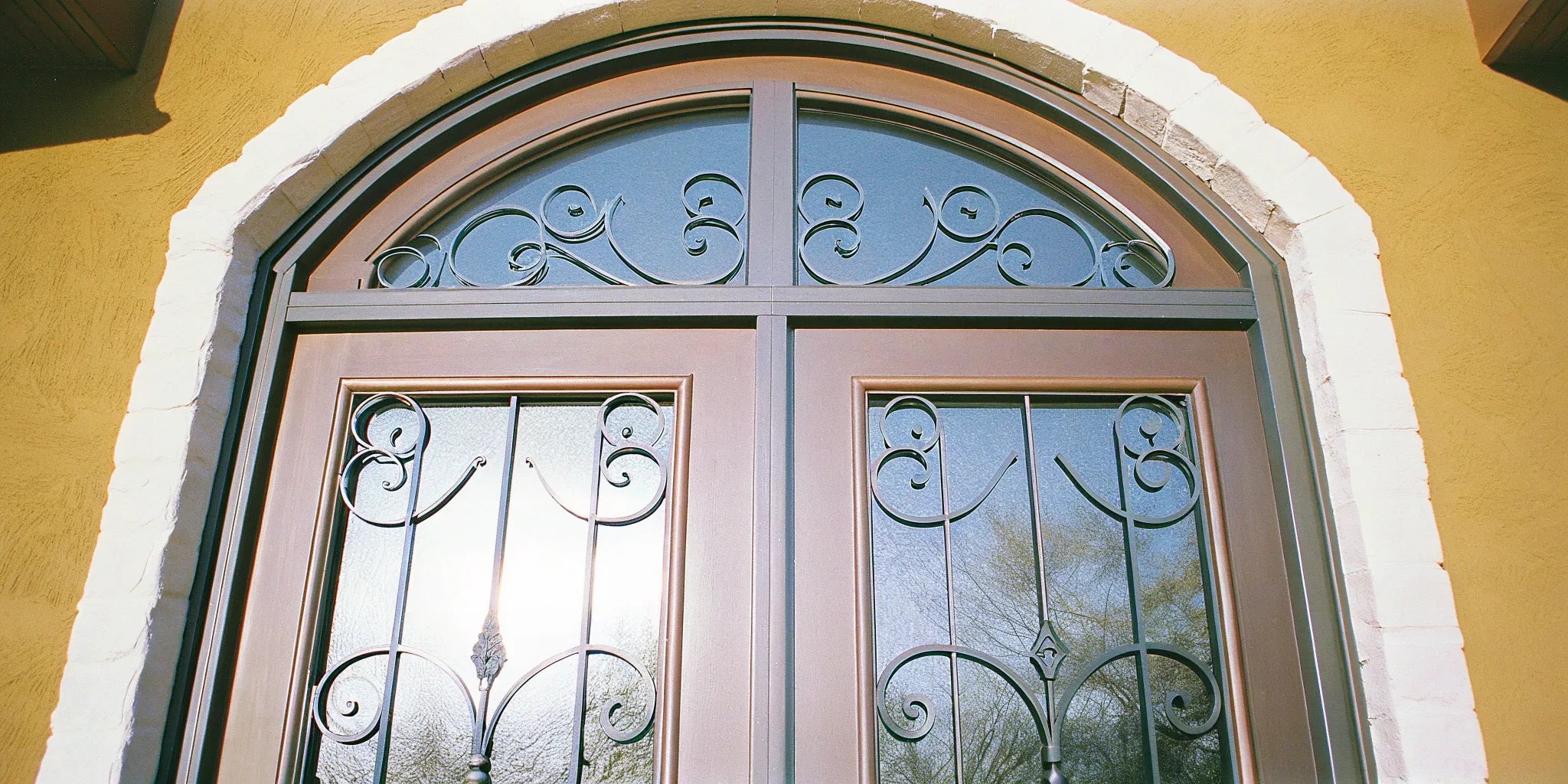
Adding glass is one of the best ways to personalize a steel door and invite natural light into your entryway. You can incorporate glass inserts directly into the door in various shapes and sizes, from a single small window to a full-lite design that makes a bold statement. If privacy is a concern, you can select frosted, textured, or tinted glass options that obscure the view while still letting light filter through. These decorative elements transform a purely functional door into a beautiful focal point. For an even more cohesive look, consider combining your door with matching steel windows or sidelights—the vertical windows that flank the door—to create a grand entrance that feels open and welcoming without sacrificing security.
What's Inside? Choosing the Right Core
What’s inside your steel door is just as important as what you see on the outside. The core material directly impacts the door's insulation, soundproofing, and fire-resistance capabilities. The two most common options are honeycomb and polystyrene. A honeycomb core, typically made of reinforced paper or cardboard, provides structural strength at a cost-effective price point. For projects where energy efficiency is a priority, a polystyrene or polyurethane foam core offers superior thermal insulation, helping to keep heating and cooling costs down. Choosing the right core ensures your door performs well in its specific environment.
Selecting Your Hardware and Locks
The hardware you choose is the finishing touch that brings your door’s design together while also playing a crucial role in its security. You can customize everything from the handles and levers to the locking mechanisms. For high-security applications, consider a multi-point locking system that secures the door at several points along the frame. Other functional hardware includes kick plates to protect against scuffs, door viewers for visibility, and closers for commercial settings. These details allow you to tailor the door’s functionality and create a cohesive look that matches your building’s other plumbing and lighting fixtures.
Integrating Modern Smart Lock Technology
Pairing the physical strength of a steel door with the intelligence of a smart lock creates the ultimate modern entryway. This technology moves beyond traditional keys, offering convenience and control right from your smartphone. Imagine granting temporary access to a contractor or letting a family member in while you’re away, all without sharing a physical key. Many smart locks are designed to integrate seamlessly with the hardware preparations on custom steel doors, so you don’t have to sacrifice security for convenience. You can choose systems that work with multi-point locks, providing an advanced layer of protection. This combination allows you to tailor your door’s functionality to your lifestyle, giving you a complete picture of who is coming and going while maintaining the formidable security that only steel can provide.
Adding Light and Air: Windows, Vents, and Louvers
A solid steel door doesn't have to mean a dark entryway. You can easily incorporate glass panels, known as lites, to let natural light into your space. These can be configured in various sizes and shapes, and you can choose from different glass types, including tempered or frosted glass for privacy and security. For areas that require ventilation, such as utility rooms or workshops, you can add louvers (vents). These features can be integrated into both single and double doors, allowing you to create a bright, airy space without sacrificing the strength of steel. You can even coordinate them with matching steel windows for a unified design.
What's the Real Cost of a Custom Steel Door?
Let's talk numbers. A custom steel door is an investment, and understanding the costs involved helps you budget effectively. While a standard steel door installation can average around $600, custom projects have a wider price range, from a few hundred to several thousand dollars. The final price tag depends on a mix of material choices, design complexity, and labor. Think of it less as a simple purchase and more as a long-term upgrade for your property’s security, efficiency, and curb appeal. By breaking down the costs, you can see exactly where your money is going and how it adds value.
What Drives the Price Up (or Down)?
The biggest factor in your door’s cost is customization. A basic, no-frills steel door might only cost a few hundred dollars, but the price climbs as you add features. Fire-rated doors, for example, require specialized construction and materials, placing them in a higher price bracket. If you want decorative glass panels, intricate designs, or a non-standard size like a 60x96 Double Steel Door, expect the cost to increase. The gauge of the steel, the type of core insulation, and the finish you choose also play significant roles in the final price.
Typical Price Ranges for Steel Doors
So, what should you expect to pay? Generally, installing a standard steel door can cost anywhere from $150 to $1,400, with most homeowners spending around $600. This range covers a basic, pre-hung door and professional installation. However, for a truly custom solution, the price can vary more widely. Factors like oversized dimensions, unique finishes, and high-security hardware will naturally increase the cost. The key is to think of it as a spectrum—you can find an affordable, durable option or invest in a high-end, feature-rich door that becomes a statement piece for your property.
How Material Quality Impacts Price
Not all steel is created equal, and the quality of the material is a major cost driver. The thickness of the steel is measured in "gauge," and here's the important part: the lower the gauge number, the thicker and stronger the steel. A standard residential door might use 24-gauge steel, which is perfectly adequate for most homes. However, for commercial properties or anyone wanting maximum security, upgrading to a thicker 18-gauge or 16-gauge steel is a smart move. This thicker steel provides superior resistance to dents and forced entry, but it also comes at a higher price point, reflecting its enhanced durability and security.
Steel Doors vs. Wood Doors: A Cost Comparison
While a beautiful wood door has its appeal, it often comes with a higher price tag and requires more maintenance over its lifetime. Steel doors offer a more cost-effective solution without compromising on style. Unlike wood, steel doesn't warp, crack, or rot from exposure to moisture, which means you won't be dealing with costly repairs or replacements down the line. This durability, combined with their excellent insulation properties that can lower your energy bills, makes steel doors a smarter financial choice over the long term. You get a strong, secure, and low-maintenance entryway that delivers lasting value.
Factoring in Installation and Labor Costs
The door itself is only part of the equation; professional installation is crucial for ensuring it functions correctly and provides maximum security. Labor costs for a door installation can range from around $260 to $500, depending on the complexity of the job and your location. While it might be tempting to save money with a DIY approach, improper installation can lead to drafts, security vulnerabilities, and a voided warranty. Hiring a professional ensures the frame is perfectly aligned, the weatherstripping is sealed tight, and the locking mechanisms work flawlessly from day one.
How to Save on Professional Installation
While hiring a professional is the best way to ensure your steel door is secure and weather-tight, you can still find ways to manage the cost. One of the most effective strategies is to handle the prep work yourself. If you're comfortable with it, you can remove the old door and frame, clear the area, and ensure it's ready for the new installation. This reduces the hours you're paying for labor, letting the pros focus on the skilled part of the job. For contractors and other trade professionals, applying for bulk discounts can also lead to significant savings on materials. Remember, a professional installation isn't just about convenience; it's often required to keep your door's warranty valid and guarantees a perfect fit that prevents drafts and security issues down the line.
Can You Save Money with a Bulk Order?
For contractors, builders, and property managers, one of the best ways to manage costs is by ordering in bulk. While a single custom steel door costs more than a standard off-the-shelf option, purchasing multiple doors for a large residential or commercial project can unlock significant savings. Suppliers often provide discounts for trade professionals who buy in volume. If you’re planning a large-scale renovation or a new build, it’s worth exploring a trade program to get the best possible pricing on high-quality materials for your entire project.
How a Steel Door Pays for Itself Over Time
A steel door isn't just an expense—it's an asset that delivers returns for decades. With proper care, a quality steel door can last anywhere from 30 to 100 years, far outliving its wood or fiberglass counterparts. This durability means you won't be spending money on replacements anytime soon. Beyond longevity, a new steel door can improve your property's value through enhanced curb appeal and security. Its excellent insulation also helps lower your energy bills by keeping your home warmer in the winter and cooler in the summer, providing a tangible return on your investment every month.
How to Find the Right Steel Door Supplier
Choosing the right supplier is just as critical as selecting the door itself. A great partner ensures you get a high-quality product, reliable service, and expert guidance from start to finish. Whether you’re a homeowner looking for a single entryway or a contractor outfitting an entire commercial building, your supplier can make or break the experience. The key is to do your homework and find a company that aligns with your project’s needs for quality, budget, and timeline. Look for a supplier who is transparent, knowledgeable, and has a proven track record of satisfied customers.
Why You Should Start with Local Suppliers
It’s often helpful to see and touch products in person, so looking at local showrooms can be a good first step. This allows you to assess the weight, finish, and overall build quality of different doors. However, don’t limit your search to just what’s available down the street. Nationwide suppliers often provide a much wider selection of custom steel doors and can offer more competitive pricing due to their scale. For trade professionals managing projects in various locations, a national supplier with fast, reliable shipping ensures you get consistent quality and service no matter where the job site is located.
Check Reputable Industry Directories
To find suppliers who are serious about quality, turn to professional industry organizations. Directories from groups like the Steel Door Institute (SDI) are excellent resources for finding certified manufacturers who adhere to strict production standards. These directories often showcase a supplier’s portfolio, giving you a clear idea of their capabilities and the types of projects they’ve completed. Working with a certified or highly-vetted supplier gives you peace of mind that your door is built to perform and will meet all necessary specifications for security and durability, taking the guesswork out of your purchase.
Read Online Reviews and Check Ratings
Reviews are your window into a company’s real-world performance. Look for a supplier that is transparent with its customer feedback. Go beyond the simple star rating and read through comments from both homeowners and contractors. Are there consistent compliments about product quality, on-time delivery, and customer support? Pay attention to how the company responds to any negative feedback, as this shows their commitment to customer satisfaction. Checking a company’s customer reviews can help you gauge their reliability and the overall experience you can expect when working with them.
Verify Credentials and Certifications
A reputable supplier will be upfront about their credentials and product certifications. These aren’t just fancy labels; they are proof that a door meets specific industry standards for security, fire resistance, and energy efficiency. Before making a purchase, ask about fire ratings, forced-entry testing, and thermal performance values. A supplier who can readily provide this documentation demonstrates a commitment to quality and safety. This step is especially important for commercial projects or any installation where you need to comply with local building codes, as a certified door ensures your project will pass inspection.
Key Questions to Ask Your Supplier
Once you have a shortlist of potential suppliers, it’s time to dig a little deeper. The answers to a few key questions can tell you everything you need to know about their products and their commitment to service. This isn't just about finding the best price; it's about finding a partner who can deliver a high-quality product that meets your exact specifications and will stand behind their work. Being prepared with the right questions ensures you make an informed decision and avoid any surprises down the road, so you can feel confident in your investment.
Inquire About Technical Specifications
A good supplier should be able to walk you through all the technical details of their doors. Don't hesitate to ask about the steel gauge, explaining that a lower number means thicker, stronger steel for better security. Inquire about the core material, as this affects the door's insulation, soundproofing, and fire-resistance. Be sure to ask about the specific fire rating, as many commercial-grade steel doors can withstand intense heat for up to three hours, a critical feature for safety compliance. Getting clear answers on these specifications ensures the door you order is truly built for performance.
Look for Customer Support Resources
The product is only half of the equation; the support you receive is just as important. Ask potential suppliers about their customer service resources. Do they have a knowledgeable team that can offer expert guidance throughout the selection and ordering process? What does their after-sale support look like, including warranties and return policies? A supplier who is transparent with their customer feedback and clear about their processes is one you can trust to provide a smooth experience from start to finish, ensuring you feel supported long after your door is installed.
How to Choose a Professional Installer
Your custom steel door is a significant investment, and its performance hinges entirely on the quality of the installation. A perfectly crafted door can fail if it’s not installed correctly, leading to drafts, security vulnerabilities, and operational issues. Finding the right professional is just as important as choosing the right door. You need someone who can ensure a perfect fit, proper alignment, and a secure seal that will last for years. Think of your installer as the final, crucial step in bringing your vision to life. Taking the time to vet professionals will protect your investment and give you peace of mind.
Why Experience Matters in Installation
When you’re searching for an installer, experience should be at the top of your list. A seasoned professional has seen it all—from older homes with uneven frames to complex commercial setups. They know how to troubleshoot on the fly and ensure your door hangs and swings perfectly. An experienced team understands the nuances of working with heavy steel doors and has the right tools to do the job safely and efficiently. Don’t be afraid to ask for a portfolio of their previous work or for references from past clients. A confident, experienced installer will be happy to show you what they can do.
Understanding the Installation Timeframe
It’s smart to think about your project in two parts: the total timeline and the actual installation day. For a simple swap, a pro can often get your new steel door installed in a single day. But the full journey from measurement to manufacturing can take a few weeks, especially if you’re getting a custom design. That's why it's so important to ask your supplier about their current lead times right from the start. Knowing this upfront helps you line everything up with your contractor, so your door arrives exactly when you need it and your project stays on track without any frustrating hold-ups.
The complexity of the job also plays a big role in how long the on-site work takes. Installing a standard 36x80 Single Steel Door into a perfectly prepared frame is a relatively quick job. But if you’re installing a large double door system with sidelights, or if the existing opening needs to be reframed to fit, the work could easily stretch into a second or even third day. Every home has its own quirks, so having a detailed chat with your installer beforehand is the best way to get a realistic timeline. They can assess your specific situation and let you know exactly what to expect.
Always Check for Licensing and Insurance
This step is non-negotiable. A licensed contractor has met specific state or local requirements, proving they have the knowledge and legitimacy to perform the work. More importantly, always confirm they carry both liability insurance and worker's compensation. Liability insurance protects your property in case of accidental damage during the installation, while worker's comp covers their crew if someone gets injured on the job. Without this coverage, you could be held financially responsible. Asking for proof of licensing and insurance is a standard part of the hiring process for any serious trade professional.
Ask About Fire Rating Certifications
If your door needs to be fire-rated to meet local building codes, your installer must know how to handle it. A fire-rated door is part of a complete assembly—including the frame, hardware, and seals—and every component must be installed according to strict specifications to maintain the rating. Ask potential installers about their experience with fire-rated doors. They should be able to explain the requirements and guarantee that their work will pass inspection. An improper installation can void the door's fire certification, putting safety and compliance at risk.
Understand the Warranty and Service Guarantees
A reputable installer will stand behind their work. Be sure to ask about the warranty they offer on their labor, which is separate from the manufacturer's warranty on the door itself. What happens if the door settles and becomes difficult to close a few months down the line? A good service guarantee ensures they will come back and make adjustments. Getting these terms in writing provides an extra layer of security and shows that the installer is committed to quality. Checking a company's customer reviews can also give you insight into how they handle service calls after the job is done.
What Security Features Should Your Steel Door Have?
A steel door is a fantastic security upgrade, but not all are built the same. The real strength comes from specific features that work together to protect your property. When you're comparing options, it's easy to get lost in the details. Let's break down the most important security elements to look for so you can feel confident in your choice. Understanding these features will help you select a door that offers true peace of mind, whether it's for your home or a commercial building.
Why Steel Gauge and Thickness Matter
Think of steel gauge as a measure of toughness—the lower the number, the thicker and stronger the steel. This thickness is your first line of defense against forced entry, as a thicker door is much harder to dent, bend, or break through. For most homes, a 24-gauge door is a common starting point, but upgrading to a 20-gauge door provides a significant increase in security. For commercial properties or areas needing maximum protection, looking at 18- or 16-gauge custom steel doors is the way to go. It’s a simple rule: a lower gauge means a more secure entrance.
Should You Get a Multi-Point Locking System?
A strong door is only as good as its lock. While a standard deadbolt secures the door at a single point, a multi-point locking system engages the frame in several places—typically at the top, bottom, and middle. This distributes the force of any attempted break-in across the entire door frame, making it incredibly difficult to pry open. It’s one of the most effective upgrades you can choose for enhancing security. When discussing your door design, always ask about including a multi-point locking system for ultimate protection.
How to Balance Security and Fire Safety
Beyond keeping intruders out, a steel door can also play a critical role in containing a fire. Many steel doors are fire-rated, meaning they are designed and tested to withstand fire for a specific period, often up to three hours. This feature can slow the spread of flames and smoke, giving people more time to get to safety and limiting property damage. Choosing a fire-rated door doesn't mean you have to compromise on security; it means you're getting two vital safety features in one smart, durable package.
Choosing a Finish to Protect Your Door
A steel door’s strength depends on its integrity, and that’s where protective coatings come in. Most steel doors arrive with a primer coat designed to prevent rust and corrosion from moisture and weather. However, this primer isn't meant to be the final finish. Applying a high-quality exterior paint after installation adds another layer of defense against the elements, extending the door's lifespan and keeping it looking great. This final coat ensures your door remains structurally sound and secure for years to come, protecting your investment and your property.
The Importance of a Proper Top Coat
It’s a common misunderstanding, but the gray or beige coating on your new steel door isn't the final paint job—it's a factory-applied primer. Its main purpose is to provide temporary protection against rust and corrosion during shipping and before it gets installed. Think of it as the essential base layer, not the finished product. This primer isn't formulated to stand up to years of sun, rain, and fluctuating temperatures. Without a proper top coat, the primer will eventually break down, leaving the steel vulnerable and compromising the door's structural integrity. Skipping this step is one of the biggest mistakes you can make with your new door.
Applying a high-quality exterior paint is the crucial final step that locks in your door's durability. This top coat is the layer that provides the actual weather resistance, UV protection, and the final color that completes your home's look. It seals the primer and creates a durable barrier that defends against moisture and wear, significantly extending the life of your door. For any of the premium steel doors you choose, finishing them with a proper top coat after installation isn't just a recommendation—it's essential for ensuring long-term performance and maintaining the door's warranty. It’s the step that guarantees your investment remains protected and beautiful for years.
Debunking Common Steel Door Myths
Steel doors have a reputation that sometimes precedes them, and not all of it is accurate. If you've been hesitant to consider one for your project, it might be because of a few persistent myths. Let's clear the air and look at the facts so you can make a confident decision based on what modern steel doors really offer. From cost to style, the reality is often much more appealing than the rumors suggest.
Myth: Steel Doors Are Too Expensive
It’s easy to assume that a door known for its strength and custom features comes with a prohibitive price tag. While the upfront cost of a high-quality steel door can be higher than some alternatives, it’s a classic case of getting what you pay for. Think of it as a long-term investment in your property. Their incredible durability means you won't be replacing them anytime soon, and their excellent insulation can lead to real savings on energy bills. When you factor in the minimal maintenance and lasting performance, custom steel doors often prove to be the more cost-effective choice over their lifespan.
Myth: Steel Doors Rust Easily
The image of a rusty metal door is a powerful one, but it’s also outdated. This is a major concern for anyone considering a steel door, especially for an exterior entryway exposed to rain and humidity. However, today’s steel doors are engineered specifically to combat corrosion. They are typically made from galvanized steel and treated with advanced protective coatings and finishes that create a powerful barrier against moisture. As long as that protective layer is maintained, your door will stand up to the elements for years without a hint of rust, keeping its clean look and structural integrity intact.
Myth: You Can't Get a Stylish Steel Door
If you think steel doors are just plain, gray slabs best suited for a warehouse, it’s time to look again. The design possibilities are practically endless. Modern steel doors are available in a huge range of styles, from sleek and contemporary to classic and traditional. You can find finishes that convincingly mimic the warm look of natural wood, choose from any paint color you can imagine, and incorporate glass panels to let in natural light. You can even pair them with matching steel windows to create a cohesive and sophisticated look for your entire property.
Myth: All Steel Doors Are the Same
This myth couldn't be further from the truth. Believing all steel doors are the same is like saying all cars are the same. The quality can vary dramatically based on the manufacturer, the gauge of the steel, the core material, and the hardware used. A generic, off-the-shelf door won't offer the same security, insulation, or longevity as a well-crafted custom one. Experienced suppliers often work directly with architects, builders, and homeowners to create doors tailored to precise specifications. For professionals managing large projects, a trade program can provide access to these custom solutions that meet specific design and performance needs.
Your Final Checklist Before You Buy
You’ve done the research, explored your options, and are close to making a decision. Before you place that order, running through a final checklist can save you from headaches down the road and ensure your new steel door is a perfect fit in every sense of the word. Taking a few extra minutes to confirm these details will give you confidence that you’re making a smart, long-lasting investment for your home or business. Think of this as the final walkthrough before you commit—it’s all about making sure every box is ticked.
Check Local Building and Fire Codes
Before you fall in love with a specific door, make sure it meets your local regulations. Building and fire codes can vary significantly from one city or state to another, and they often dictate requirements for things like door size, swing direction, and fire-resistance ratings, especially for commercial properties. An experienced supplier can help you find custom steel doors that are fully compliant. Don’t leave this to chance—a quick call to your local building department or a conversation with your contractor can confirm exactly what you need, ensuring your project passes inspection without any costly surprises.
Consider Your Climate and Weather
The environment your door will face every day plays a huge role in its long-term performance. If you live in a coastal area, you’ll want a door with a finish that offers exceptional resistance to salt air corrosion. For regions with harsh winters, a thermally broken door will provide better insulation and prevent frost from forming on the interior surface. Modern steel doors are designed to handle humidity, extreme temperatures, and moisture far better than traditional wood doors, which can warp or rot over time. Be sure to discuss your local climate with your supplier to select the right protective coatings and features.
Know the Maintenance Needs Upfront
One of the best things about modern steel doors is how little upkeep they require. While older models may have given steel a reputation for rusting, today’s doors are built with galvanized steel and durable coatings that are made to resist corrosion. Your maintenance routine will likely involve simple tasks like wiping the door down with mild soap and water a few times a year and checking the weatherstripping for wear. It’s always a good idea to ask your supplier for their specific care recommendations, which you can learn more about in our custom steel door buying guide.
Make Sure It Fits Your Property's Style
Your front door is a major design statement for a home and a key part of a business’s brand identity. Luckily, "strong and secure" no longer means "plain and industrial." Modern steel doors come with a huge range of customization options, including endless colors, realistic wood-grain textures, and stylish glass inserts. You can create a cohesive look by matching your door to other elements, like steel windows, to fit your property’s architectural style. Whether you’re aiming for a sleek, contemporary entrance or a more traditional look, you can design a door that perfectly reflects your vision.
What's the Timeline from Order to Installation?
Getting a custom steel door isn't an off-the-shelf purchase, and that's a good thing. It means you're getting a product tailored specifically for your project. But it also means there's a process involved, from initial design to the final installation. Understanding this timeline helps you plan your project schedule without any last-minute surprises. While every project is unique, the journey from placing an order to having your new door installed generally follows three key steps. Knowing what to expect at each stage makes the entire experience smoother and more predictable, whether you're a homeowner upgrading your entryway or a contractor managing a large build.
Step 1: Design and Approval
This is the creative and collaborative part of the process. It all starts with a conversation. You’ll work directly with your supplier to hash out all the details of your ideal door. This includes everything from the exact dimensions and style to the core material, hardware, and finish. Once you’ve settled on a design, you’ll receive a formal quote. After you approve the design and the numbers, the project gets the green light to move into production. This initial phase is critical because it ensures the final product perfectly matches your vision and your project’s technical requirements. It’s the foundation for the entire process.
Step 2: Manufacturing and Lead Time
Once your design is approved, your door heads to the factory. The time it takes to build your custom door, known as the lead time, can vary quite a bit. The complexity of your design, the materials chosen, and the manufacturer’s current schedule all play a role. For many custom steel doors, a lead time of two to four weeks is pretty standard. However, some suppliers offer expedited services for more common configurations. It’s important to get a clear lead time estimate from your supplier upfront so you can coordinate the rest of your project schedule accordingly.
Step 3: Scheduling the Installation
After your door has been manufactured and passed quality checks, it’s ready to come home. The final step is scheduling the delivery and installation. Your supplier will typically coordinate with you or your contractor to find a time that works. The complexity of the installation can depend on whether it's a simple replacement or part of a new construction project. A professional installer will ensure the door is hung correctly, operates smoothly, and is properly sealed against the elements. Clear communication during this phase is key to wrapping up the project efficiently so you can start enjoying the security and style of your new door.