



Acoustic Wood Panels: A Complete Buyer's Guide
Does your living room feel a bit loud? Is that big, blank wall behind the sofa crying out for some personality? I've got the perfect two-for-one solution that solves both problems with serious style. Acoustic Wood Panels are a total game-changer. They are engineered to absorb sound, killing that annoying echo while adding the incredible warmth and texture of natural wood. This guide is your complete roadmap to understanding, choosing, and installing these panels to create a space that looks and feels amazing.
Key Takeaways
- Combine Aesthetics with Acoustics: Think of acoustic panels as a two-for-one solution. They instantly add a high-end design element to your walls while significantly improving sound quality by reducing echo and background noise.
- Look Beyond Looks When Choosing: The right panel is more than just a pretty face. To ensure you love the result, check for a sound-absorbing felt backing, choose a durable finish that suits your lifestyle, and plan for an installation method that fits your budget.
- Know the Difference: Absorption vs. Soundproofing: Acoustic panels are designed to absorb sound within a room to reduce echo and improve clarity. They will make your space feel calmer, but they won't block noise from your neighbors or the street.
What Are Acoustic Wood Panels, Really?
If you’ve ever been in a room with high ceilings and hardwood floors, you know how sound can bounce around, creating an echo that makes conversations feel loud and chaotic. Decorative acoustic wood panels are designed to solve that exact problem. They’re a stylish wall treatment that doubles as a sound management tool, combining beautiful design with practical function. Unlike purely functional foam panels you might see in a recording studio, these are made to be seen and admired.
Think of them as the perfect blend of art and science for your walls. They add texture, warmth, and a sophisticated architectural element to a room, all while making the space feel more calm and peaceful.
How They Absorb Sound and Reduce Echo
The magic of acoustic panels lies in their ability to absorb sound waves. When sound hits a hard surface like drywall or glass, it reflects and bounces back into the room, creating echo and reverberation. Acoustic Wall Panels, on the other hand, are designed with materials that trap sound energy, stopping it from bouncing around. This process significantly reduces ambient noise and clarifies the sounds you do want to hear, like music or a conversation with family. By minimizing echo, they create a more comfortable and acoustically balanced environment, making your living room feel more serene and intimate.
A Look at the Materials Inside
So, what are these panels made of? The most effective ones feature a layered construction. The decorative top layer is typically made of high-quality wood veneer or durable MDF slats, which gives them their stylish appearance. Behind this beautiful facade is the real workhorse: a high-density, sound-absorbing felt or polyester fiber backing. This combination is key. The wood slats help break up sound waves, while the soft backing absorbs them. This dual-material design ensures you get excellent acoustic performance without sacrificing aesthetics. It’s a durable, effective construction that brings both peace and style to your space.
Eco-Friendly Materials: The Recycled Felt Backing
It’s a great feeling when a beautiful design choice also happens to be a sustainable one. As more of us look for ways to make eco-friendly decisions at home, the materials we choose matter more than ever. This is where acoustic wood panels really shine. The sound-absorbing felt backing, which is crucial for their performance, is often made from recycled materials like plastic bottles. This smart manufacturing process turns post-consumer waste into a high-performance building material. By choosing acoustic slat panels with this feature, you’re investing in a product that improves your home's environment in two ways: by creating a more peaceful atmosphere and by supporting responsible design. It’s a win-win that combines high-end aesthetics with a lighter environmental footprint.
Why Your Living Room Needs Acoustic Wood Panels
Acoustic wood panels are one of the smartest upgrades you can make to your living room. They’re not just a design trend; they solve common household problems while adding serious style points. Think of them as a two-for-one solution that tackles both noise and bland walls. Whether you’re trying to create a cozy movie-watching nook or a sophisticated space for entertaining, these panels deliver on performance and aesthetics. Let’s break down why they’re such a fantastic addition to any home.
Finally, Get Rid of That Annoying Echo
Is your living room echoey? Do conversations and TV sounds bounce off the walls, creating a chaotic jumble of noise? Acoustic wall panels are specifically designed to fix that. They are made to absorb sound and reduce noise, which makes rooms sound clearer and feel more peaceful. The materials, typically a combination of wood veneer and a felt backing, trap sound waves instead of letting them reflect around the room. This means clearer dialogue from your favorite shows, more intimate conversations, and a generally calmer atmosphere. It’s a simple change that makes a huge difference in how your space feels.
Solving the Sound Problem of Modern Design
We love the clean lines and open feel of modern design, but let's be honest—it can be noisy. Those beautiful hardwood floors, large windows, and high ceilings that define the aesthetic are also perfect surfaces for sound to bounce right off of. This reflection creates echo and reverberation, making a room feel cold and cavernous instead of cozy and inviting. It’s a common trade-off: you get the minimalist look you want, but the acoustics suffer, turning conversations and movie nights into a jumbled mess of sound. This is the classic sound problem that often comes with contemporary homes.
This is where acoustic wood panels come in as the perfect solution. They are specifically designed to absorb that excess sound, creating a more comfortable and acoustically balanced environment without compromising your style. In fact, they enhance it. The linear slat design adds a sophisticated architectural element that complements minimalist and Scandinavian decor, while the natural wood finish introduces much-needed warmth and texture. Instead of adding bulky furniture or heavy rugs to dampen sound, these panels integrate seamlessly into your design, solving the noise problem while making your living room feel more serene and intimate.
Create a Stunning Focal Point
Beyond their sound-dampening magic, acoustic panels are a stunning design element. They offer "functional beauty," adding warmth, texture, and a high-end architectural feature to your living room. A wall of fluted wood slats can serve as a dramatic focal point behind a sofa or TV, making the entire room feel more intentional and put-together. With a variety of wood panel finishes, from natural oak to dark walnut, you can find a style that perfectly complements your existing decor. They are an easy way to achieve a custom, designer look without a massive renovation.
An Investment in Style and Sound
When you invest in your home, you want it to last. Acoustic wood panels are a solid choice for durability. Made from high-quality materials, they are built to withstand the test of time. With just a little proper care, like occasional dusting, these panels can maintain their beauty and acoustic performance for years—often between 8 to 12 years, and sometimes even longer. This makes them a practical, long-term investment in your home’s comfort and style. You get a solution that not only looks great on day one but continues to add value for the foreseeable future.
Beyond the Living Room: Where to Use Acoustic Panels
While acoustic panels are a perfect match for living rooms, their usefulness extends far beyond a single space. Their ability to blend sophisticated design with sound control makes them a versatile solution for almost any room that suffers from echo or needs a visual upgrade. From bustling commercial environments to other noise-prone areas in your home, these panels can transform a space's look and feel. Thinking outside the living room box opens up a world of possibilities for creating more peaceful, stylish, and functional environments everywhere.
In Commercial Spaces: Offices, Restaurants, and Studios
Open-plan offices, busy restaurants, and creative studios all struggle with the same challenge: managing sound. In these settings, excessive noise can hinder productivity, ruin a customer's experience, or compromise the quality of a recording. This is where Acoustic Wall Panels become an essential tool for business owners and designers. Installing them in conference rooms, reception areas, or dining spaces helps absorb ambient chatter and clatter, creating a more focused and pleasant atmosphere. They serve as both a functional acoustic treatment and a high-end decorative finish, making any commercial space feel more polished and professional without sacrificing performance.
In Other Areas of the Home: Kitchens and Bathrooms
Kitchens and bathrooms are notorious for being echo chambers. With all their hard surfaces—tile, stone countertops, and stainless steel appliances—sound has nowhere to go but bounce around. This can make the clatter of pots and pans or the sound of a running shower feel overwhelmingly loud. Adding acoustic panels to a kitchen backsplash, a dining nook wall, or even the ceiling of a large bathroom can dramatically soften the room's acoustics. Because they can be installed on nearly any surface, including plasterboard or concrete, they are an easy retrofit for creating a calmer, more serene environment in the busiest parts of your home.
Where Can You Buy the Best Acoustic Panels?
Once you’ve decided to add acoustic panels to your living room, the next step is finding the right supplier. The good news is that you have plenty of options, from specialized manufacturers to direct suppliers who offer a wide range of building materials. The key is to find a company that balances quality, style, and a price point that works for your project. To make your search a little easier, I’ve pulled together a few of the top contenders in the market, each offering something unique for homeowners and trade professionals alike. Whether you’re looking for a one-stop shop or a niche designer, one of these brands is sure to have what you need.
A Look at USA Builders Depot
As a trusted nationwide supplier, USA Builders Depot offers a fantastic collection of Acoustic Wall Panels that are perfect for both residential and commercial projects. Their panels are designed not just for performance but also for style, with options like modern fluted slats and natural wood veneers. One thing I appreciate is their focus on education; they make it clear that acoustic panels are for sound absorption (improving sound quality within a room), not soundproofing (blocking noise from entering or leaving). This honesty helps you set the right expectations. Plus, since they supply everything from doors to flooring, you can source multiple items for your renovation from one convenient place, which is a huge time-saver.
Exploring the WoodUpp Collection
If you love the clean lines and minimalist feel of Scandinavian design, you’ll want to check out WoodUpp. This company specializes in innovative wooden wall panels that are known for their high-quality craftsmanship and Nordic aesthetic. Their products are particularly popular with the DIY crowd because they are designed for straightforward installation, allowing you to transform a space over a weekend. WoodUpp is a great choice if you’re looking for a specific, modern style and feel confident tackling the project yourself. Their focus on natural materials and simple, elegant designs can make any living room feel more serene and stylish.
Spotlight on FORM AT WOOD
For those who view wall panels as functional art, FORM AT WOOD is a brand worth exploring. They create high-end acoustic wall panels that are true statement pieces, blending sophisticated design with acoustic performance. Their collections often feature geometric patterns and unique wood finishes that can serve as the focal point of a room. While they are a premium option, FORM AT WOOD is ideal for projects where the design is just as important as the sound absorption. If you’re aiming for a custom, high-end look that feels both luxurious and acoustically balanced, their products are an excellent fit.
What to Know About Art3d Panels
If you prefer the convenience of shopping on major online marketplaces, Art3d is a popular and accessible brand. You can often find their products on sites like Amazon, making them easy to order and get delivered quickly. Their wood slat acoustic panels are known for their 3D texture, which adds depth and visual interest to walls and ceilings. While they might not offer the same level of customization as a direct supplier, they provide a solid, budget-friendly option for anyone looking to improve their living room’s sound and style without a complicated purchasing process. They are a great starting point for a simple and effective upgrade.
How to Choose the Right Acoustic Wood Panels
Once you’ve decided to add acoustic panels to your living room, the fun part begins: picking the perfect ones. But with so many options out there, it’s easy to feel a little overwhelmed. The key is to look beyond just the color or style. The right panels for your space will strike a perfect balance between acoustic performance, material quality, ease of installation, and design flexibility. Thinking through these four areas will help you narrow down your choices and find a solution that not only looks incredible but also makes your living room sound so much better. Let’s walk through what you need to consider to make a confident choice.
Judging Sound Absorption Quality (NRC Rating)
The main reason you’re getting acoustic panels is to improve your room’s sound, so performance is key. High-quality panels work by absorbing sound waves, stopping them from bouncing around the room. This is what reduces that echoey, cavernous feeling and makes conversations, music, and movie nights sound crisp and clear. When you’re shopping, look for panels with a felt or fabric backing, as this material is excellent at trapping sound. While some products list a Noise Reduction Coefficient (NRC) rating, many decorative panels focus on providing a noticeable improvement for everyday living. The goal is to create a more peaceful, pleasant environment, and a well-constructed acoustic wall panel will do just that.
Understanding NRC Numbers: What Does 0.8 Mean?
When you see an NRC rating on an acoustic panel, it stands for Noise Reduction Coefficient, which is just a simple way to measure how well a material absorbs sound. The scale runs from 0 to 1. A material with an NRC of 0 reflects all sound back into the room, while a material with an NRC of 1 absorbs it all. So, a panel with an NRC of 0.8 is a top performer—it absorbs 80% of the sound that hits its surface. In your living room, that translates to a huge reduction in echo from conversations, TV shows, and music. It’s the kind of performance that makes a room feel noticeably calmer and more comfortable, ensuring the panels are not just beautiful but also highly effective.
What to Look for in Materials and Finish
Acoustic panels are a permanent fixture in your home, so you want them to be durable and beautiful for years to come. Pay close attention to the materials. Are they made from solid wood, a natural wood veneer, or a composite material? Each has a different look and feel. Natural Veneer Wall Panels, for example, offer the authentic warmth of real wood. The finish is just as important. It not only contributes to the aesthetic but also protects the panel from wear and tear. A quality finish will be easy to clean with a soft cloth, which is essential for a high-traffic area like the living room. Think about what will hold up best to your lifestyle while matching your decor.
Choosing the Right Size for Your Walls
Getting the size right is crucial for both the look and the sound of your room. It’s not just about covering a wall; it’s about creating balance. Before you buy, think about the scale of your space. A large, open-concept living room might need wider panels or more coverage to make a visual impact and effectively manage sound. A great rule of thumb is to ensure your panel installation is wider than the main piece of furniture it sits behind, like your sofa or media console. This creates a deliberate, anchored look. When it comes to thickness, most decorative Acoustic Wall Panels are designed for residential spaces, so you don't need to overthink it—the standard options are typically perfect for improving living room acoustics without being bulky.
DIY-Friendly or Pro-Only Installation?
Before you fall in love with a specific panel style, think about how it will get on your wall. Many modern acoustic panel systems are designed with DIYers in mind. They often come in manageable sizes and can be installed with basic tools, using either construction adhesive or screws. Some are even designed to be hung like a picture frame. This can be a great way to save on installation costs and tackle a satisfying weekend project. Always check the product specifications for installation instructions. If you’re not comfortable doing it yourself, that’s perfectly fine—just remember to factor the cost of hiring a professional into your overall budget.
Can You Paint or Stain Them?
Your living room should be a reflection of your personal style, and your wall panels can be a huge part of that. Don’t feel locked into the standard options you see. Many companies offer ways to make the panels your own. For instance, Paint and Stain Grade Panels arrive unfinished, giving you complete creative control to match any color palette. You can also find modular panels in different shapes and sizes that you can mix and match to create a one-of-a-kind feature wall. This flexibility allows you to move beyond a simple wall covering and design a true work of art that also happens to make your room sound amazing.
Let's Talk Budget: What Do Acoustic Panels Cost?
Okay, let's get right to it—the budget. Figuring out the cost is a huge part of any renovation, and acoustic panels are no exception. The good news is that there’s a wide range of options out there, so you can find something that works for your wallet and your style. The final price tag depends on a few key things, from the materials you choose to the size of your project. Let's break down what you can expect to spend and where you can find some savings.
How Much Should You Expect to Spend?
The price for acoustic wood panels can vary quite a bit, which is actually great because it means there are options for different budgets. On the more accessible end, you might find packs of panels that cover around 15 square feet for about $100. These are perfect for smaller accent walls or DIY projects. On the other hand, premium, designer panels made from high-end wood and finishes can cost several hundred dollars for a single piece. When you start browsing, you’ll see that most high-quality acoustic wall panels fall somewhere in between, giving you a solid middle ground of quality and cost.
What Drives the Cost Up (or Down)?
So, what makes one panel more expensive than another? It usually comes down to three main things: materials, finish, and quantity. The type of wood is a big factor—solid oak will naturally cost more than a lightweight MDF with a veneer. The finish also plays a role; a pre-stained, high-gloss panel requires more labor and materials than an unfinished one you can paint yourself. Finally, think about scale. If you’re a contractor or designer outfitting a large space, you can often get a better price per panel by buying in bulk. Many suppliers offer trade programs with special pricing for professionals, which can make a big difference on larger projects.
Beyond the Panel Price: Samples, Shipping, and Returns
The price you see on the product page is just the starting point. To get a full picture of your budget, you need to account for samples, shipping, and potential return fees. Before you commit to a full wall, always order a sample. Seeing the color and texture in your living room's unique lighting is a non-negotiable step that ensures the final result is exactly what you envisioned. Once you've chosen your perfect wall panels, check the shipping costs, as these can be significant for bulky items. Finally, read the return policy carefully. Policies vary widely; some suppliers allow returns within 30 days for unopened products, while others might have a shorter window and charge a restocking fee of up to 20%. Understanding these details upfront helps you make a confident purchase and avoid logistical headaches.
How to Get the Look for Less
You don't have to break the bank to get the beautiful, sound-dampening walls you want. One of the smartest first steps is to order samples. This lets you see and feel the quality before committing to a full order. Another great strategy is to start with an accent wall instead of covering the entire room—it creates a stunning focal point without the cost of a full-room installation. You can also look for unfinished wood wall panels, which are often more affordable and give you the creative freedom to paint or stain them to match your decor perfectly. A little DIY can go a long way in saving money.
Finding Your Style: Which Panels Fit Your Living Room?
You’re sold on the benefits, but how do you pick a panel that actually looks good in your living room? The best part about decorative acoustic panels is that they blend function with fashion. Your choice will come down to the vibe you're going for—whether it's clean and modern, cozy and rustic, or something completely unique. Let's walk through a few popular styles to help you find the perfect match for your space.
The Modern Look: Fluted and Slat Designs
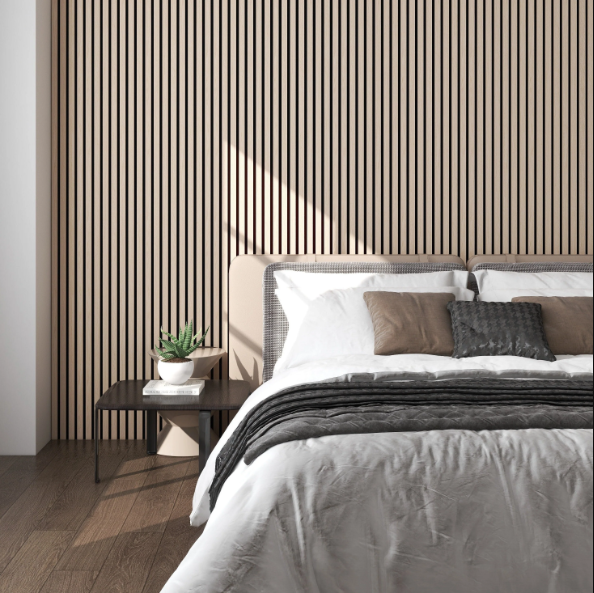
If your home leans contemporary, minimalist, or even a bit Scandinavian, fluted or slat wood panels are your best friend. These panels feature clean, vertical lines that create a sense of height and texture without overwhelming the room. They are fantastic for creating a sophisticated feature wall behind your TV or sofa. An emerging trend in contemporary design is using acoustic slat wall panels because they are not only visually stunning but also do an amazing job of absorbing sound. The simple, repeating pattern adds depth and interest, turning a plain wall into a deliberate design element that feels both modern and inviting.
The Classic Choice: Natural Wood Veneers
For a style that feels a bit warmer and more organic, you can't go wrong with natural wood veneers. These panels showcase the authentic grain and texture of real wood, bringing a touch of nature indoors. They work beautifully in spaces with a rustic, mid-century modern, or traditional aesthetic. Think of the rich, deep tones of walnut for a moody, elegant look, or the light, airy feel of white oak for a more relaxed vibe. Natural Veneer Wall Panels are an excellent way to improve your living room's acoustics while adding timeless character and warmth that feels both grounding and stylish.
The Customizable Option: Paint-Ready Panels
Love the idea of texture but want complete control over the color? Unfinished panels are the perfect canvas. These give you the freedom to match your wall panels to your exact design vision. You can paint them the same color as your other walls for a subtle, tone-on-tone architectural detail, or go bold with a contrasting accent color that makes the wall pop. Paint and Stain Grade Panels are ideal for anyone who enjoys updating their decor, as you can simply repaint them whenever you're ready for a change. This flexibility ensures your investment will fit your style for years to come.
Emerging Styles in Panel Design
Ready to get creative? Current design trends are all about using wall panels in fresh, unexpected ways. Think beyond a single accent wall. Designers are using panels to create geometric patterns, frame out specific zones in an open-concept living room, or even run them up the wall and onto the ceiling for a dramatic, immersive effect. Combining different finishes or panel widths can also create a custom, high-end look. By pairing acoustically efficient panels with a visually striking layout, you can create a space that is truly one-of-a-kind. Don't be afraid to browse different wall panel collections for inspiration.
Accessorizing Your Panels: Lights, Hooks, and Shelves
Your acoustic panels don't have to be just a pretty backdrop—they can be a functional part of your living room, too. Think of them as a canvas for smart, stylish accessories. You can easily integrate small shelves between the slats to display photos or small plants, adding a touch of personality and dimension. Simple hooks can turn a section of your wall into a chic spot to hang a throw blanket or a piece of art. Some designs even make it easy to incorporate sleek lighting fixtures within the grooves, creating a warm, ambient glow that highlights the texture of the wood. These additions turn your feature wall into a true eye-catcher that is both beautiful and practical.
Expanding the Look: Room Dividers and Exterior Panels
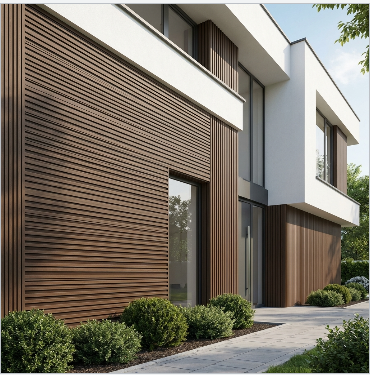
Don't feel limited to just the four walls of your living room. Acoustic panels are incredibly versatile. In an open-concept home, you can use them to build a freestanding room divider. This not only creates a stylish visual separation between your living and dining areas but also helps absorb sound in both spaces, making each zone feel more distinct and intimate. And the style doesn't have to stop at your front door. Certain materials are designed for the outdoors, like Exterior Fluted Slat Wall Panels, which can be used to create a stunning, modern facade or a private, textured wall for your patio. Thinking creatively allows you to carry a cohesive design theme throughout your entire home.
How to Install Acoustic Wood Panels Yourself
Once you’ve picked out the perfect panels, it’s time to get them on the wall. The good news is that installing acoustic wall panels is often more straightforward than you might think. Whether you’re a seasoned DIYer or prefer to leave it to the experts, you have options. The right path depends on the scale of your project, your comfort level with basic tools, and your desired finish. Let’s walk through what you need to know to get the job done right.
Your Guide to a DIY Installation
Tackling the installation yourself can be a really satisfying weekend project. The most common methods involve either using a strong construction adhesive or screwing the panels directly into the wall studs. For a seamless look with no visible hardware, adhesive is a great choice. Simply apply it to the back of the panel and press it firmly against the wall. If you prefer a more mechanical fastening, you can drive black screws through the felt backing into the wall studs, making them nearly invisible. For the best results, always start with a solid, level base and build your design from there.
What Surfaces Can You Install Panels On?
You can install acoustic panels on a wide variety of surfaces, which makes them a versatile upgrade for almost any living room. They adhere well to standard drywall, which is what most of us have in our homes. But they’re also suitable for more textured or robust walls, including brick, tile, lath and plaster, and even plywood. As long as the surface is clean, dry, and structurally sound, you should be good to go. For projects in areas that might need extra durability, like a basement renovation, you can even install them over materials like fiber cement boards. The key is to ensure you have a solid foundation to work from, which will make the entire installation process smoother and more secure.
Maximizing Sound Absorption with Battens and Insulation
If you want to get the absolute best acoustic performance from your panels, here’s a pro tip: install them on timber battens. This method involves screwing thin wood strips (about two inches thick) to the wall first and then attaching the panels to the battens. This creates a small air gap between the wall and your panels. You can then fill this gap with a sound-absorbing insulation material, like mineral wool. This combination creates a highly effective sound trap, significantly improving the panel's ability to absorb noise. While it’s an extra step, it’s the best way to maximize the sound-dampening benefits of your new acoustic wall panels and achieve a truly serene environment.
When Should You Hire a Professional?
While a DIY installation is very achievable, there are times when calling a professional is the best move. If you’re planning a large-scale installation, covering an entire wall, or working with an older home where the walls might not be perfectly straight, a contractor can ensure a flawless finish. They have the experience to handle any surprises and can guarantee your walls can properly support the weight of the panels. For trade professionals looking to partner with a reliable supplier, USA Builders Depot offers a trade program with bulk discounts and dedicated support.
Why You Should Consult a Contractor First
Even if you’re leaning toward a DIY installation, it’s incredibly smart to have a quick chat with a contractor before you start. Think of it as a small investment to protect your bigger one. A professional can take one look at your living room and spot things you might not, like whether your wall is truly flat or if there are hidden electrical or plumbing lines to consider. They can help you create a solid plan, ensuring you order the right amount of material and avoid costly mistakes. A good contractor acts as your advocate, making sure your project not only looks great but is also safe and up to code. This initial consultation can save you a ton of time and stress, ensuring your vision for beautiful, sound-absorbing acoustic panels becomes a reality without any unexpected hiccups.
Your Installation Checklist: Tools and Supplies
Getting your workspace ready with the right tools will make the installation process smooth and simple. You don’t need a full workshop, but a few key items are essential. Before you start, gather your acoustic panels, a tape measure, a pencil, and a level—this is crucial for making sure your panels are perfectly straight. You’ll also need a fine-toothed saw for any necessary cuts, a drill, and either drywall screws or a strong construction adhesive like No More Nails. Having everything on hand before you begin helps you work efficiently and achieve a professional-quality result.
3 Common Myths About Acoustic Panels
Acoustic panels have become a go-to for home design, but a few myths still float around. It's easy to get confused about what they can and can't do for your living room. Let's clear up some of the most common misconceptions so you can make a confident choice for your space. Understanding the facts will help you set the right expectations and get the most out of your new wall panels. From soundproofing to installation, here’s what you really need to know.
Myth #1: They're the Same as Soundproofing
This is the biggest one: many people think acoustic panels will completely soundproof a room. The truth is, sound absorption and soundproofing are two different things. Soundproofing is about blocking sound from entering or leaving a room, which usually requires major construction. Acoustic wall panels, on the other hand, are designed for sound absorption. They work by soaking up sound waves inside a room, which stops echoes and reduces overall reverberation. This makes conversations clearer and movie nights more immersive, but it won't stop you from hearing loud noises from the street or the next room.
Myth #2: A Single Panel Will Fix the Room
Building on the first point, it's important to know that acoustic panels improve sound quality—they don't create total silence. Think of them as a tool to control the acoustics within your living room. The panels' soft, porous materials trap sound waves, preventing them from bouncing off hard surfaces like walls and ceilings. This tames that hollow, echoey feeling you get in large, empty spaces. So while they will make your living room noticeably quieter and more pleasant, they won't eliminate every sound. The goal is a beautifully balanced room, not a soundproof vault.
Myth #3: Installation Is Too Difficult for DIY
The idea of installing wall panels can seem intimidating, but you might be surprised by how straightforward it is. Many people assume it’s a job reserved for professionals, but most modern acoustic panels are designed with DIYers in mind. They are often lightweight and can be mounted on walls or ceilings with basic tools you probably already own, like a drill, level, and measuring tape. Whether you use adhesive, screws, or a simple mounting system, you can often transform your living room's look and sound in just an afternoon. It’s a manageable project that delivers a major impact.
How to Care for Your New Wall Panels
You’ve installed your beautiful new panels, and they look amazing. Now, let’s talk about how to keep them that way. The good news is that caring for acoustic wall panels is straightforward. A little bit of regular attention will ensure they maintain their stunning appearance and sound-dampening performance for years to come. Think of it less as a chore and more as a simple routine to protect your investment. With just a few easy steps, you can prevent dust buildup, protect the wood finish, and keep your living room looking and sounding exactly as you intended.
Simple Cleaning to Keep Panels Looking New
The easiest way to keep your panels looking fresh is to incorporate them into your regular cleaning routine. A light dusting with a soft, dry microfiber cloth once a week is usually all it takes to handle surface dust. For a deeper clean, especially on the felt backing, use a vacuum with a soft brush attachment. This gently lifts away any dust or debris without scratching the wood veneer. Consistent, gentle cleaning prevents buildup and ensures your panels continue to be a beautiful focal point in your room, not a dust trap.
Protecting Panels from Moisture and Humidity
Like any natural wood product, your acoustic panels can be sensitive to extreme changes in humidity. Wood expands in high humidity and contracts when the air is too dry, which can lead to warping over time. To keep your panels stable and looking their best, try to maintain a consistent indoor humidity level between 30% and 50%. You can monitor this with a simple hygrometer. If your home tends to be very humid or dry, using a dehumidifier or humidifier can make a big difference in preserving the integrity and longevity of your wood furnishings.
Tips for Long-Lasting Beauty
These simple maintenance habits do more than just keep your panels clean—they significantly extend their life. With consistent care, high-quality acoustic panels can last for a decade or even longer, continuing to absorb sound and enhance your decor effectively. By dusting regularly and managing humidity, you’re not just preserving the wood's finish; you're also ensuring the acoustic felt remains clean and functional. This small effort protects your investment, making sure your living room panels remain a source of both visual beauty and auditory comfort for many years.
Related Articles
- Acoustic Wood Panels for Walls: The Complete Guide
- Wood Veneer Acoustic Panels 101: The Complete Guide
- 3D Wall Panel Guide: Everything You Need to Know


