



Large Format Porcelain Shower Walls: A Complete Guide
Let's be honest: nobody enjoys scrubbing grout lines. They're a magnet for soap scum and mildew, and they can make a beautiful shower look dated. What if you could get that luxurious, single-slab stone look without all the maintenance? Enter large format porcelain shower walls. These oversized tiles create a seamless, modern aesthetic with minimal grout to clean. You get the high-end appearance of natural stone with the incredible durability and easy care of porcelain. This guide covers everything from picking the right style to ensuring a proper installation.
Key Takeaways
- Embrace the Seamless Look for Easier Maintenance: Large format porcelain tiles drastically reduce grout lines, creating a modern, uninterrupted surface that not only looks luxurious but is also significantly easier to clean and maintain.
- Proper Prep is Non-Negotiable: The success of your installation hinges on a perfectly flat and waterproofed wall. Skipping this crucial preparation step can lead to poor adhesion and cracked tiles, making professional installation a smart choice.
- Choose Tiles Based on Performance, Not Just Looks: Before settling on a style, verify the tile's technical details. Look for a low water absorption rate (under 0.5%), confirm your walls can support its weight, and select a finish that suits a wet environment.
What Are Large Format Porcelain Shower Walls?
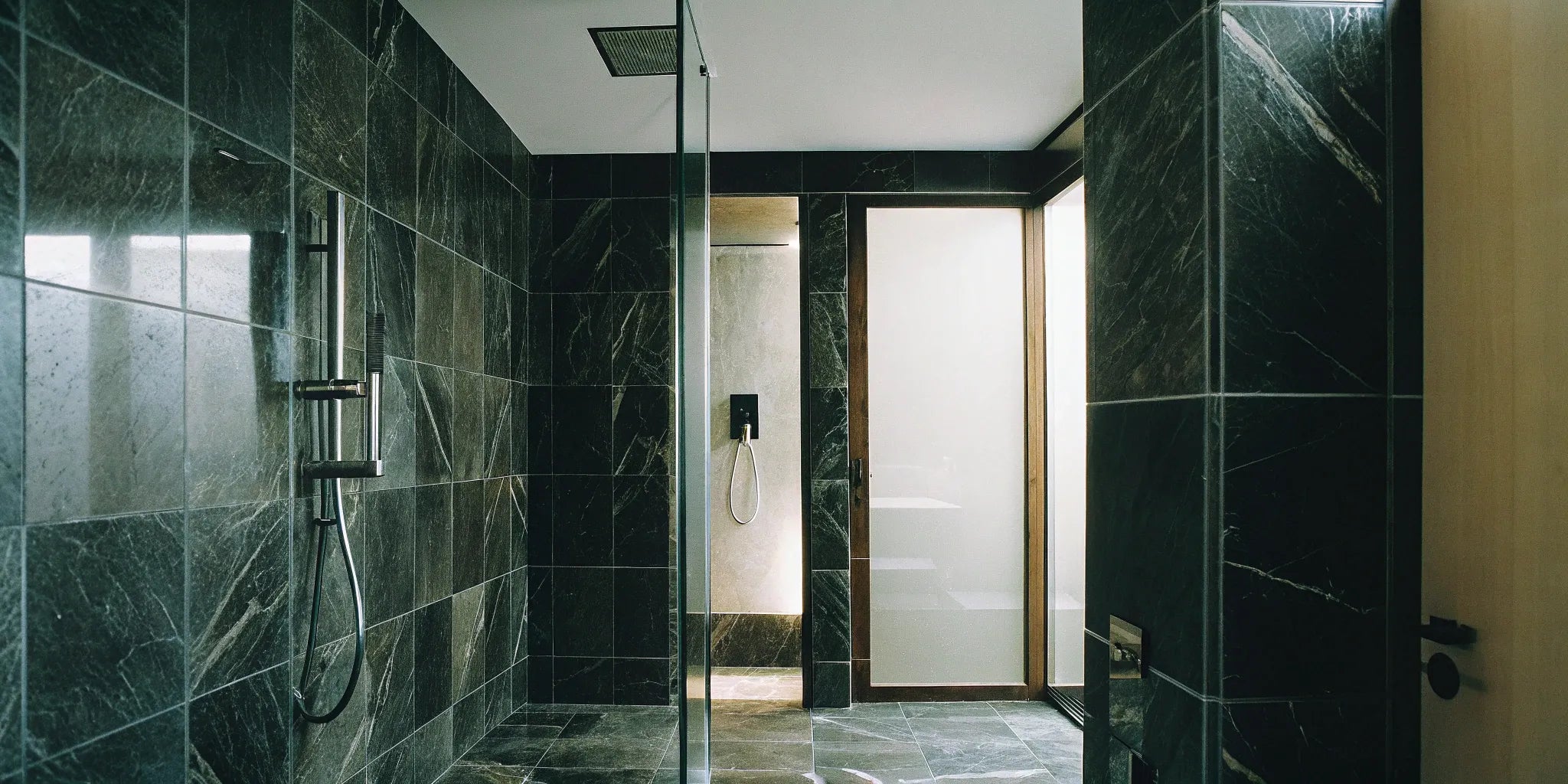
If you’ve ever admired a shower that looks like it was carved from a single, stunning piece of stone, you were likely looking at large format porcelain walls. These are essentially oversized porcelain tiles or slabs used to cover shower surfaces, creating a clean, high-end look with very few grout lines. Instead of a grid of small tiles, you get expansive, continuous surfaces that make any bathroom feel more spacious and luxurious. This approach is becoming incredibly popular in modern bathroom design for its sleek appearance and practical benefits.
What Makes Porcelain So Durable?
Porcelain's incredible strength comes from its manufacturing process. It’s made from a very fine, dense clay that is fired at extremely high temperatures. This process makes the material exceptionally hard, non-porous, and resistant to just about everything. Because it’s so dense, it has a very low water absorption rate—typically less than 0.5%—which is why it’s a perfect choice for wet environments like showers. It won't soak up water, which prevents mold and mildew from growing behind the walls. This same toughness also makes it highly resistant to scratches, stains, and chipping, ensuring your shower walls look pristine for years. When you choose high-quality porcelain tiles, you're investing in a surface that combines beauty with long-lasting performance.
How Big Is a "Large Format" Tile?
So, what exactly counts as "large format"? The industry standard is pretty straightforward: any tile with at least one edge measuring 15 inches or longer falls into this category. It’s less about the overall square footage and more about the scale of a single piece. This definition covers a wide range of shapes, from large squares to long rectangular planks. These bigger dimensions are what allow you to cover a significant area with just a few tiles, which is the key to achieving that seamless, modern aesthetic. Using large porcelain tiles and slabs is a design choice that makes a big impact.
A Guide to Common Sizes and Dimensions
You’ll find large format tiles in a variety of impressive sizes. Some of the most common dimensions include 24x48 inches, 36x36 inches, and even larger slabs that can cover an entire wall from floor to ceiling. Rectangular options like 12x48 inches are also popular for creating different patterns. The size you choose often depends on the scale of your bathroom and the look you’re going for. Larger tiles can make a small shower feel bigger by reducing visual clutter, while massive slabs offer the ultimate statement in a primary bathroom.
Exploring Styles, Finishes, and Textures
One of the best parts about choosing porcelain is the sheer variety of designs available. You can get the stunning look of marble, the industrial feel of concrete, or the warmth of wood without the maintenance headaches that come with those materials. The finishes range from high-gloss polished, which reflects light and makes a space feel bright and glamorous, to a subtle matte or textured finish that offers a more organic, understated look. This versatility means you can find the perfect porcelain panel to match any design vision, from ultra-modern to classic luxury. It’s a design choice that truly makes a statement while offering the superior performance and durability porcelain is known for.
Large Format vs. Traditional Tile: What's the Difference?
The biggest difference between large format and traditional tiles comes down to the grout lines. A standard 12x12 inch tile installation will have a lot of grout, creating a busy grid pattern. With large format tiles, those grout lines are drastically reduced. This creates a smooth, uninterrupted surface that looks clean and sophisticated. Fewer grout lines also mean less scrubbing and maintenance, which is a huge win for any homeowner. This shift away from grid-like patterns is perfect for anyone wanting a minimalist design that pairs beautifully with modern plumbing fixtures.
Are Large Format Porcelain Shower Walls Worth It?
Deciding on the right tile for your shower is a big deal. It impacts the look, feel, and long-term maintenance of your bathroom. Large format porcelain tiles are a popular choice for good reason, but they aren't the perfect fit for every project. They can create a stunning, modern look with minimal upkeep, but they also come with specific installation requirements and costs. Understanding both sides of the coin is key to making a choice you’ll be happy with for years to come. Let's walk through the key benefits and drawbacks to help you make an informed decision for your home or client project.
Benefit: Say Goodbye to Grout Scrubbing
If you’ve ever spent a Saturday scrubbing grout, this benefit is for you. Traditional small tiles mean a grid of grout lines that can trap soap scum, dirt, and mildew. With large format tiles, you drastically reduce the amount of grout in your shower. Fewer lines mean less surface area for grime to build up, making cleaning much faster and easier. This is one of the biggest practical advantages and a major reason homeowners love this style. You get to spend more time enjoying your beautiful shower and less time maintaining it.
Benefit: Achieve a Seamless, Spa-Like Look
Large format tiles create a stunning, high-end aesthetic. Because there are so few grout lines to break up the visual flow, the walls look like continuous, solid surfaces. This gives your shower a clean, seamless, and modern appearance that can make the entire bathroom feel more spacious and luxurious. Whether you choose a tile that mimics natural marble, concrete, or a solid color, the effect is always sophisticated. Using large, stunning porcelain tiles and slabs can turn a simple shower into a true design centerpiece.
Benefit: Get Unbeatable Water Protection
Porcelain is known for its low water absorption rate, making it an ideal material for wet environments like showers. The real advantage of large format tiles, however, comes back to the grout. Grout is the most vulnerable point in a tiled wall for water penetration. By minimizing grout lines, you reduce the potential points of failure and create a more watertight surface. This inherent durability helps protect the underlying structure of your walls from moisture damage, ensuring your shower stays beautiful and functional for years to come.
Drawback: The Initial Investment Is Higher
While the benefits are significant, they often come with a higher price tag. Large format tiles can be more expensive per square foot than standard tiles. The costs don't stop there; their size and weight also increase shipping and handling fees. Installation is more labor-intensive, often requiring two or more installers to handle the heavy slabs safely. This complexity adds to the labor costs. For contractors and builders, it's important to factor these expenses into your project budget. Trade professionals can often access bulk discounts to help offset some of the material expense.
Understanding Material Costs: Tile vs. Slabs
When you're budgeting for a shower remodel, it helps to have some real numbers. Generally, you can expect large format porcelain slabs for a shower to cost between $50 and $120 per square foot, a price that often includes professional installation. The final cost within this range depends on the specific slab you choose. High-end brands, intricate designs that mimic rare marble, or exceptionally large slabs will naturally fall at the higher end of that spectrum. These premium options cost more to produce and require specialized handling and transport, which is reflected in the price.
Factors That Influence the Final Price
The price of the porcelain slab itself is just one piece of the puzzle. The complexity of your shower design plays a huge role in the total cost. If your shower has a unique shape, curved walls, or requires numerous precise cuts, the labor costs will increase. Adding custom features like built-in shelves, benches, or niches also adds to the final price, as they require more time and skill to integrate seamlessly. It’s always a good idea to get a detailed quote from your installer that separates material costs from labor so you can see exactly where your money is going.
Cost Comparison with Other Materials
It's helpful to compare porcelain to other high-end materials to see its true value. Natural marble, for example, typically costs more, running from $70 to $200 per square foot installed. Beyond the initial price, marble is a porous stone that requires regular sealing and careful cleaning to prevent stains and water damage. Porcelain, on the other hand, gives you that coveted stone look without the demanding upkeep. By choosing from a collection of quality wall panels, you invest in a material that saves you money and effort on maintenance over the long term.
Drawback: Your Walls Must Be Perfectly Flat
You can't just stick large format tiles onto any wall. The substrate—the surface they are being installed on—must be perfectly flat and level. Unlike small tiles that can conform to minor imperfections, a large tile will not. Any dips or bumps in the wall can create hollow spots under the tile, leading to a poor bond and a high risk of cracking down the line. Achieving this level of flatness often requires extra prep work, like applying a skim coat of mortar, which adds time and cost to the installation process.
Drawback: Heavy Tiles Require Professional Handling
The sheer size and weight of these tiles present a logistical challenge. They are difficult to transport, carry, and position on the wall. This isn't just an inconvenience; it requires careful planning and strength to avoid damaging the tiles or causing injury. Installers also need to use specialized, high-performance adhesives strong enough to hold the heavy tiles in place without sagging. This is typically not a beginner-friendly DIY project. For a secure and lasting installation, it’s often best to rely on experienced professionals who have the right tools and techniques.
Addressing Concerns About Tile Weight
It’s a completely valid question: can my walls actually support these massive tiles? The weight of large format porcelain is a significant factor, not just for the wall structure itself, but for the entire installation process. These slabs are heavy and awkward to handle, making installation a job that almost always requires a team of at least two professionals. They need the right equipment and strength to move and position the tiles without causing damage or injury. While most modern wall construction is strong enough to bear the load, it’s always a good idea to have a professional assess the situation, especially if you're working on an older home.
The tile's weight also dictates the type of materials you must use. You can't grab just any adhesive off the shelf; you need a high-performance, non-sag thin-set mortar specifically designed for large and heavy tiles. This specialized mortar ensures the tile grips the wall immediately and doesn't slide down before it has a chance to set properly. This is another reason why professional installation is so important. An experienced installer will know exactly which products to use to ensure your gorgeous porcelain slabs are securely bonded to the wall for good.
How to Choose the Perfect Large Format Porcelain Tile
Okay, you’re sold on the idea of large format tiles for your shower. Now comes the exciting part: picking the perfect ones. With so many options out there, it’s easy to feel a little overwhelmed, but I’ve got you. Choosing the right tile goes beyond just finding a color you love. You’ll want to think about how it performs in a wet environment, how it fits your bathroom’s style, and the practical details of its size and weight. Getting these details right from the start ensures your new shower will not only look incredible but will also be a durable, low-maintenance retreat for years to come.
Think of it like choosing the perfect outfit for a big event. You want something that looks amazing, but it also needs to be comfortable and appropriate for the occasion. Similarly, your shower tile needs to be beautiful, but it also has to be tough enough to handle daily use. We'll cover everything from technical specs like water absorption to design elements like color and pattern. By the end of this section, you'll have a clear checklist to help you select your tiles with total confidence, knowing you've considered every important angle. Let’s walk through the five key things to consider.
Check for Quality and Water Absorption Ratings
First things first, let’s talk technical. For a shower, you need a tile that can handle constant exposure to water. This is where porcelain shines. It’s fired at higher temperatures than standard ceramic, making it denser and far less porous. You’ll want to look for tiles with a water absorption rate of 0.5% or less, which is the industry standard for porcelain. This ensures moisture won’t seep into the tile, preventing issues down the road. Also, check for quality certifications. A high-quality tile will be more uniform in size and shape, which is critical for achieving those clean, minimal grout lines that make large format tiles so appealing.
Why a Slip-Resistant Finish Is a Must-Have
While slip resistance is most critical for shower floors, the finish on your wall tiles still matters a great deal. A high-gloss, polished finish can look incredibly sleek, but it will also show every water spot and soap splash, meaning more frequent cleaning. A matte or textured finish, on the other hand, is much more forgiving and can add a lovely sense of depth and warmth. If you’re planning to use the same tile on your shower floor for a cohesive, floor-to-ceiling look, then choosing a tile with a good slip-resistant rating is non-negotiable for safety. Many large format collections offer different finishes for the same design, allowing you to get the best of both worlds.
Find a Style That Complements Your Bathroom
This is where your personal style comes into play. Are you dreaming of a serene, spa-like escape or a bold, dramatic statement? Large format tiles can do it all. Designs that mimic natural materials like marble, concrete, or stone are incredibly popular because they offer a high-end look without the maintenance. You can find beautiful porcelain tiles and slabs in a wide range of modern neutral colors that create a calm and timeless backdrop. Before you commit, always get samples. See how the tile looks in your bathroom’s unique lighting at different times of day. This simple step can save you from making a costly design mistake.
Don't Forget to Check Tile Thickness and Weight
Large format tiles are big, and that means they’re also heavy. This is a crucial practical consideration, especially for wall installations. A standard tile might be around 8-10mm thick, but larger, thicker slabs can weigh significantly more. Before you fall in love with a specific tile, you need to confirm that your wall can support its weight. Your contractor will need to ensure the wall substrate is perfectly flat, stable, and properly prepared to handle the load. Discuss the tile’s specifications—its thickness and weight per square foot—with your installer early on. They can tell you if any extra wall reinforcement is needed to ensure a safe and secure installation that will last.
How to Pick the Right Color and Pattern
The color and pattern of your tile will define the entire look of your shower. Lighter colors like soft whites, grays, and beiges can make a smaller bathroom feel more open and airy. If you have a larger space or want to create a focal point, a darker tile or one with a bold, dramatic pattern can be stunning. For tiles that mimic natural stone, pay attention to the veining. Look for options with varied patterns to create a more authentic, natural look. It’s a great idea to lay out a few tiles before they’re installed to plan how the pattern will flow across the wall, ensuring a seamless and high-end finish.
Your Guide to Installing Large Format Shower Walls
Installing large format porcelain requires precision and the right approach. Because these tiles are heavier and cover more surface area, there’s less room for error than with smaller, traditional tiles. Whether you’re a seasoned contractor or a hands-on homeowner, following these key steps is essential for achieving a professional, long-lasting finish that looks incredible. From preparing the walls to choosing the right materials, each stage plays a critical role in the final outcome.
Should You DIY or Hire a Pro?
Deciding whether to install the tiles yourself or bring in a professional is the first major choice you’ll make. If you have extensive tiling experience, the right tools (including a large wet saw and leveling system), and a lot of patience, a DIY installation is possible. However, large format tiles are heavy, difficult to handle, and unforgiving of mistakes. A professional installer has the expertise to ensure walls are perfectly flat, manage the weight of the tiles, and achieve those clean, minimal grout lines. It’s important to honestly assess your skill level before you begin. For most people, hiring a pro is a worthwhile investment for a flawless result.
Prepping Your Walls for a Flawless Finish
You can’t install large format tiles on an uneven wall. Because of their size, any dips or bumps in the surface will create hollow spots, prevent proper adhesion, and can even cause the tiles to crack over time. Proper surface preparation is the most critical step. This means tearing the wall down to the studs and installing a cement backer board or a similar waterproof substrate. The surface must be perfectly plumb, flat, and clean before you even think about mixing your mortar. Taking the time to get this right ensures your tiles will lay flat and look seamless, giving you that high-end finish you’re looking for.
Choosing the Best Adhesive and Grout
The adhesive you use is just as important as the tile itself. Large format tiles are heavy and require a special mortar to hold them in place without sagging. Look for an adhesive specifically labeled as a large-and-heavy-tile (LHT) mortar. This type of mortar is stickier and designed to provide full coverage on the back of the tile, which is essential for a strong bond. When it comes to grout, choose a high-performance, stain-resistant option like an epoxy or single-component grout to keep those minimal lines looking clean and free of mildew in a wet environment.
Why Polymer-Modified Thinset Is Essential
When you're working with heavy, large format tiles, not just any thinset will do. You need a polymer-modified thinset, which is a high-performance mortar with latex additives mixed in. Think of it as the super glue of the tile world. These polymers give the adhesive a much stronger grip, which is absolutely essential for preventing heavy tiles from sagging down the wall during installation. This superior bond also ensures the tiles stay put for the long haul, reducing the risk of cracks caused by a weak connection to the wall. Using the right adhesive is a critical step that protects your investment and ensures the final result is as durable as it is beautiful.
Beyond pure strength, these polymer additives offer another key advantage: they help the thinset cure properly. The polymers slow down the drying process, allowing the water in the mix to fully hydrate the cement particles. This slow, controlled cure is what creates a denser, more resilient bond. It also gives the finished mortar a bit of flexibility, which is a huge plus. This slight elasticity helps it absorb tiny movements from the house settling or temperature changes, making your tile installation much more resistant to cracking over time. It’s this combination of strength and resilience that makes polymer-modified thinset the industry standard for demanding jobs like a shower wall.
Why Waterproofing Is Non-Negotiable
A beautiful tile job is worthless if water gets behind it and destroys your walls. Waterproofing is a non-negotiable step for any shower installation. After installing the cement backer board, you must apply a liquid or sheet waterproofing membrane over the entire surface, paying special attention to seams and corners. This creates a continuous, impermeable barrier that protects the wall cavity from moisture. Skipping this step can lead to mold, rot, and structural damage that is incredibly expensive to fix. Don’t cut corners here—your shower’s longevity depends on it.
Common Installation Mistakes to Avoid
The biggest mistake is underestimating the challenge. As one discussion points out, large format tile requires specialized tools and meticulous prep work. A common error is not achieving full mortar coverage on the back of the tile, which creates hollow spots and weak points. Always "back-butter" each tile by applying a thin layer of mortar before setting it on the wall. Another frequent issue is failing to use a tile leveling system. These clips and wedges hold the tiles perfectly flush with each other while the mortar cures, preventing "lippage" where one tile edge is higher than its neighbor.
Using the Wrong Tools and Layout
One of the quickest ways to compromise a beautiful tile job is by using the wrong equipment. Large format tiles demand specialized tools, and there's no getting around it. You'll need a large wet saw with a sliding table to make long, clean cuts without chipping the delicate edges; a standard tile cutter simply won't work. Equally important is a tile leveling system. These clips and wedges are non-negotiable for preventing lippage—that annoying instance where one tile edge sits higher than its neighbor. Finally, don't just start sticking tiles on the wall. A proper layout plan is essential. You should map out your tile placement beforehand to ensure a balanced, professional look and minimize awkward cuts in visible areas.
Forgetting to Support Heavy Tiles
The weight of large format tiles is a serious consideration that can't be ignored. As noted in installation guides, their sheer size presents a logistical challenge that requires careful planning to avoid damage or injury. Each tile needs to be fully supported while the mortar cures, which can take 24 hours or more. Many professional installers use a temporary ledger board screwed to the wall to support the first row, and they rely on high-quality LHT mortar and leveling clips to hold everything else securely in place. Attempting to install these heavy slabs without the right support system can lead to sagging, poor adhesion, and a completely failed installation.
Overlooking Manufacturer Warranties
Every box of tile comes with installation guidelines for a reason. Manufacturers specify the exact types of adhesive, grout, and surface preparation needed to ensure their product performs as expected. Ignoring these instructions by using a cheaper, non-approved mortar or failing to waterproof correctly can void the tile's warranty. This leaves you with no recourse if a product defect appears later on. Before you begin, take a few minutes to read the technical data sheet for your specific porcelain tile. Following the manufacturer's recommendations is the best way to protect your investment and ensure your beautiful new shower stands the test of time.
Caring for Your New Maintain Your Porcelain Shower Walls
One of the best features of porcelain is how incredibly low-maintenance it is. Its non-porous surface resists moisture, stains, and bacteria, making it a perfect choice for a shower. But even the toughest materials benefit from a little routine care. Following a few simple steps will ensure your beautiful porcelain shower walls stay in pristine condition for years, keeping that just-installed look without requiring hours of scrubbing.
Your Simple Daily Cleaning Checklist
The most effective way to keep your porcelain shower looking great is with a quick, daily habit. After each shower, take 30 seconds to wipe down the walls with a squeegee or a microfiber cloth. This simple action removes water droplets before they can evaporate and leave behind soap scum and mineral deposits. By preventing this buildup from the start, you drastically reduce the need for deep cleaning later on. It’s a small investment of time that pays off by keeping your shower sparkling clean with minimal effort.
How to Care for Grout and Tiles Long-Term
Because large format tiles have minimal grout lines, you already have a major advantage in long-term care. With fewer grout lines to clean, there are fewer places for grime and mildew to accumulate. For periodic cleaning, all you need is a gentle, pH-neutral cleaner and a soft sponge or cloth. Avoid using abrasive powders, steel wool, or harsh chemical cleaners, as they can scratch the tile’s surface or damage the grout over time. A simple cleaning solution and gentle wipe-down once a week is plenty to maintain your porcelain tiles and slabs.
How to Prevent Stains and Mineral Buildup
If you live in an area with hard water, you may notice a chalky white film on your shower walls over time. This is mineral buildup, and the best way to fight it is proactively. Installing a water softener for your home is a great long-term solution. For a more immediate fix, you can use a daily shower spray designed to neutralize mineral deposits. These sprays create a protective barrier that prevents minerals and soap scum from sticking to the porcelain, making your daily squeegee routine even more effective.
What to Do About Minor Chips and Scratches
Porcelain is known for its strength and durability, but in a busy household, accidents can happen. If you notice a small chip or scratch, don’t worry. Minor damage can typically be fixed with a porcelain chip repair kit, which you can find at most home improvement stores. These kits include a filler and a color-matched glaze that make the repair nearly invisible. The seamless look of large porcelain slabs also works in your favor here, as a small, repaired spot is much less noticeable on a continuous surface than it would be on a wall with a busy grid of small tiles.
Where to Buy Quality Large Format Porcelain
Start Your Search with USA Builders Depot
Finding the right tile can feel overwhelming, but starting with a curated collection makes all the difference. USA Builders Depot offers a fantastic range of large format porcelain slabs that work for almost any design vision. Collections like the elegant Ariston White or the subtly textured Sandy Grey Cream are perfect for creating stunning, high-end shower walls. For a truly impressive look, their Maximo porcelain slabs deliver both incredible aesthetics and the durability you need for a wet environment. Exploring a supplier with a diverse, high-quality selection is the best first step to finding the perfect material for your bathroom renovation.
How to Compare Different Tile Suppliers
When you're shopping around for porcelain slabs, it’s smart to compare more than just the price. Look at the variety of styles, colors, and finishes each supplier offers. A wide selection means you’re more likely to find exactly what you envision for your space. Beyond the product itself, pay attention to the level of customer support and the quality of product information available. A good supplier provides detailed specs and is ready to answer your questions. Having access to a comprehensive collection helps you see what’s possible and make a choice you’ll be happy with for years to come.
Ask About Trade and Bulk Discounts
If you’re a contractor, designer, or handling a large-scale renovation, don’t forget to ask about special pricing. Many suppliers, including USA Builders Depot, offer trade programs and bulk discounts that can significantly reduce your material costs. This is especially helpful when you’re sourcing materials for multiple bathrooms or an entire property. Taking a few minutes to fill out a trade application can lead to major savings, freeing up your budget for other parts of the project. It’s a simple step that professionals should always take advantage of to maximize their bottom line.
What to Look for in a Supplier
Ultimately, you want to partner with a supplier you can trust. Prioritize companies known for quality, reliability, and excellent customer service. A reputable supplier will be transparent about their materials, like the durable and beautiful Maximo porcelain slabs, and will stand behind their products. Before committing, check reviews and see if you can get samples to confirm the color and texture in your own space. Choosing a reliable supplier ensures you not only get a beautiful product but also have a smooth purchasing and delivery experience from start to finish.
Related Articles
- Porcelain Slab Shower: Your Ultimate 2025 Guide
- 4 Best Places to Buy Porcelain Slabs for Shower Walls
- Porcelain Slab Shower Walls: A Buyer's Guide