How to Choose Bathroom Vanity Lighting: A Pro Guide
Good bathroom vanity lighting helps you see comfortably at the mirror and complements the room’s finishes. Start with the people using the space, the mirror layout and the available electrical locations, then compare the fixture’s light output, color characteristics and installation requirements.
Explore USA Builders Depot lighting and use the planning checks below before choosing a fixture.
Plan light around the face and mirror
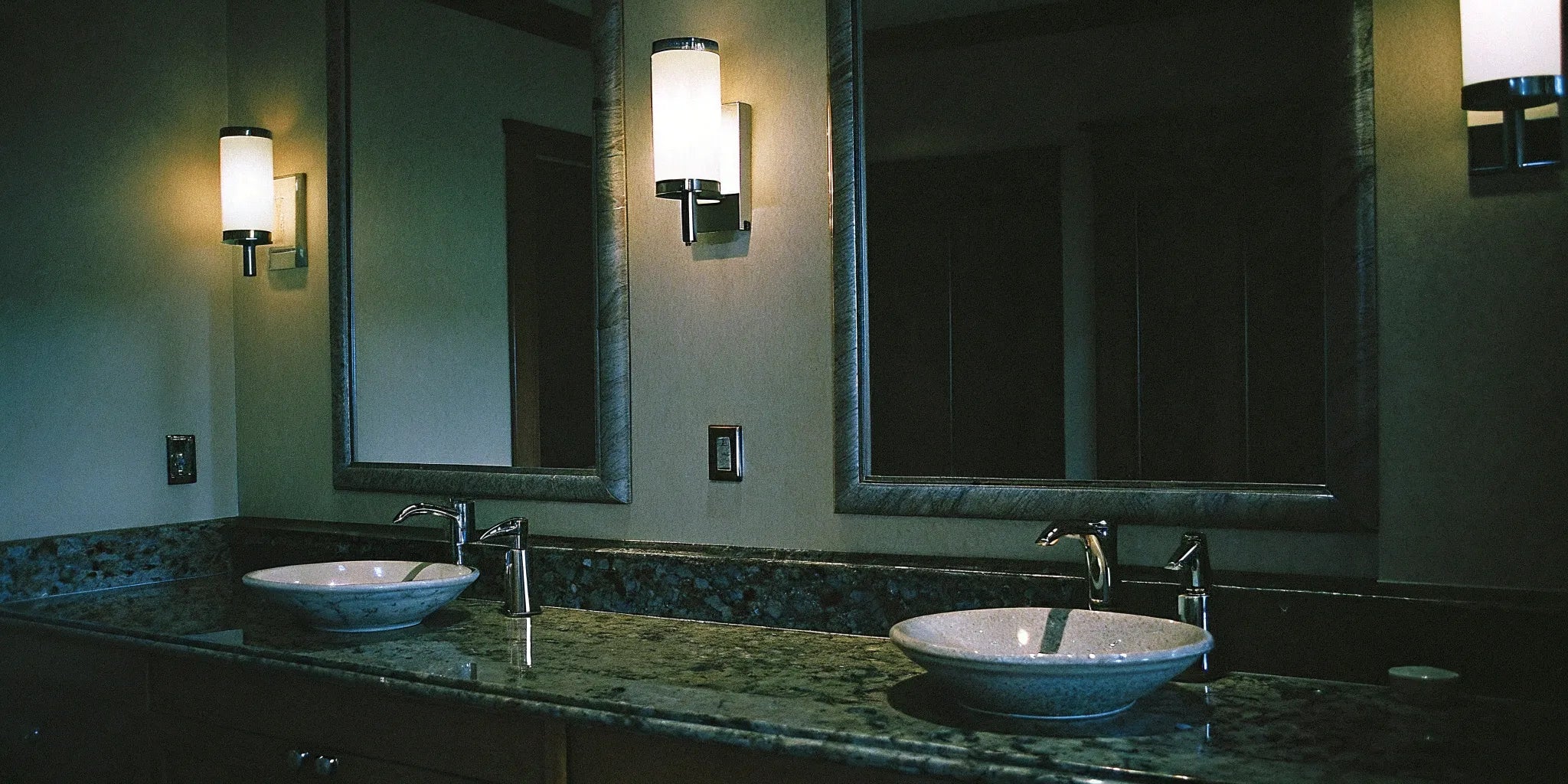
Side sconces can help illuminate the face from both directions. An above-mirror fixture may suit a narrower wall or existing wiring. Neither arrangement guarantees a shadow-free result: the shade, light distribution, mounting position and user’s height all matter.
Mock up the fixture positions against the mirror before finalizing electrical locations. Check reflections, glare and whether cabinet doors can open fully. For a double vanity, assess each mirror position separately rather than assuming one central fixture serves both equally well.
Plan general room lighting alongside the vanity’s task lighting. Separate controls can make the room more flexible, but your electrician should confirm the wiring and compatible equipment.
Measure the fixture, not just its visual width
Record the vanity and mirror widths, ceiling height and space beside and above the mirror. Compare the fixture’s full dimensions, including its projection, shade size and mounting plate. A light that looks proportional in a photograph may crowd a medicine cabinet or fail to cover an existing mounting location.
Rules such as choosing a light three-quarters of the mirror width are design starting points, not installation requirements or guarantees of useful light. Choose the final size and height using the fixture instructions, room layout and intended users. Confirm approved mounting orientation before assuming a fixture can face up or down.
Separate brightness, color temperature and color rendering
Compare lumen output rather than using wattage alone to judge brightness. Room size, wall finishes, daylight, fixture distribution and other lighting affect how much useful light reaches the vanity. An exposed bright source can create glare even when the room still feels poorly lit.
Color temperature, expressed in kelvins, describes the appearance of the light. Color rendering describes how objects appear under it; they are different characteristics. A 3000K label alone does not guarantee accurate skin tones. The Department of Energy’s LED overview explains this distinction and color-rendering metrics such as CRI.
Compare the available color temperatures with your tile, paint and countertop samples. Keep nearby light sources visually coordinated where possible, and request the product’s color-rendering specification if grooming or makeup lighting is a priority.
Check the light source and dimmer compatibility
Fixtures with replaceable bulbs let you select a compatible lamp within the manufacturer’s specifications. Integrated LED fixtures have a built-in light source; ask about serviceability, replacement components and warranty support before buying.
“LED” does not automatically mean dimmable. Confirm that the fixture or lamp supports dimming and that its driver or lamp is compatible with the proposed dimmer. Review any manufacturer compatibility list with your electrician. Smart controls also need explicit compatibility rather than an assumption based on the fixture’s appearance.
Confirm suitability for the actual installation location
Check the fixture’s listing, location marking and installation instructions with your electrician. Do not assume every light in a lighting collection is suitable for every bathroom location. Proximity to water, the intended mounting position and applicable local requirements must be considered.
An IP designation is not the same as complete installation approval, and not every fixture is described using an IP rating. For fixtures near a shower or tub, have the electrician confirm the required suitability and clearances before purchase. Use a qualified electrician for electrical installation and any changes to the existing wiring.
Coordinate finishes and follow the care instructions
Compare lighting finishes with your faucets and bathroom hardware. Names such as brushed gold, brass and champagne can describe different colors and surface treatments across brands. Review samples or current product images together rather than expecting identical names to guarantee a match.
Follow the manufacturer’s cleaning and lamp-replacement instructions. Let the fixture cool and follow its power-isolation instructions before maintenance. Use only compatible replacement lamps within the stated limits; ask about approved service options for integrated LEDs. Retain the model details, receipt and warranty information.
Bring these details to your lighting inquiry
- Vanity, mirror and available wall dimensions.
- Existing electrical locations and proposed fixture arrangement.
- Preferred finish, light output and color characteristics.
- Required location suitability and mounting orientation.
- Bulb or integrated LED details, dimmer compatibility and service options.
Contact USA Builders Depot to confirm product details and availability. Showroom visits are by appointment only. Bring your measurements and finish references so you can compare lighting options for your space.