
🔄
Skip to content

Cart

Your cart is empty

Article: Metal Frame Window: What to Know Before You Buy

Old metal casement window with a black frame and vintage latch.

Metal Frame Window: What to Know Before You Buy

There's something special about a salvaged window, right? It brings a story and a piece of history right into your home. But let's be real—that romantic idea can fade fast when you're dealing with a drafty, single-pane window. This is the classic dilemma with an old metal frame window: do you go for authentic vintage charm, quirks and all? Or do you choose a modern reproduction that promises better performance? This guide breaks down both paths, showing you where to find beautiful reclaimed windows and how to source new, high-performance steel windows that deliver that timeless look without sacrificing modern comfort.

Key Takeaways

  • Prioritize Performance or Patina: Steel windows offer incredible durability and a timeless look, but older, single-pane versions can be inefficient. Decide if the authentic character of a vintage window outweighs the thermal performance and modern engineering of a new one.
  • Do a Quick Quality Check: Before buying a salvaged piece, look for deep rust, warped frames, or cracked glass. Test the latches and cranks to confirm all the hardware works smoothly, as finding replacement parts can be a challenge.
  • Budget for Long-Term Value: Steel windows typically have a higher upfront cost than vinyl or aluminum, but their durability makes them a lasting feature. A simple maintenance routine of cleaning the frames and touching up paint will prevent rust and protect your investment for years to come.

What Makes Metal Frame Windows a Classic Choice?

If you’ve ever admired the elegant, thin lines of windows on a historic building, chances are you were looking at old metal frames. These windows, particularly those made of steel, became popular for their incredible durability and fire-resistant qualities. They allowed for larger panes of glass and slimmer frames than wood could support, flooding interiors with natural light and creating a distinct architectural style that’s still loved today. You'll find them in everything from industrial warehouses converted into lofts to charming Tudor-style homes and grand Art Deco structures. They are a hallmark of heritage buildings, valued for their strength and timeless design that complements a wide range of architectural styles.

While the term "metal frame" can include materials like aluminum or bronze, classic steel windows are often what people picture when they think of this style. Their slim profile is almost impossible to replicate with other materials, offering unobstructed views and a sophisticated feel. The good news is you don't have to hunt through a salvage yard to get this look. Modern manufacturers now create high-performance steel windows that capture this historic charm while meeting today's standards for energy efficiency and performance. This means you can get that sought-after, classic aesthetic without sacrificing the comforts of a modern home.

Steel or Aluminum: Which Metal Is Right for You?

When you're looking at metal windows, the two main players are steel and aluminum. Let's break down the key differences. Steel is the stronger of the two—by a long shot. This strength allows for incredibly slender frames that can hold large expanses of glass, giving you that iconic, minimalist look. It’s also a top choice for security. Aluminum is lighter and generally less expensive upfront. However, steel’s durability often makes it a better long-term investment, especially in areas with harsh weather. The main trade-off has historically been energy efficiency, as metal conducts heat and cold. But modern steel windows often include thermal breaks to improve insulation, closing the performance gap. For a deeper dive, the National Park Service offers great resources on historic steel windows.

Strength and Sightlines

When it comes to sheer strength, steel is in a class of its own. It's significantly stronger than aluminum, and this structural advantage is what allows for the signature look of classic metal windows. Because the frames can be incredibly slender while still supporting large panes of glass, you get maximum light and minimal obstruction. This creates the clean, iconic sightlines that define so many architectural styles, from industrial to modern farmhouse. This strength also makes steel windows a superior choice for security, providing peace of mind without compromising on design. If your goal is to frame a beautiful view with an elegant, minimalist profile, steel is the clear winner.

Insulation and Thermal Performance

Let's address the big concern with metal windows: energy efficiency. Historically, metal has been a poor insulator because it conducts heat and cold easily. An old, single-pane steel window can definitely be drafty. However, modern engineering has solved this problem. High-quality contemporary steel windows are built with a "thermal break"—a piece of low-conductivity material placed between the interior and exterior parts of the frame. This barrier effectively stops temperature transfer, keeping your home warmer in the winter and cooler in the summer. This innovation means you no longer have to choose between timeless style and modern comfort, as today's steel windows can meet high-performance standards.

Why Their History and Craftsmanship Matter

Choosing metal frame windows is about more than just function; it's an appreciation for history and craftsmanship. These windows tell a story of architectural evolution, from the Art Deco movement to mid-century modernism. Their clean lines and simple elegance allow the view outside to take center stage. The enduring appeal lies in their ability to deliver more glass and less frame, a design principle that feels just as fresh today as it did a century ago. This timeless quality is why you see them in both historic preservation projects and brand-new modern homes. The same design principles that make vintage steel windows so beautiful are applied to complementary products like steel doors, creating a cohesive and sophisticated look throughout a property. It’s a style that honors the past while fitting perfectly into the present.

The "Crittall" Name

You'll often hear the name "Crittall" used to describe any steel-framed window, much like people say "Kleenex" for any tissue. While the term has become shorthand for the style, Crittall is actually the name of the British company that pioneered these windows back in the 1880s. They set the standard for quality and craftsmanship, and their innovative designs became so iconic that the brand name stuck. Their windows were known for being incredibly strong and reliable—so much so that they were even used on the Titanic. The Crittall brand represents a legacy of blending elegant design with industrial strength, which is why it remains a benchmark for quality in both historic restorations and modern architecture today.

Historical Construction Methods

So, what made these windows so revolutionary? It all came down to the material and the method. Early manufacturers used rolled steel to craft the frames. Unlike bulky wood frames, steel was strong enough to allow for incredibly thin profiles that could support large panes of glass. This innovation completely changed architectural design, letting more natural light into buildings and creating the clean, grid-like aesthetic we associate with the style. This construction also offered practical benefits that wood couldn't match, like superior durability and fire resistance. As detailed in this history of Crittall windows, these design principles became a hallmark of 20th-century architecture, influencing everything from factories to homes.

Understanding Steel: Frame Types and Options

Cold-Rolled vs. Hot-Rolled Steel

Not all steel is created equal, and the manufacturing process plays a big role in the final look and feel of your windows. The two main types you'll hear about are cold-rolled and hot-rolled steel. Think of cold-rolled steel as the refined, sleeker option. It’s processed at room temperature, which gives it a super smooth finish and extra strength. This allows for those razor-thin frames that maximize your view. Hot-rolled steel, on the other hand, is shaped at high temperatures. It’s more cost-effective and has a slightly rougher, more industrial character, making it a great fit for larger, structural applications where that raw aesthetic is part of the charm. Understanding the difference in these processes helps you align the material with your design goals.

Thermally Broken vs. Non-Thermal Frames

One of the biggest advances in modern steel windows is the thermal break. If you live anywhere with hot summers or cold winters, this is a term you need to know. A thermally broken frame has a barrier—usually a piece of reinforced polyamide—sandwiched between the interior and exterior steel pieces. This simple addition stops heat and cold from traveling through the metal, keeping your home more comfortable and your energy bills down. Non-thermal frames don't have this barrier, making them better suited for mild climates or interior spaces, like a partition wall or a wine cellar door. When you're investing in new steel windows, choosing a thermally broken option is one of the smartest ways to get that classic style with modern performance.

4 Metal Window Brands Worth Knowing

When you start shopping for metal frame windows, you'll notice a few names pop up again and again. Some are historic pioneers, while others offer modern takes on classic designs. Getting to know the key players can help you narrow down your search and find the perfect fit for your project's style and budget. Whether you're hunting for authentic vintage pieces or new windows with a timeless look, these are the brands that have made their mark on the industry. Each one brings something different to the table, from handcrafted luxury to reclaimed architectural gems and modern, high-performance solutions.

USA Builders Depot Steel Windows

For projects that require modern performance with a classic, minimalist aesthetic, it’s smart to work with a supplier that understands today’s building standards. USA Builders Depot offers a complete line of custom and standard steel windows engineered for strength, style, and security. Designed to complement their popular steel doors, these windows provide a cohesive look for both residential and commercial builds. As a one-stop shop for building materials, they simplify the sourcing process by also providing everything from wall panels to flooring, all with the convenience of fast nationwide shipping. This is a great option for contractors and homeowners managing a full-scale renovation.

Hope's Windows

If you're looking for top-of-the-line quality for a luxury home, Hope's Windows is a name you'll hear often. The company is a first choice for premium handcrafted steel and bronze windows and doors. They specialize in creating timeless designs that can unite old and new architecture, making them a favorite among architects working on high-end residential and historic restoration projects. Their work is known for its precision and elegance, offering a bespoke solution for those who want the absolute best in craftsmanship and materials for their homes.

Crittall Windows

The Crittall name is so iconic that it has become almost synonymous with steel windows. This historic brand has been manufacturing steel windows for over 150 years, and their designs have defined entire architectural movements. According to Historic England, you can sometimes identify an original Crittall window by looking for the maker's stamp on the brass hardware. For anyone seeking authentic, historically significant windows, Crittall is the benchmark. Their classic, slender frames are instantly recognizable and continue to be a popular choice for both period-style and contemporary homes.

Seekircher Steel Window Vintage Options

For those who love the character and story that comes with reclaimed materials, Seekircher Steel Window is a fantastic resource. They specialize in a large collection of vintage steel casement windows salvaged from historic buildings. These windows are perfect for renovations where you need to match existing period details or for new construction projects aiming for a unique, timeless beauty that only authentic vintage pieces can provide. Sourcing from a specialist like Seekircher ensures you get a quality piece of architectural history for your home.

Are Metal Frame Windows Right for Your Home?

Metal frame windows are a beautiful choice, but like any major design decision, it’s smart to look at the full picture. They bring a unique set of benefits and a few challenges to the table. Understanding both sides will help you decide if they’re the right fit for your home and your lifestyle. Let's break down what you can expect.

Why You'll Love Them: Durability, Security, and Style

One of the biggest draws of steel windows is their incredible strength. These windows are built to last for generations—it’s why you still see them in historic buildings. The slim-profile frames are deceptively strong, which means they can hold large panes of glass, giving you expansive views with minimal obstruction. This durability also translates to top-notch security. A sturdy steel frame is a formidable barrier, offering more peace of mind than many other materials.

Beyond their toughness, steel windows have a timeless aesthetic that works with almost any architectural style, from historic Tudors to modern industrial spaces. Their clean lines and minimalist look put the focus on the view outside, creating a seamless connection between your indoor and outdoor areas. This classic design has remained popular for a reason: it’s elegant, versatile, and simply doesn't go out of style.

Sustainability and Recyclability

If you're aiming to make environmentally conscious choices for your home, steel is an excellent option. It's one of the most recycled materials on the planet and can be repurposed again and again without losing its strength. This makes steel windows an eco-friendly choice that contributes to a circular economy, reducing landfill waste and the demand for new raw materials. By choosing steel, you're not just getting a durable product; you're investing in a material that supports sustainable building practices. It’s a simple way to ensure your renovation or new build is as green as it is gorgeous, aligning modern design with responsible material sourcing.

Built for Longevity

Steel windows are tough and can handle bad weather like wind, rain, sun, and snow, making them a feature that can last for generations. While they often have a higher upfront cost compared to materials like vinyl or aluminum, their incredible durability makes them a smart long-term investment. Think of it this way: you’re paying for a permanent feature of your home, not just a temporary fix. This resilience means less worry about warping, cracking, or needing replacements down the line. As one expert notes, their durability makes them a lasting feature that holds its value and performance for decades, protecting your investment and adding to your home's structural integrity.

What to Watch Out For: Energy Efficiency and Maintenance

Now for the practical considerations. The main drawback of older metal windows is energy efficiency. Metal is a natural conductor of heat and cold, so without modern thermal breaks, they can transfer temperatures from the outside in. If you live in a climate with extreme heat or cold, a vintage single-pane steel window might not be the most efficient choice for your energy bills. Modern steel windows have come a long way in addressing this, but it’s a key factor to consider when shopping.

You’ll also want to plan for a bit of upkeep. To keep them looking their best, you should inspect your windows regularly for any signs of rust. Light rust can often be removed by hand with a wire brush, but more significant corrosion might require professional help. Making sure the paint or protective coating is intact is the best way to prevent rust from forming in the first place.

The Issue of Weight

When you're comparing steel and aluminum, weight is a major factor. Steel is significantly heavier, and that heft is directly tied to its incredible strength. It’s what allows steel windows to support huge panes of glass with such slender, elegant frames—a look that’s hard to achieve with other materials. This strength also adds a serious layer of security. The trade-off is that the extra weight can make installation more complex, often requiring more labor. On the other hand, aluminum is lightweight, making it easier to handle and install, which can be a perk for your budget. However, as this comparison of steel versus aluminum explains, it doesn't offer the same structural robustness as steel, especially in harsh weather. Your choice really comes down to what you prioritize: the unmatched durability of steel or the easier installation of aluminum.

How Does the Cost Compare to Modern Windows?

When it comes to budget, there isn't a one-size-fits-all answer. The cost of metal frame windows depends on whether you’re buying new, custom, or salvaged vintage pieces. Generally, steel windows are a premium product and will have a higher upfront cost than standard vinyl or aluminum options. However, it’s important to think about long-term value, not just the initial price tag.

Think of it this way: while a basic window gets the job done, a high-quality steel window adds significant architectural character and curb appeal to your property. For many homeowners and builders, the investment is worth it for the durability, security, and unmatched style they bring to a project. The best choice ultimately comes down to your project goals, your aesthetic preferences, and how much you want to invest in your home’s features.

Popular Metal Frame Window Styles to Inspire You

One of the best things about metal frame windows is their versatility. They aren’t just a one-size-fits-all solution; they come in a variety of designs that can complement everything from a historic Tudor revival to an ultra-modern loft. The slim profile of the metal allows the glass to be the star of the show, creating clean lines and maximizing natural light. This minimalist frame is what gives them their signature look, allowing for larger panes of glass than many other window types. Whether you’re looking for something functional that opens wide to let in a breeze or a fixed statement piece that acts as a work of art, there’s a style that will fit your vision.

Choosing the right design is about balancing aesthetics with function. Think about the room’s purpose, the architectural style of your home, and how you want to feel in the space. Are you aiming for an open, airy vibe or a cozy, traditional feel? Do you need ventilation, or is the window purely for light and views? Answering these questions will help you narrow down your options. Let’s walk through some of the most popular designs to help you find the perfect match for your project. Each one offers a unique look and feel, giving you plenty of options to bring your ideas to life.

Steel Casement Windows

If you love a classic, timeless look, steel casement windows are a fantastic choice. These windows are hinged on one side and swing outward, usually with a crank or lever. This design allows them to open fully, providing excellent ventilation and an unobstructed view. Their simple, elegant lines work beautifully in a wide range of architectural styles, from charming cottages to stately traditional homes. Because of their enduring appeal, they are often used to match existing windows in renovations or to add a touch of classic character to new construction projects. They offer a perfect blend of vintage charm and modern functionality.

Art Deco and Geometric Designs

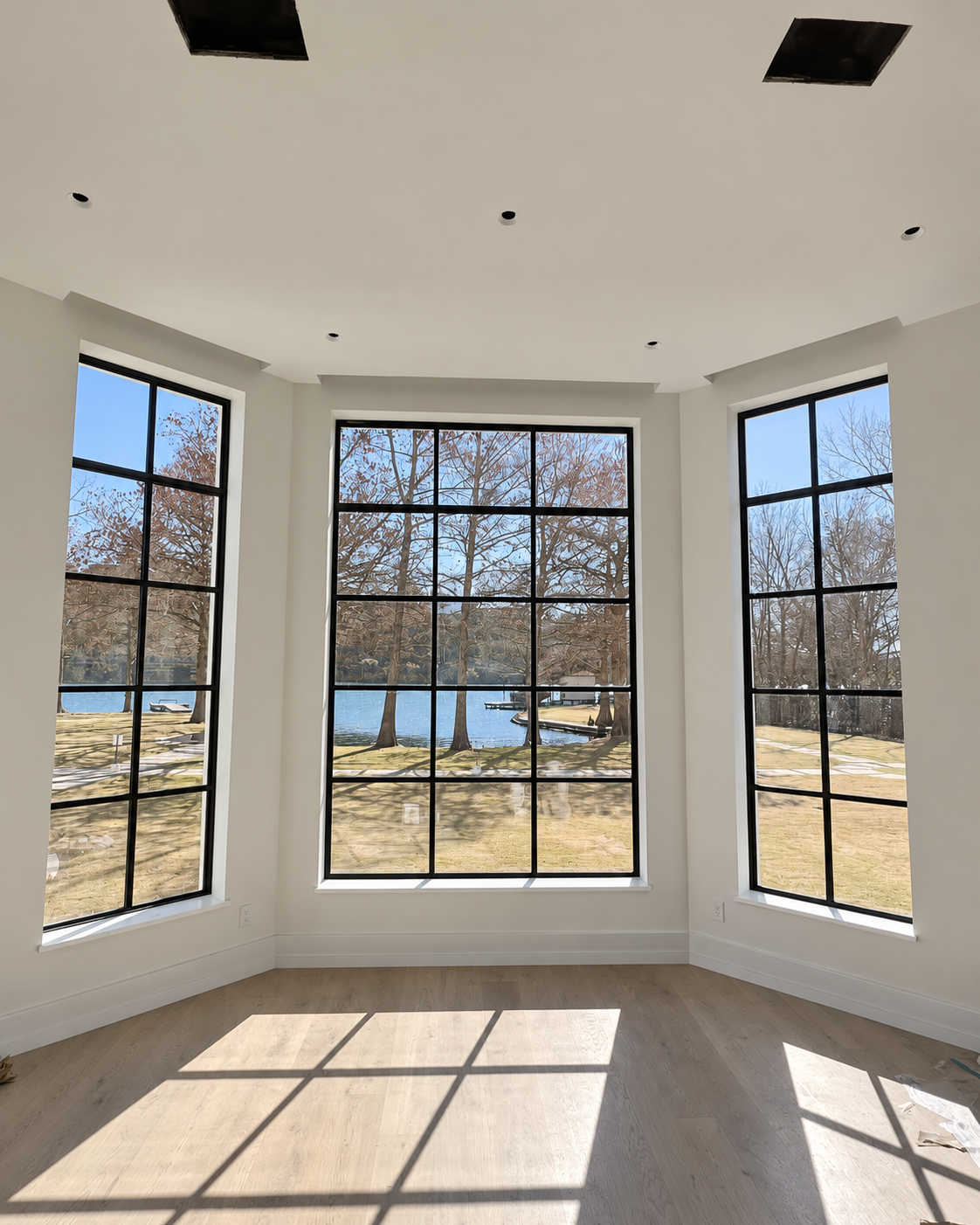
For those who want to make a bolder statement, metal frames are ideal for creating stunning geometric and Art Deco-inspired designs. Think beyond the standard rectangle. Steel can be crafted into elegant arches, circles, and other custom shapes that become a central feature of a room. These unique steel window designs can include pivot windows, bay windows, and classic French casements with intricate grid patterns. They are perfect for adding a touch of drama and personality to a space, whether you’re restoring a historic home or designing a distinctive modern residence. This style is all about turning your windows into an architectural focal point.

Industrial Factory-Style Windows

The industrial look is incredibly popular, and for good reason. Characterized by their dark frames and grid-like patterns (or muntins), these factory-style windows create a chic, minimalist aesthetic. They are perfect for open-concept living spaces, where they can be used to define different zones without closing them off. Many designers also use them as interior partitions or room dividers to create a "gallery of light." This style is a go-to for anyone looking to add an urban, modern edge to their home. The strong, clean lines of our steel windows are perfect for achieving this sophisticated, industrial-chic vibe.

Double-Hung and Fixed Panel Options

While casement and industrial styles get a lot of attention, don’t overlook the practicality of double-hung and fixed panel windows. Double-hung windows feature two sashes that slide up and down, offering flexible ventilation options. Fixed panels, also known as picture windows, don’t open at all. Their purpose is to frame a view and let in as much light as possible, making them ideal for living rooms or spaces with high ceilings. These styles can be used on their own or combined with operable windows. They can also feature beautiful details like antique leaded glass to add historic character while maintaining durability.

Awning Windows

Awning windows are another practical and stylish option. Hinged at the top, they open outward from the bottom, creating a small "awning" effect. This clever design is their biggest advantage: you can leave them open for ventilation even during a light rain shower without worrying about water getting inside. This makes them an excellent choice for rooms that need consistent airflow, like kitchens and bathrooms. They provide fresh air while offering protection from the elements, blending smart function with the clean, minimalist aesthetic of steel frames.

Key Features of Modern Steel Windows

While the classic styles are beautiful, you don't have to choose between historic charm and modern comfort. Today’s high-performance steel windows are engineered to meet current standards for energy efficiency and performance, giving you that sought-after aesthetic without the drafts. These windows combine the incredible durability and slim sightlines of classic steel with advanced features that make them a practical choice for any climate. From improved insulation to custom finishes, modern steel windows offer the best of both worlds.

Double-Pane Tempered Glass

One of the most significant upgrades in modern steel windows is the use of double-pane tempered glass. This feature enhances energy efficiency by creating an insulating barrier that reduces heat transfer, keeping your home warmer in the winter and cooler in the summer. It’s a must-have in climates with extreme temperatures. The "tempered" aspect means the glass is also much stronger and safer than standard glass, adding another layer of security to the already robust steel frame.

Custom Hardware and Finishes

Modern steel windows are far from a one-size-fits-all product. You can choose from a wide variety of custom hardware options and finishes to perfectly match your home’s style. Whether you prefer sleek, modern handles or more traditional latches, the hardware can be tailored to your taste. The frames themselves can be finished in various colors, allowing you to create a look that is either bold and contrasting or subtle and complementary. This level of customization ensures your new windows will enhance your property's overall aesthetic.

Where Can You Find Metal Windows (And What's the Cost)?

Finding the right metal frame windows for your project is part of the fun, but it helps to know where to look and what to expect financially. Whether you're hunting for a one-of-a-kind antique piece or ordering custom new ones, the sources and costs can vary quite a bit. Think of it as a treasure hunt where the prize is timeless style for your home. Let's break down where to find these windows and how to plan your budget so you can make a smart investment that you'll love for years to come.

Where to Find Vintage Gems: Salvage & Online Shops

If you love the character and history of authentic antique windows, your best bet is to start digging. Online marketplaces are a fantastic resource; you can often find a huge selection of antique steel windows on eBay, sometimes with great deals and even free shipping. Don’t forget to check out local architectural salvage yards, too. These places are goldmines for unique finds with a story. You might have to sift through a lot of inventory, but uncovering that perfect, weathered casement window feels incredibly rewarding. It’s a great way to add a piece of history to your home.

Buying New from Specialty Suppliers

When you need something new, custom-fit, or guaranteed to perform, working with a specialty supplier is the way to go. This route gives you the classic steel window look without the uncertainties of a salvaged piece. At USA Builders Depot, we offer a full line of modern steel windows engineered for today’s standards of strength and energy efficiency. You get that slim profile and timeless design, but with the benefits of new construction. Other suppliers, like Governor's Architectural Salvage, also carry a mix of new and reclaimed options, giving you plenty of choices to find the perfect fit for your project’s specific needs.

Typical Price Ranges for New Windows

Let's talk budget. New steel windows are an investment, and their price reflects their quality and durability. Generally, you can expect them to have a higher upfront cost compared to standard vinyl or aluminum options. It's helpful to think about the long-term value they bring to your home. Their strength means they won't need replacing for a very long time, and their timeless style adds significant curb appeal and character that can increase your property's value. The final cost will depend on factors like size, glass type, and any custom features you choose, but planning for a premium product is a good starting point.

In-Stock vs. Custom Order Availability

When you're ready to buy, you'll generally find two options: in-stock and custom orders. In-stock windows are pre-made to standard sizes, which can be a great choice if you're on a tight timeline and your project uses common dimensions. Custom orders, on the other hand, are made specifically for your project. This is the best route if you have unique measurements, an unusual architectural design, or want specific features. Working with a specialty supplier gives you the flexibility to get exactly what you need, ensuring a perfect fit and the classic steel window look without the compromises that can come with off-the-shelf products.

What Factors Into the Final Cost?

So, what should you budget for these windows? The truth is, it varies widely. The price depends on size, condition, complexity, and whether it's a vintage find or a new custom build. On marketplaces, you might find small parts or simple frames for under $150, with most windows falling in the $150 to $750 range. For larger, more ornate, or multi-pane antique windows, prices can easily exceed $750 and even reach into the thousands. For example, a large 20-pane vintage frame could cost around $2,500. Think of it less as a simple purchase and more as an investment in your home's architectural integrity and curb appeal.

Tips for Bulk Orders and Shipping

Don’t let shipping costs catch you by surprise. Steel windows are heavy, and freight can add a significant amount to your total, so always check the shipping details before you buy. While some online sellers offer free shipping, it’s not always the case for large items. If you’re a contractor or undertaking a large-scale renovation, look for suppliers that cater to trade professionals. We offer bulk discounts and have streamlined nationwide shipping to make managing large orders easier and more cost-effective. Planning ahead for logistics ensures your project stays on schedule and within budget.

Your Buyer's Checklist: What to Look For

So, you've found a potential winner. Before you commit, it's time to play detective. A thorough inspection can save you from headaches and unexpected costs down the road. Going through a quick checklist helps you assess the window's true condition and decide if it's the right fit for your project. It’s not just about looks; you need to check for structural integrity, functionality, and how it will perform once installed. This small bit of due diligence ensures you’re making a smart investment that will look great and last for years.

Inspect the Frame for Rust and Damage

First up, get a good look at the frame itself. A little bit of surface rust isn't necessarily a deal-breaker. In many cases, light rust can be removed by hand with a wire brush or sandpaper. What you really need to watch out for is deep, flaky corrosion that might compromise the frame's strength. Also, check for any bends, dents, or warping, as this can make installation tricky and affect how the window operates. If you see severe corrosion, it might require professional restoration, so be sure to factor that potential cost into your budget before making an offer.

Inspect the Glass and Hardware

Next, turn your attention to the glass and the moving parts. Check each pane for cracks, chips, or scratches. If it's a double-paned window, look for any fogginess or condensation between the panes, which means the seal has failed. Then, test all the hardware. Do the latches lock securely? Do the casement cranks turn smoothly? Original hardware is a huge plus for character, but make sure it's functional. If parts are missing or broken, you'll need to source replacements, which can sometimes be a hunt in itself.

Does It Match Your Home's Aesthetic?

This is the fun part. Does the window feel right for your space? Metal windows come in a huge range of styles, from classic French casement and industrial-style grids to unique designs like arched or pivot windows. Think about your home's architectural character. An Art Deco-style window might look out of place in a modern farmhouse, while a simple, clean-lined frame could be perfect. Consider the window's proportions and how its lines will complement your home's existing features. The right window should feel like it was always meant to be there.

How Energy-Efficient Is It?

Let's talk practicality. Older metal windows, especially single-pane ones, aren't known for their thermal efficiency. Check if the window has been updated with double-pane glass or if there's room to add weatherstripping to reduce drafts. While historic metal windows are incredibly durable, they need to meet today's standards for thermal performance. If energy efficiency is a top priority, you might find that new, high-performance steel windows offer the perfect blend of classic style and modern technology, giving you the look you want without compromising on comfort or energy bills.

Understanding NFRC Ratings and U-Factors

When you're comparing windows, especially new ones, you'll likely come across the NFRC label. Think of it as the official report card for a window's energy performance. The most important number to look for is the U-Factor, which measures how well the window prevents heat from escaping your home. It’s a little counterintuitive, but with U-Factor, a lower number is always better. A low U-Factor means the window is a great insulator, keeping your home warm in the winter and cool in the summer. According to the Efficient Windows Collaborative, this rating is mandatory for understanding a window's overall energy performance, making it a crucial factor when choosing between a vintage piece and a modern, engineered one.

Meeting Standards like Title 24

Energy efficiency isn't just about saving on your utility bills; in many places, it's required by law. Building codes like California's Title 24 set strict energy efficiency standards for new construction and renovations, including specific requirements for windows. These codes often mandate a maximum U-Factor to ensure homes are built to be as energy-efficient as possible. This is where modern steel windows really shine. Unlike their single-pane vintage predecessors, new windows are engineered with features like thermal breaks—a barrier within the frame that reduces heat transfer. This technology allows them to meet the demanding performance criteria of modern energy codes, giving you that classic style without compromising on compliance or comfort.

How to Care for Your Metal Frame Windows

Metal frame windows are built to last, but a little proactive care ensures they stay beautiful and functional for decades. Sticking to a simple maintenance schedule will help you prevent common issues like rust and drafts, preserving both the look and performance of your windows.

A Simple Cleaning and Inspection Routine

A regular cleaning schedule is your first line of defense. Once or twice a year, use a soft cloth and a mild detergent mixed with water to gently wipe down the frames and glass. It’s important to avoid abrasive cleaners or rough sponges that could scratch the finish or the glass. While you’re cleaning, take a moment to inspect the windows. Look for any peeling paint, early signs of rust, or gaps in the seals. Catching these small issues early makes them much easier to fix and prevents bigger problems down the road.

How to Prevent and Treat Rust

Rust is the main enemy of old steel windows, but it’s manageable. The best prevention is a solid coat of paint, which acts as a barrier against moisture. If you spot any chips or cracks in the paint, touch them up right away. For light surface rust, you can typically remove it yourself with a wire brush or some fine-grit sandpaper before priming and painting the area. For more significant corrosion, it’s often best to call in a professional to ensure the window’s structural integrity isn’t compromised.

Keep Hardware Moving and Weatherstripping Sealed

To keep your windows opening and closing smoothly, apply a silicone-based lubricant to the hinges, locks, and other moving parts annually. This simple step prevents sticking and reduces wear and tear on the hardware. For better energy efficiency, check your weatherproofing. If you feel a draft, it might be time to re-caulk. After cleaning the frame thoroughly and priming any bare metal, apply a neat bead of silicone caulk where the frame meets the wall. This helps seal any air leaks, keeping your custom steel windows performing their best.

What to Know About Lead Paint Safety

If your home was built before 1978, there’s a good chance your old metal windows have layers of lead-based paint. When you’re scraping, sanding, or doing any work that creates paint dust, you need to take precautions. Lead exposure is a serious health risk. Always wear appropriate protective gear, like a respirator, and use lead-safe work practices to contain dust and debris. The Environmental Protection Agency (EPA) has comprehensive guidelines for handling lead paint, and following them is essential for keeping yourself and your family safe.

Related Articles

Frequently Asked Questions

Are steel windows a good choice for cold or hot climates? This is a great question because it gets right to the main trade-off. Vintage, single-pane steel windows can be a challenge in extreme weather because metal transfers temperature easily. However, modern steel windows are a completely different story. They are engineered with thermal breaks—an insulating barrier within the frame—that dramatically reduces heat and cold transfer. This means you can get that classic, slim-profile look without sacrificing comfort or running up your energy bills.

Can I get this classic look without the hassle of restoring an old window? Absolutely. That’s where new, high-performance steel windows come in. Many people love the aesthetic of old metal frames but are understandably wary of the potential for rust, drafts, and lead paint. Modern manufacturers create windows that capture that same minimalist style and strength but are built with today’s technology. You get a brand-new product with a warranty, excellent energy efficiency, and none of the hidden problems that can come with a salvaged piece.

What's the main difference in cost between a salvaged window and a new one? A salvaged window might seem cheaper upfront, but it's important to consider the total project cost. You may need to budget for professional rust removal, reglazing, hardware replacement, or even structural repairs. New steel windows have a higher initial price, but that cost is predictable. It includes modern performance features, a warranty, and the peace of mind that comes with a product built to last without immediate, costly repairs.

How do I know if a salvaged window is worth restoring? When you're looking at a vintage window, focus on the frame's structure. A straight, solid frame is a good starting point. Surface rust can usually be managed, but you should walk away from frames with deep, flaky corrosion or any significant bends or warping, as these issues compromise the window's integrity. Also, check that all the unique hardware is present and functional, as finding original replacement parts can be a difficult and expensive hunt.

Can I use steel windows in a new, modern home? Definitely. While they have a rich history, steel windows are incredibly popular in contemporary architecture. Their clean lines, slender frames, and ability to support huge panes of glass are a perfect match for modern, minimalist, and industrial designs. They create beautiful, unobstructed views and a seamless connection to the outdoors, which is a key element in many new homes today.

Read more

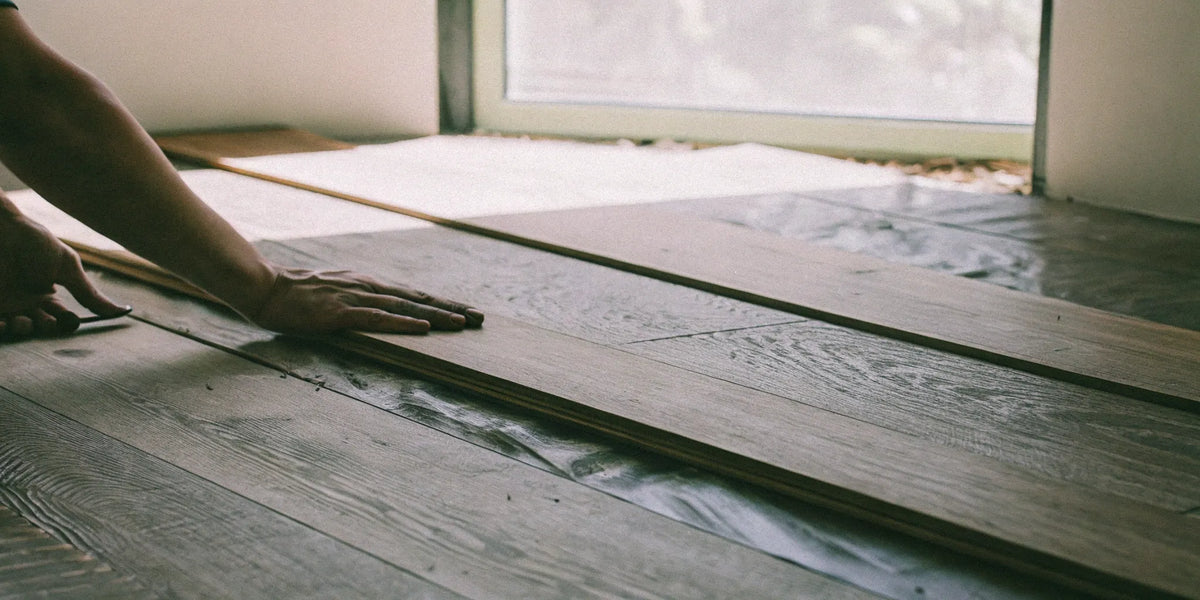
The labor cost of installing engineered wood flooring by hand.
Hardwood Flooring

The Real Labor Cost to Install Engineered Wood Flooring

Get clear on the labor cost install engineered wood flooring, plus tips to budget for materials, prep, and hidden fees for a smooth, stress-free project.

Read more
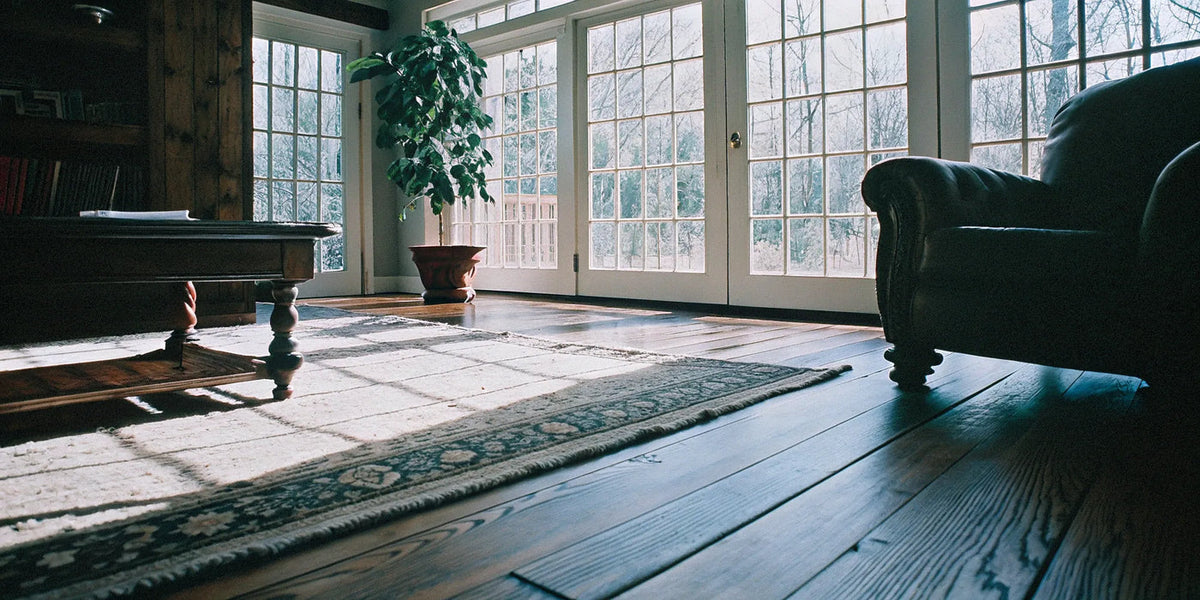
Engineered hardwood flooring cost per square foot shown in a sunlit room.
Hardwood Flooring

Engineered Hardwood Flooring Cost: A Buyer's Guide

Get a clear breakdown of engineered hardwood flooring cost per square foot, including material, installation, and what factors impact your total project budget.

Read more