
🔄
Skip to content

Cart

Your cart is empty

Article: How to Choose the Perfect Steel Door with Glass

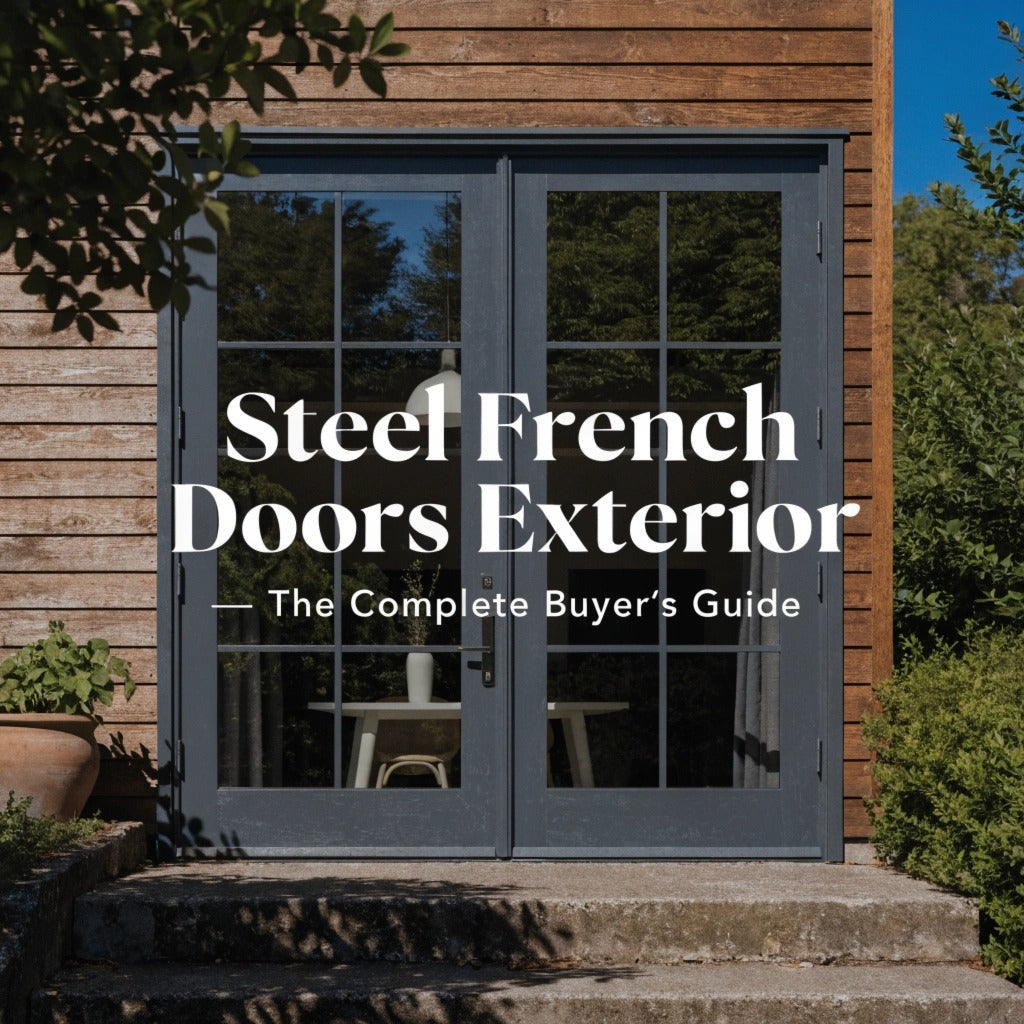
A modern black steel door with a full-view glass panel design.
Steel Door

How to Choose the Perfect Steel Door with Glass

When you hear “steel door,” your mind might jump to something purely industrial—heavy, solid, and maybe a little uninspired. But what happens when you add glass? It becomes a game-changer. The modern steel door with glass offers a unique blend of rugged strength and refined elegance. It’s proof you don’t have to choose between a secure, sturdy entryway and one that’s filled with beautiful, natural light. Forget the old myths; we'll explore the incredible versatility and style these doors bring to any home or business.

Key Takeaways

  • Balance Strength with Natural Light: Steel and glass doors offer the best of both worlds, combining a tough, secure steel frame with glass panels that brighten your space. You get top-tier security without making your entryway feel dark or uninviting.
  • Find the Perfect Style for Your Project: These doors are far from one-size-fits-all. From full-view glass for a modern look to half-lites for privacy, you can choose the right design, glass type, and size to match your building’s architecture perfectly.
  • Choose a Door That’s Built to Last: A high-quality steel and glass door is a durable, low-maintenance choice. Its energy-efficient design can help lower utility bills, and its robust construction means you’re investing in a feature that will perform well and look great for years.

What Exactly Is a Steel Door with Glass?

A steel door with glass is exactly what it sounds like: a door that combines a strong steel frame with integrated glass panels, often called "lites." This design merges the industrial strength and security of steel with the natural light and elegance of glass. It’s a popular choice for both front entryways and interior passages because it offers a perfect balance of durability, style, and brightness. You get the peace of mind that comes with a sturdy steel door without having to sacrifice a welcoming, light-filled space. This combination allows for endless design possibilities, from sleek, modern looks to more traditional aesthetics.

Breaking Down the Core Components

At its heart, a steel and glass door is a hybrid solution designed to give you the best of both materials. The steel provides a robust, durable structure that stands up to heavy use and provides excellent security. It’s also a great insulator. The glass component, on the other hand, is all about aesthetics and light. It breaks up the solid appearance of the steel, creating visual interest and allowing sunlight to stream into your home or business. You can choose opaque or frosted glass for privacy or clear glass to create a seamless connection between two spaces. It’s a functional pairing that solves multiple design challenges at once.

The Steel Itself: Gauge and Protective Coatings

Not all steel is created equal, and the quality of a steel door starts with its gauge—a measurement of its thickness. In the world of steel, a lower gauge number means thicker, more durable steel. But strength is only part of the equation. To ensure longevity, high-quality steel doors are made from galvanized steel, which is coated in a layer of zinc. This protective coating is crucial for preventing rust and corrosion, making the door a reliable choice for exterior entryways in any climate, from rainy coastal regions to humid southern states. This galvanization process ensures your door not only looks great on day one but continues to perform for years without succumbing to the elements.

The Insulating Core: High-Density Polystyrene

What’s inside a steel door is just as important as the outside. While you might picture a hollow metal shell, modern steel doors are filled with a high-density polystyrene core. This insulating material is the secret to their excellent thermal performance. It acts as a barrier, helping to keep your home warm in the winter and cool in the summer, which can contribute to lower energy bills. This core also provides impressive sound-dampening qualities, reducing noise from the outside to create a quieter, more peaceful interior. It’s a feature that adds comfort and efficiency, turning your door into more than just a secure entry point—it becomes a functional part of your home’s building envelope.

Installation-Ready: Prehung and Primed Frames

One of the biggest advantages for contractors and DIY-savvy homeowners is that many steel doors come prehung and primed. A prehung door arrives with the door already mounted in its frame, complete with hinges. This saves a tremendous amount of time and complexity during installation, ensuring a perfect fit without the hassle of mortising hinges or aligning the slab. The doors also typically come with a factory-applied primer that meets high industry standards, creating a smooth, durable surface that’s ready for your final paint color. This allows you to customize the door to perfectly match your design vision while ensuring a professional-grade finish. For a truly cohesive look, you can even pair them with matching steel windows.

From Frosted to Clear: Your Glass Options

The glass in your steel door is where you can really personalize the design. You aren’t limited to just one type. Clear glass is perfect for maximizing light and views, while frosted or satin glass offers privacy without blocking light completely. For a more unique touch, you can explore decorative options like hammered or ripple glass that add texture and character. For safety and strength, tempered glass is a go-to choice, especially in commercial settings or high-traffic areas, as it’s designed to be much stronger than standard glass. The variety of steel windows and doors available means you can find the perfect glass to match your project’s needs.

Insulated Glass Thickness and Safety Layers

The glass in a modern steel door is much more than a simple window. It's typically an insulated glass unit (IGU), which features two panes of glass separated by a sealed air gap, often filled with argon gas. This design creates a powerful thermal barrier that helps maintain your home's temperature, saving you money on energy bills. But it’s not just about efficiency; it’s also about safety. The glass is tempered, meaning it’s heat-treated to be about four times stronger than standard glass. If it ever breaks, it shatters into small, pebble-like pieces instead of dangerous shards. This ensures the beautiful steel doors you choose offer security and peace of mind without compromising on style.

Key Security Features to Look For

One of the first questions people ask about glass doors is, "Are they secure?" With a steel and glass door, the answer is a resounding yes. The foundation of the door is its steel frame, which is known for its exceptional strength and resistance to forced entry. This makes steel doors a top choice for security. The glass used is typically reinforced or tempered, making it incredibly difficult to break. When you combine a tough steel frame with specialized safety glass and a high-quality locking system, you get a door that is both beautiful and formidable, providing security you can count on.

Find the Perfect Style for Your Steel and Glass Door

Steel and glass doors are incredibly versatile, offering a style for nearly any architectural vision. Whether you’re designing a bright, modern storefront or a private, secure office entrance, the right combination of steel and glass can define the space. The key is to think about what you want your door to do. Are you looking to flood a room with natural light, create a striking focal point, or balance openness with privacy? Let’s walk through some of the most popular design approaches to help you find the perfect match for your project.

Let the Light In: Full-View Glass Designs

For a look that’s sleek, modern, and open, nothing beats a full-view glass door. These designs feature large glass panels that maximize natural light and create a seamless connection between indoor and outdoor spaces. They are a favorite in contemporary commercial buildings and homes where an airy, expansive feel is desired. Full-view glass doors contribute to modern architectural styles by providing a clean, minimalist aesthetic that feels both sophisticated and welcoming. If you want to make a statement and brighten your entryway, exploring a full-view design from our collection of steel doors is a great place to start.

Need Privacy? Try Half- or Quarter-Lite Designs

What if you want natural light without putting your entire space on display? Half- and quarter-lite doors offer the perfect compromise. These designs incorporate smaller glass panels—or "lites"—into the top portion of the door, allowing light to filter in while keeping the lower section solid steel for privacy and security. This style is a practical choice for front entryways, back doors, or offices where you need both visibility and discretion. You can also opt for frosted or textured glass to obscure the view further while still enjoying a brighter interior. It’s a classic way to get the best of both worlds: the durability of steel and the beauty of natural light.

Show Your Personality with Decorative Glass

Your door is one of the first things people see, so why not let it reflect your style? Decorative glass turns a functional entryway into a piece of art. The options are nearly endless, with choices ranging from frosted and tinted glass for a subtle touch to hammered, rippled, or patterned glass for a more distinct look. This is your chance to add personality and complement your project’s overall design theme. A decorative glass insert can tie into other elements like unique lighting fixtures or textured wall panels, creating a cohesive and polished aesthetic. It’s a simple way to make a standard door feel completely custom.

Exploring Panel Styles and Glass Grids

Beyond the glass itself, the structure of the door plays a huge role in its final look. The panel design—the distinct sections on the door's surface—and the grid pattern of the glass lites work together to create a specific style. A simple flush door offers a clean, modern canvas, while a classic 6-panel design adds traditional character. Similarly, the way the glass is divided can completely change the door's personality, shifting it from an industrial statement to a charming farmhouse accent. Understanding these elements is key to choosing a door that truly complements your architectural vision and enhances your space.

Popular Panel Designs: From Flush to 6-Panel

The paneling on a steel door adds depth and character. A flush door is completely flat and smooth, offering a minimalist look that’s perfect for modern or contemporary projects. It creates a clean backdrop that allows other design elements, like bold hardware or unique wall panels, to stand out. On the other hand, a 6-panel design is a timeless classic that features raised or indented rectangles, adding traditional dimension and texture. This style is incredibly versatile, fitting well with everything from colonial to craftsman architecture. These designs are suitable for many applications, including front entryways, side doors, or secure doors leading from a garage into the house.

Lite Configurations: 9-Lite and 15-Lite Grids

The term "lite" simply refers to a pane of glass within a door. The configuration of these lites, often separated by grids, defines the door's style. For instance, a 9-lite or 15-lite grid, where the glass is divided into smaller squares, creates a classic, almost rustic feel that’s popular in farmhouse and traditional designs. These grids add visual interest and can make a large glass panel feel more secure and structured. This style allows you to enjoy plenty of natural light while adding a touch of classic charm, making it a popular choice for back patios or kitchen entryways where you want both brightness and character.

Functional Features and Customizations

A great door isn't just about looks; it's also about how it works for your daily life. Modern steel and glass doors come with a range of functional features and customization options that enhance convenience, privacy, and security. From built-in blinds that eliminate the need for dusting to advanced hardware that integrates with your smart home, you can tailor your door to meet your exact needs. These thoughtful details transform a simple entryway into a high-performing component of your home or business, proving that you don't have to choose between style and substance.

Doors with Built-In Blinds for Privacy

For the ultimate blend of convenience and control, consider a steel door with blinds sealed between the glass panes. This brilliant feature gives you complete command over privacy and light with a simple slider—no cords, no dusting, and no clattering. The blinds are protected from damage, dust, and moisture, making them a durable and low-maintenance solution for busy households or commercial spaces. It’s an elegant way to get the best of both worlds: a bright, light-filled entryway when you want it and complete privacy when you need it, all without sacrificing a clean, modern aesthetic.

Hardware Options: Pull Handles and Smart Locks

The right hardware is the perfect finishing touch for your steel door. It’s an opportunity to reinforce your design style and add a layer of sophisticated security. Sleek, minimalist pull handles in matte black or stainless steel can complement a modern aesthetic, while more ornate levers can suit a traditional look. Beyond style, you can integrate smart locks for keyless entry, allowing you to grant access remotely and monitor your entryway from anywhere. Pairing our robust steel doors with modern hardware ensures your entryway is as secure and convenient as it is beautiful.

Customizing with Your Own Glass

If you have a truly unique vision, many door manufacturers offer the option to use your own custom glass. This opens up a world of creative possibilities, allowing you to commission a piece of stained glass, an etched design, or a specific type of textured glass that perfectly matches your project's aesthetic. Imagine a grand entryway featuring a custom art glass panel that casts colorful light into your foyer. This level of personalization ensures your door is a one-of-a-kind feature that reflects your personal style and makes a lasting impression on anyone who walks through it.

Beyond the Front Door: Other Uses for Steel and Glass

The versatility of steel and glass extends far beyond the front entryway. These materials are increasingly being used inside homes and commercial buildings to create elegant, functional, and light-filled spaces. Their strength allows for slim, minimalist frames that maximize glass, making them an ideal choice for dividing rooms without sacrificing an open, airy feel. From sophisticated home offices to chic restaurant interiors, steel and glass partitions and doors are a stylish solution for defining spaces while maintaining a sense of connection and flow throughout the building.

Interior French, Sliding, and Barn Doors

Bring the industrial-chic look indoors with steel and glass interior doors. A set of French doors can create a stunning transition between a living room and a dining area, while a sliding or barn-style door is a space-saving solution for a home office or pantry. These interior doors allow light to pass between rooms, making your entire space feel larger and brighter. They act as functional art, providing a sleek, modern alternative to traditional wood doors and adding a touch of architectural interest to any room. They pair beautifully with other high-end materials like our hardwood flooring for a cohesive design.

Specialty Designs: Arched Doors and Wine Cellars

The strength and malleability of steel allow for incredible specialty designs that are simply not possible with other materials. Graceful arched steel doors can create a dramatic and elegant entryway, adding a touch of old-world charm to a modern home. For wine enthusiasts, a steel and glass door is the perfect choice for a wine cellar, providing a secure, airtight seal to protect your collection while beautifully showcasing it. These custom applications demonstrate just how versatile steel and glass can be, making them a go-to choice for designers and architects looking to create truly unique and memorable spaces.

Creating a Modern Industrial Vibe

The industrial aesthetic is more popular than ever, and steel and glass doors are at the heart of this trend. Characterized by slim profiles, dark frames, and clean grid lines, these doors bring a chic, urban feel to any space. Their popularity is surging in both residential and commercial settings, from loft apartments and modern offices to restaurants and retail shops. Paired with matching steel windows, they create a cohesive look that is both timeless and on-trend. This style is perfect for projects that aim for a minimalist yet strong design statement.

Does Your Entryway Need a Custom Fit?

Sometimes, a standard-sized door just won’t do. Whether you’re working with an older building’s unique dimensions or designing a grand entrance with oversized doors, custom sizing is essential. Fortunately, you don’t have to sacrifice style for a perfect fit. Our steel doors are available in custom configurations, allowing you to get the exact dimensions you need for your project. From a commanding 60x96 double door to a sleek 36x96 single door, we can help you create an entryway that fits your specifications perfectly. This flexibility ensures that your design vision is never limited by what’s available off the shelf.

Are Steel and Glass Doors Right for Your Business?

Choosing the right door for your business isn't just about looks—it's about security, performance, and creating a welcoming environment. Steel and glass doors strike the perfect balance, offering a sleek, modern aesthetic without compromising on the strength and durability your commercial space needs. They let natural light pour in, make a great first impression, and are built to handle the daily demands of a busy workplace. Whether you're designing a new storefront or upgrading an office entrance, this combination delivers practical benefits that make it a smart investment for any business owner or contractor.

Built to Last: Security and Durability

When it comes to protecting your property, you can't afford to cut corners. Steel is the go-to material for commercial entryways because it offers incredible strength and resilience. As industry experts at Mills & Nebraska note, "steel doors are well-known for their high security and durability, making them a popular choice in commercial settings." Their robust construction resists forced entry, impact, and even fire, giving you peace of mind. Our collection of steel doors is engineered to provide this top-tier security, ensuring your business is protected day and night. This inherent toughness means they also last for years with minimal upkeep, making them a reliable and cost-effective choice.

More Than Just Strong: Fire-Rated Options

Beyond their physical strength, steel doors offer a critical layer of safety that many other materials can't: fire resistance. Many steel doors can be specified with a fire rating, which means they are designed and tested to withstand fire for a specific period, typically ranging from 20 minutes to three hours. This feature is essential in commercial buildings to meet safety codes, but it also provides invaluable peace of mind for homeowners. As experts at Darpet point out, steel doors can be fire doors that help contain a fire, slowing its spread and giving occupants more time to get to safety. It’s a protective measure that you hope you’ll never need, but one that makes a steel door a truly smart investment in your property’s security.

Blocking Out the Elements: Sound and Water Proofing

A great door does more than just secure an entryway; it protects your interior environment from the outside world. Thanks to their dense construction, steel doors are excellent at blocking out unwanted noise, making them a perfect choice for homes and offices in busy areas. They also provide superior protection against the elements. Unlike wood, which can swell, warp, or crack with changes in humidity, steel doors maintain their shape and integrity. This stability ensures a consistently tight seal, which prevents drafts and water intrusion. As noted by ALDA Windows and Doors, steel doors are extremely tough and resist warping, meaning they keep performing year after year without the constant maintenance other materials might require.

Can a New Door Lower Your Energy Bills?

An entryway that leaks air is like leaving a window open all year round—it drives up your energy bills. Modern steel and glass doors are designed to prevent this. Many feature thermally broken frames and insulated glass to minimize heat transfer, keeping your heated or cooled air inside where it belongs. According to Doorway Services, these energy-efficient materials "minimize heat loss and improve energy efficiency." This thoughtful engineering helps maintain a comfortable indoor temperature and can lead to significant savings on your utility costs over time. It’s a practical feature that benefits both your bottom line and the environment.

High-Performance Glass: Low-E Coatings and Argon Gas

The real magic behind an energy-efficient steel and glass door lies in the glass itself. High-performance glass isn't just a single pane; it's a sophisticated system. Many of our steel doors feature double-pane glass with a Low-E (low-emissivity) coating. Think of this as an invisible, ultra-thin metallic layer that reflects heat. In the summer, it reflects the sun’s heat away from your home, and in the winter, it reflects your home’s furnace heat back inside. To take it a step further, the space between the two panes is often filled with argon gas—a safe, dense gas that’s a much better insulator than regular air. This combination works together to keep your indoor temperature stable and reduce the strain on your HVAC system.

A Clear View Without Condensation

If you’ve ever seen a window “sweat” with condensation on a cold day, you know how it can obstruct your view and even lead to moisture damage. This happens when warm, humid indoor air hits a cold glass surface. High-performance insulated glass (IG) units are designed to prevent this. Because the two panes of glass are separated by an insulating layer of argon gas and a Low-E coating, the interior pane stays much closer to room temperature. As a result, there’s no cold surface for moisture to condense on. This means you get a crystal-clear view year-round, without worrying about wiping away fog or dealing with puddles on your windowsill or flooring.

Let Natural Light Transform Your Space

A bright, light-filled space feels more inviting and can even make employees more productive. Glass panels in a steel door allow natural light to flood your interior, creating a more open and welcoming atmosphere for clients and staff. This design choice aligns with modern architectural trends that favor a sleek, contemporary look. As a recent market report highlighted, "glass doors contribute to modern architectural styles...while also allowing natural light to flood the interior." Pairing these doors with matching steel windows can further enhance this effect, transforming a dim entryway into a bright, impressive focal point for your business.

How They Handle Tough Weather and Wear

A common concern with glass doors is fragility, but the glass used in commercial doors is anything but delicate. Most are made with tempered glass, a type of safety glass that is heat-treated to be much stronger than standard glass. As CDF Distributors explains, "tempered glass is one of the most popular choices for commercial doors due to its strength and safety features." It’s designed to withstand harsh weather, from strong winds to heavy rain, as well as accidental impacts. If it does break, it shatters into small, dull pieces rather than dangerous shards, significantly reducing the risk of injury.

Why Commercial-Grade Hardware Matters

A great door is more than just its frame and panels; its performance depends heavily on its hardware. Hinges, locks, and handles on a commercial door need to withstand constant use, which is why commercial-grade hardware is essential. This heavy-duty hardware is built for longevity and reliable performance, ensuring your door operates smoothly and securely for years. As the National Association of Architectural Metal Manufacturers (NAAMM) points out, experienced manufacturers equip their doors with "commercial-grade hardware for enhanced performance." We work closely with trade professionals to ensure every door is outfitted with the right hardware for the job.

What Determines the Cost of a Steel and Glass Door?

When you’re budgeting for a new door, it’s helpful to know what goes into the final price tag. The cost of a steel and glass door isn’t just one flat number—it’s a combination of material quality, design choices, and performance features. Understanding these factors helps you decide where to invest your money to get a door that not only looks great but also meets your security and energy efficiency needs. From the thickness of the steel to the type of glass insert, every detail plays a role. Let’s break down the key elements that influence the overall cost so you can make an informed choice for your project.

Understanding the Price Tag: What to Expect

Let's talk about budget. The final cost of a steel and glass door depends on several key factors: the size and configuration (single vs. double), the type and amount of glass used, the complexity of the design, and the quality of the hardware. While it’s tempting to look for the lowest price, it’s important to see this as an investment. A well-made door offers superior security, durability, and energy efficiency, which can save you money and provide peace of mind over the long run. Think of the price as a reflection of the door's performance and longevity—you're paying for a feature that will protect your property and look great for years to come.

Single and Double Door Estimates

So, what can you expect to pay? Generally, a basic steel door installation can range from around $945 to $1,441. For doors with more decorative glass elements, the price might start around $500 and go up to $1,000 for a single door or as high as $2,800 for a double door configuration. These figures are a great starting point, but remember that custom sizes, high-performance glass, and premium hardware will influence the final cost. Whether you need a standard 36x80 single steel door or a grand 60x96 double door, the price will scale with the complexity and materials of your specific design.

How Sidelights and Transoms Affect Cost

If you want to create a truly grand and light-filled entrance, adding sidelights (glass panels on the sides of the door) and a transom (a glass panel above the door) is the way to go. These features make a huge impact on curb appeal but will also add to the overall cost. According to Angi, including sidelights can add anywhere from $700 to $3,000 to the project price. This wide range reflects the variety of sizes, glass types, and custom designs available. While it's a significant investment, the added natural light and architectural interest can completely transform your entryway, making it a worthwhile upgrade for many projects.

How Material Quality Affects the Price

The quality of the steel and glass is the biggest driver of cost. Steel doors are measured by gauge—the lower the gauge, the thicker and more durable the steel. A lower-gauge steel door offers better security and resistance to dents, making it a worthwhile investment for high-traffic areas. Similarly, the type of glass matters. Standard tempered glass is strong, but upgrading to laminated or insulated glass units (IGUs) will increase the price. These premium options provide superior insulation and security, making them a smart choice for exterior doors. High-quality materials ensure your door is not just an entryway but a long-lasting, secure part of your building’s structure.

How Customization Affects Price

While standard-sized steel doors are a cost-effective option, custom designs will naturally come with a higher price tag. Customization allows you to get the exact size, style, and finish you need to match your project’s aesthetic. This could mean a unique door dimension for an older building, a specific paint color, or intricate glass patterns. Choosing custom hardware, like handles and locks, also adds to the cost. While these personalized touches require a larger upfront investment, they ensure the final product perfectly fits your vision and functional requirements, which is especially important for distinctive residential or high-end commercial projects.

What Do Energy Efficiency Ratings Mean?

An energy-efficient door can save you money on heating and cooling bills, but it often costs more initially. Features like thermal breaks (a piece of insulation within the frame that stops heat transfer), low-emissivity (Low-E) glass coatings, and high-quality weatherstripping all contribute to a door’s thermal performance. Doors with an ENERGY STAR certification have been tested to meet strict efficiency standards for specific climate zones. Investing in a door with these features is an investment in your property’s long-term comfort and energy savings, making it a practical financial decision over time.

Don't Forget About Installation Costs

The price of the door itself is just one part of the equation; you also need to budget for installation. Professional installation is key to ensuring your door functions correctly and provides the security and weather resistance you paid for. An improperly installed door can lead to drafts, water leaks, and security vulnerabilities. The cost of installation can vary depending on whether it’s a new construction project or a replacement, the complexity of the job, and your location. While it might be tempting to cut corners here, hiring a qualified professional protects your investment and ensures your door performs as it should for years to come.

Is It a Good Long-Term Investment?

It’s easy to focus on the upfront cost, but a high-quality steel and glass door is a long-term investment. Steel is incredibly durable and resists warping, cracking, and rotting, which means you won’t be paying for frequent repairs or replacements. These doors are built to last for decades and require minimal maintenance—just regular cleaning to keep them looking their best. Their strength and timeless appeal can also add to your property’s resale value. When you consider the decades of security, energy savings, and durability a quality steel door provides, the initial cost is often outweighed by its incredible long-term value.

Debunking Common Myths About Steel and Glass Doors

Steel and glass doors are a fantastic choice for adding style, light, and security to a property, but they’re often misunderstood. Some common myths might make you hesitate, but the reality is that modern designs have solved many of the old-school concerns. Let's clear the air and look at the facts behind these popular and durable doors. By separating fact from fiction, you can feel confident in choosing a design that works for your project.

Myth #1: Glass Makes the Door Insecure

It’s easy to assume that a door with glass is a weak point, but that’s simply not the case with today’s technology. Modern steel doors with glass inserts are built with security as a top priority. Instead of standard glass, they feature options like tempered or laminated glass. Tempered glass is treated to be several times stronger than regular glass, and if it does break, it shatters into small, dull pieces rather than dangerous shards. Laminated glass has a vinyl layer that holds it together even when cracked, making it incredibly difficult to penetrate. Paired with a strong steel frame, these doors offer serious protection.

Myth #2: They Aren't Insulated Enough

Another common misconception is that steel and glass doors will leave you with high energy bills. While that might have been true for older models, today’s doors are designed for excellent thermal performance. The steel frames are often filled with a high-density foam core that acts as a powerful insulator, preventing heat and cold from passing through. The glass itself is typically an insulated glass unit (IGU), which consists of two or three panes separated by a sealed air or gas-filled space. This design dramatically reduces heat transfer, keeping your indoor temperature stable and comfortable year-round.

Myth #3: Your Design Options Are Limited

If you think steel and glass doors only fit a stark, industrial aesthetic, you’ll be pleasantly surprised by the variety available. The design possibilities are nearly endless. You can choose from full-view glass panels that create a seamless indoor-outdoor connection or opt for half- or quarter-lite designs for more privacy. The glass itself comes in many styles, including clear, frosted, tinted, or decorative patterns. With custom sizes and finishes, you can create custom steel doors that perfectly match your project’s architectural style, whether it’s modern, traditional, or somewhere in between.

Myth #4: They're a Hassle to Maintain

Of all the myths, this one is the easiest to bust. Steel doors are known for their incredible durability and low maintenance needs. Unlike wood, steel won’t warp, crack, or rot when exposed to moisture or extreme temperatures. The factory-applied finishes are tough and resistant to fading and chipping, so you won’t have to worry about frequent repainting. For the most part, keeping your steel and glass door looking great just requires occasional cleaning with mild soap and water. This durability makes them a practical, long-term investment that continues to perform well with minimal effort.

How to Pick the Perfect Steel and Glass Door

Selecting the perfect steel and glass door isn't just about picking one that looks good—it's about finding the right fit for your building's style, performance needs, and budget. With so many options, it helps to have a clear process. Thinking through these key areas will help you narrow down your choices and find a door that you'll be happy with for years to come. From assessing your building's architecture to understanding performance ratings and planning your budget, each step gets you closer to the ideal entrance. This approach ensures your new door is a smart investment that adds value, security, and style to your property.

Start by Assessing Your Space

First, take a good look at your property's architectural style. Is it modern and minimalist, or more traditional and industrial? The door you choose should feel like a natural extension of the building's design. A sleek, full-glass door might look out of place on a rustic commercial building, while an ornate design could clash with a clean, contemporary office front. Consider the existing lines, materials, and colors of your exterior and interior. The goal is to find a door that complements the overall aesthetic, creating a cohesive and intentional look. Your entry door is one of the first things people see, so make sure it sends the right message about your space.

What to Look for in Performance Ratings

Beyond looks, a door’s performance is critical. Look for energy efficiency ratings, which tell you how well the door prevents heat transfer. A door with good insulation, like one with thermally broken frames and insulated glass, can help lower your heating and cooling bills. This is especially important for exterior doors that face harsh weather. Also, consider sound insulation if your building is in a noisy area. High-quality steel doors are designed to offer excellent thermal and acoustic performance, keeping your interior comfortable and quiet. Checking these ratings ensures you’re getting a door that works as hard as you do.

How Much Glass Do You Really Want?

The balance between glass and steel is a major design decision that impacts both aesthetics and function. A door with a large glass panel will let in tons of natural light, making your entryway feel bright and welcoming. However, more steel generally means more security and privacy. Think about the purpose of the space. For a retail storefront, a full-view glass door is perfect for showcasing products. For a private office or a side entrance, a half- or quarter-lite design might be more appropriate. You can find a happy medium that gives you the light you want without compromising on the strength and durability that steel provides.

Why Security Certifications Are Important

When you’re investing in a new door, you want to know it’s secure. Look for doors made with high-strength materials and check for any security certifications. The glass itself should be a key consideration. Most commercial-grade doors use tempered or laminated glass, which is much stronger than standard glass and is designed to break into dull, harmless pieces if shattered. This is a critical safety feature that protects against both accidents and break-ins. Reputable manufacturers will be transparent about the safety standards their products meet, giving you confidence that your property is well-protected.

How to Set a Realistic Budget

Finally, you need to consider your budget. The cost of a steel and glass door can vary widely based on size, materials, glass type, and custom features. While it might be tempting to go for the cheapest option, remember that a door is a long-term investment. A higher-quality door may cost more upfront but will likely save you money over time through better energy efficiency and durability. For contractors and trade professionals, it’s worth exploring bulk discounts. You can often get better pricing by registering for a trade program, which helps keep project costs down without sacrificing quality.

Simple Maintenance for Your Steel and Glass Door

Your steel and glass door is a fantastic investment, blending strength with style. And while these doors are built to last, a little routine care will keep them functioning perfectly and looking as good as the day they were installed. Think of it less as a chore and more as a simple way to protect your property's curb appeal and security. Following a few straightforward steps a couple of times a year is all it takes to maintain its performance and beauty for the long haul.

Create a Simple Inspection Routine

Even the most durable building products benefit from a quick check-up. Make it a habit to inspect your steel doors twice a year, perhaps in the spring and fall. Look for any minor scratches or dings on the frame that might need a touch-up. Check the weatherstripping for any signs of cracking or peeling, as this can affect your door’s energy efficiency. Also, take a moment to examine the glass for any chips or cracks. Catching these small issues early prevents them from turning into bigger problems down the road, ensuring your door remains a reliable and attractive feature of your building.

The Right Way to Clean the Glass

Keeping the glass panes on your door sparkling is simple and makes a huge difference. A clean door lets in more natural light, brightening your entryway or interior space. For a streak-free shine, use a soft, lint-free microfiber cloth and a gentle glass cleaner or a homemade solution of equal parts water and white vinegar. Avoid using abrasive scrubbers or harsh chemicals, as they can scratch the glass or damage special coatings. Wiping down the glass as part of your regular cleaning routine will maintain its clarity and enhance your door’s overall aesthetic.

How to Protect the Steel Frame

The steel frame is the backbone of your door, providing its signature strength and security. To keep it in top condition, wash it occasionally with a soft cloth, mild soap, and water. Be sure to rinse away any soap residue and dry the surface completely to prevent water spots. If you notice any small scratches or chips in the paint, it’s important to address them quickly with a manufacturer-approved touch-up paint. This simple step seals the steel from moisture and prevents rust from forming, preserving the integrity and finish of your door for years to come.

A Quick Guide to Hardware Maintenance

Your door’s hardware—the hinges, locks, and handles—does a lot of heavy lifting. To keep everything operating smoothly, take a minute to check that all screws are tight. Once a year, apply a silicone-based lubricant to the hinges to prevent squeaking and ensure an easy swing. You can also wipe down the handles and locksets with a soft, damp cloth to remove fingerprints and grime. This regular maintenance is crucial for the door's functionality and security, ensuring it opens, closes, and locks without a hitch. Proper care is a key part of debunking common steel door myths.

Know When to Call a Pro

While most maintenance is simple enough to do yourself, some situations are best handled by an expert. If your door is out of alignment, has a significant dent, or the locking mechanism is malfunctioning, it’s time to call a professional. Trying to fix complex issues on your own can sometimes cause more damage or compromise the door's security features. Experienced technicians have the right tools and knowledge to make precise adjustments and repairs. For contractors and builders, our trade program connects you with the resources you need to handle any project with confidence.

Related Articles

Frequently Asked Questions

Is the glass in these doors actually secure against break-ins? This is a completely valid question, and the answer is a confident yes. The glass used in modern steel doors isn't the same as a standard window pane. It's typically tempered safety glass, which is heat-treated to be incredibly strong and impact-resistant. When you combine this reinforced glass with the inherent strength of a steel frame and a quality lockset, you get an entryway that is exceptionally difficult to breach.

My doorway has unusual dimensions. Can I still get a steel and glass door that fits? Absolutely. It's very common, especially in older homes or custom new builds, to have openings that don't fit standard door sizes. That’s why custom sizing is available. You can work with a supplier to have a door fabricated to your project's exact measurements, ensuring a perfect fit without having to reframe the entire opening. This way, you get the precise style you want in the size you actually need.

Will a steel door rust, especially if it's exposed to rain and snow? This is a classic concern, but modern steel doors are engineered to stand up to the elements. They are treated with protective coatings, like galvanization, and finished with durable, weather-resistant paint or powder coating. As long as this finish remains intact, the door is well-protected from moisture and rust. If it gets a deep scratch that exposes the raw steel, simply touching it up with the right paint will seal it back up and prevent any issues.

How do steel and glass doors hold up in very hot or cold climates? They perform beautifully thanks to modern insulation technology. The steel frame is typically filled with a dense foam core that acts as a thermal barrier, preventing heat or cold from transferring through. The glass panels are usually insulated glass units (IGUs), which feature two or more panes of glass with a sealed air or gas-filled space between them. This combination works together to keep your indoor temperature stable and your energy bills down, no matter the weather outside.

Can I use a steel and glass door for an interior room, like a home office? Yes, and they look fantastic inside! Using a steel and glass door for a home office, pantry, or even as a room divider is a popular design choice. It helps define the space and provides some sound separation while still allowing natural light to flow between rooms. This creates a feeling of openness that you just can't get with a solid door, making it a perfect solution for brightening up interior spaces.

Read more

Engineered wood flooring in a sunlit living room with modern decor.
Hardwood Flooring

Engineered Wood Flooring: The Ultimate Buyer's Guide

Engineered wood flooring brings real wood beauty and durability to any room. Learn about styles, installation, care, and how to choose the best option.

Read more
Wide plank engineered oak flooring in a sunlit living room.
Hardwood Flooring

Engineered Oak Floor: The Ultimate Buyer's Guide

Get the facts on engineered oak floor options, including wide plank styles, durability, installation tips, and how to choose the best fit for your home.

Read more