Porcelain Floor Tiles: A Complete Buyer’s Guide
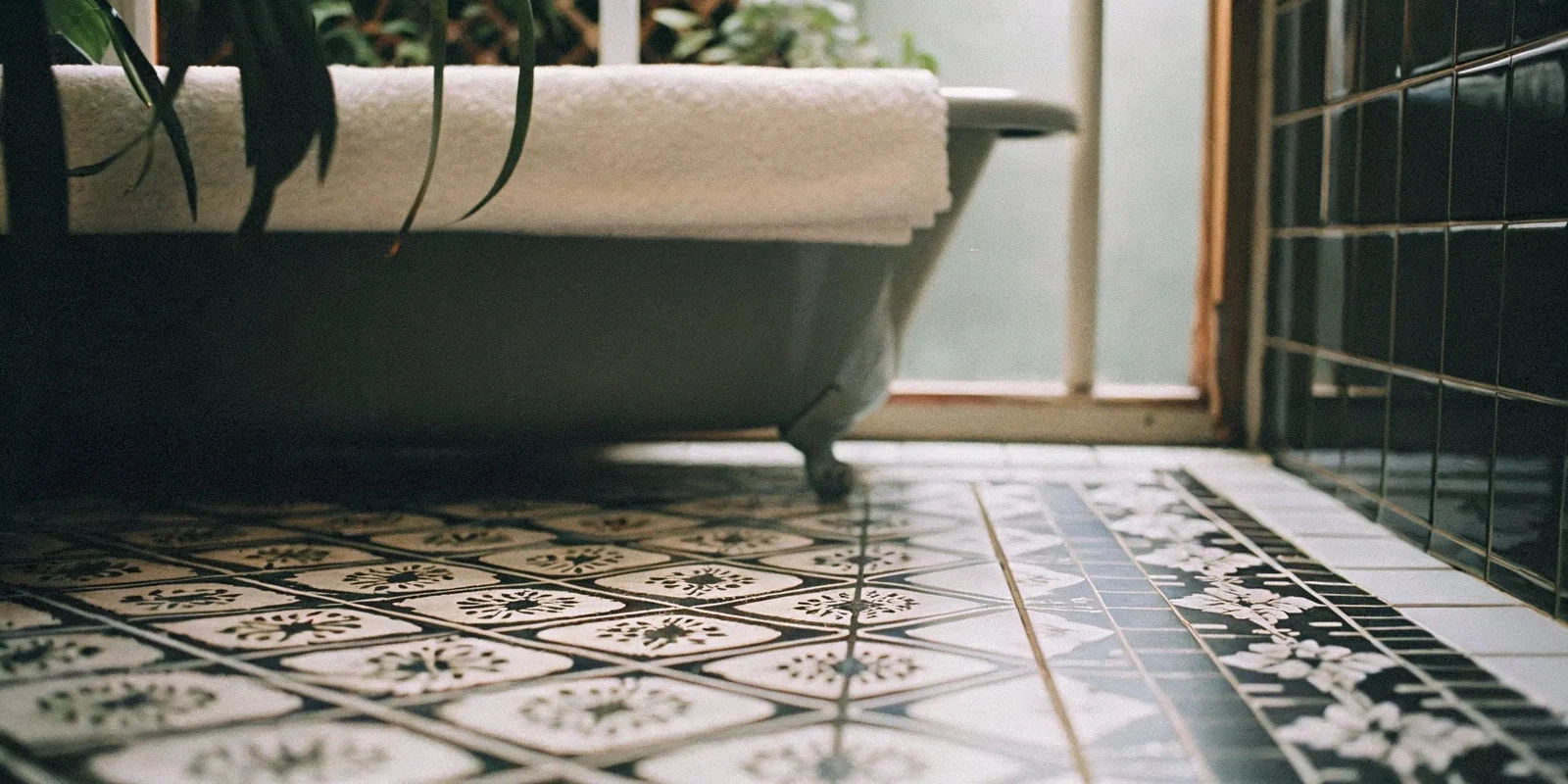
Porcelain floor tiles offer many looks, from quiet neutral surfaces to wood-look patterns and stone-style veining. Choosing a floor starts with finding a design you like, then checking that the exact tile and finish suit the room and installation.
Browse USABD tiles and surfaces and use the following checklist to compare your options.
1. Confirm approval for the intended floor
Do not treat the word porcelain as approval for every application. Ask for the manufacturer’s intended-use information for the exact product, finish and size. A tile selected for a living room may have different requirements from a shower floor, exterior patio or commercial entrance.
| Project | What to verify |
|---|---|
| Residential dry floor | Floor-use approval, expected traffic and care requirements. |
| Bathroom or shower floor | Suitability for that specific wet application, slip-resistance information and drainage layout. |
| Exterior floor | Approval for the local exposure conditions and proposed installation system. |
| Commercial floor | Suitability for the intended traffic, loads, cleaning regime and project requirements. |
Separate the tile’s water-resistance information from the design of the complete floor. Do not assume that tile and grout alone establish a waterproof assembly. Confirm any required waterproofing and drainage details with the installer.
2. Review the finish as well as the pattern
Compare samples in the room’s lighting and alongside cabinetry, paint and adjacent floors. For veined or patterned products, review several pieces or a larger layout image to understand the variation and repetition.
A polished, matte or textured appearance does not by itself establish slip resistance. Request the product’s published application guidance before selecting it for a wet or frequently soiled floor. Also check how the finish should be cleaned and whether any treatment is required.
Porcelain should not be described as immune to scratches, chips or stains. Review the exact product information and plan protection appropriate to the way the room will be used.
3. Plan tile size, joints and edge details together
Larger tiles can reduce the number of joints, while smaller formats create a more detailed pattern. Draw the layout around doors, fixtures and changes in floor material before deciding on size. Review where cuts will fall and how visible edges will finish.
Include grout color and joint layout in the design. A rectified edge or large format does not mean tiles should be installed without joints. Use the installation requirements for the selected product and system.
Measure each area and ask the installer to calculate a cutting allowance based on the actual layout. Confirm coverage per box, order increments and spare material for future repairs. See our large-format porcelain planning guide for additional considerations.
4. Assess the substrate and installation scope
Have the installer check the supporting floor, surface preparation and finished height before scheduling delivery. Identify any repair, flattening or other preparation work and include it in the quote.
Confirm compatible setting materials, grout, movement joints and any required membranes. Large tiles and slabs can introduce additional handling, access and equipment requirements. Follow the tile and installation-system instructions rather than assuming one method works for every format.
Inspect delivered material and review the proposed layout before fitting. Keep product labels and confirm any applicable shade or batch information. Agree on curing times, protection and when the floor can be used.
5. Check the cleaning instructions before purchase
Ask for care instructions covering both the tile finish and grout. Use the specified cleaners and methods; avoid assuming that every porcelain surface accepts the same chemicals, pads or sealers.
Plan routine removal of grit and prompt attention to spills. Review suitable protective pads, mats and furniture-moving practices with the installer or supplier. Keep spare tiles and product details available in case a future repair is needed.
6. Compare the complete project budget
Include tile, edge profiles, preparation, setting materials, grout, installation, delivery and any removal of existing flooring. Compare quotes against the same scope rather than the tile price alone.
Before ordering, confirm current availability, quantity, finish, delivery arrangements and return eligibility. Eligible USABD in-stock returns carry a 25% restocking fee; review the return policy for conditions.
Contact USA Builders’ Depot with your measurements, intended floor location and preferred style to check product details and availability. Showroom visits are by appointment only.
For a broader design comparison, read our modern wall and floor tile buying guide.