


Article: Acoustic Wood Panels Union Pier: A Buyer's Guide

Acoustic Wood Panels Union Pier: A Buyer's Guide
Great interior design is about more than just what you see; it’s about how a space makes you feel. You can have the perfect furniture and color palette, but if the room feels loud and chaotic, it will never feel truly comfortable. That’s where texture and smart materials come in. Acoustic wood panels are a brilliant design tool that adds warmth, dimension, and architectural interest to a wall while also solving common sound issues. They are the perfect finishing touch that makes a room feel complete. We’re seeing designers use acoustic wood panels Union Pier to transform living rooms, home offices, and commercial spaces from sterile to stunning. In this post, we’ll explore the different styles available and show you how to use them to create a space that looks and sounds amazing.
Key Takeaways
- Choose Panels for Both Sound and Style: The best acoustic panels solve a sound problem while also enhancing your room's design. First, identify your acoustic goal—like reducing echo in a living room—and then select a material and style, such as modern wood slats, that complements your aesthetic.
- Material Quality Dictates Performance: The price and effectiveness of an acoustic panel are tied to its materials. Panels made with real wood veneers and dense, sound-absorbing felt backing will perform better and last longer, offering more value than less expensive, lower-quality alternatives.
- Installation is Straightforward and Maintenance is Simple: You can install most acoustic panels yourself using basic tools with either construction adhesive for a clean look or screws for extra security. Once installed, they only require occasional dusting to keep them looking their best.
What Are Acoustic Wood Panels and How Do They Work?
If you’ve ever been in a room with a frustrating echo, you know how much poor acoustics can affect a space. That’s where acoustic wood panels come in. They are specially designed wall coverings that manage sound while also adding a beautiful, modern design element to your walls. Instead of just blocking sound, these panels absorb sound waves, stopping them from bouncing around the room. This reduces echo and background noise, making conversations clearer and the entire environment feel more calm and focused. They are a perfect blend of high-performance function and sophisticated style.
How They Absorb Sound (A Quick Look at NRC)
Acoustic panels work by trapping and converting sound energy. When sound waves hit the panel's surface—often made of wood slats over a felt-like material—they pass through into the soft, porous backing. This material is designed to absorb the sound, turning the wave’s energy into a tiny amount of heat and preventing it from reflecting back into the room.
To measure how effective a panel is, we use the Noise Reduction Coefficient (NRC). It’s a simple rating from 0 to 1. An NRC of 0 means no sound is absorbed, while an NRC of 1 means 100% of sound is absorbed. Many high-quality acoustic wall panels have an NRC of 0.8 or higher, meaning they absorb at least 80% of the sound that hits them.
Why Use Them in Your Home or Business?
The applications for acoustic panels are incredibly versatile. In a home setting, they can transform a living room with high ceilings from an echo chamber into a cozy space for conversation. They’re also perfect for home offices, where clear audio on video calls is essential, or for home theaters that need crisp, clear sound. They add a layer of auditory comfort that makes any room more enjoyable.
For businesses, the benefits are just as significant. Open-plan offices can use acoustic panels to cut down on distracting chatter and improve focus. Restaurants and cafes can create a more pleasant dining experience by reducing noise levels. In any commercial setting where clear communication is key, from conference rooms to reception areas, these panels help ensure conversations are heard correctly.
How They Compare to Other Soundproofing Methods
It’s important to understand that acoustic treatment is different from soundproofing. Soundproofing is about isolation—blocking sound from traveling between rooms. This usually involves heavy, dense materials and construction, like adding mass-loaded vinyl or extra layers of drywall. Its goal is to keep sound in or out.
Acoustic panels, on the other hand, are designed for absorption. They improve the sound quality within a single room by reducing echo and reverberation. Unlike traditional soundproofing, which can be invasive and expensive, acoustic panels offer a lightweight and aesthetically pleasing solution. You can install them directly onto a finished wall to fine-tune the room’s sound without needing a major renovation.
Exploring Different Types of Acoustic Panels
Once you start looking, you’ll find that acoustic panels come in a surprising variety of styles, materials, and designs. Each type interacts with sound differently, so the right choice depends on both your acoustic goals and your interior design vision. Some panels are designed to absorb sound waves to reduce echo and reverb, while others diffuse sound to distribute it more evenly throughout a room. Let's break down some of the most common types you'll encounter.
Understanding these differences will help you select a panel that not only looks great but also performs exactly how you need it to. From the clean lines of modern slat wood to the organic texture of wood wool, there’s a perfect fit for every project.
Slat and Perforated Wood Designs
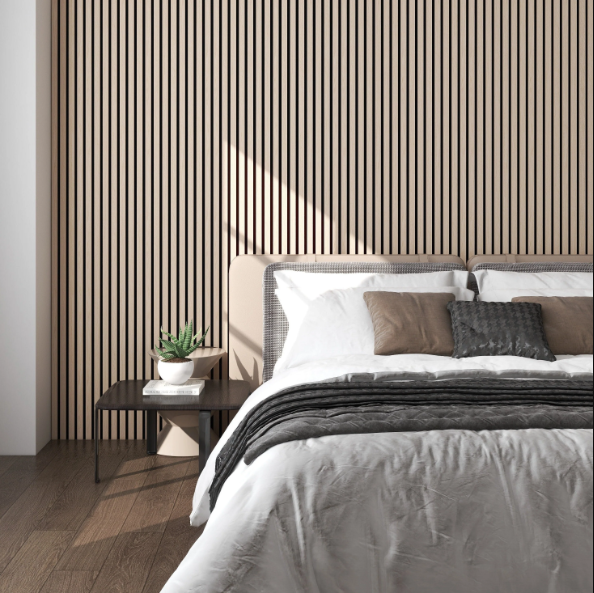
Slat and perforated wood panels are incredibly popular for their modern aesthetic and effective sound management. Instead of just absorbing sound, these panels primarily diffuse it, scattering sound waves to prevent harsh echoes and create a more balanced, natural-sounding room. This makes them an excellent choice for spaces where sound quality is key, like home theaters, conference rooms, or living areas with high ceilings. The clean, rhythmic lines of acoustic wood slat panels bring warmth and texture to a space, proving that you don’t have to sacrifice style for performance. They blend architectural beauty with refined sound control.
Wood Wool and Fiber Compositions
If your main goal is sound absorption, wood wool or fiber-based panels are a fantastic option. Made from compressed wood fibers (often from spruce or pine) mixed with a binder like cement or magnesite, these panels have a unique, open-fiber structure. This composition is exceptionally good at trapping and absorbing sound waves, which significantly reduces echo and overall noise levels. Wood wool panels offer a softer, more textured look than slat designs and are a versatile choice for everything from offices to restaurants. Their ability to improve acoustical quality makes them a functional and sustainable addition to almost any environment.
Popular Wood Species and Finishes
The beauty of acoustic wood panels is how customizable they are. You can find them in a wide range of wood species, including oak, walnut, and ash, each offering its own unique grain pattern and color tone. The finish is just as important for matching your decor. You can opt for a natural, unfinished look that you can stain or paint yourself, or choose from a variety of pre-finished options. Whether you need the deep, rich look of American Black Walnut or the light, airy feel of White Oak, there are Paint and Stain Grade Panels to fit your vision. This versatility allows you to integrate acoustic treatment seamlessly into your existing design.
Find Your Perfect Style with USA Builders Depot
Finding the right acoustic panels is about more than just sound control—it’s about bringing your design vision to life. You need a partner who understands the balance between performance, aesthetics, and budget. At USA Builders Depot, we provide a curated selection of high-quality acoustic wood panels and the expertise to help you choose the perfect fit for your space, whether it’s a cozy home office or a bustling commercial building. We make it simple to get the materials you need, tailored to your project specifications, and delivered right to your door.
Our Commitment to Quality Materials
The effectiveness of an acoustic panel starts with its materials. That’s why we focus on sourcing products that are built to perform and last. Our Acoustic Wall Panels deliver sustainable, effective sound dispersion to your space, turning harsh echoes into warm, clear acoustics. We believe you shouldn’t have to choose between function and style. Our panels are crafted from premium woods and sound-absorbing materials that not only manage noise but also add a touch of natural elegance to any room. By investing in quality from the start, you ensure your space looks and sounds its best for years to come.
Custom Panels for Any Project
While standard panel sizes work for many applications, we know that some projects require a more tailored approach. Custom sizes can be a key factor in both cost and final appearance, as standard cuts are designed to minimize waste. We work with you to provide panels that fit your exact dimensions, ensuring a seamless installation with a professional finish. Whether you’re designing a feature wall for a restaurant or outfitting a home recording studio, our team can help you get the precise materials you need. This flexibility allows you to execute your vision without compromise, creating a truly unique and functional space.
Get Fast Shipping & Pro Discounts
We know that project timelines and budgets are critical. The cost of acoustic panels can vary based on factors like size, material quality, and quantity, and we’re committed to providing excellent value. With our fast nationwide shipping, you can keep your project on schedule without waiting weeks for materials to arrive. For contractors and designers, we offer special pricing through our trade program. By filling out a simple trade application, professionals can access exclusive discounts on bulk orders, making it easier to deliver high-quality results while managing costs effectively.
Comparing Popular Acoustic Panel Styles
Once you know you need acoustic panels, the fun part begins: choosing a style that fits your space. The right panel not only controls sound but also acts as a key design element. Different styles offer unique visual textures and levels of acoustic performance. Let's look at three popular options—slat, perforated, and wood wool—to help you find the perfect match for your project.
The Modern Look of Slat Panels
Slat wood panels are a favorite for a reason. They deliver a clean, contemporary look that adds warmth and dimension to any room. These panels feature linear wood slats mounted on a felt-like backing, creating a design that is both visually striking and acoustically effective. The slats help diffuse sound waves, while the absorbent backing traps them, reducing echo. This dual-function design makes our Acoustic Wall Panels a perfect choice for living rooms and offices where you want to make a statement while improving sound quality. They bring rhythm and architectural detail to an interior, turning a plain wall into a feature.
The Subtle Effect of Perforated Panels
If you're looking for sound control that blends seamlessly into your design, perforated panels are an excellent choice. These panels have a surface with tiny, precisely drilled holes that are often barely visible from a distance. Sound waves enter these perforations and are trapped in the acoustic core, absorbing unwanted noise. This subtle design allows you to achieve superior acoustics without a visually dominant treatment. Perforated panels are ideal for spaces like conference rooms or home theaters where the goal is to let the architecture shine while quietly managing the room's sound.
Textured Finishes like Wood Wool
For a more organic or industrial aesthetic, wood wool panels offer a unique textured finish. Made from compressed wood fibers bonded with cement, these panels have a distinct, open-fiber structure that is fantastic for sound absorption. This raw, tactile surface can add character to a space, making it a popular choice for restaurants, creative studios, and open-plan offices. Beyond their great acoustic performance, wood wool panels are known for their durability. If you want a material that adds visual interest while effectively dampening noise, wood wool is a compelling and stylish option.
How to Choose the Right Acoustic Panels
Choosing the right acoustic panels can feel like a big decision, but it really comes down to balancing four key things: your sound needs, material quality, your personal style, and the room itself. It’s not just about quieting a noisy space; it’s about creating an environment that looks and feels exactly right. Think of it as both a technical upgrade and a design choice. You want panels that effectively absorb unwanted echo and reverb, but you also want them to blend seamlessly with your decor or even become a stunning focal point.
Before you start browsing, take a moment to think through each of these areas. What level of sound control are you aiming for? What’s your budget, and how does that align with the quality of materials you expect? What aesthetic are you trying to achieve—modern, rustic, or something in between? And finally, what are the specific challenges of your space, like high ceilings or large, empty walls? Answering these questions will help you narrow down the options and find the perfect acoustic wall panels that tick every box. Let’s walk through each step.
Define Your Sound Absorption Needs
First, think about your primary goal. Are you trying to eliminate the echo in a large living room with hardwood floors, or are you setting up a home theater that needs precise sound control? The intensity of your acoustic needs will guide your choice. For general echo reduction in a residential space, you have a lot of flexibility. But for more demanding applications like recording studios or dedicated listening rooms, performance is key.
As a general rule, thicker panels provide better sound absorption, especially for lower frequencies. Our acoustic wood panels are designed to deliver effective sound dispersion, turning harsh noise into a pleasant, balanced ambiance. Consider the Noise Reduction Coefficient (NRC) rating if available—a higher NRC means more sound is absorbed. For most homes, a mid-range NRC is perfect for creating a comfortable and clear-sounding environment.
Check Material Quality and Thickness
The materials used to make an acoustic panel directly impact its performance, durability, and appearance. High-quality core materials like dense mineral wool or eco-friendly PET felt, combined with genuine wood veneers, ensure you get superior sound absorption that lasts. While it might be tempting to go for the cheapest option, investing in well-made panels means you won’t have to worry about sagging, fading, or poor performance down the line.
Better materials often come at a higher price, but they deliver better value over time. According to industry experts at Deco Sound Panel, quality mid-range panels offer a great balance of performance and cost. At USA Builders Depot, we focus on providing premium, lasting materials so your investment not only solves a sound issue but also adds tangible value and style to your property.
Match Your Design Aesthetic
Acoustic panels are a fantastic opportunity to add texture, warmth, and architectural interest to a room. Gone are the days of boring, utilitarian foam squares. Today’s panels are designed to be beautiful. Think about how you want the panels to contribute to your room’s overall look. Do you want them to make a bold statement or blend in quietly?
Our signature acoustic wood slat panels are perfect for bringing warmth and a modern rhythm to your interiors. Available in finishes like oak, walnut, and paint-grade options, they can complement any style, from Scandinavian minimalism to industrial chic. Look at your existing furniture, color palette, and textures, and choose a panel that feels like a natural extension of your design vision.
Consider Your Installation Space
Finally, take a good look at the room itself. Acoustic panels work by absorbing sound waves that would otherwise bounce off hard surfaces like drywall, glass, and tile, which reduces echo and improves clarity. To get the best results, you need to place them strategically. Identify the main problem areas. Is it a large, blank wall opposite your TV and speakers? High ceilings in a two-story great room?
Start by treating the largest, most reflective surfaces first. A common practice is to cover about 15-20% of a room's wall surface area for noticeable improvement. You don’t need to cover every inch; a few well-placed panels can make a huge difference. Think about creating an accent wall behind a couch or bed, or placing panels on the ceiling to control vertical sound reflections.
What's the Cost of Acoustic Wood Panels?
Figuring out the budget for your project is a huge step, and the cost of acoustic wood panels can range quite a bit. You might see some options for under $50 and others for several hundred dollars per panel. The final price tag depends on a mix of factors, from the materials used to the complexity of the design. Understanding what drives these costs will help you find the perfect panels that meet your acoustic needs and your budget without any surprises. Let's break down what you can expect to pay and how to get the best value for your money.
What Determines the Price?
The price of an acoustic panel isn't arbitrary; it’s tied directly to its quality and features. The biggest factor is the material itself. Panels made with real wood veneers on a dense, eco-friendly felt backing will cost more than those with laminate or synthetic finishes. The type of wood species also plays a role, as some woods are rarer or more difficult to work with. Beyond the materials, the panel's size, thickness, and design complexity influence the cost. A larger, thicker panel with an intricate pattern requires more material and craftsmanship, which is reflected in its price. Finally, the brand and where the panel is made can also affect the final number.
Comparing Budget and Premium Options
You can find basic acoustic panels at large home improvement stores for as low as $50 to $70, but these often offer minimal sound absorption and simpler aesthetics. For a noticeable improvement in both performance and style, mid-range panels typically cost between $100 and $300. These options usually feature higher-quality wood veneers and more effective acoustic backing. Premium or custom-designed Acoustic Wall Panels can exceed $300, offering superior sound control, luxurious finishes like American black oak, and unique designs tailored to your space. While the upfront cost is higher, premium panels deliver a more dramatic visual and auditory impact.
How to Find the Best Value
Getting the best value doesn't always mean picking the cheapest option. Instead, focus on what you get for the price. A great way to compare is by calculating the cost per square foot, which gives you a true apples-to-apples view of different panel sizes. Also, think long-term. A durable, well-made panel will look great and perform well for years, saving you replacement costs down the road. If you’re a contractor or designer, signing up for a trade program can give you access to bulk discounts that significantly lower your overall project cost. By balancing aesthetics, acoustic performance, and price, you can find a solution that truly fits your needs.
DIY vs. Professional Installation: What's Right for You?
So, you’ve picked out the perfect acoustic wall panels and you’re ready for installation. But should you do it yourself or hire a pro? A DIY approach can be rewarding and save money, making it a great weekend project if you're handy. On the other hand, hiring a professional offers peace of mind, ensuring a flawless finish, especially for large or complex jobs. Your choice depends on your comfort level, timeline, and budget. Let’s break down what’s involved to help you decide.
What a DIY Installation Involves
Tackling an acoustic panel installation yourself is very achievable. The process breaks down into a few key steps: preparing your wall, measuring and cutting the panels, and securing them in place. The most important part is the prep work. You’ll want to start with a clean, dry, and smooth wall surface. This means wiping it down and patching any holes. Taking the time to measure your space carefully—and then measuring again—will save you from costly mistakes and ensure a professional-looking result.
Choose Your Installation Method
You have two main options for attaching your panels: construction adhesive or screws. Using a strong construction adhesive is often the simplest method. You just apply the glue to the back of the panel’s felt backing and press it firmly onto the wall for a clean, seamless look. The other method is using screws to mechanically fasten the panels. This is a great choice for a super-secure hold, especially on uneven walls. You can drive black screws directly through the felt backing into wall studs, making them nearly invisible.
The Tools and Skills You'll Need
You don’t need a full workshop, but a few key tools will make the job much smoother. You’ll want a tape measure, a level, a sharp utility knife, and a saw with a fine-toothed blade for clean cuts. If you’re using screws, you’ll also need a drill and a stud finder. The main skills required are patience and precision—you just need to be comfortable measuring accurately and making straight cuts. For trade professionals stocking up on materials, our trade program offers discounts to help you get the best value.
Where to Find the Best Acoustic Panels
Once you’ve decided on the style and material for your acoustic panels, the next step is finding a reliable place to buy them. The right supplier can make all the difference, ensuring you get a high-quality product that arrives on time and fits your project’s needs. It’s about more than just the panels themselves; it’s about the entire purchasing experience, from browsing options to final delivery. Let’s walk through how to find the best source for your acoustic wood panels.
Shopping Online vs. Locally
Deciding between an online supplier and a local store often comes down to balancing convenience with a hands-on experience. Local showrooms let you see and touch the panels before you buy, which can be helpful for matching colors and textures. However, their selection is often limited to what they can fit in the store.
Shopping online gives you access to a much wider variety of styles, materials, and price points. National suppliers can offer specialized products like Acoustic Wall Panels in numerous finishes that you might not find locally. Plus, the convenience of having materials shipped directly to your home or job site in Union Pier saves you time and logistical headaches.
How to Choose a Great Supplier
A great supplier does more than just sell products—they provide quality, transparency, and support. Start by looking at the product details. A trustworthy seller will offer clear information about the materials used, NRC ratings, and installation guidelines. Next, check their reputation by reading through customer reviews to see what others have experienced with their products and service.
For contractors and designers, it’s also worth finding a supplier that understands professional needs. Look for companies that offer trade programs with bulk discounts and dedicated support, which can be a huge advantage for larger projects. A supplier who is easy to contact and ready to answer questions is always a good sign.
Check the Warranty and Return Policy
Before you click “buy,” take a moment to review the supplier’s warranty and return policy. This is your safety net. What happens if a panel arrives damaged during shipping? What if you order too much or the finish isn’t quite what you expected? A clear and fair return policy shows that a company stands behind its products.
Look for details on the return window, any restocking fees, and the process for handling shipping damage. Understanding these policies upfront prevents surprises later and protects your investment. A supplier with a straightforward process for returns and exchanges is one you can trust to handle your order with care from start to finish.
How to Care for Your Acoustic Panels
One of the best things about investing in high-quality acoustic wood panels is how little they ask for in return. They’re designed to be a durable, long-lasting feature in your home or commercial space, not another item on your deep-cleaning checklist. Unlike other design elements that might require constant attention, these panels are built for real life. With just a bit of simple, routine care, your panels will maintain their beautiful appearance and sound-absorbing performance for years to come, allowing you to enjoy the peace and style they bring without any added stress.
Keeping them looking their best is straightforward and doesn’t require any special chemicals or equipment. The key is consistency. A quick dusting now and then prevents buildup and keeps the wood’s natural finish looking fresh and vibrant. Think of it less as a chore and more as a simple way to protect your investment and preserve the atmosphere you’ve created. Whether you’ve installed them in a busy living room, a professional office, or a home theater, these easy maintenance steps will ensure they remain a stunning and functional part of your design for the long haul.
Simple Cleaning and Care Tips
To keep your acoustic wall panels looking brand new, a gentle and consistent cleaning routine is all you need. For regular upkeep, simply wipe the surfaces with a soft, dry microfiber cloth to remove dust. You can also use the soft brush attachment on your vacuum cleaner for a quick and easy clean. This simple step prevents dust from settling into the grooves or perforations of the panel.
If you notice any smudges or light marks, gently wipe the area with a slightly damp cloth. Be sure to wring out the cloth well so it’s not dripping—you want to avoid oversaturating the wood. Never use harsh chemical cleaners, abrasive sponges, or furniture polish, as these can damage the wood veneer and finish.
Understanding Durability and Sustainability
When you choose well-crafted acoustic panels, you’re investing in a product built to last. With proper care, high-quality panels can maintain their beauty and functionality for 20 years or more, making them a truly sustainable choice for your space. The materials are designed to be resilient, standing up to the demands of both busy homes and commercial environments.
Keep in mind that real wood is a natural material that can change subtly over time. Depending on its exposure to sunlight, the wood may gradually lighten or darken, adding to its unique character. This natural aging process is a hallmark of authentic wood products. By starting with premium Natural Veneer Wall Panels, you ensure your installation has a timeless quality that will look great for decades.


