



How to Pick the Perfect Acoustic Wall Panel
Let's be direct: if you've invested in a quality sound system but haven't treated your room, you're only hearing a fraction of what you paid for. The biggest upgrade you can make isn't buying more expensive speakers—it's controlling how sound behaves in your space. Uncontrolled sound reflections create echo and reverb, killing clarity and making your audio feel unfocused. A simple acoustic wall panel is designed to absorb that unwanted noise, letting you hear every detail with precision. Finding the best acoustic wall panels for home theater use is the secret to achieving that immersive sound. Here, we’ll break down exactly what to look for.
Key Takeaways
- Prioritize Performance Specs Over Price: For a noticeable improvement in sound, choose panels with a high Noise Reduction Coefficient (NRC) of 0.8 or more, a thickness of at least two inches, and a dense core material like fiberglass or mineral wool.
- Placement Matters More Than Quantity: You don't need to cover every wall. Focus your efforts on the most critical areas: the first reflection points on your side walls, the wall behind your seating, and the room's corners to control bass.
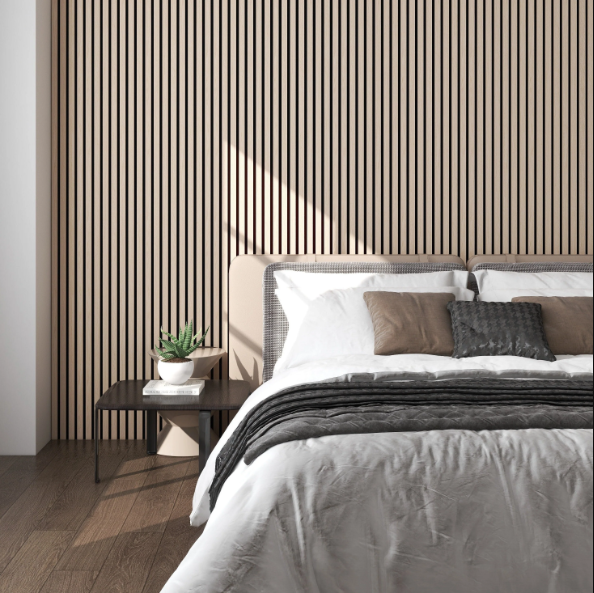
- Integrate Panels into Your Room's Design: Acoustic treatment can be a stylish feature, not an eyesore. Opt for panels that complement your decor, like fabric-wrapped options in matching colors, elegant slatted wood panels, or custom-printed art panels.
What Are Acoustic Panels? (And Why Your Home Theater Needs Them)
You’ve invested in a great TV and a powerful sound system, but something still feels off. The sound isn't as crisp or immersive as you’d hoped, and dialogue can get lost in the mix during a chaotic action scene. The culprit is almost always the room itself. Hard surfaces like drywall, windows, and hardwood floors act like mirrors for sound, causing audio waves to bounce around uncontrollably. This creates a jumble of echoes and reverberation—what acousticians call "flutter echo"—that muddies dialogue, distorts sound effects, and makes it hard for your speakers to perform their best.
This is where acoustic panels come in. They are the secret ingredient to achieving that clean, professional sound you experience in a commercial movie theater. Instead of just turning up the volume (which often makes the problem worse), acoustic treatment helps you control how sound behaves in your space. By managing these reflections, the panels ensure you hear every whisper, explosion, and musical note with stunning clarity, just as the sound engineers intended. It’s arguably the single most effective upgrade you can make for your home theater audio, often making a bigger difference than buying more expensive speakers. It's the final piece of the puzzle for true cinematic sound.
So, What Exactly Are Acoustic Wall Panels?
Let's get straight to it. Acoustic wall panels are specially engineered panels that you mount on your walls or ceiling to improve the sound quality inside a room. It’s a common misconception that they are for soundproofing; they won't stop sound from leaking into the next room. Instead, their job is to absorb sound waves that cause echoes. When sound hits a panel, the porous core material converts the sound energy into a minuscule amount of heat, stopping it from reflecting back into the room. This process tames reverberation and makes your audio clean and precise. While there are other treatments like diffusers (which scatter sound) and bass traps (which absorb low frequencies), absorption panels are the foundation of great room acoustics.
How Panels Improve Your Home Theater's Sound
Installing acoustic wall panels creates a night-and-day difference in your listening experience. By eliminating that distracting flutter echo, they make dialogue, music, and sound effects significantly clearer and more defined. You’ll find yourself understanding conversations in movies without needing to crank the volume or turn on subtitles. The entire soundstage will feel more focused and immersive, pulling you deeper into the action on screen. Even a few strategically placed panels can deliver a dramatic improvement. They are most effective at managing the mid and high-frequency sounds that cause the most noticeable echo. For the deep, rumbling bass that often gets boomy in corners, dedicated bass traps are the solution, but starting with absorption panels will give you the most immediate and impactful results.
How to Choose the Right Acoustic Panels
Walking into the world of acoustic panels can feel a bit like learning a new language. With terms like NRC, density, and absorption coefficients flying around, it’s easy to get overwhelmed. But don't worry—I'm here to break it down for you. Choosing the right acoustic wall panels isn't about having an engineering degree; it's about understanding a few key factors that separate the high-performers from the ones that just look the part. Getting these details right will make all the difference in turning your room from an echo chamber into a perfectly tuned listening space. Let's look at what really matters when you're ready to invest in better sound.
What Is an NRC Rating and Why Does It Matter?
Think of the Noise Reduction Coefficient (NRC) as a report card for how well a panel absorbs sound. It’s a rating from 0 to 1, where 0 means the material reflects all sound (like concrete) and 1 means it absorbs all sound. For a home theater, you want panels that are star students in sound absorption. Look for an NRC rating of 0.8 or higher. This ensures the panels are actually soaking up those distracting echoes and reverberations, rather than just bouncing them back around the room. A high NRC is your ticket to clearer dialogue and a more immersive audio experience.
Understanding High NRC Ratings
When you start looking at acoustic panels, the Noise Reduction Coefficient (NRC) is the most important spec to pay attention to. Think of it as a report card for how well a panel absorbs sound, graded on a scale from 0 to 1. A rating of 0 means the material reflects all sound, like a concrete wall, while a rating of 1 means it absorbs every sound wave that hits it. For a home theater, you want panels that are at the top of their class. The benchmark for truly effective sound absorption is an NRC rating of 0.8 or higher. Anything less might look nice, but it won't be powerful enough to eliminate the echoes that make your audio sound muddy and unfocused.
Choosing panels with a high NRC is what delivers that dramatic improvement in sound quality. These panels are highly efficient at soaking up the mid and high-frequency sound waves responsible for distracting reverberation and flutter echo. This is what allows you to hear dialogue with crystal clarity, even during chaotic action scenes, and makes the entire soundstage feel more detailed and immersive. By prioritizing a high NRC, you ensure the acoustic treatment you install is actually working to create a better audio environment, letting you hear your movies and music exactly as they were meant to be heard.
Why Panel Thickness and Density Matter
When it comes to acoustic panels, size does matter—specifically, thickness and density. A thicker panel has more mass to absorb sound waves, especially those tricky low-frequency sounds that can make a room feel boomy. While thin foam panels might help with some light flutter echo, they won't do much for deeper sounds. For real results, aim for panels that are at least three inches thick; four inches is even better. Denser materials pack more sound-absorbing power into that space, effectively trapping sound instead of letting it pass through or bounce off.
A Quick Guide to Panel Materials
The core material of an acoustic panel determines how well it performs. The most effective options are typically made from high-density materials like fiberglass or mineral wool. These materials are excellent at trapping sound waves and converting them into tiny amounts of heat. You'll also find panels made from acoustic foam or recycled cotton. While foam can be a budget-friendly choice, it generally doesn't perform as well as fiberglass or mineral wool, especially for lower frequencies. The key takeaway is that denser materials provide superior sound absorption, giving you more bang for your buck.
Exploring Different Material Options
The material inside your panel is what does all the heavy lifting for sound absorption. The industry standards are high-density fiberglass and mineral wool, and for good reason. Their dense, fibrous structure is fantastic at trapping sound waves and converting that energy into heat, which stops echoes in their tracks. You will also find panels made from acoustic foam, which are often a more budget-friendly option. While foam can help reduce some light flutter echo, it typically lacks the density to effectively manage a broad range of frequencies. For a solution that blends high performance with sophisticated design, Acoustic Wall Panels featuring wood slats are an excellent choice. These combine the natural aesthetic of wood with a highly effective absorptive core, proving you don't have to sacrifice style for sound quality.
The Importance of Backing Materials
When you look at modern acoustic panels, especially the popular slatted wood designs, the material behind the slats is just as important as the wood itself. This backing, usually a thick, high-density felt, acts as the primary sound-absorbing layer. As sound waves travel through the gaps between the wood slats, they hit this felt material and are effectively trapped and dampened. A great bonus is that this felt is often made from recycled materials, allowing you to improve your room's acoustics while making an environmentally conscious choice. This clever combination of a hard surface and a soft, absorptive backing creates a balanced acoustic treatment that controls reflections without making the room sound overly muffled or "dead." It’s a smart design that delivers both performance and aesthetics for any home theater.
Don't Forget Fire Safety Ratings
This one is a big deal. Since you’re adding materials to the walls of your home, you need to make sure they’re safe. Always check the fire safety rating of any acoustic panel you consider. The standard for most building materials in the US is a Class A fire rating, which means the material is highly resistant to spreading flames. This is a non-negotiable feature for peace of mind. Reputable manufacturers will have this information readily available for their products. Don't compromise on safety—it's just as important as sound quality.
Understanding Common Panel Sizes
When you're looking at acoustic panels, you'll notice they come in a variety of shapes and sizes, and this isn't just for looks. The size of your panels plays a practical role in both performance and installation. The most common size you'll see is 24" x 48" (or 2' x 4'), and for good reason—it's large enough to cover a significant area and absorb a wide range of frequencies, but still manageable enough to install easily. Smaller panels, like 12" x 12" or 24" x 24", offer more flexibility for creating unique patterns or fitting into tight spaces around doors and windows. Larger panels can create a cleaner, more uniform look in a bigger room.
So, how do you choose? A great rule of thumb is to aim for covering about 20% of your total wall surface area. You don't need to plaster every wall; strategic placement is far more important. For most home theaters, a combination of standard 24" x 48" panels at key reflection points will do the trick. If you have a very large room, bigger panels might be more efficient. For unique room layouts or specific design goals, exploring different types of panels, including custom sizes or slatted wood options, can provide the perfect fit for both your acoustic and aesthetic needs.
A Breakdown of Acoustic Panel Types
Acoustic panels aren't a one-size-fits-all solution. The best choice for your home theater depends on your budget, your room’s style, and the level of sound quality you’re aiming for. From simple foam to elegant wood, each type offers a unique blend of performance and aesthetics. Let's break down the most common options so you can find the perfect fit for your space.
Foam Panels: The Budget-Friendly Option
If you're just starting with acoustic treatment, foam panels are an accessible and popular choice. You’ve probably seen them in their classic pyramid or wedge shapes. They are great for absorbing mid-to-high frequency sounds, which helps reduce echo and reverb. Thicker foam panels can even help with some lower frequencies. While they may not offer the same level of performance as denser materials, they provide a noticeable improvement for a modest investment, making them a fantastic entry point for any home theater setup.
Fabric-Wrapped Panels: The Professional's Choice
For a more polished look and superior performance, fabric-wrapped panels are the go-to for enthusiasts and professionals. These panels typically have a core made of rigid fiberglass or mineral wool—materials known for their excellent sound-absorbing properties. The core is then wrapped in a decorative fabric, giving you endless possibilities to match your room’s decor. This combination of high-performance absorption and aesthetic flexibility makes them one of the most effective and versatile treatments available for creating a truly immersive sound experience.
Perforated Wood Panels: Where Style Meets Sound
Who says acoustic treatment can't be a design statement? Perforated Acoustic Wall Panels offer the best of both worlds: sophisticated style and effective sound control. These panels feature a beautiful wood finish with tiny holes or slats that allow sound to pass through to an absorptive material hidden behind. This clever design tackles echoes and reverb without sacrificing the warm, high-end look of natural wood. They are the perfect choice when you want your acoustic solution to blend seamlessly into a modern or luxurious interior design.
Art Acoustic Panels: Hide Treatment in Plain Sight
If you want sound control that’s completely invisible, art acoustic panels are your answer. These are fully functional absorptive panels that double as custom artwork. You can have your favorite movie poster, a family photo, or an abstract design printed directly onto the fabric surface. This allows you to treat key reflection points in your room without adding anything that looks like a technical sound panel. It’s a creative and effective way to manage your room’s acoustics while adding a personal touch to your home theater’s decor.
5 Top-Rated Acoustic Panel Brands
Once you start shopping for acoustic panels, you’ll find a handful of brands that come up again and again. Each one has its own strengths, whether it’s budget-friendly pricing, custom aesthetics, or professional-grade performance. To help you narrow down your search, here’s a look at some of the top names in the game and what they do best.
USA Builders Depot
If you’re looking for panels that blend seamlessly into a modern home design, this is a great place to start. USA Builders Depot specializes in acoustic wall panels that prioritize both sound control and high-end aesthetics, like their popular slatted wood designs. Because they offer a full range of building materials, their panels are designed to complement other finishes in your home, from hardwood flooring to steel doors. This makes them an ideal choice for contractors and homeowners who are planning a larger renovation and want a cohesive look. Their focus is on providing durable, stylish solutions that manage sound without making a room feel like a recording studio.
GIK Acoustics
GIK Acoustics is a favorite for its incredible balance of performance and style. If you’re setting up a home theater in a multi-use space like a family room, you’ll love their decorative options. The Impression series, for example, features artistic patterns that look like wall art. GIK also offers versatile "combo panels" that provide both sound absorption and diffusion, which scatters sound waves to make your room sound larger and more natural. For serious bass control, their thicker 4-inch and 7-inch panels are highly effective at absorbing those tricky low-frequency sounds that can make a movie soundtrack sound muddy.
ATS Acoustics
ATS Acoustics is known for delivering effective, stylish panels that won’t break the bank. With some options starting around $50, they make it easy to get started with acoustic treatment. For those needing more advanced performance, their higher-end products offer professional-grade sound absorption. Their acoustic diffusers are particularly good at managing frequencies between 325 Hz and 3 kHz, which is the key range for dialogue clarity and most musical tones. This makes them a fantastic choice for a home theater, ensuring you hear every word and detail in the soundtrack without having to crank up the volume.
Acoustimac
If you’re working with a tight budget, Acoustimac should be at the top of your list. They are widely recognized for offering some of the most affordable acoustic panels available, making them a go-to for DIYers and first-time home theater builders. For example, their popular DMD-422 panel is priced well under $100. You can also choose from different types of insulation, like mineral wool or eco-friendly cores, allowing you to balance cost and performance based on your specific needs. Acoustimac proves that you don’t need to spend a fortune to get a significant improvement in your room’s sound quality.
Primacoustic
Primacoustic panels are a top choice in professional settings, and for good reason. They are designed for high performance and incredible versatility. One of their standout features is how lightweight they are, allowing for a damage-free installation using simple 3M strips. This is perfect if you’re renting or like to change your room layout often. These panels are especially effective at handling deep bass, making them a great solution for larger rooms or for anyone who loves action movies with powerful sound effects. Their performance is reflected in a higher price point, positioning them as a premium option for those who want studio-quality sound at home.
Comparing Panel Materials: Performance vs. Price
Choosing the right material for your acoustic panels comes down to balancing your performance goals, your budget, and the look you want for your room. Not all materials are created equal when it comes to sound absorption, so let’s break down the most common options to help you find the perfect fit for your home theater.
Fiberglass vs. Mineral Wool: The High-Performers
If your top priority is getting the best possible sound, fiberglass and mineral wool are the industry standards. These dense materials are fantastic at absorbing a wide range of sound frequencies, which is exactly what you need to tame echoes and reverb in a home theater. You’ll often find them in professional-grade, fabric-wrapped acoustic wall panels. For maximum effectiveness, look for panels that are at least two to four inches thick. Thicker panels do a much better job of absorbing low-frequency sounds, giving you clearer dialogue and more impactful bass without the muddiness.
Foam Panels: When Your Budget Is the Priority
Acoustic foam is a popular entry-level option because it’s generally the most affordable. If you’re just looking to reduce some light echo and flutter, foam panels can get the job done. However, it’s important to set realistic expectations. Foam is less dense than fiberglass or mineral wool, so it’s not as effective at absorbing sound, especially lower frequencies. While it can be a good starting point, be wary of super-thin foam panels from online marketplaces, as they often provide little to no real acoustic benefit. Think of foam as a way to dial down echo, not as a complete sound control solution.
Wood and Fabric: For a Premium Look
You don’t have to sacrifice style for sound quality. For a sophisticated finish, consider panels that incorporate wood or decorative fabrics. Perforated or slatted wood wall panels are a brilliant solution because they combine aesthetics with function. Sound waves pass through the small openings in the wood and are absorbed by an acoustic material hidden behind it. This gives you excellent sound control while adding a warm, high-end architectural element to your room. Similarly, fabric-wrapped panels can be customized with different colors and textures to seamlessly blend into your existing decor.
Embracing Natural Wood Variations
When you opt for panels with a natural wood finish, you're choosing an organic material with its own unique story. It's easy to expect perfect uniformity, but real wood has subtle variations in grain, color, and texture. These aren't flaws—they're what make the material authentic and beautiful. Each panel brings a distinct character to your home theater, creating a warm, custom look that you just can't get from manufactured finishes. High-quality natural veneer wall panels are designed to celebrate this organic beauty, making your acoustic treatment a stunning design feature in its own right.
Pre-Made vs. DIY: Which Acoustic Panels Are Right for You?
Once you’ve decided to treat your room, the next big question is whether to buy ready-made panels or build them yourself. There’s no single right answer—it really comes down to your budget, your timeline, and how much you enjoy a good weekend project. Both paths can lead to incredible sound, but they offer very different experiences. Let’s break down the pros and cons of each so you can figure out which route is the best fit for your home theater.
Buying Pre-Made: The Pros and Cons
Buying pre-made acoustic wall panels is all about convenience and quality control. When you buy from a trusted supplier, you get a product that’s been professionally engineered, tested for its NRC rating, and built to last. These panels arrive ready to hang, saving you a ton of time and guesswork. They also come in a wide range of high-end fabrics and finishes, making it easy to match your room’s decor. The main downside is cost—you’re paying for the materials, labor, and professional finish. But for a guaranteed result without the hassle, pre-made is the way to go.
Building Your Own: The Pros and Cons
If you're on a tighter budget or love a hands-on project, building your own acoustic panels can be incredibly rewarding. The biggest benefit is the cost savings; you can often build panels for a fraction of the price of buying them. You also get complete creative control over the size, shape, and fabric, allowing you to create something truly custom. The drawbacks? It’s a time-consuming process that requires tools, space, and a bit of patience. Sourcing materials like mineral wool insulation, wood for frames, and acoustically transparent fabric can also be a chore. Plus, if you’re not careful, the final product might not look as polished as a professionally made panel.
Cost Breakdown: Pre-Made vs. DIY Panels
When it comes to your wallet, DIY is almost always the cheaper option for raw materials. However, it’s important to factor in the value of your time. A pre-made panel saves you hours of cutting, assembling, and wrapping. Think of it this way: buying pre-made panels is an investment in convenience, speed, and a guaranteed professional aesthetic. Building your own is an investment of your time and effort to save money and achieve a custom result. For most homeowners and contractors who want a clean, reliable, and beautifully finished look, purchasing high-quality panels from a supplier like USA Builders Depot is the most efficient path to amazing sound.
How to Place Acoustic Panels for the Best Sound
You've picked out the perfect acoustic panels, and now comes the fun part: putting them up. But where you place them is just as important as which ones you choose. Proper placement is the key to taming echoes and getting that crisp, clear sound you’re after. You don’t need to be an audio engineer to get it right—just follow these key principles for a professional-sounding home theater.
Start Here: Finding Your First Reflection Points
First reflection points are the spots on your walls where sound from your speakers bounces once before reaching your ears. These reflections can muddy the sound and make it harder to distinguish details. Here’s a simple way to find them: the mirror trick. Sit in your main listening spot and have a friend slide a mirror flat against the side walls. Any spot where you can see one of your front speakers in the mirror is a first reflection point. That’s exactly where you should hang your first set of acoustic wall panels. Treating these areas will make an immediate and noticeable difference in sound clarity.
Don't Forget the Wall Behind You
The wall directly behind your seating area is another major source of distracting reflections. Sound flies past your ears, hits that back wall, and bounces right back, creating a slight echo that can make dialogue unclear and music less defined. Placing a few panels on the wall behind your couch or chairs absorbs that sound before it has a chance to cause problems. This simple step helps create a cleaner, more immersive listening environment, letting you hear the details in the soundtrack exactly as the director intended. It’s a small change that delivers a big improvement.
Taming Bass in the Corners
Have you ever noticed how the bass in your home theater sounds boomy or uneven? That’s because low-frequency sound waves are long and powerful, and they tend to build up in the corners of a room. This creates "bass dead zones" in some spots and overwhelming boominess in others. To fix this, you need to treat the corners. While standard acoustic panels help, specialized panels known as "bass traps" are designed specifically to absorb this low-frequency energy. Placing them in the vertical corners of your room will help even out the bass response, giving you a tighter, more balanced sound across the entire space.
How Much Coverage Do You Really Need?
It’s easy to assume that more is better, but you don’t need to cover every inch of your walls to get great sound. In fact, over-treating a room can make it sound unnaturally "dead" and lifeless. A great starting point is to aim for covering about 30% to 40% of your reflective surfaces (your four walls). Begin by treating the first reflection points and the wall behind you, then listen to the room. If you still notice distracting echoes, you can add more panels. This balanced approach ensures you control unwanted reflections while keeping a natural, lively sound in your home theater.
Advanced Installation: Using Battens for Better Performance
If you're ready to take your sound control to the next level, here’s a pro tip: don't mount your panels directly onto the drywall. For a significant boost in performance, install them on wooden strips, often called battens. By screwing the battens to the wall first and then attaching your acoustic panels to the battens, you create a small air gap between the panel and the wall. This gap acts as an additional sound trap, dramatically improving the panel's ability to absorb low-frequency sound waves. It’s a simple structural change that makes a huge difference in tightening up bass and achieving that clean, professional sound.
Adding Insulation for Maximum Sound Control
That air gap you created with the battens is prime real estate for even more sound absorption. To get the absolute best performance, fill the space behind your Acoustic Wall Panels with a high-density insulation material. The most effective options are typically made from mineral wool or fiberglass. These materials are masters at trapping sound waves and converting that acoustic energy into a tiny, harmless amount of heat. This one-two punch of a high-quality panel plus insulation is the secret to achieving maximum sound control and turning your home theater into a perfectly tuned listening environment.
Customizing Panels to Fit Your Space
Long gone are the days when acoustic treatment meant your room had to look like a recording studio. Today’s panels are designed to be a seamless part of your interior design. You can integrate panels into your room's design by choosing options that complement your existing decor. Fabric-wrapped panels come in a huge variety of colors and textures, allowing you to match your walls or create a bold accent. For a more architectural and modern feel, elegant slatted wood panels add warmth and texture while cleverly hiding the absorptive material behind them. You can even get panels custom-printed with your favorite artwork or movie posters, turning your sound solution into a personalized design feature.
Common Installation Mistakes (and How to Avoid Them)
Getting your acoustic panels installed is exciting, but a few common slip-ups can keep you from getting that perfect sound you’re after. The good news is that they’re all easy to avoid once you know what to look for. Putting in a little extra thought before you start mounting will pay off big time when you finally press play. Let’s walk through the four most common mistakes so you can get your installation right the first time and enjoy crystal-clear audio without any regrets.
Mistake #1: Guessing on Panel Placement
It’s tempting to just eyeball where your panels should go, but placement is everything. The most important spots to cover are your first reflection points—where sound from your speakers bounces off a wall before hitting your ears. An easy way to find these spots is to have a friend slide a mirror along the side walls while you sit in your main listening spot. Anywhere you see a speaker's reflection is a first reflection point and a prime location for a panel. Getting this right is the single biggest step toward clearer, more direct sound.
Mistake #2: Using Too Few Panels
Another frequent issue is not installing enough panels to make a real difference. A good rule of thumb is to cover about 30% to 40% of your reflective wall surfaces, especially with lots of drywall and hard flooring. If you’re on a budget, you don’t have to do it all at once. Start by treating the first reflection points, then add more as needed. The goal is to reduce echo, and having sufficient acoustic treatment is the only way to achieve that.
Mistake #3: Ignoring Panel Thickness
Not all acoustic panels are created equal, and thickness plays a huge role in how well they absorb sound. Thinner panels are less effective, especially with mid-to-low frequency sounds. For a home theater, look for panels that are at least two inches thick—three to four inches is even better. Also, check the Noise Reduction Coefficient (NRC) rating. A panel with an NRC of 0.8 or higher is a great target, as it absorbs at least 80% of the sound that hits it, giving you a much cleaner audio experience.
Mistake #4: Forgetting to Treat the Bass
Finally, don’t forget the low-end frequencies. Bass sounds have long wavelengths that build up in room corners, creating a muddy or “booming” effect. Standard wall panels aren’t great at taming these frequencies, which is where bass traps come in. These are thicker panels designed to absorb low-frequency sound. Placing bass traps in the corners of your room, from floor to ceiling if possible, will tighten up your bass and dramatically improve the overall clarity and balance of your home theater’s sound.
How to Make Acoustic Panels Match Your Decor
Let's be honest: the idea of putting big, bulky panels on your walls can be a little intimidating. You’ve worked hard to create a space you love, and the last thing you want is for it to look like a recording studio (unless that’s your goal!). The good news is that acoustic panels have come a long way. With a little planning, you can integrate them seamlessly into your room’s design, making them a stylish feature instead of a necessary eyesore.
Turn Your Panels into Custom Art
One of the coolest ways to hide acoustic panels in plain sight is by turning them into art. You can find art acoustic panels that feature custom-printed images on acoustically transparent fabric. Think about it—you could have a favorite movie poster, a stunning landscape photo, or an abstract design that doubles as a sound absorber. This approach is perfect for multi-use spaces like living rooms, where you want high-performance audio without sacrificing your home’s decor. It’s a brilliant way to make a functional element a personal statement piece.
Choosing the Right Colors and Shapes
If custom art isn't in the budget, you can still make standard panels look fantastic. The key is to treat them as a deliberate design element. You can order acoustic wall panels in a color that matches your wall paint for a subtle, built-in look. Or, go the opposite route and choose a bold, contrasting color to create an eye-catching accent wall. Don’t be afraid to play with placement, either. Instead of a simple grid, try arranging rectangular panels in a staggered pattern or using hexagonal panels to create a modern, geometric design.
Balancing Performance with Aesthetics
It’s easy to get caught up in finding the "perfect" acoustic solution, but remember that any treatment is better than none. You don't need to cover every square inch of your walls to notice a massive improvement in sound quality. Focus on treating the most critical spots, like the first reflection points, and then live with it for a bit. The goal is to find a balance that makes your room sound great without compromising its comfort and style. Your home theater should be a place you love to be in, and that means creating a space that appeals to both your ears and your eyes.
Integrating Functional Accessories
Hiding Wires and Cables
You’ve mounted your beautiful new acoustic panels and the room sounds amazing, but now you’re left with a tangle of speaker wires and HDMI cables that completely ruins the clean aesthetic. Don’t let messy cables undermine your hard work. The simplest solution is to use on-wall cord concealers or raceways. These are plastic channels that stick directly to your walls or baseboards, allowing you to tuck the wires inside. You can even paint them to match your wall color for a nearly invisible finish. For the ultimate seamless look, running the wires inside the wall is the professional standard. This is easier than it sounds, especially if you’re already renovating. It involves dropping the cables through the wall cavity, completely hiding them from sight and giving your home theater that polished, high-end feel.
Where to Buy Acoustic Panels
Once you know what you’re looking for, the next step is finding the right place to buy your acoustic panels. The supplier you choose can make a big difference in terms of selection, price, and the support you receive. You’ll find options ranging from large online retailers to specialized local shops, each with its own set of benefits. For most people, especially those tackling a full room renovation, an online supplier with a wide range of building materials offers the most convenience and value.
Understanding the Costs: What to Expect
When you start shopping for acoustic panels, you'll notice that prices can vary quite a bit. The cost depends heavily on the material, thickness, and overall design. For example, basic foam panels might be on the lower end, while high-performance, fabric-wrapped panels or stylish slatted wood panels will be more of an investment. Generally, you can expect prices to range anywhere from around $50 for a standard panel to over $150 for a premium or custom option. Setting a realistic budget from the start will help you narrow down your choices and focus on the materials and brands that deliver the best performance for your price point.
Factoring in Shipping Costs
Don’t forget to account for getting the panels to your door. Shipping costs can impact your total project budget, especially for bulky items like wall panels. Many suppliers have different shipping policies; some might offer a flat rate, while others provide free shipping if you place a larger order, which is a great perk for contractors or big renovation projects. When you work with a nationwide supplier, you get the benefit of reliable delivery across the country, which simplifies logistics and helps keep your project on schedule. Always check the shipping fees before you finalize your purchase so there are no surprises when it’s time to check out.
Try Before You Buy: Ordering Samples
You wouldn't choose a paint color without testing a swatch on your wall, and the same rule should apply to acoustic panels. Before you commit to a full order, it’s a smart move to get your hands on a few samples. This allows you to see and feel the material in person and check how the color and texture look in your room's specific lighting. Most companies offer sample boxes for a small fee, which is a tiny investment for the peace of mind it provides. It’s the best way to ensure the panels you choose will perfectly complement your decor and meet your quality expectations before you purchase an entire room's worth.
Using a Coverage Calculator
One of the most common questions when starting an acoustic treatment project is, "How many panels do I actually need?" Buying too few won't solve your sound issues, and buying too many is a waste of money. To avoid the guesswork, look for an online coverage calculator on the supplier's website. These simple tools help you accurately estimate the number of panels required for your space. You just need to input your room's dimensions and the areas you plan to treat, and the calculator will do the math for you. This is an essential step for budgeting correctly and ensuring you order the right amount of material the first time.
Checking the Fine Print: Return Policies
Before you click that "complete purchase" button, take a moment to review the company's return policy. This is a crucial step that many people overlook. Every supplier has different rules, so you’ll want to know the specifics. For instance, some companies may only accept returns within a certain timeframe, like 30 days, and often require the product to be in its original, unopened packaging. Understanding these details upfront can save you from a major headache if your plans change or if you accidentally order the wrong item. A clear and fair return policy is a good sign that you’re buying from a reputable company that stands behind its products.
Shopping Online vs. Specialty Stores
Shopping online gives you access to a massive selection that most local stores simply can’t match. Online suppliers like USA Builders Depot offer a diverse collection of Acoustic Wall Panels that cater to different styles and budgets, from professional-grade fabric panels to beautiful wood veneer options. You can compare materials, read reviews, and have everything shipped directly to your door. While a specialty audio store might offer hands-on advice, they often come with a smaller inventory and higher price tags. Online retailers provide the flexibility to find exactly what you need for your project without leaving home.
How to Find Bulk Discounts
Treating an entire home theater means you’ll likely need more than just one or two panels. This is where looking for bulk pricing can save you a significant amount of money. Many online suppliers offer discounts for larger orders, which is perfect for contractors or homeowners outfitting a whole room. If you’re a trade professional, it’s always worth checking if a supplier has a dedicated program. For example, you can sign up for a trade account to get access to exclusive pricing and benefits on large projects, making a high-end finish much more affordable.
What to Ask About Installation and Support
A great product is only half the battle—you also need great support. A reliable supplier will provide clear installation instructions and be available to answer any questions you have along the way. Before you buy, check what mounting hardware is included. While some kits come with basic picture-wire hangers, using more secure hardware like Z-clips will ensure your panels are stable and flush against the wall. A good supplier can also help you estimate how many panels you need, ensuring you get the right amount of coverage for optimal sound without overspending.
Beyond the Home Theater: Other Uses for Acoustic Panels
While acoustic panels are a game-changer for home theaters, their usefulness extends far beyond movie night. Modern interior design loves open floor plans, high ceilings, and hard surfaces like hardwood floors and large windows. While this creates a beautiful, airy aesthetic, it also turns our living spaces into echo chambers where every sound bounces around. This is where acoustic wall panels become an essential tool for creating a more comfortable and peaceful home. They are designed to absorb that excess noise, reducing reverberation and making everyday life more pleasant.
Think about your main living area, a home office where you need to focus, or even a child's playroom. In any room where sound clarity and noise reduction matter, acoustic panels can make a significant difference. They help soften the harshness of a room's sound without forcing you to compromise on style. By integrating panels as a decorative feature wall or a subtle background element, you can solve common acoustic problems while adding texture and warmth to your space. Their versatility makes them a smart solution for almost any room in the house.
Using Panels in Kitchens and Bathrooms
Kitchens and bathrooms are notoriously noisy. Filled with tile, stone, and glass, these rooms are prime spots for echo. The clatter of pots and pans in the kitchen or the amplified sound of a running shower can be jarring. Acoustic panels offer a surprisingly effective solution. By installing them on a feature wall away from direct water exposure, you can absorb a significant amount of this reflective sound. For example, a slatted wood panel wall in a kitchen's dining nook can add a stunning design element while making conversations clearer and more enjoyable.
In a bathroom, placing panels on the wall behind a vanity or on the ceiling can transform the space into a more serene, spa-like retreat. It’s crucial to keep them away from areas with direct splashes, like inside a shower stall, but their application in drier zones is perfectly safe and highly effective. This approach allows you to control the room's acoustics and introduce a warm, natural texture that beautifully contrasts with the hard surfaces typical of these spaces, making them feel more balanced and inviting.
Acoustic Solutions for Commercial Spaces
The benefits of acoustic treatment are just as critical in commercial settings. In spaces like restaurants, cafes, and open-plan offices, controlling ambient noise is essential for customer comfort and employee productivity. A loud, echoing restaurant can make it difficult for patrons to hold a conversation, while a noisy office can be a constant source of distraction. As noted by industry leaders like Armstrong Ceiling Solutions, acoustic panels are designed to make these environments quieter and more comfortable for everyone.
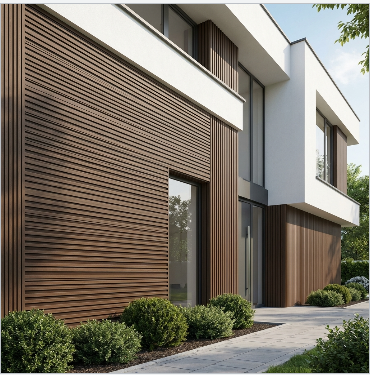
For designers and contractors, acoustic panels offer a powerful two-for-one solution: they solve a functional noise problem while also serving as a high-impact decorative feature. A wall of elegant wood slat panels in a hotel lobby or conference room can define the space's aesthetic while ensuring sound is properly managed. This dual purpose makes them an efficient and sophisticated choice for any commercial project where both ambiance and performance are priorities, creating a more welcoming and professional atmosphere for clients and staff alike.


