
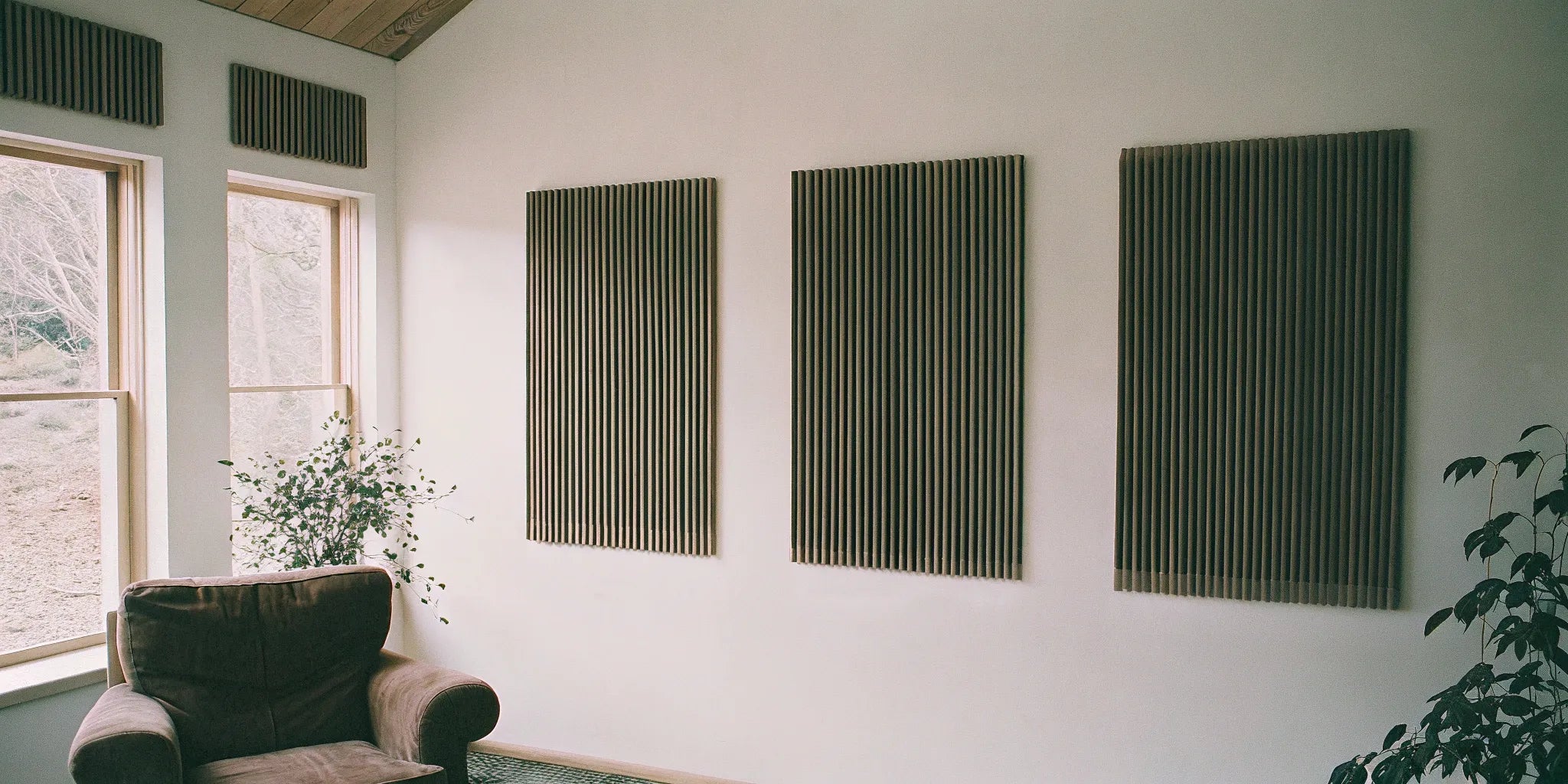
How to Choose the Right Acoustic Wood Panel

We spend so much time on how a room looks, but what about how it sounds? Hard floors and high ceilings look amazing, but they can create distracting echoes that make a space feel chaotic. An Acoustic Wood Panel is the perfect two-for-one solution. It’s a stunning design feature that also dramatically improves your room’s sound quality. While you might be searching for the best acoustic wood panels for soundproofing, their real strength is in sound absorption. They soak up that extra noise, making conversations clearer and your home feel instantly calmer. Here’s what you need to know.
Key Takeaways
- Manage Echo, Don't Block Noise: Remember that acoustic panels are for sound absorption—they improve clarity and reduce echo inside a room. They are not a soundproofing solution for stopping noise from traveling through walls.
- The Felt Backing is the Secret Weapon: While the wood slats provide the style, a panel's true effectiveness comes from its dense felt backing and overall thickness. Always look for a performance rating (NRC) to ensure you're getting real acoustic control, not just a decorative piece.
- Placement Over Quantity: Where you install your panels matters more than how many you use. Targeting the primary reflection points on your walls will make the biggest impact on sound quality and is more effective than covering an entire surface.
How Do Acoustic Panels Actually Control Sound?
Before you can pick the right panels, it helps to understand what they do—and what they don’t do. Acoustic wood panels are fantastic tools for improving the sound quality within a space, but their function is often misunderstood. They work by managing sound waves that are already inside a room, not by creating a fortress of silence. Let’s break down the science in a simple way.
Sound Absorption vs. Soundproofing: Which Do You Need?
This is the most important distinction to make. Acoustic wood panels are designed for sound absorption, not soundproofing. Think of sound absorption as using a sponge to soak up spilled water; it manages the mess inside the room. These panels reduce echo and reverberation, making speech clearer and music more defined.
Soundproofing, on the other hand, is like building a waterproof barrier to stop water from getting in or out. It’s about blocking sound from traveling between rooms. While acoustic wall panels will slightly reduce the amount of sound that leaks through a wall, that’s not their primary job. If your goal is to stop hearing your neighbor’s TV, you need a different solution.
How Wood Panels Transform Your Room's Acoustics
So, how do these panels soak up sound? The magic is in their construction. Most acoustic wood panels feature a series of wooden slats mounted on a soft, porous backing, usually made of felt. When sound waves hit the panel, some are reflected by the wood, but many pass through the gaps and are trapped and dissipated by the felt layer. This process converts sound energy into a tiny amount of heat, effectively removing it from the room and preventing it from bouncing around as an echo. This is how they create a more pleasant and controlled acoustic environment.
Common Myths About Acoustic Panels (and the Truth)
One of the biggest myths is that any wood slat panel will dramatically improve a room's sound. Unfortunately, many decorative panels are marketed as "acoustic" without having the right materials to actually absorb sound effectively. An effective acoustic panel needs a proper sound-absorbent core, like dense felt. If a seller can't provide performance data, like an NRC (Noise Reduction Coefficient) rating, be cautious. True acoustic panels are tested to prove their effectiveness. They are engineered to not only look great but to perform a specific function for your space, whether it's a home theater, office, or recording studio.
Why Are Wood Panels a Smart Acoustic Choice?
When you’re trying to manage sound in a room, you have a lot of options. But acoustic foam and heavy fabrics aren't the only players in the game. Wood panels offer a unique combination of performance, style, and durability that other materials just can't match. They don’t just absorb sound; they transform a space visually, adding warmth and texture. If you're looking for a solution that works hard and looks great doing it, wood is an excellent choice. It’s an investment in both the sound and the style of your room, providing a sophisticated finish that feels intentional, not just functional.
More Than Sound: The Aesthetic Appeal of Wood
Let’s be honest: aesthetics matter. Acoustic treatments should complement your design, not complicate it. This is where wood panels truly shine. They bring a natural warmth and organic texture that can make any room feel more inviting and modern. Unlike purely functional materials, acoustic wood panels act as a stunning architectural feature. You can create a striking accent wall behind a media console, add character to a home office, or bring a sense of calm to a bedroom. With options ranging from natural veneers to unfinished panels you can paint or stain, you have complete creative control to match your existing decor perfectly.
How Long Do Acoustic Wood Panels Last?
Acoustic panels are an investment, so you want something that will last. Wood is an inherently strong and resilient material. Unlike acoustic foam, which can crumble, discolor, or tear over time, wood panels are built to withstand the test of time, even in busy commercial spaces or active homes. Many modern panels are constructed from engineered wood composites, which adds stability and resistance to warping. This durability means you won't have to worry about replacing them every few years. They maintain their structural integrity and visual appeal, making them a reliable, long-term solution for improving your room’s acoustics and overall design.
Choosing a Sustainable Sound Solution
Making responsible choices for your home or project is more important than ever. Wood is a fantastic option if sustainability is on your mind. As a renewable resource, wood is an inherently eco-friendly building material, especially when it comes from responsibly managed forests. Many high-quality acoustic panels also feature a felt backing made from recycled materials, further reducing their environmental impact. By choosing wood, you’re opting for a material that is not only beautiful and effective but also aligns with green building principles. It’s a choice you can feel good about for years to come.
Understanding the Trade-Offs: Cost and Installation
Let's talk about the budget, because it’s a key part of any project. True acoustic panels often have a higher price tag than purely decorative ones, and the reason is simple: you’re paying for performance. The extra cost covers the specialized, high-density felt backing engineered to absorb sound waves. To be sure you're getting what you pay for, always ask for the panel's Noise Reduction Coefficient (NRC) rating. This number proves the panel has been tested and is a reliable indicator of its capabilities.
The good news is that installation is more about strategy than quantity, which helps manage costs. You don't need to cover an entire room to hear a significant improvement. Instead, focus on placing panels at primary reflection points—the spots where sound first bounces, like the wall opposite your speakers. This targeted approach lets you achieve excellent results with fewer panels, making your investment in high-quality acoustic materials both efficient and effective.
What Makes an Acoustic Wood Panel Effective?
When you’re looking at acoustic wood panels, it’s easy to get caught up in the aesthetics—and for good reason! They add incredible warmth and texture to a room. But if you’re investing in them for sound control, you need to know what’s happening behind the scenes. A panel’s effectiveness isn’t just about the wood slats you see on the surface. It’s a combination of smart design, the right materials, and solid construction.
The best acoustic wall panels are engineered to trap and absorb sound waves, reducing echo and reverberation to make a space feel calmer and sound clearer. This is achieved through a few key elements working together. The thickness of the panel, the density of its core materials, the type of wood used, and the felt backing all play a critical role. Understanding these components will help you cut through the marketing noise and choose a panel that not only looks great but also delivers the acoustic performance you need. Let’s break down what really makes a difference.
Why Thickness and Density Matter
When it comes to absorbing sound, especially those pesky low and mid-range frequencies like the hum of an air conditioner or bass from a speaker, size matters. Thicker, denser panels have more mass to absorb sound energy. A thin, flimsy panel simply won’t have the heft to make a noticeable difference. Think of it like trying to stop a wave with a piece of paper versus a thick sponge. The sponge’s depth and density allow it to soak up much more. Reputable manufacturers will provide testing data that shows how well their panels perform, so you can see the proof for yourself.
How to Choose the Right Wood and Core Materials
The type of wood used in an acoustic panel contributes to both its look and its sound-diffusing properties. While the felt backing does the heavy lifting for absorption, the wood slats help break up and scatter sound waves. Materials like Medium Density Fiberboard (MDF) are a popular choice for the slats because they offer consistent density and a smooth finish, making them perfect for veneers. Options like unfinished wood wall panels give you the flexibility to stain or paint them to match your decor perfectly, without compromising on the panel’s structural integrity and acoustic function.
Common Materials, Sizes, and Finishes
When you start shopping for acoustic panels, you’ll find a few common options that make planning your project easier. The most standard size is typically 2 feet wide by 8 feet tall, which is perfect for covering a good portion of a wall without needing a lot of custom cuts. For the wood slats, you’ll often see finishes like Oak, Teak, and Walnut, with Oak being a popular choice for its versatile and timeless look. The real star of the show, however, is the dense felt backing that handles the sound absorption. For ultimate creative freedom, you can also find unfinished wood wall panels. These are a fantastic choice if you want to paint or stain them to match your room’s specific color palette, giving you a completely custom look without sacrificing acoustic performance.
How Felt Backing Improves Sound Absorption
Here’s the secret ingredient: the felt backing. This soft, porous layer is what truly makes an acoustic panel work. As sound waves pass through the gaps between the wood slats, they get trapped in the fibers of the felt and are converted into a tiny amount of heat, which effectively removes them from the room. This process is called sound absorption, and it’s what reduces echo and makes a room sound less hollow. Without a high-quality, dense felt backing, a wood slat panel is mostly just a decorative element.
Decoding NRC: What Do the Ratings Mean?
To compare the effectiveness of different acoustic panels, you can look for a Noise Reduction Coefficient (NRC) rating. The NRC is a standard rating that tells you how much sound a material can absorb, on a scale from 0 to 1. A rating of 0 means it reflects all sound, while a rating of 1 means it absorbs all sound. Most acoustic wood panels have an NRC between 0.5 and 1.0, depending on their construction. This rating is a straightforward way to understand a panel’s performance and ensure you’re getting a product that will actually improve your room’s acoustics.
Acoustic vs. Non-Acoustic: A Performance Comparison
It’s easy to see a wood slat wall and assume it will help with sound, but the performance difference between a decorative panel and a true acoustic panel is significant. A non-acoustic panel is purely for looks; it might consist of wood slats mounted on a thin piece of plywood or installed directly on the wall. While it adds beautiful texture, it does very little to control sound. A real acoustic wood panel, however, is an engineered system. The effectiveness comes from its construction: wood slats are mounted on a thick, dense felt backing specifically designed to trap and absorb sound waves. This is what reduces echo and improves clarity. Without that sound-absorbing core, you're just getting the style without the function. Always check the product specifications for details on the backing material to ensure you're getting the performance you need.
Top Brands for Acoustic Wood Panels
Once you start shopping for acoustic wood panels, you’ll quickly realize just how many options are out there. It can feel a bit overwhelming, with different brands specializing in everything from professional-grade studio treatments to stylish panels designed for a living room accent wall. So, how do you choose? The best brand for you really depends on your project’s specific goals. Are you trying to create a critically accurate listening environment for a home theater? Or are you more focused on quieting down a noisy open-plan office while adding a touch of modern design?
Some brands lean heavily into the science of sound, offering detailed performance data and solutions for audiophiles and recording engineers. Others prioritize aesthetics, creating beautiful panels that serve as functional art. You’ll also find brands that excel at customization, allowing you to get the perfect size, shape, and color for your unique space. Budget is another key factor, with options ranging from affordable, DIY-friendly kits to high-end, custom-installed systems.
To help you make sense of it all, I’ve put together a look at some of the top brands in the acoustic wood panel space. Think of this as your starting guide. Each of these companies brings something different to the table, and understanding their strengths will help you narrow down your search and find the perfect panels for your needs.
USA Builders Depot: Great All-Around Acoustic Wall Panels
USA Builders Depot is a fantastic starting point for homeowners and trade professionals because they offer a curated selection of high-quality building materials designed to work together. Their Acoustic Wall Panels are designed to balance modern aesthetics with effective sound absorption, making them a versatile choice for both residential and commercial projects. While you’ll find options perfect for creating a stunning feature wall, you’re also getting a product that genuinely improves the room’s sound quality. A huge advantage is the convenience of sourcing multiple materials from one place. You can pair your panels with their steel doors, flooring, and lighting for a cohesive design, all with the benefit of fast nationwide shipping. For contractors, their trade program offers bulk discounts, making them a practical and cost-effective partner for larger projects.
GIK Acoustics: Professional-Grade Solutions
If your primary goal is acoustic performance, GIK Acoustics is a name you’ll hear often, especially among audiophiles and sound engineers. They are widely recognized for producing high-quality panels that are engineered to effectively manage sound. Their products are less about just adding a decorative touch and more about precisely treating a room’s acoustic issues, whether it’s taming echoes in a home theater or controlling reflections in a recording studio. According to users, GIK is also praised for its excellent customer service, offering guidance to help you get the right products for your space. This makes them a trusted choice for anyone who is serious about getting their room to sound its absolute best.
Art3d: Stylish and Affordable Slat Panels
For those who lead with design, Art3d is a brand that excels at creating visually striking panels. Their Acoustic Wood Slat Panels are specifically designed to enhance a room's style while providing solid acoustic benefits. Made from MDF wood slats over a sound-absorbing polyester fiber backing, these panels are a popular choice for creating modern, textured accent walls in living rooms, bedrooms, and offices. Customers often rave about the product's appearance, noting that the panels look even better in person and can completely transform the feel of a space. If you’re looking for an immediate and impactful design upgrade that also helps quiet things down, Art3d offers a stylish and effective solution.
Vicoustic: Where Design Meets Performance
When acoustic treatment needs to double as a work of art, Vicoustic is a top contender. This brand is known for its innovative and highly decorative approach to sound absorption. They move beyond the standard slat wood panel, offering a wide range of unique shapes, patterns, and sculptural designs that can become the centerpiece of a room. Vicoustic is often the go-to for high-end architectural projects, commercial spaces, and homes where aesthetics are paramount. Think of their products as functional art—they are engineered for premium acoustic performance but are designed with a European flair that makes a bold visual statement. If you’re looking for a solution that is anything but ordinary, exploring Vicoustic’s collections is a must.
UA Acoustics: For a Truly Custom Look
Do you have an oddly shaped wall, a specific color scheme, or a unique design idea in mind? UA Acoustics is the brand to check out if you need a tailor-made solution. Their biggest strength lies in customization. They offer a massive range of options, allowing you to choose everything from the material (like HDF wood or acoustic foam) to the panel’s specific function, whether it's for sound absorption, decoration, or noise blocking. According to their site, customers can select from countless designs, colors, and sizes, and can even order custom shapes to fit their exact needs. This level of flexibility makes them an ideal choice for designers, architects, and homeowners who don’t want a one-size-fits-all product.
How Do Wood Panels Compare to Other Options?
When you're trying to improve the sound in a room, you'll come across a lot of different products. While acoustic wood panels are a fantastic solution for controlling echo and improving clarity, it helps to understand how they stack up against other common options. Knowing the difference will help you invest in the right materials for your project and get the results you're actually looking for. Let's break down how wood panels compare to popular alternatives like acoustic foam and mass-loaded vinyl.
Acoustic Wood Panels vs. Foam: Which Wins?
You’ve probably seen those dark, pyramid-shaped foam squares in videos of home studios. While they’re widely available, acoustic foam is generally not the most effective choice for serious sound treatment. It might help with some high-frequency flutter, but it does very little to control the sound reflections and echoes that make a room sound hollow or loud. High-quality acoustic wood panels, on the other hand, are specifically engineered with dense cores and felt backing to absorb a much broader range of sound frequencies. This makes them far more effective at creating a balanced, clear, and pleasant-sounding room, all while adding a sophisticated design element that foam simply can't match.
Acoustic Wood Panels vs. MLV: Which Job Is It For?
If your main goal is soundproofing—that is, blocking sound from entering or leaving a room—you might have heard of mass-loaded vinyl. MLV is a heavy, dense, and flexible material that’s excellent for adding mass to walls to stop sound transmission. However, it does nothing for the acoustics inside the room and needs to be installed behind drywall, making it an invisible, purely functional material. Acoustic wood panels serve a different purpose. They are designed to absorb sound within a space, reducing echo and reverberation. This makes them the superior choice for improving sound quality and clarity, while also offering a beautiful, finished look that enhances your room’s decor.
Acoustic vs. Non-Acoustic Slat Panels
It’s easy to assume all slat panels help with sound, but that’s a common and costly misconception. True acoustic slat panels are engineered to absorb sound, using a dense felt backing to trap sound waves and reduce echo. This is what makes a room feel calmer and conversations clearer. Non-acoustic panels, on the other hand, are purely decorative. They lack the sound-absorbing materials and are often made of hard, reflective surfaces like plastic or thin MDF without a proper backing. Instead of quieting a room, they can actually make sound issues worse by bouncing sound waves around, leading to more echoes. If your goal is to improve a room's sound quality, investing in a panel with proven acoustic properties is essential. If aesthetics are your only concern, a decorative panel might suffice, but don't expect it to help with noise.
What Can You Realistically Expect from Your Panels?
It’s so important to understand the difference between sound absorption and soundproofing. Acoustic wood panels are masters of sound absorption. They work by trapping sound waves, which stops them from bouncing around the room and creating echo. This is what makes a room sound clearer and more controlled. Soundproofing, however, is about blocking sound from passing through a structure. True soundproofing involves adding mass, damping vibrations, and isolating structures. While acoustic panels can be part of a larger soundproofing strategy, their primary job is to perfect the sound quality within your room, not to completely silence it from the outside world.
How to Choose the Right Acoustic Wood Panels
Picking the right acoustic panels can feel like a big decision, but it really comes down to understanding your space and your goals. It’s not just about quieting a room; it’s about improving the quality of the sound within it. Whether you’re a contractor planning a client’s home theater or a homeowner looking to reduce echo in a high-ceilinged living room, focusing on a few key factors will help you find the perfect fit. Let’s walk through what you need to consider to make a choice you’ll be happy with for years to come.
First, Define Your Room's Acoustic Goals
First things first, it’s important to know what acoustic panels are designed to do. Their main job is sound absorption, not soundproofing. This means they are fantastic at soaking up sound waves inside a room to cut down on echo and reverb, making conversations clearer and music sound richer. They won’t, however, block your neighbor’s dog from barking. If your goal is to improve the sound quality within a space—like a home office, media room, or open-concept living area—then Acoustic Wall Panels are exactly what you need. Think about what you’re trying to achieve: Is it clearer audio for movie nights or a quieter environment for focused work?
Does Panel Thickness Matter for Different Sounds?
Not all sound is created equal, and the thickness of your acoustic panel plays a role in what type of sound it absorbs best. Generally, thicker, denser panels are more effective at absorbing low-frequency sounds, like the bass from a sound system or deep voices. For most general applications, like reducing chatter in a living room or office, standard-depth panels work perfectly. However, if you’re designing a dedicated listening room or home theater, you might want to look for panels with a greater depth to handle that wider range of frequencies and create a more balanced sound environment.
How Difficult Are They to Install?
The great news is that most modern acoustic wood panels are designed with straightforward installation in mind. Many can be mounted directly onto the wall with screws, and for extra security, a strong construction adhesive can be used. This makes it a manageable project for a seasoned DIYer or a quick job for a professional contractor. Before you buy, think about the surface you’ll be working with and whether you want the panels to be a permanent fixture. Planning your layout ahead of time will also make the installation process much smoother and ensure you get the best acoustic and visual results.
Real Wood vs. MDF: Which is Better?
When it comes to materials, you’ll often see options made from real wood veneer over an MDF (medium-density fiberboard) core. Both are excellent choices, but they serve different priorities. Panels with a real wood finish, like Unfinished Wood Wall Panels that you can stain yourself, offer an unmatched natural beauty and high-end feel. MDF-core panels provide fantastic acoustic performance and durability at a more accessible price point. The choice really depends on your budget and aesthetic goals. Both materials, especially when paired with a quality felt backing, will do a great job of absorbing sound.
Planning Your Purchase: Samples and Calculators
Before you add anything to your cart, a little prep work can save you a lot of headaches. Colors and textures can look very different on a screen, so it’s always a good idea to order samples. Holding a piece in your hand is the best way to see how a finish will look in your room's specific lighting and how it pairs with your existing decor. Once you’ve picked a favorite, measure your wall space to figure out exactly how many acoustic wall panels you’ll need. Planning your layout and calculating the quantity beforehand ensures you order the right amount, which helps avoid delays and makes the installation process go much more smoothly.
Where Should You Install Acoustic Wood Panels?
Acoustic wood panels are incredibly versatile, but their real power comes from placing them in the right environment. The goal is always to control sound, but what that means can change dramatically from room to room. Think about it: the hard surfaces in a modern living room—like large windows, hardwood flooring, and bare walls—are a recipe for harsh echoes. In contrast, a professional space might struggle with the constant hum of conversation and equipment. The key is understanding that you're not just adding panels; you're strategically treating a space to solve a specific acoustic problem.
In some rooms, you need crystal-clear audio for entertainment, while in others, the priority is reducing distracting background noise to improve focus and comfort. By identifying the primary function of your room and its unique challenges, you can place panels to absorb unwanted echoes and reverberation, creating a more balanced and functional space. This isn't about covering every wall, but about smart placement where sound waves first reflect. Let’s look at a few key areas where these panels make the biggest impact, turning chaotic sound into a controlled, pleasant experience.
For the Ultimate Home Theater Experience
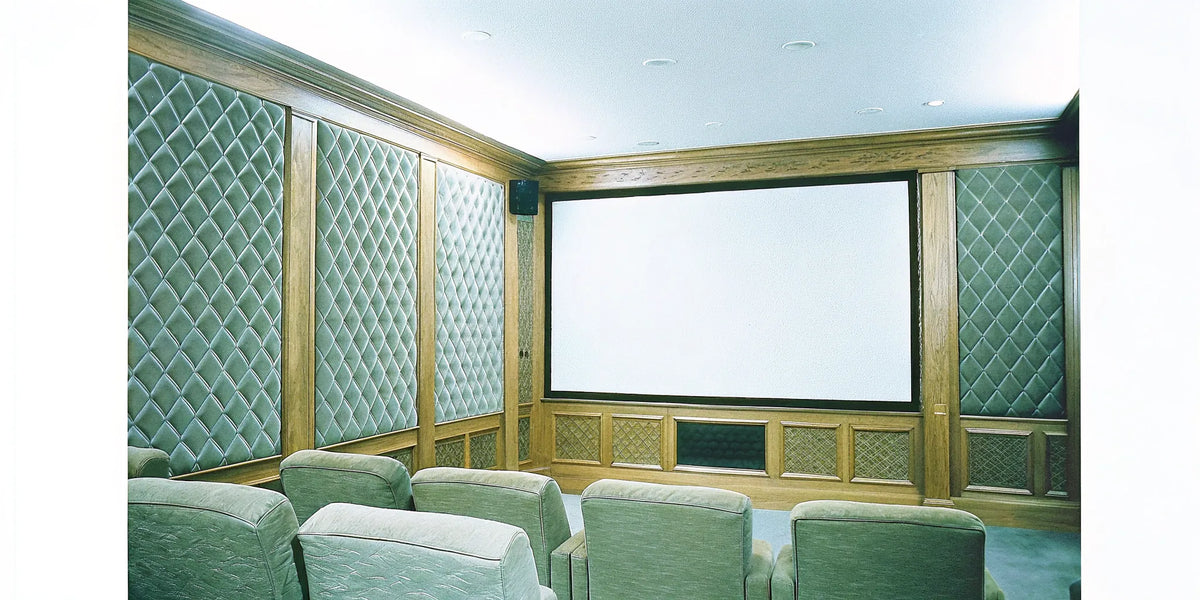
If you’re serious about sound, a home theater or dedicated listening room is the perfect place for acoustic panels. Hard surfaces like drywall and windows reflect sound waves, creating echo and muddying the audio from your speakers. Acoustic Wall Panels work by absorbing these reflections, which tightens up the bass, clarifies dialogue, and makes the entire soundscape more immersive. By placing panels at key reflection points—like on the walls beside your main speakers and behind your listening position—you can stop echoes in their tracks and ensure you’re hearing your movies and music exactly as they were intended.
Creating a Pro-Level Recording Space
In a recording studio or music practice room, controlling the room's internal acoustics is everything. It’s important to remember that acoustic panels are designed for sound absorption, not soundproofing—they won’t stop your drum kit from bothering the neighbors. What they will do is prevent sound from bouncing around the room, which is critical for capturing clean, professional-grade audio. By reducing flutter echo and standing waves, wood panels help create a controlled environment where your recordings are clear and accurate, free from the coloration of a lively, untreated room.
Quieting Down Open-Plan Offices
Modern open-plan offices are great for collaboration, but they can be a nightmare for noise control. Constant chatter, phone calls, and keyboard clicks create a distracting environment that can hurt productivity. Installing acoustic wood panels on walls or as dividers helps absorb that ambient noise, making the entire space feel quieter and more comfortable. In conference rooms, they reduce echo and reverberation, ensuring that voices on a call are clear and intelligible. For contractors and designers working on commercial projects, our trade program offers benefits for outfitting these larger spaces.
Bringing Peace to Living Rooms and Bedrooms
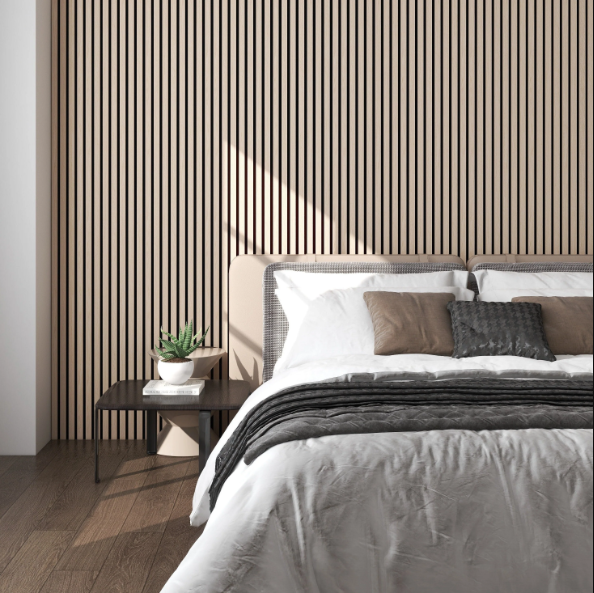
You don’t need a professional studio to benefit from better acoustics. In everyday living spaces, especially those with high ceilings, large windows, or hard floors, sound can bounce around and create a harsh, cavernous feeling. Adding acoustic wood panels to a living room or bedroom can instantly make it feel warmer and more serene. They absorb the sharp echoes from conversations and televisions, creating a calmer atmosphere. Plus, with their beautiful wood finishes, they double as a stunning design feature, adding texture and modern style to an accent wall behind a sofa or headboard.
Your Pre-Installation Checklist
You’ve picked out your panels, and now you’re ready to get them on the wall. The good news is that installing acoustic wood panels is a straightforward project you can likely tackle in an afternoon. A little bit of prep work goes a long way in ensuring your installation is smooth and the results look professional. Let’s walk through the key things to consider before you start.
How to Prep Your Walls for Installation
First, it’s important to set the right expectations. Acoustic Wall Panels are designed for sound absorption—meaning they reduce echo and reverb within a room—not soundproofing, which blocks noise from entering or leaving. The magic is in the felt backing and slatted design, which trap sound waves and create a more pleasant acoustic environment.
Before you begin, make sure your wall is clean, dry, and smooth. For mounting, you have a couple of great options. The most common method is to screw the panels directly into the wall (and into studs where possible). For an even more secure hold, many people apply a construction adhesive to the back of the felt before screwing them in.
Planning Your Panel Layout for the Best Results
Where you place your panels matters just as much as the panels themselves. For the best acoustic benefit, focus on the primary reflection points. These are the spots on your walls where sound from your speakers, TV, or voice would bounce directly back to your ears. A simple trick is to have a friend slide a mirror along the wall while you sit in your main listening spot—wherever you see the sound source in the mirror is a reflection point.
Also, consider creating a small air gap between the panel and the wall by mounting them on wooden battens. This small space can significantly improve the panel’s ability to absorb lower-frequency sounds.
Getting a Clean Cut: Tools and Tips
You don’t need a full workshop to get this job done. The basic tools include a tape measure, a level, a pencil, and a drill. When it comes to cutting the panels to size, a fine-toothed handsaw will work, but a circular saw or track saw will give you the cleanest and straightest cut.
Here’s a pro tip: to avoid splintering the wood veneer, place the panel face down and cut through the felt backing first. The panels are designed to be easy to handle, and the felt can be trimmed with a sharp utility knife if you need to fit around outlets or light switches.
Installation Methods for Optimal Performance
Once you’ve planned your layout, you have two primary ways to attach your panels to the wall. The method you choose can influence the panel's acoustic performance, especially with lower-frequency sounds. Both approaches are effective, but one gives you a slight edge in sound absorption, while the other prioritizes simplicity. Let’s look at the options so you can decide which is the best fit for your project.
Using Battens for Maximum Sound Absorption
If your goal is to get the absolute best acoustic performance from your panels, mounting them on wooden battens is the way to go. This technique involves screwing thin wood strips (battens) to the wall first, and then attaching the acoustic panels to the battens. This creates a small air gap between the wall and the panel, which acts as an additional sound trap. This space is particularly effective at absorbing low-frequency sound waves, making it the preferred method for home theaters and listening rooms. The science behind it shows that the air gap allows the sound-absorbent material to be more effective, essentially improving the panel's overall performance without changing its appearance.
Alternative Installation Techniques
For a more direct and faster installation, you can mount the panels straight onto the wall. This is the most common method and still provides excellent sound absorption for most applications, like offices and living rooms. The best practice for this technique is to apply a strong construction adhesive to the felt backing of the panel, press it firmly against the wall, and then secure it with black screws through the felt and into the wall studs. This combination of adhesive and screws ensures a secure, permanent hold. This straightforward approach makes installing our Acoustic Wall Panels a manageable project for both professionals and confident DIYers.
DIY vs. Hiring a Pro: Which is Right for You?
For most homeowners, installing acoustic panels is a very achievable DIY project. The process is simple: measure your space, cut the panels to fit, and attach them to the wall. It’s a satisfying way to transform a room’s look and sound in just a few hours.
However, if you’re planning a complex design, a full ceiling installation, or just don’t feel comfortable with the work, hiring a professional is always a smart choice. A contractor can ensure a flawless finish. If you’re a trade professional yourself, remember to check out the trade application for access to bulk pricing and other benefits.
Maintaining and Caring for Your Wood Panels
Once your beautiful new acoustic panels are installed, the hard part is over. The great thing about high-quality wood panels is that they are designed to be incredibly low-maintenance. You don’t need special polishes or complicated routines to keep them looking their best. A little bit of simple, consistent care is all it takes to preserve their finish and ensure they remain a stunning and effective feature in your space for years to come. Let’s walk through the best practices for keeping them clean and handling them in different environments.
General Cleaning and Upkeep
The best way to keep your Acoustic Wall Panels looking pristine is with simple, regular dusting. You can use a soft microfiber cloth, a feather duster, or a vacuum with a soft brush attachment to gently remove any dust from the wood slats and the felt backing. It’s important to avoid harsh chemical cleaners, abrasive sponges, or excessive water, as these can easily damage the wood veneer and its finish. A consistent routine, like a quick dusting every few weeks, is usually all that’s needed to maintain their natural beauty and prevent any buildup, ensuring they continue to look as good as the day you installed them.
Using Wood Panels in High-Moisture Areas
While wood panels are very durable, it's important to remember that wood is a natural material that can react to high levels of humidity. In spaces like bathrooms or basements, proper ventilation is key to preventing any potential warping or swelling over time. If you need to clean the panels in a humid environment, use a cloth that is only slightly damp and be sure to dry the surface completely right after. To proactively protect your investment, running a dehumidifier can help maintain a stable environment. With these simple precautions, you can confidently enjoy the warmth and style of wood panels even in these trickier spaces.
How Much Do Quality Acoustic Wood Panels Cost?
The price of acoustic wood panels can vary quite a bit, depending on the materials, size, brand, and acoustic performance. Think of it as an investment in your space's sound and style. A higher price often gets you better materials like solid wood, superior sound absorption, and a more polished finish. However, you can find effective and attractive options at nearly any price point if you know what to look for. Understanding the different tiers will help you set a realistic budget and find the perfect panels for your project.
What Can You Get on a Budget?
If you're just starting or working with a tight budget, you can find entry-level acoustic panels that get the job done. Some options can be found for as little as $5 per square foot, especially during a sale. At this price, you’re typically looking at panels made from MDF (medium-density fiberboard) with a wood-look veneer or laminate finish. While they may not offer the same level of sound absorption as premium versions, they are great for reducing minor echo in a home office or adding a stylish accent wall without breaking the bank. Just be sure to check the NRC rating to ensure it meets your basic needs.
The Sweet Spot: Mid-Range Panels
For most homeowners and commercial projects, mid-range panels offer the best combination of performance, aesthetics, and value. In this category, prices generally range from about $100 to $250 for a standard-sized panel or a multi-panel pack. These panels often feature a higher-quality felt backing and more durable wood veneer finishes. You’ll find a wider variety of styles and wood types, allowing you to better match your existing decor. This price point is the sweet spot for creating a feature wall in a living room, improving focus in a conference room, or upgrading a home theater with reliable acoustic wall panels.
Investing in Professional-Grade Panels
When sound quality is critical or you want a high-end architectural feature, premium panels are the way to go. These are often made with solid wood slats instead of MDF and feature high-density, professional-grade acoustic cores. The craftsmanship is top-notch, and the materials are built to last. You can expect to pay a premium for these solutions, as they are designed for recording studios, audiophile listening rooms, and luxury commercial spaces. The investment gives you superior acoustic control across a wider range of frequencies and a stunning visual element that stands out.
How to Find Deals and Discounts
Regardless of your budget, it always pays to shop smart. Keep an eye out for seasonal sales and promotions, where you can find significant discounts on high-quality panels. Buying in bulk for a large project can also reduce the cost per panel. If you’re a contractor, designer, or builder, it’s worth seeing if a supplier offers a trade program. For example, programs like our trade application provide access to exclusive pricing and bulk discounts, making it more affordable to source premium materials for your clients.
Related Articles
- Acoustic Panels vs. Soundproofing: Key Differences
- Acoustic Panel Sound: Absorption vs. Blocking
- Acoustic Wood Panels: The Ultimate Buyer's Guide
Related: For a broader comparison across panel types, review our acoustic wall panel comparison guide.