

How to Pick the Perfect Acoustic Wall Panel

Choosing acoustic wall panels starts with one question: what problem are you trying to solve? For most rooms, decorative acoustic panels are used to reduce reflected sound, echo, and reverberation inside the space. They are not automatically a soundproofing solution, and performance should never be assumed from appearance alone.
This guide explains the practical factors to compare before buying acoustic panels. When evaluating a specific USA Builders Depot product, use the exact product listing and applicable technical documentation as the source of record.
Start With the Acoustic Goal
Hard surfaces such as glass, tile, drywall, and concrete can reflect sound and increase reverberation. Sound-absorbing panels can help manage those reflections. If the goal is to reduce sound transmission between rooms, however, the project may require a tested wall, ceiling, door, or floor assembly rather than a surface panel alone.
Understand NRC Without Overgeneralizing
Noise Reduction Coefficient, or NRC, is one way of summarizing measured sound absorption across specified frequencies. A higher tested NRC generally indicates greater absorption under the conditions of that test. It does not mean that every panel with felt, wood slats, or a similar appearance has the same performance.
For any project that requires a specific NRC, request the applicable test report for the exact panel construction, thickness, backing, mounting condition, and test method. Do not transfer an NRC value from one panel or installation configuration to another.
Material, Thickness, and Mounting Matter
Acoustic performance can be affected by material composition, thickness, density, spacing, substrate, air space, and mounting method. Wood-slat panels, PET felt products, fabric-wrapped absorbers, mineral-fiber systems, and other acoustic products may behave differently even when they look similar.
Air cavities or additional absorptive materials behind a panel can change system performance, but the result should be treated as project-specific unless the complete assembly has been tested. Follow the exact installation instructions rather than relying on a generic rule for battens, insulation, adhesives, or fasteners.
Check Fire and Code Requirements Separately
Acoustic performance does not establish fire performance. If a project requires a flame-spread classification, smoke-developed rating, code listing, or other fire documentation, verify the exact product and assembly documentation required by the authority having jurisdiction. Do not assume a Class A rating from the panel category or material description.
Interior Design Still Matters
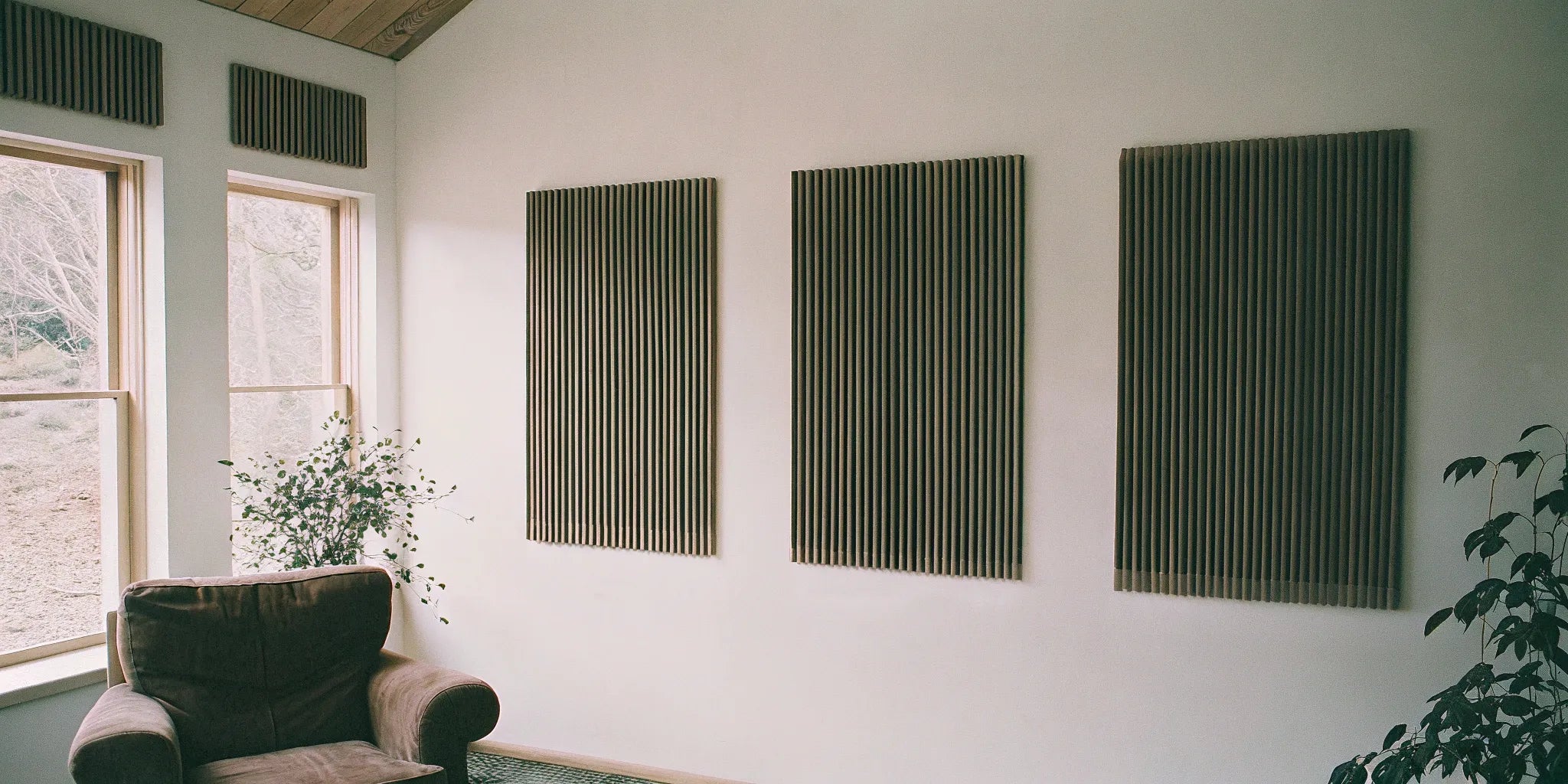
Decorative acoustic panels can add texture and warmth while supporting better room acoustics. Common design approaches include natural wood looks, dark finishes, linear slats, and felt-backed systems. Order samples when available so you can evaluate color, texture, and scale in the actual lighting of the space.
Where Acoustic Panels Can Help
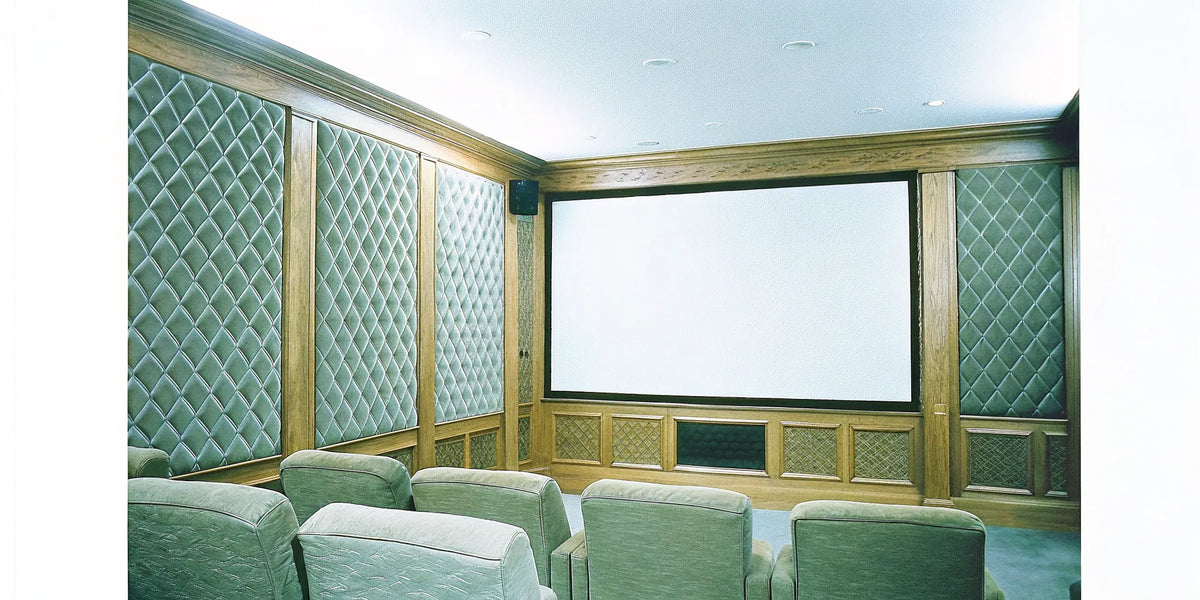
Potential applications include offices, conference rooms, restaurants, media rooms, hospitality spaces, studios, and residential living areas. Suitability depends on the exact product, environmental conditions, substrate, mounting method, and applicable project requirements.
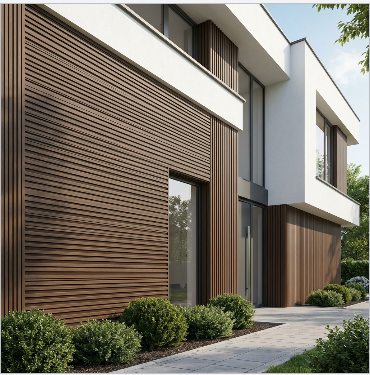
In kitchens, bathrooms, or other moisture-prone environments, verify the exact panel's intended use and exposure limitations. Do not assume an interior acoustic panel is appropriate for direct water exposure or high-humidity conditions.
How Much Coverage Do You Need?
There is no universal percentage of wall area that works for every room. The amount and placement of acoustic treatment depend on room volume, surface materials, furnishings, sound sources, occupancy, and the performance target. For critical spaces, an acoustic consultant or project-specific calculation may be appropriate.
Installation and Maintenance
Follow the manufacturer or supplier instructions for the exact panel. Confirm substrate preparation, adhesive or fastener requirements, spacing, cutting, edge treatment, and any needed subframing before installation. Maintenance should likewise follow product-specific care instructions.
What to Verify Before Ordering
- Exact dimensions and finish
- Intended interior or exterior use
- Panel composition and backing
- Applicable acoustic test documentation, if a rating is required
- Fire or code documentation, if required
- Installation method and substrate requirements
- Current warranty and care instructions
- Current stock status, lead time, and shipping requirements
Explore USA Builders Depot Acoustic Resources
Browse the wall panel collection and review the Acoustic Wall Panel Technical Resources. For broader installation and project documentation, visit Technical Resources.
When an exact acoustic, fire, environmental, or performance rating matters, contact USA Builders Depot for the documentation applicable to the specific product and configuration before specifying or ordering.