


The Ultimate Steel Frame Window Buyer's Guide
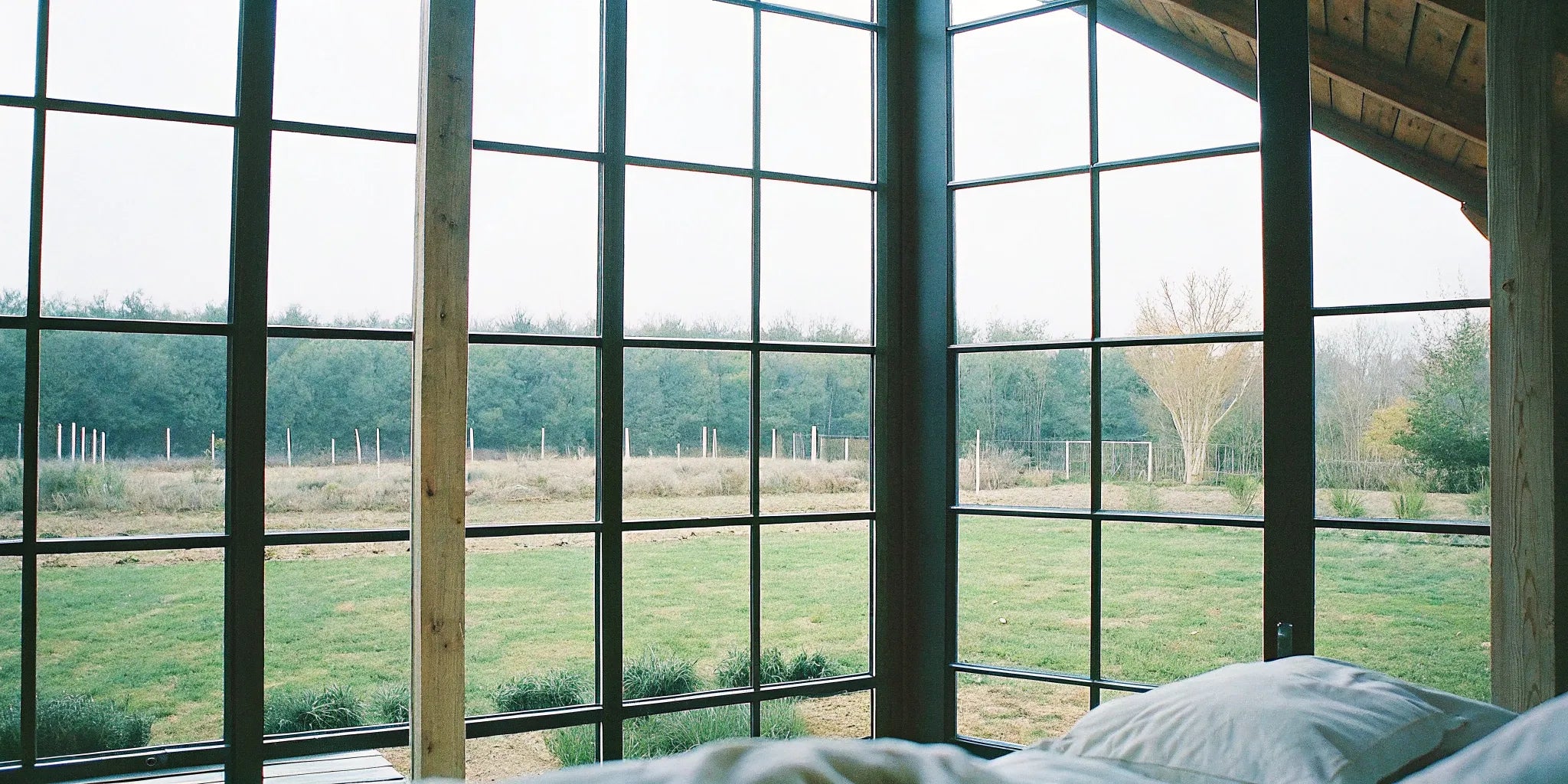
Everyone wants a home that feels bright, open, and connected to the outdoors. But bulky window frames can get in the way of a great view. This is where a steel frame window truly shines. Because steel is so strong, it supports huge panes of glass with impossibly thin frames. This minimalist profile maximizes your view and floods your rooms with natural light. It’s why black steel frame windows are so popular in residential projects—they create an airy, expansive feel that other materials simply can't match.
Key Takeaways
- Slim Frames Mean More Light and Better Views: Steel is exceptionally strong, which allows for thinner frames than wood or vinyl. This minimalist design maximizes the glass area, flooding your home with natural light and creating an open, airy feel.
- Think Lifetime Value, Not Upfront Cost: Steel windows are a long-term investment that can last for generations, unlike alternatives that may need replacing in 15-25 years. Their durability and timeless style add significant, lasting value to your property.
- Modern Steel Windows Are Built for Performance: Don't let old myths fool you. Today's steel windows use advanced coatings to prevent rust and thermal breaks to ensure excellent energy efficiency, making them a low-maintenance and practical choice for any climate.
What Are Black Steel Windows?
If you’ve been scrolling through home design inspiration lately, you’ve definitely seen them: bold, beautiful black steel windows. They’ve become a go-to for architects and homeowners who want to add a touch of modern elegance to a space. But they’re much more than just a trend. These windows blend industrial strength with refined style, creating a look that’s both classic and contemporary. Their slim frames and clean lines work in almost any setting, from a rustic farmhouse to a sleek city apartment, making them one of the most versatile choices on the market.
What Makes a Steel Frame Window Stand Out?
At their core, black steel windows are known for their incredible strength and design flexibility. Steel is one of the strongest materials used for window frames, which allows for a much thinner profile than wood or vinyl. This minimalist frame—often called a narrow sightline—maximizes the glass area, letting in more natural light and creating an open, airy feel. The style itself has a timeless quality, with roots stretching back to the industrial architecture of the late 1800s. This heritage gives them an authentic, elegant feel that complements both historic renovations and brand-new constructions, ensuring they are built to last for decades.
Why Designers and Homeowners Love Them
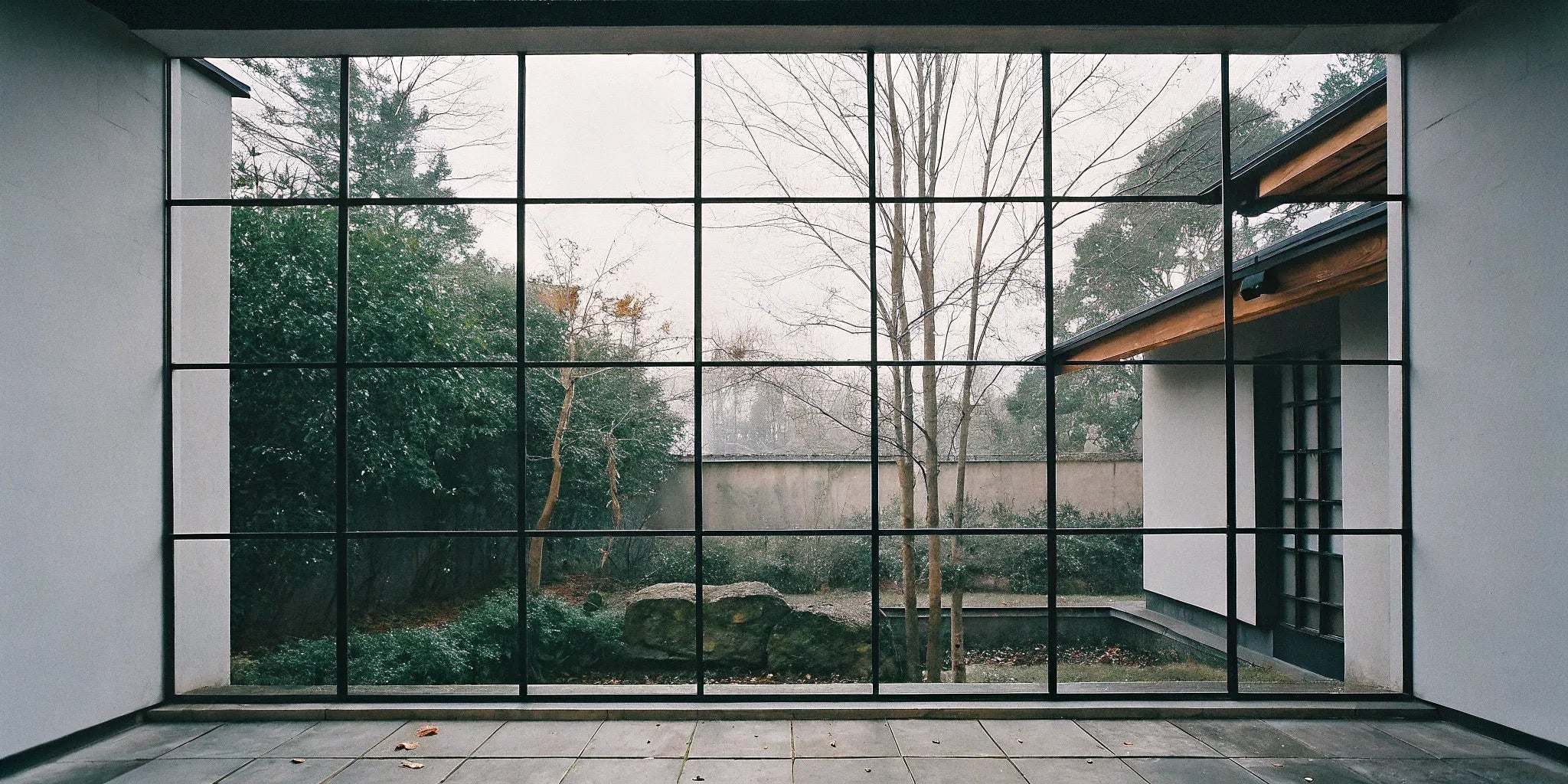
Designers love black steel windows because they make a statement. The dark frame creates a sharp, graphic outline that acts like a picture frame for your view, drawing the eye outdoors. This high-contrast look is especially popular in modern and minimalist interiors, where black frames pop against light-colored walls. They are a key element in creating bold, geometric designs and work beautifully with mixed materials like wood, brick, and concrete. For a cohesive and high-end look, you can pair them with matching steel doors to create a seamless transition between your indoor and outdoor spaces.
Understanding the "Crittall" Style
You’ll often hear the term "Crittall" used to describe any black steel window with a grid-like pattern, but the name actually belongs to the English company that pioneered the style. Crittall Windows revolutionized window manufacturing in the late 1800s, and their designs became a signature element of the Art Deco and Modernist movements. Their key innovation was engineering steel profiles that were slim but incredibly strong, allowing for large expanses of glass that were previously impossible with bulky wood frames. This rich heritage is why the style feels both timeless and contemporary, blending industrial authenticity with the clean, elegant lines that modern design demands.
How Steel Window Frames Are Made
The exceptional quality of a steel window begins with the raw material and the way it’s processed. While it might all look like simple black steel, the manufacturing method has a huge impact on the final product's strength, finish, and longevity. The process involves shaping steel into the precise profiles needed to build the frame, and this is typically done using one of two methods: hot-rolling or cold-rolling. Each technique gives the steel distinct characteristics, affecting everything from the frame's surface texture to its structural integrity. Understanding this difference helps you appreciate the craftsmanship behind a high-performance window.
Hot-Rolled vs. Cold-Rolled Steel
Hot-rolled steel is formed at extremely high temperatures, which makes it easy to shape. This process results in a material known for its raw strength and durability, but the surface can be slightly rougher and the corners less defined. Cold-rolled steel is essentially hot-rolled steel that goes through an extra step of processing at room temperature. This refines the steel, creating a smoother, more uniform finish with sharp, clean corners. For high-end residential projects where aesthetics are just as important as strength, cold-rolled steel is often the preferred choice for its polished, premium look.
Frame Construction and Materials
Modern steel window frames are constructed from profiles made of mild steel. These profiles are engineered to be incredibly slim without sacrificing strength, which is the secret behind those coveted narrow sightlines. This design flexibility allows for expansive glass areas that maximize natural light and views. It’s a significant advancement from traditional methods, where frames had to be much thicker to support the glass. By using these precisely engineered profiles, manufacturers can create custom steel windows in various grid patterns and configurations, perfectly tailored to enhance a building's architectural style.
Why Choose Black Steel Windows for Your Home?
If you're considering black steel windows, you're likely drawn to their striking, high-contrast look. But their benefits go far beyond curb appeal. They represent a smart investment in your home’s style, security, and long-term value. From incredible durability to flooding your rooms with natural light, here’s a closer look at why
A Look That Never Goes Out of Style
One of the biggest advantages of black steel windows is their incredible versatility. They act as a design chameleon, fitting seamlessly into almost any architectural style. In a modern or industrial home, their clean lines and minimalist profile create a sleek, sophisticated look. For a traditional farmhouse or rustic design, they add a touch of contemporary contrast that feels fresh and intentional. This timeless quality ensures your windows won’t look dated in a few years. Instead, they serve as a classic architectural element that complements your home’s character, whether you're building new or renovating an older property.
Enjoy Decades of Durability
When it comes to durability, steel is in a class of its own. Unlike wood that can rot or vinyl that can warp and degrade over time, steel frames are built to withstand the elements for a lifetime. Modern steel windows are treated with advanced protective coatings that prevent rust and corrosion, ensuring they maintain their strength and beauty for decades with minimal upkeep. While other window materials might need replacing every 15 to 25 years, a high-quality steel window can last for over a century. This makes them a true long-term investment that adds lasting value and structural integrity to your home.
Slim Frames for Maximum Natural Light
Have you ever noticed how steel windows seem to have impossibly thin frames? That’s because steel has incredible structural strength, allowing it to support large panes of glass with a much slimmer profile than materials like wood, vinyl, or aluminum. This strength-to-size ratio is a key benefit, as it maximizes the glass surface area in every window. The result is a brighter, more open-feeling interior with expansive, unobstructed views of the outdoors. This ability to connect indoor and outdoor spaces while flooding your home with natural light is one of the most sought-after features in modern home design.
Combining Home Security with Energy Efficiency
The inherent strength of steel provides an unmatched level of security and peace of mind. Steel frames are incredibly difficult to bend, break, or manipulate, creating a formidable barrier against potential intruders. But modern steel windows don’t sacrifice performance for strength. They are engineered with advanced features like thermal breaks—a barrier within the frame that stops heat and cold from transferring through the metal. When paired with high-performance, double-pane glass, today’s steel windows offer excellent insulation, helping to keep your home comfortable and your energy bills down. They also provide superior sound insulation, reducing outside noise for a quieter indoor environment.
Thermally Broken vs. Non-Thermal Frames
When you hear "steel," energy efficiency might not be the first thing that comes to mind, but modern engineering has solved that puzzle. The secret is a feature called a "thermal break." Imagine a small, insulating barrier built directly into the window frame that separates the interior metal from the exterior metal. This break stops heat and cold from transferring through, which is a game-changer for your home's comfort and energy bills. In any climate, a thermally broken frame helps keep your indoor temperature stable, reducing the workload on your HVAC system. It also effectively prevents that pesky condensation from building up on the inside of your glass, protecting your home from moisture.
A Sustainable Building Material
Making choices with the planet in mind is a big part of any modern renovation, and steel is a surprisingly sustainable option. For starters, it's 100% recyclable and can be repurposed endlessly without losing its strength or quality. But its most significant environmental advantage is its incredible longevity. While materials like vinyl or wood might need replacing every 15 to 25 years, high-quality steel windows are built to last for generations. This long-term durability means less manufacturing, less waste heading to landfills, and fewer resources consumed over the life of your home, making it a smart and responsible choice for any sustainable building project.
How Do Steel Windows Compare to Other Materials?
Steel windows are a significant investment, so it's natural to wonder how they compare to other materials on the market. Each option—vinyl, wood, and aluminum—has its own set of pros and cons. Understanding these differences is key to choosing the right windows for your home’s style, your budget, and your long-term goals. Let's break down how steel stacks up against the most common alternatives so you can feel confident in your decision. This section will help you see why steel windows often come out on top for those prioritizing durability and timeless design.
Steel vs. Vinyl: Which Is Right for You?
Vinyl windows are a popular budget-friendly choice, and they've come a long way in terms of quality. Modern PVC windows can be quite low-maintenance, resisting moisture without needing to be painted. However, the biggest difference comes down to strength and lifespan. Steel is significantly stronger, which allows for much thinner frames and larger panes of glass. This creates the minimalist, elegant look that vinyl just can't replicate. While vinyl windows typically last around 15-25 years before they may need replacing, a well-made steel window can have a lifespan of over 100 years, making it a true long-term investment in your home.
Is Steel a Better Choice Than Wood?
Wood windows offer a classic, warm aesthetic that many homeowners love. They can even be painted black to get a look similar to steel. The downside? Wood requires consistent maintenance to prevent rot, warping, and insect damage, especially in harsh climates. Steel, on the other hand, is incredibly resilient and holds its shape perfectly over time. Because of its strength, steel frames can be much slimmer than wood frames, maximizing your view and letting in more natural light. While wood offers traditional charm, steel provides a sleek, durable alternative that stands up to the elements with far less upkeep, giving you peace of mind for decades.
Steel vs. Aluminum: What's the Real Difference?
Aluminum is another material often used for modern window designs. It’s lightweight, resistant to rust, and generally more affordable than steel. Some people even opt for aluminum-clad wood windows to get a similar look for less. However, steel is about three times stronger than aluminum. This superior strength means steel windows can support massive glass panels with exceptionally narrow sightlines, something aluminum can't quite match. Steel also has better thermal performance when designed with a proper thermal break, helping to insulate your home more effectively. While aluminum is a solid choice, steel is the premium option for maximum strength and minimalist design.
Cost vs. Performance: A Quick Breakdown
When you line them all up, it’s clear that steel windows are in a class of their own. Yes, they typically come with a higher upfront cost. But that price reflects superior performance and incredible longevity. Steel’s strength allows for unmatched design flexibility, from graceful arches to massive picture windows with barely-there frames. While vinyl and aluminum offer affordability and wood provides a traditional feel, neither can match steel's durability. With modern protective coatings and thermal breaks, steel windows are built to last for generations, not just a couple of decades. Think of it less as an expense and more as a permanent upgrade to your home’s value, security, and style.
Breaking Down the Cost of Steel Windows
Let’s talk about the budget. Steel windows are a premium product, and their price reflects their quality, durability, and sophisticated style. While the initial investment is higher than for materials like vinyl or aluminum, it’s helpful to understand exactly what you’re paying for and how it pays off over time. The final cost depends on a combination of the product itself, the complexity of the installation, and the long-term value you gain. By breaking down these components, you can see the full picture and make a decision that feels right for your home and your finances.
What Influences the Price?
The price tag on steel windows can vary quite a bit because each project is unique. The biggest factor is customization. A standard-sized fixed window will cost less than a large, custom-arched window with intricate grid patterns. The size of the window, the type of glass you choose (like double-paned or low-E coated for better insulation), and even the hardware finishes all play a role. Generally, you can expect prices for a single window to start over a thousand dollars and climb from there for more complex or oversized designs. Think of it as investing in a piece of custom-fit architecture for your home.
Manufacturing Time and Warranties
Beyond the initial cost, it's important to factor in the timeline. Unlike off-the-shelf vinyl windows, steel windows are typically custom manufactured for each specific project. This bespoke process ensures a perfect fit and allows for incredible design freedom, but it also means you’ll need to plan for longer lead times. The manufacturing timeline can vary widely depending on the complexity of your designs, the manufacturer’s current schedule, and the specific finishes you choose. It’s always a good idea to get a clear timeline from your supplier early in your project planning. This way, you can coordinate with your contractor and avoid any delays in your construction or renovation schedule.
Now, let’s talk about warranties. This is where steel windows can differ from other materials. While the windows themselves are built to last for 50 years or more, the manufacturer's warranty often covers a shorter period, sometimes ranging from one to five years. This isn't a red flag; it's just a different approach. The warranty is there to protect you against any initial manufacturing defects in the frame or finish. The long-term value comes from the inherent strength and durability of the steel itself. While some general window warranties can extend for 20 years or more, the focus with steel is on the product's proven longevity rather than a lengthy service contract.
Don't Forget to Budget for Installation
The cost of the window itself is just one part of the equation. Professional installation is essential and will be a significant portion of your total budget. Steel is much heavier than vinyl or wood, so it requires a skilled team with the right equipment to handle and install it safely and correctly. A proper installation ensures your windows are perfectly sealed, operate smoothly, and perform efficiently for decades. This isn't a weekend DIY project. When getting quotes, make sure they clearly separate the cost of the materials from the labor so you have a transparent view of the entire expense.
Why Steel Windows Are a Smart Investment
While the upfront cost is notable, it’s really an investment in your home’s future. Steel windows are built to last a lifetime. Unlike other materials that may need replacing after 15 or 20 years, a well-maintained steel window can endure for generations. This durability, combined with their timeless appeal, can significantly increase your property’s resale value. They also offer excellent performance—modern steel windows with thermal breaks provide great insulation, which can help lower your energy bills over time. When you look at it this way, the initial cost is balanced by decades of performance, beauty, and added home value.
Exploring Styles and Custom Features
One of the best things about working with steel is its incredible design flexibility. Because the material is so strong, it can be shaped and customized in ways that other materials simply can’t handle. This opens up a world of possibilities beyond the standard rectangular window. From graceful arches to massive glass walls, steel can be tailored to fit your specific vision. Whether you’re aiming for a classic look or something completely unique, you can find a style that brings your architectural dreams to life. Let's look at some of the most popular styles and custom features available.
Common Steel Window Styles
Steel windows are not a one-size-fits-all product. Their inherent strength allows for a wide range of operational styles and custom shapes that can define a room's character. Common choices include casement windows that swing open, awning windows that are hinged at the top, and fixed windows that don’t open but provide an unobstructed view. Because steel is so robust, manufacturers can design windows for almost any size or shape opening, including elegant curves and sharp geometric angles. This versatility ensures you can create bright, open spaces that feel perfectly tailored to your home’s architecture.
Storefront and Italian-Style Windows
Beyond the standard residential styles, steel offers unique options that can make a bold statement. Storefront-style windows, with their large glass panes and clean grid lines, are perfect for both exterior walls and interior partitions, creating a sense of openness between rooms. For a more classic or rustic feel, you might consider custom Italian-style windows, sometimes called Tuscan-style. These often feature more ornate details and can add a touch of old-world charm to a home. These specialized designs showcase how steel can adapt to highly specific aesthetic goals, from ultra-modern to timelessly traditional.
Pairing Steel Windows with Doors
To create a truly cohesive and impactful design, consider pairing your black steel windows with matching steel doors. This strategy creates a seamless visual language throughout your home, connecting indoor and outdoor living areas with a unified look. A matching set of windows and doors can transform a back patio into a stunning architectural feature or make a grand entrance feel even more impressive. At USA Builders Depot, we offer a complete line of custom and standard steel doors engineered to perfectly complement our steel windows, allowing you to achieve a harmonious and high-end finish.
Lift-and-Slide, French, and Bi-Fold Doors
The right door style can dramatically enhance the functionality and feel of your space. Lift-and-slide doors are a popular choice for creating massive, uninterrupted openings with minimal effort. Classic French doors offer a timeless elegance and work beautifully in more traditional settings. For the ultimate indoor-outdoor connection, bi-fold doors can be folded away completely, removing the barrier between your living room and your garden. Each of these styles can be crafted with the same slim steel profiles as your windows, ensuring your entire home feels connected and thoughtfully designed.
Specialized and High-Security Options
While steel windows are celebrated for their beauty, their strength provides practical benefits that go far beyond aesthetics. This material is a top choice for projects where security and performance are just as important as style. The robust nature of a steel frame makes it an incredibly secure option for any home or commercial building. Modern engineering also allows for specialized features that can meet very specific needs, from enhanced security to extreme weather resistance, giving you peace of mind without compromising on design.
Bullet-Resistant Windows and Custom Locks
For applications requiring maximum security, steel frames are the ideal choice. They can be engineered to accommodate bullet-resistant glass and materials, providing different levels of protection for commercial spaces like ticket windows or high-security residential projects. The strength of the steel frame is essential for supporting the heavy, specialized glazing and ensuring the entire system performs as intended. This level of customization extends to hardware as well, with options for multi-point locking systems that secure the window or door at several points, creating a formidable barrier against intrusion.
How to Find the Best Black Steel Windows
Choosing the right windows is a major decision for any home project. You’re not just picking a piece of glass and metal; you’re investing in your home’s security, energy efficiency, and overall aesthetic. With so many options on the market, it helps to know what separates a great steel window from a mediocre one. It comes down to the quality of the materials, the precision of the engineering, and the reputation of the supplier. Below, we’ll walk through what makes our windows a reliable choice, explore other options, and give you the key indicators of quality to look for no matter where you shop.
What to Look For in a Quality Steel Window
We stand behind our products because we know what goes into them. Our steel windows are designed to deliver on the three things that matter most: strength, style, and performance. Steel’s natural durability means the frames can be incredibly slim without sacrificing security, giving you those clean lines and maximizing the natural light in your space. We ensure every window is engineered for excellent energy efficiency and treated with protective coatings to keep them low-maintenance for years. We believe you shouldn’t have to choose between a beautiful design and practical, long-lasting benefits, so we’ve sourced windows that give you both.
Other Quality Brands to Consider
While we’re confident in our steel windows, we also know that every project has a different budget. If solid steel isn’t the right fit for you financially, you can still achieve a similar look. A popular alternative is aluminum-clad wood windows. These feature a durable aluminum exterior that can handle the elements, while the interior wood frame can be painted black to mimic the classic steel aesthetic. This option gives you a high-end look for a more accessible price point. Brands like Jeld-Wen and Lincoln are well-regarded in this category and offer quality clad-wood windows worth exploring.
How to Spot a High-Quality Window
Whether you’re buying from us or another supplier, there are a few universal signs of a well-made steel window. First, look at the construction. High-quality steel is exceptionally strong, allowing for slender frames that are still incredibly secure. Second, check the finish. A premium window will have a durable, factory-applied coating that resists rust and corrosion, which is essential for longevity and minimal upkeep. Finally, consider the design flexibility. Reputable manufacturers can often accommodate custom shapes and sizes, proving their craftsmanship. A window that checks these boxes is not just a purchase—it’s a long-term investment in your home’s value and appeal.
Common Myths About Steel Windows, Busted
When you’re making a big decision for your home, it’s easy to get bogged down by conflicting information. Steel windows, in particular, are surrounded by a few persistent myths that often stem from outdated products and technologies. But many of these misconceptions simply don’t apply to the high-quality, engineered windows available today. Advancements in manufacturing, coatings, and thermal technology have transformed steel into a high-performance powerhouse. Let's walk through the three most common concerns—rust, maintenance, and energy efficiency—and show you why today’s steel windows are a smart, durable, and stylish investment for any home.
Myth #1: Steel Windows Will Rust Over Time
This is probably the most common hesitation I hear, and it’s completely understandable if you’re thinking of old, untreated steel. But the steel windows of today are a different story. Modern manufacturing processes include advanced protective coatings, like galvanization and durable powder coats, that create a powerful barrier against moisture and prevent corrosion before it can ever start. These finishes are designed to withstand rain, snow, and humidity for decades. In fact, with proper coatings, a steel window can last for more than 100 years, far outliving vinyl alternatives that typically need replacing in just 15 to 25 years.
Myth #2: They Require Constant Upkeep
Another common misconception is that steel windows require a lot of work to keep them looking good. In reality, they are surprisingly low-maintenance. The smooth, non-porous surface of a powder-coated steel frame doesn’t trap dirt and grime the way some other materials can. A simple cleaning with mild soap and water a few times a year is usually all it takes to keep them looking brand new. Unlike wood windows that need periodic sanding and repainting, a high-quality steel window’s finish is incredibly resilient and won’t chip, peel, or fade over time. They are truly a "set it and forget it" option for busy homeowners.
Myth #3: You'll Lose Heat Through Steel Frames
Old, single-pane steel windows were definitely not great insulators. However, this is where modern engineering has made the biggest impact. High-performance steel windows are now designed with thermal breaks—a barrier made of a less conductive material placed within the frame to stop heat and cold from passing through. This technology, combined with double- or triple-pane insulated glass units, allows modern steel windows to meet or even exceed strict energy codes. They effectively keep your home comfortable year-round, helping to lower your heating and cooling bills while still providing those beautiful, slim sightlines that let in maximum natural light.
How to Care for Your Steel Windows
One of the best things about steel windows is how little maintenance they require. Unlike wood that needs repainting or vinyl that can warp, steel is incredibly resilient. But a little bit of care goes a long way in keeping your windows looking brand new for decades. With a simple routine, you can protect your investment and ensure your frames remain a stunning feature of your home. Think of it less as a chore and more as a quick touch-up to preserve their timeless beauty.
Your Guide to Simple Cleaning and Maintenance
Keeping your steel windows clean is surprisingly simple. For routine upkeep, just wipe down the frames with a soft cloth and a solution of mild, pH-neutral soap and water. It’s best to avoid abrasive cleaners or rough sponges, as these can scratch the protective finish. If you’re dealing with stubborn spots, a gentle glass cleaner or a diluted vinegar solution works wonders. The key is to be gentle. By cleaning the frames every time you wash the glass, you’ll prevent dirt and grime from building up and keep your steel windows looking sharp.
Easy Ways to Prevent Scratches and Damage
Beyond regular cleaning, a few proactive steps can prevent potential issues down the road. When you’re cleaning, take a moment to inspect the seals and caulking around the window to make sure everything is intact. It’s also a good idea to check that all hardware, like locks and handles, is secure and functioning smoothly. If your windows slide or open on a track, keep the tracks clear of debris like leaves or dirt to ensure they operate without a hitch. This simple check-in only takes a few minutes and helps maintain the integrity of your windows and the security of your home, much like caring for high-quality steel doors.
A Seasonal Maintenance Checklist
A quick seasonal check-up is the easiest way to stay on top of maintenance. In the spring, give the frames a good wash to clear away winter grime and inspect the seals for any cracking that may have occurred in the cold. In the fall, clear any leaves or debris from the tracks and sills before the wet weather sets in. Twice a year, it’s also smart to lubricate any moving parts with a silicone-based spray to keep them operating effortlessly. For contractors and property managers, creating a simple checklist can streamline this process across multiple projects. Professionals can even get exclusive pricing through our trade program to keep costs down.
How to Style Your Black Steel Windows
One of the best things about black steel windows is how easily they adapt to different architectural styles. Their clean lines and strong presence can either define a room's aesthetic or blend in to support it. Whether you're building a brand-new industrial loft or renovating a classic colonial, there’s a way to make steel windows work for you. Let’s look at a few popular design approaches.
Nailing the Modern and Industrial Look
If you love modern or industrial design, black steel windows are a perfect match. The slim, minimalistic frames are a key feature, allowing for larger panes of glass that flood spaces with natural light. For modern homes, choosing large black metal frame windows with minimal grid designs enhances the clean, contemporary vibe. In an industrial-style space, like a converted loft or a new build with exposed brick and ductwork, these windows honor the building's functional roots while adding a layer of sophisticated polish. They create a seamless connection between the indoors and outdoors, making any room feel more open and expansive.
Using Steel Windows for a High-Contrast Design
Black steel windows are masters of drama. They create a stunning visual anchor in any room, especially when used to create high contrast. Imagine sleek black frames set against crisp, white walls—the effect is bold, graphic, and incredibly chic. This high-contrast look is a hallmark of cutting-edge contemporary design. Designers often use black window frames as part of a larger story that includes bold geometries, mixed materials, and dramatic lighting fixtures. The windows don't just let light in; they become a deliberate part of the interior design, framing your view of the outside world like a living piece of art.
Can Steel Windows Work in a Traditional Home?
Don't make the mistake of thinking steel windows are only for modern spaces. They can bring a fresh, updated feel to traditional homes without sacrificing classic character. In fact, opting for traditional black steel windows can actually enhance the charm of period properties. Think of a classic farmhouse or a Tudor-style home. Replacing old, bulky frames with slim steel ones can brighten the interior and add a touch of refined elegance. They offer a subtle nod to the present while respecting the home's historical integrity, often pairing beautifully with a matching set of steel doors to create a cohesive and timeless entryway.
Are Black Steel Windows Right for You?
Choosing the right windows is a major decision that impacts your home's style, security, and budget. Black steel windows are a stunning choice, but they represent a significant investment. Before you commit, it’s important to weigh their benefits against the cost and consider all your options. This will help you decide if their unique combination of strength and elegance is the perfect fit for your project.
Weighing the Cost Against Long-Term Performance
There’s no getting around it: steel windows are a premium product, and their price reflects that. But with that cost comes unparalleled performance. They are incredibly strong, allowing for massive panes of glass with the slimmest possible frames—something other materials just can’t replicate. This durability means they add lasting value and can become a permanent architectural feature of your home.
Their versatility is another key factor. Black steel windows look just as at home in a modern farmhouse as they do in an industrial loft, providing a timeless look that won’t feel dated in a few years. When you balance the initial investment against their longevity, security, and aesthetic impact, the long-term value becomes clear.
Potential Downsides to Consider
As much as I love the look and durability of steel windows, it’s important to go into any project with your eyes wide open. Like any premium building material, there are a few practical points to keep in mind. These aren’t necessarily deal-breakers, but they are important factors to consider during your planning phase. Thinking about them ahead of time ensures your project goes smoothly and you end up with a result you’ll love for years to come.
Weight and Structural Support
The first thing to know is that steel is heavy. That incredible strength and durability come with some serious substance. Because of their weight, steel windows are more challenging to install than their vinyl or wood counterparts, which is why professional installation is a must. For larger window walls or in certain renovation projects, your home’s structure may need additional support to handle the load safely. This is something your contractor or structural engineer can assess, but it’s a crucial step to ensure a secure and lasting fit. It’s less of a downside and more of a key planning consideration to guarantee everything is properly supported.
Maintenance Over Time
While some people worry that steel might need frequent painting or refinishing to prevent rust, that concern is mostly based on outdated products. In reality, modern steel windows are surprisingly low-maintenance. Thanks to advanced factory-applied coatings, the non-porous surface resists dirt and grime and is incredibly resilient against chipping or fading. A simple cleaning with mild soap and water a few times a year is typically all that’s needed to keep them looking pristine. Unlike wood frames that require regular sanding and repainting to stay protected, a high-quality steel window’s finish is built to endure the elements with minimal effort on your part.
When to Consider Other Window Materials
If true steel windows aren't in the budget, don't worry—you can still achieve a similar aesthetic. High-quality aluminum or fiberglass windows with a black finish can mimic the look for a fraction of the cost. Aluminum-clad wood windows are another popular alternative, offering the warmth of a paintable wood interior with a durable, low-maintenance exterior.
While these materials can capture the modern, high-contrast style of black frames, they do come with trade-offs. You’ll likely have thicker frames and less visible glass compared to steel. They also won't offer the same inherent strength or lifespan. It’s about finding the right balance for your priorities and budget, but it's good to know there are plenty of options available.
How to Make Your Final Decision
Making the final call comes down to three things: your budget, your home’s style, and your long-term goals. Start by setting a realistic budget that includes both the windows and installation costs. Next, consider how the windows will complement your home’s architecture. Are you aiming for an authentic industrial feel or a modern update to a traditional design?
Finally, think about how long you plan to be in the home. Steel is a "forever" material, while alternatives might be better for a shorter-term renovation. Consulting with an architect or contractor can provide clarity, as they can help you compare costs and performance. If you’re a trade professional, you can also get exclusive pricing by signing up for a trade account.