




How to Bulk Order Wall Panels: A Complete Guide
You’ve installed a beautiful wall of wood panels, only to open the next box and find the color is slightly off. It’s a frustrating problem that can compromise the entire project and lead to costly do-overs. The best way to guarantee a seamless, professional finish is to source all your materials from the same production run. Placing a bulk order of wall panels ensures every single panel is perfectly matched in color, texture, and finish. This guide covers the essential quality checks and sourcing strategies to achieve that flawless look your clients expect.
Key Takeaways
- Buy in Bulk for a Better Bottom Line and a Smoother Project: Ordering all your wall panels at once saves you money through volume discounts, guarantees a consistent look from the same production batch, and keeps your project on schedule by avoiding material shortages.
- Your Supplier is as Important as Your Materials: Look beyond the price and partner with a supplier who has a proven track record, transparent product specs, and a supportive trade program. Always request samples and confirm details like fire ratings and durability before committing.
- A Smart Ordering Plan Prevents Costly Mistakes: Get your project off to a strong start by accurately calculating your material needs (including 10% overage), confirming lead times, arranging for delivery and storage, and inspecting everything as soon as it arrives.
What Types of Wall Panels Can You Buy?
Choosing the right wall panel can completely transform a space, affecting everything from its look and feel to its sound quality. With so many materials and styles out there, it’s helpful to know what makes each type unique. Whether you’re aiming for a quiet home office, a rustic living room, a sleek modern exterior, or a durable commercial space, there’s a panel solution designed for your project. Let’s walk through some of the most popular options so you can find the perfect fit for your build.
Create Quiet Spaces with Acoustic Panels
If noise control is a priority, acoustic wall panels are your best friend. These panels are specifically engineered to absorb sound waves, reducing echo and creating a quieter, more comfortable environment. They’re perfect for home theaters, offices, conference rooms, or any space where sound clarity matters. When you’re sourcing them, look for the Noise Reduction Coefficient (NRC) rating—a higher number means better sound absorption. Beyond function, they come in various finishes, including wood veneers and fabrics, so you don’t have to sacrifice style for peace and quiet. They blend right into your design while making the space more functional.
Add Warmth with Natural Wood Panels
There’s nothing quite like the warmth and character of real wood. Natural wood panels bring a timeless, organic feel to any interior, from accent walls to full-room installations. They offer a classic aesthetic that can range from rustic to refined, depending on the wood species and finish you choose. Many suppliers also offer panels made from reclaimed or sustainably sourced materials, which is a great way to make an environmentally responsible choice without compromising on beauty. Whether you leave them unfinished for a natural look or apply a custom stain, wood panels add texture and depth that other materials just can’t replicate.
Popular Wood Types like Oak and Walnut
When you dive into the world of wood, you’ll find that different species bring their own unique personality to a room. Oak, for example, is a classic choice known for its durability and strong, visible grain patterns, making it a perfect fit for traditional or rustic designs. Walnut, on the other hand, offers a richer, darker tone with a smoother, more subtle grain, lending a sense of modern luxury and sophistication to a space. Choosing between them—or other popular options—comes down to the specific mood you want to create. Exploring Natural Veneer Wall Panels can help you visualize how each wood’s distinct character will complement your overall design vision.
Eco-Friendly Reclaimed Wood
For projects where sustainability and story are just as important as style, reclaimed wood is an excellent choice. Sourced from old structures like barns and warehouses, this wood has a history that adds incredible character and a one-of-a-kind patina that new materials can't replicate. Opting for reclaimed wood panels not only reduces waste by giving old timber a new life but also brings a unique, weathered texture to your walls. It’s a fantastic way to make an environmentally conscious decision while creating a space that feels authentic and full of stories. Many options are certified for low emissions, ensuring you’re making a healthy choice for the indoor environment, too.
Go Modern with WPC Fluted Slat Panels
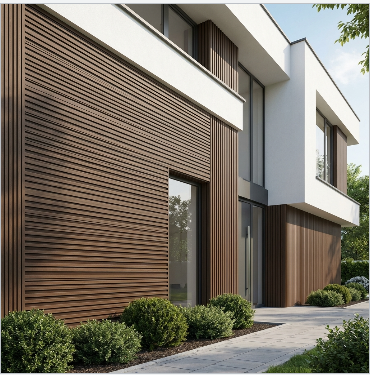
For a contemporary look that’s also incredibly durable, WPC (Wood Plastic Composite) fluted slat panels are an excellent choice. These panels combine wood fibers and recycled plastics to create a material that’s resistant to moisture, rot, and insects, making them extremely low-maintenance. The clean, linear look of fluted slat panels adds a sophisticated, modern touch to both interior and exterior walls. Their versatility is a huge plus for builders—you can use them to create a stunning feature wall in a living room or as a stylish, long-lasting finish for a building’s facade. They deliver high-end design with practical performance.
Protect Exteriors with Durable Cladding
When it comes to a building’s exterior, you need materials that can stand up to the elements while looking great. Exterior shiplap and cladding are designed to do just that. These panelized systems offer a protective layer against wind, rain, and sun, safeguarding the structure underneath. Modern options come in materials like fiber cement or treated wood composites that offer enhanced durability and minimal upkeep. Using prefabricated panels can also streamline the construction process, saving valuable time on the job site, especially where space is limited. They provide a clean, polished finish that defines a property’s curb appeal for years to come.
Explore Other Material Options
While wood, acoustic, and composite panels cover many design needs, the world of wall coverings offers even more specialized solutions. If your project involves unique challenges like curved surfaces or moisture-prone areas, exploring alternative materials can provide the perfect blend of function and style. Materials like PVC, SPC, and flexible tambour panels open up new creative possibilities, allowing you to tackle tricky installations with confidence. These options often bring their own set of benefits, from being lightweight and easy to handle to offering textures and shapes that traditional materials can’t match, ensuring there’s a panel for every vision.
Lightweight PVC and SPC Panels
For areas where moisture is a concern, like bathrooms, basements, or kitchens, PVC (Polyvinyl Chloride) and SPC (Stone Plastic Composite) panels are a fantastic solution. These materials are inherently waterproof, making them a durable and low-maintenance alternative to tile or drywall. They are also incredibly lightweight, which simplifies transportation and installation, saving time and effort on the job site. Many PVC and SPC panels come in a huge range of decorative finishes, convincingly mimicking the look of high-end materials like marble, stone, or wood without the associated cost and weight. This makes it easy to achieve a luxurious look that’s also practical and built to last in demanding environments.
Flexible Tambour Panels
When your design includes curves, tambour panels are the go-to choice. Tambour is constructed from narrow strips of wood or other materials bonded to a flexible backing, allowing it to bend and conform to rounded walls, columns, or custom cabinetry. This flexibility makes it possible to create seamless, high-impact features that would be difficult to achieve with rigid panels. Tambour adds instant texture and a sophisticated, architectural feel to any space. It’s a versatile material that can introduce a unique rhythm and depth, turning a simple surface into a standout design element that feels both modern and timeless.
Consider DIY-Friendly and Pre-Finished Panels
One of the biggest advantages of modern wall panel systems is how simple they can be to install. Many options are designed to be DIY-friendly, featuring interlocking systems or straightforward mounting instructions that don’t require specialized tools or skills. This is a huge benefit for homeowners looking to tackle a weekend project and for contractors aiming to reduce labor costs and speed up timelines. When you can install a full accent wall in an afternoon instead of a few days, it makes a significant impact on your project’s efficiency and budget, allowing you to move on to the next phase faster.
Even better, a wide variety of wall panels come pre-finished, which means the staining, painting, or sealing is already done for you in a controlled factory environment. This eliminates the mess, fumes, and drying time associated with finishing materials on-site. More importantly, it guarantees a perfectly consistent and durable finish across every single panel. You won’t have to worry about color variations or application mistakes. The panels arrive ready to install, providing a flawless, professional look right out of the box and ensuring your project looks exactly as you envisioned it from day one.
Think Beyond Walls: Ceiling Applications
Don’t forget to look up! The ceiling, often called the "fifth wall," is one of the most underutilized surfaces in design. Applying wall panels to the ceiling can completely transform a room, adding architectural character, depth, and a custom-designed feel. Wood slat panels, for example, can draw the eye upward, making a room feel taller, while also adding a sense of warmth and texture. It’s a powerful way to define a space, create a cozy atmosphere in a large room, or simply add an unexpected element of style that sets your project apart from the rest.
Using panels on the ceiling is also a brilliant functional choice. It’s an effective way to conceal imperfections like cracks, stains, or outdated popcorn textures without the mess of scraping and re-plastering. Furthermore, installing acoustic panels on the ceiling is one of the best methods for controlling sound in a room, as it absorbs noise from above and reduces echo. This makes it an ideal solution for home theaters, open-concept living areas, or commercial spaces like restaurants and offices. By treating the ceiling as a key design element, you can enhance both the aesthetics and the comfort of the environment.
Why Place a Bulk Order for Wall Panels?
When you're managing a large-scale renovation or a new build, sourcing materials is one of the biggest pieces of the puzzle. While it might seem easier to order supplies as you go, buying your wall panels in bulk is one of the smartest decisions you can make. It’s a strategic move that pays off by saving you money, ensuring a high-quality finish, and keeping your project running smoothly. Thinking ahead and placing a single, large order simplifies your entire workflow, letting you focus on what you do best—building and creating beautiful spaces. This approach isn't just for massive commercial jobs; even significant residential projects can benefit from the cost savings and predictability that come with bulk purchasing. It removes the guesswork and last-minute scrambles that can derail a timeline and inflate a budget. Let’s break down exactly why this approach works so well for professionals.
Lower Your Costs with Volume Discounts
The most immediate benefit of buying in bulk is the impact on your budget. Suppliers are almost always willing to offer a lower price per unit when you purchase a larger quantity. This is because it’s more efficient for them to process and ship one large order than dozens of small ones. These savings add up quickly, especially on big projects, freeing up funds for other parts of the build or simply increasing your profit margin. Many suppliers also have special pricing for professionals, so be sure to ask about a trade program to access exclusive discounts on top of your volume savings.
Guarantee a Consistent Finish on Every Wall
Have you ever installed panels only to find the next batch is a slightly different shade or texture? Buying in bulk is the best way to avoid this headache. When you place a single order, your panels are likely to come from the same production run. This ensures consistency in color, finish, and dimensions across the entire project. Whether you’re installing natural wood veneer or acoustic panels, a uniform look is critical for a professional result. This consistency eliminates costly surprises and ensures the final aesthetic is exactly what you and your client envisioned from the start.
Achieve Uniformity with Consistent Product Batches
Natural materials like wood have inherent variations, and even manufactured products can have slight differences between production runs—think dye lots in paint or subtle texture changes in composites. This is why ordering all your wall panels for a single project at the same time is so important. When you place one large order, you’re getting materials from the same batch. This means every panel will be perfectly matched in color, grain, and finish, creating that seamless, high-end look you're aiming for. It’s the best way to prevent that sinking feeling of discovering mismatched panels halfway through an installation, ensuring the final result is flawless and exactly what your client expects.
Stay on Schedule and Avoid Delays
Few things are more frustrating than having your crew ready to work, only to be held up by a material delay. Sourcing panels in multiple small orders introduces risk, leaving you vulnerable to backorders or shipping problems that can bring your project to a halt. By ordering everything you need upfront, you secure your supply and eliminate that uncertainty. Having all your materials on-site means your team can work efficiently without interruption. This simple step helps you stick to your schedule, avoid costly downtime, and maintain momentum from start to finish.
Streamline Your Inventory and Ordering
Managing a construction project involves juggling countless details, and simplifying your purchasing process can make a huge difference. Placing one bulk order for wall panels means less administrative work. You’ll have one invoice to track, one shipment to receive, and one supplier relationship to manage for that material. This streamlines your inventory and reduces the mental energy spent on tracking multiple deliveries. You’ll know exactly what you have on hand, making it easier to plan the installation phases and allocate resources effectively, which keeps your entire operation more organized.
How Do You Choose a Bulk Wall Panel Supplier?
Finding the right supplier is just as important as choosing the right wall panels. A great partner ensures you get high-quality materials on time and within budget, while a poor one can cause delays and headaches. When you’re sourcing materials for a large project, you need a supplier you can count on. Look beyond the price tag and evaluate potential suppliers on their experience, product quality, logistics, and how they support trade professionals. These factors will help you build a reliable supply chain and ensure your project runs smoothly from start to finish.
Look into Their Reputation and Track Record
A supplier's track record speaks volumes. Look for a company with a proven history of delivering high-quality materials and excellent customer service. How long have they been in business? Do they specialize in the types of panels you need? Start by reading customer reviews and testimonials to see what other builders and homeowners are saying. An established supplier will have a solid reputation and be able to provide case studies or project galleries. This background check helps you partner with a company that understands the demands of your project and is equipped to handle large-scale orders without a hitch.
Check Customer Reviews and Ratings
Customer reviews are your inside look at how a supplier really operates. Go beyond the star ratings and read the actual comments from other contractors and homeowners. Are they talking about the quality of the materials once they arrived? Was the shipping fast and reliable? If someone had an issue, how did the company’s customer service team respond? This kind of detailed feedback gives you a much clearer picture of what to expect than a simple product description ever could. Look for patterns in the comments—consistent praise for product quality or responsive support is a great sign that you’ve found a dependable partner for your project.
Ask for Samples to Compare Quality
Not all wall panels are created equal. When you’re buying in bulk, consistent quality is non-negotiable. Ask for samples to inspect the material, finish, and construction firsthand. For specialized products like acoustic panels, check for technical specifications like the Noise Reduction Coefficient (NRC) rating. For wood panels, inquire about the veneer grade and sourcing. A reliable supplier will be transparent about their materials and manufacturing process, helping you choose panels that meet your project’s aesthetic and performance standards. Don’t let a low price tempt you into compromising on quality—it can cost you more in the long run.
Confirm Their Shipping and Lead Times
Your project timeline depends on timely material delivery. Before placing a bulk order, confirm the supplier’s shipping capabilities. Do they offer nationwide shipping? What are their typical lead times for large orders? A good supplier provides clear communication and realistic delivery estimates. Ask about their logistics network and how they handle freight shipping to ensure your materials arrive safely and on schedule. Delays can be costly, so partnering with a supplier known for reliable and fast shipping is essential for keeping your project on track and avoiding expensive downtime on the job site.
Find Out if They Have a Trade Program
If you’re a contractor, designer, or builder, a supplier’s trade program can be a game-changer. These programs are designed to support professionals with benefits that go beyond standard service. Look for suppliers that offer a dedicated trade application with perks like exclusive volume discounts, personalized support from a dedicated account manager, and early access to new products. A strong trade program shows that a supplier values professional partnerships and understands the unique needs of the construction industry. This relationship can lead to significant savings and a much smoother procurement process for all your future projects.
Evaluate Their Customer Support Channels
When you’re coordinating a large project, you need a supplier who is more than just an order-taker; you need a responsive partner. Before committing to a bulk purchase, test their customer support. Are they easy to reach by phone or email? How quickly do they respond to inquiries? A reliable supplier will offer clear, proactive communication about everything from product specifications to order status. This level of support becomes critical if you run into an issue, like needing to adjust your order or track a shipment. Strong customer service is a sign of a well-run company that values its clients and can help you solve problems quickly, preventing minor hiccups from turning into major delays.
Consider Product Origin and Quality Indicators
The long-term success of your project depends on the quality of the materials you use. A reputable supplier should be completely transparent about where their products come from and how they are made. Don’t hesitate to ask for detailed technical specifications. For instance, if you’re ordering acoustic panels, inquire about their Noise Reduction Coefficient (NRC) rating to ensure they’ll perform as expected. For wood panels, ask about the veneer grade and sourcing. A low price can be tempting, but if it comes at the cost of quality, you may face issues with durability and finish down the line. Investing in well-made materials from a trustworthy source ensures a beautiful, lasting result.
How to Get the Best Price on Your Bulk Order
Securing the best price for your wall panels isn't just about finding the lowest sticker price—it's about smart planning and building strong supplier relationships. When you're ordering in bulk, you have significant leverage. By understanding how volume discounts work, negotiating effectively, and taking advantage of professional programs, you can make your budget go much further without compromising on quality. It’s about looking at the total value, from the per-unit cost to shipping and long-term benefits.
Understanding How Volume Discounts Work
The concept is simple: the more you buy, the more you save. Suppliers can offer lower per-unit costs on large orders because it makes their own processes more efficient. Selling a full pallet of wall panels to one customer is easier and more cost-effective than selling one box to ten different customers. This is your bulk purchasing power at work. When you request a quote, always be clear about the total square footage you need. This allows the supplier to calculate their best possible price for you, ensuring you get the full benefit of your large order from the very beginning.
Real-World Savings Examples
Let's put these numbers into perspective. Imagine you're renovating a large living area and need 500 square feet of acoustic wood panels. Buying them in small batches might cost you, say, $25 per square foot, totaling $12,500. However, by placing a single bulk order, a supplier can often offer a significant discount—sometimes around 20%. This brings your cost down to $20 per square foot, for a total of $10,000. That’s an immediate saving of $2,500 on materials alone. For contractors and designers, the benefits multiply. When you join a trade program, you can often stack exclusive professional discounts on top of volume pricing, stretching your budget even further and making your bids more competitive.
Simple Tips for Negotiating a Better Deal
A good negotiation starts with good preparation. Before you even pick up the phone, have a clear idea of your project's scope and total material needs. While it’s wise to compare prices, your goal should be to build a lasting relationship with a reliable supplier. Let them know you’re a professional who plans to bring them repeat business. Be upfront about your budget and the quantities you need. A transparent conversation often leads to better terms, whether that’s a lower price, more flexible payment options, or a favorable shipping arrangement.
Use Your Trade Status for Special Pricing
If you’re a contractor, builder, or designer, you should absolutely be using a trade program. Many suppliers offer exclusive pricing and perks to industry professionals as a way to build loyalty. These programs often provide access to discounts that aren't available to the general public, plus dedicated account managers and first looks at new products. It’s one of the easiest ways to cut material costs. For example, you can fill out a trade application to get access to specialized pricing and support tailored to your business needs.
Budgeting for More Than Just the Panels
The per-unit price of your wall panels is just one piece of the puzzle. To create an accurate budget, you need to account for the total landed cost. This includes the materials, sales tax, and shipping fees. A trustworthy supplier will be transparent about all these charges upfront so there are no surprises. Ask for a detailed quote that breaks everything down. Also, consider the logistics—will you need to store the materials on-site? Factoring in all potential expenses ensures your project stays on budget and avoids costly last-minute scrambles.
Factoring in Add-On Costs for Treatments and Trim
Your budget doesn’t stop at the panels themselves. To achieve a polished, durable finish, you need to account for the extras like trim and protective treatments. For instance, if you’re installing wall panels in a bathroom or kitchen, a protective sealant is essential to prevent moisture damage. Trim pieces are also crucial for framing the installation and creating clean, professional edges. It’s also standard practice to order more material than your measurements suggest—plan for about 10% extra for simple layouts and up to 25% for more complex patterns like herringbone to account for cuts and waste. Factoring these add-on costs into your initial budget ensures you have a realistic financial plan and avoids unexpected expenses down the line.
What to Check Before You Place a Bulk Order
Once you’ve found a potential supplier, it’s time to look closer at the products themselves. Not all wall panels are created equal, and a few key checks can save you from costly mistakes and project delays. Think of this as your pre-flight checklist before committing to a large order. Focusing on performance, safety, and durability ensures that the materials you choose will not only look great but will also stand the test of time, delivering real value for your investment and keeping your clients happy.
How Durable Are the Materials?
The first thing to assess is the panel's construction. What is it made of, and how will it hold up in its intended environment? For high-traffic areas, you need panels that resist scuffs, scratches, and general wear and tear. Look for detailed product specifications that describe the core materials and finishes. High-quality wall panels are built for longevity, ensuring your project maintains its polished look for years. Don’t hesitate to request samples to feel the weight and sturdiness for yourself before placing a bulk order. This simple step can give you confidence in the product's long-term performance.
Check for Fire Safety and Code Compliance
Safety should always be a top priority. Before you buy, verify that the wall panels meet local and national building codes, especially regarding fire safety. Reputable suppliers will provide documentation on fire ratings for their products. This is non-negotiable for commercial projects and a critical safety measure for any residential build. Taking the time to confirm compliance protects the structure, its occupants, and your professional reputation. Always check the product specs and cross-reference them with your project’s specific requirements to avoid any issues during inspection.
Assess Moisture and Weather Resistance
If your project involves exterior walls or interior spaces like bathrooms and basements, moisture resistance is crucial. Panels that aren't designed for damp conditions can warp, swell, or develop mold, leading to expensive repairs. Look for materials specifically engineered for these environments. Exterior cladding and WPC (Wood Plastic Composite) panels are excellent choices for their ability to withstand the elements. Always confirm that the panels you’re considering are suitable for the specific environmental conditions of your project to ensure they last.
Verify Noise Reduction (NRC) Ratings
For spaces where sound control is important—like home offices, theaters, or commercial buildings—you’ll want to look at the Noise Reduction Coefficient (NRC) rating. This number, which ranges from 0 to 1, tells you how much sound a material can absorb. A higher NRC rating means better sound absorption. When sourcing acoustic panels, the NRC rating is one of the most important specs to check. It’s the key difference between a panel that just looks good and one that truly performs its acoustic function effectively.
Look for Environmental and Health Certifications
Beyond durability and fire safety, the health impact of your building materials is a huge consideration. The products we bring into our homes and offices can affect indoor air quality, which is why it’s so important to look for environmental and health certifications. These labels aren’t just marketing fluff; they’re proof that a product has been tested against strict standards for chemical emissions. Choosing certified materials shows a commitment to creating healthier spaces for your clients, whether it's a family home or a commercial building. It’s a simple step that adds significant value and peace of mind.
Understanding Low VOC and GREENGUARD Gold
One of the most important things to look for is a "low VOC" label. VOCs, or volatile organic compounds, are chemicals that can be released into the air from certain materials, impacting air quality. To be sure you're getting a product that's truly low-emission, look for the GREENGUARD Gold certification. This is one of the most rigorous standards, indicating a product has been tested for over 360 VOCs and is suitable for sensitive environments like schools and healthcare facilities. For builders, using products that are green certified can also help your project qualify for other building ratings like LEED, demonstrating a commitment to both health and sustainability.
Placing Your First Bulk Order: A Step-by-Step Guide
Once you’ve chosen a supplier, placing your first bulk order is an exciting step. It can feel like a big commitment, but breaking it down into a clear process makes it manageable and ensures you get exactly what you need without any surprises. Following these four steps will help you source your materials efficiently, keeping your project on budget and on schedule. From precise calculations to the final quality check, a methodical approach is your best tool for a successful purchase.
Step 1: Figure Out Exactly How Much You Need
Before you even think about adding items to a cart, get serious about your measurements. Measure the project area twice and account for any cuts, windows, or doorways. When ordering materials like acoustic wall panels, it’s critical to consider technical specs like the Noise Reduction Coefficient (NRC) rating and fire safety classifications to ensure they meet project requirements. Always add a bit of overage—typically 10%—to cover any mistakes or unexpected needs. Having a detailed list of your exact needs makes the ordering process smoother and helps you avoid costly last-minute orders.
Calculating Overage for Complex Patterns
That 10% overage rule is a great starting point for most projects with a standard, linear installation. However, if you’re planning a more intricate design, like a herringbone or chevron pattern, you’ll need to adjust that number upward. These patterns require significantly more angled cuts, and every diagonal cut creates more unusable waste compared to a simple straight cut. For these more complex installations, it’s smart to increase your overage to 20% or even 25%. It might feel like a lot upfront, but it’s far better than halting your project to order a single box of wall panels—which might not even match the original batch—and paying extra for rush shipping.
Step 2: Account for Production and Shipping Times
Timing is everything in a construction or renovation project. Ask your supplier about their current lead times for the specific panels you need. While a standard order of 500-1,000 square feet might ship in 5-7 business days, large or custom orders can take several weeks. Factoring this timeline into your project plan is essential to prevent delays. A reliable supplier will be transparent about their stock levels and production schedules, allowing you to order your materials well in advance and keep everything moving forward without a hitch.
Understanding Shipping Timelines and Policies
Your project's schedule hinges on when your materials arrive, so it’s crucial to get a clear picture of the supplier’s shipping process. Before you finalize your order, ask for a detailed breakdown of their shipping policies and estimated delivery times. A supplier with a robust logistics network, like one that offers nationwide shipping, can provide more reliable estimates. Be aware that lead times can vary based on what you’re ordering. While in-stock items might ship out in a week, custom or very large orders could take several weeks to prepare. Always confirm these details upfront to build a realistic project timeline and avoid having your crew wait around for a delivery.
Exploring Free Shipping and Local Pickup Options
Shipping costs, especially for heavy materials like wall panels, can add a significant amount to your total budget. It’s always worth asking your supplier about ways to reduce these fees. Some companies offer free shipping promotions, particularly for large online orders, which can lead to substantial savings. Another great option is local pickup. If your supplier has a warehouse or distribution center that’s within a reasonable driving distance, you can often arrange to pick up the materials yourself. This not only eliminates shipping costs entirely but can also give you more control over the timing, allowing you to get your materials exactly when you need them.
Step 3: Plan Your Delivery and On-Site Storage
Once your order is placed, the next step is figuring out the logistics of getting it to your site. Talk to your supplier about delivery options and be aware of any extra fees for local delivery that could affect your budget. You’ll need a clear, dry, and secure space ready to store the panels upon arrival to protect them from damage or weather. Confirm the delivery date and make sure you have the necessary crew or equipment on-site to unload the materials safely and efficiently. Clear communication here prevents day-of-delivery headaches.
Step 4: Inspect Your Order Upon Arrival
When your order arrives, don’t just sign for it and walk away. Take the time to conduct a thorough quality inspection. Check for any damage that may have occurred during shipping and verify that the products match your order specifications, including color, finish, and quantity. It’s easy to focus on price, but overlooking factors like moisture resistance or material quality can cause problems later. Catching any issues right away makes the resolution process much simpler and ensures you’re installing high-quality, project-ready wall panels.
Step 5: Prepare Your Space for Installation
With your materials on-site, the next phase is all about preparation. Taking the time to get your space ready and allowing the panels to acclimate is a non-negotiable step for a professional finish. This groundwork ensures that the installation process goes smoothly and that the final result is durable and flawless. Rushing this stage can lead to issues like warping, gapping, or poor adhesion down the line, so it’s worth doing right.
Surface Preparation and Material Acclimation
Before a single panel goes up, your wall surface needs to be clean, dry, and perfectly flat. Address any holes or imperfections and make sure the wall is free of dust and grease. Just as important is material acclimation. Many wall panels, especially those made from natural wood, need to sit in the installation environment for at least 48-72 hours. This allows them to adjust to the room's temperature and humidity, preventing expansion or contraction after they're installed. Since you’ve placed a single bulk order, all your panels are from the same production run, guaranteeing a consistent finish. Letting them acclimate together ensures that uniformity is maintained throughout the project.
Common Installation Methods
The installation method will vary depending on the type of panel you've chosen. Common techniques include using a strong construction adhesive, a mechanical clip system, or direct fastening with nails or screws. Always refer to the manufacturer's specific instructions for your chosen product. Having all your materials from one bulk order simplifies this process immensely. You can standardize your workflow, prepare the right tools for the job, and brief your team once. This streamlined approach, a direct benefit of simplified purchasing, keeps the project efficient and reduces the chance of errors that can happen when juggling different material batches with varying installation requirements.
Step 6: Know the Supplier's Policies
Before you finalize that large purchase, it’s crucial to understand the supplier's policies. The fine print on minimum orders, returns, and warranties can significantly impact your budget and project flexibility. A clear understanding of these details protects you from unexpected costs and logistical headaches. Think of it as part of your due diligence—a few questions upfront can save you a lot of trouble later on, especially when dealing with the scale of a bulk order.
Minimum Order Requirements
Many suppliers offer attractive bulk pricing, but it often comes with conditions. It’s common for there to be a minimum order quantity (MOQ) to qualify for volume discounts or even to purchase certain products. For example, a supplier might require you to order at least 500 square feet of wall panels to access their best trade pricing. Always clarify these requirements before you finalize your budget. This ensures the price you’ve been quoted is the price you’ll actually get and helps you plan your material needs accurately to take full advantage of the available savings.
Return Policies for Unopened Products
Even with the most precise calculations, you might end up with a few extra boxes of panels. That’s why understanding the supplier's return policy is so important. Many companies will accept returns on unopened products within a specific timeframe, such as 30 days, but they might charge a restocking fee. Ask about this before you buy. Knowing you can return unused materials provides a valuable safety net, preventing you from being stuck with excess inventory and helping you manage your project costs more effectively. A clear and fair return policy is a hallmark of a supplier who understands the realities of the building trade.