


3D Wall Panel 101: A Complete Buyer's Guide
Ever see a room with a stunning textured wall and wonder how they did it? It’s not complicated custom work—it’s likely a feature wall made with a 3D wall panel. These panels introduce texture, depth, and a dynamic play of light that paint alone simply can't achieve. Whether you want a subtle, wavy pattern for a serene bedroom or a bold geometric design for a modern living room, paintable panels give you the creative freedom. This guide will walk you through what they are, what they're made of, and how to install them correctly.
Key Takeaways
- Choose the Right Material for Your Space: Your project's success hinges on matching the panel material to the room's function. Use waterproof PVC for high-moisture areas like bathrooms, and choose MDF or plant fibers for adding texture in dry spaces like bedrooms and living rooms.
- Proper Prep Guarantees a Professional Finish: A flawless result comes from taking the time to prepare your wall until it's smooth, planning your layout with a dry fit, and using the correct adhesive and primer to ensure a strong, lasting bond.
- Customize with Paint to Match Any Style: The true power of these panels is their paintability. Select a texture that complements your home, then use a custom paint color to integrate the feature wall with your existing decor for a cohesive, high-end look.
So, What Are Paintable 3D Wall Panels?
If you’ve ever felt like your walls were missing a little something, paintable 3D wall panels might be the perfect solution. Think of them as a step beyond traditional accent walls. Instead of just adding a pop of color, these panels introduce texture, dimension, and shadow, turning a flat surface into a dynamic focal point. They are lightweight, easy to install, and designed to be painted, giving you complete creative control. Whether you’re aiming for a subtle, sophisticated backdrop or a bold, artistic statement, these panels provide the canvas to make it happen. They are a fantastic way to add architectural interest to a room without committing to a major renovation.
Adding Depth and Style to Your Space
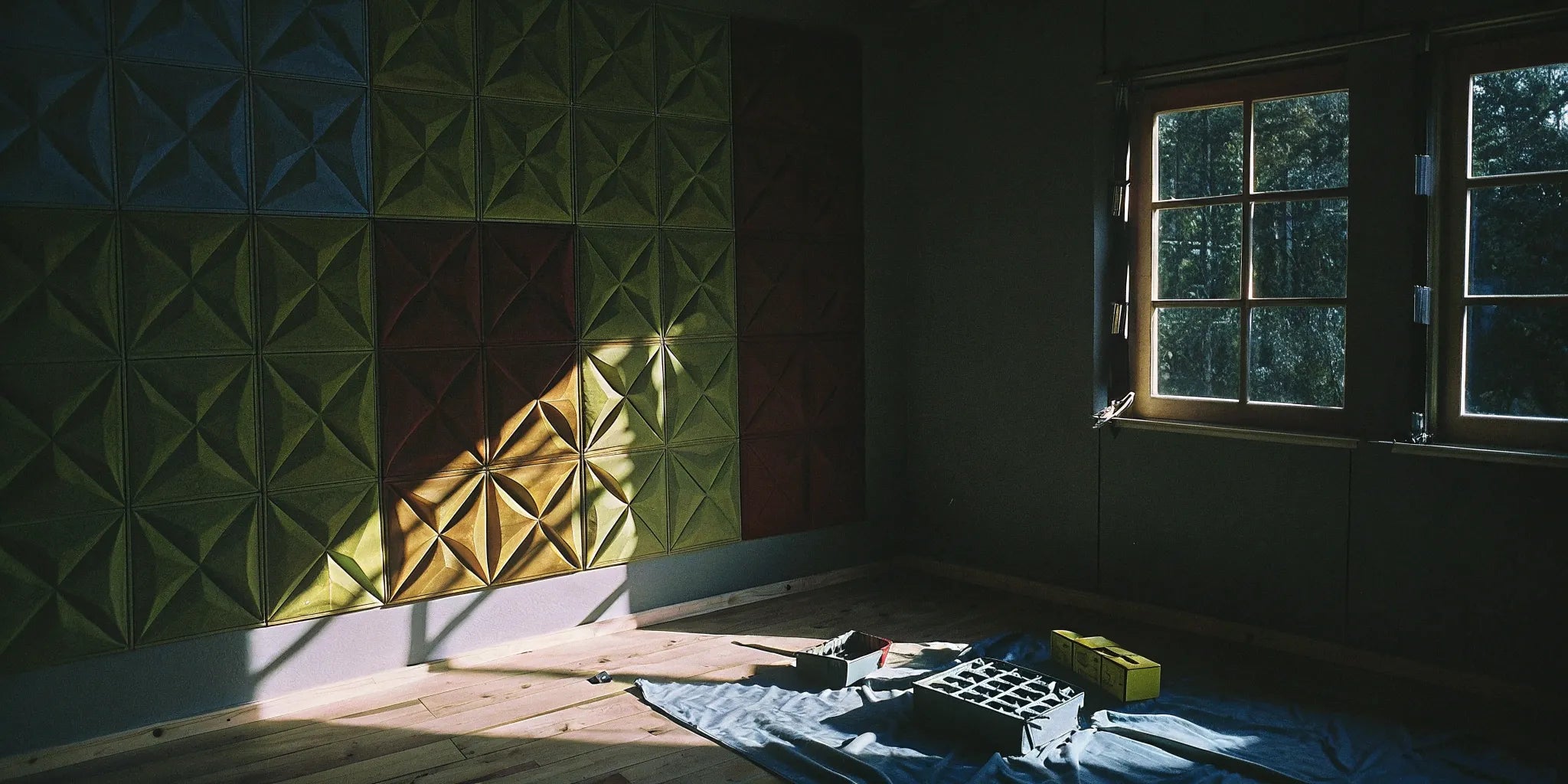
The magic of 3D wall panels lies in their ability to play with light and shadow. The raised patterns and textures create visual depth that you simply can't get from paint or wallpaper alone. This effect can make a small room feel more interesting or add a layer of luxury to a larger space. Imagine a living room where the wall behind the TV isn't just a flat color but a surface with gentle, rolling waves, or a bedroom with a geometric headboard wall that changes its look as the sun moves across the room. These wall panels transform your walls from simple dividers into an integral part of your home’s design.
Choosing Your Texture and Design
One of the best parts about working with 3D wall panels is the sheer variety of designs available. You can find everything from sleek, modern geometric patterns like chevrons and hexagons to more organic, flowing designs that mimic waves or sand dunes. The style you choose can dramatically influence the feel of your space. Sharp, repeating lines can create a contemporary, high-energy vibe perfect for an office or entryway. Softer, more fluid textures can bring a sense of calm and serenity to a bedroom or spa-like bathroom. The design possibilities are nearly endless, allowing you to find the perfect texture to complement your existing decor.
Make It Yours with Custom Paint Colors
While the texture is what makes these panels stand out, the "paintable" aspect is what makes them truly versatile. Our Paint and Stain Grade Panels arrive ready for your personal touch. You aren't locked into a specific color from the factory. Instead, you can paint them to match your trim, coordinate with your furniture, or create a stunning accent wall in a bold, contrasting shade. This customization means your walls can evolve with your style. If you decide to redecorate in a few years, you don’t have to replace the panels—you can simply give them a fresh coat of paint for a completely new look.
What Are 3D Wall Panels Made Of?
One of the best things about 3D wall panels is the variety of materials they come in. The material you choose will influence everything from the panel’s durability and weight to its cost and ideal placement. For example, a panel that works beautifully in a dry living room might not be the best fit for a steamy bathroom. Understanding the core materials helps you select the right product for your space, ensuring your new feature wall looks great for years to come.
Most modern wall panels are designed to be lightweight and DIY-friendly, but each type has its own unique strengths. From eco-friendly plant fibers to tough, commercial-grade gypsum, there’s a material to match every project’s demands and design vision. Let’s break down the most common options so you can make a confident choice.
Plant Fibers: An Eco-Friendly Option
If sustainability is a priority for you, panels made from plant fibers like bamboo pulp or sugarcane bagasse are an excellent choice. These materials are biodegradable and crafted from renewable resources, making them a green alternative to plastics or composites. They are incredibly lightweight, which simplifies handling and installation—a huge plus for any DIYer. Plant fiber panels typically come pre-primed and ready for paint. Just keep in mind that they are best suited for dry environments like bedrooms and living rooms, as they aren’t naturally resistant to moisture.
PVC and Polymers: Durable and Lightweight
For rooms that see a lot of moisture, like bathrooms, kitchens, or laundry rooms, PVC (polyvinyl chloride) panels are the way to go. This durable plastic material is 100% waterproof, so you never have to worry about warping, swelling, or mold. PVC panels are also tough, resisting dents and scratches better than softer materials. They are lightweight and easy to cut, making installation straightforward. Plus, their smooth, non-porous surface is a breeze to clean—just wipe it down with a damp cloth. This combination of durability and water resistance makes them a practical and stylish choice for high-humidity areas.
Performance in Heat and Sunlight
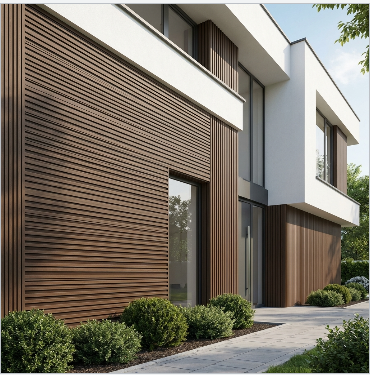
When you're planning a feature wall, it's easy to forget about the sun. But for walls that get a lot of direct sunlight, performance in heat is a big deal. The material of your 3D panel plays the biggest role here. For instance, materials like our Exterior Fluted Slat Wall Panels are specifically designed to handle the elements, resisting fading and warping from UV exposure. On the other hand, some interior-grade materials are better suited for walls away from constant, direct sun. The right panel can even offer some thermal benefits, helping to keep a room comfortable. The key is to match the material to the environment. Always check the product specifications for UV stability and temperature ratings, especially if you're installing panels in a sunroom or on an exterior wall.
MDF and Wood: A Sturdy, Classic Feel
If you love the warm, classic look of wood, consider panels made from MDF (medium-density fiberboard) or wood composites. MDF is an engineered wood product made by breaking down wood residuals into fibers, which are then combined with wax and resin to form a dense, stable sheet. This process creates a smooth surface that’s perfect for painting. These panels are more robust than plant fibers and offer a substantial, high-end feel. They are ideal for creating sophisticated accent walls in living rooms, dining rooms, and home offices where you want to add texture and warmth.
Considerations for Humid Environments
When you're planning a project for a bathroom, kitchen, or even a basement, moisture is a major factor you can't ignore. Materials like MDF or plant fibers are fantastic for dry spaces, but they can absorb humidity, which might lead to warping, swelling, or mold growth over time. To avoid any future headaches, choosing the right material from the start is critical. For any room with high humidity, you’ll want to use wall panels made from PVC or similar waterproof polymers. These materials are completely unaffected by steam or splashes, ensuring they won’t be damaged. Plus, they are incredibly easy to clean and durable enough for busy areas, making them a practical and stylish choice that will last.
Gypsum: The Professional-Grade Choice
Gypsum is a mineral-based material, similar to what’s used in drywall. Gypsum 3D panels are known for their durability, fire resistance, and ability to create a seamless, architectural finish. Because they are heavier and more rigid, they can feel more like a permanent part of the wall once installed. This makes them a popular choice for both high-end residential projects and commercial spaces. While installation can be a bit more involved, the result is a solid, luxurious feature wall that adds significant value. For similar durability in other applications, you might also consider fiber cement boards.
WPC (Wood Plastic Composite): The Waterproof Choice
If you need a panel that can handle moisture without breaking a sweat, look no further than WPC, or Wood Plastic Composite. This material is an innovative blend of wood fibers and plastic, giving you the best of both worlds: the rich look of wood and the resilience of a polymer. WPC panels are significantly more waterproof than wood, absorbing less than 1.5% water compared to wood's 10% or more. This makes our Interior WPC Fluted Slat Wall Panels an outstanding choice for bathrooms, kitchens, basements, and laundry rooms—any space where humidity and splashes are part of daily life. They won’t warp, swell, or degrade, ensuring your feature wall remains beautiful for the long haul.
Improving Acoustics with Slat Wall Panels
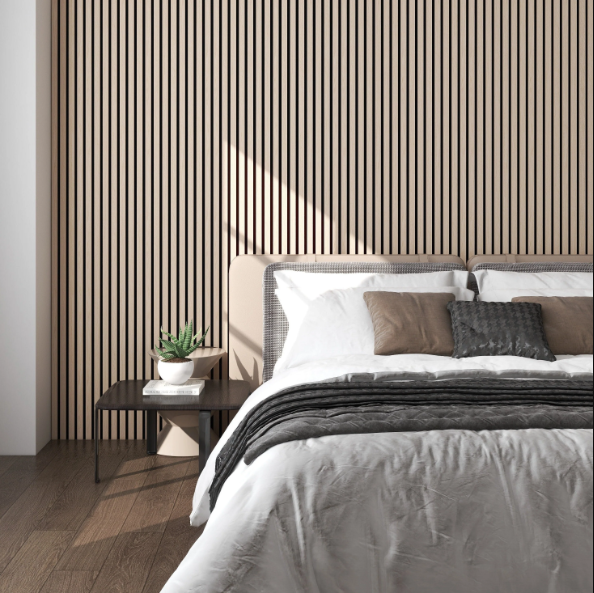
Sometimes, a wall needs to do more than just look good; it needs to sound good, too. If you want to make a wall stand out while also improving room acoustics, slat wall panels are a brilliant solution. The design of these panels, with their alternating slats and felt-like backing, is engineered to absorb and diffuse sound waves. This reduces echo and reverberation, creating a calmer, more pleasant auditory environment. Our Acoustic Wall Panels are perfect for home theaters, open-concept living areas with high ceilings, or home offices where focus is key. It’s a functional upgrade that adds sophisticated style and tangible comfort to your space.
How to Pick the Right Material for Your Project
Choosing the right material really comes down to your room’s function and your personal style. Start by thinking about the space. Is it a high-moisture area? Go with PVC. Are you creating a cozy accent wall in a bedroom? MDF or plant fibers are great options. Do you need a fire-resistant, high-impact solution for a commercial space or a high-end home? Gypsum is your best bet. By matching the material’s properties to your project’s specific needs, you can ensure your 3D wall panels not only look fantastic but also perform perfectly.
How to Choose the Right 3D Wall Panels
Picking the right 3D wall panels is about more than just finding a pattern you like. It’s about finding the perfect match for your space, your lifestyle, and your budget. When you’re creating a feature wall, you want it to feel intentional and cohesive, not like an afterthought. Think about the room's purpose, the amount of traffic it gets, and the overall vibe you're aiming for. By considering a few key factors upfront, you can select panels that not only look incredible but also hold up beautifully over time. Let’s walk through how to narrow down your options and choose with confidence.
Choosing the Right Panel Size for Your Space
The scale of the panel's pattern should complement the scale of your room. A large, dramatic design might overpower a small powder room, while a tiny, intricate pattern could get lost on a vast living room wall. Before you commit, measure your wall space and consider the pattern's repeat. A great tip is to tape an outline of a few panels on the wall to visualize how the scale feels in the space. The goal is to add depth and texture that enhances the room's proportions. Exploring a full collection of wall panels can help you compare different sizes and find the perfect fit for your project.
How to Match Panels to Your Home's Aesthetic
Your walls are a canvas, and 3D panels are a fantastic way to express your personal style. Are you drawn to the clean, sharp lines of bold geometric patterns, or do you prefer soft, organic waves that create a more serene atmosphere? Think about your existing furniture and decor. The right panels will feel like a natural extension of your style. The best part about paintable panels is their versatility; you can choose a custom color that ties everything together perfectly. Whether you’re creating a modern media wall with fluted slat panels or a classic, elegant backdrop, the design possibilities are endless.
Popular Styles and Creative Applications
Let's talk about the fun part: choosing a style and figuring out where to put it. The most popular designs often fall into two categories: geometric and organic. Geometric patterns with sharp, repeating lines—like chevrons, hexagons, or fluted slats—are perfect for creating a modern, high-energy vibe in an entryway or home office. On the other hand, softer, more fluid textures that mimic waves or sand dunes can bring a sense of calm to a bedroom or a spa-like bathroom. The style you choose can completely shift the feel of a room. Our collection of wall panels includes a wide range of these textures, so you can find the perfect design to match your vision.
Beyond the Accent Wall: TV Backdrops and Ceilings
While a single accent wall is a classic choice, you can get even more creative. A fantastic application is creating a media wall behind your television. The texture adds a sophisticated, custom-built look that frames the screen and can even help conceal wires, making your entertainment area feel polished and intentional. Another bold idea is to install panels on the ceiling. This often-overlooked "fifth wall" is a prime opportunity to add architectural interest. The raised patterns play beautifully with overhead lighting, creating a dynamic display of light and shadow that draws the eye upward and makes the entire room feel more grand and thoughtfully designed.
What About Kitchens, Bathrooms, and Hallways?
Functionality is just as important as style. For areas like hallways, entryways, or kids' playrooms, you’ll want panels made from durable materials like WPC (Wood Plastic Composite) or PVC that can handle occasional bumps and scuffs. In moisture-prone rooms like bathrooms or kitchens, it’s crucial to choose a material that won’t warp or degrade. While some plant-fiber or MDF panels can be sealed, waterproof options are a safer bet for these spaces. Always check the product specifications to ensure the panels are suitable for the intended room—it’s the key to a long-lasting installation you’ll love for years.
Getting the Best Quality for Your Budget
3D wall panels are available in a range of materials, each with a different price point. Materials like PVC and plant fiber are often more budget-friendly, while wood composites and gypsum can be a bigger investment. When planning your budget, remember to account for supplies like adhesive, primer, and paint. While it can be tempting to go for the cheapest option, investing in quality panels and proper preparation will give you a more professional and durable result. For contractors and designers, it's also worth looking into trade programs, which can provide access to bulk pricing and help make high-quality materials more affordable.
Potential Downsides and Practical Concerns
While 3D wall panels are a fantastic way to add character to a room, it’s always smart to look at a project from all angles. Thinking through the practical aspects beforehand ensures you’ll be happy with the result for the long haul. A little planning can help you sidestep common issues related to design balance, upkeep, and potential repairs. Being aware of these considerations doesn’t mean you should abandon your project; it just means you’ll be better prepared to make choices that perfectly suit your space and lifestyle. Let’s walk through a few things to keep in mind as you get started.
Aesthetic Considerations
The biggest strength of 3D panels—their texture—can also be a challenge if not used thoughtfully. A bold, complex pattern covering every wall can make a room feel busy or visually overwhelming, especially in a smaller space. Because the panels add physical depth, they can also make a compact room feel slightly smaller. The key is balance. Think of your 3D panels as a statement piece. Use them to create a stunning feature wall and keep the surrounding walls and decor relatively simple. This approach allows the texture to be the star of the show without competing for attention, creating a sophisticated and intentional design.
Cleaning and Maintenance Challenges
Those beautiful grooves, waves, and geometric shapes that make 3D panels so appealing are also perfect little spots for dust to settle. The raised patterns can accumulate dust more quickly than a flat wall, so they do require a bit of routine upkeep to stay looking fresh. Regular cleaning with a soft brush attachment on your vacuum or a microfiber duster is usually all it takes to keep them clean. For any scuffs or smudges, a damp cloth will often do the trick, especially if you’ve used a durable, wipeable paint finish. It’s a small trade-off for the amount of style they add to a room.
Durability and Repair Issues
Modern wall panels are designed to be durable, but accidents can happen. If a panel gets damaged, finding an exact replacement years down the line can sometimes be difficult, as manufacturers occasionally discontinue designs or alter finishes. A simple solution is to purchase one or two extra panels when you buy your initial set. Store them flat somewhere safe, and you’ll have a perfect match ready if you ever need it. It’s also important to remember that these panels are installed with strong construction adhesive, making them a semi-permanent feature. Removing them will likely damage the drywall underneath, requiring some patching and sanding.
Health and Environmental Considerations
Creating a beautiful home is about more than just aesthetics; it’s also about building a healthy and safe environment for you and your family. When you bring new materials into your space, it’s worth considering their impact on your indoor air quality and the environment at large. Fortunately, there are many excellent 3D wall panel options that are both stylish and responsibly made. By paying attention to product specifications and choosing the right materials, you can create a stunning feature wall that you can feel good about.
Understanding VOCs and Air Quality
Some building materials and adhesives can release volatile organic compounds (VOCs) into the air, which can affect indoor air quality. These chemicals, like formaldehyde, can sometimes cause headaches or respiratory irritation. To create a healthier home, look for panels and construction adhesives that are certified as low-VOC or zero-VOC. You can usually find this information on the product’s label or technical data sheet. The Environmental Protection Agency provides great resources on this topic. Additionally, always ensure your workspace is well-ventilated during and after installation by opening windows to help any off-gassing dissipate quickly.
Choosing Eco-Friendly Materials
If sustainability is important to you, you’ll be happy to know there are many eco-friendly 3D wall panel options available. Panels made from plant fibers, such as bamboo or sugarcane bagasse, are crafted from renewable resources and are often biodegradable. These materials provide incredible texture and style without relying on plastics or synthetic composites. Another great option is to choose natural materials like our Unfinished Wood Wall Panels, which bring organic warmth and timeless beauty to a space. By selecting materials that are responsibly sourced, you can make a positive impact while enhancing your home’s design.
Steer Clear of These Common Installation Mistakes
Installing 3D wall panels is a totally achievable DIY project, but a few common slip-ups can turn a dream wall into a design disaster. Trust me, taking a little extra time to get the details right will save you a massive headache later. Whether you’re a seasoned pro or a weekend warrior, avoiding these classic mistakes is the key to getting that flawless, professional finish you’re picturing. Let’s walk through what not to do, so your project goes smoothly from start to finish.
Forgetting to Prep Your Walls
I know it’s tempting to jump straight to the fun part, but please, don’t skip the wall prep. Starting with a clean, smooth surface is non-negotiable for a good result. As one installer put it, "Bumpy walls make panels line up wonky," and that can ruin the entire 3D effect. Before you even think about adhesive, wipe down your walls to remove any dust or grime. Fill in any nail holes or cracks with spackle, let it dry, and then sand it down until it’s perfectly smooth. A well-prepped wall ensures your panels adhere properly and sit completely flush, giving you those crisp, clean lines you want.
Choosing the Wrong Adhesive
Another common oops is grabbing any old glue from your toolbox. Using the wrong adhesive can lead to panels peeling away from the wall or, worse, falling off completely over time. The right choice depends on what your wall panels are made of (like PVC, plant fiber, or MDF) and the surface you’re applying them to. Always check the manufacturer’s recommendation first—they know what works best for their product. Generally, a high-quality construction adhesive is a safe bet, but it’s worth double-checking to ensure a strong, permanent bond that will last for years.
Not Planning Your Layout First
Winging the layout is a recipe for crooked lines and awkward cuts. Before a single panel goes up, take the time to plan your design. Start by finding the center of your wall and use a level to draw vertical and horizontal guidelines. Lay your panels out on the floor to do a "dry fit," which helps you visualize the pattern and plan where your cuts will need to be. This step is especially important for avoiding tiny, sliver-like pieces at the edges of the wall, which can look unprofessional. A little bit of careful planning ensures your final installation looks balanced and intentional.
Using the Wrong Kind of Paint
Once your panels are up, the final step is paint—but not just any paint will do. Skipping a primer is a big mistake, as it can lead to poor paint adhesion and a splotchy finish. A quality primer seals the panel surface and creates the perfect base for your color to pop. When it comes to the paint itself, a water-based latex or acrylic paint is usually the best choice. Be sure to check the panel manufacturer’s guidelines, as some materials don’t react well to certain paint formulas. For the smoothest application on a textured surface, consider using a paint sprayer instead of a brush or roller.
How to Install and Care for Your 3D Wall Panels
Once you’ve chosen the perfect 3D wall panels, it’s time for the fun part: bringing your vision to life. A successful installation is all about preparation and patience. You don’t need to be a seasoned pro to get a stunning, professional-looking result. By following a few key steps for installation and knowing how to care for your new feature wall, you can ensure it looks incredible for years to come. This guide will walk you through everything from prepping your walls to painting your panels and keeping them clean, so you can feel confident tackling this project.
How to Prep Your Walls for a Perfect Finish
Think of your wall as the canvas for your new art piece. A smooth, clean surface is non-negotiable for getting those panels to line up perfectly and adhere properly. Skipping this step is one of the biggest mistakes DIYers make, leading to uneven seams and a wonky finish. Start by washing the wall with a mild cleaner to remove any grease or grime. Next, fill any holes or cracks with spackle, let it dry, and sand it down until it’s completely smooth. A quick wipe with a damp cloth will remove any sanding dust. This little bit of effort upfront makes a huge difference in the final look.
Your Step-by-Step 3D Wall Panel Installation Guide
With your wall prepped, you’re ready to install. First, measure your wall and lay out the panels on the floor to plan your design, especially if you’re creating a pattern. Use a level to draw a starting guideline on the wall to keep everything straight. Apply a quality construction adhesive to the back of your first panel, focusing on the edges and center. Press the panel firmly onto the wall along your guideline. Repeat the process with the next panel, making sure the seams are tight and clean. For a more detailed walkthrough, this DIY installation guide offers great visuals.
How to Get the Perfect Paint Job
Painting is where you can truly customize your wall panels to match your decor. For the best results, always start with a coat of primer. This ensures the paint adheres well and gives you a rich, even color, especially on porous materials. While you can use a brush and roller, a paint sprayer is your best friend for 3D panels. It easily gets into all the grooves and textures, providing a flawless, factory-like finish without any brush marks. Choose a high-quality interior paint in your desired sheen—eggshell or satin are great choices for hiding imperfections and providing a durable finish.
How to Clean and Maintain Your 3D Walls
Maintaining your new feature wall is surprisingly simple. The key is regular, gentle cleaning to prevent dust and dirt from building up in the textured design. Once a week, go over the panels with a soft-bristled brush attachment on your vacuum or a microfiber duster. For fingerprints or minor smudges, a soft cloth dampened with a solution of mild soap and warm water will do the trick. Avoid using harsh chemical cleaners or abrasive sponges, as they can damage the paint or the panel material itself. A little routine care is all it takes to keep your walls looking fresh.
How to Handle Touch-Ups and Repairs
Life happens, and scuffs or stains are sometimes unavoidable. The best way to prepare for minor repairs is to save a small amount of your leftover paint. If you notice a scratch or chip, you can easily touch it up with a small artist’s brush, and it will blend in seamlessly. If something splashes on the wall, try to wipe it up immediately with a damp cloth to prevent it from setting. For more significant damage, you may need to replace a single panel, which is another reason why planning your layout and having an extra panel on hand is a smart idea.
Where to Buy 3D Wall Panels (And What to Expect on Price)
Once you’ve decided on the perfect style of 3D wall panels, the next step is finding a reliable place to buy them. The right supplier not only offers a great selection but also provides quality materials that will stand the test of time. Prices can vary quite a bit depending on the material, design complexity, and where you shop. Let’s walk through what to look for, from exploring specialized collections to understanding costs, so you can feel confident in your purchase.
Explore the collection at USA Builders Depot
A great place to start your search is with a supplier that specializes in high-quality building materials. At USA Builders Depot, we offer a curated selection of wall panels designed for modern homes and commercial spaces. You can find everything from Unfinished Wood Wall Panels that offer a natural, rustic feel to sleek Interior WPC Fluted Slat Wall Panels perfect for a contemporary look. Because these panels are designed to be finished on-site, you have complete creative control to paint them any color you choose. This ensures you get a durable, stylish product that perfectly matches your vision.
Where to Find Panels Online (And How to Buy in Bulk)
Shopping for 3D wall panels online gives you access to a much wider variety of styles and materials than you might find at a local big-box store. Online retailers often stock panels made from robust materials like MDF, PVC, or wood composites, ensuring you get a product built to last. For larger projects, like an entire accent wall or a commercial renovation, buying in bulk is a smart move. It often unlocks better pricing and ensures all your panels come from the same batch for consistent quality. Plus, with nationwide shipping, you can have everything delivered right to your door or job site, saving you time and hassle.
How Much Do 3D Wall Panels Cost?
Budgeting for your project is much easier when you break down the cost per square foot. Prices for 3D wall panels can range from just over a dollar per square foot for simple plant-fiber designs to significantly more for premium wood or polymer panels. For example, you might find a box of 12 panels for around $45, which works out to about $1.39 per square foot. To get an accurate estimate, first measure the height and width of your wall to calculate the total square footage. Then, you can compare the per-square-foot price of different panels to find an option that fits your budget without sacrificing style.
Breaking Down Material and Labor Costs
The total cost for installing 3D wall panels typically lands between $15 and $120 per square foot. For most residential projects, you can expect to be in the $25 to $70 per square foot range, which includes both the panels and professional installation. The material you choose plays a huge role in this; for instance, premium Unfinished Wood Wall Panels will have a different price point than lightweight plant-fiber options. It's important to remember that labor can be a significant part of your budget, sometimes costing as much as the materials themselves. Understanding this split helps you see where your money is going and make informed decisions about your project's scope.
Budgeting for Hidden Expenses
When you're creating your budget, it’s easy to focus only on the price of the panels, but there are always a few extra costs to consider. Labor is the big one, but don't forget about the supplies needed for a perfect installation. This includes things like a high-quality construction adhesive, spackle for surface leveling, sandpaper, and primer. You might also need to factor in transportation or delivery fees for the materials. For larger renovations, it's always a good idea to check if any local permits are required. Tallying up these smaller, "hidden" expenses beforehand ensures you have a realistic budget and avoids any surprise costs once you get started.
Tips for Saving Money on Your Project
If you're looking to save some money, the most effective way is to handle the installation yourself. Going the DIY route can cut your total project cost by 40-60%, since you’re eliminating all labor fees. This is a great option if you're comfortable with basic home improvement tasks. Another smart strategy is to minimize material waste by carefully planning your layout and using standard panel sizes whenever possible. Preparing your wall surface ahead of time also prevents the need for costly fixes later. For contractors or designers managing larger projects, signing up for a trade program can provide access to bulk discounts, making high-end materials more affordable.
Are You a Pro? How to Get Trade Pricing
If you’re a contractor, interior designer, or builder, you can often get access to special pricing that isn’t available to the general public. Many suppliers offer trade programs that provide significant discounts on materials, especially for bulk orders. These programs are designed to build relationships with industry professionals and make it more affordable to source high-quality materials for client projects. If you work in the trade, it’s always worth asking about these programs. For instance, you can fill out a trade application to access exclusive pricing and support for your business needs.