


Acoustic Wall Panels 101: Your Essential Guide
Fixing a room's acoustics used to mean sticking boring foam squares on the walls. Thankfully, those days are long gone. Today’s acoustic wall panels are designed to be a beautiful part of your decor, adding texture and style while quietly taming echo. Options like modern wood slat panels can become a stunning feature wall that also happens to improve your room’s sound. This guide will show you how to perfectly balance function and form. We’ll help you find a solution that complements your design, so when you buy acoustic wall panels online, you’re choosing something that both looks and sounds amazing.
Key Takeaways
- Clarify Your Goal: Absorption vs. Soundproofing: Remember that acoustic panels are for improving sound quality inside a room by taming echo. They won't block your neighbor's noise—that's soundproofing, which requires different materials and methods.
- Strategic Placement is Everything: To get the best results, don't just guess where to put panels. Identify the main reflection points (the "mirror trick" is great for this) and aim to cover 15-30% of your wall area for a significant improvement.
- Look Beyond the Look: While style is important, the right panel also has the right specs. Compare the material and thickness to your room's needs, and always confirm it has a Class A fire rating for safety and peace of mind.
How Do Acoustic Wall Panels Work?
Ever been in a room where every little sound seems to echo and conversations feel loud and jumbled? That’s usually because of hard surfaces like drywall, glass, and hardwood floors, which act like mirrors for sound waves, bouncing them all around the space. Acoustic wall panels are designed to solve exactly this problem. Instead of reflecting sound, they absorb it, creating a calmer, clearer, and more pleasant environment. Think of them as a way to control the sound inside your room, making it a better place to live, work, or relax. But before you start shopping, it’s crucial to understand how they actually get the job done and what they can (and can’t) do for your space.
Sound Absorption vs. Sound Blocking: What's the Difference?
The most common mix-up when it comes to acoustic panels is confusing sound absorption with sound blocking. Acoustic panels are masters of absorption. They are made from soft, porous materials that trap sound waves, converting their energy into a tiny amount of heat and stopping them from bouncing back into the room. This is what reduces echo and reverberation. On the other hand, sound blocking (or soundproofing) is about stopping sound from traveling from one space to another. This requires dense, heavy materials to create a barrier. So, while Acoustic Wall Panels will make your home office quieter and clearer for calls, they won’t stop you from hearing a noisy neighbor.
What Can Acoustic Panels Do for Your Room?
By absorbing stray sound waves, acoustic panels deliver some pretty fantastic benefits for almost any room. The most immediate improvement is speech clarity. Conversations become easier to understand, whether you’re on a video call, watching a movie, or just chatting in the living room. This reduction in echo also creates a more comfortable and less stressful environment, making rooms feel calmer and more focused. For home theaters or listening rooms, this means a cleaner, more immersive audio experience. And let’s not forget aesthetics—modern options like wood slat panels double as beautiful design features, adding texture and warmth to your walls while quietly improving the room’s sound.
Understanding Sound Absorption Ratings (NRC)
When you start comparing different acoustic panels, you'll likely come across a rating called the Noise Reduction Coefficient, or NRC. This little number is a big deal because it tells you exactly how effective a panel is at absorbing sound. Think of it as a performance score. A higher NRC means the panel is better at soaking up those distracting echoes, while a lower number means more sound will bounce back into your room. Understanding this rating is the key to moving beyond just looks and choosing a panel that will actually deliver the acoustic comfort you're looking for. It helps you make an informed decision, ensuring the panels you select are perfectly suited for your space, whether it's a busy living room or a quiet home office.
What Do NRC Ratings Mean?
The NRC is measured on a scale from 0.0 to 1.0. A rating of 0.0 means the material absorbs no sound at all—think of a concrete wall or a large window. All the sound that hits it just reflects right back. On the other end, a rating of 1.0 signifies perfect absorption, meaning 100% of the sound that hits the material is absorbed. In the real world, an NRC rating of 0.90 means the material absorbs 90% of the sound and reflects only 10%. This simple number gives you a clear, standardized way to quantify performance and compare different products effectively, so you know you're getting the sound control you need.
Examples of NRC Ratings by Material
Different materials have vastly different NRC ratings, which is why your choice matters so much. Hard, non-porous surfaces like drywall, glass, and tile have very low NRC ratings, often close to 0.05, which explains why sound bounces around so much in kitchens and bathrooms. In contrast, soft, porous materials are excellent sound absorbers. High-performance Acoustic Wall Panels, especially those made with felt backing and wood slats, are specifically engineered for sound absorption and can achieve NRC ratings from 0.70 up to 1.00. This is why they are so effective at taming echo and creating a more peaceful atmosphere in living rooms, offices, and home theaters.
What Are the Main Types of Acoustic Panels?
Once you know you need to manage sound in a room, the next step is figuring out which type of acoustic panel is right for you. The market offers a great variety of options, each with its own strengths in performance, aesthetics, and cost. Your choice will come down to what you need the panels to do and how you want them to look. Some panels are purely functional, designed to absorb as much sound as possible, while others blend high-performance acoustics with stunning design. Let's walk through the most common types so you can find the perfect fit for your project.
Affordable & Effective: Foam Panels
You’ve probably seen foam panels in photos of recording studios or podcasting setups. These panels are made from a special type of open-cell polyurethane foam designed to trap sound waves, particularly in the mid-to-high frequency range. Think voices, cymbals, and general clatter. Their biggest advantage is often their price point and ease of installation—many come with a simple peel-and-stick backing. However, they are less effective at absorbing low-frequency bass sounds and may not offer the high-end, polished look you want for a living room or office. They are a great starting point for functional spaces where budget is the primary concern.
Stylish & Versatile: Fabric-Wrapped Panels
Fabric-wrapped panels are a fantastic and versatile option for almost any environment. They consist of a rigid core made of sound-absorbing material, like fiberglass or mineral wool, which is then wrapped in a decorative fabric. This construction makes them highly effective at absorbing a wide spectrum of sound frequencies. Because you can choose from hundreds of fabric colors and textures, they are incredibly easy to integrate into any design scheme, from a corporate boardroom to a cozy home theater. They offer a clean, professional finish and can be customized to fit specific dimensions, giving you a tailored acoustic solution that complements your decor.
Modern & Warm: Wood Slat Panels
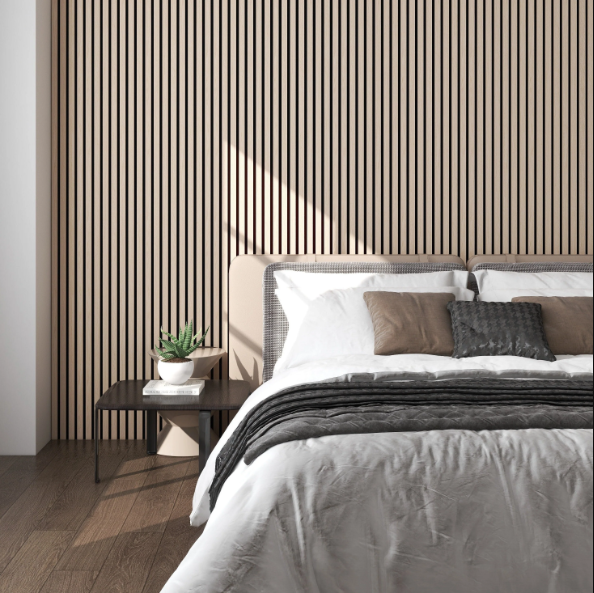
For a solution that delivers both exceptional acoustic performance and a major style upgrade, look no further than wood slat panels. These panels combine the beauty of natural wood with the sound-dampening power of high-density felt backing. The wooden slats help to break up and scatter sound waves (diffusion), while the felt backing absorbs them. This dual-action approach creates a more balanced and natural-sounding room. Our Acoustic Wall Panels are perfect for creating a modern, sophisticated feature wall in living rooms, offices, or restaurants while significantly reducing echo and background noise. They are a true investment in both sound quality and interior design.
Common Wood Finishes and Materials
The appeal of wood slat panels comes from their smart combination of materials. The slats themselves are typically crafted from MDF (Medium-Density Fiberboard) and then wrapped in a high-quality wood veneer, which gives you the authentic look of solid wood without the extra weight or cost. This allows for a wide range of finishes, from the light, Scandinavian feel of natural oak to the deep, sophisticated tone of walnut. For ultimate customization, options like our Unfinished Wood Wall Panels can be painted or stained to match your vision perfectly. The magic, however, happens behind the slats. The backing is a dense acoustic felt, often made from recycled materials, that traps sound waves and stops them from bouncing around the room, ensuring the panel is as functional as it is beautiful.
Sustainable Sound: Eco-Friendly Options
If sustainability is a priority for your project, you’ll be happy to know there are many eco-friendly acoustic panels available. These panels are made from recycled or natural materials, such as recycled denim, wood fibers, or PET plastics (from recycled water bottles). They work by trapping sound waves within their porous fibers, just like traditional panels. Choosing an eco-friendly option means you can improve your room’s sound without relying on new synthetic materials. These panels are a great way to make a responsible choice for the environment while still achieving excellent acoustic control in your space.
Other Commercial-Grade Panel Materials
Beyond the popular options you might see in a home, the world of commercial design uses a wider range of materials to meet specific demands for durability, safety, and performance. For contractors and designers working on spaces like offices, schools, or healthcare facilities, choosing the right panel often involves balancing acoustics with other critical factors like moisture resistance and impact durability. These specialized materials are engineered to perform under the high-traffic conditions of public spaces, providing reliable solutions that go beyond just aesthetics and basic sound absorption. Let's look at a few common materials you'll encounter in commercial-grade acoustic and wall paneling projects.
Fiberglass and Mineral Fiber Panels
In commercial settings, fiberglass and mineral fiber are two of the most common materials used for acoustic control. Fiberglass panels are lightweight and excel at sound absorption, making them highly effective at reducing echo within a room. Their excellent moisture resistance also makes them a go-to choice for humid environments like commercial kitchens or indoor pool areas. Mineral fiber, on the other hand, is denser and heavier. This density gives it an edge in sound blocking, helping to keep sound from traveling between rooms. It's a great all-around performer, offering a solid balance of sound absorption and sound blocking, which is why you’ll often find it in spaces like private offices, classrooms, and healthcare facilities where both speech privacy and clarity are important. You can learn more about their specific acoustic ratings from industry leaders like Armstrong Ceilings.
PETG and Polycarbonate Plastic Panels
While not primarily known for their acoustic properties, PETG (Polyethylene terephthalate glycol) and polycarbonate panels are often used in commercial spaces for their incredible durability and hygienic qualities. These tough, impact-resistant plastic panels are frequently installed as wall coverings in high-traffic areas like hallways, hospitals, and restaurants to protect the walls from damage. Acoustically, they tend to reflect sound rather than absorb it. However, they can be part of a layered wall assembly where sound control is needed alongside surface protection. Their smooth, non-porous surface is easy to clean and sanitize, making them a practical choice where cleanliness is a top priority. They serve as a functional, protective layer that can be combined with other materials to achieve a desired acoustic outcome.
How to Choose the Right Acoustic Panels for Your Space
Picking the right acoustic panels can feel like a big decision, but it really comes down to balancing function with style. There’s no single "best" panel—the right choice depends entirely on your space, your sound issues, and your aesthetic goals. Instead of getting overwhelmed by the options, think of it as a three-step process: defining your needs, comparing the technical specs, and matching your design vision. By breaking it down, you can confidently select panels that not only make your room sound better but also look fantastic.
The goal is to find a solution that solves your echo and reverb problems without compromising your room's decor. Many people think acoustic treatment is only for recording studios, but it's incredibly effective in everyday spaces. A well-treated room can make conversations clearer, reduce distracting background noise, and create a more comfortable and focused environment. Whether you're designing a quiet home office, a professional recording studio, or a lively restaurant, the perfect acoustic treatment is out there. This guide will help you ask the right questions so you can invest in a solution that delivers both performance and visual appeal, ensuring your project is a success from the start.
Start with Your Room's Size and Purpose
First, think about the room itself. What do you use it for, and what are its physical characteristics? A large conference room with high ceilings and glass walls will have very different acoustic needs than a small, carpeted bedroom. Acoustic panels are designed to fix rooms that are too noisy or echoey by soaking up sound, which stops it from bouncing off hard surfaces. The primary goal is to improve sound quality within the space.
Consider the main activities in the room. Are you trying to improve speech clarity for video calls in a home office? Reduce clatter and conversation buzz in a restaurant? Or create a perfect listening environment for a home theater? Your purpose will guide how many panels you need and where to place them for the best results.
Consider Special Room Requirements
While most acoustic panels are designed for standard indoor environments like living rooms and offices, some spaces come with unique challenges. High humidity, direct sunlight, or heavy foot traffic can affect how well your panels perform and how long they last. Before you make a final decision, it’s important to think about the specific conditions of your room. Ignoring these factors can lead to issues like warping, mold, or fading, which can undermine your investment. Taking a moment to assess your environment will help you choose a product that is not only effective and beautiful but also durable enough for the space you have in mind.
Using Panels in Humid Areas like Bathrooms
It’s a common question: can acoustic panels be used in a bathroom or other high-humidity areas? The short answer is that most standard panels, especially those made from natural wood or porous felt, are not suitable for these environments. Materials like wood can absorb moisture from the air, which can lead to warping, swelling, or even mold and mildew growth over time. This not only damages the panel's appearance but also compromises its acoustic performance. If you need to manage sound in a humid space, you’ll need to look for specialized wet room acoustic panels designed specifically to resist moisture and prevent microbial growth, ensuring they remain effective and safe for years.
Indoor Use Limitations
Beyond bathrooms, it's wise to consider other potential limitations for standard indoor panels. Basements, laundry rooms, and even kitchens can have higher-than-average humidity that could affect wood or fabric-based materials. It's also important to think about placement. For instance, panels installed in a spot that receives hours of direct sunlight every day may be prone to fading, depending on the finish and materials used. In high-traffic commercial areas like hallways or lobbies, you might need to prioritize panels with a more durable, impact-resistant surface. Always check the manufacturer's specifications to ensure the wall panels you choose are a good match for the specific demands of your indoor environment.
Compare Different Materials and Thickness
Once you know your goal, you can start looking at the panels themselves. Acoustic panels come in various materials, including foam, mineral wool, fabric-wrapped fiberglass, and wood. Each material offers different levels of sound absorption. For instance, Acoustic Wall Panels made from dense materials are excellent at managing a wide range of frequencies.
Panel thickness is another critical factor. As a general rule, thicker panels are better at absorbing low-frequency sounds (like the bass from a speaker system), while thinner panels are effective for mid-to-high frequencies (like human speech and background chatter). Don't just go for the thickest option available; choose a thickness that matches the specific sound issues you identified in your room.
Find a Look That Matches Your Style
Gone are the days when acoustic treatment meant sticking boring gray squares on your walls. Today’s panels are designed to be part of your decor. You can find options that add texture, color, and architectural interest to any space. Think of them as a functional art piece. Many suppliers offer panels wrapped in a wide variety of high-end fabrics, allowing you to match your existing color scheme perfectly.
For a more modern and sophisticated look, consider options like wood slat panels. These panels combine the natural beauty of wood with excellent sound-absorbing properties, creating a warm and inviting atmosphere. Whether you want your panels to make a bold statement or blend seamlessly into the background, there are custom shapes, sizes, and finishes available to bring your vision to life.
Embracing Natural Wood Variations
When you choose a material like wood for your project, you’re inviting a piece of nature into your space, and part of its charm is that no two pieces are ever identical. It’s important to remember that variations in color, grain, and texture are not defects—they are the signature of an authentic, natural product. When you install wood slat panels, you might notice subtle differences from one panel to the next. This is what makes your feature wall truly one-of-a-kind. These unique characteristics add depth, warmth, and a sense of authenticity that manufactured materials simply can't replicate. Embrace these beautiful imperfections, as they ensure your design has a unique character that is all its own.
How Much Do Acoustic Wall Panels Cost?
Let's talk about the numbers. The cost of acoustic wall panels can vary quite a bit, depending on the material, size, and acoustic performance you need. You can find a solution for almost any budget, from a simple setup for your home office to a professional-grade treatment for a recording studio. Understanding the price tiers will help you narrow down your options and invest your money wisely.
Think of it like this: you’re paying for both function and form. A basic foam panel might absorb sound well, but a beautiful wood slat panel does the same job while also becoming a stunning design feature. The key is to find the right balance between your acoustic goals, your aesthetic vision, and your budget. Factors like the panel's Noise Reduction Coefficient (NRC) rating, its fire safety rating, and the materials used all play a role in the final price. A higher NRC rating means better sound absorption, which often comes with a higher price tag. Similarly, panels made from premium, sustainable materials or those with intricate designs will naturally cost more than standard options. We’ll break down the typical price ranges so you know what to expect as you start shopping.
What to Expect on a Budget
You don’t have to spend a fortune to improve your room’s sound. Budget-friendly acoustic panels are perfect for smaller projects or for anyone just starting to treat a space. These options usually include basic foam squares or simple fabric-wrapped fiberglass panels. Prices can start at less than $100 for an individual panel. While they may not offer the high-end look of more expensive options, they are effective at taming echo and reverb in a home office, a gaming room, or a podcasting corner. They get the job done without requiring a huge investment.
Example Budget-Friendly Pricing
To give you a clearer picture, let's look at some real numbers. On the lower end, you can find individual acoustic panels priced anywhere from $50 to $170, depending on the material and size. This is a great entry point for treating smaller areas or specific reflection points. It's also common to see panels sold in multi-packs. For example, you might find a box containing two high-quality slat wood panels for around $220, which breaks down to a very reasonable $110 per panel. This pricing makes it accessible to cover a small feature wall or a home office corner without a massive financial commitment, proving that effective sound control can be surprisingly affordable.
Finding the Sweet Spot: Mid-Range Panels
This is the sweet spot for most people. Mid-range panels offer a fantastic blend of performance and style, making them a popular choice for living rooms, home theaters, and conference rooms. Here, you’ll find high-quality fabric-wrapped panels in various colors and textures, as well as stylish wood slat panels. A single high-quality panel might cost around $200 or more. These panels not only absorb sound effectively but also add a sophisticated, modern touch to your decor. They are an investment in both the sound and the look of your space.
Investing in Premium Acoustic Solutions
For professional applications or spaces where sound control is critical, premium solutions are the way to go. This category includes custom-fabricated panels, large full-wall systems, and products made from high-end, specialized materials. These kits are designed for maximum sound absorption and are often found in recording studios, auditoriums, and high-end commercial spaces. The cost for these comprehensive solutions can run into the thousands, but you’re paying for superior performance, custom sizing, and top-tier aesthetics that meet professional standards.
Example Premium Pricing
To give you a real-world example, outfitting an entire feature wall in a home theater or a large conference room with premium acoustic wall panels can easily cost between $1,500 and $5,000, or even more, depending on the size and materials. This price reflects not just the product itself but the entire package: you're getting panels crafted from high-quality, natural wood veneers mounted on top-tier sound-absorbing felt. This investment ensures you achieve professional-level sound control that eliminates echo and creates a perfectly balanced acoustic environment. Plus, you're adding a sophisticated architectural element that becomes the centerpiece of the room, delivering a huge impact on both sound and style.
Treating a Large Space? How to Get Bulk Discounts
If you’re outfitting an entire room or a large commercial space, the cost of individual panels can add up quickly. The good news is that many suppliers offer ways to save on larger orders. Look for retailers that provide bulk pricing or special programs for contractors and designers. For example, signing up for a trade program can give you access to exclusive discounts. Also, keep an eye out for shipping deals. Many companies offer free shipping when you spend over a certain amount or purchase a minimum number of panels, which can lead to significant savings.
Where Should You Buy Acoustic Panels Online?
Once you know what you need, the next step is finding a reliable online supplier. The right retailer can make all the difference, offering quality products, clear information, and a smooth purchasing process. It’s smart to compare a few options to find one that aligns with your project’s scope, budget, and design goals. Look for a supplier that not only sells panels but also provides the resources and support to help you make an informed decision.
Why We Recommend USA Builders Depot
When you’re looking for panels that are as beautiful as they are functional, USA Builders Depot is an excellent choice. We offer a curated collection of Acoustic Wall Panels designed to improve your room’s sound while adding a touch of modern style. Because we’re a comprehensive supplier of building materials, you can coordinate your panels with other elements like lighting, flooring, and doors all in one place. This is a huge time-saver for contractors and homeowners managing larger renovations. With fast nationwide shipping and a dedicated program for trade professionals, we make it simple to get high-quality materials delivered directly to your job site.
Exploring Other Specialized Retailers
Beyond general building suppliers, you’ll find online stores that focus exclusively on acoustical treatments. These retailers often carry a wide array of products for very specific needs, such as professional recording studios or home theaters. You might find options like custom-printed art panels, ceiling clouds, and dedicated bass traps for controlling low-frequency sounds. While these specialized stores are great for unique applications, their product lines can sometimes be overwhelming if you’re just looking for a straightforward solution to reduce echo in a living room or office. For most residential and commercial spaces, a supplier with a focused, high-quality selection is often easier to work with.
What to Look for in an Online Supplier
A great online supplier makes the buying process easy and transparent. Look for a website with clear product descriptions, detailed specifications, and high-resolution photos that show the panels in real-life settings. The best suppliers also offer customization in size or finish to fit your project perfectly. Customer support is another key factor—can you easily ask questions and get helpful answers? Finally, always check for customer reviews to see what others are saying about the product quality and their overall experience. Honest feedback is one of the most valuable tools you have when shopping online.
Don't Forget to Factor in Shipping
Acoustic panels can be large and sometimes delicate, so shipping is a critical detail to consider. Before you check out, make sure you understand the supplier’s shipping costs and delivery timeline. Some companies offer free or flat-rate shipping on orders over a certain amount, which can lead to significant savings. It’s also a good idea to check their policy on returns or damages that might occur during transit. For contractors and designers, finding a supplier with a trade program can provide access to bulk discounts and streamlined logistics, making it much easier to manage materials for large-scale projects.
Check for Free Shipping Minimums
Shipping costs for large items like wall panels can quickly add up, so one of the smartest ways to manage your budget is to look for free shipping offers. Many suppliers provide free shipping on orders that meet a certain minimum, which can lead to significant savings. Before you finalize your purchase, always check the retailer’s shipping policy. If your order is just shy of the threshold, it’s often more cost-effective to add another item you need for your project. This is especially easy with a one-stop shop where you can bundle your panels with other essentials like lighting fixtures or hardware. For trade professionals, combining this strategy with a trade program discount can make a big difference to your bottom line.
What to Compare Before You Buy Acoustic Panels
You've figured out the type of panel you need, compared materials, and have a few options in your cart. It's tempting to just click "complete purchase," but taking a few extra minutes to check the details can make a huge difference in the safety, appearance, and long-term satisfaction of your project. These are the practical features that separate a good product from the right product for your specific needs. Paying attention to the fine print now saves you from frustrating headaches and unexpected costs later. Think of this as your final checklist for making a smart, confident purchase. We'll walk through the four key things to compare: safety ratings, customization options, installation methods, and the company's return policy. This will ensure you get exactly what you expect and love the final result.
Check the Fire Rating and Safety Specs
This is a big one, especially for commercial projects, but it’s just as important for your home. Fire-rated materials are designed to slow the spread of flames, giving you precious time in an emergency. Look for panels with a Class A fire rating, which is the highest standard for building materials. Reputable suppliers will have this information clearly listed in the product specifications for their acoustic wall panels. It’s not the most glamorous feature to think about, but knowing your walls are adding a layer of safety to your space provides incredible peace of mind. Don't just assume a panel is safe—always check the specs.
Do You Need Custom Sizes or Finishes?
One size rarely fits all, especially in home design and construction. The ability to customize your panels is what separates a good-looking project from a truly professional one. Do you need a specific length to fit perfectly between two windows? Or maybe you want a particular wood finish to match your flooring? Many suppliers offer custom sizing, sometimes at no extra cost, which is a fantastic value. Beyond size, look for options in finishes, fabrics, and edge types. This flexibility ensures your Unfinished Wood Wall Panels or fabric-wrapped ones integrate seamlessly into your design instead of looking like an afterthought.
Understanding Standard Panel Sizes
Acoustic panels are often available in standard dimensions, like 2 feet by 4 feet, which makes planning your project much more straightforward. While every room has its own unique acoustic challenges, a great rule of thumb is to cover about 15-20% of your total wall surface area to achieve a noticeable reduction in echo and reverb. This guideline gives you a practical starting point for figuring out how many panels you’ll need for a living room, office, or home theater. Using standard sizes allows you to easily map out your layout and calculate your budget before you commit, ensuring you get the right amount of coverage without overspending.
Cutting Panels to Fit Your Space
Don't worry if standard sizes don't perfectly align with your walls or if you need to work around light switches, outlets, or windows. Many panels, especially wood slat varieties, are designed to be cut for a custom fit. The process is simpler than it sounds: just measure the area you need to cover, carefully mark your cutting line on the back of the panel, and use a fine-toothed saw for a clean, precise edge. This flexibility allows you to create a seamless, professional-looking installation that fits perfectly into architectural nooks or runs wall-to-wall. It’s the best way to ensure your Unfinished Wood Wall Panels look like they were custom-made for your space.
How Easy Are They to Install?
How will these panels actually get on the wall? This is a crucial question whether you’re a seasoned contractor or a weekend DIY warrior. Most acoustic panels are designed for a straightforward installation, but the method can vary. Some use simple construction adhesive, while others might require clips or a Z-track system for a more secure or removable setup. Always check the product description for installation guidelines before you buy. This helps you plan ahead, ensuring you have the right tools and know whether it’s a project you can handle yourself or if you’ll need to hire a pro. A simple installation process can save you both time and money.
Common Installation Methods
Most acoustic panels are designed for a simple installation process. The most common method for wood slat panels involves applying construction adhesive to the back and pressing the panel firmly onto the wall. For an even more secure hold, you can drive black screws through the felt backing directly into the wall studs between the slats, making them nearly invisible. For lighter fabric or foam panels, other methods work well. Some people use heavy-duty picture hanging strips for a damage-free option, which is perfect for renters. Another choice is using mounting brackets or Z-clips, which attach to the wall and allow the panel to hang securely, making it easy to remove if you need to access the wall behind it.
Panel Maintenance and Cleaning Tips
Keeping your acoustic panels looking great is surprisingly easy. For routine cleaning, simply use a vacuum with a soft brush attachment to gently remove any dust from the surface. This is usually all you need to do for wood slat panels or fabric-wrapped ones. If you get a small spot or stain, you can typically clean it with a damp cloth and a small amount of mild soap. It's important to dab the area gently rather than scrubbing it. Always avoid using harsh chemical cleaners or abrasive sponges, as these can damage the fabric or the wood finish. A quick dusting every few weeks is enough to maintain their appearance and performance for years.
Always Read the Return Policy and Warranty
Buying building materials online is incredibly convenient, but it comes with a small risk: you can’t see or touch the product beforehand. That’s why a clear return policy and a solid warranty are non-negotiable. Before you commit, understand the supplier’s rules for returns. Is there a restocking fee? What’s the window for making a return? A good warranty also protects you against manufacturing defects. Companies that stand by their products make these policies easy to find and understand. Checking out customer reviews can also give you a good sense of how a company handles issues when they arise, offering an extra layer of confidence in your purchase.
Key Return Policy Details to Check
When you're reviewing the fine print, look for a few key details. First, what is the return window? Most suppliers offer around 30 days from delivery, but it’s important to confirm. Next, check the required condition for returned items—they typically must be unused, undamaged, and in their original packaging. Pay special attention to the policy for defective or damaged goods, as you may only have a short period, sometimes just a few days, to report the issue. Also, look for warranty information, as a good supplier will offer protection against manufacturing defects. Finally, understand the costs. Find out who is responsible for return shipping fees and whether the company charges a restocking fee, as these can significantly impact your refund. A clear and fair policy is a great indicator of a trustworthy supplier.
Buying Acoustic Panels? Avoid These Common Mistakes
Shopping for acoustic panels online is straightforward, but a few common slip-ups can keep you from getting the results you want. Knowing what to watch for will help you invest in the right solution the first time. From understanding what the panels actually do to ordering the right amount, let’s walk through the mistakes you’ll want to sidestep. By avoiding these errors, you can ensure your project goes smoothly and your space sounds exactly as you envisioned.
Mistake #1: Confusing Acoustic Treatment with Soundproofing
This is the most common mix-up. Acoustic panels are designed for acoustic treatment, which means they improve sound quality inside a room by absorbing sound waves and reducing echo. They make conversations clearer and music sound richer. Soundproofing, on the other hand, is about blocking sound from entering or leaving a room. If your goal is to stop hearing your neighbor’s TV, you need soundproofing materials, not just acoustic panels. As experts note, acoustic panels are for enhancing a room's internal sound, not for creating a soundproof barrier against outside noise.
Mistake #2: Getting Your Coverage Area Wrong
It’s easy to buy too few panels and end up with a room that still has an echo. A good rule of thumb is to cover about 15% to 30% of your wall surface area for noticeable improvement. For spaces like home theaters or recording studios, you might need more. Before you add anything to your cart, measure your room’s length, width, and height to calculate the total square footage of your walls. This simple step ensures you order enough panels to effectively treat the space without having to place a second order later.
Mistake #3: Picking the Wrong Panel Thickness
Panel thickness isn't just about looks—it directly impacts performance. Thicker panels are better at absorbing low-frequency sounds (like the bass from a speaker), while thinner panels are effective for mid-to-high frequencies (like speech). If you’re setting up a home office, 1-inch or 2-inch panels might be perfect. For a home theater or music room, you may want to consider thicker options. Choosing the right thickness for your specific needs is key to achieving balanced sound, so think about the types of sounds you want to control before making a final decision.
Mistake #4: Forgetting About Custom Sizing
Not every wall is a perfect, uninterrupted rectangle. You might have windows, doors, or other architectural features to work around. Many people assume they have to stick with standard panel sizes, but that’s not the case. Opting for custom solutions allows you to get panels that fit your space perfectly, creating a clean, professional look. Customization can extend to fabric choices and edge types, giving you full control over both the acoustic performance and the aesthetic of your room. Don’t settle for a one-size-fits-all approach when a tailored solution is available.
A Simple 4-Step Plan for Your Panel Layout
Before you click “add to cart,” let’s talk strategy. Simply buying a box of panels and sticking them on the wall won’t give you the results you’re looking for. The magic of acoustic treatment is all in the placement. Planning your layout ensures you get the most sound-absorbing power for your money and achieve that clear, echo-free sound you want. A little bit of prep work here goes a long way in transforming your room’s acoustics from chaotic to controlled. Let’s walk through the four simple steps to map out your space for perfect panel placement.
Step 1: Measure Your Space
First things first, grab a tape measure. You need to know the exact dimensions of your room—length, width, and ceiling height. Write these numbers down. Calculating the total square footage of your walls and ceiling gives you a baseline for how much surface area you’re working with. This step is non-negotiable because it directly impacts how many panels you’ll need. Getting this right from the start prevents you from ordering too few panels (and not getting the job done) or too many (and wasting your budget). It’s a simple task that sets the foundation for your entire project.
Step 2: Identify Key Reflection Points
Sound waves bounce off hard surfaces like walls, floors, and ceilings, creating echo and reverb. Your goal is to place panels at the primary points where this reflection happens. A simple way to find these spots is the "mirror trick." Sit in the main listening position (like your couch or desk chair) and have a friend slide a small mirror along the side walls. Any spot where you can see your speakers or sound source in the mirror is a first reflection point—and a perfect place for an acoustic panel. Repeat this process for the opposing wall, the wall behind you, and even the ceiling to map out your most critical treatment zones.
Step 3: Use an Online Calculator for Coverage
You don’t have to be an acoustical engineer to figure this out. Many suppliers and audio forums offer free online calculators that do the heavy lifting for you. You simply plug in your room’s dimensions and the type of surface (drywall, concrete, glass), and the tool will estimate the ideal amount of acoustic coverage you need. These calculators are a fantastic resource for getting a reliable estimate without complex manual calculations. They take the guesswork out of the equation, helping you move forward with confidence and a clear plan for how many panels to purchase.
Step 4: Finalize Your Order Quantity
As a general rule, you’ll want to cover between 15% and 30% of your wall surface area with acoustic panels for a noticeable improvement. For a standard living room or office, starting with 15% is often enough to tame unwanted echo. For more critical listening environments like a home theater or recording studio, you’ll want to aim closer to 30% or more. Use this guideline along with your measurements and reflection points to determine the final number of Unfinished Wood Wall Panels or other styles you need to order for your project.