



How to Plan the Perfect Porcelain Slab Shower
Finding materials that impress clients and stand the test of time can be a real challenge. You need something that looks incredible but won't create a maintenance nightmare down the road. That's where a porcelain slab shower comes in. These large-format panels deliver a seamless, high-end look that homeowners absolutely love. Why? No grout lines to scrub. A completely non-porous surface that resists stains and moisture. It’s the perfect blend of style and practicality. This guide is your go-to resource, covering everything from installation tips to budgeting, plus where to buy the best porcelain slabs for shower walls.
Key Takeaways
- Choose Porcelain for a Low-Maintenance, High-End Look: Porcelain slabs give you the luxurious, seamless appearance of natural stone without the constant need for sealing and special care, making them a smart and practical choice for a modern shower.
- Vet Your Materials Before Committing: To ensure you love the final result, check the slab's thickness and finish, and always test samples in your bathroom to see how they look in your home's specific lighting throughout the day.
- Budget for the Entire Project, Not Just the Slabs: A successful installation requires more than just the material cost. Factor in professional labor, proper waterproofing, quality adhesives, and a 10-15% contingency fund to cover the full scope of the project and avoid surprises.
Why Choose Porcelain Slabs for Your Shower Walls?
If you’re planning a bathroom remodel, you’ve probably spent some time looking at tile. But what if you could get a stunning, high-end look with almost no grout lines to clean? That’s the appeal of using large-format porcelain slabs for your shower walls. They offer a seamless, modern aesthetic combined with practical benefits that make them a fantastic choice for any bathroom project. From their incredible durability to their surprisingly good value, here’s a closer look at why porcelain slabs are gaining so much popularity.
Get Lasting Durability and Waterproofing
A shower needs to stand up to daily use, and porcelain is one of the toughest materials out there. Fired at extremely high temperatures, porcelain becomes incredibly dense, strong, and non-porous. This means it’s highly resistant to the chips, scratches, and stains that can happen in a busy bathroom. More importantly, its low water absorption rate makes it an ideal waterproof barrier, helping to prevent moisture damage behind your walls. This durability ensures your shower will look great for years to come, handling everything from dropped shampoo bottles to hot water without a problem.
Spend Less Time Cleaning
One of the biggest advantages of porcelain slabs is the minimal maintenance they require. Because the slabs are so large, you can cover an entire shower wall with just one or two pieces, which means few—if any—grout lines. Grout is often the hardest part of a shower to keep clean, as it can trap soap scum and mildew. With a smooth, continuous surface, cleaning becomes as simple as wiping it down. Plus, porcelain is a non-porous material that doesn't need to be sealed, so you can say goodbye to scrubbing and harsh chemicals for good.
Achieve a Sleek, Grout-Free Look
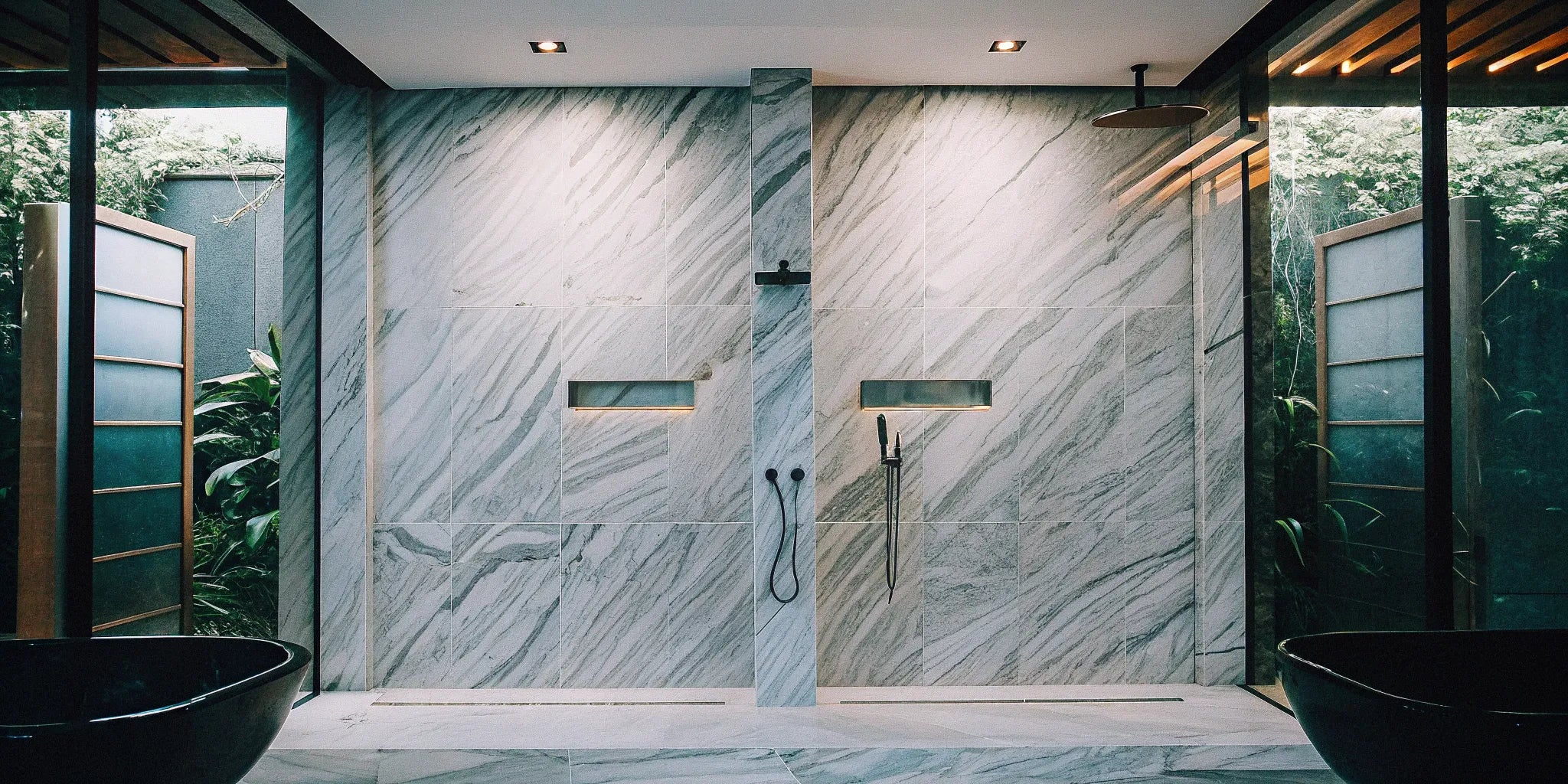
If you love a clean, high-end aesthetic, porcelain slabs deliver. Their large format creates a seamless and sophisticated look that can make any bathroom feel more spacious and luxurious. The uninterrupted surface draws the eye upward, making ceilings feel higher and small spaces appear more open. With advanced printing technology, porcelain slabs can replicate the beautiful veining of natural marble or the texture of concrete, giving you endless design possibilities without the maintenance or cost of the real thing. It’s a simple way to create a stunning focal point in your bathroom.
Get High-End Style Without the High Price
While natural stone like marble is beautiful, it often comes with a high price tag and requires regular sealing. Porcelain slabs offer a brilliant alternative, providing the same luxurious look at a more accessible price point. The long-term value is even better when you consider the savings on maintenance—no sealing, resealing, or special cleaners required. For contractors and trade professionals, buying in bulk can make the material even more affordable. This makes porcelain a smart investment that adds significant visual appeal and resale value to your home without breaking the budget.
Enjoy Design Versatility Beyond the Shower
Porcelain’s appeal doesn’t stop at the shower door. Because these slabs are so versatile, you can use them throughout your home to create a beautifully cohesive design. Imagine a stunning marble-look porcelain slab that starts as your shower wall, continues as the bathroom floor, and then reappears as your vanity countertop. This continuity can make your space feel thoughtfully designed and much larger. The wide range of available styles—from minimalist concrete to dramatic, veined stone—means you can carry a consistent aesthetic through different rooms, tying your entire project together with a durable, low-maintenance material that looks incredible everywhere.
Other Popular Uses for Porcelain Slabs
Thinking about where else you could use these slabs? The possibilities are pretty exciting. Here are a few of the most popular applications:
- Countertops: In kitchens and bathrooms, porcelain slabs make for a hardworking and stylish surface. They are non-porous, which means they resist stains from things like wine or makeup, and they’re tough enough to handle daily wear and tear without scratching or chipping.
- Flooring: Thanks to their strength, porcelain slabs are a fantastic choice for flooring, especially in high-traffic areas like entryways and kitchens. You get the elegant look of natural stone with a much more practical, easy-to-clean surface.
- Accent Walls: A large porcelain slab can create a breathtaking focal point in a living room or behind a bed. They offer a seamless, high-impact look that’s perfect for modern accent walls, delivering drama without the busyness of grout lines.
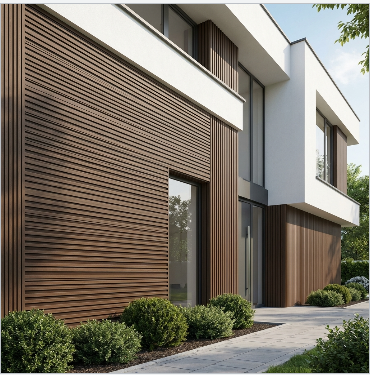
- Outdoor Spaces: Certain porcelain slabs are rated for exterior use, making them a great option for patios, outdoor kitchens, or building facades. They stand up to moisture, temperature changes, and UV rays without fading or cracking.
Where Can You Find the Best Porcelain Slabs?
Once you’ve decided on porcelain slabs for your shower, the next step is finding the right place to buy them. Your choice of supplier can impact everything from selection and price to the quality of advice you receive. Each option has its own set of benefits, whether you prioritize a massive online inventory, personalized in-person service, or the convenience of a one-stop shop. Let’s walk through the most common places to source your slabs so you can find the perfect partner for your project.
USA Builders Depot
As a nationwide supplier, we specialize in providing high-quality building materials directly to homeowners and trade professionals. Our curated collection of porcelain tiles and slabs is selected for durability and modern design, ensuring you get a premium product that lasts. We understand that a successful installation goes beyond the slab itself. Common issues often stem from improper wall prep or using the wrong adhesive, which is why our team is ready to provide guidance. With fast nationwide shipping and a huge inventory, you can get the materials you need for your project delivered right to your door, saving you time and hassle.
Big-Box Home Improvement Stores
Large home improvement chains are a popular choice because of their convenience and competitive pricing on standard items. You can walk in and see a selection of products, which is helpful for getting a general idea of what’s available. However, their inventory of large-format porcelain slabs can be limited to more common styles. It’s also important to remember that while the sticker price on a slab might seem low, the total project cost can grow quickly. When you factor in specialized setting materials, tools, and professional labor, the initial savings can sometimes disappear, so be sure to budget for the entire installation.
Local Tile and Stone Showrooms
For a more hands-on, guided experience, a local tile and stone showroom is an excellent option. These specialty stores often have beautifully designed displays that help you visualize how the slabs will look in a real-world setting. The staff are typically very knowledgeable and can offer personalized design advice. Visiting a showroom allows you to see and feel the texture of the slabs, which can prevent costly mistakes or surprises down the line. While prices might be higher than at big-box stores, the expert service and curated, high-quality selection can be well worth the investment for a project as important as a shower renovation.
Online Specialty Retailers
If you’re looking for a unique design or a specific pattern that you can’t find locally, online specialty retailers open up a world of options. These suppliers often have an extensive selection of porcelain slabs from various manufacturers around the globe. The main challenge is that you can’t see the product in person before you buy, so ordering samples is a must. Before committing, it’s crucial to research the retailer’s reputation, read customer reviews, and understand their shipping and return policies. A reputable online store will provide excellent customer service and stand behind the quality of its products.
How to Vet Your Supplier
No matter where you decide to shop, taking a few steps to vet your supplier will ensure a smooth process. Start by reading reviews and asking for references, especially for larger orders. Always confirm stock availability and lead times before purchasing. One common mistake is ordering the wrong quantity, so double-check your measurements and have your contractor verify them. Ask about the return policy for both full orders and any extra, unused material. For contractors and designers, it’s also smart to see if the supplier offers a trade program, which can provide access to bulk discounts and dedicated support.
Why Buying from Your Fabricator Can Be a Smart Move
To simplify your project, think about buying your porcelain slabs directly from the company that will also handle the cutting and installation. This approach puts the entire process, from material selection to the final fit, under one roof, which can prevent a lot of common frustrations. When your supplier is also your fabricator, there’s clear accountability; if any issues come up, you have a single point of contact to resolve them. They know their materials intimately and can offer crucial advice on everything from proper wall prep to the right adhesives. This ensures you not only get a high-quality slab but also a smooth installation, with one expert team managing the job from beginning to end.
How to Spot a Quality Porcelain Slab
When you’re shopping for porcelain slabs, it’s easy to get swept up in the beautiful colors and patterns. But to make sure you’re investing in a product that will last, you need to look a little closer. Not all porcelain is created equal, and a few key details can tell you a lot about a slab's quality and durability. Think of it like buying a car—the paint job is important, but you also want to know what’s under the hood.
Knowing what to look for will help you choose slabs that are not only stunning but also strong, easy to maintain, and perfectly suited for a shower environment. From the slab’s thickness to its finish, each characteristic plays a role in its performance. A high-quality slab will resist stains, scratches, and moisture, keeping your shower looking brand new for years. Let’s walk through the five things you should always check before making a final decision.
Examine the Slab's Thickness and Material
The thickness of a porcelain slab is a key indicator of its quality and intended use. For shower walls, a thickness of around 6 mm is often ideal. This provides plenty of strength and durability without being excessively heavy, which can simplify the installation process and even help manage material costs. Thinner slabs are lighter and easier for installers to handle, especially in tight spaces. When you’re comparing options, ask your supplier about the thickness and how it impacts both the slab’s resilience and the installation requirements. A reputable seller will guide you to a product that balances durability with practicality for your specific project.
Choose the Right Slab Size and Format
One of the biggest advantages of using porcelain slabs in a shower is the ability to create a seamless, grout-free surface. Large-format slabs minimize or even eliminate grout lines, which means less scrubbing and a cleaner, more modern aesthetic. When choosing a size, consider the dimensions of your shower. You might be able to cover an entire wall with a single slab, creating a dramatic, uninterrupted look. USA Builders Depot offers a wide selection of porcelain tiles and slabs in various sizes, allowing you to find the perfect format to fit your design vision and create that sleek, high-end finish.
Common Large-Format Dimensions
When you start shopping for porcelain slabs, you'll find they come in a variety of large sizes designed to cover a lot of ground with just one piece. Knowing the common dimensions helps you plan your layout and achieve that coveted seamless look. A popular and versatile option is the 24x48 inch slab, which is often easier for installers to handle. For a more expansive feel, sizes like 30x60 inches are great for creating a luxurious vibe. If you really want to make a statement and cover an entire wall with minimal seams, you can find massive slabs up to 48x110 inches or even larger. The main goal with these large-format tiles is to reduce grout lines, which simplifies cleaning and gives your bathroom a sleek, modern finish.
Find Your Perfect Finish and Texture
The finish you choose for your porcelain slabs affects both the look and feel of your shower. A polished finish creates a shiny, reflective surface that can make a bathroom feel brighter and more spacious. It’s a classic choice that mimics the look of polished marble. On the other hand, a matte finish offers a more subtle, contemporary vibe with no sheen. Matte surfaces are great at hiding water spots and fingerprints, making them a practical choice for a high-traffic bathroom. Think about the overall style you want to achieve and how much maintenance you’re willing to do when selecting the right finish.
Exploring Satin and Silky Finishes
If you're looking for a happy medium between the high shine of polished and the flat look of matte, a satin or silky finish is a fantastic choice. This finish has a soft, subtle sheen that catches the light beautifully without creating a mirror-like reflection. It’s a sophisticated option that adds a touch of warmth and depth to the material, enhancing the natural-looking patterns in the porcelain. The real win for a shower, though, is its practicality. Satin finishes are incredibly forgiving when it comes to hiding water spots, soap scum, and fingerprints, which means you’ll spend far less time wiping down your walls. It gives you that elegant, high-end feel while being durable and easy to maintain, making it a perfect blend of style and function for any modern bathroom.
Discover Today's Most Popular Designs
The design possibilities with porcelain are nearly endless. Thanks to advanced printing technology, porcelain slabs can convincingly mimic the appearance of natural materials like marble, granite, and even wood, but without the associated maintenance. You can get the dramatic veining of Calacatta marble or the subtle texture of limestone. This versatility allows you to achieve a luxurious look that fits your personal style. Don’t be afraid to request samples of different designs to see how they look in your bathroom’s lighting before you commit. Seeing the pattern and color in your own space makes all the difference.
What Certifications Should You Look For?
While porcelain slabs don’t have a single, universal certification, you can gauge their quality by their technical specifications. High-quality porcelain is incredibly durable and should be resistant to scratches, stains, heat, and chipping. Ask your supplier for product data sheets that detail these performance characteristics. Reputable manufacturers test their products rigorously and are transparent about the results. You can also check for testimonials, as they provide real-world insight into how the slabs hold up over time. A supplier with consistently positive customer reviews is often a sign that you’re getting a reliable, high-quality product.
What to Budget for Slabs and Installation
Creating a budget for your new shower is about more than just the price tag on the porcelain slabs. To get a clear picture of the total cost, you need to account for the materials, professional labor, and a few other expenses that can pop up along the way. Planning for these costs from the start helps you stay on track and ensures your project goes smoothly without any last-minute financial surprises. Let’s break down what you should expect to spend on and where you can be smart with your money.
What Influences the Price?
The cost of porcelain slabs can vary quite a bit, starting around $20 per square foot and going up from there. Several factors play into the final price, including the slab’s thickness, finish, and design complexity. A highly detailed, bookmatched slab that mimics rare marble will naturally cost more than a simpler, solid-color option. The brand and country of origin can also influence the price. As you browse different porcelain slabs, keep in mind that higher-quality materials often mean better durability and a more realistic, high-end look. It’s a balance between finding a style you love and a price point that fits your overall project budget.
Typical Price Range per Square Foot
Generally, you can expect the material cost for porcelain slabs to start around $20 per square foot. For good quality slabs suitable for a shower, prices often range from about $25 to $35 per square foot. This price covers the slab itself, but remember that it doesn't include installation, adhesive, or any necessary wall preparation. More intricate designs, like those that replicate rare marble with bookmatched veining, will sit at the higher end of this range or even exceed it. When you shop for materials, it’s helpful to have your shower dimensions ready so you can get an accurate estimate for the total material cost before you fall in love with a specific style.
Remember to Budget for Installation
While it might be tempting to DIY, installing large porcelain slabs is a job best left to the pros. These slabs are heavy, difficult to handle, and require specialized tools for precise cutting and placement. Professional installers have the experience to ensure the walls are perfectly prepped and the slabs are securely bonded, preventing costly issues like cracking down the line. Labor costs will depend on your location and the complexity of your shower design—things like niches, benches, and windows all add to the installation time. I always recommend getting at least three quotes from qualified installers to find a good balance of expertise and value.
How to Save Money on Your Slabs
If you’re a contractor or a homeowner planning a large-scale renovation, buying in bulk is one of the smartest ways to save. Many suppliers offer significant discounts when you purchase a larger quantity of materials at once. This is perfect if you’re redoing multiple bathrooms or need materials for other parts of your home. At USA Builders Depot, we offer a trade program specifically for professionals to help manage costs on bigger projects. Planning ahead and consolidating your purchases can make a high-end material like porcelain slab much more affordable, giving you a luxe look for less.
What Does Installation Involve?
A beautiful installation starts long before the slab touches the wall. Proper preparation is key to a lasting finish. The most common installation problems come from an improperly prepared surface, using the wrong adhesive, or mishandling the slabs. Your installer should ensure the wall is completely flat, clean, and properly waterproofed before beginning. They also need to use a high-quality adhesive specifically designed for large-format porcelain. Don’t be afraid to ask your contractor about their process—understanding these installation requirements helps you ensure the job is done right the first time.
Plan for Any Additional Costs
One of the biggest budgeting mistakes is underestimating the cost of everything besides the main material. Beyond the slabs and the installer’s fee, you’ll need to account for several other items. This can include demolition of your old shower, waterproofing membranes, high-performance adhesives, grout, sealant, and any trim pieces for the edges. You should also factor in delivery fees and the cost of waste disposal. A good rule of thumb is to add a 10% to 15% contingency to your budget. This buffer gives you peace of mind to handle any unexpected issues, like discovering hidden water damage once the old walls come down.
Factoring in the Cost of Samples
It can be tempting to skip ordering samples to save a few dollars, but this is one step you shouldn't overlook. A computer screen can’t accurately show you how a pattern’s true color, texture, or finish will look in your home, and seeing the material in your own space makes all the difference. I always recommend you test samples in your bathroom to see how they interact with your specific lighting at different times of the day—from bright morning sun to the warm glow of your vanity lights at night. Think of it as a small investment to prevent a very costly mistake. Factoring the price of a few samples into your initial budget gives you the confidence to commit to a final choice you’ll be happy with for years.
Find Your Perfect Shower Style
Now for the fun part: deciding how your new shower will look. Porcelain slabs are incredibly versatile, giving you the freedom to create a space that truly reflects your personal style. Whether you’re dreaming of a serene, spa-like retreat or a bold, dramatic statement piece, there’s a porcelain slab that can bring your vision to life. Think of your shower walls as a blank canvas. You can go for a timeless, classic look or something more modern and artistic. The best part is that you can achieve a high-end aesthetic without the demanding upkeep of natural stone. Forget about the constant sealing and worry that comes with materials like marble. With porcelain, you get both beauty and practicality, which is a huge win for any busy household. This design flexibility means you're not just picking a tile; you're curating an experience. From mimicking natural textures to showcasing bold colors, the possibilities are nearly endless. Let’s explore some popular design approaches to get your creative ideas flowing and help you find the perfect style for your bathroom renovation.
Get the Look of Marble (Without the Maintenance)
If you love the elegant, timeless appeal of marble but worry about the maintenance, porcelain is your perfect solution. High-quality porcelain slabs can replicate the luxurious look of natural stones like Calacatta or Carrara marble with stunning accuracy. You get the beautiful, subtle veining and creamy tones that make marble so desirable, but in a non-porous, stain-resistant material. This means you can enjoy a five-star hotel vibe every morning without stressing over sealing, staining, or special cleaners. It’s the ideal way to get that classic, sophisticated look that never goes out of style.
Safety Considerations: Slip Resistance
When we talk about safety in a shower, slip resistance is usually the first thing that comes to mind. While this is critical for your shower floor, it’s less of a concern for the walls. The real safety benefit of using porcelain slabs on your walls comes from their incredible strength and moisture resistance. Because they are non-porous, they create a solid barrier that helps prevent water from seeping into your walls, which reduces the risk of mold and mildew growth. This makes for a healthier bathroom environment. For the shower floor, you’ll want to choose a tile with a matte or textured finish to provide good grip, but for the walls, you can confidently select the finish that best suits your design.
Maintenance Differences: Cleaning and Care
Here’s where porcelain slabs truly shine. One of the biggest advantages is the minimal maintenance they require. Because the slabs are so large, you can cover an entire wall with just one or two pieces, which means few—if any—grout lines. Grout is often the hardest part of a shower to keep clean, as it can trap soap scum and mildew. With a smooth, continuous surface, cleaning becomes as simple as wiping it down. Even better, porcelain slabs for shower walls do not need sealing. They naturally resist stains and moisture, making them a fantastic low-maintenance choice for a busy home.
Make a Statement with Dramatic Veining
For those who want their shower to be the bathroom's centerpiece, a slab with bold veining is a fantastic choice. These designs feature dramatic, sweeping patterns that create a powerful visual impact, turning your shower wall into a work of art. While the patterns are strong, they often come in neutral color palettes—like deep charcoals, warm grays, and soft creams—making them surprisingly easy to integrate into your overall design. A boldly veined porcelain slab creates a sense of movement and luxury, instantly making the space feel more dynamic and custom-designed.
Create Depth with a Textured Finish
Why stop at color and pattern? Textured porcelain slabs introduce another layer of sensory detail to your shower design. You can find options that mimic the feel of natural slate, raw silk, or even wood grain. A textured surface not only adds visual depth and interest but can also provide a bit of extra grip, which is a smart safety feature in a wet environment. This choice is perfect for creating a more organic, earthy feel in your bathroom, connecting the sleekness of porcelain with the rustic appeal of natural materials.
How to Pick the Perfect Color Palette
Your shower should be a reflection of your taste, and color is one of the easiest ways to set the mood. Porcelain slabs are available in a massive range of colors, from crisp, clean whites to deep, moody blacks and everything in between. You can create a light and airy oasis with pale, neutral tones or design a cozy, enveloping space with darker hues. Think about the feeling you want to create. Do you want your morning shower to feel bright and energizing or calm and relaxing? Your color choice will play a huge role in achieving that atmosphere.
Mix and Match Patterns for a Custom Look
Don’t feel like you have to stick to just one style. Mixing and matching different slabs can create a truly unique and personalized shower. Consider using a beautifully patterned slab for a single accent wall and a more subtle, complementary slab for the other walls. You could also use a different design inside a shower niche to make it pop. Another great designer trick is to use large-format slabs from floor to ceiling. This minimizes grout lines and can make your shower feel much bigger and taller—a perfect strategy for smaller bathrooms.
Your Porcelain Slab Shower Checklist
You’ve picked out the perfect porcelain slab design, and you’re ready to transform your shower. But before you jump in, it’s smart to have a solid plan. A little preparation goes a long way in making sure your project runs smoothly, stays on budget, and gives you a result you’ll love for years. Think of this as your go-to guide for turning that dream shower into a reality, without the common headaches.
From getting your measurements just right to keeping your new walls looking pristine, we’ll walk through the essential steps. We’ll cover how to test samples in your space so there are no surprises, why proper waterproofing is non-negotiable, and what to expect during installation. Following these steps will help you feel confident in your decisions and ensure your investment is protected. Let’s get everything in order so you can focus on the exciting part—enjoying your beautiful new shower.
How to Measure Your Shower Accurately
Before you even think about ordering slabs, grab a tape measure. One of the easiest ways to blow your budget is by miscalculating how much material you need. Measure the height and width of each shower wall, then multiply to find the square footage for each surface. Add it all up, and then add an extra 10% to 15% for cuts and waste. This is crucial! Having accurate numbers ensures you order the right amount of material, preventing costly last-minute orders or project delays. Double-check your math—it’s a simple step that saves a lot of stress down the line.
How to Properly Evaluate Samples
Colors and textures can look completely different online than they do in your home. That’s why ordering samples is a must. Once they arrive, don’t just glance at them. Place the samples inside your shower against the wall. Check on them throughout the day to see how they look in the morning light, midday sun, and with your bathroom’s artificial lighting at night. This helps you get a true feel for the color and finish. Hold them up next to your vanity, flooring, and fixtures to make sure everything feels cohesive. It’s the best way to confirm you’ll love the final look before committing to a full order.
Ensure Your Shower is Properly Waterproofed
A stunning porcelain slab shower is only as good as the waterproofing behind it. This is the single most important step for preventing leaks and water damage. Common installation issues often stem from improper wall preparation. Your installer should use a quality waterproof backer board, like fiber cement boards, and apply a waterproofing membrane according to the manufacturer’s instructions. Every seam and screw head must be sealed perfectly. Don’t be tempted to cut corners here; a solid, waterproof foundation is essential for a shower that will stand the test of time.
Follow These Installation Best Practices
While the DIY spirit is admirable, installing large-format porcelain slabs is a job best left to the pros. These slabs are heavy, cumbersome, and require special tools and expertise to cut and handle without breaking them. A professional installer not only has the right equipment but also understands how to properly prep the walls and use the correct adhesive for a secure, lasting bond. Hiring an experienced professional ensures the job is done correctly, protecting your investment and giving you peace of mind that your beautiful new shower is built to last.
Solving Adhesion Issues with a Priming Slurry
One of the reasons porcelain is so waterproof is that it doesn't absorb water. While that’s great for a shower, it also means standard adhesives can have trouble getting a good grip. This is where a professional’s expertise really shines. To solve this, installers apply a priming slurry to the back of the slab before setting it. This special primer acts as a bonding agent, creating a strong connection between the non-porous slab and the mortar on the wall. Skipping this step, using the wrong adhesive, or even installing in extreme temperatures can lead to adhesion failure. It’s a critical detail that ensures your beautiful slabs stay put for good.
Ensuring a Solid, Full-Mortar Bed
Have you ever tapped on a tile and heard a hollow sound? That’s a sign of an air pocket, which is a major weak spot. To prevent this with large slabs, installers must use a full-mortar bed. This means applying an even, continuous layer of mortar to the wall, ensuring there are no gaps behind the slab. When slabs aren't laid on a solid bed of mortar, they become vulnerable to cracking from heavy impacts or even subtle shifts in the house. A full-mortar bed provides complete support across the entire slab, distributing weight evenly and making your porcelain slab shower incredibly durable and resistant to damage over time.
Using the Right Tools for Cutting
Cutting large porcelain slabs requires more than just a steady hand—it demands specialized equipment. These slabs are incredibly hard and dense, and trying to cut them with the wrong tools can easily lead to chipping, cracking, or a complete break. Professional installers use wet saws with diamond blades, rail systems for long, straight cuts, and specialized hole saws for plumbing fixtures. According to the National Tile Contractors Association, proper tools and techniques are essential for a clean finish. This is another key reason why professional installation is so important; they have the right gear and the experience to handle these heavy, cumbersome materials safely and precisely.
How to Keep Your Porcelain Walls Looking New
One of the best things about porcelain slabs is how easy they are to maintain. Because they are non-porous, they don’t need to be sealed and are naturally resistant to stains and mildew. To keep your shower walls looking brand new, simply clean them with a mild, non-abrasive cleaner and water. Using a squeegee to wipe down the walls after each shower helps prevent water spots and soap scum buildup. That’s it! With minimal effort, your sleek, grout-free shower will continue to be a stunning and hygienic feature in your bathroom for years to come.
Cleaners and Tools to Avoid
While porcelain is incredibly resilient, it’s not indestructible. To protect its beautiful finish, it’s important to stay away from harsh chemicals and abrasive tools. You should never use cleaners containing acids, bleach, or ammonia, as they can dull the surface and damage the finish over time. The same goes for abrasive scouring powders or scrub pads like steel wool, which can create tiny scratches. Instead, the best approach is always the gentlest. A simple mixture of warm water and a pH-neutral cleaner is all you need for routine cleaning. When you clean the surface, always use a soft microfiber cloth or a non-abrasive sponge to prevent scratching and keep your slabs looking flawless.
Tips for Preventing Stains on Lighter Slabs
Lighter-colored porcelain slabs are fantastic for brightening up a bathroom, but they can show spills more readily. The good news is that porcelain’s non-porous surface makes it highly stain-resistant—as long as you act quickly. The number one rule is to wipe up spills as soon as they happen. Things like hair dye, colorful bath bombs, or pigmented shampoos shouldn't be left to sit. For daily maintenance, a quick wipe-down with a squeegee after your shower prevents water spots and soap scum from building up. This simple habit of regular, gentle cleaning is the most effective way to keep your light-colored slabs looking pristine and prevent any potential for staining.
How to Make the Final Call
You’ve explored your options, found some styles you love, and are close to making a decision. Before you do, let’s walk through a few final checkpoints. Taking a moment to confirm these details will help ensure your project goes off without a hitch, from budgeting to the final installation. It’s all about setting yourself up for a smooth process and a beautiful result you’ll enjoy for years. Think of this as your final pre-flight check before your shower renovation takes off.
Run Through This Final Quality Checklist
A simple checklist can be your best friend when you’re ready to buy. This isn’t just about the slab’s appearance; it’s about the entire installation process. The most common issues with porcelain slab showers often stem from things that happen before the slab even goes up, like improper wall prep or using the wrong adhesive. Your checklist should include confirming your walls are flat and ready, you have the right setting materials, and your installer has experience handling large-format slabs. Ticking these boxes helps you avoid common pitfalls and ensures your beautiful new slabs are installed to last. It’s a small step that makes a huge difference.
Confirm Your Total Project Budget
It’s easy to get excited about the price per square foot of the slabs, but don’t forget to account for the total project cost. A common mistake is underestimating the price of professional installation, which can be a significant part of your overall budget. Before you commit, get a detailed quote from your contractor that includes labor, waterproofing materials, adhesive, grout, and any necessary prep work. If you’re a trade professional, remember to look into bulk discounts that can help manage costs on larger projects. Finalizing your budget with all expenses included means you can move forward with confidence and no surprise bills later on.
How to Choose the Right Slab Thickness
Porcelain slabs come in various thicknesses, and your choice can impact the installation. While thinner slabs are lighter, a thicker slab might be a better option if your walls aren't perfectly flat. The added rigidity can help compensate for minor imperfections, leading to a smoother, more durable finish. This is a great point to discuss with your installer, as they can assess your space and recommend the ideal thickness for your specific project. They’ll consider the wall condition and the handling required for different slab weights. Making the right choice here is key to a successful and long-lasting porcelain slab installation.
Understanding Standard Thickness Options (6mm, 12mm, 20mm)
You’ll generally find porcelain slabs in three standard thicknesses: 6mm (about 1/4 inch), 12mm (1/2 inch), and 20mm (3/4 inch). For shower walls, the 6mm option is often the sweet spot. It’s durable enough for a vertical surface but lightweight enough to make installation more manageable, which can also help keep labor costs in check. The 12mm thickness is a versatile workhorse, great for countertops, backsplashes, and even some flooring. The heaviest option, 20mm, is built for high-impact areas like kitchen islands or outdoor applications where maximum durability is a must. Understanding these differences helps you select the right material for your specific needs, ensuring both beauty and long-term performance.
How Long Will the Installation Take?
Your material selection plays a huge role in your renovation timeline. Before placing your order, confirm the lead time for your chosen porcelain slabs, as custom or specialty orders can take longer to arrive. You’ll also want to coordinate with your contractor to get on their schedule. Understanding the full installation timeline—from wall prep and waterproofing to slab setting and curing—is essential for managing your project effectively. This helps you plan around the work, avoid unnecessary delays, and know exactly when you’ll be able to step into your stunning new shower. A little planning upfront ensures the whole process runs smoothly from start to finish.
Related Articles
Frequently Asked Questions
Why is professional installation so important for porcelain slabs? Large porcelain slabs are heavy and surprisingly fragile to handle before they're installed. Professionals have the specialized tools needed to transport, cut, and place them without causing cracks or chips. More importantly, they know how to properly prepare and waterproof your shower walls, which is the most critical step for preventing leaks and long-term damage. It’s an investment in getting the job done right the first time.
Will porcelain slabs really look as luxurious as natural stone like marble? Absolutely. Modern printing technology is so advanced that high-quality porcelain can replicate the depth and veining of natural marble with incredible realism. The big advantage is that you get a consistent, beautiful look without the unpredictability and high maintenance of real stone. You can achieve that elegant, high-end aesthetic and not have to worry about sealing it or dealing with stains.
Are large porcelain slabs a good choice for a small bathroom? Yes, they are actually a fantastic choice for smaller spaces. The lack of grout lines creates a smooth, uninterrupted surface that tricks the eye into seeing a larger, more open area. A continuous wall without the busy grid of tile lines can make a compact shower feel much more spacious and serene.
What's the best way to clean porcelain shower walls? It’s incredibly simple. Since porcelain is non-porous, it resists soap scum and mildew buildup. All you need is a soft cloth or sponge with a bit of mild, non-abrasive cleaner and water. To keep it looking perfect with minimal effort, I recommend using a squeegee to wipe down the walls after you shower. This prevents water spots from forming and takes just a few seconds.
How do I make sure the slab pattern looks continuous and natural? This is a great question, especially if you've chosen a slab with bold veining. The key is to plan the layout with your installer before anything is permanently attached to the wall. You can map out how the slabs will be positioned to ensure the veins flow logically from one piece to the next. This creates a seamless, intentional design that looks like a single, cohesive piece of art.