


WPC Exterior Cladding: A Complete Buyer's Guide
We all love the classic look of wood, but let's be honest—the constant maintenance can be a dealbreaker. Warping, rot, and sun damage can turn a beautiful facade into a weekend project you never wanted. What if you could have that stunning wood aesthetic without the worry? Enter WPC exterior cladding. This game-changing material blends real wood fibers with durable plastics, giving you the authentic look you love with the long-lasting, weather-resistant performance you need. Before you buy, this guide will walk you through everything you need to know.
Key Takeaways
- Get the wood aesthetic with minimal effort: WPC cladding provides the classic look of wood but is engineered to resist common issues like rot, pests, and weather damage, freeing you from constant maintenance.
- Look beyond the initial price tag: WPC is a smart long-term investment. Its higher upfront cost is offset by significant savings on the maintenance, repairs, and replacements that are common with traditional wood.
- Prioritize quality specs and correct installation: For a durable finish, select panels with strong UV protection and water resistance. Following installation best practices, like leaving expansion gaps, is equally important to prevent warping and ensure longevity.
What is WPC Exterior Cladding?
If you’re looking for an exterior finish that combines timeless style with modern performance, WPC cladding is a fantastic option to consider. WPC, which stands for Wood-Plastic Composite, is an engineered material designed to give you the beautiful, warm appearance of natural wood without the constant maintenance. Think of it as the best of both worlds: the classic charm of wood and the resilience of a high-tech synthetic material.
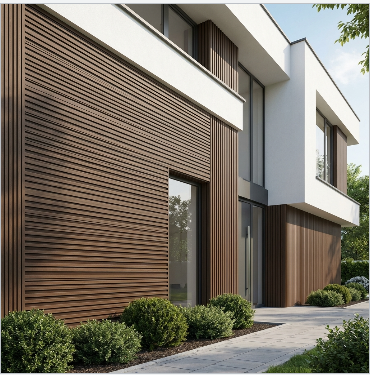
This innovative blend makes WPC an ideal choice for exterior walls, as it’s built to handle whatever the elements throw at it. Unlike traditional wood that can rot, warp, or fall victim to pests, WPC stands strong. It’s a popular choice for homeowners and builders who want a durable, long-lasting, and attractive finish for their projects. These Exterior Fluted Slat Wall Panels are a perfect example of how WPC can create a stunning, contemporary look.
What's in Wood Plastic Composite?
Let's break down what Wood-Plastic Composite actually is. The material is created by mixing fine wood fibers or flour with thermoplastics like polyethylene or polypropylene. This mixture is then heated and formed into panels or boards. The wood fibers provide the natural look, texture, and rigidity, while the plastic component encapsulates the wood, protecting it from moisture, insects, and decay. This process results in a dense, heavy, and incredibly durable material that won't splinter or crack like traditional timber. It’s an engineered solution designed specifically to overcome the common drawbacks of using natural wood outdoors.
The Role of Special Additives
While wood fibers and plastic form the foundation of WPC, it’s the special additives that truly give it its superpowers. These ingredients are mixed in during manufacturing to enhance performance and longevity. For instance, UV stabilizers act like a permanent sunscreen, protecting the panels from fading and becoming brittle under harsh sunlight. Coupling agents are another key component, ensuring the wood and plastic bond tightly together to create a strong, moisture-resistant barrier. Other additives can include pigments for rich, lasting color, and even fire retardants for added safety. These elements work together to create a final product that is far more durable and weather-resistant than its individual components, ensuring your exterior cladding stands the test of time.
WPC vs. Wood vs. Vinyl: Which Is Better?
When you’re choosing an exterior finish, you’re likely comparing WPC to traditional wood and vinyl. Wood offers undeniable beauty, but it requires regular staining, sealing, and painting to protect it from moisture and sun damage. WPC gives you a similar aesthetic with minimal upkeep. While WPC often has a higher upfront cost, it can save you money over time on maintenance and replacement. Compared to vinyl, WPC is typically thicker, more rigid, and offers a more realistic wood-grain texture, giving your home a more premium finish. It’s a smart, long-lasting choice among modern wall panels.
WPC vs. Fiber Cement Siding
Another popular siding material you'll encounter is fiber cement. It's also a highly durable, low-maintenance option known for its resistance to fire, insects, and rot. The main differences come down to aesthetics and installation. While both are excellent choices, WPC cladding generally provides a warmer, more convincing wood look and feel. It's also lighter and easier to handle and cut on-site, which can simplify the installation process for both professionals and ambitious DIYers. Fiber cement, on the other hand, is heavier and requires special tools for cutting. While we offer high-quality fiber cement boards, many builders prefer WPC for projects where achieving a natural wood aesthetic with a straightforward installation is the top priority.
Why Choose WPC Cladding?
When you’re deciding on an exterior for your home or project, you’re looking for something that balances beauty, durability, and practicality. Wood plastic composite (WPC) cladding hits all those marks, making it a fantastic alternative to traditional materials like wood or vinyl. It combines the classic look of wood with the resilience of modern composites, giving you a finish that not only looks great but also performs exceptionally well over time. Let’s get into the specific reasons why WPC is becoming such a popular choice for exteriors.
Enjoy All-Weather Durability
One of the biggest advantages of WPC is its incredible resilience. Unlike traditional wood that can warp, crack, or rot when exposed to moisture, exterior fluted slat wall panels are designed to handle whatever the weather throws at them. Whether you’re dealing with intense sun, heavy rain, or freezing snow, these panels hold their shape and color. The composite material resists fading from UV rays and won’t swell or shrink with temperature changes. This means your home’s exterior will continue to look sharp and polished for years, without the weather-related wear and tear you might see with other materials. It’s a durable choice that offers true peace of mind.
Excellent Dimensional Stability
Have you ever seen a wooden deck or fence that’s started to warp and twist after a few seasons? That’s a perfect example of poor dimensional stability. It’s a common headache with natural wood, which expands and contracts with changes in humidity and temperature. This is where WPC truly shines. Thanks to its composite structure, WPC cladding holds its shape exceptionally well. It doesn't swell, shrink, or warp like traditional timber, ensuring that your exterior walls remain straight and uniform year after year. This stability is a direct result of its manufacturing process, which creates a dense, durable material that resists the stresses of a changing climate, keeping your project looking pristine without the constant worry of distortion.
Enjoy a Low-Maintenance Exterior
If the thought of spending your weekends sanding, staining, or painting your home’s exterior sounds exhausting, you’ll love WPC cladding. This material is famously low-maintenance. Forget about the constant upkeep required to protect wood from the elements. WPC doesn’t need to be painted or sealed, and cleaning is as simple as using a bit of mild soap and water to wash away any dirt or grime. This saves you a significant amount of time, effort, and money over the life of your home. Choosing from a range of high-quality wall panels means you get a beautiful exterior without the demanding maintenance schedule, freeing you up to focus on other things.
Get Protection from Fire, Pests, and Rot
Beyond its weather resistance, WPC cladding offers superior protection against other common threats. The composite nature of the material makes it unappealing to termites and other wood-boring insects, so you won’t have to worry about pest damage. It’s also highly resistant to moisture, which prevents the growth of mold, mildew, and rot that can plague natural wood siding. Many WPC products also have fire-retardant properties, adding an extra layer of safety for your home. This combination of resistance makes WPC a smart, long-lasting investment that protects your property from multiple angles, ensuring your exterior remains strong and structurally sound.
Achieve Your Perfect Design
Your home’s exterior is a reflection of your personal style, and WPC cladding gives you the creative freedom to bring your vision to life. It’s available in a wide variety of colors, textures, and finishes, so you can achieve almost any look you desire. Whether you want the warm, rustic appearance of natural wood or a sleek, modern aesthetic, there’s a WPC option to match. Products like exterior shiplap cladding offer clean lines and a timeless appeal. This versatility allows you to customize your home’s facade without compromising on performance, ensuring your design is both beautiful and built to last.
Superior Acoustic Insulation
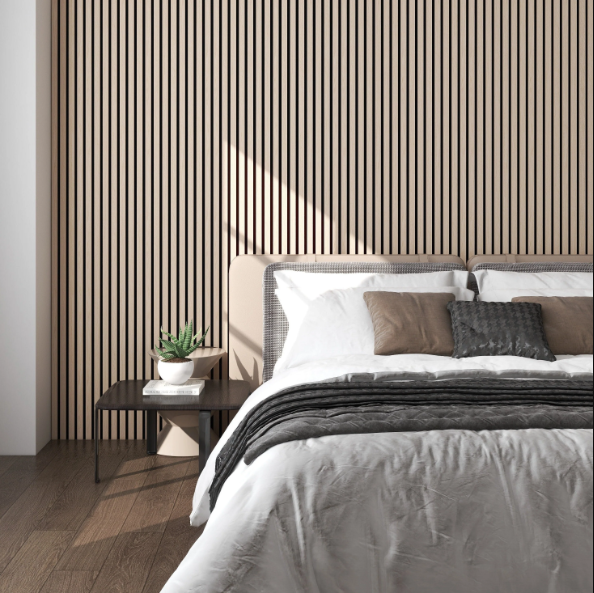
An often-overlooked benefit of WPC cladding is its ability to improve a building's acoustic performance. The dense, composite structure of the material is excellent at dampening sound, which can make a significant difference in your home’s comfort. This means less noise from traffic, neighbors, or general street activity, creating a more peaceful and quiet indoor environment. This quality makes WPC a smart choice not just for its looks but for the overall sense of tranquility it can bring to your living space. For projects where sound control is a priority, you can even find complementary products like Interior WPC Fluted Slat Wall Panels to create a cohesive and serene atmosphere both inside and out.
An Eco-Friendly Building Choice
If sustainability is a priority for your project, WPC cladding is an excellent choice. This material is often manufactured using recycled wood fibers and plastics, which helps divert waste from landfills and reduces the demand for virgin resources. By choosing WPC, you’re opting for a product that helps conserve natural forests and provides a durable alternative to traditional hardwoods. Its long lifespan and low maintenance needs also contribute to its green credentials, as it requires fewer replacements and chemical treatments over time. This makes our collection of wall panels a responsible and forward-thinking option for modern construction.
Understanding the Limitations of WPC Cladding
While WPC cladding offers an impressive list of benefits, no material is perfect for every single situation. Being aware of its limitations helps you make an informed decision and ensures you use it in the right applications for long-term success. Understanding these factors from the start will help you plan your project effectively and guarantee you’ll be happy with the results for years to come. Let’s look at a few key considerations to keep in mind before you commit to WPC for your exterior.
Heat Sensitivity and Temperature Limits
One of the most important factors to consider with WPC is its sensitivity to high temperatures. The plastic components in the composite can begin to soften or deform if exposed to temperatures above 158°F (70°C). While this isn't an issue for general sun exposure in most climates, it means WPC is not suitable for high-heat areas. For example, you should avoid installing it directly behind a large barbecue grill or near exhaust vents from appliances. It’s also wise to consider ventilation and airflow, especially when using dark colors that absorb more heat, to ensure the material stays within its operational temperature range.
Structural Strength Compared to Hardwood
WPC is designed as a durable and protective covering, but it is not a structural material. While it is tough and resistant to impact, it doesn't have the same load-bearing strength as solid hardwood or structural lumber. This means you can't use it for support beams, joists, or any application where it needs to hold significant weight. Think of it as a beautiful, resilient skin for your home's exterior. For siding and decorative finishes, its strength is more than adequate, but for any structural elements of your project, you’ll need to stick with traditional building materials.
Aesthetic Differences from Natural Wood
WPC does an excellent job of capturing the look and feel of wood, but it is still a composite material. While high-quality Exterior Fluted Slat Wall Panels offer consistent color and realistic textures, they won't have the unique grain variations and imperfections that give natural wood its one-of-a-kind character. For many, this consistency is a plus, as it ensures a uniform look across the entire project. However, if you’re a purist who loves the distinct knots and patterns of real wood, it’s a trade-off to consider. You gain incredible durability and low maintenance but sacrifice the organic uniqueness of natural timber.
Creative Applications for WPC Cladding
WPC cladding is incredibly versatile, and its application goes far beyond simple siding. Its durability, ease of installation, and wide range of styles open up a world of design possibilities for both exterior and interior spaces. Thinking outside the box allows you to use this innovative material to create cohesive, stylish, and functional designs throughout your property. From creating stunning accent walls to blending indoor and outdoor living areas, WPC provides the tools to bring your most creative ideas to life. Here are a few ways to use WPC cladding to make a statement.
Beyond Walls: Ceilings, Fences, and Decking
Don't limit WPC to just the walls of your home. Its weather-resistant properties make it an excellent choice for porch ceilings, soffits, and even modern fence designs. Using the same cladding for your walls and a horizontal fence can create a seamless, contemporary look that enhances your property's curb appeal. You can also use it to build privacy screens on a patio or as skirting for a raised deck. This versatility allows you to carry a consistent design theme across multiple outdoor structures, tying your entire landscape together with a polished and cohesive aesthetic.
Designing with Patterns and Textures
The uniform size and shape of WPC panels make them perfect for creating unique patterns. Instead of a standard horizontal or vertical installation, consider a diagonal or herringbone layout for a dynamic accent wall. You can also mix and match different colors or textures to create visual interest. For example, pairing smooth Exterior Shiplap Cladding with textured fluted panels can add depth and dimension to a flat facade. This design flexibility allows you to move beyond traditional siding and use WPC as a true architectural element, turning a plain wall into a work of art.
Creating a Seamless Indoor-Outdoor Flow
A popular trend in modern design is blurring the line between indoor and outdoor spaces. WPC cladding is a fantastic tool for achieving this. You can use it on an exterior feature wall that continues through a large glass door or window into the interior living space, creating a stunning visual connection. It also pairs beautifully with other materials like stone, concrete, and metal. Imagine a home with WPC siding complemented by the clean, bold lines of custom steel windows, creating a look that is both warm and industrial. This approach makes spaces feel larger and more integrated with their natural surroundings.
How to Choose the Best WPC Cladding Panels
Once you’ve decided WPC cladding is right for your project, the next step is sorting through the options. Not all panels are created equal, and the best choice depends on your specific needs, climate, and design goals. Looking beyond color and texture to a few key technical specs will ensure you get a product that performs beautifully for years. It's easy to get focused on the final look, but the performance features are what guarantee your investment pays off. For example, a home in a sunny, dry climate will need superior UV protection, while a home in a rainy region requires top-tier water resistance. Think about where the cladding will be installed—is it a high-traffic area near the ground or a decorative accent on the second story? Answering these questions will help you prioritize the right features. By taking a moment to evaluate these technical details, you can confidently select a product that not only meets your aesthetic vision but also stands up to the elements without demanding constant upkeep. Here are five things to check before you buy.
Why Panel Thickness and Density Matter
The thickness and density of a WPC panel are direct indicators of its durability. Thicker, denser panels offer better impact resistance, which is crucial for ground-level installations or areas prone to harsh weather like hail. While a thinner panel might work for a decorative accent in a sheltered spot, high-traffic areas demand a more robust product. When browsing Exterior Fluted Slat Wall Panels, always check the product specifications. A heavier panel generally contains more material, making it stronger and more resistant to dents and damage over its lifespan.
How to Check Water Resistance Ratings
One of the biggest draws of WPC is its ability to handle moisture, but it’s important to understand the difference between "water-resistant" and "waterproof." WPC panels are highly water-resistant, meaning they won’t rot, swell, or warp when exposed to rain and humidity. However, they aren’t designed to be continuously submerged in water. Before you buy, confirm the product’s water resistance rating and ensure it’s suitable for your climate. This simple check ensures your cladding will perform as expected without the risk of water damage from improper use.
Does It Have Built-In UV Protection?
Your home’s exterior is constantly exposed to the sun, and UV radiation can cause colors to fade and materials to degrade over time. High-quality WPC cladding is manufactured with built-in UV inhibitors that protect the panels from sun damage. This is a key feature for long-term performance and color retention, ensuring your exterior looks vibrant for years with minimal maintenance. Investing in panels with proven UV protection, like quality Exterior Shiplap Cladding Wall Panels, preserves your home’s curb appeal and the value of your investment.
How Easy Is the Installation System?
How the cladding panels fit together is just as important as the material itself. Most WPC systems use a tongue-and-groove or hidden clip system designed for a seamless finish and secure attachment. A well-designed system also accounts for the natural expansion and contraction of the material with temperature changes. Before committing, look at the manufacturer’s installation guide. This will give you a clear idea of the process and help you ensure proper spacing and ventilation, preventing issues like buckling or warping down the road.
What Does the Warranty Actually Cover?
A manufacturer’s warranty is a statement of confidence in its product. A long and comprehensive warranty is a great sign that you’re buying a quality material. Don’t just look at the number of years—read the details to understand what’s covered. Does it include color fade, staining, and structural integrity? Knowing the terms of the warranty protects your investment and provides peace of mind. Reputable suppliers are always transparent about their warranty, so you can feel confident in the durability of their wall panels.
WPC Cladding Myths, Busted
Wood-plastic composite is a fantastic material, but like any popular product, it’s surrounded by a few myths. When you’re investing in your home or a client’s project, you need clear, accurate information to make the right choice. Let's clear the air and separate fact from fiction so you can feel confident about choosing WPC.
Many of the misconceptions come from comparing WPC directly to traditional wood or pure plastic without understanding its unique hybrid nature. Some people hear "low-maintenance" and think it means "no-maintenance," while others see the initial price tag and miss the long-term value. Understanding the nuances of WPC exterior cladding helps you set realistic expectations and appreciate what makes it such a durable and attractive option for modern exteriors. We’ll walk through the four most common myths and give you the real story behind each one.
Myth: WPC Is 100% Waterproof
This is one of the most common misunderstandings. While WPC panels are highly water-resistant, they aren't completely waterproof. The plastic component provides excellent protection against moisture, preventing the swelling, rotting, and warping that affects traditional wood. However, if the panels are submerged or constantly exposed to standing water without proper drainage, moisture can eventually cause issues. For most applications—like vertical wall cladding that sheds rain—its water resistance is more than enough to ensure a long, durable life. Just be sure your installation includes proper drainage and sealing.
Myth: It's Totally Maintenance-Free
WPC is celebrated for being low-maintenance, but that doesn’t mean no maintenance. Compared to wood, which needs regular staining, sealing, and painting, WPC is a breeze. You can put away the paintbrushes and sealants for good. However, like any exterior surface, it will collect dirt, dust, and pollen over time. To keep your cladding looking fresh, you’ll want to give it a simple cleaning with mild soap and water once or twice a year. This quick wash-down is usually all it takes to maintain its appearance and prevent any mildew buildup in damp, shady areas.
Myth: The Upfront Cost Is Unaffordable
It’s true that WPC cladding can have a higher initial cost than some traditional materials like vinyl or certain types of wood. However, looking only at the upfront price misses the bigger picture of long-term value. Because WPC doesn't require painting, staining, or frequent repairs, you save a significant amount of money and time over the life of the product. When you factor in its durability and resistance to pests and rot, WPC often proves to be a more cost-effective investment. For contractors and builders, applying for a trade account can also provide access to bulk pricing that makes the initial cost even more competitive.
Myth: Installation Is a Nightmare
Some people assume that a high-performance material must be difficult to install, but that’s not the case with WPC. Most WPC cladding systems are designed for straightforward installation, often using interlocking tongue-and-groove profiles or a hidden clip system. This makes the process efficient and ensures a clean, seamless finish without visible screws. While it’s important to follow the manufacturer’s instructions—especially regarding spacing for expansion and contraction—the process is manageable for a seasoned DIYer and straightforward for a professional contractor. The simplicity of the installation can even help reduce labor costs.
How Much Does WPC Cladding Cost?
When you’re planning a project, the budget is always a top concern. It’s easy to get sticker shock looking at the upfront cost of WPC cladding, but the initial price tag doesn’t tell the whole story. To make a smart investment, you need to look at the total cost of ownership, from purchase and installation to long-term maintenance.
What's the Average Price per Square Foot?
Let’s be direct: WPC cladding often has a higher upfront cost than materials like vinyl. However, it’s generally more affordable than premium wood siding, especially when you factor in finishing costs. Think of WPC as a mid-range option that bridges the gap between budget plastics and expensive natural materials. While the initial purchase price is higher, WPC can save you money over time because it’s built to last with very little upkeep. You won’t be spending money on stains, sealants, or frequent repairs down the road.
What Influences the Final Cost?
Not all WPC panels are created equal, and several factors affect the final price. The quality of the composite materials, panel thickness, and the type of finish all play a role. High-density panels with advanced UV protection or a realistic wood-grain texture will naturally cost more. Another key factor is installation. The good news is that many modern WPC wall panel systems are designed for straightforward installation, which can reduce labor costs. Investing in a quality product from the start ensures you get the durability you’re paying for.
Is WPC Cladding a Good Long-Term Investment?
This is where WPC really shines. To understand its true value, think beyond the initial purchase. With traditional wood, you have recurring costs for staining, sealing, and replacing warped or rotted boards. With WPC, those costs are virtually eliminated. It’s designed to withstand harsh weather, moisture, and pests without fading or cracking. This durability means your exterior will look great for years with minimal effort. Over a decade or two, the money you save on maintenance can easily outweigh the higher initial investment, making WPC a financially savvy choice.
How to Save with Trade and Bulk Discounts
If you’re a contractor, builder, or handling a large-scale project, don't pay the full retail price. Many suppliers offer significant savings for industry professionals or those buying in large quantities. At USA Builders Depot, we have a dedicated program for trade professionals that provides access to exclusive pricing and bulk discounts. By signing up, you can lower your material costs considerably, making high-quality WPC cladding more affordable for your projects. Always ask your supplier about these options—a simple trade application could save you thousands.
How to Choose a Quality WPC Supplier
Finding the right supplier is just as important as choosing the right panels. A great supplier doesn't just sell you a product; they act as a partner, providing expertise, reliable service, and a high-quality inventory to ensure your project's success. When you're investing in your property's exterior, look for a company with a solid track record that stands behind its products with clear warranties and responsive support. The right supplier makes it easy to get what you need, whether you're a homeowner tackling a weekend project or a contractor managing a large-scale build.
Key Qualities of a Great Supplier
Before you commit to a purchase, vet your potential supplier. Start by assessing their product range—do they offer the colors, textures, and panel sizes you need for your project? A good supplier provides detailed specifications for each product, helping you make an informed choice. Quality is essential, especially for construction materials, so look for suppliers who are transparent about their manufacturing standards. Finally, consider logistics. A reliable supplier offers clear shipping policies and reasonable delivery times. For trade professionals, access to bulk pricing and dedicated support can also be a deciding factor.
Why USA Builders Depot is a Trusted Choice
We pride ourselves on being more than just a supplier; we're a partner in your project. We understand the nuances of working with composite materials, from the importance of leaving expansion gaps during installation to knowing that while WPC is highly water-resistant, it isn't fully waterproof. Our team provides the guidance you need to get the job done right. We offer a wide selection of high-quality exterior wall panels designed for durability and style, from classic shiplap to modern fluted designs. With fast nationwide shipping and a commitment to customer satisfaction, we make sure you get the best materials delivered directly to your job site.
Where to Buy WPC Exterior Cladding
Once you know what to look for in WPC cladding, the next step is finding the right place to buy it. The best option for you will depend on your project's size, your budget, and whether you prefer to see materials in person or shop online for the best selection. Each approach has its own set of benefits, so it’s worth exploring all three to find a supplier that fits your needs perfectly. From specialized online distributors to your neighborhood hardware store, you have plenty of choices.
Shopping with Online Suppliers
Shopping with an online supplier is often the most convenient way to find the perfect WPC panels. Online stores typically offer a much wider selection of styles, colors, and finishes than you’d find in a physical store. This allows you to browse everything from modern Exterior Fluted Slat Wall Panels to classic shiplap designs from the comfort of your home. Reputable online suppliers provide detailed product specifications, installation guides, and clear photos, making it easy to compare your options. Plus, with nationwide shipping, you can get high-quality materials delivered directly to your job site, no matter where you are.
Checking Local Home Improvement Stores
If you’re the type of person who needs to see and feel materials before making a decision, a trip to your local home improvement store can be helpful. The main advantage here is the ability to inspect the panels up close, compare textures, and get a true sense of the color. This is also a great option if you only need a small quantity of cladding for a repair or a minor project and want to pick it up the same day. However, keep in mind that the selection at big-box stores is often limited to a few standard options, and the pricing may not be as competitive as what you’d find from a specialized distributor.
Should You Buy Directly from the Manufacturer?
For larger projects or for trade professionals, buying directly from a specialized distributor is usually the smartest move. This approach often gives you access to better pricing, especially on bulk orders, and a more extensive inventory of premium products. Direct suppliers have in-depth knowledge of their materials and can offer expert advice to ensure you get the best performance from your cladding. Many, like us, also offer a trade program with exclusive discounts for contractors, builders, and designers. This path ensures you’re getting high-quality, commercial-grade materials backed by dedicated customer support.
How to Compare Your WPC Cladding Options
Once you’ve found a few WPC cladding options that fit your aesthetic, it’s time to dig a little deeper to see how they stack up. Comparing products side-by-side is the best way to ensure you’re getting the right combination of performance, quality, and value for your project. Instead of just looking at the price tag, focus on three key areas: the technical specifications, what other customers are saying, and the actual materials used to make the panels. This approach will help you make a confident choice that you’ll be happy with for years to come.
How to Decode the Product Specs
Every product listing should have a detailed spec sheet—this is your technical guide. Before you get too far, consider the size of the area you want to cover, the color and texture of the panels, and your budget. Look for key details like panel dimensions (width, length, and thickness), weight, and fire rating. You’ll also want to check for information on UV resistance, which tells you how well the color will hold up under direct sunlight. The installation method and warranty information are also crucial pieces of the puzzle. These specs aren’t just numbers; they directly impact how the Exterior Fluted Slat Wall Panels will perform and how easy they’ll be to install.
What Are Other Customers Saying?
Product specs tell you what the manufacturer promises, but customer reviews tell you what the product actually delivers. Look for feedback on how the cladding holds up in real-world conditions, how straightforward the installation was, and whether the color and texture matched the online photos. Pay attention to recurring comments, both positive and negative, as they often point to a product’s true strengths and weaknesses. A supplier with consistently high customer ratings is usually a good sign, as it shows they have a history of providing quality products and reliable service. Don’t just skim the star ratings; read through a few detailed reviews to get the full picture.
Look Closely at the Material Mix
Not all WPC is created equal. WPC panels are made from a mix of wood and plastic, which makes them a durable and cost-effective alternative to traditional wood. However, the specific ratio of these materials can vary, affecting everything from durability to appearance. Some panels might have a higher percentage of plastic for increased moisture resistance, while others may contain more wood fiber for a more natural look. Check the product details to see what types of wood fibers and plastics (like HDPE or PVC) are used. This information gives you a better understanding of the panel’s expected lifespan, maintenance needs, and environmental impact.
Avoid These Common Installation Mistakes
WPC cladding is designed for a straightforward installation, but a few common missteps can compromise the final look and longevity of your project. Taking the time to get these details right will ensure your exterior looks fantastic for years to come. Here are the key mistakes to watch out for.
Getting Fastening and Spacing Right
Wood plastic composite expands and contracts with temperature changes. If you install panels too tightly together, they won't have room to move, which can cause warping or bowing. Always follow the manufacturer's guidelines for spacing between each panel. The same rule applies to fasteners—don't overtighten the screws. This simple step allows the material to adapt to the weather, keeping your cladding straight and secure for the long haul.
Why You Can't Skip Surface Prep
It’s tempting to jump right in, but skipping surface prep can ruin your final result. Before you start, ensure the wall is clean, dry, and perfectly level. Any bumps or debris will create an uneven finish and can prevent the panels from locking together correctly. Taking the time to properly prep the surface is the best way to guarantee a smooth, professional look for your Exterior Fluted Slat Wall Panels.
The Importance of Expansion Gaps and Ventilation
Along with spacing between panels, you need to leave small expansion gaps where the cladding meets a solid surface like a window frame or corner. These gaps give the panels room to expand without buckling under pressure. Proper ventilation behind the panels is just as important. It allows air to circulate, preventing moisture from getting trapped and causing issues. Always check your installation guide for specific recommendations on gap sizes and airflow.
Choosing the Right Framing Material
The beautiful WPC panels you choose are only as strong as the structure they’re attached to. This framework, usually made of battens or furring strips, is the unsung hero of your exterior wall system. A common mistake is to use standard wood for this framework, which can create a serious weak point. If the wood framing absorbs moisture, it can rot or warp over time, compromising the integrity of the entire installation. To match the all-weather durability of your cladding, it’s best to use a framing material that also resists moisture. Options like pressure-treated wood or composite battens will ensure your exterior wall panels have a stable, long-lasting foundation that won’t let you down and will improve the long-term performance of the entire system.
Pro vs. DIY: Which Installation Is Right for You?
While many homeowners can tackle a WPC installation, a common mistake is being unrealistic about the scope of the project. Honestly assess your skill level, the tools you have, and the time you can commit. For complex designs or if you’re not confident, hiring a professional is a smart investment. It ensures the job is done right the first time, saving you from costly fixes. Many trade professionals have the experience to complete the work efficiently and correctly.
How to Maintain Your WPC Panels
One of the best things about choosing WPC for your home's exterior is how little you have to worry about it once it's installed. Unlike traditional wood that demands regular staining, sealing, and repairs, WPC is designed for modern life—durable, resilient, and incredibly easy to care for. A little bit of attention a few times a year is all it takes to keep your cladding looking brand new. Forget spending your weekends on a ladder with a paintbrush. With WPC, you get to spend more time enjoying your beautiful home and less time working on it. Here’s a simple guide to keeping your panels in top shape.
Your Simple WPC Cleaning Routine
Keeping your WPC panels looking fresh is surprisingly simple. You don’t need to paint, stain, or seal it. Just plan to clean it a few times a year with mild soap and water to wash away any dirt, dust, or pollen that has settled on the surface. A soft-bristle brush and a bucket of soapy water are usually all you need to get the job done. It's best to avoid abrasive cleaners or pressure washers, as they can damage the protective outer layer of the panels. This straightforward routine is enough to maintain the color and finish of your Exterior Fluted Slat Wall Panels for years.
How to Prevent Mold and Mildew Growth
If you live in a damp or humid climate, the thought of mold and mildew can be a major concern for exterior materials. Luckily, WPC is engineered to handle moisture with ease. The composite material naturally resists mold, which means you won't have to fight against stubborn growth the way you might with natural wood siding. While the panels themselves are resistant, it's still a good idea to wash away any organic debris like leaves or dirt that could trap moisture. Following the simple cleaning routine we just covered is the best way to ensure your cladding stays clean and free from any potential surface mildew.
A Note on Painting WPC Cladding
While the idea of a custom color is tempting, one of the best features of WPC cladding is that you never have to paint it. The material is engineered to be incredibly low-maintenance, holding its color for years without needing a touch-up. In fact, painting WPC is generally not recommended. The composite surface isn't ideal for paint adhesion, which can lead to peeling and chipping over time, creating a bigger maintenance headache than you started with. More importantly, applying paint can often void the manufacturer's warranty, leaving your investment unprotected. Instead of planning to paint, it’s best to explore the wide range of factory-finished colors and textures available. Choosing from a collection of high-quality exterior wall panels from the start ensures you get the exact look you want with the long-lasting, maintenance-free performance you expect.
What to Expect from Your Cladding Over Time
When you invest in your home's exterior, you want something that will last. WPC panels are designed to withstand a wide range of environmental conditions, making them a durable choice for long-term performance. Unlike wood, which can warp, crack, or rot over time, WPC holds its shape and structure through changing seasons. The material also includes UV inhibitors to resist fading from sun exposure, helping your home's exterior retain its color. With proper installation and basic maintenance, your WPC wall panels will provide lasting beauty and protection without the constant upkeep required by other materials. It’s a reliable solution that adds value and peace of mind.