
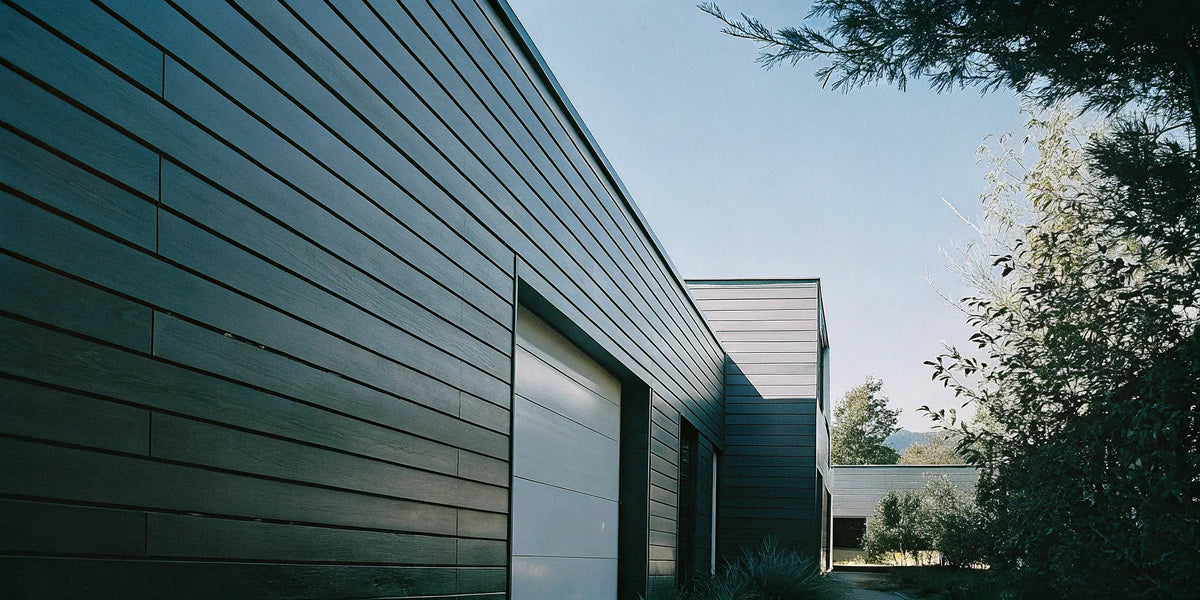
What Is WPC Cladding Exterior? A Complete Guide
We all love the classic, warm look of wood siding, but let's be honest—the constant upkeep is a dealbreaker for many. The yearly cycle of sanding, staining, and sealing to fight off rot and pests can feel like a never-ending chore. What if you could get that beautiful wood aesthetic without all the maintenance headaches? That’s exactly where Wood Plastic Composite comes in. This innovative material gives you the best of both worlds: the rich look of timber combined with the resilience of a modern composite. This guide will walk you through everything you need to know about wpc cladding exterior, from its incredible durability to its simple installation.
Key Takeaways
- Enjoy Wood's Beauty, Minus the Upkeep: WPC cladding provides the classic look of wood but is engineered to resist rot, pests, and weather damage, freeing you from the constant cycle of sanding, staining, and sealing.
- Focus on Long-Term Value, Not Just Price: While WPC may have a higher initial cost, its durability and minimal maintenance needs save you significant money over time on repairs and refinishing compared to traditional materials.
- Design with Versatility and Ease: WPC is a flexible material perfect for modernizing homes, creating commercial facades, or designing outdoor feature walls, and its straightforward installation makes it a practical choice for both pros and skilled DIYers.
What Exactly Is WPC Exterior Cladding?
WPC stands for Wood Plastic Composite, a hybrid material that’s quickly becoming a favorite for exterior design. Think of it as the best of both worlds: it combines natural wood fibers, like sawdust, with durable plastics, often from recycled sources. This blend creates a strong, weather-resistant, and incredibly low-maintenance material that serves as a fantastic alternative to traditional timber or vinyl cladding. For homeowners and builders looking for a modern finish that stands up to the elements without constant upkeep, WPC is a go-to solution.
Unlike traditional wood that can warp, rot, or fall victim to pests, WPC is engineered to resist these common issues. It delivers the warm, inviting look of wood but with the resilience and longevity of a composite, making it a smart choice for any exterior project. Whether you're updating a home's facade, designing a commercial building, or adding an accent wall to an outdoor living space, WPC provides a clean, contemporary aesthetic that lasts. It’s a material designed for modern life, offering both style and substance without the demanding maintenance schedule of natural wood. This unique combination of beauty and brawn is why so many professionals are turning to WPC exterior cladding for their projects.
How It's Made
The process behind WPC is pretty clever. It starts by taking wood fibers—often byproducts from sawmills—and mixing them with recycled plastics like polyethylene. To this blend, manufacturers add special additives that help bind the materials together and provide extra protection against things like UV rays and moisture. This entire mixture is then heated to a high temperature until it becomes a thick, pliable paste. From there, it’s extruded, or pushed through a mold, to create the final board shape. As it cools, it hardens into a dense, durable panel that looks and feels surprisingly like real wood but performs on a whole different level.
Key Features and Benefits
The real appeal of WPC cladding lies in its impressive list of benefits. First and foremost, it’s incredibly durable. WPC boards are engineered to withstand the outdoors, resisting moisture so they won't warp, rot, or swell in rain or humidity. They also have built-in protection from harsh sunlight, preventing fading and degradation over time.
Beyond its toughness, WPC is also an eco-friendly building material. By using recycled plastics and wood scraps, it helps reduce landfill waste and conserves forests. It’s also exceptionally low-maintenance; you can forget about the yearly cycle of painting, staining, or sealing. A simple cleaning with soap and water is all it takes to keep it looking great. Finally, it delivers stunning visual appeal, offering the classic look of wood in modern colors like teak, walnut, and charcoal, giving you a high-end finish without the hassle.
Why Choose WPC Cladding for Your Project?
So, what makes WPC cladding such a smart choice for modern construction and renovation? It comes down to a powerful combination of good looks, incredible resilience, and long-term value. Unlike traditional materials that demand constant attention, WPC is engineered to perform with minimal fuss. It delivers the warm, inviting look of wood without the vulnerabilities that cause so many headaches for property owners.
Choosing the right exterior material is a big decision that impacts your project's curb appeal, budget, and future maintenance schedule. WPC cladding simplifies that choice by offering a solution that excels in every category. It’s a versatile material that works just as well for a sleek commercial building as it does for a cozy residential home. Let’s break down the key benefits that make WPC wall panels a go-to for savvy builders and homeowners.
Unmatched Durability and Weather Resistance
One of the biggest advantages of WPC cladding is its ability to stand up to whatever nature throws at it. The composite blend of wood fibers and plastic creates a dense, non-porous material that resists moisture, UV rays, and extreme temperature shifts. While natural wood can warp, crack, or rot over time, WPC maintains its structural integrity and color for years. This makes it an ideal choice for any climate, from hot, sunny regions to areas with heavy rain and snow. You get a beautiful exterior that’s built to last without the constant worry of weather-related damage.
Superior Fire, Pest, and Mold Protection
Wood-based siding can be vulnerable to pests like termites and susceptible to mold and mildew in damp conditions. WPC cladding effectively eliminates these concerns. The plastic components make it unappealing to termites and other wood-boring insects, protecting your investment from costly infestations. Its moisture-resistant properties also prevent the growth of mold and rot, ensuring a healthier and more durable building envelope. Many WPC products also come with improved fire-resistance ratings compared to natural wood, adding an extra layer of safety and peace of mind for any project.
The Advantage of Low Maintenance
If you’re tired of the endless cycle of sanding, staining, and sealing that comes with traditional wood siding, you’ll love WPC. This material is designed for a low-maintenance lifestyle. It never needs to be painted or stained, and its color is integrated throughout the material, so scratches are less noticeable. To keep it looking its best, all you need is an occasional cleaning with soap and water to wash away dirt and grime. This saves you significant time, effort, and money over the life of your property, making it a practical and cost-effective siding solution.
An Eco-Friendly Building Material
Building with sustainability in mind is more important than ever, and WPC cladding is an excellent choice for an eco-conscious project. It’s typically manufactured using a mix of recycled plastics and reclaimed wood fibers, such as sawdust from lumber mills. This process diverts waste from landfills and reduces the demand for harvesting new timber, helping to preserve natural forests. By choosing an eco-friendly building material like WPC, you can create a stunning, high-performance exterior while making a positive impact on the environment.
WPC Cladding vs. Other Siding Materials
Choosing the right siding for your home or commercial building is a big deal. It defines the property's curb appeal, protects it from the elements, and impacts your maintenance schedule for years to come. While traditional materials have their place, WPC cladding offers a unique combination of style and performance. Let's see how it stacks up against some of the most common siding options.
WPC vs. Natural Wood
There’s no denying the timeless beauty of natural wood siding. But that classic look comes with a demanding upkeep routine of sanding, staining, and sealing. WPC cladding gives you the warm, rich appearance of wood without the constant maintenance. Because it’s a composite material, it won’t rot, warp, or fall victim to termites. While real wood requires regular treatments to fend off moisture and pests, WPC is built to resist these issues from day one. It’s the perfect choice if you love the aesthetic of wood but prefer to spend your weekends relaxing, not doing repairs.
WPC vs. Vinyl
Vinyl siding is a popular budget-friendly option, but it often falls short in terms of durability and appearance. WPC is a stronger, more rigid material that better withstands impacts and temperature changes. Aesthetically, WPC offers a more convincing and natural-looking wood grain texture compared to the often flat, plastic look of vinyl. While vinyl might have a lower initial cost, WPC exterior cladding provides a more premium finish and robust performance that can add greater long-term value and curb appeal to your property.
WPC vs. Fiber Cement
Fiber cement is another durable siding known for its resistance to fire and pests. However, WPC has a distinct advantage when it comes to moisture. It’s inherently water-resistant and won’t swell, crack, or deteriorate when exposed to heavy rain or humidity. WPC is also generally lighter than fiber cement, making it easier to handle and faster to install, which can help reduce labor costs. While both are excellent choices for a long-lasting exterior, WPC provides superior weather endurance without needing any special protective coatings to keep it looking great.
A Look at Cost and Long-Term Value
When you look at the numbers, it’s important to think beyond the initial price tag. While WPC cladding may have a higher upfront cost than materials like vinyl or some types of wood, it delivers incredible long-term value. With a typical lifespan of 20 to 30 years and minimal maintenance needs, you save a significant amount of money over time. You won’t be paying for repainting, sealing, or replacing damaged boards. For contractors and builders, these low-maintenance benefits are a huge selling point for clients. Plus, professionals can often access bulk and trade discounts to make the initial investment even more manageable.
Finding the Best WPC Cladding for Your Build
Once you’ve decided WPC cladding is the right fit for your project, the next step is finding a reliable source. A great supplier does more than just sell you a product; they provide clear, accurate information to help you make the best choice. When a versatile and durable material like WPC comes along, it's natural for a few misconceptions to pop up. That's why it's so important to partner with a company that knows its materials inside and out and can guide you toward the best option for your build.
Explore USA Builders Depot's WPC Collection
Taking the time to browse a curated selection of Exterior Fluted Slat Wall Panels can give you a feel for the different textures, colors, and profiles available. This helps you visualize how the material will look on your property and ensures you find the perfect match for your design vision. A quality collection will offer options that suit various architectural styles, from sleek and modern to warm and rustic. By exploring the possibilities, you can confidently select a product that not only performs well but also brings your aesthetic goals to life.
How to Spot High-Quality WPC Cladding
So, how can you tell if you're looking at a top-tier WPC product? First, don't fall for the myth that WPC is less durable than traditional materials. High-quality composite cladding offers incredible durability and resistance to weathering, often outperforming wood. While the upfront cost might be higher, its longevity makes it a cost-effective choice over time. Look for panels with a solid core, consistent color, and a smooth finish. Reputable suppliers will also offer a solid warranty. Remember that even the best materials benefit from a little care. Simple, regular cleaning and inspections will keep your cladding looking great and performing well for years to come.
Where Can You Use WPC Exterior Cladding?
One of the best things about WPC exterior cladding is its incredible versatility. Because it combines the beauty of wood with the resilience of modern composites, it’s a fantastic fit for a wide range of projects. WPC cladding offers a flexible design choice that can adapt to many different building styles and functional needs, whether you’re aiming for a sleek, contemporary look or a warm, rustic feel.
From giving a family home a much-needed facelift to creating a durable, professional facade for a commercial building, WPC cladding delivers on both performance and style. It’s not just for walls, either. You can use it to define outdoor living areas, build striking architectural features, and create a cohesive look that flows from the inside out. Let’s explore some of the most popular and effective ways to use Exterior Fluted Slat Wall Panels and other WPC products.
Modernize Residential Exteriors
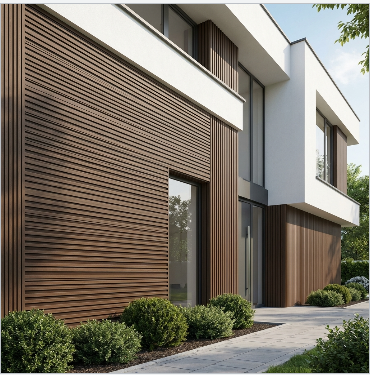
If your home’s exterior is looking a bit dated, WPC cladding is an excellent way to bring it into the modern era. As a strong, weather-resistant, and low-maintenance choice, it’s a perfect replacement for traditional timber or vinyl siding that has seen better days. You can use it to re-clad your entire home for a complete transformation or apply it to specific areas—like gables, entryways, or second-story additions—to create a stunning accent feature. The clean lines and consistent finish of WPC panels provide an instant visual upgrade, boosting curb appeal and adding long-lasting value to your property.
Create Striking Commercial Facades
For commercial properties, durability and low maintenance are non-negotiable. WPC cladding is engineered to be tougher and more stable than real wood, standing up to harsh weather, fire, mold, and pests without needing special protective coatings. This makes it an ideal material for storefronts, office buildings, restaurants, and multi-family housing complexes. A WPC facade maintains its professional appearance for years with minimal upkeep, saving business owners time and money. For contractors and developers, our trade program offers bulk discounts on materials for large-scale projects.
Enhance Outdoor Living Spaces
WPC boards are a smart choice for outdoor projects because they are tough, can handle all kinds of weather, and don't need much upkeep. Use them to build a beautiful feature wall on a patio, create a sleek backdrop for an outdoor kitchen, or construct stylish privacy screens for a deck or pool area. Because WPC resists moisture and fading, it’s perfectly suited for these exposed environments. It helps you define your outdoor living spaces and create a seamless, sophisticated transition between your home’s interior and exterior design, making your backyard feel like a true extension of your living space.
Perfect for Unique and Modern Projects
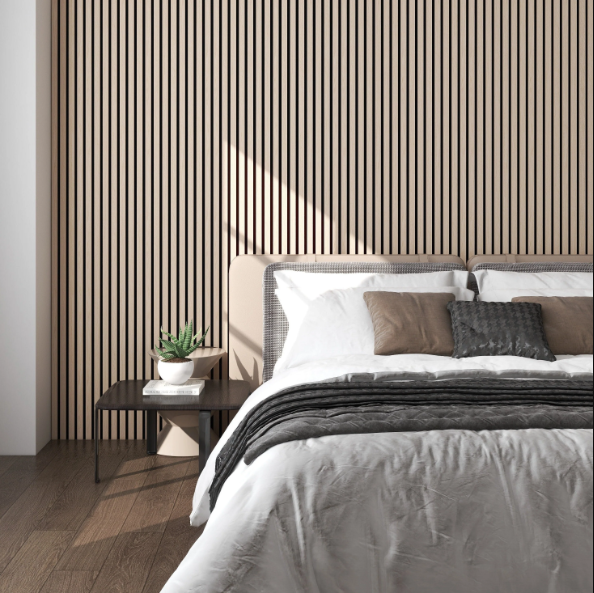
Don’t be afraid to get creative—WPC cladding is a designer’s dream. Its versatility allows you to bring unique architectural visions to life. Install panels vertically for a sense of height, or horizontally for a more traditional look. Mix and match WPC with other materials like stone, brick, or metal to create dynamic, textured facades. It’s the perfect material for crafting custom details on modern homes, minimalist structures, and innovative commercial builds. Explore our full collection of wall panels to find the perfect texture and color to make your next project stand out.
Breaking Down the Cost of WPC Cladding
When you’re planning a project, the budget is always top of mind. The great news is that WPC cladding offers incredible long-term value, but it’s still important to understand the initial investment. The total cost depends on a few key variables, from the materials you choose to how you decide to install them. Let’s break down what you can expect.
What Influences the Price?
The price of WPC cladding is not one-size-fits-all. The final cost per square foot is shaped by several factors, including the quality of the composite materials, the complexity of the design, and the brand you choose. Premium panels with specialized finishes, deeper textures, or enhanced UV protection will naturally sit at a higher price point than more standard options. Think of it like buying any other building material—you’re paying for performance, durability, and aesthetics. When comparing products, look beyond the initial price tag and consider the warranty and technical specs to ensure you’re getting the best value for your specific climate and project needs.
How to Save with Bulk and Trade Discounts
One of the most effective ways to manage your budget is by purchasing materials in bulk. If you’re covering a large surface area, buying all your cladding at once can often lead to significant savings. For contractors, builders, and designers, the savings can be even greater. Many suppliers offer special programs for industry professionals. Here at USA Builders Depot, we provide a trade program that gives you access to exclusive pricing and dedicated support. This helps you stay competitive and deliver exceptional results without compromising your client’s budget.
Don't Forget Installation Costs
The cost of the materials is only part of the equation; you also need to account for installation. Hiring a professional contractor will add to your overall project cost, but it guarantees a flawless and efficient installation. However, one of the standout benefits of WPC cladding is its straightforward, DIY-friendly design. The panels are engineered for easy handling and often use a simple clip or tongue-and-groove system. If you have solid DIY skills and the right tools, you can save a substantial amount on labor by installing the cladding yourself. Just be sure to follow the manufacturer’s instructions carefully for a professional-looking finish.
How to Install and Maintain WPC Cladding
One of the best things about WPC cladding is how simple it is to work with. From a straightforward installation to minimal long-term care, it’s designed to give you a high-end look without the high-maintenance headache. Whether you’re a seasoned contractor or a hands-on homeowner, you’ll find that WPC is a refreshingly practical choice for exterior projects. Let’s walk through what you need to know about installing and caring for your new cladding.
The Installation Process, Step by Step
Installing WPC cladding is a fairly direct process. The panels can be installed either vertically or horizontally, giving you flexibility in your design. They are attached to a substructure or frame, typically made of wood or metal battens, which is fixed to the building’s exterior wall. This creates a crucial air gap behind the panels for ventilation and moisture drainage. The best part? You don’t need any specialized equipment. WPC can be cut, drilled, and fastened using the same standard tools you’d use for woodworking, making it an accessible material for many projects.
Should You DIY or Hire a Pro?
If you have some basic carpentry skills and feel comfortable taking on home improvement projects, installing WPC cladding can be a great DIY job. The interlocking systems on many Exterior Fluted Slat Wall Panels make the process even simpler. However, for larger buildings or more complex designs with lots of cuts and corners, hiring a professional is always a good idea. A pro will ensure the substructure is perfectly level and that all flashing and trim details are handled correctly for a weatherproof and polished finish.
Simple Cleaning and Upkeep
Forget about the endless cycle of sanding, staining, and sealing that comes with natural wood. WPC cladding is designed to be incredibly low-maintenance. For most of the year, you won’t have to do a thing. If it starts to look a little dusty or dirty, a simple cleaning with mild soap and water is all it takes to restore its appearance. For more stubborn grime, you can use a pressure washer on a low setting (under 80 bar) and a wide-angle nozzle, but always test it on a small, inconspicuous area first.
Tips for Long-Term Care
While WPC is built to last with minimal effort, a few simple checks can keep it looking its best for decades. Once or twice a year, it’s a good idea to walk around and inspect the panels. Check for any debris that might have gotten lodged in the gaps and make sure the bottom edges are clear to allow for proper drainage. That’s really it. The durable composite material resists fading, rot, and insects all on its own. Your first step to long-term success is choosing high-quality wall panels from a reputable supplier.
Common Myths About WPC Cladding, Busted
Like any innovative material, WPC cladding comes with its share of misconceptions. It’s easy for misinformation to spread, especially when comparing it to traditional materials we’ve used for decades. Let's clear the air and look at the facts behind some of the most common myths. Understanding the truth about WPC can help you see why it’s become such a popular choice for modern construction and renovation projects. From cost to durability, we'll break down what you really need to know before making a decision for your home or building.
Myth 1: It's Too Expensive
At first glance, the upfront cost of WPC cladding can seem higher than some types of traditional wood. However, this initial price tag doesn't tell the whole story. Think about the total cost of ownership over the life of the material. Wood requires regular sanding, staining, or painting to protect it from the elements, which adds up in both time and money. WPC, on the other hand, requires none of that. Its color is integrated, and its protective shell is built-in. When you factor in the savings on maintenance and replacement costs, WPC often proves to be the more economical building material in the long run.
Myth 2: It Doesn't Last
This is one of the biggest misunderstandings about WPC. Some people assume that because it contains wood fibers, it will break down just like natural wood. In reality, WPC is engineered specifically for longevity. The plastic component encapsulates and protects the wood fibers from moisture, preventing the rot, decay, and insect damage that plague traditional wood siding. High-quality Exterior Fluted Slat Wall Panels are designed to withstand harsh sun, heavy rain, and fluctuating temperatures without warping, cracking, or fading, giving them a much longer lifespan than many conventional materials.
Myth 3: Installation Is Too Complicated
While any siding installation requires care and precision, WPC cladding is often more straightforward to install than you might think. Many systems are designed with interlocking tongue-and-groove profiles or hidden clip systems that simplify the process. Unlike wood, you don’t have to worry about painting or staining the boards before or after they go up on the wall. This saves a significant amount of labor. While a DIY installation is possible for those with experience, many homeowners and builders find that hiring a professional ensures a flawless finish. For contractors, working with a reliable supplier makes the job even easier, which is why many apply for a trade account to get consistent materials and support.
Ready to Buy? What to Consider First
You’ve seen the benefits and are ready to bring WPC cladding to your project. That’s great! Before you add anything to your cart, taking a few final steps will ensure you get the right product from the right partner for a smooth and successful installation. Thinking through these details now saves you time, money, and headaches down the road.
Check the Warranty and Performance Specs
Not all WPC cladding is created equal. A quality product should come with clear performance specifications and a solid warranty. High-quality WPC panels can last anywhere from 20 to 30 years, so you want a guarantee that reflects that longevity. Look for details on UV resistance to prevent fading, moisture absorption rates, and fire safety ratings.
A manufacturer that stands behind its product with a comprehensive warranty is a good sign. It shows they have confidence in their material’s ability to withstand the elements over time. Before you commit, review the warranty terms to understand what is covered, for how long, and what might void it. This due diligence ensures your investment is protected for years to come.
Choose the Right Supplier
Where you buy your cladding is just as important as what you buy. A reliable supplier does more than just ship boxes; they provide support, expertise, and a seamless experience. Look for a company with a proven track record and positive customer reviews that speak to their service and product quality. Your ideal supplier should offer a diverse selection of WPC wall panels to match your aesthetic and functional needs.
Nationwide shipping is another key factor, ensuring you can get materials delivered directly to your home or job site, no matter where you are. For contractors and designers, finding a supplier with a dedicated trade program can provide access to bulk pricing and specialized support. A great partner makes the entire process, from selection to delivery, feel effortless.
Plan Your Project from Start to Finish
A little planning goes a long way. Before placing an order, map out your project. Measure the total square footage you need to cover and add 10%–15% for cuts, waste, and potential mistakes. It’s always better to have a little extra than to run short. Decide on the orientation of your panels—WPC cladding can be installed vertically or horizontally, each creating a different visual effect.
WPC boards are ready to use and generally easier to work with than natural wood, as they can be cut and shaped with standard tools. Remember that proper installation requires a frame or batten system behind the panels to allow for airflow. If you’re a trade professional managing multiple projects, consider signing up for a trade account to streamline ordering and get access to exclusive pricing. Thinking through the entire installation process helps you order all the necessary components, like trim and fasteners, at once.