


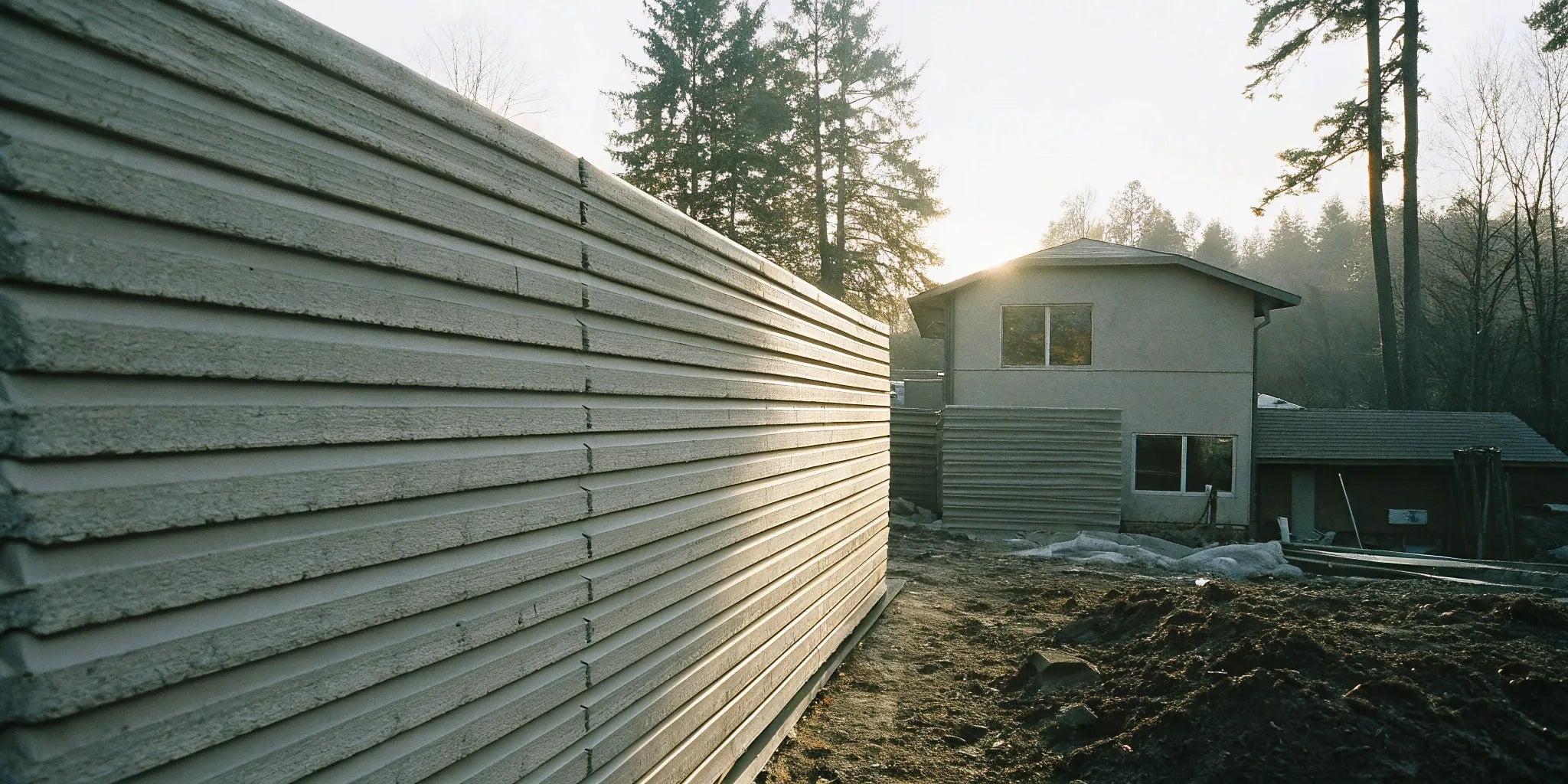
How Much Does an Exterior Fluted Panel Cost?
Your clients want that stunning, modern look, and fluted panels are at the top of their list. But then comes the big question: "What's it going to cost?" Giving an accurate quote for an exterior fluted panel project means looking beyond just the price per panel. The total cost is shaped by your material choice—like low-maintenance WPC versus traditional wood—and how efficient the installation is. This guide breaks down all the factors, from labor to bulk pricing, so you can confidently present this stylish, durable option to your clients and protect your bottom line.
Key Takeaways
- Your material choice is the biggest cost driver: Wood Plastic Composite (WPC) offers a great balance of style and durability with less maintenance, while natural wood typically has a higher initial price and requires more upkeep.
- Look beyond the panel price to the all-in cost: Easy-to-install systems can save you significantly on labor, and the low maintenance of materials like WPC means you'll spend less over the life of your home.
- Always ask about discounts to maximize your budget: Many suppliers offer special pricing for trade professionals or bulk orders, which can make a premium material surprisingly affordable for your project.
What Are Exterior Fluted Panels & How Are They Priced?
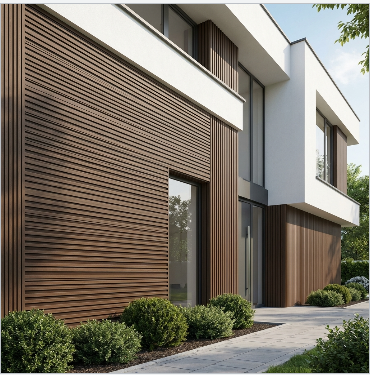
Exterior fluted panels are architectural wall coverings defined by their vertical, three-dimensional grooves. They add texture, depth, and a clean, modern look to a building's facade. If you've seen a home or commercial space with a striking, ribbed exterior, you were likely looking at fluted panels. They're a fantastic way to create visual interest and make a property stand out.
But what do they cost? The price isn't a simple, one-size-fits-all number. It depends on a mix of factors, from the raw materials used to the complexity of the design and the durability features needed to protect your investment from the elements. Understanding these components will help you budget effectively and choose the right panels for your project. Let's break down the key elements that influence the final price tag.
Understanding the Terminology: Fluted, Slat, Tambour, and Grille Panels
When you start shopping for textured wall coverings, you'll quickly run into a few different terms: fluted, slat, tambour, and grille. While they're often used to describe similar styles, there are subtle differences. "Fluted" specifically refers to the concave, vertical grooves that create that classic ribbed texture. "Slat" points to the individual strips of material that make up the panel, which is why you'll often see products called "fluted slat panels." "Tambour" typically describes a flexible panel where the slats are mounted on a bendable backing, making it great for curved surfaces. "Grille" usually suggests a more open, lattice-like pattern. For most exterior applications, you'll be looking at rigid fluted or slat wall panels designed to withstand the elements.
What Are Fluted Panels Made Of?
The material you choose for your fluted panels is the single biggest factor influencing cost, durability, and maintenance. While traditional wood is an option, modern composite materials have become incredibly popular for good reason—they offer the high-end look of wood without the constant upkeep. The most common choice for exterior applications is Wood Plastic Composite (WPC), which is engineered to handle moisture, temperature changes, and UV exposure. Other options include PVC (Polyvinyl Chloride) composites and, of course, natural wood, which requires sealing and regular maintenance to protect it from the weather. Understanding the pros and cons of each material will help you select a panel that fits both your design vision and your long-term performance expectations.
Wood Plastic Composite (WPC) Composition
So, what exactly is WPC? It’s a hybrid material made from a blend of wood fibers (about 60%), recycled plastics (about 30%), and bonding agents. This combination gives you the best of both worlds: the rich, natural appearance of wood and the resilience of plastic. Because they are engineered, WPC fluted panels are exceptionally durable. They resist rot, decay, and insect damage, and they won't warp or splinter when exposed to rain or sun. This makes them a fantastic low-maintenance choice for exterior cladding, saving you time and money on upkeep over the years. You get a beautiful, modern facade without the headaches associated with traditional wood siding.
Other Material Options: PVC, Bamboo, and Stone Powder
Beyond WPC, you'll find fluted panels made from other innovative materials. Some manufacturers offer PVC-based panels, which are often a composite of stone powder, PVC, and bamboo fibers. Like WPC, these materials are designed for durability and are completely waterproof, making them another excellent choice for exterior use. They often feature a 3D printed design layer to mimic the look of natural wood or other textures. Of course, natural wood itself is still an option for a traditional aesthetic, but it requires a significant commitment to maintenance, including regular staining or sealing to prevent weather damage. For most projects, a composite material provides a more practical and cost-effective long-term solution.
The Impact of Materials and Manufacturing on Cost
The single biggest factor driving the cost of exterior fluted panels is the material they're made from. Options range from natural wood and metal to advanced composite materials like Wood Plastic Composite (WPC). Each has a different price point based on availability, performance, and the manufacturing process. For example, premium hardwoods will naturally cost more than WPC. The manufacturing itself also plays a role; panels that undergo extensive treatment for weather resistance or have intricate profiles require more resources to produce, which is reflected in their price.
Finding Your Style: Design and Aesthetic Options
While the material cost for fluted panels is higher than for a plain sheet of drywall, the total project cost can be surprisingly competitive when you factor in the high-end finish they provide. The specific design you choose influences the price. Custom colors, unique finishes that mimic natural wood grain, and non-standard groove widths can add to the cost. Think of it as an investment in your property's curb appeal. A more sophisticated or customized design will command a higher price, but it also delivers a bigger visual impact for your modern design goals.
Exploring Groove Profiles: U-Groove, V-Groove, and More
The "fluting" on a panel refers to its series of grooves, and the shape of those grooves plays a huge role in the final look. The two most common styles are U-groove and V-groove. U-groove profiles have soft, rounded channels that create a gentle, flowing texture, perfect for a subtle and sophisticated design. On the other hand, V-groove profiles feature sharp, angular channels that deliver a crisp, modern, and more dramatic effect. While the profile choice is mostly about aesthetics, highly intricate or custom designs can sometimes influence manufacturing costs. When browsing wall panel options, pay attention to the groove style to make sure it aligns with the architectural vision for your project.
Creative Applications Beyond Walls: Columns and Room Dividers
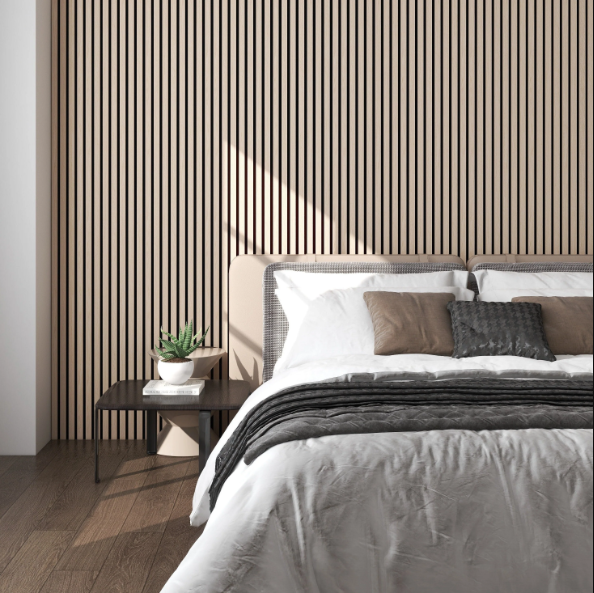
Don't limit your thinking to just flat exterior walls. Fluted panels are incredibly versatile and can be used to wrap structural columns, create stunning interior accent walls, or even serve as stylish room dividers. This flexibility allows you to carry a cohesive design element throughout a property, both inside and out. For more complex applications like columns, you'll need to account for additional labor for precise cuts and installation. However, the result is a high-end, custom look that makes a powerful statement. Using exterior fluted slat wall panels in creative ways can transform an ordinary structural feature into a design centerpiece.
Finishing Touches: Trim and Lighting Accessories
The details are what make a project look truly professional. To get a clean, seamless finish, you'll need to factor in the cost of matching trim pieces for edges, corners, and transitions. But you can also get more creative. One popular trend is to integrate LED light strips within the panel grooves. This technique adds a dramatic flair, highlighting the panel's texture and creating a warm, modern ambiance, especially at night. While accessories like trim and lighting will add to your initial budget, they complete the installation and can significantly enhance the property's overall curb appeal and value.
Will They Last? A Look at Durability and Weather Resistance
For any exterior product, durability is non-negotiable. Fluted panels designed for outdoor use must withstand moisture, UV rays, and temperature changes to prevent issues like warping, rot, or fading. High-quality exterior fluted slat wall panels often come with a higher price tag because they incorporate advanced weatherproofing technologies. This might include protective coatings, UV inhibitors, and materials inherently resistant to moisture. While it may seem like a bigger upfront cost, choosing a durable, weather-resistant panel saves you money on maintenance and replacement down the road.
Lifespan and Temperature Tolerance
When you're choosing an exterior material, you need to know it can handle whatever the climate throws at it. High-quality composite wall panels are engineered for exactly that. They are built to endure a wide range of temperatures, from freezing winters to scorching summers, without warping, cracking, or fading. This resilience comes from the manufacturing process, which incorporates UV inhibitors and stabilizing agents. So, while a premium panel might have a higher initial cost, you're paying for the technology that ensures it maintains its color and structural integrity for years. It’s a smart investment that protects your project from the costly and frustrating cycle of repair and replacement.
Resistance to Fire, Impact, and Pests
Durability goes beyond just weathering the elements. Your exterior cladding also needs to stand up to physical threats. Unlike traditional wood, which can be vulnerable to termites and rot, modern materials like WPC and fiber cement boards are specifically designed to be pest-resistant. This feature alone can save you significant headaches and expenses. Furthermore, many modern panels offer a degree of fire resistance, adding a crucial layer of safety to the property. They are also built to withstand everyday impacts, from stray soccer balls to leaning ladders. This built-in toughness is a key part of their value, ensuring the facade looks great not just on day one, but for the long haul.
How Much Do Exterior Fluted Panels Really Cost?
When you’re planning a project, the bottom line is always a top concern. The cost of exterior fluted panels isn’t just a simple price-per-panel calculation; it’s a combination of materials, labor, and project scale. While they might seem like a premium choice at first glance, their total installed cost can be surprisingly competitive, especially when you factor in the ease of installation and long-term durability.
The final price tag depends on several key elements. The material you choose—whether it's Wood Plastic Composite (WPC), natural wood, or fiber cement—is the biggest driver. From there, the complexity of the design, the total square footage, and whether you hire a professional or tackle the installation yourself will shape your budget. Understanding these components helps you see the full picture and make a choice that balances style, performance, and cost.
How Material Choice Impacts Your Budget
The price of fluted panels varies significantly based on the material you select. Each option offers a different blend of aesthetics, durability, and cost, especially when used in demanding outdoor environments. Natural wood, for instance, provides a classic, high-end look but often comes with a higher price point and requires more maintenance to protect it from the elements. On the other hand, composite materials like WPC and Exterior Fluted Slat Wall Panels offer a fantastic balance of affordability and resilience. They are engineered to withstand moisture, temperature changes, and pests without the risk of rot or warping. Your choice ultimately comes down to your budget, desired look, and how much maintenance you’re willing to do over time.
WPC vs. Wood Panels: Which Costs More?
When comparing materials, the cost difference between WPC and natural wood is a major consideration. Real wood fluted accent wall panels can cost between $20 and $50 per square foot, particularly if you opt for premium species, pre-finished treatments, or custom sizes. This initial investment delivers an authentic, natural aesthetic that many people love. In contrast, WPC panels are typically more budget-friendly upfront. Beyond the initial savings, they also offer better long-term value by eliminating the need for regular staining, sealing, and repairs. WPC is designed for durability, giving you the beautiful look of fluted wood without the ongoing maintenance costs and headaches associated with protecting natural wood from moisture and pests.
How Much Does Installation Add to the Price?
While the material cost for fluted panels is often higher than a plain sheet of drywall or basic vinyl siding, the total project cost can be surprisingly competitive once you account for labor. Many modern fluted panel systems are designed for straightforward installation, often featuring interlocking or tongue-and-groove profiles that simplify the process. This efficiency can reduce the hours a professional needs to spend on the job, leading to significant savings on labor. For experienced DIYers, the user-friendly design also makes self-installation a viable option, cutting labor costs entirely. When getting quotes from contractors, be sure to ask for a breakdown of material versus labor costs to see where your money is really going.
The Skill Factor: Why Perfect Alignment Matters
The biggest appeal of fluted panels is their clean, uniform lines. But that stunning visual effect depends entirely on perfect alignment during installation. Even a slight deviation can throw off the entire look, turning a sophisticated architectural feature into a distracting eyesore. This is where the skill of a professional installer becomes invaluable. While many panel systems are designed to be user-friendly, achieving flawless, plumb lines across a large surface, especially when navigating corners or windows, requires precision and experience. Paying for professional labor isn't just about getting the job done faster; it's an investment in ensuring the final result looks as polished and high-end as the materials you chose.
Beyond just looking good, perfect alignment is crucial for the long-term performance of your exterior cladding. When exterior fluted slat wall panels are installed correctly, they lock together to form a continuous, weather-resistant surface. This tight fit is your first line of defense against moisture, preventing water from seeping behind the panels and damaging the structure of your home. Misalignment can create small gaps or seams that compromise this protective barrier, leading to potential issues with rot, mold, or pests over time. As any experienced builder knows, proper alignment ensures every component works together as a system, guaranteeing not just curb appeal but also the structural integrity and durability of the entire project.
Can You Save Money with Bulk Orders?
When you're budgeting for your project, it helps to know that the cost of exterior fluted slat wall panels can vary based on the quantity you purchase. For larger projects, buying in bulk is one of the best ways to reduce the price per square foot. Many suppliers offer discounts for large orders, which is especially beneficial for contractors, builders, and homeowners cladding an entire exterior. If you’re a trade professional, it’s always worth asking about special pricing. Programs like our Trade Application are designed to give builders, designers, and architects access to exclusive discounts that make high-quality materials more affordable. Planning ahead and ordering all the materials you need at once can make a significant difference in your final project cost.
Understanding Minimum Order Quantities
You might run into the term 'Minimum Order Quantity,' or MOQ, when sourcing materials for a project. In simple terms, it’s the smallest quantity of a product that a supplier is willing to sell in a single order. This isn't an arbitrary rule; it’s a practical requirement tied to manufacturing and logistics. For specialized items like certain types of wall panels, producing a very small batch can be inefficient and costly. By setting an MOQ, suppliers can manage their production runs effectively and offer more competitive pricing. Think of it as the key to unlocking bulk discounts—meeting that minimum often ensures you get the best possible price per square foot, which is crucial for keeping your project on budget.
Why Do Exterior Fluted Panel Prices Vary?
When you're budgeting for an exterior renovation, it’s helpful to know that the final cost of fluted panels isn't just about the price per panel. Several key factors come into play, from the materials you choose to the complexity of your installation. Understanding these variables will help you plan your project accurately and ensure you get the best value for your investment. Think of it less as a single price tag and more as a combination of choices that shape the total cost. Let's break down what really drives the price of adding this beautiful, modern finish to your home's exterior.
The Link Between Quality, Weatherproofing, and Cost
The type of material you select is the biggest factor influencing the price. Exterior panels need to be tough enough to handle everything from harsh sun to heavy rain, and that durability comes from quality materials. Wood-plastic composite (WPC) panels, for example, are engineered to resist moisture and UV damage, which often places them at a different price point than natural wood that requires sealing and regular maintenance. Higher-quality wall panels designed specifically for outdoor use will have a higher upfront cost, but they save you money over time by preventing rot, warping, and fading.
Does Panel Size or Thickness Change the Cost?
Just like any building material, the size and thickness of your fluted panels will directly impact the cost. Larger or thicker panels require more raw material to produce, which is reflected in the price. Standard sizes are generally more affordable, while custom dimensions for a unique project will add to the final bill. If you're looking for a specific color or finish that isn't a stock option, that customization can also increase the cost. When you start exploring different Exterior Fluted Slat Wall Panels, you'll notice this variation based on the panel's specific dimensions and design features.
Common Panel Dimensions
Knowing the standard dimensions of exterior fluted panels can make planning your project much smoother. Generally, you'll find panels in lengths from 2.8 to 4 meters (that's about 9.2 to 13.1 feet), which covers most standard wall heights and allows for creative vertical applications. The widths typically range from 150mm to 219mm (around 5.9 to 8.6 inches). Another common size you might see is 96 inches by 8.3 inches (or 8 feet high), which is perfect for accent walls without needing to cut down longer panels. This variety in sizing for Exterior Fluted Slat Wall Panels gives you the flexibility to minimize waste and choose the best fit for your design, whether you're covering a small feature area or an entire facade.
Should You Hire a Pro or DIY to Save Money?
The cost of labor is another significant piece of the puzzle. If you’re a confident DIYer with the right tools and experience, you can save a considerable amount by installing the panels yourself. However, for many homeowners, hiring a professional is the best route. A contractor’s expertise ensures the panels are installed correctly for a seamless, weatherproof finish that lasts. While professional installation adds to the overall project cost, it provides peace of mind and protects your investment by guaranteeing the job is done right the first time.
Common Installation Methods: Screws, Adhesives, and Batons
How you install your fluted panels also affects the overall project timeline and cost. The three most common methods are using construction adhesive, screws with clips, or mounting them on batons. The simplest approach is often a direct-to-wall application using a strong construction adhesive. For this method, you'll apply the adhesive in a wavy 'S' pattern on the back of each panel to ensure a solid bond. Another popular option involves mechanical fasteners. You can use screws, often with a clip system, to securely attach the panels to the wall, which helps maintain perfect alignment. For uneven surfaces or to create an air gap for ventilation, mounting the panels onto a framework of wooden or metal batons is the ideal solution. Each method has its benefits, so the best choice depends on your wall condition and project goals.
Is Extra Moisture Protection Worth the Investment?
For any exterior cladding, moisture is the enemy. Panels that aren't properly protected can warp, rot, or delaminate over time, leading to costly repairs. Materials like WPC have inherent moisture resistance, but it's still crucial to ensure the entire system is designed to keep water out. The price of the panels often includes built-in protective features. Investing in a system with excellent waterproofing capabilities is essential for long-term performance. This upfront cost prevents much larger expenses down the road and keeps your home’s exterior looking great for years to come.
How to Find the Best Value in Exterior Fluted Panels
Finding the best value isn't just about finding the lowest price—it's about getting a durable, beautiful product that fits your budget and stands the test of time. When you're ready to shop, focus on the complete package: material quality, warranties, and any available discounts. A slightly higher initial cost for a superior product can save you money on maintenance and replacements down the road. To get a clear picture, compare a few different suppliers, look closely at their product specs, and don't be afraid to ask about special pricing for large projects or professional accounts. This approach ensures you’re making a smart investment, not just a quick purchase.
Planning Your Project: Using Online Calculators
Before you commit to a project, getting a handle on the budget is the first step. Online project calculators are a fantastic tool for this, giving you a quick way to estimate material costs without having to make a dozen phone calls. To get an accurate number, you’ll need to input the square footage of the area you plan to cover and the specific material you’re considering. As we’ve covered, your material choice is the biggest cost driver, so knowing whether you want WPC or another option is key. The calculator uses these details to give you a solid baseline for your material budget. Just remember that this estimate typically doesn’t include labor, trim, or other accessories. It’s a starting point that helps you compare different Exterior Fluted Slat Wall Panels and see how buying in bulk for a larger project might reduce your overall cost.
Spotlight: USA Builders Depot's Fluted Panels
When you start your search, it helps to have a solid benchmark. USA Builders Depot offers an excellent example with their Exterior Fluted Slat Wall Panels. Made from a Wood Plastic Composite (WPC), these panels blend the natural look of wood with the resilience of plastic, making them strong and sustainable. This material choice is a huge factor in their durability against the elements. The company also provides clear value-adds that give you peace of mind, like a 10% discount on your first order and a 90-day money-back guarantee. This shows they stand behind their product and are confident you’ll be happy with the quality and final look.
How to Compare Different Brands and Prices
As you shop around, you'll notice that prices can vary quite a bit between brands. For instance, you might find another company offering panels at a different price point, sometimes with temporary sales or discounts. This is perfectly normal and highlights why it’s so important to compare apples to apples. Look beyond the sticker price and consider what you’re getting. Is the material WPC, solid wood, or something else? What are the dimensions of each panel? Does the price include finishing, or will you need to paint or seal it yourself? A lower price might be tempting, but it could mean less durability or more work for you later.
What Features and Warranties Should You Look For?
When evaluating panels, keep a few practical considerations in mind. The grooves that give fluted panels their signature look can collect dust, so think about the cleaning routine. It’s also wise to ask about repair options, as fixing a damaged slat can be more complex than patching a flat wall. The higher cost of fluted panels often reflects the quality of the materials and the detailed manufacturing process. A strong warranty is your best indicator of a quality product. A company that offers a money-back guarantee or a long-term warranty is confident that its panels are built to last, giving you assurance in your investment.
Don't Forget Trade and Bulk Discounts
If you’re a contractor or tackling a large-scale project, always ask about special pricing. Many suppliers, including USA Builders Depot, offer a trade program with bulk discounts that can significantly lower your overall cost. This is where fluted panels can become surprisingly competitive with other siding options. While the per-panel price might be higher than plain drywall, the savings from a trade discount combined with a straightforward installation process—many systems use a simple tongue-and-groove method—can make the final project cost very reasonable. It’s a crucial step that professionals and savvy homeowners shouldn't skip.
Fluted Panels vs. Other Siding: Is It Worth It?
Choosing an exterior finish is a big decision, and it’s smart to weigh all your options. Fluted panels bring a unique, modern texture to a home’s facade, but how do they stack up against traditional siding in terms of cost, durability, and overall value? While high-quality fluted panels can be a significant investment, they offer distinct advantages that might make them the perfect choice for your project. Let’s break down the comparison to help you decide if they’re worth it for you.
Considering the Downsides: Weight and Insulation
While fluted panels offer incredible style, it's important to look at the complete picture. Two practical considerations that come up are the structural weight of the panels and their thermal insulation properties. Thinking through these aspects ahead of time ensures your project goes smoothly and meets all performance expectations. A successful project results in a facade that is not just beautiful but also functional and well-built, so let's look at how to plan for these factors.
Structural Weight Considerations
The weight of fluted panels depends entirely on the material. Heavier options like stone or concrete can add significant load to a building's structure, potentially requiring extra reinforcement and increasing project costs. This is where your material choice becomes critical. Lighter alternatives, such as the Wood Plastic Composite (WPC) panels we offer, provide the same stunning visual effect without the structural burden. By choosing a lightweight material, you can often avoid the need for additional engineering, which simplifies the installation process and helps keep your budget in check.
Thermal Insulation Properties
Another practical point to consider is how fluted panels affect your home's insulation. The grooves and channels that create the fluted look can also create small air gaps, which may impact the wall's overall thermal performance compared to a flat, solid surface. This isn't a deal-breaker, but it's something to plan for. In most cases, you'll want to ensure your wall assembly includes a continuous layer of exterior insulation behind the panels. This approach ensures your home remains energy-efficient while still getting the modern, textured look you want.
How Maintenance and Durability Affect Long-Term Value
When you look at the big picture, the upfront cost of siding is only part of the story. Materials like WPC (Wood Plastic Composite) fluted panels are engineered to resist rot, insects, and fading, which means less time and money spent on maintenance down the road. Unlike traditional wood that needs regular staining or painting, these modern composites hold their color and integrity for years. While the initial purchase can be more expensive than some basic siding options, the long-term durability and minimal upkeep often translate to a lower total cost of ownership over the life of your home.
How Do Fluted Panel Costs Compare to Other Siding?
Let's talk numbers. Vinyl siding is typically the most budget-friendly option, but it lacks the high-end look and feel of other materials. Fiber cement boards offer excellent durability but can be heavy, increasing installation costs. Traditional wood siding has a classic appeal but comes with high maintenance needs. Exterior fluted panels often fall into a premium category, with prices varying based on material and design complexity. They compete with high-end wood and composite siding, offering a unique architectural element that other materials can’t replicate.
The Unexpected Benefits: Sound Dampening and Curb Appeal
Fluted panels do more than just protect your home from the elements—they add serious style and function. The grooved design creates a dynamic play of light and shadow, giving your exterior a sophisticated, custom look that boosts curb appeal. Fluted wood panels can make a home feel more high-end and add character, which can increase its value. This visual impact is a major draw for homeowners and designers. Plus, the layered construction of these panels provides an extra benefit: sound dampening, which can help create a quieter, more peaceful indoor environment.
Specialized Acoustic Panels for Sound Control
While the layered design of standard fluted panels naturally helps to dampen some noise, you can take sound control to the next level with panels designed specifically for that purpose. If creating a quieter, more focused environment is a priority for your project—think a home office, media room, or even a bustling open-concept living area—it’s worth looking into specialized acoustic options. These panels are engineered with materials that actively absorb and diffuse sound waves, reducing echo and ambient noise far more effectively than standard decorative panels. For anyone needing serious sound management, exploring a collection of dedicated Acoustic Wall Panels is the best way to achieve a truly peaceful and acoustically balanced space without sacrificing modern style.
Common Pricing Myths to Avoid
When you're budgeting for your project, it’s easy to get tripped up by pricing myths. A common one is that all fluted panels are prohibitively expensive. While custom real wood panels can cost between $20 and $50 per square foot, more accessible options like WPC are available. It’s important to remember that the cost of Exterior Fluted Slat Wall Panels can vary. Avoid sticker shock by getting detailed quotes that include materials, installation, and any necessary finishing. A super-low price might indicate inferior materials or hidden costs, so always prioritize quality for a lasting investment.