


Extra Wide Plank Flooring: Pros, Cons, & Costs
In the world of interior design, creating a sense of space and flow is a constant goal. One of the most effective ways to achieve this is by starting from the ground up with your flooring choice. Extra wide plank flooring has become a favorite among designers and homeowners for its ability to create a seamless, uncluttered foundation. The broader boards minimize visual noise, allowing the wood's natural character to shine and making rooms feel larger and more cohesive. This guide explores how to use wide planks to your advantage, covering the best wood species, finishes, and installation practices to ensure a flawless, high-end result.
Key Takeaways
- Fewer Seams Create a Bigger Impact: Wide planks use broader boards to create a clean, continuous surface that makes any room feel more spacious and luxurious. This uncluttered look provides a better canvas to showcase the wood's natural character and simplifies cleaning.
- Preparation is Non-Negotiable: The key to long-lasting wide plank floors is what happens before installation. Always acclimate the wood to your home's climate and ensure your subfloor is perfectly flat to prevent common issues like gapping or warping.
- Engineered Wood Offers Stability Without Compromise: For superior performance, especially in areas with fluctuating humidity like kitchens or basements, consider engineered wide plank flooring. It gives you the same beautiful, expansive look as solid wood but with greater resistance to movement.
What Is Extra Wide Plank Flooring?
If you’ve been browsing home design inspiration lately, you’ve probably noticed a shift in flooring. The narrow, traditional hardwood strips of the past are making way for something bolder and more expansive: extra wide plank flooring. This style isn't just a fleeting trend; it’s a design choice that fundamentally changes the look and feel of a room. By using broader boards, this type of flooring creates a sense of openness and luxury, turning your floor into a statement piece. But before you decide if it's the right fit for your project, it helps to understand what defines it and how it differs from standard options.
Defining the Dimensions
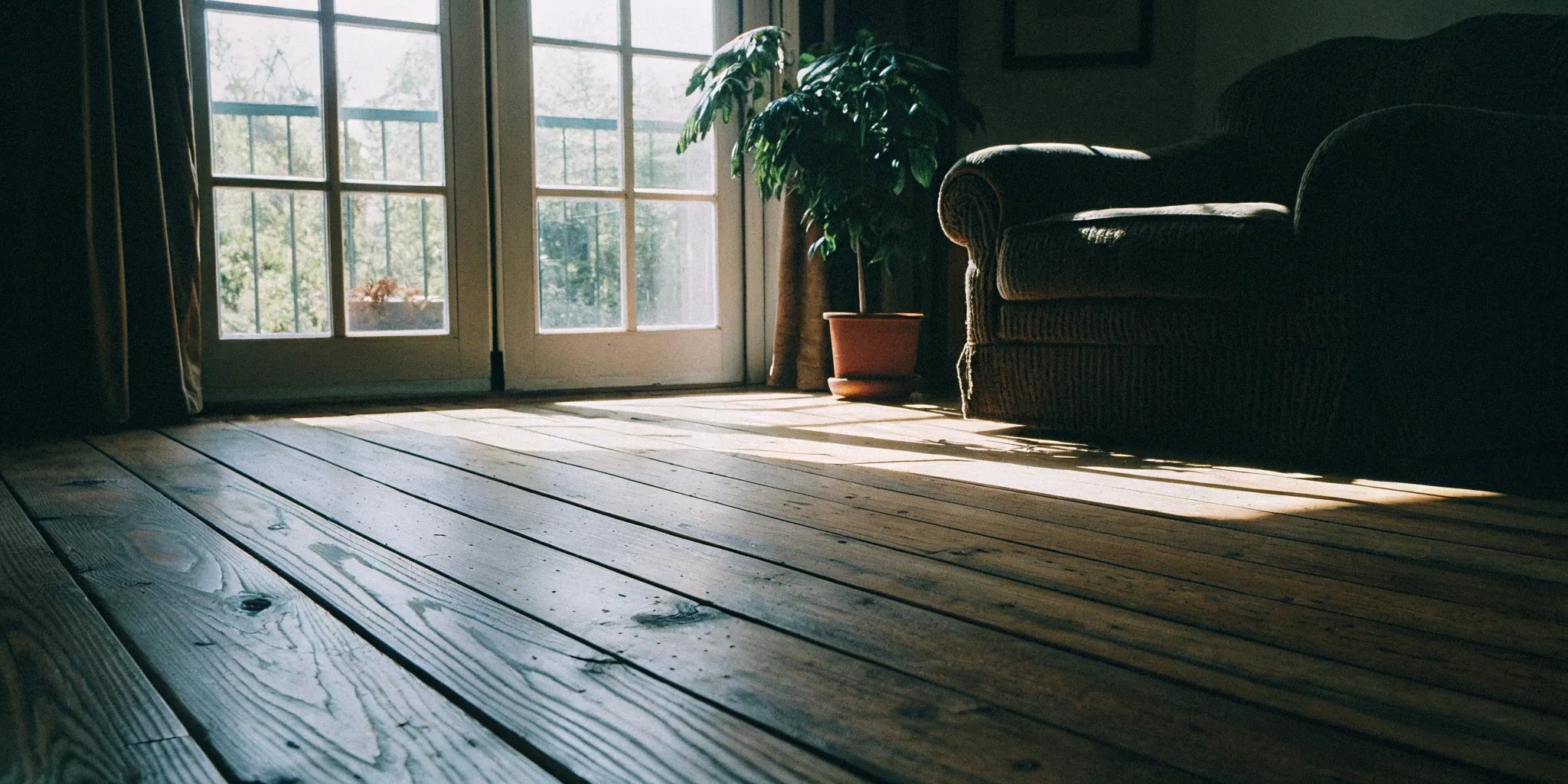
So, what exactly qualifies as "extra wide"? While there's no single industry standard, the term generally applies to floorboards that are 5 inches or wider. Many of the most popular styles today are even more generous, often measuring between 7 and 10 inches across. This increased width is key to its appeal. With fewer seams breaking up the surface, the floor appears more unified and clean. Each plank has more surface area to display the wood's natural grain, knots, and character, creating a dramatic and high-end look. This makes extra wide planks an excellent choice for anyone wanting to make a space feel larger and more luxurious.
How It Compares to Standard Planks
For years, standard planks—typically ranging from 2¼ to 3 inches wide—were the go-to for hardwood floors. The most significant difference you'll notice with extra wide planks is the visual impact. A floor with fewer seams feels less busy and more serene, allowing the natural beauty of the wood to take center stage. This effect is particularly powerful in open-concept living areas, where a seamless look can make the entire space feel more cohesive and expansive. While some people worry that wider boards are more prone to cupping or warping, modern hardwood flooring options, especially engineered varieties, are designed for excellent stability. When installed correctly, they perform just as reliably as their narrower counterparts.
The Benefits of Going Wide
Choosing extra wide plank flooring is more than just a design choice; it’s an investment in your home’s character and feel. The broader boards create a distinct look that can transform any room, offering a blend of modern simplicity and rustic charm. Unlike standard narrow strips that can make a space feel busy with their many seams, wide planks provide a clean, expansive canvas that highlights the natural beauty of the wood. This style works beautifully in open-concept homes, great rooms, and even smaller spaces where you want to create an illusion of size and flow.
The appeal of wide planks lies in their ability to feel both grand and grounded. They can anchor a large room, making it feel cohesive and intentional, or open up a cozier area by reducing visual clutter. For homeowners and designers, this versatility is a huge plus. From a practical standpoint, the benefits extend beyond aesthetics, impacting everything from cleaning routines to your home’s long-term value. It's a choice that delivers on both form and function. Let’s look at the specific advantages that make wide plank flooring such a popular and smart choice for so many projects.
Achieve a Spacious, High-End Look
If you want to make a room feel larger and more luxurious, wide plank flooring is one of the most effective tools in your design kit. With fewer seams breaking up the floor, the eye sees a smoother, more continuous surface. This simple visual trick can make an open-concept area feel even more expansive or a smaller room seem less cluttered. The clean lines and uncluttered appearance lend a sophisticated, high-end feel that’s hard to replicate with narrower boards. It’s a timeless look that feels both modern and classic, providing a perfect foundation for almost any interior design style, from minimalist to farmhouse chic.
Showcase Natural Wood Grain
One of the best parts of choosing real wood is its unique character, and wide planks put that beauty on full display. A wider board provides a larger canvas to showcase the wood’s natural grain, knots, and color variations. Instead of being cut short by frequent seams, the intricate patterns can run uninterrupted for longer stretches, exuding a natural charm that standard flooring often misses. Each plank tells a story, and the wider format allows you to appreciate the authentic, organic beauty of the material. This makes your floor a true focal point rather than just a functional surface.
Enjoy Fewer Seams and Simpler Cleaning
From a practical standpoint, fewer seams are a clear win. Not only do they contribute to that smooth, seamless look, but they also make cleaning and maintenance much easier. With standard narrow planks, the numerous gaps between boards can trap dust, crumbs, and pet hair, making it a chore to keep the floor truly clean. Wide plank hardwood flooring minimizes these crevices, giving dirt fewer places to hide. A quick sweep or vacuum is often all you need to keep the surface looking pristine, saving you time and effort in your daily routine.
Add Value to Your Home
Investing in high-quality materials is one of the surest ways to increase your property’s value, and wide plank flooring is no exception. It’s widely recognized as a premium, high-end feature that signals quality and durability to potential buyers. The timeless appeal and luxurious feel can make your home more attractive on the market, potentially leading to a higher resale value. For contractors and builders, recommending wide planks can be a smart move that satisfies clients and adds a valuable selling point to a project. It’s a durable, beautiful upgrade that pays off both now and in the future.
Potential Downsides to Consider
While extra wide plank flooring is undeniably stunning, it’s important to go into your project with a clear picture of the potential challenges. A little preparation can help you avoid common pitfalls and ensure your beautiful new floors last a lifetime. Let's walk through a few key things to keep in mind before you commit.
Understanding the Higher Cost
Let’s be honest: budget is a major factor in any renovation. Extra wide plank flooring typically comes with a higher price tag than standard-width boards of the same wood species. The reason is simple: wider planks must be milled from larger, more mature trees, which are less common and more valuable. This scarcity drives up the material cost. When you’re exploring your options, remember to factor this into your overall budget, as both the hardwood flooring itself and potentially the installation will be a more significant investment.
Addressing Movement and Warping Risks
Wood is a natural material that responds to its environment. It expands and contracts with changes in humidity, and this movement is more pronounced in wider planks. If not managed properly, this can lead to issues like cupping (when the edges of a board are higher than its center) or gapping between boards. The key to preventing this is proper acclimation—letting the wood sit in your home for several days before installation to adjust to the climate. Maintaining stable, year-round humidity inside your home is also crucial for the long-term health of your floors.
Navigating a Complex Installation
Installing extra wide plank flooring is less forgiving than working with narrow strips. Because each board covers so much surface area, the subfloor must be perfectly flat and level to avoid squeaks and unevenness. Wider boards also require a specific fastening strategy, often needing more nails or a combination of glue and nails to keep them securely in place and minimize movement over time. If you’re not an experienced DIYer, hiring a professional installer who specializes in wide plank flooring is a smart way to protect your investment and ensure a flawless result.
Finding the Right Wood Type
It’s a common myth that wide planks only work in large, open rooms. The truth is, they can look fantastic in almost any space, provided you choose the right material. The real challenge is selecting a wood species that is stable enough for your home’s climate. Some woods, like oak or hickory, are naturally more stable than others. For areas with significant humidity swings, engineered wide plank flooring is an excellent alternative. Its layered construction makes it far more resistant to warping and cupping, giving you that expansive look without the risk.
Best Woods and Finishes for Wide Planks
Choosing the right wood for your wide plank floors is about balancing the look you want with the demands of your home. Some woods are naturally harder and more resilient, while others offer a specific color or grain pattern that might be perfect for your design. The finish you choose is just as important—it’s the floor’s first line of defense against daily life. Let’s walk through some of the best options to help you find the perfect match for your space.
Top Solid Wood Choices
When it comes to solid hardwood flooring, a few species are particularly well-suited for wider planks. White and Red Oak are classic choices, loved for their durability and timeless appeal. White Oak offers a subtle, sophisticated grain, while Red Oak brings a warmer tone to a room. For a more rustic or character-rich look, Hickory is a fantastic option. It’s incredibly tough and features striking grain patterns that make a statement. If you prefer a softer, lighter wood, Eastern White Pine is a beautiful choice that develops a charming patina over time, perfect for creating a cozy, lived-in feel.
Why Engineered Wood Is a Great Option
Don't overlook engineered wood, especially for wide planks. It’s made with a top layer of real hardwood bonded to multiple layers of plywood, creating a board that’s incredibly stable. This construction makes it much less likely to expand, contract, or warp with changes in humidity and temperature. That means you can confidently install wide plank engineered flooring in basements, kitchens, or over concrete slabs where solid wood might not be suitable. You get the same gorgeous look and feel of solid wood with an added layer of structural integrity, making it a smart and practical choice for almost any room in the house.
Choosing a Durable Finish
The finish on your wide plank flooring is what protects it from scratches, spills, and foot traffic. A high-quality finish not only preserves the wood but also enhances its natural beauty. Polyurethane finishes are a popular choice because they create a strong, protective layer on the surface and are easy to clean. They come in various sheens, from matte to high-gloss. Oil-based finishes are another great option. They penetrate the wood to protect it from within, creating a more natural, low-sheen look that’s easy to touch up if a scratch occurs. Whichever you choose, a durable finish is key to keeping your floors looking great for years.
Breaking Down the Cost
Wide plank flooring is an investment, and it’s smart to have a clear picture of the total cost before you start. The price tag involves more than just the wood itself; it also includes professional installation and the long-term value you get from your new floors. Let’s walk through the key financial aspects so you can budget with confidence.
Material and Pricing Tiers
The type of wood you choose is the biggest factor in your material cost. Different species, grades, and plank widths come at different price points. For example, a classic pine might be more budget-friendly, while a premium white oak or reclaimed heart pine will be at the higher end of the spectrum. The finish you select also plays a role. When you explore different hardwood flooring options, you’ll see this range firsthand. It’s helpful to set a square-foot budget early on, which will help you narrow down your choices to find a beautiful wood that fits your financial plan.
Factoring in Professional Installation
While it might be tempting to DIY, installing extra wide plank flooring is a job best left to the pros. These larger boards require a perfectly flat and stable subfloor to prevent squeaks, gaps, or uneven spots down the road. A skilled installer has the right tools and expertise to prepare the surface, acclimate the wood properly, and secure the planks for a flawless, lasting finish. Factoring professional labor into your budget is essential for protecting your investment. If you’re a contractor, remember to ask about trade programs, which can offer bulk discounts on materials.
Calculating Long-Term Value
Looking beyond the initial expense, extra wide plank flooring adds significant long-term value to your home. Its high-end, luxurious appearance can make your property more attractive to future buyers and potentially increase its resale value. Because the planks are so durable and timeless, you won’t need to worry about replacing them anytime soon. This isn’t just a floor; it’s a foundational design element that enhances your home’s character and appeal for years to come. By choosing quality materials, you’re making a sound investment in your property’s future.
What to Know Before Installation
You’ve picked out the perfect wide plank flooring, and you’re ready to see it in your home. But before a single board is laid, a little prep work goes a long way. A successful installation is all about what happens beforehand. Getting the details right—from the subfloor to the acclimation period—ensures your beautiful new floors will look great and perform well for years to come. Rushing the process is one of the biggest mistakes you can make, as it can lead to gapping, cupping, and other issues down the road.
Think of it as setting the foundation for a long-term investment. Taking the time to properly prepare your space, let the wood adjust, and understand the specific needs of wide planks will pay off immensely. Whether you’re a seasoned contractor or a homeowner tackling a big project, these steps are non-negotiable for a flawless finish. Let’s walk through the four key things you need to handle before the installation begins.
Preparing Your Subfloor
Your new flooring is only as good as the foundation it sits on. That’s why preparing your subfloor is the critical first step. It needs to be clean, flat, and dry, without any squeaks or loose spots. If you’re installing over a concrete slab, proper preparation is even more important. For concrete, you’ll typically use a full-spread adhesive to secure the planks, which creates a stable, long-lasting bond. Any imperfections in the subfloor can transfer to the new flooring, so taking the time to level and clean it thoroughly is essential for a professional-looking result.
The Importance of Acclimation
Wood is a natural material that expands and contracts with changes in temperature and humidity. Acclimation is the process of letting your new hardwood flooring adjust to the environment in your home before it’s installed. Wide planks are more susceptible to movement than narrower boards, making this step crucial. Skip it, and you risk unsightly gaps or buckling later on. Simply stack the open boxes of flooring in the room where they will be installed for several days (or as long as the manufacturer recommends) to let them get used to their new home.
Common Mistakes to Avoid
One of the most common installation mistakes is failing to leave an expansion gap. This is a small space left around the perimeter of the room that allows the wood to expand naturally without buckling. It’s usually hidden by baseboards or shoe molding. Another frequent error is using the wrong installation method for your subfloor. While a nail-down method with an underlayment is common for wood subfloors, a glue-down approach is standard for concrete. Always follow the manufacturer’s guidelines to ensure you’re using the correct technique and materials for your specific flooring and subfloor type.
Why You Should Hire a Pro
While a DIY installation can be tempting, wide plank flooring is often a job best left to the professionals. It’s less forgiving than standard-width flooring, and small mistakes can be costly and very noticeable. An experienced installer understands the nuances of working with wider boards, from proper subfloor prep to planning the layout for the straightest lines and least waste. They have the specialized tools and expertise to handle any challenges that arise, ensuring a beautiful, durable finish. For contractors and designers, our trade program offers benefits that make working with pros even easier.
Long-Term Care and Maintenance
Investing in beautiful extra wide plank flooring means you'll want to keep it looking its best for years to come. The good news is that maintenance isn't complicated. With a few consistent habits and the right approach, you can protect your floors from daily wear and tear and ensure they remain a stunning feature in your home. Here’s how to care for your wide planks over the long haul.
Simple Daily Cleaning Tips
Keeping your floors clean is the first line of defense against scratches and wear. Regular maintenance requires little more than dusting with a soft dry microfiber mop, sweeping with a soft bristle broom, or vacuuming with a soft floor attachment. These gentle methods prevent tiny particles of grit from being ground into the floor's surface, which can dull the finish over time. For occasional deeper cleaning, use a pH-neutral cleaner specifically designed for hardwood flooring and a damp—never soaking wet—mop.
Managing Humidity Levels
Wood is a natural material that responds to its environment, especially changes in moisture. You can prevent your wide plank flooring from damage by maintaining proper humidity levels in your home. The National Wood Flooring Association recommends keeping indoor humidity between 30% and 50%. In dry climates or during winter, a humidifier can prevent planks from shrinking and gapping. In humid areas, a dehumidifier is key to stopping planks from swelling or cupping. Using a simple tool called a hygrometer will help you monitor your home’s humidity and make adjustments as needed to keep your floors stable.
How to Prevent Damage
Prevention is always easier than repair. The biggest enemy of wood flooring is moisture, so it's crucial not to let water stand on your floor at any time. This can cause cupping, swelling, and eventually, gapping between the boards. Clean up spills as soon as they happen. You can also protect your floors by placing mats at all entryways to catch dirt and water from shoes. Applying felt pads to the bottom of furniture legs is another easy way to prevent scratches when chairs and tables are moved. These small, proactive steps will go a long way in preserving your floor’s finish and structure.
Refinishing and Upkeep
One of the best things about hardwood is its longevity. Over time, you may notice signs of wear in high-traffic areas. Depending on the finish, your floors might need a refresh. It’s a good idea to consider refinishing lacquered floors after 10 to 15 years, if needed. This process involves sanding the floor down to the raw wood and applying a new protective coat, making it look brand new again. This isn't an annual task but a long-term maintenance step that restores the beauty of your investment and extends its life for decades to come.
Common Myths About Wide Plank Flooring
Wide plank flooring has a timeless appeal, but it also comes with a few persistent myths that can make homeowners hesitate. If you love the look but are held back by some common concerns, let's clear the air. Most of the rumored downsides aren't about the planks themselves but about how they're installed and maintained. When you get the fundamentals right, wide planks are a stunning and reliable choice for almost any home. Let's walk through some of the biggest misconceptions and separate fact from fiction.
Myth 1: It Always Cups and Warps
This is probably the number one fear I hear about wide plank flooring. The idea is that a wider board has more surface area to absorb moisture, making it unstable. While it's true that wood moves, the potential for cupping isn't determined by the width of the board alone. The real culprits are improper acclimation and significant swings in your home's humidity. When hardwood flooring is properly acclimated to the environment before installation and the indoor climate is kept stable, wide planks perform beautifully. High-quality materials and a professional installation make all the difference.
Myth 2: It Only Works in Large Rooms
It seems logical that large planks would overwhelm a small room, but the opposite is often true. Because wide planks have fewer seams, they create a less busy, more continuous surface. This clean, unbroken look can actually make a small or medium-sized room feel larger and more open. Narrow strips can sometimes make a space feel cluttered with too many lines. So, don't rule out wide planks for a cozy den or bedroom. They can bring a sense of scale and simple elegance to rooms of any size, proving that this design "rule" is meant to be broken.
Myth 3: It's Not Stable
Stability is another big concern, but it’s one that modern materials and methods have solved. With solid wood, stability comes down to proper acclimation and using the right installation technique, like a combination of glue and nails. For even greater peace of mind, consider engineered wide plank flooring. Its layered construction makes it inherently more resistant to changes in temperature and humidity, offering excellent stability. As long as the flooring is installed correctly over a properly prepared subfloor, you can count on your wide planks to be just as stable as their narrower counterparts.
Is Wide Plank Flooring Right for You?
Choosing between wide and standard plank flooring is a big decision that shapes the entire feel of your home. While wide planks offer a distinct, modern look, they aren't the perfect fit for every project. Your final choice depends on your room's size, your home's style, and practical factors like humidity and budget. Let's walk through where wide planks excel and when you might want to consider a more traditional option.
Where It Works Best
Wide plank hardwood flooring makes a statement. It’s best suited for large, open-concept areas where the boards have room to breathe and create a sense of scale. With fewer seams breaking up the floor, the natural grain and character of the wood become the main attraction, lending a luxurious and uncluttered feel to the space. This style works beautifully in homes with modern, rustic, or Scandinavian designs. In the right setting, wide planks can even make a moderately sized room feel larger and more expansive by reducing visual noise.
When to Stick with Standard Planks
Sometimes, classic is the way to go. In smaller, more confined rooms, wide planks can sometimes overwhelm the space and make it feel more cramped. Standard planks, with their greater number of seams, can create a sense of texture and direction that works well in cozy spaces like bedrooms or narrow hallways. From a practical standpoint, solid standard-width planks are often more dimensionally stable in environments with significant humidity swings. If you live in a climate with fluctuating moisture levels, narrower boards may be a more reliable choice to minimize gapping or cupping over time.
How to Make the Final Call
Ultimately, the right floor is the one that fits your vision, your home, and your budget. To make the best decision, ask yourself a few key questions. How large is the room you're renovating? What is the overall aesthetic you're trying to achieve? And what are the climate and humidity conditions inside your home? Balancing these factors will point you toward the perfect plank width. If you're a trade professional making these decisions for clients, considering long-term performance is just as important as the initial look. You can always apply for a trade account to get expert advice and pricing for your projects.