


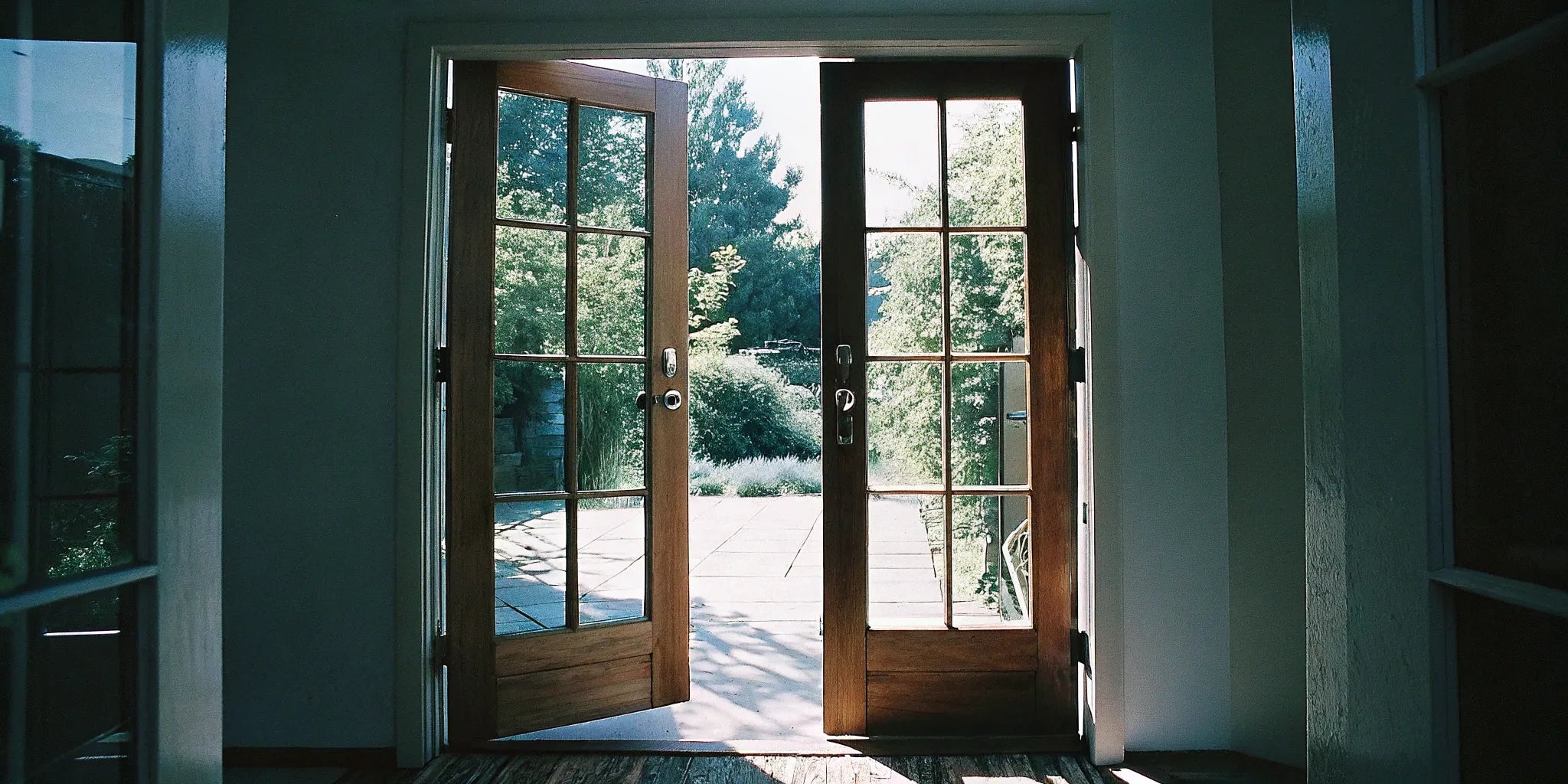
The Outswing Double Door: A Complete Buyer's Guide
Let's talk about the biggest myths surrounding outswing doors. You've probably wondered, "Aren't the hinges on the outside a security risk?" or "Can they really handle bad weather?" These are fair questions, but they're based on outdated designs. A modern outswing double door is engineered to be incredibly secure and weather-tight. They feature special security hinges that can't be removed from the outside. Plus, their design cleverly uses wind and rain to create an even tighter seal. We're here to separate fact from fiction and show you why this door is one of the safest options for your home.
Key Takeaways
- An Outswing Door Is a Practical Upgrade: This design enhances security by bracing against the frame, improves weather resistance by sealing tighter under pressure, and frees up interior space for furniture and decor.
- Balance Durability, Maintenance, and Style: Steel doors provide maximum security and long-term value. Fiberglass is the go-to for weather-resistant, low-maintenance performance, and wood delivers timeless style if you're prepared for the upkeep.
- A Perfect Fit Starts with the Rough Opening: Before ordering, measure the space between the wall studs. Your rough opening should be about two inches wider and taller than the prehung door unit to allow for proper shimming and a weathertight seal.
What Is a Prehung Outswing Double Door?
If you’re looking for an entryway that makes a statement, a double door is a fantastic choice. But what does it mean when it's "prehung" and "outswing"? Simply put, a prehung door is a complete, ready-to-install package. It comes already mounted in its frame, which saves a ton of time and guesswork during installation. An outswing door, as the name suggests, opens outward instead of into your home. Combining these features gives you a prehung outswing double door: a grand, two-door entryway system that arrives as a single unit and opens to the exterior. This setup is perfect for patios, decks, or any entrance where you want to maximize interior space while creating a beautiful, functional opening.
What's Included in a Prehung System?
When you get a prehung door, you’re getting more than just the door slabs. The goal of a prehung system is to make installation as smooth as possible by including all the essential framework. A typical prehung unit includes the door jamb (the frame that fits into your wall opening), hinges that are already attached to both the door and the frame, and weatherstripping to create a seal. One of the doors is also bored for hardware, meaning the holes for the handle and lock are pre-drilled. This all-in-one approach ensures everything is perfectly aligned from the factory, which helps you achieve a professional, weathertight fit without the hassle of building a frame from scratch.
What's Often Sold Separately?
While a prehung system gives you a fantastic head start, it doesn't include every single piece needed to finish the job. Think of it as the core package that you get to personalize. The most important items sold separately are the door hardware—the handleset, lock, and deadbolt. This is actually a good thing, as it lets you choose a style and finish that perfectly matches your home's aesthetic. You'll also need to purchase the interior and exterior trim, often called casing, which is the decorative molding that frames the door and covers the gap between the jamb and the wall. Lastly, don't forget installation supplies like shims, screws, and exterior-grade caulk to guarantee a secure, level, and completely weathertight fit.
Outswing vs. Inswing: What's the Difference?
Choosing between an inswing and outswing door comes down to how you want it to open and the space you have available. The difference is simple: when you’re standing outside, you pull an outswing door toward you to open it. For an inswing door, you push it inward to enter. While inswing doors are more common for front entries in some regions, outswing doors have unique advantages. They don’t take up any interior floor space when opened, which is a huge plus for smaller foyers or rooms. Just remember that an outswing door needs enough clear space on the outside to open fully without hitting railings, furniture, or other obstructions.
Why You'll Love a Double Door Entry
A double door entry does more than just let you in and out; it transforms your home’s entrance. The wide opening creates a grand, welcoming feel and offers incredible practicality. Moving large furniture, carrying in groceries, or simply letting in a breeze on a nice day becomes so much easier. Double steel doors create a dramatic focal point that can significantly improve your home's curb appeal. While they often involve more complex hardware to ensure both doors operate smoothly and securely, that robust construction is exactly what gives them their lasting strength and timeless beauty. They are a true architectural upgrade that blends style with function.
Understanding the Mechanics: Active vs. Passive Doors
When you have a double door, you don't typically swing both open every time you walk through. This is where the concept of active and passive doors comes into play. Think of the "active" door as your primary workhorse—it's the one with the main handle and lock that you'll use for daily traffic. The "passive" or "inactive" door stays put most of the time, held securely in place by flush bolts at the top and bottom of the frame. You can easily unlatch the passive door whenever you need a wider opening, like when you're moving a new sofa in or hosting a party and want to create a seamless flow to your patio. This setup gives you the grandeur of a double entryway with the everyday convenience of a single door.
Key Components: The Role of the Astragal
So, what keeps that gap between the two doors sealed and secure? That’s the job of a component called an astragal. It’s a vertical molding strip attached to the edge of the passive door. When you close the active door, it presses against the astragal, creating a tight, overlapping seal. This simple piece is a powerhouse, performing two critical functions. First, it blocks wind, rain, and drafts, making your entryway weathertight and energy-efficient. Second, it adds a significant layer of security by covering the seam between the doors, which helps prevent tampering. The astragal is essential for ensuring your double door system feels just as solid and secure as a single door.
Why Choose an Outswing Double Door?
When you’re planning a grand entrance, the direction your doors swing might seem like a minor detail, but it has a major impact on security, weather protection, and even your interior layout. While inswing doors are common, an outswing configuration offers some distinct advantages that are worth considering for your home or project. Choosing an outswing double door isn't just a style choice; it's a practical decision that can make your entryway more secure, durable, and spacious.
Deciding between an inswing and outswing door often comes down to your climate, security priorities, and how you use the space just inside your entrance. For many homeowners and builders, the functional benefits of an outswing design make it the clear winner. They provide a robust barrier against both intruders and harsh weather, all while freeing up valuable floor space inside. This combination of features makes them an incredibly smart investment for any entryway. Let’s look at the three key reasons why an outswing double door, especially a sturdy steel door, might be the perfect fit for your project.
How Outswing Doors Improve Home Security
Your front door is your first line of defense, and an outswing design gives you a built-in security advantage. Because the door rests against the exterior door jamb, it’s much harder to force open from the outside. Any attempt to kick or ram the door only pushes it more firmly into the frame, making a forced entry significantly more difficult.
This design feature is a simple but powerful deterrent. While an inswing door relies heavily on its deadbolt and the strength of the strike plate to resist force, an outswing door uses the entire frame as reinforcement. This makes it an excellent choice for anyone prioritizing home security.
Your Best Defense Against the Elements
If you live in an area with heavy rain or strong winds, an outswing door is your best friend. When wind and rain beat against the door, the pressure creates a tighter seal against the weatherstripping. This design naturally prevents water and drafts from seeping into your home, keeping your entryway dry and comfortable.
As one expert from Clark Hall Doors notes, an outswing door's seal is not only more effective but also tends to last longer than the one on an inswing door. This superior weather resistance helps protect your flooring and interior from moisture damage while also improving your home's energy efficiency by stopping drafts in their tracks.
Maximize Your Indoor Space
Every square foot counts, especially in smaller entryways or foyers. Outswing doors open outward, meaning they don't consume any valuable interior space. This simple difference can completely change how you design your entryway. You can place a console table, a bench, or a shoe rack right beside the door without worrying about blocking the door's swing path.
This space-saving benefit is a game-changer for creating a functional and uncluttered entrance. It gives you more freedom to arrange furniture and decor, making your foyer feel more open and welcoming from the moment you step inside. It’s a smart, practical solution for maximizing your home’s usable living area.
What's the Best Material for Your Exterior Door?
Choosing the right material for your exterior door is a big decision. It impacts everything from your home’s curb appeal and security to its energy efficiency and your long-term maintenance list. The three most common options you’ll encounter are steel, fiberglass, and wood, each with its own set of strengths. There isn’t a single “best” material—the right choice depends entirely on your priorities. Are you focused on maximum security? Do you live in an area with harsh weather? Or is a specific aesthetic the most important factor for you?
Steel doors are champions of strength and security, offering peace of mind and excellent durability. Fiberglass is a fantastic all-rounder, known for its weather resistance and low-maintenance longevity. Wood provides a classic, warm look that is hard to replicate, but it requires more upkeep. Understanding the fundamental differences between these materials will help you find an exterior door that not only looks great but also performs exactly how you need it to for years to come. Let’s break down what makes each material a solid contender for your home’s entryway.
Steel: The Security-First Choice
If security and durability are at the top of your list, a steel door is an unbeatable choice. Known for their incredible strength, steel doors provide superior resistance against forced entry, making them a practical and popular option for homeowners. Beyond their toughness, steel doors are also highly energy-efficient. Most are filled with an insulating foam core that helps prevent heat and cold from passing through, which can help manage your energy bills. They won’t crack or warp over time, and their resilience makes them a long-lasting investment. Modern designs also mean you don’t have to sacrifice style for strength; they can be finished with smooth surfaces or embossed with wood-grain patterns to match any home’s aesthetic.
Fiberglass: Built for Weather Resistance
Fiberglass doors are engineered to handle the elements, making them an excellent choice for homes in harsh or humid climates. Unlike wood, fiberglass won’t swell, shrink, or warp with changes in temperature and moisture. It’s also resistant to dents, scratches, and rust, which makes it incredibly low-maintenance. Many homeowners love fiberglass because it can convincingly mimic the look of real wood, complete with realistic grain patterns, but without the demanding upkeep. As one industry source notes, fiberglass doors excel in energy efficiency and can last over 50 years with minimal care. This combination of durability, performance, and aesthetic flexibility makes fiberglass a strong, versatile option for almost any entryway.
Wood: Classic Style and Appeal
There’s no denying the timeless beauty of a solid wood door. It offers a classic, high-end look that can add significant warmth and character to your home’s exterior. Wood doors are highly customizable, available in a variety of species like oak, mahogany, and cherry, and can be stained or painted to achieve the perfect finish. This versatility allows you to create a truly unique entryway. However, this classic appeal comes with a trade-off: maintenance. Wood is susceptible to moisture and sunlight, which can cause it to warp, crack, or rot over time. To keep it looking its best and protect it from the elements, you’ll need to commit to regular sanding, staining, or painting.
What About Composite and Other Modern Options?
Composite doors are a great example of modern engineering, blending several materials to create a product with the best qualities of each. Typically made from a combination of wood, PVC, insulating foam, and other plastics, composite doors are designed for high performance. They offer the handsome appearance of a solid wood door but provide far greater durability and thermal efficiency. Because of their layered construction, they are incredibly strong, secure, and resistant to weathering. A key benefit is that their surfaces are durable and dent-resistant, making them a practical choice for busy households. If you want the look of wood without the associated maintenance, a composite door is an excellent alternative to consider.
Hybrid Doors: Combining Style and Durability
Hybrid doors are another smart solution gaining traction, designed to give you the best of multiple worlds. Think of them as the perfect blend of style and substance. They typically combine a strong, durable core and frame—often made of materials like steel or engineered composites—with a beautiful exterior finish that can mimic the rich look of natural wood. This approach, as highlighted by industry experts at Conestoga Wood Specialties, means you get the aesthetic you love without compromising on performance. It’s a way to achieve a high-end look while benefiting from modern materials that are built to last.
The real advantage of a hybrid door lies in its resilience. By combining materials, manufacturers can create a door that resists common issues like warping, swelling, and moisture damage—problems that can plague traditional wood doors in certain climates. This makes them incredibly low-maintenance and a practical long-term investment. You get the strength and stability of a modern engineered product with the visual appeal you want for your home's entrance. This same principle of smart material combination is what makes options like our foam-core steel doors so effective, blending robust security with excellent insulation.
How Much Do Outswing Double Doors Cost?
Figuring out the cost of a new outswing double door is a key step in planning your project. Prices can vary significantly, from a few hundred to several thousand dollars, so it helps to think of it as an investment in your home’s security, curb appeal, and energy efficiency. The final price tag depends on a few key factors, including the material you choose, the features you add, and the overall quality of the door system.
How Material Choice Impacts Your Cost
The material is the biggest driver of your door's cost. A sturdy and secure steel door often provides the best value, balancing strength, energy efficiency, and an affordable price point. Fiberglass doors are another popular choice, known for their resistance to dents, rust, and harsh weather, and typically fall into a mid-range price category. At the higher end, you’ll find solid wood doors, which offer timeless beauty but come with a premium price and require more maintenance. For a grand entrance, custom wrought iron doors sit at the top of the price spectrum.
What Influences the Final Price?
Beyond the base material, several other elements affect the total cost. Outswing doors require specialized, weatherproof hardware and secure hinges to stand up to the elements, which can make them slightly more expensive than their inswing counterparts. Adding decorative glass panels, sidelights, or a transom will also increase the price. Custom sizes and unique finishes will cost more than standard options, like a popular 60x80 Double Steel Door. Finally, a prehung system, which includes the frame, costs more upfront but can save you time and money on installation.
The Cost of Custom Finishes and Upgraded Hardware
The little details can make a big difference, both in style and in price. While a standard door comes with the basics, you can personalize it with upgraded hardware, unique finishes, and decorative glass. For an outswing door, this is especially important, as it requires robust, weatherproof hardware and specialized security hinges designed to withstand the elements. Adding features like sidelights to flank your entrance or a transom window above it will also raise the cost. Similarly, opting for a custom size instead of a standard 60x80 Double Steel Door or choosing a unique paint color will contribute to the final price, but these customizations are what make your entryway truly your own.
The Long-Term Value of a New Door
It’s helpful to see a new door not just as a purchase, but as a long-term investment in your home. A high-quality door contributes to your home's security, energy efficiency, and curb appeal, all of which add tangible value. For example, a well-insulated steel door can help lower your heating and cooling bills, while its strength provides priceless peace of mind. Materials like steel and fiberglass offer an excellent balance of performance and price, giving you a durable, low-maintenance solution that will look great for years. While the upfront cost is a key consideration, choosing a door that is built to last means you’re investing in lasting performance and avoiding future replacement costs.
How to Find a Door That Fits Your Budget
Finding the right door without overspending is all about smart planning. Start by setting a clear budget that includes the door, hardware, and potential installation costs. Next, prioritize what matters most to you—is it maximum security, a specific aesthetic, or all-weather performance? Opting for standard sizes instead of custom dimensions can offer significant savings. Also, consider the door's long-term value; a well-insulated steel or fiberglass door can lower your energy bills over time. If you’re a contractor or builder, see if you qualify for a trade program for access to bulk pricing and discounts.
How to Get the Right Size for Your Door
Getting the right door size is about more than just fitting a slab into a hole in the wall. It’s the first step to ensuring your door hangs correctly, swings smoothly, and seals properly against the elements. A perfect fit prevents drafts, improves security, and makes installation a whole lot easier. The key is understanding the difference between the actual door size and the “rough opening”—the unfinished, framed space where your door will live.
Before you fall in love with a specific style, grab a tape measure. Taking accurate measurements of your rough opening is the most important part of the process. This space needs to be slightly larger than the prehung door unit (that’s the door plus its frame) to allow for adjustments and proper alignment. Getting this right from the start saves you from the headache of trying to force a fit or dealing with a door that never quite closes right. Think of it as setting the foundation for a beautiful and functional entryway.
A Guide to Common Double Door Dimensions
When you see a door listed as a “60x80,” it means the two doors together measure 60 inches wide and 80 inches tall. This is the actual dimension of the doors themselves, not the frame or the rough opening you’ll need. A common mistake is buying a 60-inch door for a 60-inch opening, but a prehung system includes the frame, which adds extra width and height. Popular options like a 60x80 Double Steel Door are designed for a slightly larger rough opening to ensure a perfect, weathertight fit once everything is squared up and installed.
Exploring Other Configurations: Single and Triple Panels
While a double door creates a grand entrance, it’s not the only option available. Your choice often comes down to the scale of your entryway and the look you want to achieve. For smaller spaces or a more understated aesthetic, a single steel door is a practical and often more energy-efficient choice, offering excellent security without overwhelming the facade. On the other end of the spectrum, for a truly dramatic statement, you might consider a triple-panel configuration. This setup, which could include a central door flanked by two glass sidelights, creates a stunning focal point that floods your entryway with natural light. As noted by remodeling experts, these larger configurations can significantly enhance curb appeal, making them ideal for homes with expansive entryways.
How to Measure Your Rough Opening
To get an accurate measurement, you’ll want to measure the unfinished opening from stud to stud. First, measure the width at the top, middle, and bottom of the opening—use the smallest of the three numbers. Next, measure the height from the subfloor to the bottom of the header on the left, middle, and right sides, again using the smallest measurement. As a general rule, your rough opening should be about 2 to 2.5 inches wider and taller than the actual door unit. This extra space, called clearance, is essential for shimming the frame so it’s perfectly level and plumb.
Pro Tips for a Perfect Measurement
Accuracy is everything when it comes to doors. Always measure your rough opening at least twice to confirm your numbers before placing an order. Use a level to check that the header is level and the side studs are plumb (perfectly vertical). An out-of-square opening can make installation tricky and may require adjustments. Also, be mindful of your flooring. If you’re measuring from the subfloor but plan to add thick tile or hardwood, you’ll need to account for that in your height measurement. When in doubt, consulting with a professional installer can save you time and ensure your new steel doors fit flawlessly.
Preparing for Your Order
Once you’ve chosen your material and measured your rough opening, you’re almost ready to place your order. But before you do, there are a couple of final details to sort out to ensure everything goes smoothly. You’ll need to specify the door handing—which way you want your doors to swing—and get a clear understanding of the manufacturing timeline. These steps are crucial for coordinating your project schedule and making sure the door you receive is exactly what you envisioned. Taking a few extra minutes to confirm these details now will save you from potential headaches later on.
How to Determine Door Handing
Door handing sounds technical, but it’s just about defining which way your door opens and where the handle is located. For a double door, one door is "active" (the one you use every day with the handle and lock), while the other is "passive" and usually stays closed with a flush bolt. To determine the handing, stand on the outside of your house facing the door. If you want the active door to open toward you (outswing) and the handle is on the left, it's a left-hand outswing. If the handle is on the right, it's a right-hand outswing. Remember that an outswing door needs clear space on the exterior to open fully without hitting railings or furniture, so double-check your clearance before you finalize your choice.
Understanding Manufacturing Lead Times
High-quality exterior doors, especially custom or semi-custom systems, aren't typically sitting in a warehouse waiting to be shipped. Most are made to order to ensure they meet your exact specifications for size, finish, and hardware. This custom manufacturing process is why you'll see a lead time, which can often be several weeks. For example, it's common for custom steel doors to have a manufacturing lead time of around 6-7 weeks. It’s essential to factor this timeline into your project schedule. Ordering your door well in advance will help you avoid construction delays and ensure your project stays on track without any last-minute scrambling while you wait for your beautiful new entryway to arrive.
How to Choose the Right Style and Features
Your front door is one of the first things people notice about your home, so getting the style right is a big deal. With a double door, you have twice the canvas to make a statement. The right features can transform your entryway from purely functional to a stunning focal point that reflects your personal taste. It’s all about finding the perfect balance between aesthetics, security, and everyday usability. Think about the overall look you want to achieve. Are you aiming for a sleek, modern vibe with clean lines and minimalist hardware, or a more traditional and welcoming entrance with decorative glass?
The details are what bring your vision to life. The type of glass you choose affects light, privacy, and security. The hardware—from the handles to the hinges—acts as the finishing touch that ties the whole look together. And of course, none of it matters if the door doesn’t fit perfectly. Customizing the size and configuration ensures a seamless installation and optimal performance. Exploring different custom and standard steel doors can give you a great starting point for inspiration and help you see how these different elements work together to create a cohesive and beautiful entryway.
Finding the Perfect Glass Panels and Glazing
Glass panels, often called lites, are a fantastic way to let natural light flood into your entryway and add a touch of elegance. But when it comes to outswing doors, it’s smart to think about security, too. Because the hinges are on the outside, some homeowners worry about them being a potential security risk. A well-built door with high-quality glazing easily addresses this. Look for options with tempered or laminated glass, which is much stronger and safer than standard glass. For added privacy, you can choose frosted, reeded, or other decorative glass styles that obscure the view while still allowing light to pass through. This way, you get the best of both worlds: a bright, welcoming entrance without compromising on security or privacy.
Upgrading for Energy Efficiency
An old, drafty door can be a major source of energy loss, but upgrading to a modern outswing door is a smart way to lower your utility bills. The design itself is a huge advantage; when wind pushes against an outswing door, it presses the door tighter into its frame, reinforcing the seal and keeping the elements out. This is especially true when you choose a material built for performance. For example, most steel doors are filled with an insulating foam core that acts as a thermal barrier, preventing heat and cold from transferring through. This combination of a superior seal and an insulated core means your HVAC system doesn't have to work as hard, saving you money month after month.
How to Select the Best Hardware and Locks
Hardware is more than just functional; it’s the jewelry of your door. The handleset, hinges, and lock you choose play a huge role in the final look and feel. For an outswing door, it’s essential to select hardware that’s rated for exterior use. The hinges and other components are exposed to the elements, so they need to be made from durable, rust-resistant materials that can withstand weather conditions. When it comes to security, a multi-point locking system is an excellent choice for double doors, as it secures the door to the frame at several points. Finally, consider the finish—matte black, brushed nickel, or oil-rubbed bronze can complement your home’s other exterior details.
Advanced Security and Convenience Features
A common question about outswing doors is whether the exposed hinges are a security risk. Modern designs have solved this completely with security hinges that feature non-removable pins, making it impossible to tamper with them from the outside. But the real security advantage is built right into the design. As we've mentioned, any attempt to force the door from the outside only pushes it more firmly against the frame, using the structure of your home as reinforcement. This simple principle makes an outswing door a powerful deterrent against forced entry, offering a level of protection that goes beyond just the lock and deadbolt.
Modern Closure Mechanisms and Safety
Modern outswing doors are engineered for superior performance, especially when it comes to weather. Their closure mechanism uses the elements to its advantage; when strong wind or rain pushes against the door, it presses the slab tighter against the weatherstripping, creating an incredibly effective seal. This design is brilliant for preventing drafts and protecting your interior flooring from water damage, which also helps with energy efficiency. The seal on an outswing door tends to last longer because it isn't constantly being compressed and released in the same way as an inswing door. This robust, weather-tight closure gives you peace of mind, knowing your entryway is secure against both intruders and the elements.
Making It Yours: How to Customize Your Door
A perfect fit is non-negotiable for an exterior door. It ensures proper sealing, security, and smooth operation. When you’re working with a prehung system, remember that you’ll need about two inches of clearance on each side of the door to accommodate the jambs. It’s also a good idea to double-check the depth of your door frame to make sure everything will line up correctly during installation. If your entryway has non-standard dimensions, don’t worry. Many suppliers offer custom sizing to create a door that fits your exact opening. Taking the time to get these details right will save you a lot of headaches later and ensure your new double doors look and perform their best. For more guidance, you can find helpful exterior door installation tips to prepare for the process.
What to Expect During Installation
Once you’ve chosen the perfect outswing double doors, the next step is installation. This is where your vision really comes to life, but it’s also a step that requires precision and care. Whether you’re a seasoned DIYer or planning to hire a pro, understanding the process helps ensure everything goes smoothly from start to finish. A proper installation is key to your door’s security, energy efficiency, and long-term performance.
DIY vs. Hiring a Professional: Which Is Right for You?
Deciding whether to install the doors yourself or hire a professional is a big first step. While tackling the project on your own can be rewarding, installing prehung double doors is more complex than it looks. Getting the alignment just right for two doors can be tricky, and mistakes can lead to drafts, sticking, or security issues. A qualified contractor has the tools and experience to handle these challenges, ensuring your door is installed correctly the first time. For most homeowners, bringing in a pro provides peace of mind and a flawless finish.
The Installation Checklist: Align, Level, and Seal
A successful installation hinges on three critical actions: alignment, leveling, and sealing. First, the door frame must be perfectly plumb (vertically straight) and level (horizontally straight). Installers use shims—small wedges of wood—to make tiny adjustments until the frame is perfectly positioned in the rough opening. They then check that both doors are on the same plane so they close flush. It's crucial to ensure the doors are thoroughly fastened and operating smoothly. Finally, proper sealing with caulk and flashing prevents air and water from getting in, protecting your home from the elements.
Ensuring Proper Swing and Clearance
Before you even think about installation, careful planning for swing and clearance is essential. Remember that a prehung door comes as a complete unit with the frame (or jamb) already attached. This means the entire system is wider and taller than the doors themselves. You’ll need to account for this extra space in your rough opening. For example, a standard 60-inch double door unit won't fit in a 60-inch opening. As a general rule, prehung doors require about two inches of clearance on the sides and top for the jambs and for shimming. Always measure your rough opening carefully before ordering your doors to guarantee a perfect fit.
Common Myths About Outswing Doors
Outswing doors are a fantastic choice for security and weather protection, but they’re surrounded by a surprising number of myths. If you've heard concerns about exposed hinges or complicated setups, you're not alone. These misconceptions can steer homeowners and builders away from what might be the perfect entryway solution. Let's clear the air and look at the facts behind these common worries, so you can feel confident in your decision.
Are Exposed Hinges a Security Risk?
This is probably the number one question I hear about outswing doors. Since the hinges are on the outside, it’s natural to worry that someone could simply pop the pins and remove the door. The good news is that door manufacturers solved this problem a long time ago. Modern steel doors, come equipped with security hinges. These hinges feature non-removable pins (NRPs), set screws, or studs that keep the door firmly in place even if the hinge pin is somehow taken out. When the door is closed, these security features interlock the door and frame, making it impossible to separate them from the outside.
The Truth About Weather and Maintenance
Another common myth is that outswing doors can't handle harsh weather as well as their inswing counterparts. In reality, the opposite is true. An outswing door is your best friend during a storm. When strong winds and driving rain hit the door, the pressure actually pushes it tighter against the frame and its weatherstripping. This creates an incredibly strong seal that prevents drafts and water from getting inside. An inswing door, on the other hand, can be slightly pushed inward by the same forces, potentially compromising its seal. As for maintenance, an outswing door requires the same basic care as any exterior door: keep it clean and check the finish and seals periodically.
Are They Really More Expensive or Complicated?
Let's talk about cost and complexity. Outswing doors aren't inherently more expensive than inswing doors of the same material and quality. The price is driven by factors like the material—steel, fiberglass, or wood—and any custom features like glass inserts or hardware, not the direction it swings. The main "complication" is less about installation and more about planning. You must ensure you have enough clearance on the outside for the door to open fully without hitting railings, steps, or porch furniture. This is a critical design consideration but is easily managed with proper measurement and planning before you buy.
Comparing Door Materials for Long-Term Value
Choosing an exterior door is a long-term investment in your home’s security, curb appeal, and energy efficiency. While the initial price is a factor, the true value of a door becomes clear over years of use. How well does it stand up to weather? How much maintenance will it need? And how much will it save you on energy bills? Looking at these factors helps you compare materials beyond the surface level. For many homeowners and builders, modern steel doors offer a compelling balance of strength, low maintenance, and performance that delivers exceptional value year after year. When you weigh the pros and cons of different materials like wood, fiberglass, and steel, you start to see how the upfront cost is only one part of the equation. A door that saves you money on heating and cooling while requiring minimal upkeep can be a smarter financial choice in the long run.
Durability and Weatherproofing Head-to-Head
Your front door is the first line of defense against the elements, so durability is non-negotiable. Steel doors are known for their sheer strength; they won’t crack or warp under pressure and can handle the daily wear and tear of a busy household. Fiberglass is another tough contender, offering excellent resistance to dents, scratches, and rust, which makes it ideal for humid or coastal climates. While beautiful, wood doors are the most susceptible to the elements and can swell or rot without proper care. Both steel and fiberglass doors provide excellent weatherproofing capabilities, creating a tight seal that keeps wind and rain outside where they belong.
Long-Term Maintenance and Costs
The time and money you spend on upkeep contribute to a door’s total cost. Wood doors demand the most attention, requiring regular sealing and maintenance to protect them from moisture and prevent decay. This ongoing work can add up. In contrast, steel and fiberglass are low-maintenance champions. A steel door’s factory-applied finish is incredibly durable, and it typically only needs a quick paint touch-up if it gets a deep scratch. Fiberglass is even easier, often just needing a wipe-down with soap and water to look its best. For busy homeowners or property managers, choosing steel or fiberglass means more time enjoying your home and less time working on it.
Which Material Offers the Best Insulation?
A well-insulated door can make a noticeable difference in your home's comfort and energy bills. The key isn't just the surface material but what’s inside. Most steel and fiberglass doors are filled with a high-density foam core, which acts as a powerful thermal barrier. This core dramatically reduces heat transfer, keeping your home warmer in the winter and cooler in the summer. Solid wood doors, while thick, don't offer the same level of insulation as a foam-filled door. If energy efficiency is a top priority, a steel or fiberglass door with a polyurethane core is one of the smartest choices you can make for your entryway.
Where to Buy Your Prehung Double Doors
Once you’ve decided on the material, style, and size of your door, the final piece of the puzzle is finding a reliable place to buy it. The right supplier can make the entire process smoother, from selection to delivery. It’s worth spending a little time vetting your options to ensure you get a high-quality product backed by excellent service.
Online vs. Local: Where to Shop
Deciding between an online supplier and a local big-box store often comes down to selection versus immediacy. Local stores let you see and touch the doors, but their inventory is usually limited to the most common sizes and styles. Online retailers, on the other hand, typically offer a much wider variety of materials, designs, and custom options. A great online supplier provides the convenience of nationwide shipping, bringing a world of choices directly to your job site or doorstep. Some suppliers even offer a hybrid model where you can pick up online orders at a physical location, giving you the best of both worlds.
How to Spot a Quality Supplier
A quality supplier makes it easy for you to find exactly what you need. Their website should be professional, with clear photos, detailed product descriptions, and exact specifications. A helpful feature to look for is the ability to sort doors by price, which helps you quickly narrow down options that fit your budget. Beyond the products themselves, look for signs of a trustworthy business. Do they have accessible customer service? Can you find authentic customer reviews or project photos? These details show that a company stands behind its products and cares about its customers' experience.
Checking Shipping and Delivery Policies
Before you finalize your order, it’s crucial to understand the shipping policy. Doors are large, heavy items, so they don’t arrive in a standard package. Most suppliers use LTL freight carriers for what’s called curbside delivery. This means the truck will pull up to your property, but you are responsible for unloading the door and moving it inside—the driver will not assist. Make sure you have a plan and enough help on delivery day. A reliable supplier will also use secure packaging with extra padding to protect the frame and hinges. Finally, look into the shipping timeframe. Many online retailers offer fast nationwide shipping for in-stock items, often sending them out within a few business days, which is a huge plus for keeping your project on schedule.
Scoring the Best Deal: Tips on Discounts
Whether you’re a homeowner tackling a big renovation or a contractor managing multiple projects, getting the best value is always a priority. Many suppliers have special sections for unique deals or one-of-a-kind items that can offer significant savings. If you need a non-standard size or specific modification, look for a supplier with a custom shop that can tailor steel doors to your project’s exact needs. For trade professionals, it’s always worth checking if a supplier offers a trade program. By filling out a simple trade application, you can often get access to exclusive pricing, bulk discounts, and dedicated support.