
Fiber Cement Cladding Panels: Pros, Cons & Costs

You don’t have to sacrifice style for strength when it comes to your home’s exterior. Many people believe that a durable, low-maintenance siding has to look plain, but that’s no longer the case. Fiber cement offers the best of both worlds, giving you the creative freedom to achieve the exact look you want without the constant upkeep. Whether you love the classic warmth of wood grain, the clean lines of modern architecture, or the timeless appeal of stone, there’s a finish that fits your vision. We’ll walk you through the versatile world of fiber cement cladding panels, covering the different styles, brands, and installation tips to help you create a beautiful, long-lasting exterior.
Key Takeaways
- Fiber Cement Offers Superior Protection: This material is engineered to stand up to almost anything, including fire, rot, pests, and harsh weather, making it one of the most resilient siding options available for long-term security.
- Professional Installation is Non-Negotiable: Due to its weight and the specialized tools required, proper installation by an experienced crew is essential. This ensures your siding performs correctly, prevents costly moisture damage, and protects your warranty.
- Get Premium Style Without the Constant Upkeep: Fiber cement gives you the high-end look of wood, stone, or modern panels without the demanding maintenance. Its ability to hold paint longer and resist wear makes it a smart investment for lasting curb appeal.
What Is Fiber Cement Cladding?
If you’re looking for an exterior siding that’s tough, long-lasting, and incredibly versatile, fiber cement cladding is a fantastic option to consider. Think of it as a high-performance shield for your home or building. It’s a composite material made from a simple but powerful recipe: sand, cement, and cellulose fibers. This combination creates a product that stands up to harsh weather, resists pests, and won’t rot like traditional wood siding.
Unlike materials that serve a single purpose, fiber cement is a true multitasker. It delivers the strength of masonry without the weight and installation challenges. It can also provide the classic look of wood without the constant upkeep. Whether you're a contractor looking for a reliable product for a new build or a homeowner planning a renovation, fiber cement boards offer a practical and stylish solution for protecting and beautifying a building’s exterior.
How It's Made
The process of making fiber cement is what gives it such impressive strength. It all starts with a wet slurry of sand, cement, and cellulose fibers. This mixture is then pressed and processed into sheets, which are cured to create a dense, durable final product. During this process, the cellulose fibers act as reinforcement, much like rebar in concrete, giving the panels flexibility and preventing them from becoming brittle. The result is a stable, uniform panel that’s ready to be cut and shaped for installation, providing a reliable building material that’s consistent from one board to the next.
Available Styles and Finishes
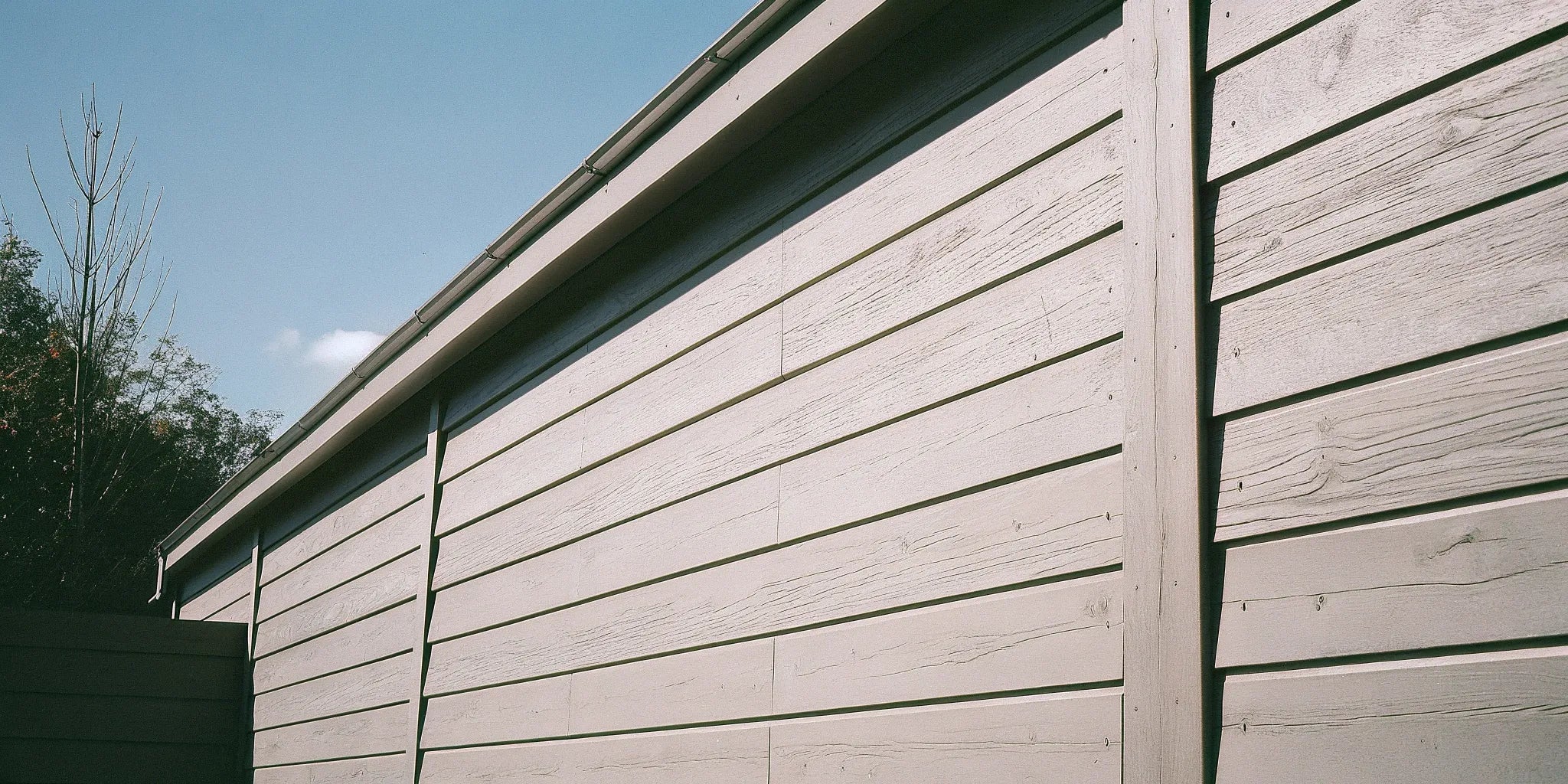
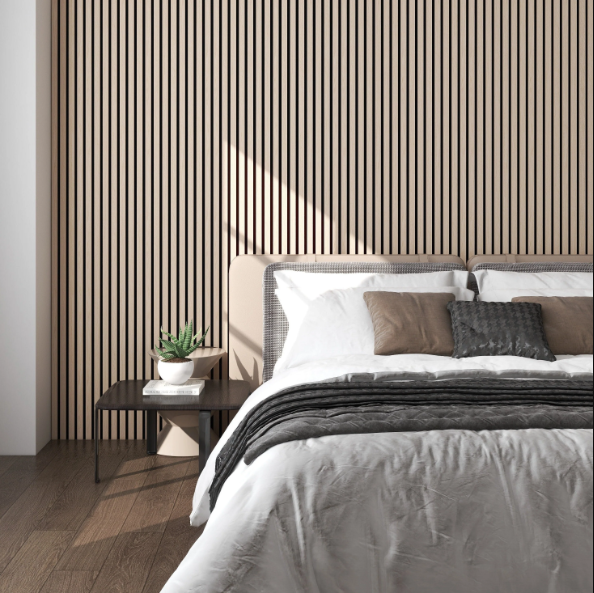
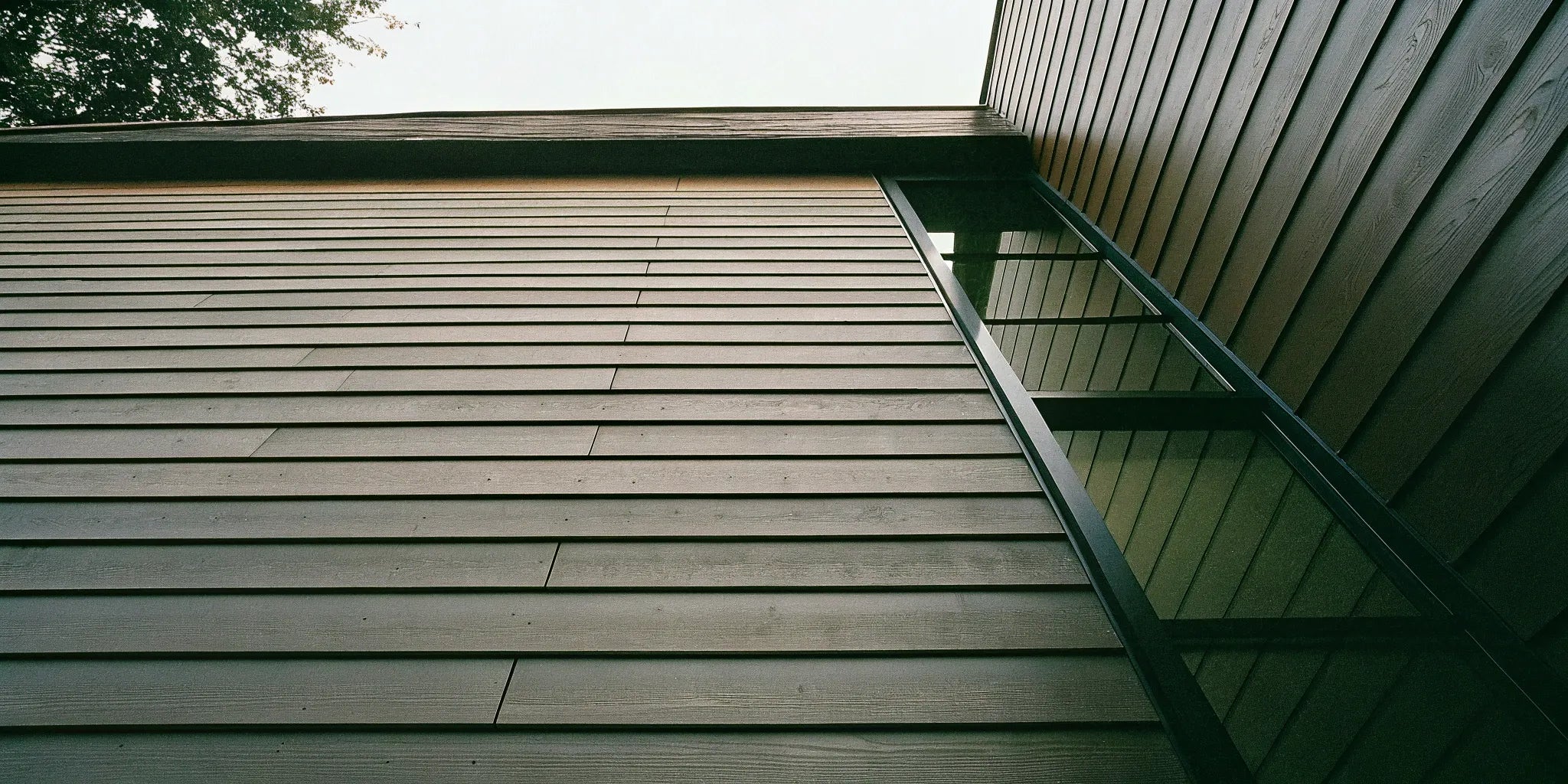
One of the best things about fiber cement is its design flexibility. You aren’t stuck with one look. Manufacturers can create panels that convincingly mimic other materials, giving you the aesthetic you want with superior performance. You can find fiber cement cladding that looks just like natural wood grain, modern smooth concrete, or even classic stone. The panels come in various shapes and sizes, including large sheets, traditional lap siding, and shingles. Plus, they can be painted in virtually any color, allowing you to perfectly match your project’s design vision and create a truly custom exterior.
The Pros: Why Choose Fiber Cement Cladding?
When you're weighing your siding options, fiber cement cladding consistently comes out on top for a few key reasons. It strikes an impressive balance between strength, style, and simplicity, making it a smart investment for almost any project. Let's look at the specific advantages that make it such a popular choice for homeowners and builders alike.
Unmatched Durability and Safety
First and foremost, fiber cement is built to last. This material is engineered to withstand just about anything nature throws at it, from harsh UV rays and hailstorms to heavy rain and high winds. Unlike wood, it won’t rot, warp, or attract pests. And unlike vinyl, it won’t crack in the cold or melt from a nearby grill. One of its most significant advantages is its fire resistance. Fiber cement boards are non-combustible, meaning they won't ignite when exposed to a direct flame or contribute to a fire's spread. This top-tier safety rating provides incredible peace of mind for your family and property.
Low-Maintenance Living
If you’d rather spend your weekends relaxing than doing home maintenance, fiber cement is an excellent choice. Its durable composition means you won't be dealing with constant repairs or replacements. Once installed, the primary upkeep is a simple cleaning once or twice a year with a soft brush and a garden hose to wash away any dirt or dust. Many fiber cement products come pre-finished or with color integrated into the material, so you don't even have to worry about painting right away. This minimal upkeep saves you time and money over the life of your home, making it a practical and convenient siding solution.
Versatile Design Options
Your home's exterior is the first impression it makes, and fiber cement gives you the creative freedom to get the look you want. This material is a true chameleon, available in finishes that convincingly mimic the appearance of natural wood grain, sleek modern concrete, or classic stone. You can find it in a wide array of styles, from traditional lap siding to contemporary large-format panels. Because it holds paint so well, you can also customize the color to perfectly match your aesthetic. This design flexibility allows you to achieve a high-end look without the maintenance headaches or costs associated with the materials it emulates, making it a favorite among architects and designers.
The Cons: What Are the Drawbacks?
Fiber cement is an incredible material, but no product is perfect. Before you make a final decision, it’s important to look at the full picture. Understanding the potential drawbacks helps you budget properly and plan for a successful installation, ensuring you’ll be happy with your choice for years to come.
Higher Upfront Cost
One of the first things you’ll notice is the price tag. Fiber cement is a premium product, and its upfront cost reflects that. When installed, it can be significantly more expensive than budget-friendly options like vinyl siding. While this initial investment pays off in durability and longevity, it’s a key factor for any project budget. It's best to view it as a long-term investment in your property’s protection and curb appeal rather than a short-term expense. You can explore different styles of fiber cement boards to find an option that fits your project's financial scope.
Requires Professional Installation
This is not a weekend DIY project. Fiber cement panels are heavy, brittle before installation, and require specialized tools for cutting. Proper installation is critical to the performance and lifespan of the siding, as incorrect fastening or spacing can lead to major issues down the road. Because of its weight and the skill needed to handle it correctly, it’s almost always necessary to hire experienced professionals. This adds to the overall cost but ensures the job is done right and your warranty remains intact.
Needs Repainting Eventually
While fiber cement is low-maintenance, it’s not zero-maintenance. The factory-applied color is durable, but like any painted surface, it will eventually fade and require a fresh coat. You can expect to repaint your fiber cement siding every 10 to 15 years to keep it looking its best. This is a longer interval than wood siding, but it’s still a long-term maintenance task to keep in mind. The material also collects dust and requires gentle cleaning with a soft brush and garden hose, as pressure washing can damage the surface.
Potential for Moisture Issues
This is the most serious drawback, and it ties directly back to installation quality. If fiber cement siding isn't installed perfectly, gaps can allow water to get behind the panels. Since the material can absorb moisture, this can lead to serious fiber cement siding problems like rot, mold, and damage to your home’s structure. This is why hiring a qualified installer who understands the manufacturer's specific requirements for sealing, flashing, and clearances is non-negotiable. Proper installation is your best defense against moisture-related damage.
Fiber Cement vs. Other Siding: A Head-to-Head Comparison
Choosing the right siding is one of the biggest decisions you'll make for your home's exterior. It defines the curb appeal, protects your home from the elements, and plays a huge role in maintenance for years to come. While fiber cement boards offer a fantastic balance of durability and design, it’s helpful to see how they stack up against other popular options.
Every material has its place, but understanding the trade-offs is key to avoiding future headaches and expenses. Vinyl is often seen as the budget-friendly choice, wood offers timeless natural beauty, and metal provides a sleek, modern look. But how do they perform when it comes to longevity, safety, and upkeep? Let's break down the specifics so you can feel confident in your choice. We’ll compare fiber cement head-to-head with vinyl, wood, and metal to see which material truly comes out on top for your project, considering everything from impact resistance to fire safety.
Fiber Cement vs. Vinyl
Vinyl siding is everywhere, mostly because it’s one of the cheapest options on the market. It’s lightweight and relatively easy to install, which can lower labor costs. However, that affordability comes with compromises. Vinyl can become brittle and crack in cold weather, fade under intense sun, and it will melt or warp when exposed to heat from a grill or a nearby fire.
Fiber cement, on the other hand, is built for resilience. It’s non-combustible and has a Class A fire rating, providing peace of mind that vinyl simply can’t offer. It’s also significantly thicker and more rigid, so it resists impacts from hail or stray soccer balls much better. While the initial investment is higher, fiber cement’s durability means you won’t be dealing with repairs or replacement nearly as soon.
Fiber Cement vs. Wood
There’s no denying the classic, warm appeal of natural wood siding. It offers a beautiful, traditional look that many homeowners love. The problem is that wood demands constant attention to keep it looking good. It’s vulnerable to rot, termites, and woodpeckers, and it needs to be scraped, stained, or repainted every few years to protect it from moisture and sun damage. It’s also combustible, which is a major concern in many regions.
This is where fiber cement truly shines. You can get panels with deep, realistic wood grain textures that look just like the real thing, but without the vulnerabilities. Fiber cement is impervious to pests, won’t rot, and holds paint for up to 15 years. It gives you that coveted wood aesthetic with a fraction of the maintenance.
Fiber Cement vs. Metal
Metal siding, typically aluminum or steel, is a durable choice known for its clean lines and modern aesthetic. It stands up well to harsh weather and won’t burn or rot. However, metal has its own set of weaknesses. It’s prone to denting from hail or impact, and scratches can expose the underlying metal, leading to rust if not addressed quickly. It can also be noisy during rain or hail storms.
Fiber cement offers comparable durability without the risk of dents or rust. It’s a much denser, more solid material that absorbs sound better than thin metal panels. Plus, fiber cement provides far more design flexibility. While metal siding generally offers a flat or corrugated look, fiber cement can be molded to resemble wood lap siding, shingles, stone, or stucco, giving you endless creative possibilities.
Top Fiber Cement Cladding Brands to Consider
Once you’ve decided that fiber cement is the right material for your project, the next step is choosing a brand. The market has several key players, each with its own strengths, from specialized architectural panels to climate-specific engineering. Finding the right fit often comes down to your home’s style, your local weather conditions, and your budget. To help you get started, here are five top brands known for their quality and performance in the fiber cement space.
USA Builders Depot Fiber Cement Boards
For a straightforward, high-quality solution, our own fiber cement boards are designed to meet the demands of modern construction. We focus on providing a premium product that delivers exceptional durability and a clean, timeless look for any home or building. While the average installed cost for fiber cement siding is a significant investment, it pays off in longevity and low maintenance. Our boards are engineered to provide that lasting value, giving you a resilient and beautiful exterior you can count on for years to come.
James Hardie
It’s nearly impossible to discuss fiber cement without mentioning James Hardie. As a leader in the industry, their HardiePlank® weatherboard is one of the most recognized siding products available. What sets them apart is their commitment to climate-specific engineering. Their products are formulated to withstand the specific challenges of different regions, offering excellent resistance to water, pests, and high winds. This makes them a trusted choice for homeowners who need a siding solution proven to perform in harsh weather conditions.
Swisspearl
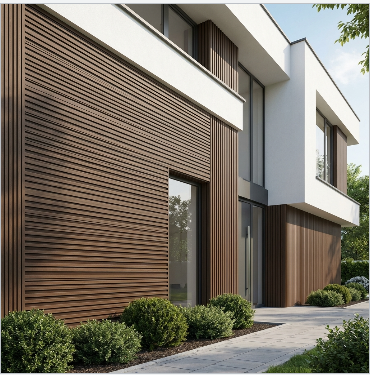
If your project calls for a sleek, contemporary look, Swisspearl is a brand worth exploring. They are a premier manufacturer of architectural-grade fiber cement panels, specializing in large-format sheets and panels that create stunning, modern facades. Their diverse range of sizes and finishes gives architects and designers incredible flexibility to achieve clean lines and unique designs that go beyond traditional lap siding. For projects where the exterior is a central design feature, Swisspearl offers high-impact solutions.
American Fiber Cement (AFC)
With over 30 years in the industry, American Fiber Cement (AFC) has earned a strong reputation for quality and reliability. Their extensive experience means they have a deep understanding of what it takes to create a durable, long-lasting product. Builders and contractors often rely on AFC for high-performance panels that stand up to the rigors of both commercial and residential construction. If you’re looking for a product from a company with a long and proven track record, AFC is a solid contender.
Cemintel
Cemintel has been a leading manufacturer in Australia and New Zealand for over 25 years, creating products designed to perform in a wide range of climates. A key benefit of their product line is its versatility. Cemintel offers solutions for both exterior and interior applications, allowing for a cohesive design aesthetic throughout a property. Their focus on creating cladding that suits various architectural styles has made them a popular choice for builders and homeowners looking for adaptable and reliable building materials.
Best Practices for Installation and Maintenance
To get the most out of your investment, proper installation and upkeep are non-negotiable. While fiber cement is incredibly resilient, its performance and longevity depend heavily on how it’s handled from day one. Following best practices ensures your cladding not only looks fantastic but also provides decades of protection for your home. Think of it as setting your exterior up for success.
Leave Installation to the Pros
This is one of those jobs where hiring a professional is almost always the right call. Fiber cement panels are heavy, bulky, and can be brittle before they’re installed, making them difficult to manage without a team. Cutting the material requires specialized tools and techniques to get clean, precise lines. An experienced crew understands how to properly handle the panels, manage dust safely, and ensure every piece is perfectly aligned and fastened. A professional siding installation also guarantees that crucial details like flashing and moisture barriers are correctly placed, protecting your home from water damage and preserving your product warranty.
Proper Handling and Cutting
For contractors and skilled DIYers taking on the job, precision is everything. When cutting fiber cement boards, it’s wise to account for small cutting errors with an allowance of about +/- 1/8 inch. You’ll also need to factor in a tolerance of +/- 3/16 inch for how square the material is. Using the correct diamond-tipped blades will give you the cleanest cuts and prevent chipping. Most importantly, cutting fiber cement creates silica dust, which is a health hazard. Always wear a respirator, cut outdoors, and use a saw with a dust collection system to minimize exposure and keep your work area safe.
Long-Term Care and Cleaning Tips
One of the best things about fiber cement is how little maintenance it needs. To keep it looking fresh, a gentle cleaning once or twice a year is usually all it takes. Use a soft brush or cloth with a simple solution of mild soap and water to wash away any dirt or grime. It’s best to avoid high-pressure power washers, as they can damage the surface and force water into seams. While the factory finish is durable, you should plan on repainting your cladding every 10 to 15 years to maintain its color and protective qualities. Periodically inspecting the caulked joints and touching them up as needed will also prevent moisture from getting behind the panels.
How to Choose the Right Fiber Cement Panels
You're sold on the benefits of fiber cement, but now comes the fun part: picking the right panels. With different textures, sizes, and finishes available, the choice can feel a little overwhelming. It really just comes down to three key things: your local weather, your design vision, and your budget. Let's walk through each one so you can feel confident in your decision.
Factor in Your Climate
One of the biggest advantages of fiber cement is its incredible resilience. It’s engineered to handle tough weather conditions without breaking down. Whether you’re dealing with intense sun, heavy rain, or freezing temperatures, these panels hold their own. They can stand up to strong winds, hail, and UV rays without fading or cracking like other materials might. This makes fiber cement a reliable choice for homes in virtually any climate, from the humid Southeast to the snowy Northeast. You get peace of mind knowing your exterior is built to last.
Align with Your Project's Needs
What look are you going for? Fiber cement cladding is a popular choice because it's so versatile. It can mimic the appearance of materials like wood, stone, or brick, giving you tons of design freedom without the maintenance headaches. You can find it in a wide range of colors and textures, from smooth panels for a clean, modern aesthetic to wood-grain finishes for a traditional feel. Whether you're updating a classic home or building a contemporary space, there are fiber cement boards that will fit your vision. Think about your property's architecture and choose a panel that complements it.
Balance Cost and Long-Term Value
Let's talk numbers. Fiber cement is a premium product, and its upfront cost is higher than alternatives like vinyl. But it’s important to think about the long-term value. Because it's so durable and resistant to rot, pests, and fire, you'll spend far less on repairs and replacements over the years. This siding has an excellent return on investment for home improvement projects. While the initial investment is bigger, the longevity and low maintenance of fiber cement often make it the more economical choice over the life of your home.