
🔄
Skip to content

Cart

Your cart is empty

Article: Your Guide to Exterior Cement Board Panels

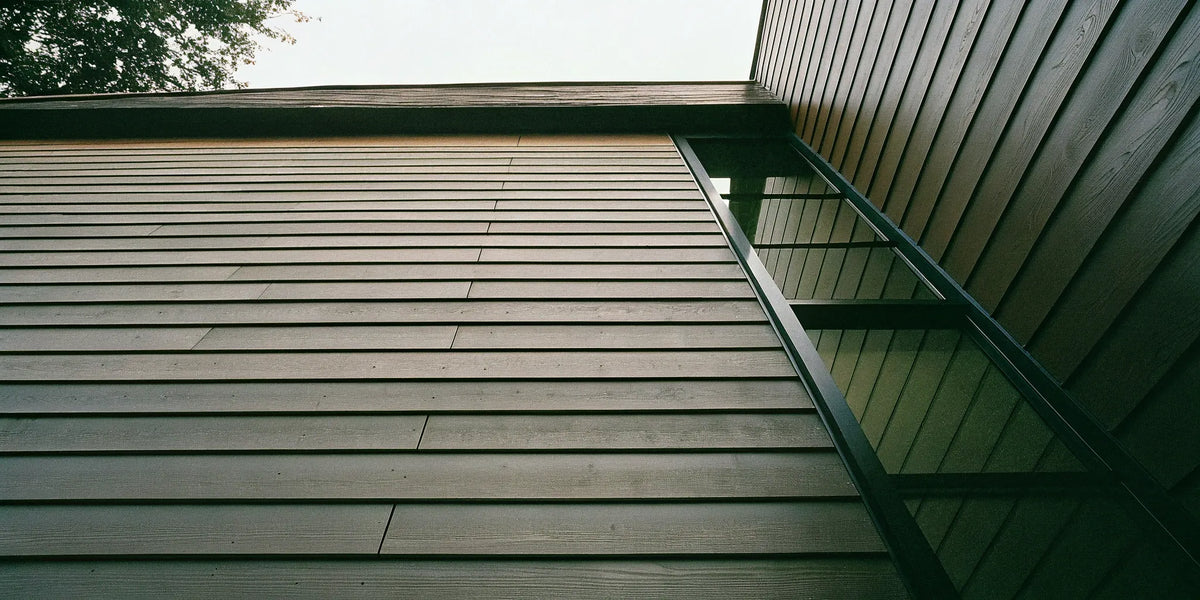
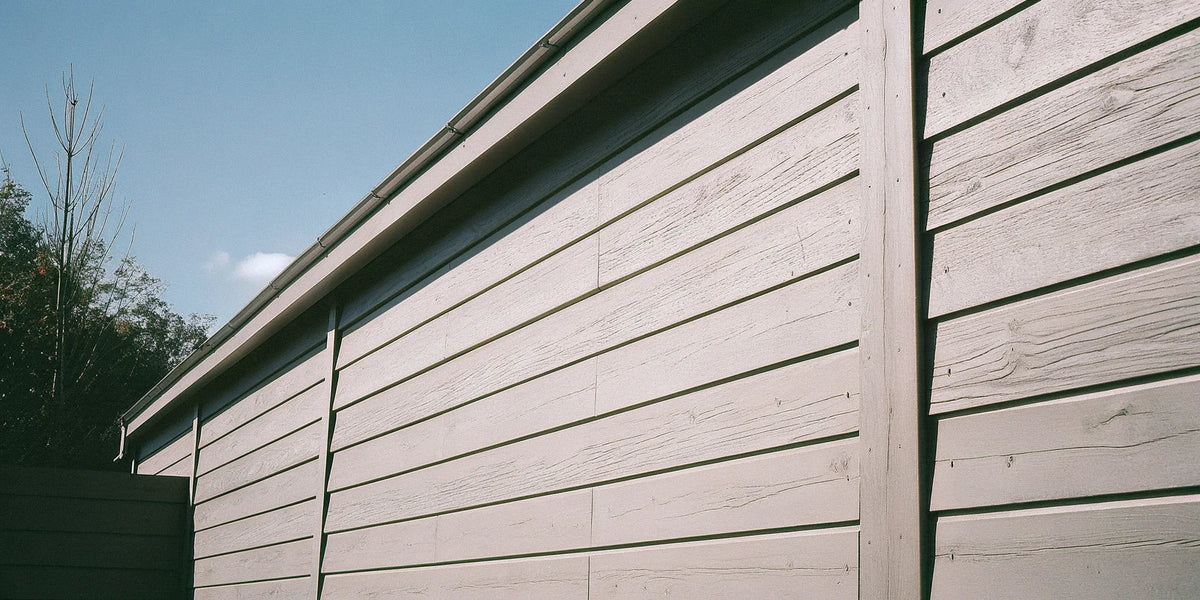
Exterior cement board panels installed as durable siding on a modern building.

Your Guide to Exterior Cement Board Panels

Choosing the right siding for your home or commercial building feels like a huge decision, because it is. You're not just picking a color; you're selecting the protective shield that will defend your property from weather, pests, and time. Traditional materials like wood require constant upkeep—sanding, staining, and worrying about rot. If you're tired of that cycle and looking for a modern solution that blends serious strength with clean aesthetics, you’ve come to the right place. This guide is all about exterior cement board panels, a durable, low-maintenance material that delivers long-lasting performance. We'll cover what they are, why they outperform other options, and what you need to know before you start your project.

Key Takeaways

  • Prioritize Long-Term Value Over Upfront Cost: While cement board may have a higher initial price than some materials, its incredible resistance to rot, fire, and pests saves you significant money and effort on future maintenance and repairs.
  • Get Your Ideal Look Without Sacrificing Strength: Cement board offers complete design freedom. Choose from smooth, wood-grain, or other textures and paint it any color to create a custom exterior that's as stylish as it is durable.
  • Correct Installation is Crucial for Performance: To get the full benefits of cement board, the installation must be precise. This means managing dust safely, installing a proper moisture barrier, and using the right fasteners and sealants to create a weather-tight seal.

What Exactly Are Exterior Cement Board Panels?

Let's start with the basics. When you hear "exterior cement board panels," you might picture plain, industrial-looking concrete slabs. But the reality is much more versatile and stylish. These panels, often called fiber cement siding, are a popular building material used to protect and beautify the outside of homes and commercial buildings. They offer a modern, durable alternative to traditional materials like wood or vinyl siding.

Think of them as a high-performance shield for your property. They are engineered to handle whatever the weather throws at them while providing a clean, polished look. Whether you're aiming for a sleek contemporary design or a more classic aesthetic, these panels provide a solid foundation. They come in various textures and can be painted any color, giving you plenty of creative freedom for your project.

How They're Made

The magic behind cement board panels lies in their simple yet powerful composition. They are made by mixing Portland cement, sand, water, and cellulose fibers, which are essentially reinforced wood pulp. This mixture is pressed into sheets, cured, and cut into panels of various sizes. The cellulose fibers act like rebar in concrete, adding flexibility and strength to the final product. This process creates a material that is much stronger and more resilient than wood but lighter and easier to work with than solid concrete. It’s this unique blend that gives the panels their signature durability and weather-resistant qualities.

Key Features and Benefits

So, why are so many builders and homeowners choosing cement board? The benefits are pretty compelling. First off, they are incredibly durable. These panels are resistant to rot, termites, and other pests that can plague wood siding. They also stand up exceptionally well to impacts and won't warp or buckle in extreme temperatures. Plus, they are non-combustible, offering excellent fire protection for your home. Once installed and painted, fiber cement boards require very little maintenance, saving you time and money on upkeep over the years. They are a true set-it-and-forget-it solution for a beautiful, long-lasting exterior.

Why Choose Cement Board Over Traditional Siding?

When it comes to siding, you have plenty of options, from classic wood to affordable vinyl. But if you're looking for a material that blends incredible strength with modern style, it’s hard to beat exterior cement board. Unlike traditional materials that can demand constant upkeep and are vulnerable to weather and pests, cement board offers a robust, long-lasting solution that protects your investment while looking fantastic.

Choosing the right siding is about more than just curb appeal—it’s about protecting your home or building from the elements, ensuring its structural integrity, and minimizing future maintenance headaches. Fiber cement boards deliver on all these fronts, providing a unique combination of durability, safety, and design flexibility that other materials struggle to match. Let’s break down why so many builders and homeowners are making the switch.

Unmatched Durability and Weather Resistance

Exterior cement board is engineered to withstand just about anything nature throws at it. Made from a composite of cement, sand, and cellulose fibers, it’s exceptionally strong and resistant to common siding problems. While wood siding can rot, warp, or fall victim to termites and woodpeckers, cement board is impervious to pests and moisture damage. It won’t swell or crack when exposed to rain or humidity, and it stands up to harsh winds and even hail. This incredible resilience means your exterior will maintain its integrity and appearance for decades, saving you from costly repairs and replacements down the line.

Superior Protection from Fire and Moisture

Safety is a top priority for any building project, and this is where cement board truly shines. The material is non-combustible, which means it will not ignite when exposed to a direct flame or contribute fuel to a fire. This provides a critical layer of protection and peace of mind, especially for properties in areas prone to wildfires. Beyond its fire resistance, cement board’s ability to repel water prevents rot and the growth of mold and mildew. This not only protects the siding itself but also helps maintain the health of the underlying structure of your home or commercial building.

A Low-Maintenance Siding Solution

Let’s be honest—nobody loves spending their weekends scraping, staining, or repainting their home’s exterior. With cement board siding, you can reclaim your free time. This material is famously low-maintenance, requiring little more than an occasional wash with soap and water to keep it looking fresh. Unlike wood, it doesn’t need periodic sealing or staining. And because cement board holds paint exceptionally well, you won’t have to worry about frequent repainting due to chipping or peeling. This long-lasting finish and minimal upkeep make it a practical and cost-effective choice for any property owner.

Versatile Designs for Any Aesthetic

Durability doesn’t have to come at the expense of style. Cement board panels offer incredible design flexibility to suit any architectural vision, from modern farmhouses to sleek commercial buildings. The panels can be installed to create a clean, contemporary look or combined with trim to achieve classic styles like board-and-batten. They come in various textures, including smooth finishes for a minimalist feel and wood-grain patterns for a more traditional look. Plus, since cement board can be painted any color, your design possibilities are endless. You can easily pair it with other modern elements like steel doors and windows to create a cohesive and striking exterior.

Comparing the Top Exterior Cement Board Brands

Once you’ve decided that fiber cement is the right choice for your project, the next step is picking a brand. While many brands offer similar core benefits, they differ in their product lines, warranties, and reputation. Let’s walk through some of the top names in the industry so you can find the perfect fit for your home or building.

USA Builders Depot Fiber Cement Boards

As a direct supplier, we offer high-quality fiber cement boards designed for durability and performance. Our panels provide a reliable, cost-effective solution for both residential and commercial projects, giving you a strong foundation for any exterior finish. Because we work directly with builders and homeowners, we focus on delivering a straightforward product that meets rigorous standards for weather resistance and longevity. We encourage you to explore our product specifications and see how our boards can fit into your design plans. For firsthand accounts, checking our customer reviews can also provide valuable insight from others who have used our materials.

James Hardie

You can’t talk about fiber cement without mentioning James Hardie. The company is a giant in the industry and is often considered the benchmark for quality. Their products are known for being incredibly tough and able to withstand harsh weather, from intense sun to freezing temperatures. Homeowners and contractors often praise James Hardie siding for its exceptional durability and long lifespan. The brand has built a strong reputation over decades, making it a go-to choice for those who want a proven, premium product for their home’s exterior.

CertainTeed

CertainTeed is another major player that competes directly with James Hardie. They are known for focusing on both performance and aesthetics, offering a wide range of colors and textures that appeal to homeowners looking for specific design styles. CertainTeed is often recognized for its innovative products that blend functional benefits with great looks. If you’re looking for a brand that gives you a lot of creative freedom without sacrificing the core strengths of fiber cement, CertainTeed is definitely one to consider for your project.

Allura

Allura is a strong contender, particularly praised for its resilience against pests. Their fiber cement siding is engineered to be resistant to termites and other wood-boring insects, which is a huge plus in many parts of the country. Professionals who use Allura often point out that it holds up well over time without warping or rotting, even in damp conditions. This makes it a solid, reliable choice for anyone concerned with long-term maintenance and protecting their home from both the elements and common pests.

LP SmartSide

You’ll often see LP SmartSide mentioned in discussions about siding, but it’s important to know that it’s a different type of product. LP SmartSide is an engineered wood siding, not a fiber cement board. It’s made from wood strands that are treated with resins and waxes to resist moisture and decay. While it’s a durable and popular alternative that competes with fiber cement in the market, its composition, installation, and maintenance needs are different. It’s a great product in its own right, but if you’re set on the specific benefits of cement, be sure you’re comparing apples to apples.

Understanding the Cost of Cement Board Panels

Planning your budget is one of the most important steps in any renovation project. While exterior cement board panels can have a higher upfront cost than some alternatives like vinyl, it’s an investment that pays off through incredible durability and low maintenance. When you look at the numbers, it’s helpful to break them down into three key areas: the cost of the materials, the price of professional installation, and the long-term value you get back. This approach gives you a complete picture of what to expect and helps you see why cement board is such a smart choice for your home or commercial building. Let's get into the details so you can plan your project with confidence.

Breaking Down Material Costs

The first piece of the puzzle is the cost of the fiber cement boards themselves. On average, you can expect the material to cost between $2 and $6 per square foot. The final price depends on a few things, like the panel’s thickness, texture, and whether it comes pre-primed or pre-painted. Premium styles with realistic wood grain finishes will naturally be at the higher end of that range. For contractors and builders managing large-scale projects, buying in bulk can significantly lower the per-unit cost. If you're a trade professional, exploring a trade program can give you access to better pricing and help keep your project on budget.

Factoring in Installation Expenses

Labor is a major component of the total cost, and it’s not an area where you want to cut corners. Professional installation typically adds another $2 to $8 per square foot. Why the wide range? Cement board is heavy and requires specialized tools for cutting to manage dust and ensure clean lines. Proper installation is also critical for creating a weather-tight seal that protects your home from moisture. A simple, single-story home will be on the lower end of the cost spectrum, while a multi-story house with complex angles or architectural details will require more time and expertise, pushing the labor costs higher.

Calculating Long-Term Value and ROI

This is where cement board truly shines. While the initial outlay might be higher, the return on investment is impressive. A full siding replacement with fiber cement can recoup a significant portion of its cost upon resale. The long-term value comes from its resilience; it resists rot, pests, and fire, so you won’t be spending money on frequent repairs or replacements. Plus, its low-maintenance nature saves you from the recurring costs of painting or staining that wood siding requires. When you add in potential savings on heating and cooling from its insulating properties, the total cost of ownership becomes much more attractive than less durable materials.

Common Uses for Exterior Cement Board Panels

Exterior cement board is incredibly versatile, making it a go-to material for a wide range of projects. Its strength and resistance to the elements open up possibilities beyond simple siding. Whether you're a homeowner planning a modern makeover or a contractor working on a large commercial building, there’s a good chance cement board is the right fit for the job. From creating sleek, contemporary home exteriors to providing a durable base for other finishes like stucco or stone, its applications are both practical and creative. Let's look at four of the most common ways these panels are used in construction and renovation.

Modern Residential Siding

If you're aiming for a clean, modern aesthetic for your home, exterior cement board is an excellent choice. Used as vertical siding, large-format panels create smooth, uninterrupted lines that feel fresh and contemporary. Unlike traditional lap siding, these panels minimize visual clutter and can make a home feel taller and more streamlined. They can be painted any color to match your design vision, from crisp whites to bold, dark hues. This versatility allows you to achieve a custom look that stands up to harsh weather while maintaining its stylish appearance for years.

Durable Commercial Exteriors

For commercial buildings, durability and low maintenance are top priorities. Exterior fiber cement boards deliver on both fronts, making them a popular choice for retail spaces, office buildings, and multi-family housing. These panels are tough enough to handle the high traffic and wear-and-tear common in commercial settings. Their resistance to impact, pests, and fire provides an extra layer of security and longevity, reducing the need for frequent repairs and replacements. This makes them a smart, cost-effective solution for business owners and property managers looking for a reliable exterior finish.

Backing for Stucco and Masonry Veneer

Cement board provides the perfect substrate for heavy exterior finishes like traditional stucco, synthetic stucco, and adhered masonry veneers such as brick or stone. Its rigid structure and high strength prevent the cracking and flexing that can occur with other backing materials. Using cement board as an ideal backing ensures that your final finish has a stable, water-resistant foundation. This application is crucial for ensuring the longevity and structural integrity of decorative exterior walls, giving you peace of mind that your beautiful stone or stucco facade will last.

Underlayment for Roofing and Insulation

In exterior wall assemblies, cement board plays a key role in the building's overall protective envelope. When used as sheathing, it creates a durable, water-resistant barrier that works with your roofing and insulation systems to protect the structure from moisture intrusion. Its ability to manage water and resist rot makes it a reliable component in wall systems designed for superior drainage and weather protection. This application is especially valuable in climates with heavy rain or humidity, as it helps keep the underlying structure dry and free from mold or decay.

Key Installation Tips to Know Before You Start

Installing exterior cement board is a manageable project, but a few key details can make the difference between a good result and a great one. Proper preparation and technique ensure your siding not only looks fantastic but also performs flawlessly for decades. Before you get started, let’s walk through some essential tips that will help you handle the material safely and achieve a professional, weather-tight finish that lasts.

Handling Weight and Safety

First things first: fiber cement boards are heavy and can be brittle before they’re installed, so it’s best to have two people carry and lift each panel to prevent breakage. Always wear gloves to protect your hands and safety glasses to shield your eyes. It’s also important to remember that while cement board is incredibly durable, it doesn’t offer much in the way of insulation on its own. To keep your home comfortable and energy-efficient, you’ll need to install a separate layer of quality wall insulation behind the panels. This combination gives you the best of both worlds—a tough exterior and a well-insulated interior.

Controlling Dust During Cutting

This is a safety step you absolutely cannot skip. Cutting fiber cement panels creates fine silica dust, which is a serious respiratory hazard if inhaled over time. To protect yourself and your team, you must manage the dust at the source. The most effective method is to connect a HEPA-filtered shop vacuum directly to your circular saw’s dust port, which can capture the vast majority of particles. Always use a blade specifically designed for fiber cement for cleaner cuts and less dust. Additionally, wearing a NIOSH-approved N95 respirator provides an essential layer of personal protection.

Getting Gaps and Fasteners Right

Precision is key when it comes to placing your panels. You’ll need to leave a small gap—typically about 1/8 inch—where panels butt up against each other or meet trim. This space allows for natural expansion and contraction with temperature changes, preventing buckling or cracking over time. You’ll then fill these gaps with a high-quality, permanently flexible sealant designed for fiber cement. When fastening the panels, use only corrosion-resistant hardware. Hot-dipped galvanized nails or specially coated screws are the industry standard because they won’t rust and cause unsightly streaks down your beautiful new siding.

Installing Moisture Barriers and Sealants

Think of your wall system as a complete package. While cement board itself is highly resistant to water, it’s not a standalone waterproofing solution. You must install a high-quality weather-resistive barrier (WRB), or house wrap, directly over your wall sheathing before the panels go on. This barrier is your home’s primary defense against moisture intrusion. Once the wall panels are up, be meticulous about sealing every gap, joint, and opening around windows and doors with the appropriate exterior-grade caulk. A properly sealed envelope is crucial for preventing water damage, mold, and rot down the road.

Exploring Your Style and Type Options

One of the best parts about working with cement board is that you don’t have to settle for a single, industrial look. This material offers a surprising amount of design flexibility, allowing you to match your home’s architectural style or create a sleek, modern facade for a commercial building. From different sizes and textures to a wide spectrum of colors, you have plenty of options to bring your vision to life. Choosing the right combination of these elements is key to achieving a polished, professional finish. Whether you’re aiming for a classic wood-like appearance or a minimalist smooth surface, there’s a fiber cement board that fits the bill. This versatility ensures you get the durability you need without compromising on aesthetics, making it a go-to choice for contractors and homeowners alike.

Common Panel Sizes and Thicknesses

Cement board panels come in standard sizes that make planning and installation straightforward. Most large panels are available in 8- to 10-foot lengths and 3- to 4-foot widths, which are perfect for covering large surface areas quickly. If you prefer the look of traditional siding, you can also find cement boards cut into planks, typically ranging from 5 to 12 inches wide. The thickness also varies, usually between 0.2 and 0.7 inches. Thicker panels offer greater impact resistance and rigidity, making them ideal for high-traffic areas or regions with harsh weather, while thinner panels can be a more cost-effective solution for other applications.

Popular Textures and Finishes

Gone are the days when cement board meant a flat, gray surface. Today’s panels are available in a variety of textures that can mimic other, more traditional building materials. You can find finishes that replicate the warm, inviting look of wood grain, perfect for creating a rustic or classic feel without the maintenance that real wood requires. For a more contemporary design, smooth panels provide clean lines and a minimalist aesthetic. Other options include stucco-like textures that add depth and character to an exterior. This range of wall panels allows you to achieve your desired look while still getting all the performance benefits of fiber cement.

A Look at Color and Design Choices

When it comes to color, you have two main paths: pre-finished or ready-to-paint. Many manufacturers offer panels that come with factory-applied, baked-on paint. This process creates an incredibly durable and consistent finish that resists chipping, peeling, and fading far better than a standard paint job. It’s a great option if you want a low-maintenance solution that will look great for years. Alternatively, you can opt for primed panels that are ready for you to paint in any color you choose. This gives you complete creative control to match your exterior trim, doors, or other design elements perfectly.

How to Choose the Right Cement Board Panels

Once you’ve decided that cement board is the right material for your project, the next step is picking the perfect panels. With different brands, thicknesses, and features available, making the right choice ensures your exterior will look great and perform well for years to come. It’s not just about picking a color; it’s about matching the product to your home’s specific needs. Thinking through a few key factors will help you select panels that offer the best combination of durability, performance, and style for your project.

Look for Quality and Certifications

When you’re investing in your home’s exterior, quality should be at the top of your list. High-quality fiber cement boards are made to last, resisting warping, rotting, and pests far better than lower-grade alternatives. Reputable manufacturers put their products through rigorous testing to ensure they meet strict industry standards. Look for panels that have clear certifications for things like fire resistance and impact durability. These certifications aren’t just marketing fluff; they are a guarantee that the product has been independently verified to perform as promised, giving you peace of mind that your investment is well-protected.

Consider Your Local Climate

The weather in your area has a huge impact on how your siding will perform over time. A panel that works perfectly in a dry, mild region might not hold up in a place with heavy rain, high humidity, or freezing temperatures. Some manufacturers even engineer their products specifically for different climate zones to provide optimal protection against everything from hurricane-force winds to brutal winter storms. Before you buy, think about your local weather patterns. Does it rain a lot? Is it prone to hail? Choosing a cement board designed to handle your specific climate is one of the smartest decisions you can make.

Check Local Building Code Requirements

This step is absolutely essential, especially if you’re tackling the installation yourself. Local building codes are in place to ensure safety and structural integrity, and they often have specific requirements for exterior materials. These codes can dictate everything from the thickness of the panels you need to the type of fasteners and moisture barriers required for a compliant installation. A quick visit to your local building department’s website or a call to their office can save you from major headaches, failed inspections, and costly redos. Making sure your chosen panels meet these regulations from the start ensures your project goes smoothly.

Maintaining Your Exterior Cement Board Panels

One of the best things about choosing exterior cement board is how little you have to worry about it once it’s installed. Unlike wood siding that needs constant attention, fiber cement boards are designed to be incredibly low-maintenance. However, a little bit of care goes a long way in keeping your home’s exterior looking fresh and ensuring the panels last for decades. With a simple annual check-up, you can protect your investment and keep your siding in top condition.

Simple Cleaning and Care Tips

Keeping your cement board panels clean is surprisingly easy. For most of the year, you can just let them be. Once or twice a year, give them a gentle rinse with a garden hose to wash away dust and dirt. If you notice any stubborn spots, you can use a soft brush or cloth with mild soap and water. It’s important to avoid using a high-pressure washer, as the intense spray can damage the paint finish or force water into the seams. A simple, gentle cleaning is all it takes to maintain that crisp, clean look.

How to Inspect for and Repair Damage

A quick annual inspection will help you catch any minor issues before they become bigger problems. Walk around your property and look at the siding up close. Check the caulking around windows, doors, and corner trim to make sure it’s still intact and flexible. Look for any chips or cracks in the paint, which can happen from stray baseballs or leaning tools against the house. Because properly installed fiber cement is so resistant to moisture, you rarely have to worry about mold or rot. If you find any peeling caulk or chipped paint, simply clean the area and apply a fresh coat of high-quality exterior paint or sealant.

What to Expect for Long-Term Performance

Fiber cement siding is built to last, with many products offering warranties of 30 years or more. Its durable composition resists warping, rotting, and pests, so you won’t be dealing with the constant repairs that wood siding often requires. Beyond its physical strength, fiber cement also provides excellent insulation, which can help make your home more energy-efficient and potentially lower your heating and cooling bills. While the boards themselves are incredibly resilient, the paint finish will naturally age over time. Depending on your climate and the quality of the paint, you can expect to repaint your siding every 10 to 15 years to keep it looking its best.

Related Articles

Read more

A modern building with sleek, horizontal fiber cement cladding panels.
Fiber cement board

Fiber Cement Cladding Panels: Pros, Cons & Costs

Get the facts on fiber cement cladding panels, including pros, cons, costs, and top brands to help you choose the best siding for your home or building.

Read more
Black interior steel French doors with glass panels used as a modern room divider.
Steel Door

Steel French Doors Interior: A Buyer's Guide

Find out how steel french doors interior can add style and durability to your home. Get tips on styles, costs, installation, and maintenance.

Read more