
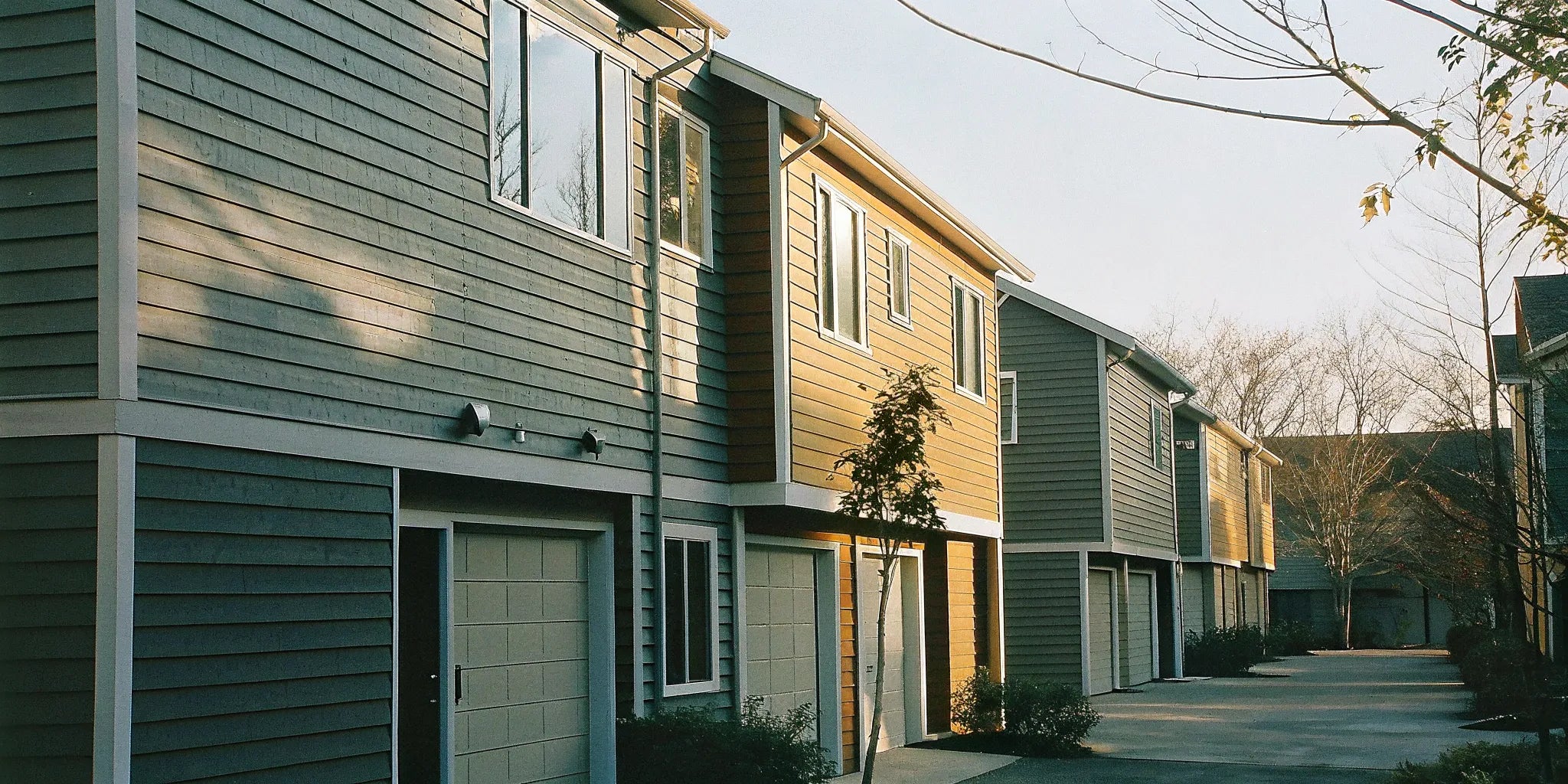
Fiber Cement Exterior Siding Panels: A Complete Guide

Your home’s exterior is a blank canvas, and the siding you choose defines its entire personality. For years, achieving a beautiful, high-end look often meant committing to the demanding upkeep of wood siding. But you don’t have to choose between style and practicality anymore. Fiber cement siding offers the best of both worlds, giving you the rich texture of wood grain or a sleek, smooth finish without the headaches. It holds paint beautifully and resists fading, so your home looks fresh for years. We’ll show you the amazing design versatility of fiber cement exterior siding panels and how they can help you create the exact look you want for your home.
Key Takeaways
- Fiber cement is the superior choice for durability: It’s engineered to resist the common issues that plague other materials, like the rot and pests that damage wood or the cracking and melting that can affect vinyl.
- Proper installation is non-negotiable: The material's weight, specialized cutting needs, and strict requirements for moisture control mean that a professional installation is the best way to guarantee a long-lasting, weather-tight result.
- Look beyond the initial price tag: While fiber cement may have a higher upfront cost than vinyl, its incredible longevity and minimal maintenance needs save you significant money on repairs and repainting over time, delivering a better return on investment.
What Is Fiber Cement Siding?
If you’re looking for an exterior siding that can handle just about anything life throws at it, fiber cement is a fantastic choice. It’s a composite material that has earned a reputation for being incredibly strong and long-lasting, easily outperforming traditional options like wood or vinyl in many climates. Think of it as the perfect blend of good looks, resilience, and peace of mind for your home’s exterior.
But what exactly is it, and why do so many builders and homeowners trust it? Let’s break down what it’s made of, how it holds up in the real world, and clear up a few common myths.
What It's Made Of and How It's Made
The magic of fiber cement siding comes from its simple yet powerful ingredients: Portland cement, sand, water, and cellulose fibers (basically, wood pulp). These components are mixed into a slurry, pressed into sheets or planks, and then cured with high-pressure steam. This process creates an exceptionally dense and durable material that’s ready to protect your home. The cement provides strength and impact resistance, while the cellulose fibers add flexibility to prevent cracking. This combination results in versatile fiber cement boards that can be molded to mimic the look of wood grain, stucco, or smooth panels without any of the vulnerabilities.
How It Performs in the Real World
When it comes to performance, fiber cement siding is a true workhorse. It’s engineered to resist the most common sources of siding damage. It won’t rot or warp when exposed to rain and humidity, and it’s unappealing to pests like termites and woodpeckers. It’s also non-combustible, which is a major safety advantage in fire-prone areas. Because it’s so stable, it holds paint exceptionally well, meaning you’ll spend less time and money on upkeep. When installed correctly, these exterior wall panels create a tight, weather-resistant barrier that keeps your home protected and looking great for decades. Proper installation is key to preventing any moisture issues, ensuring the siding performs as expected.
Busting Common Fiber Cement Myths
A few misconceptions about fiber cement siding still float around, so let’s set the record straight. One common myth is that it’s susceptible to moisture damage. While any siding can have issues if installed improperly, fiber cement itself doesn’t rot. Problems typically arise from poor installation practices, not the material itself. Another myth is that it’s a high-maintenance product. Compared to wood siding that needs regular staining and sealing, fiber cement is quite low-maintenance—a simple wash is usually all it needs to stay looking fresh. Finally, some people think it’s just another version of vinyl, but it’s far more durable, won’t melt from heat, and offers superior fire protection.
Fiber Cement vs. Wood and Vinyl: Which Is Better?
Choosing the right siding for a home is a huge decision. It’s the property’s first line of defense against the elements and defines its curb appeal for decades. While wood offers timeless charm and vinyl provides an affordable option, fiber cement has emerged as a powerful contender that blends the best of both worlds—and then some. It delivers outstanding performance without forcing you to compromise on style.
So, how does it really stack up against the old standbys? Let's break down the comparison across the four areas that matter most: durability, safety, design, and long-term value. By looking at how each material performs under pressure, you can get a clear picture of which one is the right investment for your project.
Durability and Weather Resistance
When it comes to standing up to Mother Nature, fiber cement is in a class of its own. Made from a composite of cement, sand, and cellulose fibers, it’s engineered to resist common issues that plague other materials. Unlike wood, it won’t rot, warp, or swell when exposed to rain and humidity. And unlike vinyl, it doesn’t become brittle and crack in freezing temperatures or buckle under intense heat. This resilience makes fiber cement boards an excellent choice for nearly any climate, from hot and humid summers to cold, icy winters. It holds its shape and integrity, providing a reliable shield for the home year after year with minimal fuss.
Fire and Pest Protection
A home’s exterior should protect it from all kinds of threats, including fire and pests—and this is where fiber cement truly shines. It is non-combustible, meaning it will not ignite when exposed to a direct flame or contribute fuel to a fire. This provides a critical layer of safety and peace of mind that wood siding simply can’t offer. Furthermore, its composition makes it impervious to pests. Termites, woodpeckers, and other insects that can destroy wood siding have no interest in fiber cement. While vinyl is also pest-resistant, it can melt and warp in high heat and will burn in a fire, making fiber cement the clear winner for all-around protection.
Design Flexibility and Lasting Color
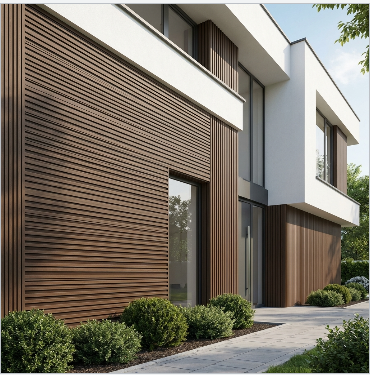
You don't have to sacrifice beauty for brawn. Fiber cement siding offers incredible design versatility, allowing you to achieve almost any aesthetic. It can be manufactured with a deep, realistic wood grain texture that rivals authentic timber, or with a sleek, smooth finish perfect for modern designs. The material holds paint exceptionally well, and many products come with factory-applied, baked-on color for a vibrant finish that resists fading. This gives you a huge advantage over wood, which requires frequent staining and painting, and vinyl, which can have a plastic-like appearance and limited color palettes. With a variety of wall panels and finishes, fiber cement lets you create a custom look that lasts.
Long-Term Value and Eco-Friendly Perks
While fiber cement can have a higher upfront cost than vinyl, it delivers superior long-term value. Its incredible durability and low maintenance needs mean you’ll spend far less time and money on repairs, repainting, and replacements over the life of your home. This impressive return on investment makes it a smart financial choice. For contractors, installing a product this reliable means fewer callbacks and more satisfied clients, which is why many professionals join our trade program for bulk discounts. Additionally, fiber cement is made from sustainable materials like wood pulp, cement, and sand, and its long lifespan means less waste ends up in landfills, making it a more environmentally responsible choice.
A Look at Top Fiber Cement Siding Brands
When you start shopping for fiber cement siding, you’ll quickly notice a few key names that consistently come up. Each brand brings something unique to the table, whether it’s a special color application process, a specific texture, or a focus on commercial-grade durability. Understanding these differences can help you narrow down the perfect fit for your project’s aesthetic and performance needs.
Choosing a brand isn’t just about the product itself; it’s also about availability, support, and how easily you can get it to your job site. Some brands are known for their widespread availability in big-box stores, while others are sourced through specialty suppliers. We’ll walk through a few of the top players in the fiber cement world, including industry giants and the high-quality options available directly from comprehensive suppliers. This will give you a clearer picture of what’s out there and help you make a more informed decision for your home or building.
USA Builders Depot Fiber Cement Boards
While you explore different manufacturers, it’s smart to consider the high-quality options available from a dedicated building supplier. Sourcing directly from a place like USA Builders Depot means you can get durable, reliable fiber cement boards alongside all your other project materials, from steel doors to flooring. This streamlines your purchasing process and logistics, saving you time and coordination headaches. For contractors and builders, this is especially valuable. Taking advantage of a trade program can also provide access to bulk pricing and specialized support, making it a cost-effective and efficient choice for projects of any scale.
James Hardie ColorPlus Technology
James Hardie is one of the most recognized names in fiber cement, largely due to its innovative ColorPlus® Technology. Instead of painting the siding after installation, this process involves baking multiple coats of a proprietary finish onto the boards in a controlled factory environment. The result is a vibrant, consistent color that’s engineered to resist fading, chipping, and cracking. According to the company, this factory finish provides a longer-lasting color than a standard paint job. For homeowners, this means less maintenance over the years, and for contractors, it means a predictable, high-quality finish straight out of the box.
Allura Traditional and Smooth Finishes
Allura stands out for its focus on aesthetic versatility, particularly with its lap siding. The brand offers two main styles that cater to different architectural tastes. Their Traditional finish features a deep, realistic wood grain texture that’s perfect for achieving a classic, rustic, or craftsman look. On the other hand, the Smooth finish provides a clean, crisp, and modern appearance ideal for contemporary designs. This variety in lap siding allows you to choose a texture that perfectly complements your home’s style, whether you’re aiming for timeless charm or sleek sophistication.
Nichiha Commercial and Residential Solutions
Nichiha is a brand that excels in producing fiber cement panels for both residential and large-scale commercial applications. Their product lineup is known for its impressive range of textures and finishes, including panels that mimic the look of metal, stone, and wood. This makes them a favorite among architects and designers looking for creative and durable cladding solutions. Nichiha’s focus on longevity and design ensures their products not only look great but are also built to withstand the demands of high-traffic commercial buildings and residential homes alike, offering a reliable and stylish exterior.
What to Know Before You Install Fiber Cement Siding
Fiber cement siding is an incredible investment in your home’s durability and curb appeal, but its performance hinges entirely on proper installation. Unlike vinyl, which can be more forgiving, fiber cement requires precision from start to finish. Getting the details right ensures your siding will last for decades, protecting your home from the elements while looking fantastic. Before you or your contractor picks up a single tool, it’s essential to understand the specific demands of working with this material. From its surprising weight to the critical need for moisture management, a successful installation is all about preparation and attention to detail. When you’re ready to get started, you can find high-quality fiber cement boards that provide a perfect foundation for your project. Taking the time to learn these key steps will save you from common pitfalls and help you achieve a professional, long-lasting finish.
Handling the Weight
The first thing you’ll notice about fiber cement siding is its weight. These boards are significantly heavier than wood or vinyl, and they can be brittle before they’re installed. This isn’t a one-person job; you’ll need at least two people to carry and position the planks to prevent them from snapping or chipping. Careful handling is key. Dropping a board or flexing it too much can cause it to crack, rendering it useless. When planning your project, factor in the extra manpower needed for lifting and be sure to stack the material on a flat, dry surface to keep it stable and protected until you’re ready to install it.
Using the Right Tools and Techniques
Working with fiber cement requires a specific set of tools and methods. You can’t just use a standard wood-cutting blade; you’ll need a polycrystalline diamond-tipped (PCD) blade designed to cut through the dense material while minimizing airborne dust. It’s also crucial to follow the manufacturer’s guidelines for installation. This includes leaving the correct expansion gaps between boards, using proper flashing to direct water away, and sealing all cut edges with a primer before installation. These steps are non-negotiable, as they prevent moisture from seeping into the core of the board and compromising its integrity over time.
DIY vs. Hiring a Pro: What to Consider
Given the specific requirements, deciding between a DIY installation and hiring a professional is a major consideration. If you’re an experienced DIYer with the right tools and a patient helper, you can certainly tackle the project. However, if you’re unfamiliar with siding installation, it’s often best to hire a pro. An installer without the right training can make costly mistakes. When vetting contractors, ask specifically about their experience with fiber cement. A qualified professional will understand the nuances of the material and can often secure better pricing on materials through a trade program, ensuring the job is done right the first time.
Getting Flashing and Moisture Control Right
Proper water management is the most critical aspect of a successful fiber cement siding installation. If it isn’t installed perfectly with a complete weather-resistive barrier and flashing system, you risk serious moisture-related problems. Flashing—the thin, waterproof material installed around windows, doors, and corners—is your home’s primary defense against water intrusion. Any failure here can allow water to get behind the siding, where it can cause the boards to delaminate or break down. This is where most failed installations go wrong, so pay close attention to this step or ensure your contractor has a solid plan for moisture control.
How to Maintain Fiber Cement Siding
One of the biggest draws of fiber cement siding is its reputation for being incredibly low-maintenance. And while it’s true that you won’t be spending every weekend on upkeep, a little proactive care goes a long way in making sure your siding looks great and protects your home for decades. Unlike wood that needs constant attention, fiber cement boards just require a few simple checks throughout the year.
Think of it less like a chore and more like a quick health checkup for your home’s exterior. Most of the tasks are straightforward and don’t require special skills—just a bit of observation and timely action. Keeping up with minor tasks like cleaning and inspecting caulk prevents small issues from turning into bigger, more expensive problems down the road. With a consistent but minimal maintenance routine, your fiber cement siding will easily live up to its promise of long-lasting durability and beauty.
Inspecting Seams and Maintaining Caulk
The most critical part of maintaining your fiber cement siding is keeping moisture out. The seams between the panels are the most vulnerable spots, and the caulk is your first line of defense. If siding isn't installed with perfect waterproofing, it can lead to moisture problems. Once or twice a year, take a walk around your property and pay close attention to the caulk lines. Look for any areas where it’s cracking, shrinking, or pulling away from the siding. This is especially important around windows and doors. Catching a failing seal early can save you from water damage that can compromise the siding and the structure behind it.
When to Repaint and How to Protect the Color
High-quality fiber cement siding often comes with a factory-applied, baked-on finish that’s designed to last for years. Some brands use advanced methods where the color is cured onto the board for a vibrant, consistent finish that resists fading. You can expect a factory finish to last 15 years or more, but eventually, the sun and weather will take their toll. When you notice significant fading or a chalky texture, it’s time for a fresh coat. Before you start, make sure the surface is clean and dry. A high-quality, 100% acrylic exterior paint will give you the best results and help you achieve a professional finish.
Simple Cleaning and Mold Prevention Tips
Keeping your fiber cement siding clean is one of the easiest ways to maintain its appearance. A gentle wash once or twice a year is usually all it takes to remove dirt and grime. You can use a soft cloth or a soft-bristle brush with a simple solution of mild soap and water. Start from the top and work your way down, rinsing each section with a garden hose as you go. It’s important to avoid using a high-pressure power washer, as the intense spray can damage the siding’s surface and force water behind the panels. Regular cleaning also helps prevent mold and mildew from growing, especially on sides of the house that don’t get much sun.
Long-Term Care for a Lasting Finish
Fiber cement siding is engineered to outlast materials like wood and vinyl, and a little bit of care ensures it does just that. By regularly inspecting caulk, cleaning away dirt, and repainting when necessary, you protect your investment and keep your home’s exterior in top condition. These simple steps preserve the material’s integrity, preventing moisture intrusion and wear. For contractors and builders, teaching clients these easy maintenance tips adds value to your work and reinforces the quality of the materials you use. Professionals can even get exclusive pricing on materials through a trade program, making it easier to deliver lasting results for every project.
Understanding the Cost of Fiber Cement Siding
Investing in new siding is a big decision, and the cost is a major factor. Fiber cement siding is known for its durability and good looks, but it’s important to understand what goes into the final price tag. The total cost isn't just about the materials; it also includes labor, the specific style you choose, and the size of your home. While the upfront cost might be higher than some other options, fiber cement often proves to be a smart financial choice over the long run because of its low maintenance needs and incredible longevity. Think of it as an investment in your home’s protection and curb appeal that pays off for decades.
Before you get a quote, it helps to know the different elements that will influence the final number. From the type of panels or planks to the complexity of your home’s architecture, several variables come into play. We’ll break down what you can expect to pay, how it stacks up against other materials, and why it delivers such a strong return on investment.
What Determines the Final Price?
The final cost of fiber cement siding typically lands between $5 and $14 per square foot when you factor in both materials and installation. Labor is a significant part of the budget, often accounting for about two-thirds of the total project cost. That’s because fiber cement is heavy and requires specialized tools and expertise to install correctly. The material itself can range from under a dollar to over $6 per square foot, depending on whether you choose planks, shingles, or large panels. The size and architectural complexity of your home will also play a role in the final installation cost.
How Its Cost Compares to Other Siding
So, how does fiber cement stack up against other popular siding options? It’s generally more expensive than vinyl siding upfront, but it offers far greater durability and a more premium look. Unlike wood, fiber cement won't rot, warp, or fall victim to pests, which saves you from costly repairs down the road. While wood has a classic appeal, it requires constant maintenance like staining and sealing. Fiber cement gives you that beautiful finish without the demanding upkeep, making it a more economical choice over the life of your home.
Finding Deals and Trade Program Benefits
You can find ways to manage the cost without sacrificing quality. Keep an eye out for seasonal sales from suppliers, and always get multiple quotes to compare pricing. If you’re a contractor or trade professional, you can get significant savings by signing up for a trade program. At USA Builders Depot, our trade program offers exclusive discounts on high-quality materials, including our durable fiber cement boards. These savings can help you provide more competitive bids for your clients while still using top-tier products for a flawless finish.
Calculating the Long-Term Return on Investment
Fiber cement siding is one of the smartest investments you can make in your home’s exterior. Its incredible resistance to fire, moisture, pests, and weather means you won’t be spending money on frequent repairs or replacements. This durability helps it maintain its beautiful appearance for decades, which seriously enhances your home’s curb appeal. When it comes time to sell, homeowners often recoup a large portion of their initial investment, as buyers recognize the value of a low-maintenance, long-lasting exterior. The peace of mind and lasting value make it a financially sound choice.