


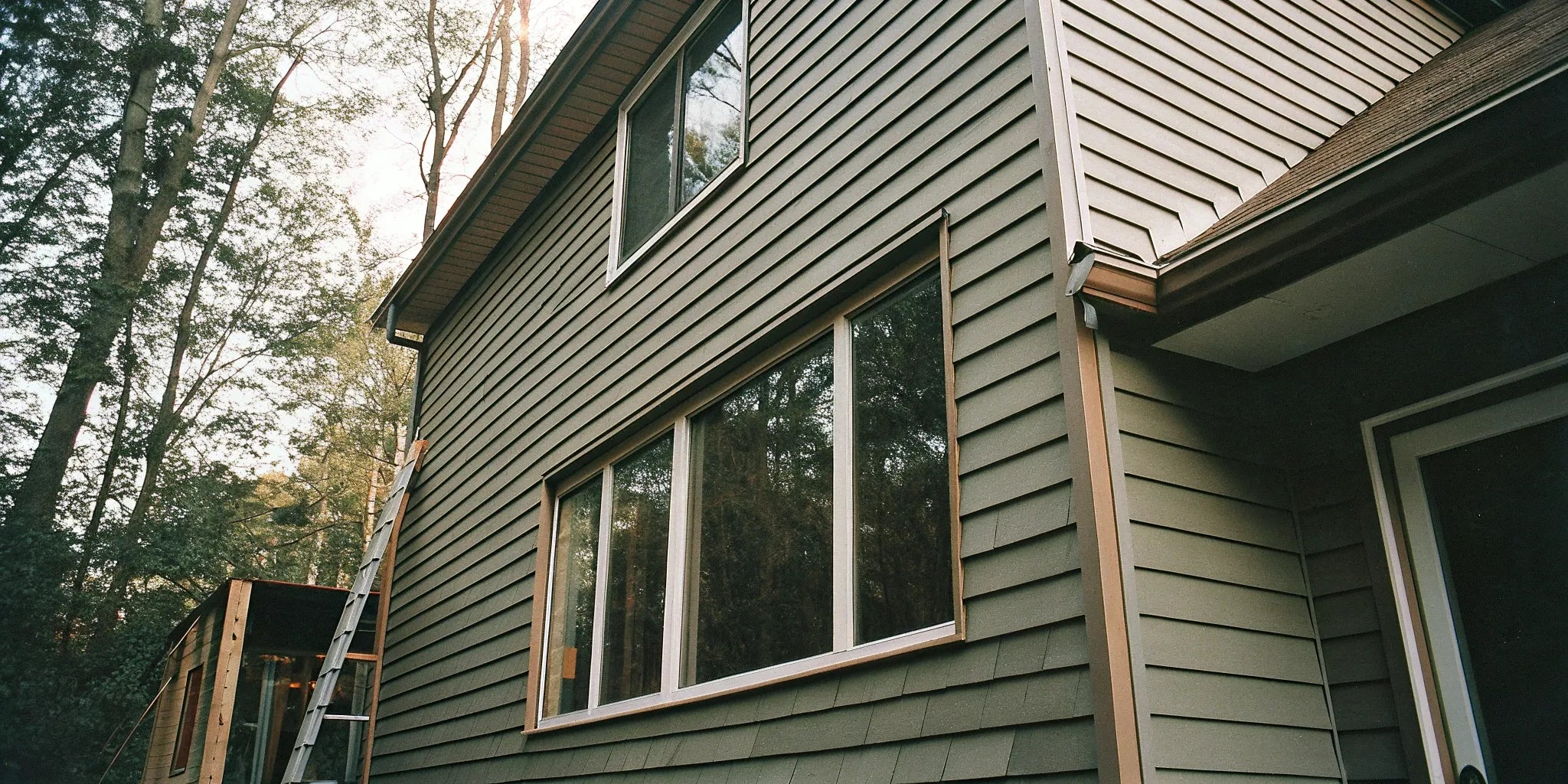
The Homeowner's Guide to Fiber Cement Siding
Let's be real: you want amazing curb appeal without signing up for a lifetime of maintenance. This is the core promise of fiber cement siding. It delivers the timeless beauty of wood grain or the clean lines of modern panels, but it won't rot, warp, or attract pests. Of course, great style is only half the story. A successful project depends on a material that performs as well as it looks. That’s why we’re breaking down all the pros and cons, so you can make a decision that feels right for your home.
Key Takeaways
- Focus on Long-Term Value: While the initial price is higher than vinyl, fiber cement's resistance to rot, pests, and weather damage saves you significant money on repairs and repainting over the life of your home.
- Always Hire a Professional Installer: This is not a DIY job. Proper installation requires special tools and safety measures to manage silica dust and the material's weight, and it's essential for protecting your warranty.
- Get the Look You Want Without the Upkeep: Fiber cement gives you the aesthetic of classic wood, modern stucco, or other high-end finishes, but it won't rot, burn, or attract pests, making it a durable and stylish choice for any climate.
What Is Fiber Cement Siding, Really?
If you’re looking for an exterior siding that blends serious durability with design flexibility, fiber cement is probably on your radar. It’s a composite material engineered to protect your home’s exterior from the elements without demanding constant upkeep. Think of it as the strong, silent type in the world of siding—it does its job exceptionally well without needing much attention. Unlike traditional wood that can rot or vinyl that can crack in extreme temperatures, fiber cement is built to last for decades. This makes it a smart investment for homeowners who want a long-term solution and a reliable choice for contractors who need to deliver quality results for their clients.
A Brief History of Fiber Cement
Fiber cement siding has a surprisingly long history, stretching back to the early 1900s. The original formula used asbestos fibers to add strength, a common practice at the time for many building materials. However, as the health risks of asbestos became clear, the industry made a major pivot in the 1980s. Manufacturers replaced asbestos with safe, plant-based cellulose fibers, completely transforming the product into the reliable material we know today. This evolution was a game-changer, creating a siding that was not only strong but also safe for builders and homeowners. This shift is what gives today’s fiber cement its impressive qualities, offering the beautiful look of wood without the constant worry of rot, pests, or weather damage. It’s why fiber cement boards have become such a popular choice for projects demanding both aesthetic appeal and long-lasting durability.
What's It Made Of?
At its core, fiber cement is a simple but powerful mix of cement, sand, and cellulose fibers (which is essentially wood pulp). This recipe creates a material that is incredibly tough and resilient. The cement and sand provide strength and impact resistance, while the wood fibers add just enough flexibility to prevent cracking under pressure. This unique composition is precisely why fiber cement boards are so resistant to common homeowner headaches like rot, insects, and even fire. It’s a material designed to stand firm against moisture and temperature changes, giving you peace of mind year after year.
A Look at Popular Styles and Finishes
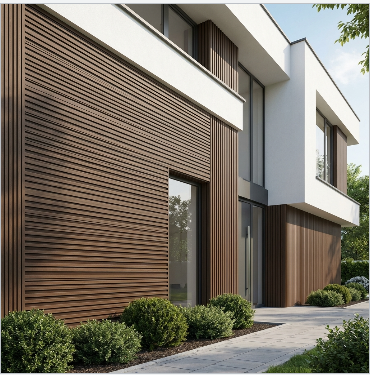
One of the best things about fiber cement siding is that you don’t have to compromise on style. It comes in a huge variety of options to match any architectural design, from coastal cottage to modern farmhouse. You can find it in traditional horizontal planks, vertical panels, or even shingles that mimic the look of cedar shakes. The finishes are just as versatile. Whether you want the classic, rustic appearance of wood grain, a sleek modern smooth surface, or a textured stucco look, fiber cement can deliver. It arrives either pre-painted from the factory or primed and ready for the custom color of your choice.
Common Fiber Cement Myths, Busted
Let’s clear up a few things about fiber cement. First, it is not a simple DIY project. While it’s tempting to save on labor, proper installation is critical and surprisingly complex—some manufacturer guides are over 150 pages long. Improper installation can void warranties and lead to moisture issues down the road. Another myth is that it’s indestructible. While incredibly durable once installed, the boards can crack if mishandled during transport or installation. Finally, safety is a major consideration. Cutting fiber cement produces fine silica dust, which is harmful to inhale, so wearing a protective mask is non-negotiable for anyone on the job site.
Why Homeowners Love Fiber Cement Siding
Fiber cement siding has become a go-to choice for homeowners and builders for good reason. It’s a material that solves a lot of common problems associated with exterior cladding, from weather damage to pest infestations. Its unique composition of cement, sand, and cellulose fibers creates a product that’s incredibly resilient without sacrificing style. If you’re looking for a low-maintenance siding that holds up for decades, fiber cement delivers.
This material is engineered to protect your home while giving you the design flexibility you want. Whether you're building a new home or giving your current one a facelift, the benefits often outweigh the initial investment. It’s a practical choice that provides a strong return through durability, safety, and curb appeal. Let's get into the specific advantages that make fiber cement boards such a popular and practical choice for projects of any scale.
Stands Up to Any Weather
One of the biggest draws of fiber cement is its sheer toughness. This isn't a material that will warp, rot, or buckle after a few seasons of harsh weather. It stands up to just about everything Mother Nature can throw at it—from heavy rain and hailstorms to intense sun and freezing temperatures. Unlike wood, it doesn't absorb moisture, which prevents the kind of decay that can lead to costly repairs. This durability means your home's exterior will look great for years with minimal upkeep, giving you peace of mind no matter the forecast.
Resists Fire, Rot, and Pests
Here’s a benefit you can’t overlook: fiber cement is non-combustible. It won't ignite when exposed to a direct flame, nor will it fuel a fire. This is a critical safety feature, especially for homes in areas prone to wildfires. Beyond fire safety, fiber cement offers excellent protection against pests. Annoying critters like termites and woodpeckers can’t chew through it or build nests in it, saving you from the headaches and expenses of pest-related damage. This dual resistance to both fire and insects makes it one of the most secure siding options available.
Get the Look You Want
Your home’s exterior is the first impression it makes, and fiber cement ensures it’s a good one. This material is incredibly versatile and can be manufactured to mimic the look of wood lap siding, shingles, stone, or even stucco. It comes in a wide array of colors and textures, allowing you to achieve almost any aesthetic, from a classic farmhouse to a sleek, modern design. You can pair it with other high-end materials like our steel windows and doors to create a cohesive and polished look that truly reflects your personal style.
Health and Air Quality Benefits
Choosing the right siding is about more than just curb appeal—it directly impacts the health of your home's interior. Fiber cement is a standout option for creating a healthier living space because it’s made without the toxic additives found in some synthetic materials. It’s recognized for having low volatile organic compounds (VOCs), meaning it won't release harmful chemicals into the air. This is a major win for indoor air quality. Plus, its excellent moisture resistance prevents the rot and warping that can lead to mold and mildew growth. For families, especially those with allergies or respiratory sensitivities, this makes fiber cement a reassuringly safe and responsible choice.
Can It Improve Your Home's Energy Efficiency?
A well-insulated home is a comfortable and cost-effective one, and your siding plays a big role in that. Fiber cement siding helps reduce heat transfer between the outside and inside of your home. In the summer, it helps keep the cool air in, and in the winter, it helps retain heat. This improved insulation can lead to lower energy consumption for heating and cooling, which means you could see a welcome reduction in your monthly utility bills. It’s a smart investment that not only protects your home but also contributes to its overall energy efficiency.
Could You Save on Homeowners Insurance?
Because fiber cement is so resistant to common hazards like fire, wind, and hail, many insurance companies view it as a lower-risk material. Some homeowners find that installing fiber cement siding can lead to a discount on their insurance premiums. While it’s not a guarantee and depends on your provider and location, it’s worth a call to your insurance agent to see if you can get a better rate. This potential for long-term savings, combined with its durability, adds another layer of financial benefit to choosing fiber cement for your home.
What Are the Downsides of Fiber Cement?
Fiber cement siding is an incredible material, but it’s not the right fit for every project or budget. To make a confident decision, it’s important to look at the full picture. Being aware of the potential downsides ahead of time helps you plan properly and ensures there are no surprises down the road. From the initial investment to the installation process and long-term care, there are a few key factors to weigh. This isn't about talking you out of it; it's about equipping you with the knowledge to choose the best materials for your home. Let's walk through the considerations you’ll want to keep in mind before you commit to fiber cement boards.
Breaking Down the Upfront Cost
There’s no getting around it: fiber cement siding has a higher upfront cost than some other options, like vinyl. The price of the materials combined with the specialized labor required for installation means you’ll see a bigger number on your initial quote. However, it’s helpful to think of this as a long-term investment. Because the siding is so durable and long-lasting, you won’t be paying for frequent replacements or repairs. While the initial spend is greater, many homeowners find that its longevity makes it a good investment over the life of their home.
Material vs. Labor Costs
When you get a quote for fiber cement siding, you'll see it's broken down into two main parts: the cost of the materials and the cost of labor. The siding itself typically runs between $5 and $14 per square foot, which includes both parts. The fiber cement boards are the foundation of the cost, but professional installation is a major factor, adding about $2 to $8 per square foot to the total. This isn't a place to cut corners; proper installation requires special tools and expertise to handle the material's weight and ensure a weather-tight seal. For an average-sized home, the total project cost often lands around $14,850, reflecting the value of both premium materials and skilled workmanship.
Potential Additional Costs
Your initial quote covers the siding and installation, but it's smart to budget for a few potential extras. First, you'll need to account for the removal and disposal of your old siding, which can cost anywhere from $0.70 to $2.00 per square foot. Once the old siding is off, your contractor might uncover hidden issues like rotted sheathing or mold, which need to be addressed before the new siding goes on. These repairs are critical for the long-term health of your home. Finally, don't forget about local building permits, which are often required for siding replacement projects. Factoring these potential expenses into your budget from the start will help ensure your project runs smoothly without any financial surprises.
Why Professional Installation Is a Must
This is not a DIY-friendly project. Installing fiber cement siding is a complex job that requires specific tools, training, and a deep understanding of how the material behaves. Improper installation can lead to moisture damage, cracking, and a voided warranty. Because of these complexities, it’s almost always best to hire a professional with proven experience installing this specific material. A pro will have the right equipment and know-how to cut the boards correctly, manage the dust, and ensure every piece is perfectly placed for a weather-tight finish.
Handle with Care: Pre-Installation Fragility
While fiber cement is celebrated for its toughness once it's up on your house, it can be surprisingly delicate beforehand. The boards are heavy, and if they're not handled carefully during transport or on the job site, they can easily chip or break. This isn't a material you can just toss around. Furthermore, cutting the siding creates fine silica dust, which is a significant health hazard. According to the Centers for Disease Control and Prevention, inhaling crystalline silica can cause serious lung diseases. This is why professional installers use specialized tools and wear protective masks—it's a non-negotiable safety step. These handling and safety requirements underscore why this job is best left to the pros, who have the experience to manage the material correctly from delivery to final installation.
It's Heavy: What That Means for Your Home
Fiber cement is a seriously heavy material. It’s incredibly dense, weighing around 300 pounds for every 100 square feet. This weight adds another layer of difficulty to the installation process. It requires more crew members to lift and secure the panels, and the structure of your home must be able to support the added load. This is another reason why professional installation is so critical. A qualified team will know how to handle the material safely and efficiently, ensuring the siding is installed without putting undue stress on your home’s frame.
What to Expect for Long-Term Maintenance
While fiber cement is low-maintenance, it’s not no-maintenance. To keep it looking its best and protecting your home effectively, you’ll need a long-term care plan. The factory finish is designed to last, but like any painted surface, it will eventually need a refresh. You should plan to clean the siding annually to remove dirt and grime. Depending on your climate and the amount of direct sun it gets, you’ll likely need to repaint it every 10 to 15 years to maintain its protective qualities and vibrant color.
Is Fiber Cement an Eco-Friendly Choice?
For those focused on green building, the environmental footprint of fiber cement is worth considering. The process of manufacturing cement is energy-intensive, uses a significant amount of water, and releases carbon dioxide. Furthermore, the siding itself is not recyclable at the end of its life. While its durability means you won’t be replacing it often—which reduces waste over time—the initial production process does have an environmental cost. This is a factor many homeowners weigh alongside the material’s performance and longevity.
How Does Fiber Cement Compare to Other Siding?
Choosing the right siding for your home is a big deal. It defines your home’s curb appeal, protects it from the elements, and plays a huge role in your long-term maintenance plan. While fiber cement is a fantastic material, it’s helpful to see how it stacks up against other popular options on the market. Each material has its own set of strengths and weaknesses, and the best choice often comes down to your budget, climate, and design goals. Let’s break down the key differences to help you decide which siding is the right fit for your project.
Fiber Cement Siding vs. Vinyl
This is the classic matchup of value versus upfront cost. Vinyl siding is typically less expensive to purchase and install, making it a go-to for budget-conscious projects. However, what you save initially, you might miss out on later. Fiber cement siding is known to add more resale value to a home because of its durability and premium appearance. It’s a much stronger material that can withstand impacts from hail or stray baseballs, whereas vinyl can become brittle over time and crack. If you’re looking for a long-term investment that feels solid and substantial, fiber cement boards often win out.
Fiber Cement Siding vs. Wood
Nothing beats the classic, natural beauty of wood siding. But that beauty comes with a demanding maintenance schedule. Wood is vulnerable to pests like termites, rot from moisture, and fire. To keep it looking its best and protecting your home, you’ll need to commit to repainting or restaining it every few years. Fiber cement gives you the best of both worlds. You can find it in a variety of textures that convincingly mimic wood grain, but it won’t rot, attract pests, or go up in flames. It’s the ideal choice if you love the look of wood but don’t want to sign up for a lifetime of upkeep.
Fiber Cement Siding vs. Aluminum
Aluminum siding is lightweight, recyclable, and relatively quick to install. It’s a practical choice, but it often falls short on aesthetics. Compared to the rich, textured look of fiber cement, aluminum can appear flat and is prone to noticeable denting and scratching. A hailstorm or a misplaced ladder can leave lasting marks that are difficult to repair seamlessly. Fiber cement, on the other hand, maintains its integrity and high-end look for decades. If curb appeal and durability are high on your priority list, fiber cement provides a more robust and visually appealing finish that holds its own against daily wear and tear.
Cost Comparison with Other Materials
When you're looking at siding, it's important to weigh the initial price tag against the long-term value. Fiber cement siding generally has a higher upfront cost than alternatives like vinyl, with prices often ranging from $5 to $14 per square foot installed. While that initial number might seem high, it’s best viewed as a long-term investment in your home. Because the siding is so durable, you won’t be paying for frequent replacements or repairs down the road. This longevity is a key reason many homeowners find they can save significantly on maintenance over the years.
In contrast, vinyl siding is a popular choice for budget-focused projects because it's less expensive to buy and install. However, what you save at the start, you might miss out on later. Vinyl often lacks the longevity and premium feel that adds to your home's value. As we've noted before, fiber cement siding is known to add more resale value to a home because of its durability and high-end appearance. The higher initial cost often pays for itself through fewer repairs and a stronger return on investment when it's time to sell.
Which Siding Is Best for Your Climate?
Your local weather is a major factor in choosing the right siding. This is where fiber cement truly shines as an all-around performer. It’s engineered to be highly resistant to almost any weather condition you can throw at it—from the intense sun and humidity of the South to the freezing temperatures and heavy snow of the North. Unlike wood, it won’t swell and rot in damp climates. Unlike vinyl, it won’t turn brittle and crack in the cold. Its stability makes it a reliable choice for any region, ensuring your home’s exterior, like durable exterior shiplap cladding, remains beautiful and functional for years.
Cost vs. Value: Is Fiber Cement Siding Worth It?
Choosing new siding is a major financial decision, but it’s helpful to think of it as an investment in your home's future. Fiber cement siding is a perfect example of this. While the initial price tag might be higher than some alternatives, its long-term value is hard to beat. To figure out if it’s the right fit for your budget, let’s break down the upfront costs, how it impacts your home’s resale value, and the savings you can expect down the road. This will give you a complete picture of what you’re really paying for.
How to Budget for Your Siding Project
When you’re planning your budget, it’s important to account for both materials and installation. On average, you can expect fiber cement siding to cost between $5 and $14 per square foot, installed. The material itself is heavier than vinyl and requires a professional crew with the right tools, which is why labor costs are a significant part of the total price. For trade professionals, sourcing quality fiber cement boards at a competitive price is key. Programs that offer bulk discounts can make a big difference in your project's bottom line, so be sure to explore those options.
Average Project Costs
Let's talk numbers. The total cost for a fiber cement siding project can vary, but it's good to have a ballpark figure in mind. For a typical home, the average installation cost lands around $14,850. To get more specific, you can expect to spend anywhere from $7,500 to $21,000 for a 1,500-square-foot home, depending on the complexity of the job and the specific materials you choose. This range covers both the materials, which usually run from $5 to $14 per square foot, and the professional labor needed to get the job done right. While the initial investment is higher than what you’d pay for vinyl, it’s important to remember the long-term savings. Because fiber cement is so durable and requires very little maintenance, you'll avoid the recurring costs of repairs and replacements down the line, making it a smart financial move for your property's future.
Does Fiber Cement Siding Increase Home Value?
Absolutely. Investing in fiber cement siding is one of the smartest ways to improve your home’s curb appeal and, in turn, its market value. Potential buyers see it as a premium feature that signals durability and low maintenance—two things everyone wants in a home. Unlike siding that can look worn or dated after a few years, fiber cement holds its own, looking fresh and clean for decades. This lasting quality means you’ll likely see a strong return on your investment if you ever decide to sell. It’s a renovation that pays for itself in both beauty and equity.
Where You'll See Long-Term Savings
This is where fiber cement truly shines. While the upfront cost is a key consideration, the long-term savings often make it a more economical choice over its lifespan. Because it resists rot, pests, and fire, you’ll spend far less on repairs and replacements compared to wood siding. You also won’t need to repaint it nearly as often, saving you thousands in maintenance costs over the years. When you add up the money saved on upkeep, fiber cement’s initial price becomes much more manageable. It’s a durable, low-maintenance solution that provides peace of mind and protects your wallet for decades.
Expected Lifespan and Warranty
When you invest in new siding, you’re playing the long game. One of the most compelling reasons to choose fiber cement is its impressive lifespan—properly installed, it can easily last 50 years or more. This isn’t just a hopeful estimate; manufacturers stand behind their products with robust warranties, often ranging from 30 years to lifetime coverage. This kind of durability is a huge advantage over materials that might need repairs or a full replacement every decade or so. It means you can install it and have confidence that your home's exterior is protected for the foreseeable future.
This incredible longevity comes from its core composition. Because it’s made from a tough blend of cement, sand, and cellulose fibers, it naturally resists the common problems that plague other materials, like rot, warping, and pest damage. As experts at This Old House point out, this durability means you won’t be paying for frequent replacements or repairs down the line. So while the initial cost might be higher than vinyl, the long-term savings on maintenance make fiber cement a financially savvy choice over the life of your home. It’s an investment that provides peace of mind, knowing your home is protected for decades to come.
What Does Fiber Cement Installation Involve?
While the idea of a DIY project can be tempting, fiber cement siding is one of those materials where professional installation really pays off. The process is more involved than with other types of siding, requiring specific tools, techniques, and a deep understanding of how the material behaves. Proper installation is the key to unlocking all the benefits we've talked about, from weather resistance to longevity. A small mistake can lead to big problems down the road, like water damage or a voided warranty. Let's walk through what a professional installation looks like so you know what to expect and why it's the recommended route for a successful, long-lasting finish on your home.
What to Expect from a Professional Crew
Hiring a professional crew is about more than just getting the job done faster; it's about getting it done right. Experienced installers have the specialized skills and tools needed to handle fiber cement correctly. They know how to properly prepare your home's exterior, manage the weight of the panels, and ensure every board is perfectly aligned and secured. A key part of their job is correctly installing flashing and sealing around windows and doors to prevent water from getting behind the siding. Many manufacturer warranties even require installation by a certified professional, so hiring an expert protects your investment and gives you peace of mind. For contractors, having the right credentials can make all the difference, which is why many apply for trade programs to access professional resources.
Key Installation Techniques
The installation process for fiber cement is a craft in itself, demanding precision and specialized equipment. Professionals use diamond-tipped blades to make clean cuts without chipping the boards, a common issue with standard saws. A major focus during installation is safety, particularly managing the fine silica dust produced when cutting. This dust is harmful to inhale, so a reputable crew will use dust-collecting saws and wear protective masks. Beyond the cut, the attachment is just as critical. Installers must follow specific nailing patterns and leave precise gaps to allow for the material's natural expansion and contraction. A key part of their job is correctly installing flashing and sealing around windows and doors to prevent water from getting behind the siding, which is a crucial step detailed in our guide to fiber cement. This meticulous approach is what guarantees a weather-tight, long-lasting finish.
The Right Tools and Safety Gear for the Job
One of the biggest reasons to leave fiber cement installation to the pros is safety. When fiber cement boards are cut, they release fine silica dust, which is harmful to breathe in. Professionals come equipped with the right personal protective equipment (PPE), like masks and respirators, and use specialized tools designed to minimize dust. This includes saws with dust collection systems or special shears that cut the material without creating airborne particles. They also have the right ladders, scaffolding, and fastening tools to work safely and efficiently. This focus on safety protects not only the installation crew but also you and your family from exposure to hazardous dust during the project.
Advanced Dust Safety Measures
When installing fiber cement siding, safety is the top priority, especially with the fine silica dust created during cutting. This dust can be harmful if inhaled, which is why the experts at This Old House say wearing a protective mask is non-negotiable for anyone on the job site. To further manage exposure, it's best to use specialized tools. For example, attaching a regular shop vacuum to a circular saw can greatly reduce dust by as much as 80-90%. This is another area where professionals make a huge difference. They arrive with the right PPE and dust-minimizing equipment, which not only protects the installation crew but also safeguards homeowners and their families from potential exposure during the project. Taking these advanced safety measures ensures a healthier work environment for everyone involved.
Staying Compliant with Building Codes
Proper installation isn't just about looks—it's about meeting local building codes and the manufacturer's strict requirements. A professional installer is well-versed in these regulations, ensuring your new siding is fully compliant. This is crucial because an incorrect installation can compromise the siding's ability to protect your home from moisture, leading to potential water damage and costly repairs. Furthermore, manufacturers provide detailed installation guides, and failing to follow them precisely can void your warranty. A professional crew will make sure every detail is covered, from the type of fasteners used to the specific clearances required, ensuring your siding performs as intended for decades to come.
How to Care for Your Fiber Cement Siding
One of the biggest draws of fiber cement siding is that it doesn’t demand a lot of your time. Unlike wood that needs regular staining or vinyl that can warp and fade, fiber cement is designed to be incredibly low-maintenance, letting you enjoy your home’s beautiful exterior without a long list of chores. Because it’s a composite material, it naturally resists the things that plague other types of siding. You won’t have to worry about termites and other pests, and you can go years—often more than a decade—without thinking about repainting. This saves you both time and money on upkeep over the life of your home.
This durability is exactly why so many homeowners and builders choose fiber cement boards for their projects. The secret to keeping it looking brand new isn't a secret at all—it's just simple, routine care. A quick annual cleaning and regular inspections are usually all it takes to protect your investment and maintain your home’s curb appeal. With just a minimal amount of effort, your siding will look fantastic for years to come, protecting your home from the elements while looking sharp.
A Simple Routine for Cleaning and Inspections
Keeping your fiber cement siding clean is surprisingly simple. For the most part, a yearly rinse with a standard garden hose is enough to wash away dust and dirt. If you come across a more stubborn spot, just use a soft brush or cloth with a bit of mild soap and water to gently scrub it away. It’s best to avoid high-pressure washers, as they can sometimes damage the siding’s finish or force water into seams.
While you’re cleaning, take a moment to walk around your home and inspect the siding. Look for any small chips or cracks and check the caulking around windows, doors, and corner trim. Making sure these seals are intact is key to preventing moisture from getting behind the panels.
How to Handle Painting and Minor Repairs
Even though fiber cement holds paint exceptionally well, you may eventually want to refresh the color. Most factory-painted siding will look great for 10 to 15 years before a new coat is needed. When it’s time to paint, make sure the surface is clean and dry, and use a high-quality acrylic exterior paint for the best results.
If you notice a small crack or a chipped panel during one of your inspections, it’s a good idea to address it quickly. Small fixes are usually straightforward and can prevent water or pests from causing more significant issues down the road. Taking care of minor repairs as they appear is the easiest way to ensure your siding continues to protect and beautify your home for its entire lifespan.
Is Fiber Cement Siding Right for You?
You've weighed the pros and cons, compared materials, and analyzed the costs. Now it's time to bring it all together and decide if fiber cement siding is the right choice for your home. This final step is all about matching the material's benefits with your personal priorities, budget, and design vision. Thinking through a few key areas will give you the clarity you need to move forward with confidence, whether you're finalizing your order or exploring other options. Let's walk through the last few checkpoints on your list.
Key Questions to Ask Yourself
Before you make a commitment, take a moment for a gut check. Start with the most practical question: Does the higher upfront cost fit comfortably within your renovation budget? Think about the long-term value, too. Are you looking for a durable, low-maintenance solution that will protect your home for decades? Consider your home's aesthetic and whether the clean, versatile look of fiber cement aligns with your personal style. Answering these questions honestly will help you determine if the investment makes sense for your specific situation and goals.
How to Choose the Right Style for Your Home
One of the best things about fiber cement is its incredible versatility. It can be manufactured to mimic almost any other siding material, including classic wood lap, stone, or stucco, without the associated upkeep. You can find it in a huge range of colors, textures, and panel styles to perfectly complement your home’s architecture. When exploring different fiber cement boards, think about the overall character you want to create. Do you prefer smooth, modern panels or a more traditional, textured finish? Getting samples to see in person can make all the difference.
How to Find a Reputable Installer
Fiber cement is heavy and requires specific techniques for a successful installation, so this isn't a DIY-friendly project. Hiring a professional contractor who has proven experience with this material is essential. Proper installation ensures your siding will perform as expected and keeps your manufacturer's warranty intact. When vetting installers, ask for references and look at their past fiber cement projects. It's also a good idea to get quotes from a few different professionals. If you're a contractor yourself, remember to see if you qualify for a trade program to get the best pricing on materials.
Related Articles
- Everything You Need to Know About Fiber Cement Board
- Large-Format Fiber Cement Board – Durable & Stylish for Any Space
Frequently Asked Questions
You say fiber cement is low-maintenance, but then mention I have to repaint it. What does that mean? That’s a great question, and it’s all about perspective. When we say low-maintenance, we’re comparing it to materials like wood, which can require scraping, sanding, and re-staining every few years to prevent rot. With fiber cement, you’re looking at a simple cleaning once a year and a fresh coat of paint maybe once every 10 to 15 years. It’s more of a “set it and forget it” material for a decade at a time, rather than a product that needs constant attention season after season.
Can I really not install this myself to save on costs? While the desire to save on labor is completely understandable, this is one job where hiring a professional is the best way to protect your investment. Fiber cement is heavy, requires special cutting tools to manage harmful dust, and has very specific installation guidelines. A small mistake can compromise its weather resistance and even void the manufacturer’s warranty. Paying for a professional installation ensures the job is done safely and correctly, so your siding performs flawlessly for decades.
Is fiber cement siding actually cheaper than vinyl in the long run? Initially, vinyl siding costs less to purchase and install. However, fiber cement often proves to be the more economical choice over the life of your home. It’s far more durable, so you won’t be paying for repairs from cracking or hail damage. It also adds more resale value to your home because buyers recognize it as a premium, long-lasting material. When you factor in its longevity and minimal repair costs, fiber cement’s upfront investment delivers excellent long-term value.
How well does fiber cement actually mimic the look of real wood? Modern manufacturing technology has made fiber cement an amazing chameleon. The boards can be embossed with deep, realistic grain patterns that are often indistinguishable from real wood, especially from the curb. You get that timeless, classic aesthetic you love without any of the vulnerabilities. It won’t rot, warp, or attract termites, giving you the best of both worlds—the beauty of wood and the strength of cement.
Is fiber cement considered a 'green' or environmentally friendly building material? This is a bit of a trade-off. The manufacturing process for cement is energy-intensive and has an environmental impact. However, the incredible durability of fiber cement is its biggest environmental advantage. Because the siding lasts for 50 years or more, it doesn't need to be replaced often, which significantly reduces landfill waste over time compared to less durable materials. It’s a choice that prioritizes longevity and reduces the cycle of replacement and disposal.