
What Are Fluted Tambour Panels? A Complete Guide

You're always looking for materials that deliver a high-end look without a complicated install. That's where fluted tambour panels come in. These architectural panels are perfect for creating textured accent walls, sophisticated reception desks, and custom-looking cabinetry. Their real magic? They wrap seamlessly around curved surfaces, offering a flexibility that standard wall coverings can’t match. This guide is your practical playbook for using them in your projects, covering everything from material selection and durability to trade pricing and installation tips.
Key Takeaways
- Add Instant Architectural Interest: Fluted panels are a straightforward way to introduce texture and depth to flat surfaces. Their vertical lines create a sophisticated play of light and shadow that makes any space feel more dynamic and custom-designed.
- Use Them Anywhere for a Custom Touch: These panels are incredibly versatile and can be adapted to almost any project. Use them to create a stunning accent wall, wrap a kitchen island, upgrade furniture, or add a professional finish to a commercial lobby.
- Achieve a High-End Look with Practical Benefits: Beyond their visual appeal, fluted panels are a smart choice for their durability, simple installation, and sound-dampening qualities. They offer the impact of a custom architectural feature without the complex and costly construction.
What Exactly Are Fluted Tambour Panels?
If you’ve been scrolling through design inspiration lately, you’ve likely seen fluted tambour panels everywhere. These are decorative surfaces made of narrow, rounded slats of wood or composite material mounted to a flexible backing. The term "fluted" refers to the series of concave grooves that run vertically, creating a beautiful, textured effect that plays with shadows and light. This unique construction is what allows them to wrap seamlessly around curved surfaces like kitchen islands or reception desks, but they look just as striking on flat walls.
Think of them as a modern, sophisticated update to traditional wall paneling. They add instant architectural interest and a sense of depth to any room, making them a favorite for designers, contractors, and homeowners who want a high-impact result. Whether you’re designing a stunning accent wall in a living room, adding a professional touch to a commercial lobby, or looking for a creative way to hide imperfections, these versatile wall panels offer a straightforward way to introduce texture and style. Their growing popularity comes from their incredible ability to transform a space with relatively minimal effort, making any project look custom and high-end.
Understanding the Terminology: Fluted, Tambour, and Reeded
The terms "fluted," "tambour," and "reeded" are often used interchangeably, but they refer to distinct features. Let's clear it up. "Fluted" and "reeded" describe the profile of the slats. Fluted refers to concave, or inward-curving, vertical grooves that create a beautiful scalloped texture. In contrast, reeded profiles are convex, featuring rounded, outward-curving shapes that look like a series of thin dowels lined up together. The term "tambour" describes the construction method: individual slats are mounted onto a flexible backing. This is what allows the panels to bend around curved surfaces like bars and reception desks. So, when you see a product described as a fluted tambour panel, you know it has concave grooves on a flexible backing, making it one of the most versatile decorative panels available.
Fluted Tambour vs. Regular Panels: What's the Difference?
The main difference between fluted tambour panels and standard wall panels lies in their texture and dimension. While standard panels, like shiplap or beadboard, add character, they often have a flatter, more uniform appearance. Fluted panels, on the other hand, feature a distinct three-dimensional profile with their signature rounded slats.
This sculptural quality creates a dynamic play of light and shadow that changes throughout the day, adding a layer of visual interest that flat panels simply can't match. This texture makes a room feel more considered and luxurious. While a standard panel covers a wall, a fluted panel turns it into a focal point. It’s an intentional design choice that brings movement and a modern, tactile quality to an interior.
What Makes These Panels Stand Out?
Beyond their good looks, fluted tambour panels have several key features that make them a practical choice. First is their versatility. You can use them to cover an entire wall, create wainscoting, wrap a kitchen island base, or even upgrade a piece of furniture. They are surprisingly easy to install, often coming with a flexible backing that can be cut to size and applied with construction adhesive.
This combination of on-trend style and simple installation makes them a perfect example of affordable luxury. They provide the high-impact look of a custom architectural feature without the complex carpentry or high cost. Available in various materials and finishes, from natural wood veneers to paint-ready options, they can be adapted to fit almost any design aesthetic.
What Materials and Styles Are Available?
One of the best things about fluted tambour panels is their incredible versatility. They come in a range of materials, finishes, and sizes, making it easy to find the perfect fit for your project’s aesthetic and functional needs. Whether you’re aiming for a warm, natural look or a sleek, painted finish, there’s an option that will bring your vision to life. Understanding these choices is the first step in creating a space that feels uniquely yours.
Choosing Your Wood: From Oak to Walnut
The material you choose sets the entire tone for your design. Solid woods like oak and walnut are timeless favorites, celebrated for their rich colors and beautiful grain patterns that add organic warmth to any room. For a similar look with a different price point, natural wood veneers are an excellent alternative. They provide the authentic appearance of solid wood because they are made from a thin layer of real wood. Our collection of Unfinished Wood Wall Panels includes a variety of options, allowing you to select the perfect species to complement your existing decor, from mid-century modern to rustic contemporary.
Exploring Other Wood Varieties: Ash, Maple, and Red Oak
While oak and walnut often take the spotlight, other hardwoods like ash, maple, and red oak offer their own unique appeal. Maple is prized for its light, uniform color and subtle grain, creating a clean, modern aesthetic that works beautifully with minimalist designs. Red oak provides a more traditional feel with its prominent grain and warm, reddish undertones, adding a classic and durable touch to any space. Ash is another fantastic option, known for its straight grain and creamy white to light brown hues, which take stain exceptionally well. These woods are excellent choices for Paint and Stain Grade Panels, giving you a high-quality canvas to customize with the perfect finish for your project.
Find Your Perfect Finish: Colors and Customizations
If you love having creative control, you’ll appreciate that many fluted panels arrive ready for your personal touch. These panels are sanded to a perfectly smooth surface, creating a blank canvas for you to customize. You can paint them to blend seamlessly with your walls for a subtle, textured effect or choose a bold, contrasting color to create a dramatic focal point. Alternatively, applying a stain can enhance the natural wood grain, deepening its color and character. This flexibility makes our Paint and Stain Grade Panels a favorite among designers and DIY enthusiasts alike.
Beyond the Basics: Concave, Half-Round, and Handcrafted Designs
While the term "fluted" often brings to mind concave grooves, the world of tambour panels is much richer. You'll also find designs referred to as "reeded" or "half-round," which feature convex, rounded slats for a softer, more dimensional effect. These different profiles create unique textures and light play, allowing you to fine-tune the architectural impact on your project. Whether you choose the sharp, clean lines of a classic flute or the gentle curves of a half-round design, the goal is the same: to add a layer of sophisticated, tactile detail that transforms a simple surface into a statement piece. Exploring these variations helps you select the perfect texture to complement your design vision.
Construction Details: Backing and Assembly Systems
The visual appeal of fluted panels is just one part of the story; their smart construction is what makes them so practical and versatile for trade professionals. The real magic lies in how they are assembled, which directly impacts their flexibility and the final look of your installation. Understanding the backing material and connection system is key to appreciating why these panels are such a game-changer for both flat and curved applications. These details are what allow for a seamless, high-end finish that looks custom-built.
Flexible Fabric Backing for Curved Surfaces
One of the most significant advantages of tambour panels is their flexible fabric or felt backing. This innovative design allows the entire sheet of wood slats to bend and conform to curved surfaces with ease. This makes them an ideal solution for wrapping around kitchen islands, reception desks, or arched accent walls—applications that would be incredibly complex and costly with solid wood or other rigid materials. This flexibility not only opens up a world of creative possibilities but also simplifies the installation process, saving you valuable time and labor on site. It’s this feature that allows you to introduce elegant curves into your projects without the headache.
Tongue and Groove for Seamless Connections
For large, flat surfaces like accent walls, achieving a flawless, continuous look is critical. Many high-quality fluted panels are designed with a tongue-and-groove system to ensure just that. Each panel has a small ridge (the tongue) on one side and a corresponding slot (the groove) on the other. When installed, they interlock perfectly, creating a tight, secure fit that hides the seam between panels. This simple yet effective mechanism ensures that the vertical lines flow uninterrupted across the entire wall, resulting in a clean, professional finish that looks like a single, cohesive architectural feature rather than a collection of individual panels.
Finishing Touches: Accessories like Edge Trim
A truly professional installation is all in the details, and that’s where finishing accessories like edge trim come in. When your fluted panel installation doesn't extend from wall to wall, an edge trim provides a clean, polished border that neatly caps off the exposed ends. This small addition makes a huge difference in the overall look, framing the textured surface and giving it a deliberate, finished appearance. You can choose a trim that matches the wood for a subtle look or opt for a contrasting material, like black metal, to add a modern, graphic element to your design. It’s the final touch that signals high-quality craftsmanship.
Getting the Right Fit: Sizes and Configurations
No matter the scale of your project, fluted tambour panels are designed to be adaptable. They typically come in standard widths and lengths that are easy to work with. For large surfaces like a full accent wall or a commercial reception desk, the panels can be joined together seamlessly to create a continuous, uninterrupted look. For smaller applications, such as wrapping a kitchen island, covering cabinet doors, or creating a unique headboard, the panels can be easily cut to your exact specifications. This adaptability ensures you can achieve a professional, custom-built finish every time you use them.
Standard Dimensions and Packaging
When you're planning a project, knowing the exact dimensions of your materials is key. Fluted tambour panels are designed with this in mind, usually coming in standard sizes that simplify installation. You'll often find panels that are about 94 inches long and just under 6 inches wide—a size that’s ideal for covering standard wall heights without a lot of extra cutting. They are also frequently sold in packs of four, which makes it easy to calculate how much you need. With a thickness of around 0.71 inches (18 mm), these panels have a solid, durable feel that adds to their high-end look. This standardized sizing takes the guesswork out of the process, so you can confidently select your panels and move forward with your design.
Where Can You Use Fluted Tambour Panels?
One of the best things about fluted tambour panels is their incredible versatility. They aren't just for one type of room or one specific style. Whether you're planning a home renovation or designing a commercial space, these panels can add texture, depth, and a touch of sophistication almost anywhere. Their clean lines and dynamic shadows work well in large-scale applications, like covering an entire wall, or as a subtle detail on a piece of furniture. Think of them as a flexible design tool that can be adapted to fit your unique vision, bringing a modern and polished feel to entryways, living rooms, offices, and more. Let’s look at a few popular ways you can incorporate them into your next project.
Home Design Ideas: Accent Walls & More
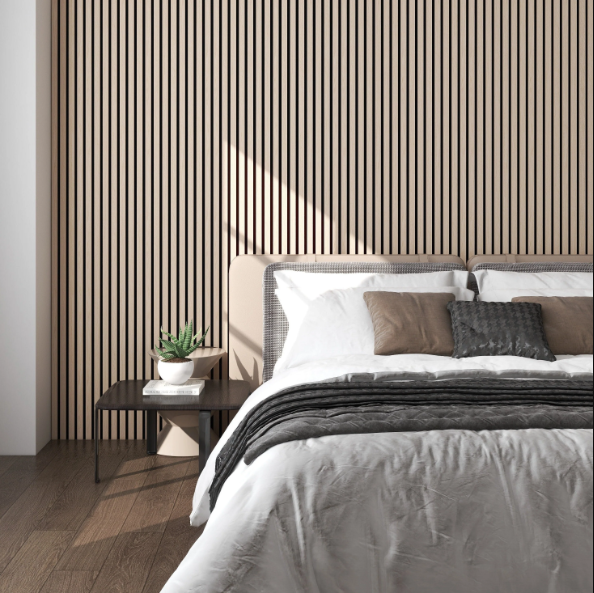
In a residential setting, fluted panels are perfect for creating a focal point. An accent wall behind a sofa or bed instantly adds character and warmth to the room without the busyness of a patterned wallpaper. The vertical lines draw the eye upward, making ceilings feel higher and the space feel more open. You can find a variety of wall panels to match your home's aesthetic, from rich walnuts to paint-ready options.
Another fantastic application is on a kitchen island. Wrapping the base of an island with fluted tambour panels turns a standard kitchen feature into a custom-designed centerpiece. It’s a simple way to introduce texture and a high-end feel to the heart of your home, breaking up the monotony of flat cabinet doors.
Make a Statement in Lobbies and Offices
First impressions matter, especially in business. Fluted tambour panels are an excellent choice for commercial spaces like lobbies, reception areas, and conference rooms. They create a welcoming and professional atmosphere that feels both modern and timeless. A feature wall behind a reception desk immediately establishes a sophisticated brand image. The texture and depth of the panels add visual interest that can make a compact entryway feel more expansive and thoughtfully designed.
Because commercial areas see a lot of traffic, durability is key. Many fluted panels are built to last, making them a practical choice for high-use environments. For contractors and designers working on these projects, our trade program offers benefits for sourcing materials for large-scale installations.
A Creative Touch for Furniture and Fireplaces
You don't have to limit fluted panels to walls. Their flexibility makes them ideal for smaller, more detailed applications that can transform furniture and architectural features. You can easily upgrade plain cabinet doors in a living room or office by applying fluted panels, giving them a custom, high-end look. This is a great way to refresh existing furniture or add a unique touch to new built-ins.
Fireplace surrounds are another perfect spot for fluted panels. Using them to frame a fireplace adds a layer of texture and architectural detail, turning it into a stunning focal point. Whether you’re aiming for a cozy, mid-century vibe or a sleek, modern design, our Interior WPC Fluted Slat Wall Panels offer a durable and stylish solution for these creative projects.
What Design Styles Work Best with Fluted Panels?
One of the best things about fluted tambour panels is their incredible versatility. While they feel distinctly modern, their clean lines and rich texture allow them to blend seamlessly into a wide range of interior design styles. It’s all about choosing the right material, finish, and application to complement your existing aesthetic. Whether your goal is to add subtle warmth or create a dramatic focal point, there’s a fluted panel that can help you achieve it.
Instead of clashing with your decor, these panels enhance it by adding depth and a sophisticated architectural element. They prove that you don’t need to fill a room with objects to make it feel complete; sometimes, the right texture is all it takes. Let’s explore a few popular design styles where fluted panels truly shine.
A Perfect Match for Modern & Scandi Styles
Fluted panels are a perfect match for modern, mid-century, and Scandinavian designs, which all prioritize clean lines, natural materials, and uncluttered spaces. The vertical rhythm of the flutes adds texture and visual interest without creating chaos. In these styles, natural wood finishes are especially popular. A warm walnut panel can ground a mid-century modern living room, while a light oak finish complements the airy, bright feel of a Scandinavian-inspired space. The key is using the panels to introduce organic texture that feels both intentional and effortless. You can find beautiful Natural Veneer Wall Panels that bring this exact warmth and character into a room.
An Unexpected Twist for Industrial & Minimalist Decor
In industrial and minimalist interiors, texture is everything. These styles often rely on a restrained color palette and raw materials, making fluted panels an ideal way to add dimension and soften the edges. The rounded, repeating lines of the flutes create a subtle play of light and shadow that can prevent a minimalist room from feeling flat. In an industrial loft, a wall of dark fluted panels can create a stunning contrast against exposed brick or concrete floors. Because these panels add so much character on their own, they allow you to keep the rest of the space simple and focused, which is the core principle of minimalism.
How to Match Panels to Your Aesthetic
Matching fluted panels to your home’s style is simpler than you might think. Start by considering your existing color palette and materials. For a cohesive look, choose a panel finish that complements your flooring, furniture, or cabinetry. If you want to make a bold statement, opt for a contrasting color or a darker wood tone. Our collection of Paint and Stain Grade Panels offers complete creative control, allowing you to match any color scheme perfectly. Think about scale, too—wider flutes can feel more contemporary and bold, while narrower flutes offer a more delicate, traditional texture. By considering these elements, you can integrate fluted panels to create a timeless look that feels custom-made for your space.
Why Choose Fluted Tambour Panels?
If you’re looking for a design element that delivers both style and substance, fluted tambour panels are a fantastic choice. They go far beyond a simple coat of paint or standard drywall, introducing texture, dimension, and a touch of sophistication to any room. But their appeal isn't just about looks. These panels also offer practical benefits that make them a smart investment for homeowners and trade professionals alike. From improving a room's acoustics to offering a durable, low-maintenance wall covering, fluted panels solve multiple design challenges at once.
Whether you're designing a cozy residential living room or a bustling commercial lobby, the versatility of these panels is hard to match. They can be used to create a stunning accent wall, wrap a kitchen island, or even add character to custom furniture. Their unique combination of visual appeal and functional performance is why they continue to be a favorite among designers and builders. When you choose fluted panels, you're not just updating a wall; you're adding an architectural feature that enhances the entire space.
Add Instant Depth and Visual Texture
The most immediate benefit of fluted tambour panels is the incredible visual texture they bring to a room. Unlike a flat surface, the rounded, vertical slats create a dynamic play of light and shadow that adds depth and movement to your walls. This subtle yet impactful effect can make a small room feel more interesting or a large, open space feel more defined and intimate. Using these wall panels is an easy way to introduce a layer of architectural detail that feels both modern and timeless. They instantly draw the eye, making them perfect for creating a focal point behind a bed, a sofa, or a reception desk.
Built to Last: Durability and Performance
Beyond their beauty, fluted panels are built to withstand daily life. Many modern options, like our Interior WPC Fluted Slat Wall Panels, are engineered for exceptional durability. These materials resist scratches, dents, and moisture, making them a practical choice for high-traffic areas like hallways, entryways, and commercial spaces. This resilience means your walls will continue to look great for years with minimal upkeep. Choosing a durable material ensures your design investment pays off in the long run, saving you from the hassle and cost of frequent repairs or replacements.
Quieter Spaces: The Acoustic Benefits of Tambour
An often-overlooked advantage of fluted panels is their ability to improve a room's acoustics. The textured, grooved surface helps to break up and absorb sound waves, reducing echo and softening ambient noise. This creates a quieter, more comfortable environment, which is a huge plus for open-concept homes, home offices, or commercial settings like restaurants and conference rooms. By installing Acoustic Wall Panels, you can create a space that not only looks good but feels more peaceful and serene, enhancing the overall experience for everyone who uses it.
Easy to Install, Simple to Maintain
You don’t need a complex, time-consuming project to achieve a high-end look. Fluted tambour panels are designed for straightforward installation, which is great news for both DIY enthusiasts and professional contractors. The panels typically come in modular sections that can be easily cut to size and applied directly to the wall with adhesive and nails. This simple process saves on labor and time, allowing for a quick transformation. For trade professionals, this efficiency is a major advantage, and we offer special pricing through our trade application. Once installed, maintenance is just as easy—a simple wipe-down is all it takes to keep them looking pristine.
Sustainably Sourced for Peace of Mind
Knowing where your materials come from brings a level of confidence to any project. For designers and contractors, being able to tell a client that their beautiful new accent wall is also an environmentally responsible choice adds incredible value. Many modern fluted panels are crafted from responsibly sourced wood, ensuring that your design choices support sustainable forestry practices. This commitment to eco-friendly materials means you can create stunning interiors with a clear conscience. Sustainability also extends to longevity; choosing a durable product that won't need frequent replacement is one of the best ways to reduce waste. When you select high-quality wall panels, you're investing in a feature that is not only timeless in style but also built to last, making it a smart choice for both your project and the planet.
How Much Do Fluted Tambour Panels Cost?
When you’re planning a project, the budget is always a top consideration. The cost of fluted tambour panels is an investment in your space's texture, warmth, and character. The final price tag depends on a few key factors, including the material you choose, the size of your project, and any installation costs. By breaking down these elements, you can create a realistic budget and find the perfect panels that meet both your design goals and your financial plan. Let's walk through what you can expect to spend.
Breaking Down the Cost by Material
The single biggest factor influencing the cost of fluted tambour panels is the material they’re made from. Your options range from luxurious solid woods to durable composites, each with its own price point. For example, premium wall panels made from solid oak or walnut will naturally cost more due to the quality and timeless appeal of the wood. You can expect these to be at the higher end of the spectrum.
On the other hand, options like WPC (Wood-Plastic Composite) or natural wood veneers offer a similar high-end look at a more accessible price. These materials are engineered for performance and can be a fantastic choice for achieving a specific aesthetic without stretching your budget. When comparing prices, always consider the long-term value, durability, and the specific look you want to achieve in your space.
Real-World Price Examples
To give you a clearer picture, let's look at some typical market prices. You'll often find standard fluted tambour wood wall panels priced around $244.99, though it’s smart to watch for sales where some walnut styles can drop to $159.24. The type of wood is a major factor; for example, a box of walnut concave panels might be listed at $399.00, while the same style in white ash could be slightly less at $379.00. While this is an investment, it’s helpful to know that quality panels often receive excellent feedback. Some suppliers have hundreds of customer reviews with over 90% 5-star ratings, which speaks to the value and satisfaction you can expect from a well-made product.
Are There Discounts for Trade or Bulk Orders?
If you’re a contractor, designer, or builder, you know that buying in bulk can lead to significant savings. Many suppliers offer special pricing for trade professionals who are purchasing materials for larger residential or commercial projects. This is where building a relationship with a trusted supplier really pays off. Instead of paying retail prices for each panel, you can access discounts that make a big difference to your bottom line.
We offer a dedicated program for professionals in the industry. By filling out a trade application, you can get access to exclusive pricing and bulk discounts on our entire collection of building materials. This makes it much more cost-effective to incorporate high-quality fluted panels across multiple rooms or entire properties.
Budgeting for the Full Project (Installation Included)
Beyond the price of the panels themselves, it’s important to factor in the cost of installation. The good news is that most fluted tambour panels are designed for a straightforward installation process. Many feature a simple tongue-and-groove system that allows the panels to join together seamlessly. Typically, all you need is a strong construction adhesive and perhaps a nail gun for extra security.
This ease of installation can save you money on labor costs, whether you’re hiring a professional or tackling the project yourself. Don’t forget to add small expenses like adhesive, any necessary tools, and shipping to your budget. Planning for these additional costs upfront ensures there are no surprises, allowing your project to run smoothly from start to finish.
How to Install and Care for Your Panels
One of the best things about fluted tambour panels is how straightforward they are to install and maintain. With the right preparation and a little care, you can create a stunning feature wall that looks professionally done and lasts for years. Whether you’re a seasoned contractor or a DIY enthusiast, this guide will walk you through everything you need to know. We’ll cover the installation process and share simple tips to keep your panels looking brand new.
Your Step-by-Step Installation Guide
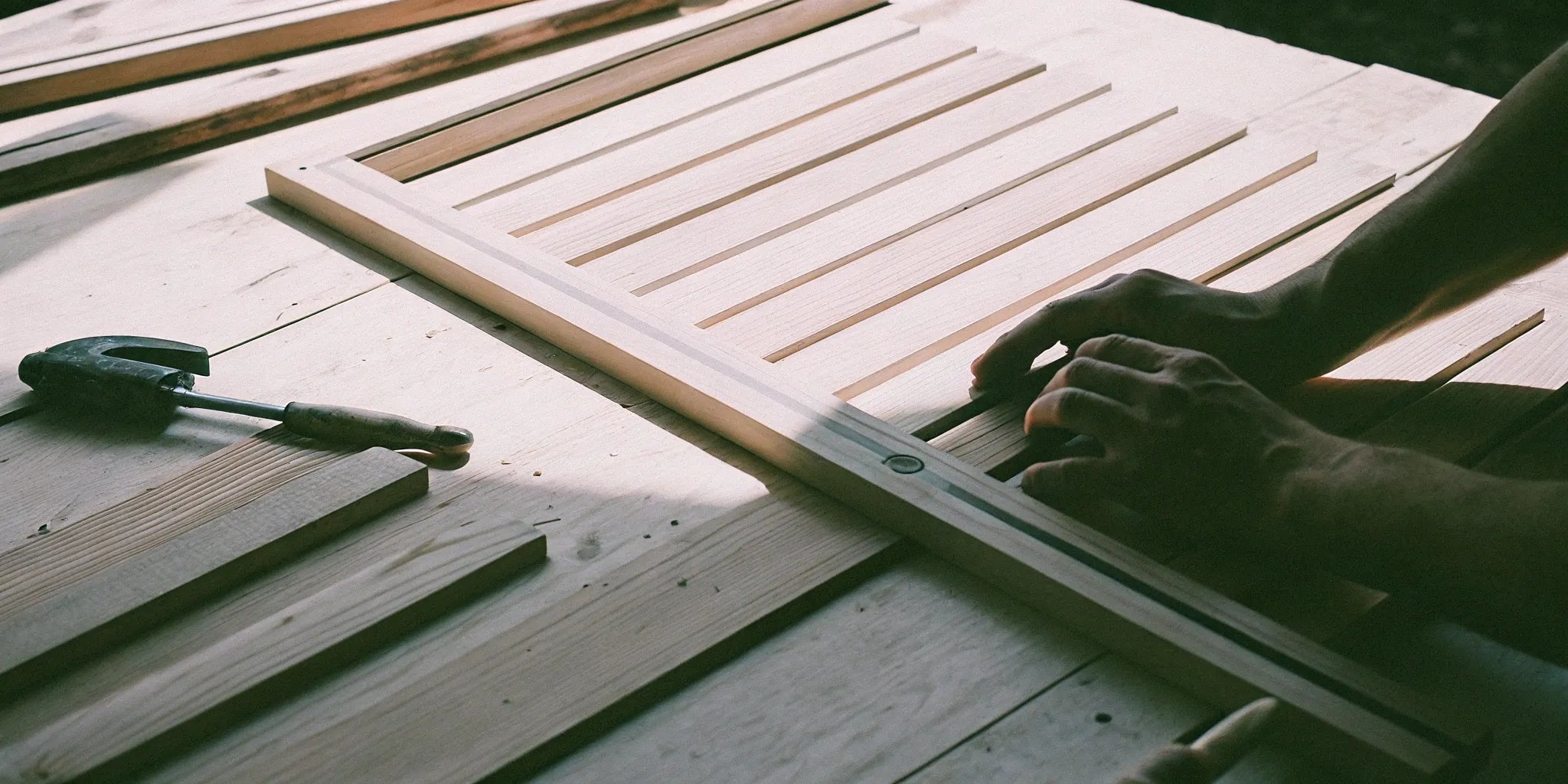
First, prepare your space. Measure the wall carefully and make sure the surface is clean, dry, and smooth. Next, cut your panels to the correct height using a miter or circular saw—remember to measure twice and cut once! Apply a strong construction adhesive to the back of the panel. Carefully position the panel on the wall, pressing firmly to ensure it adheres properly and is level before moving on. Once all your wall panels are in place, you can fill any small gaps with caulk for a seamless look.
Maximizing Soundproofing During Installation
Fluted panels naturally help quiet a room because their grooved surface breaks up sound waves and reduces echo. To really enhance this effect, you can create a sound-absorbing air gap during installation. Instead of gluing the panels directly to the drywall, first mount thin wooden strips (often called batons or furring strips) vertically onto the wall. This creates a cavity that you can fill with soundproofing insulation before attaching the panels to the strips. This simple extra step dramatically improves the wall's ability to dampen noise, making it an ideal strategy for home offices, bedrooms, or media rooms. For projects where acoustics are the primary goal, dedicated Acoustic Wall Panels are specifically engineered to offer maximum sound control.
Keeping Your Panels Clean: Simple Upkeep Tips
Keeping your fluted panels clean is simple. For routine dusting, a soft, dry microfiber cloth or duster is all you need to gently wipe the surface and get into the grooves. This prevents dust buildup and keeps the finish looking fresh. For smudges, use a slightly damp cloth and dry the area immediately. The most important thing is to avoid harsh chemical cleaners, abrasive sponges, or excessive water, as these can damage the finish. A gentle approach is all it takes to maintain their beauty.
Important Usage Guidelines for Wood Panels
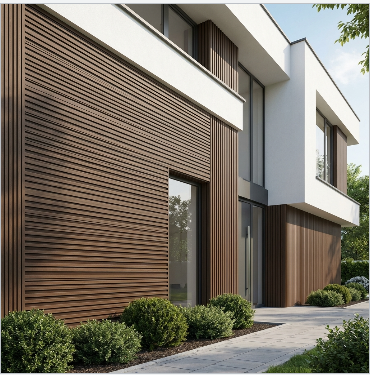
To get the most out of your wood panels, it's important to use them in the right environment. Most fluted tambour panels, especially those with natural wood veneers, are designed for indoor use only. While they are durable enough for kitchens or bathrooms, you should avoid installing them where they’ll have direct contact with water, like inside a shower. For projects that face the elements, you'll want to look at materials specifically designed for that purpose, like our Exterior Shiplap Cladding Wall Panels. Following this simple guideline ensures your interior panels maintain their beauty and structural integrity for years to come.
How to Keep Your Panels Looking New for Years
To ensure your fluted tambour panels stand the test of time, a little preventative care goes a long way. Wood is sensitive to moisture, so try to install panels in areas without high humidity to prevent warping. Every so often, give your panels a quick inspection for any signs of wear, addressing small issues before they become bigger problems. Depending on the panel’s finish and traffic, you may want to reapply a protective sealant every few years. This simple step helps maintain the original luster and protects the surface, keeping your feature wall stunning for years to come.
How to Find the Right Fluted Tambour Panels
Once you’ve decided to use fluted tambour panels, the next step is finding the perfect ones for your project. With so many options out there, it helps to know what to look for and where to find a reliable source. Choosing the right panels from a supplier you trust ensures your design not only looks incredible but also stands the test of time. It’s about balancing aesthetics with quality so you can feel confident in your investment.
What to Look For in a Quality Panel
A quality fluted panel is more than just a pretty face. Start by looking at the material itself. Whether it’s solid wood, a natural veneer, or a durable WPC, the construction should be solid and consistent. Check for a smooth, even finish without any imperfections, as this indicates better manufacturing. The flutes should be precisely cut with clean lines to create that sharp, textured look. Current design trends lean toward natural finishes and rich textures, like deep walnut tones, that add warmth and sophistication to a space. A well-made panel will not only capture this aesthetic but will also be designed for straightforward installation and long-term durability.
Considering the Country of Origin
The country where your panels are made can be a good indicator of their quality and character. Regions with a strong history of woodworking often produce panels with superior craftsmanship, combining traditional techniques with modern precision. The source of the material also plays a significant role; panels crafted from high-quality, locally sourced wood tend to preserve the material’s natural texture and grain more authentically. Additionally, choosing sustainably sourced materials can support local economies and reduce the environmental impact associated with long-distance transportation. While origin can signal traditional quality, it's also important to consider modern engineered options. Materials like our Interior WPC Fluted Slat Wall Panels are designed for exceptional durability and performance, offering a reliable and stylish choice for any project.
Why a Trusted Supplier Matters
Working with a trusted supplier makes the entire process smoother, from selection to installation. A reputable company can guarantee consistent product quality, so you know the panels you receive will match what you saw online or in a showroom. They also provide clear information on installation and maintenance. Look for suppliers with positive customer reviews and a track record of reliability. A great supplier offers more than just products; they provide support, fast nationwide shipping, and expert advice. For contractors and designers, finding a partner with a dedicated trade program can also lead to bulk discounts and specialized services, making it easier to manage large-scale projects.
Checking Customer Reviews and Ratings
Before you commit, take a few minutes to see what other people are saying. Customer reviews are an invaluable resource for getting an honest look at a product’s quality and the company’s service. A supplier with a history of positive feedback is a good sign that you’re making a solid choice. Reading through customer feedback can give you insights into everything from the accuracy of the product photos to the smoothness of the delivery process. It’s a simple step that can give you the confidence you need to move forward with your purchase, knowing that others have had a great experience.
Try Before You Buy: Ordering Samples
One of the smartest things you can do before placing a large order is to get your hands on a sample. Photos are helpful, but they can’t fully capture the texture, color, and feel of a material. Ordering a sample allows you to see how the panel looks in your actual space, with your specific lighting. You can hold it up against your existing paint colors, flooring, and furniture to ensure it’s the perfect match. This small, upfront step can save you from costly mistakes and buyer’s remorse, ensuring the final result is exactly what you envisioned for your project. It’s the best way to make a final decision on which wall panels will truly complete your design.
Understanding Shipping and Return Policies
Before you click "buy," take a moment to get familiar with the company’s shipping and return policies. Knowing these details upfront can prevent a lot of headaches later on. Look for clear information on shipping times, costs, and what to do if a product arrives damaged. It’s also important to understand the return policy—is there a specific window for returns, and are there any restocking fees? A transparent supplier will have this information readily available. This ensures a smooth and predictable purchasing experience, giving you peace of mind that you’re covered if anything doesn’t go exactly as planned.
Explore Our Collection of Fluted Wall Panels
Ready to bring your vision to life? Our collection of wall panels offers affordable luxury and on-trend designs perfect for any application. We focus on providing high-quality, easy-to-install options that deliver a major design impact without a complicated setup. Whether you’re creating a stunning accent wall, updating kitchen cabinetry, or designing a welcoming commercial lobby, we have a style to match your aesthetic. From the rich, organic feel of Natural Veneer Wall Panels to the modern durability of Interior WPC Fluted Slat Wall Panels, you can find the perfect material to add texture, depth, and character to your space.
Related Articles
- Fluted Wall Paneling 101: A Complete Guide
- Flexible Fluted Wood Panels: A Complete Guide
- Fluted Wall Paneling: Your Complete 2025 Guide
- Acoustic Wood Panels for Walls: The Complete Guide
Frequently Asked Questions
Can I really install these panels myself, or do I need a professional? Absolutely. Fluted tambour panels are designed to be very DIY-friendly. They are lightweight and typically mount to the wall with construction adhesive and a few finishing nails for extra support. The most important part is getting your measurements right and making precise cuts. If you're comfortable using a level and a saw, you can definitely achieve a professional-looking result on your own.
How do fluted panels hold up in a busy home with kids or pets? They hold up surprisingly well, but the key is choosing the right material for the location. For high-traffic areas like entryways or hallways, I'd recommend an option like our Interior WPC Fluted Slat Wall Panels. They are engineered to resist scratches, dents, and scuffs from daily life, making them a durable and practical choice for a busy household.
What’s the best way to clean the grooves in the panels? Cleaning is much simpler than it looks. For regular dusting, a vacuum with a soft brush attachment works perfectly to get into the flutes and remove any dust. If you need to spot-clean a smudge, just use a soft, slightly damp cloth and wipe gently. The trick is to avoid abrasive cleaners or too much water, which can damage the finish over time.
Is it difficult to cut the panels to fit around outlets or light switches? Not at all, it just requires a bit of precision. Before you install the panel, measure the exact location of your outlet or switch box. You can then use a jigsaw or a multi-tool to carefully cut out the required opening on the back of the panel. It's always a good idea to measure twice to ensure a snug and clean fit around the fixture.
Can I use fluted panels in a bathroom or another area with moisture? This is a great question, and the answer depends entirely on the material. You should avoid using natural wood or unfinished veneer panels in areas with direct water exposure or high humidity, as they can warp. However, WPC (Wood-Plastic Composite) fluted panels are specifically designed to be water-resistant, making them an excellent choice for adding texture to a bathroom vanity wall or powder room.