
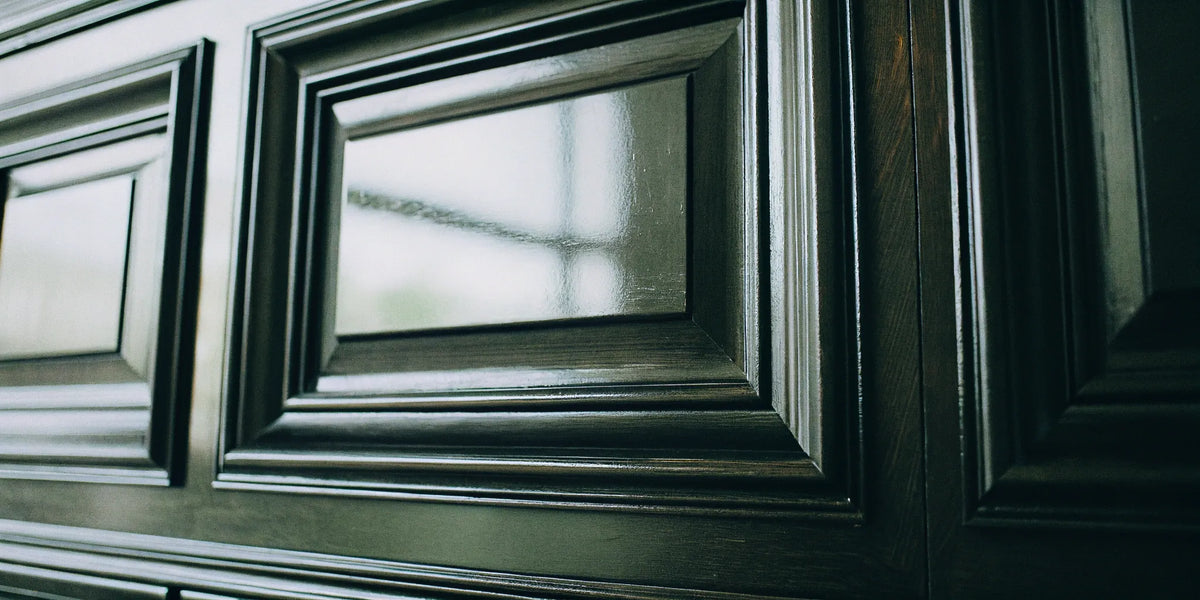
High Gloss Panel 101: A Complete Buyer's Guide
Want to completely transform a room with a single design choice? A high gloss panel is your answer. Its reflective surface makes any space feel brighter, bigger, and more luxurious. But that perfect, seamless look isn't found on a shelf. For a truly custom result, you need panels made to order. This is how you move beyond standard limitations and create something uniquely yours. We'll cover all the materials, finishes, and customization options to help you turn your design vision into a stunning reality.
Key Takeaways
- The Foundation Determines the Finish: The final quality of your high gloss panels depends on the materials you can't see. A smooth, stable core like MDF is essential for a flawless, mirror-like surface, while the finish type—from premium acrylic to durable UV-coating—dictates its appearance and resilience.
- Customization Creates a Cohesive Look: Don't settle for standard sizes that lead to design compromises. Customizing the dimensions, color, and style (Slab vs. Shaker) ensures your panels fit perfectly, creating a seamless, high-end look that feels intentional and professionally integrated.
- Proper Prep and Gentle Care are Key: Achieving a stunning result requires planning. A successful installation starts with a perfectly prepped, smooth surface, and maintaining that shine is as simple as using soft microfiber cloths for regular, gentle cleaning to prevent scratches.
What Are High Gloss Panels & Why Should You Go Custom?
High gloss panels are a fantastic way to bring a sleek, modern feel to any room. Their reflective surface bounces light around, making spaces feel brighter and more open. But beyond just picking a color, you have a key decision to make: should you go with standard, off-the-shelf panels or invest in a custom solution? While standard options can work for some projects, custom-made panels give you complete control over the final look, ensuring every detail aligns perfectly with your vision. Let's explore what makes these panels so popular and why a custom approach is often the best choice.
The Modern Appeal of a High Gloss Finish
The number one reason people choose high gloss panels is their stunning visual impact. The mirror-like finish creates a sense of luxury and sophistication that’s hard to match. This look is perfect for kitchens, bathrooms, and feature walls where you want to make a statement. Because of their "higher visual appeal and higher manufacturing complexity," these finishes often come at a premium, but the result is a polished, high-end aesthetic that transforms your entire design. They reflect both natural and artificial light, which can make even a small room feel more spacious and vibrant.
How is Glossiness Measured?
Putting a number on how shiny a surface is might seem tricky, but it's actually a precise science. The key tool for the job is a glossmeter, a handheld device that measures specular reflection—or the amount of light that bounces off a surface in a mirror-like way. It works by shining a controlled beam of light onto the panel at a specific angle and measuring the intensity of the light that reflects back. For most surfaces, a 60-degree angle is the industry standard, providing a great baseline for comparison. However, for extremely reflective high gloss panels, a 20-degree angle gives a more accurate reading, ensuring that brilliant shine is perfectly consistent.
This measurement process is what separates a high-quality finish from an inconsistent one. The principle is simple: the angle of light hitting the surface should equal the angle of reflection. Any imperfections on the surface can scatter the light, resulting in a lower gloss reading and a duller appearance. By assigning a numerical value to the gloss, manufacturers can guarantee that every panel produced meets a strict quality standard. For you, this means that whether you're installing a full set of kitchen cabinets or creating a large feature wall, the finish will be perfectly uniform from one edge to the other, delivering that seamless, professional look you're after.
More Than Just Looks: Practical Benefits for Your Space
Beyond their good looks, high gloss panels offer practical advantages. Their smooth, non-porous surface is incredibly easy to wipe clean, making them a great choice for high-traffic areas or spaces prone to splashes and spills, like kitchens and commercial settings. This blend of style and function is a hallmark of modern design. The creation of these panels is a detailed process where pricing is influenced by raw materials, design complexity, and manufacturing techniques, allowing for durable and beautiful results tailored to your project’s specific demands.
Custom vs. Standard: What's the Real Difference?
Standard panels come in predetermined sizes and a limited range of colors. They can be a quick solution, but they often require you to compromise on your design. Custom wall panels, on the other hand, are made to your exact specifications. You get to choose the precise dimensions, color, and finish, ensuring a perfect fit and a truly unique look. While custom work involves more variables that influence pricing, it eliminates the guesswork and guarantees the final product is exactly what you envisioned for your space.
The Core Materials: What's Inside a High Gloss Panel?
Ever wonder what’s underneath that stunning, reflective shine? High gloss panels get their start from engineered wood products, with Medium Density Fiberboard (MDF) and particleboard being the most common core materials. These aren't just random choices; they are selected specifically for their smooth, stable surfaces, which are the perfect canvas for creating that flawless, mirror-like finish everyone loves. The core material provides the foundation for the entire panel, influencing its durability, weight, and how well it takes a finish.
When you’re looking at different wall panels, understanding the core is key to picking the right product for your project. A solid core ensures that the glossy top layer remains smooth and free of imperfections over time. It also plays a big role in how the panel holds up to daily life, from kitchen cabinets to feature walls in a busy commercial space. Think of it as the unsung hero that makes the beautiful finish possible. A high-quality core prevents telegraphing—where the texture of the material underneath shows through the top coat—which is the enemy of a perfect gloss.
MDF: The Go-To Core for High Gloss Panels
If you’ve been around cabinetry or furniture making, you’ve likely heard of MDF. Medium Density Fiberboard is a go-to material for high gloss panels because its surface is incredibly smooth and consistent. Made from fine wood fibers bonded with resin under heat and pressure, MDF has no grain or knots. This uniformity is what allows for that impeccable, liquid-like finish. It’s the ideal choice when you want vibrant, solid colors that look absolutely seamless and modern. Because the surface is so dense and non-porous, it accepts paint and coatings evenly, resulting in a deep, rich color and a perfectly flat, reflective surface that elevates any design.
Particleboard: A Solid and Affordable Option
Particleboard is another reliable option for the core of high gloss panels. It’s known for being a sturdy material that resists warping, making it a durable choice for large surfaces like cabinet doors or wall coverings. Made from larger wood particles and chips bonded together, it offers great structural stability. While it provides a solid foundation, it’s worth noting that its surface isn't quite as fine as MDF's. For this reason, its use in high-gloss applications can sometimes be limited to certain finishes, like a classic, crisp white, which is more forgiving. It’s a great workhorse material that offers stability and longevity for your project.
How Your Material Choice Defines Durability
The material you choose for the core directly affects the final quality, longevity, and even the price of your high gloss panels. A higher-quality core like premium MDF will often result in a smoother finish and better long-term performance. The manufacturing process for creating that glossy look is complex, and starting with a superior base material makes all the difference. Investing in a better core means your panels are less likely to show imperfections and will stand up better to wear and tear. It also impacts practical things like how well screws for hinges and handles hold. A denser core ensures your hardware stays put, ensuring your space looks fantastic for years to come.
Safety and Quality Certifications
When you're choosing materials for your home or a client's project, what you can't see is often just as important as the glossy finish. Safety and quality certifications provide assurance that your panels are not only beautiful but also responsibly made. It's a good idea to look for products tested for low formaldehyde levels, which contributes to healthier indoor air quality—a huge plus for any living space. Many top manufacturers also focus on sustainability, using recycled wood materials to create their panel cores. Certifications can also confirm that products meet global safety standards, ensuring they are safe for use in both residential and commercial settings. Investing in certified panels means you get that stunning look with the added confidence that you’ve made a safe and environmentally conscious choice.
Choosing Your Finish: A Breakdown of High Gloss Options
Once you’ve settled on a core material, the next step is choosing the finish. This is what gives your panels their signature shine and color, and it also plays a huge role in their durability. The world of high gloss finishes offers a few key options, each with its own set of benefits. Think of it like picking the perfect top coat for a manicure—some are designed for a glass-like shine, while others are built to withstand daily wear and tear. Understanding the differences will help you select a finish that not only looks incredible but also holds up to the demands of your space, whether it's a busy kitchen backsplash or a serene bedroom feature wall.
From the unmatched clarity of acrylic to the budget-friendly appeal of laminate, there’s a high gloss solution for every project. We’ll walk through the most popular types: acrylic, laminate, UV-coated, and foil coatings. Each one brings something different to the table in terms of appearance, resilience, and cost. By the end of this section, you’ll have a clear idea of which finish aligns best with your design vision and practical needs. This knowledge will make it much easier to specify exactly what you want for your custom wall panels and ensure the final result is exactly what you envisioned for your home or commercial project.
Acrylic: For a Mirror-Like Shine
If you’re looking for a flawless, mirror-like surface, acrylic is the top contender. Acrylic high gloss panels are known for their incredible depth, clarity, and vibrant color. The finish is applied as a solid layer of acrylic over the core material, creating a perfectly smooth, high-end look that’s hard to beat. While it’s often a more premium option, its superior appearance and longevity make it a worthwhile investment for feature walls, kitchen cabinets, and modern furniture. Plus, it’s quite durable and easy to repair if minor scratches occur, ensuring your space looks pristine for years.
The Practical Choice: High Gloss Laminate
For those who want a beautiful sheen without the premium price tag of acrylic, high gloss laminate is an excellent choice. Laminate finishes are created by pressing layers of paper and resin together under high pressure and heat, with a final protective layer that gives it that glossy look. It’s a practical and cost-effective alternative that still delivers a sleek, modern aesthetic. While it may not have the same visual depth as acrylic, modern laminate technology has come a long way, offering impressive durability and a wide range of colors and patterns to fit any design scheme.
Achieving Different Looks like Wood and Stone
When you think "high gloss," your mind probably jumps to bold, solid colors like a sleek white or a dramatic black. But what if you love that reflective shine but also want the warmth of natural materials? You're in luck. Thanks to advancements in laminate technology, you can get the best of both worlds. High gloss panels are available in a stunning range of patterns that convincingly mimic the look of natural wood grains, like rich oak or walnut, and even the elegant veining of stone. This allows you to create a design that feels both organic and contemporary, blending different styles while keeping the easy-to-clean, durable benefits of a high gloss surface.
UV-Coated: A Tough and Glossy Finish
When durability is your top priority, look no further than UV-coated finishes. These panels are coated with a special lacquer that is then cured instantly with ultraviolet light. This process creates an incredibly hard and resilient surface that’s highly resistant to scratches, chemicals, and fading from sun exposure. This makes UV-coated panels a fantastic option for high-traffic areas, commercial spaces, or any environment where you need your surfaces to be both beautiful and tough. The finish is exceptionally smooth and glossy, providing a brilliant shine that’s built to last.
PVC & PET Foils: Flexible and Seamless
PVC (Polyvinyl Chloride) and PET (Polyethylene Terephthalate) foils are modern, flexible finishing options that offer a great balance of style, durability, and sustainability. These thin foils are bonded to the panel’s core material using heat and adhesive, creating a seamless and consistent high gloss finish. They come in an enormous variety of colors and can even mimic other textures. PET, in particular, is known for being an eco-friendly material as it’s fully recyclable. Both options are resistant to moisture and scratches, making them a versatile choice for kitchens, bathrooms, and custom furniture.
Polyester and Lacquered Finishes
When you're aiming for that ultra-luxe, glass-like surface, polyester and lacquered finishes are two top-tier choices. Polyester finishes are all about toughness. They're created by applying multiple layers of polyester resin, resulting in an incredibly hard and durable surface that stands up to scratches, chemicals, and daily wear. This makes them a fantastic option for hardworking spaces like kitchens or commercial projects. On the other hand, lacquered finishes are prized for their unmatched visual depth and clarity. Achieved by spraying thin coats of lacquer that are then polished to a high shine, this finish creates a stunning, liquid-like appearance that makes colors pop. Both options deliver a premium look, but your choice will depend on whether you prioritize rugged durability or ultimate visual perfection for your custom wall panels.
How to Customize Your High Gloss Panels
One of the best parts of working with high gloss panels is the ability to tailor them to your exact vision. Unlike off-the-shelf options that force you to compromise, custom panels are designed to fit your space, style, and color palette perfectly. This level of personalization is what transforms a good design into a great one, creating a seamless, high-end look that feels intentional and completely unique. It’s the difference between a kitchen that works and a kitchen that wows.
Whether you’re designing a minimalist media center, a bold accent wall, or sleek office furniture, customization gives you control over every detail. From the precise shade of blue you’ve been dreaming of to the exact dimensions needed to fill an awkward nook, made-to-order wall panels open up a world of design possibilities. This is where you get to move beyond standard solutions and create something that truly reflects your personal style or your client's brand. Let’s walk through the key choices you’ll make to create panels that are truly your own.
From Neutrals to Bolds: Picking Your Color
The right color can make or break a design, and with high gloss panels, you’re not limited to a handful of basic options. Many manufacturers offer a spectrum of over 200 custom colors, especially for lacquered finishes, giving you incredible creative freedom. This means you can find the perfect hue to match your existing decor, align with specific branding, or create a stunning focal point. Think beyond simple white or black—you can select a soft, neutral gray to create a calming atmosphere, a deep navy for a touch of sophistication, or a vibrant, saturated red for a dramatic statement. This flexibility is a game-changer for creating a cohesive and truly personalized space.
Exploring a Spectrum of Colors
The freedom to choose from a wide spectrum of colors is where your design really comes to life. You can move past standard options and select a hue that perfectly captures the mood you want to create. Imagine a kitchen with sleek, deep navy cabinets for a touch of modern elegance, or a commercial space that uses a vibrant, saturated red to make a bold brand statement. With custom high gloss panels, you can also achieve subtle, calming effects with soft neutral grays or warm beiges. This level of color control allows you to perfectly match existing decor or build an entirely new palette from scratch, ensuring every part of your room works together harmoniously.
Shaker or Slab: Which Door Style Is Right for You?
Beyond color, the profile of the panel itself sets the tone for your project. The two most common options are Slab and Shaker. A Slab panel is completely flat and smooth, offering a sleek, minimalist aesthetic that’s perfect for modern and contemporary interiors. Its uninterrupted surface beautifully reflects light, making the most of the glossy finish. On the other hand, a Shaker-style panel features a recessed center with a raised frame, providing a classic, timeless look with added dimension. While traditionally seen in farmhouse or transitional designs, a high gloss finish gives the Shaker style a fresh, modern twist. Your choice will significantly influence the room’s overall character.
No More Gaps: The Advantage of Custom Sizing
Standard-sized panels rarely fit perfectly into a custom-designed space. Custom sizing solves this problem by allowing you to order panels cut to your project’s exact dimensions. This is essential for achieving a professional, built-in look for kitchen cabinets, floor-to-ceiling wall features, or integrated furniture. It eliminates unsightly gaps and the need for awkward filler strips, resulting in clean lines and a flawless finish. For contractors and designers working on large-scale projects, custom sizing is a non-negotiable feature that ensures precision. Professionals can apply for a trade account to streamline ordering for these types of custom jobs and get bulk discounts.
The Details That Matter: Edge Banding and Panel Thickness
The final details are what take a project from standard to stunning. Edge banding is a thin strip of material applied to the panel's raw edges, providing a clean, finished look while protecting the core from moisture and wear. High-quality edge banding matches the panel’s surface perfectly, creating the illusion of a solid, seamless block of color. You can also choose the panel’s thickness, which affects both its durability and visual presence. A thicker panel feels more substantial and luxurious, making it a great choice for cabinet doors and desktops, while a thinner panel might be ideal for decorative wall coverings.
Ensuring a Cohesive Look with Matching Back Panels
A truly high-end design is all about the details, and one that’s often overlooked is the back of the panel. When you open a cabinet door, you want the inside to look just as polished as the outside. Opting for panels with matching back panels ensures a consistent, professional finish from every angle. Some manufacturers, like MIRLUX, design their products with this in mind, offering a matching back for each of their core colors. This eliminates the jarring contrast of a standard white or black interior, creating a seamless look that speaks to quality craftsmanship and thoughtful design. It’s a small choice that makes a huge impact on the overall feel of your project.
Coordinating with Other Brands for a Seamless Design
Your high gloss panels don't exist in a vacuum; they need to harmonize with countertops, flooring, paint, and other fixtures. Achieving a cohesive look is much easier when you can coordinate colors across different materials and brands. Some suppliers, such as Dackor, simplify this process by offering laminates designed to match colors from other popular brands, giving you a reliable starting point for your palette. Always order samples to see how different finishes and textures interact in your space’s specific lighting. This hands-on approach ensures your new panels will complement everything from your hardwood flooring to your wall color, resulting in a beautifully integrated and intentional design.
How to Choose the Right High Gloss Panels
With a clear understanding of the materials and customization options, you’re ready to select the perfect high gloss panels for your project. This isn't just about picking a color you like; it's about finding a solution that fits your space, style, and lifestyle. Thinking through a few key factors will help you make a choice you’ll be happy with for years to come. Let's walk through how to assess your room's needs, match your design vision, and plan for the practical side of things like maintenance and ordering. This thoughtful approach ensures your new panels will not only look incredible but also function perfectly within your home or commercial space.
First, Consider Your Room's Layout and Light
First, take a good look at the room where the panels will be installed. Is it a busy kitchen, a calm bedroom, or a formal living area? The room’s function will influence your choice. High gloss panels are a fantastic way to make a small or dark room feel larger and brighter, as their reflective surface bounces light around. However, that same beautiful finish might show smudges more easily in a high-traffic zone like a hallway. Also, consider your budget. The stunning visual appeal and complex manufacturing of high-quality wall panels can mean a higher price point, so knowing your numbers upfront will help you narrow down the options without any surprises.
Find a Look That Matches Your Home's Style
High gloss panels are a hallmark of modern, minimalist, and contemporary design. Their sleek, shiny surfaces create a sense of luxury and sophistication that instantly updates a space. Think about your existing decor. Do you have warm wood floors, plush textiles, or industrial metal accents? Your new panels should complement these elements. For a cohesive look, you might choose a neutral color like white, gray, or black. If you want to make a bold statement, a vibrant color can serve as a stunning focal point. The key is to create harmony between the panels and other finishes, like your lighting fixtures and hardware, to achieve a polished, intentional look.
How Much Upkeep Are You Ready For?
Let’s be practical for a moment. A high gloss finish is gorgeous, but its reflective nature means it’s more likely to show fingerprints, smudges, and fine scratches compared to a matte surface. This doesn't mean they're delicate, just that they require a bit more mindfulness. For areas that see a lot of direct contact, like cabinet doors in a family kitchen, you’ll want to be prepared for regular wipe-downs with a soft microfiber cloth. For a feature wall or a decorative ceiling, this is far less of a concern. Being honest about the level of maintenance you’re willing to commit to will help you decide if high gloss is the right fit for a specific application.
Don't Forget to Factor in Lead Times
One of the best parts about ordering custom panels is that they are made specifically for your project. The downside? You can’t just pick them up the same day. The manufacturing process for custom orders involves sourcing materials, precision cutting, and applying complex finishes, all of which take time. Factors like material availability and design complexity can influence the production schedule. If you’re a contractor or a homeowner working on a tight timeline, it’s essential to plan ahead. Be sure to confirm the estimated lead time before placing your order and build that into your project schedule to avoid delays. For trade professionals, having an account can help streamline this process; you can fill out a trade application to get started.
Why You Should Always Order Samples First
I get it—when you've finally made a decision, the last thing you want to do is wait for a sample to arrive. But trust me, this is one step you don't want to skip. A computer screen can never truly capture how a high gloss finish will interact with the unique lighting in your room or how a color will look next to your existing countertops and paint. Ordering a sample lets you see and feel the quality of the wall panels in person, giving you total confidence before you place a full order. It’s a small, simple step that acts as the best insurance against any design regrets, ensuring the final look is exactly what you were hoping for.
What Drives the Cost of High Gloss Panels?
Understanding the price of high gloss panels helps you budget effectively and make choices that align with your project's goals. The final cost isn't arbitrary; it’s a reflection of the materials, craftsmanship, and customization that go into creating a premium product. Several key factors influence the price tag, from the quality of the core material to the complexity of your design. By breaking down these elements, you can see exactly what you’re paying for and find the perfect balance between your vision and your budget. Whether you’re a homeowner planning a kitchen remodel or a contractor sourcing materials for a large-scale project, knowing what drives the cost ensures you make an informed investment in a finish that will last.
How Core Materials Influence the Final Cost
The foundation of any high gloss panel is its core material and finish, and these are the biggest factors in determining the price. A panel made with high-density MDF and a premium acrylic finish will naturally cost more than one with a standard particleboard core and a laminate coating. The reason comes down to durability, appearance, and the manufacturing process. As industry experts note, the "higher visual appeal and higher manufacturing complexity" of glossy finishes contribute to their price. Better raw materials and more advanced production techniques result in a smoother, more reflective, and longer-lasting surface, making it a worthwhile investment for high-traffic areas.
How Custom Details Add to the Cost
One of the main benefits of ordering custom wall panels is getting exactly what you want, but that personalization does affect the price. Factors like custom sizing, non-standard colors, or intricate designs add to the final cost. A simple, standard-sized slab door will be more affordable than a custom-cut Shaker-style panel in a unique color. This is because unique specifications require more setup time, specialized labor, and precision machinery to get right. The complexity of the design directly influences the manufacturing process and, therefore, the price, allowing you to pay for the exact features your project needs.
Can You Save Money with a Bulk Order?
If you’re a contractor, designer, or builder, you know that volume matters. Ordering high gloss panels in bulk is one of the most effective ways to manage costs for larger projects. Suppliers can often offer better per-unit pricing on large orders because it allows them to streamline production and reduce overhead. This principle of economies of scale is a huge advantage for trade professionals. By planning your material needs and placing a single, large order, you can secure premium materials while staying on budget. Many suppliers offer special programs, so it’s always a good idea to fill out a trade application to access potential discounts.
Does the Brand Name Affect the Price?
Finally, the supplier you choose plays a role in the cost. A reputable brand might have slightly higher prices, but you’re paying for more than just the panel itself—you’re investing in quality assurance, reliable customer service, and a solid warranty. Prices are shaped by a company’s commitment to quality control, efficient shipping, and customer support. Reading customer reviews can give you confidence that you’re working with a trusted partner who stands behind their products. Choosing an established supplier provides peace of mind, ensuring your project materials arrive on time and meet your expectations.
Understanding Typical Price Ranges
So, what can you expect to pay? High gloss panel prices can vary quite a bit, but it helps to think in terms of tiers. The final cost depends heavily on the factors we've already covered, like the core material and the type of finish you choose. For example, a panel with a premium acrylic finish on an MDF core will naturally sit at the higher end of the range, while a standard laminate option will be more budget-friendly. The best way to get a clear idea is to browse current wall panels and see how different styles are priced.
At the lower end of the spectrum, you'll find attractive options like high gloss wood veneers or standard laminates, which offer a sleek look at a great value. Moving into the mid-range, you’ll see more durable finishes like polyester or UV-coatings and a wider selection of colors. The premium tier is where you’ll find top-of-the-line acrylic panels and custom lacquered finishes in hundreds of shades. These options provide that flawless, mirror-like shine and are built for longevity, making them a fantastic investment for a high-impact feature wall or custom cabinetry.
Prepping for Your High Gloss Panel Installation
Once your custom high gloss panels arrive, you’re on the home stretch to transforming your space. But before you start, a little preparation goes a long way. Proper installation is what turns beautiful panels into a stunning, seamless feature wall or cabinet set. Taking the time to get the details right ensures you’ll achieve that flawless, professional finish you’re looking for. Whether you’re hiring a pro or tackling the job yourself, these next steps are key to a successful project.
Should You DIY or Hire a Pro?
Deciding between installing the panels yourself or hiring a professional often comes down to balancing your budget, timeline, and skill level. A professional installation offers a high level of precision and expertise, ensuring every panel is perfectly aligned and securely mounted. This is often the best route for large-scale projects or complex designs where mistakes can be costly. Many trade professionals have experience with specialty materials and can guarantee a perfect finish.
On the other hand, a DIY installation can be a rewarding and cost-effective option if you have the right skills and patience. If you’re confident with a saw, a level, and a measuring tape, you can certainly achieve great results. The key is to work slowly, measure twice (or three times!), and follow instructions carefully. For a smaller, straightforward project like a simple accent wall, going the DIY route can be a great way to put your personal touch on the space.
Why a Clean, Flat Surface Is Non-Negotiable
This is the one step you absolutely cannot skip, regardless of who is doing the installation. The final look of your high gloss panels depends entirely on the condition of the surface underneath. A clean, smooth, and dry wall is the foundation for a perfect finish. Proper surface preparation is essential because it removes any dust, grease, or imperfections that could prevent the adhesive from bonding correctly or create bumps that show through the glossy surface.
Before you begin, make sure the wall is completely clean. Fill any holes or cracks with spackle, then sand the patches until they are perfectly smooth. Once you’re done sanding, wipe down the entire wall with a damp cloth to remove every last bit of dust and let it dry completely. A pristine surface ensures your panels will adhere properly and look seamless for years to come.
Gathering the Right Tools and Hardware
If you’ve decided to install the panels yourself, gathering the right tools beforehand will make the process much smoother. Investing in quality tools can make a huge difference in the final outcome of your project. You don’t need a full workshop, but having a few key items on hand is essential for getting clean cuts and a professional-looking installation.
Here’s a basic list of what you’ll likely need:
- A measuring tape
- A level and a chalk line for ensuring straight lines
- A fine-toothed saw for clean cuts
- The manufacturer-recommended adhesive
- A caulk gun for applying the adhesive
- Safety glasses and gloves
Before you start, read the installation guide that comes with your specific wall panels to see if any other specific tools or hardware are required. Having everything you need within arm’s reach will help you work efficiently and avoid interruptions.
Working with Protective Peel-Off Film
When your high gloss panels arrive, they'll be covered in a thin protective film. As tempting as it is to peel it off immediately, your best move is to leave it on throughout the entire installation process. This film is your primary defense against accidental scratches, dust, and scuffs that can happen while cutting and mounting. Keep it intact until every panel is securely in place and all other construction work in the area is complete. This simple act of patience is what guarantees a flawless, mirror-like finish when you're ready for the final reveal. It’s the last step that ensures your new wall panels look absolutely perfect from day one.
How to Maintain Your High Gloss Panels
Your new high gloss wall panels look incredible, and keeping them that way is easier than you might think. That stunning, reflective shine is durable, but it does require the right care to prevent fine scratches and smudges. With a few simple habits and the right tools, you can maintain that sleek, modern finish for years to come. The key is to be gentle and consistent.
Simple Tips for Daily Cleaning and Scratch Prevention
The best way to keep your high gloss panels looking pristine is through regular, gentle cleaning. Dust and fingerprints are the most common culprits, and they’re easy to manage. Make it a habit to wipe down the surfaces with a soft, dry microfiber cloth every few days. This will lift away particles without scratching the finish. For stickier spots, you can slightly dampen the cloth with water. The most important rule is to avoid abrasive materials at all costs—that means no scouring pads, rough sponges, or powdered cleaners, which can permanently dull the surface.
How to Keep That Shine for Years to Come
For a deeper clean that restores that brilliant shine, a little technique goes a long way. When using a cleaning solution, always spray it onto your cloth, not directly onto the panel. This gives you better control, prevents drips, and ensures you don’t oversaturate the surface, which can lead to streaks. A simple mixture of mild detergent and warm water is often all you need for a more thorough cleaning. After wiping with the damp cloth, follow up with a dry microfiber cloth to buff the surface and remove any remaining moisture, leaving a perfect, streak-free finish. These maintenance tips help ensure a lasting shine.
What to Use (and What to Avoid) When Cleaning
You don’t need a cabinet full of special products to care for your high gloss panels. The best tools for the job are simple: a few soft, lint-free microfiber cloths and a gentle, non-abrasive, pH-neutral cleaner. If you opt for a commercial cleaner, check that it’s specifically approved for high gloss surfaces. When in doubt, a homemade solution of water and a small amount of mild dish soap works perfectly. Remember to use a light touch and always dry the surface completely to prevent water spots. Avoiding common cleaning mistakes is just as important as using the right products.