





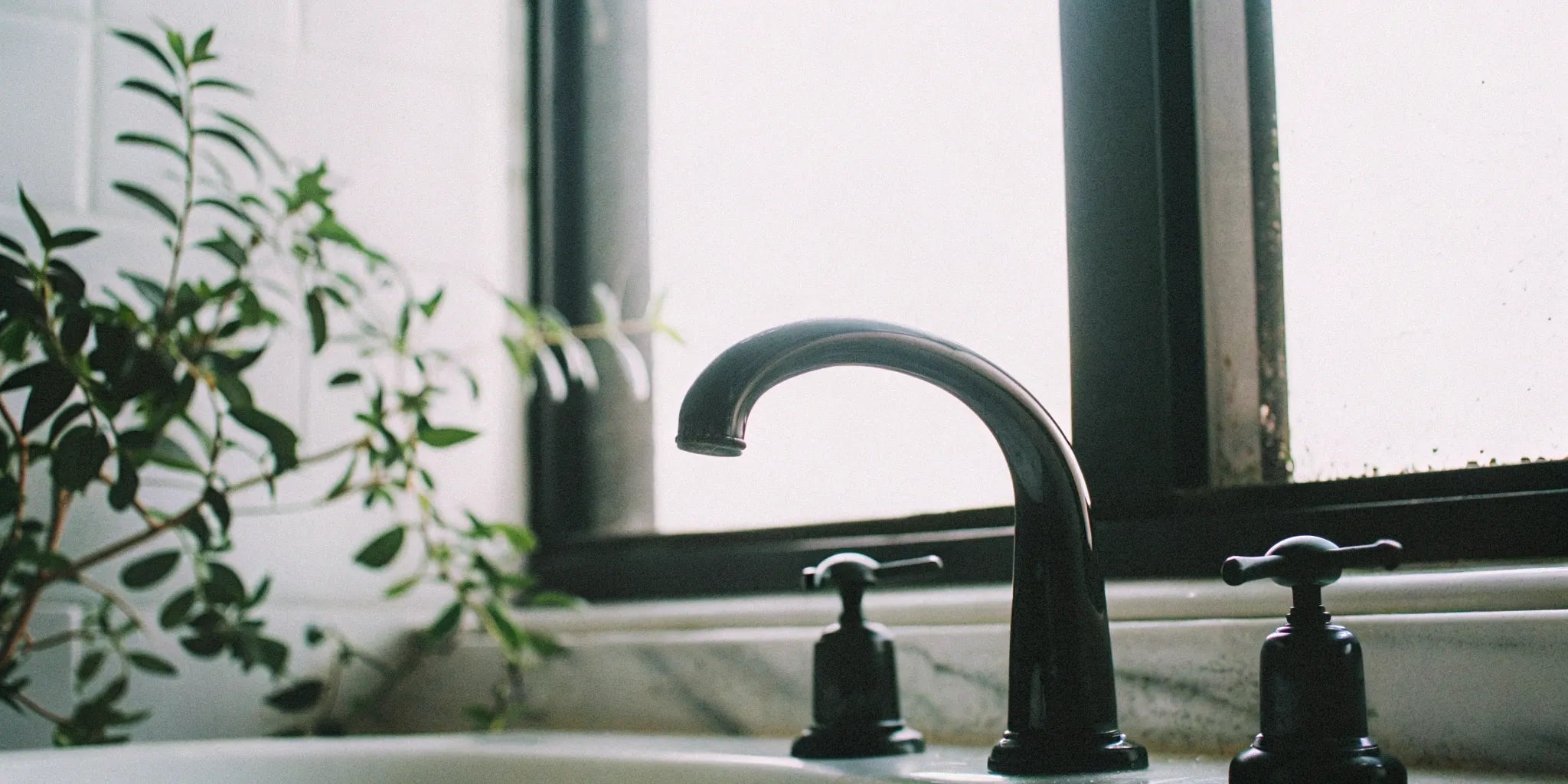
How to Clean a Black Bathroom Faucet & Keep It New
Keeping that gorgeous black bathroom faucet looking brand new is easier than you think. You don't need special, expensive products. The most effective and safest tools are likely already in your home: a soft microfiber cloth, gentle dish soap, and a bit of white vinegar. This guide shows you exactly how to clean black bathroom faucets using these simple supplies. We’ll cover the right methods for everything from daily wipe-downs to stubborn water spots, so you can protect that beautiful matte finish without any stress.
Key Takeaways
- Your best cleaners are already in your kitchen: Rely on a simple solution of mild dish soap and water for daily cleaning. For stubborn hard water spots, use a diluted white vinegar mixture sparingly to protect the finish.
- Avoid harsh chemicals and abrasive tools: The fastest way to ruin a black faucet is with gritty cleaners, scouring pads, or chemicals like bleach and ammonia. Always use a soft microfiber cloth to prevent permanent scratches.
- The final wipe-down is non-negotiable: To prevent water spots and keep your faucet looking brand new, always dry it completely with a clean microfiber cloth after cleaning. This simple habit makes all the difference in maintaining a flawless look.
Why Choose a Black Bathroom Faucet?
Black faucets have become a go-to for designers and homeowners looking to make a sophisticated statement. They act as a stunning focal point, drawing the eye and adding a touch of drama that chrome or nickel often can't match. Whether you're aiming for a sleek, minimalist vibe or a warm, industrial aesthetic, a black faucet provides a strong anchor for your design. But before you commit, it's helpful to understand the full picture—from their visual appeal to the practicalities of daily use and long-term care. Knowing what to expect ensures you can enjoy your beautiful fixtures without any surprises down the road. The right choice always starts with good information.
The Appeal of a Modern Matte Black Finish
There's no denying the trend toward black bathroom fixtures, and for good reason. As one design guide notes, "They look stylish and can make any bathroom look modern, no matter the style." A matte black finish offers a velvety, non-reflective surface that feels both luxurious and understated. Unlike polished finishes, it doesn't show fingerprints as easily and creates a soft contrast against common bathroom materials like white porcelain, marble, or light wood. This versatility allows it to fit seamlessly into various designs while still feeling custom and intentional. It’s a simple swap that can instantly give your entire vanity a high-end, curated look.
Understanding Durability and Potential Downsides
While a matte black finish is durable, it does require a bit of mindful maintenance. Because of its dark, uniform color, things like "water spots can be more noticeable up close, requiring more frequent wiping." The same goes for toothpaste splatters or powdery makeup dust. The good news is that these issues are purely cosmetic and easily managed with a quick daily wipe-down using a soft cloth. Think of it less as a flaw and more as a characteristic of the finish. By adopting a simple cleaning habit, you can easily keep these minor annoyances at bay and maintain that flawless, showroom-new appearance without much effort.
What to Know About Warranties
When investing in new plumbing fixtures, it's smart to check the warranty details, especially for a specialty finish. Many manufacturers offer different coverage for the fixture's mechanical parts versus its surface finish. It's common for black faucets to "come with a 5-year product guarantee and a 1-year finish guarantee." This is important because the finish is the part most exposed to cleaning agents and daily wear. A shorter warranty on the finish underscores the need to use proper, non-abrasive cleaning methods from the start. Following the care instructions isn't just about keeping it looking good—it's also about protecting your investment for the long haul.
The Challenge: Black Faucets and Hard Water
If you live in an area with hard water, you're already familiar with the chalky white residue it can leave behind on dishes, shower doors, and fixtures. This issue is particularly relevant for anyone considering matte black faucets. Hard water is the number one culprit behind the stubborn white spots that can mar their beautiful finish. While it might seem like a major problem, it's completely manageable once you understand what causes it and why it stands out so much on a dark surface. The key isn't to avoid black fixtures but to learn the simple techniques to combat the effects of mineral-rich water.
What Causes White Stains on Black Faucets?
Those frustrating white stains are the result of a high concentration of minerals in your water supply. According to plumbing experts at Borhn, "Hard water has a lot of minerals like calcium and magnesium. When hard water dries or gets hot, it leaves behind mineral spots." Essentially, as each water droplet evaporates from your faucet's surface, it leaves these microscopic mineral deposits behind. Over time, these deposits build up to create the noticeable, chalky film known as limescale. It isn’t a sign of a dirty faucet, but rather a natural outcome of the local water quality in many regions.
Why Matte Black Shows Mineral Buildup More
Matte black faucets don't attract more mineral buildup than their chrome counterparts, but they do make it much more visible. The reason is simple: contrast. As Borhn explains, the "dark color makes the light gray or white hard water spots stand out a lot." A non-reflective, dark surface provides the perfect backdrop for these light-colored mineral deposits to be seen clearly. On a shiny chrome faucet, the spots are often camouflaged by reflections and the lighter color of the metal itself. This visibility is precisely why the final wipe-down after each use is so crucial for maintaining a black faucet’s pristine, uniform appearance.
The Best (and Worst) Cleaners for Black Faucets
The secret to keeping black faucets looking brand new is using the right cleaners. Harsh chemicals can strip the finish, but the right gentle solutions will remove grime and water spots without causing damage. Before you grab your usual bathroom cleaner, let’s talk about what actually works and what you should absolutely avoid. Most of the time, the best tools for the job are probably already in your kitchen pantry.
Your Go-To: A Gentle Soap Solution
Your first line of defense and go-to weekly cleaner should be a simple mix of soap and water. The key is to use a mild, degreasing dish soap (like original Dawn) and, if possible, distilled water. Why distilled? Tap water contains minerals that leave behind those chalky white spots as the water evaporates. Distilled water is free of these minerals, ensuring a spot-free shine every time. Just mix a few drops of soap into a spray bottle with warm distilled water, and you have the perfect gentle cleaner for routine maintenance. This simple solution is effective enough for daily grime and won’t harm your faucet’s delicate finish.
Fight Mineral Buildup with White Vinegar
If you’re dealing with stubborn hard water stains or mineral buildup, it’s time to bring in the white vinegar. Create a cleaning solution with one part white vinegar and one part water. It's crucial to keep the ratio balanced or use even less vinegar than water, as too much acidity can damage the finish over time. Apply this solution with a soft cloth and let it sit on the affected areas for a few minutes to dissolve the mineral deposits. Vinegar is a fantastic natural cleaner, but it should be reserved for targeted, occasional use rather than your everyday cleaning routine to preserve the integrity of your plumbing fixtures.
Pick a pH-Balanced Cleaner for Matte Black
Matte black finishes are especially popular, but they require a bit of extra care to prevent streaks and smudges. For these surfaces, always opt for a pH-balanced (or pH-neutral) cleaner. In simple terms, this means the cleaner is not strongly acidic or alkaline, making it incredibly gentle. You can often find cleaners specifically labeled as pH-neutral, or you can stick to your trusty warm, soapy water solution. Always apply the cleaner with a soft, damp microfiber cloth, as its fine fibers are excellent at trapping dirt without scratching the surface. This gentle approach keeps your matte fixtures looking smooth and uniform.
Cleaners to Avoid at All Costs
This is the most important rule: stay away from harsh and abrasive materials. Never use abrasive cleaners like powders or gritty creams (think SoftScrub or Comet), and avoid abrasive tools like scouring pads or steel wool. You should also steer clear of products containing ammonia, rubbing alcohol, bleach, or other aggressive chemicals. Cleaners specifically designed to remove tough lime and calcium buildup, like Lime-A-Way, are far too harsh and will ruin the finish. Using any of these can cause irreversible scratches, discoloration, and stripping of the protective coating, so always read the label on any commercial cleaner before you use it.
Gathering Your Cleaning Supplies
Before you even think about cleaners, let's talk about tools. Using the wrong cloth or sponge can cause just as much damage as a harsh chemical, leaving behind fine scratches that dull the finish of your beautiful black plumbing fixtures. The good news is you probably already have everything you need. The key is to choose soft, non-abrasive materials that will lift away grime without harming the surface.
Grab a Few Soft Microfiber Cloths
For this job, microfiber cloths are your best friend. Their soft, fine fibers are excellent at trapping dirt and absorbing water without being abrasive. You’ll want to grab two clean, soft cloths. It’s important to make sure they haven't been washed with fabric softener, as the residue can leave behind frustrating streaks on your fixtures. Designate one cloth for applying your cleaning solution and gently wiping the surface, and keep the second one completely dry for buffing away any remaining moisture. This final drying step is essential for achieving that perfect, spot-free shine.
Mix Your Solution in a Spray Bottle
Using a spray bottle gives you much better control over your cleaning solution. Instead of pouring liquid directly onto the faucet, which can lead to drips and waste, a spray bottle lets you apply a fine, even mist. This ensures the entire surface gets cleaned without being oversaturated. It’s helpful to prepare two separate spray bottles: one for your gentle cleaning solution (like diluted dish soap) and a second one filled with distilled water. Using distilled water for the rinse is a pro tip that helps prevent mineral deposits from tap water from leaving new spots behind.
Choose a Gentle, Non-Abrasive Sponge
If you encounter some light soap scum that a cloth can’t quite handle, you can reach for a sponge—but be selective. Stick to a very clean, soft synthetic sponge. You want to avoid anything with a scouring side, as well as natural sea sponges or stiff-bristled brushes. These materials might seem effective, but they are far too abrasive for the delicate finish on black faucets and can easily cause permanent scratches. When it comes to cleaning these fixtures, always remember that gentle pressure with a soft tool is the most effective and safest approach.
Why You Should Always Test First
Here’s a simple rule that can save you a lot of headaches: always test a new cleaning solution in a hidden spot first. This is especially important if you’re trying something with a bit more power, like a vinegar solution for mineral buildup. Find an inconspicuous area to apply a small amount of the cleaner, such as the very back of the faucet base where it meets the countertop. Let it sit for a minute, then wipe and rinse it off. This quick check ensures the solution won't cause discoloration or damage to the finish before you apply it to the entire fixture.
How to Clean Your Black Bathroom Faucet in 4 Steps
Keeping your black faucets looking pristine is simpler than you might think. With the right technique and a gentle cleaning solution, you can easily remove grime and water spots without harming the delicate finish. This straightforward, four-step process will help you maintain the bold, modern look of your plumbing fixtures for years to come. The key is consistency and avoiding harsh, abrasive materials that can cause scratches or discoloration. Follow these steps to clean your faucets safely and effectively, ensuring they remain a stunning focal point in your bathroom or kitchen.
Step 1: Mix Your Gentle Cleaner
First, mix a simple, non-abrasive cleaning solution. The most effective cleaner is often one you can make yourself with household items. In a spray bottle, combine one part white vinegar with about two parts warm water, then add a few drops of a gentle, degreasing dish soap. Shake the bottle gently to mix everything together. This combination is powerful enough to cut through soap scum and mineral deposits but gentle enough to protect your faucet’s finish. For routine cleaning, you can also just use warm water and a bit of dish soap.
Step 2: Spray and Gently Wipe Down
Spray your cleaning mixture directly onto the black faucet, making sure to cover the entire surface, including the base and handles. Let the solution sit for a minute to break down any grime, but don’t let it dry. Take a soft microfiber cloth, dampen it slightly with warm water, and gently wipe the faucet. Use firm, smooth motions rather than aggressive scrubbing, which can scratch the finish. For daily upkeep, simply wiping the faucet with a damp microfiber cloth after each use can prevent buildup from starting in the first place.
Step 3: Rinse with Distilled Water
After wiping the faucet clean, it’s crucial to rinse away any remaining cleaning solution. Residue from soap or vinegar can leave a film or cause buildup over time if not removed completely. Fill a separate spray bottle with plain distilled water and spray the entire faucet. Using distilled water is a pro tip because it’s free of the minerals found in tap water that cause water spots. If you don’t have a spray bottle, you can dampen a clean microfiber cloth with distilled water and wipe the faucet down.
Step 4: Buff Dry for a Perfect Finish
The final step is the most important for achieving that flawless, streak-free look. Take a second, completely dry microfiber cloth and thoroughly dry the faucet. This simple action prevents new water spots from forming as the water evaporates, leaving behind mineral deposits. Polishing the faucet dry restores its smooth, matte appearance and makes it look brand new. Making this a regular habit after each use is the best way to keep your black fixtures looking their best day after day.
How to Tackle Stubborn Stains and Buildup
Even with regular cleaning, you might notice some stubborn spots that just don’t want to budge. Hard water stains, mineral scale, and soap scum are common culprits, especially in bathrooms. The good news is you don’t need harsh chemicals or abrasive scrubbers to get your black fixtures looking pristine again. These targeted techniques use gentle, household ingredients to dissolve buildup without harming the delicate finish of your beautiful plumbing faucets and fittings. A little patience and the right approach are all you need to restore that perfect matte look.
Dissolve Mineral Stains with a Vinegar Soak
For that chalky, white buildup around the tip of your faucet or showerhead, an acidic soak is your best friend. This scale is caused by mineral deposits left behind by hard water. To break it down, fill a small plastic bag with a 50/50 solution of white vinegar and warm water. Secure the bag over the fixture with a rubber band, making sure the affected area is completely submerged. Let it soak for at least an hour—or a few hours for really tough scale. The vinegar will gently dissolve the minerals, making them easy to wipe away. This method is a game-changer for keeping water flowing freely and your fixtures looking sharp.
Use the Plastic Bag Trick on Faucet Spouts
The plastic bag trick is particularly effective for faucet spouts, where mineral buildup can clog the aerator and disrupt the water stream. Once you’ve secured your bag of vinegar solution around the spout, just let it sit and work its magic. After a couple of hours, remove the bag and gently wipe away the loosened deposits with a soft microfiber cloth. Run the water for a minute to flush out any remaining debris from inside the aerator. Finish by rinsing the exterior with clean water and drying it completely. It’s a simple, hands-off way to handle one of the most common issues with bathroom fixtures.
Dab Away Hard Water Stains
What about hard water spots on the faucet base or handles? For these flat or curved surfaces, the bag trick won’t work, but the principle is the same. Instead of scrubbing, which can create micro-scratches on a matte finish, you’ll want to dab. Soak a microfiber cloth in your 50/50 vinegar and water solution and lay it over the stained area. Let it sit for 15-30 minutes to allow the vinegar to penetrate and lift the mineral deposits. Afterward, remove the cloth and gently wipe the area clean. This patient approach protects your faucet’s finish while effectively removing those pesky white spots.
Gently Scrub Off Soap Scum
Soap scum presents a different challenge. It’s a filmy residue that can make your black fixtures look dull and grimy. To remove it, spray your gentle cleaning solution (either soapy water or diluted vinegar) directly onto the fixture. Let it sit for a few minutes to break down the scum. Then, using a soft cloth or non-abrasive sponge, wipe with firm, steady pressure in a circular motion. Pay extra attention to the base and around the handles where buildup is common. Remember, the goal is to lift the grime, not scrub it off with force. Rinse thoroughly and dry completely to reveal that deep, flawless black finish.
How to Keep Your Black Faucets Looking New
Once your black faucets are sparkling clean, the goal is to keep them that way with minimal effort. A little consistent care goes a long way in preventing buildup and protecting the finish. By creating a few simple habits, you can maintain that sophisticated, just-installed look.
Make a Habit of Wiping Faucets Dry
The most effective habit for maintaining black faucets is to wipe them down after each use. This quick step prevents water spots and soap residue from drying on the surface, which leads to mineral buildup. Keep a soft, dry microfiber cloth handy. After use, take a few seconds to gently wipe away any water droplets. This daily diligence means less deep cleaning later and helps preserve the integrity of your plumbing fixtures.
Set Up a Simple Weekly Cleaning Routine
Set aside time once a week for a gentle refresh. Mix a few drops of mild dish soap with warm water. Lightly mist the faucet and wipe it down with a clean microfiber cloth, focusing on the base and handle where grime collects. If you notice faint mineral deposits, dab the area with a cloth dampened in a diluted white vinegar solution. A consistent weekly wipe-down will keep buildup at bay.
How to Prevent Fingerprints and Grime
Matte black finishes are stunning but can show fingerprints more easily than chrome. The key is to avoid harsh chemicals. Never use abrasive cleaners, scouring pads, or products with bleach or ammonia, as these can strip the protective coating and permanently damage the finish. Sticking to a simple soap and water solution is the best way to clean faucets without causing harm. Gentle care is all you need to protect the surface from everyday grime.
Simple Tips for a Lasting Finish
Proper maintenance is the secret to ensuring your black faucets have a long life. Improper cleaning methods are the top cause of damage to special finishes like matte black. By committing to a gentle routine, you are protecting the factory finish. Think of it as an investment in your home’s aesthetic. A well-cared-for faucet not only functions perfectly but also remains a striking design element in your space, ensuring it looks great for years to come.
Shopping for a Black Bathroom Faucet
Choosing a black faucet is a fantastic way to make a design statement, but it’s a decision that goes beyond just looks. Before you buy, it’s important to think about how the faucet will function in your daily life and fit with your existing setup. From the number of holes in your countertop to the overall style of your bathroom, several factors will guide you to the perfect fixture. Thinking through these details upfront ensures you select a faucet that is not only beautiful but also practical and built to last. This guide will walk you through the key considerations, from mounting options to modern features, so you can shop with confidence.
Key Considerations Before You Buy
Mounting and Handle Options
The right faucet needs to be both pretty and useful, so before you fall in love with a specific design, take a moment to assess your bathroom’s practical needs. First, check your sink or countertop to see how many holes are available for installation—this will determine your mounting options. A single-hole faucet offers a clean, minimalist look, while a widespread faucet with separate handles provides a more traditional feel. Wall-mounted faucets are another great option for a modern, space-saving design, but they require specific plumbing in the wall. You’ll also want to decide between a single-handle faucet for easy temperature control or a double-handle design for precise adjustments. Thinking through these details will help you narrow down your choices from a wide selection of bathroom plumbing fixtures.
Matching Your Bathroom Style
A black faucet can anchor your bathroom's design, acting as a bold focal point. It pairs exceptionally well with modern, industrial, and minimalist styles, but it can also add a contemporary twist to a classic farmhouse or transitional space. To create a cohesive look, consider how the faucet’s finish and shape will complement other elements in the room. Think about coordinating it with your cabinet hardware, shower fixtures, and even your lighting fixtures. The right faucet can tie the entire room together, transforming your bathroom from a purely functional space into a stylish retreat.
Modern Features to Look For
Water-Saving and Accessibility Features
Today’s faucets offer more than just hot and cold water; many come with modern features that add convenience and improve sustainability. When shopping, look for models with the WaterSense label, which indicates they use at least 20% less water than standard faucets without sacrificing performance. This is a simple way to reduce your water bill and your environmental footprint. Additionally, consider accessibility. Faucets that meet ADA (Americans with Disabilities Act) standards are designed for ease of use, often featuring lever handles that can be operated with minimal force. These thoughtful features ensure your bathroom is comfortable and functional for everyone.
Popular Alternatives to Black Finishes
Chrome and Brushed Nickel
While matte black is a stunning choice, it’s not the only option for creating a beautiful bathroom. If you’re looking for a different vibe, there are several popular alternatives to consider, starting with the classics. Chrome is a timeless choice for a reason. Its bright, reflective surface is incredibly versatile, fitting seamlessly into almost any bathroom style, from vintage to ultra-modern. It’s also durable and one of the easiest finishes to clean. For a slightly softer look, brushed nickel is an excellent choice. Its subtle, matte texture is great at hiding fingerprints and water spots, making it a practical option for busy family bathrooms.
Gold, Bronze, and Brass
If you want to add a touch of warmth and luxury, consider finishes like gold, bronze, or brass. A brushed gold faucet can create a sophisticated, high-end feel, while an oil-rubbed bronze finish offers a more rustic, traditional charm. These warmer tones pair beautifully with a wide range of color palettes, from deep, moody hues to bright, airy whites. Exploring the full range of available plumbing faucets and fittings can help you find the perfect metallic finish to complete your bathroom’s design and add a bit of personality.
Related Articles
- Matte Black Faucet: Your Complete Buyer's Guide
- Black Bathroom Faucets: A Buyer's Guide
- 5 Best Black Kitchen Faucets for Any Style