


Black French Doors: The Ultimate Buyer's Guide
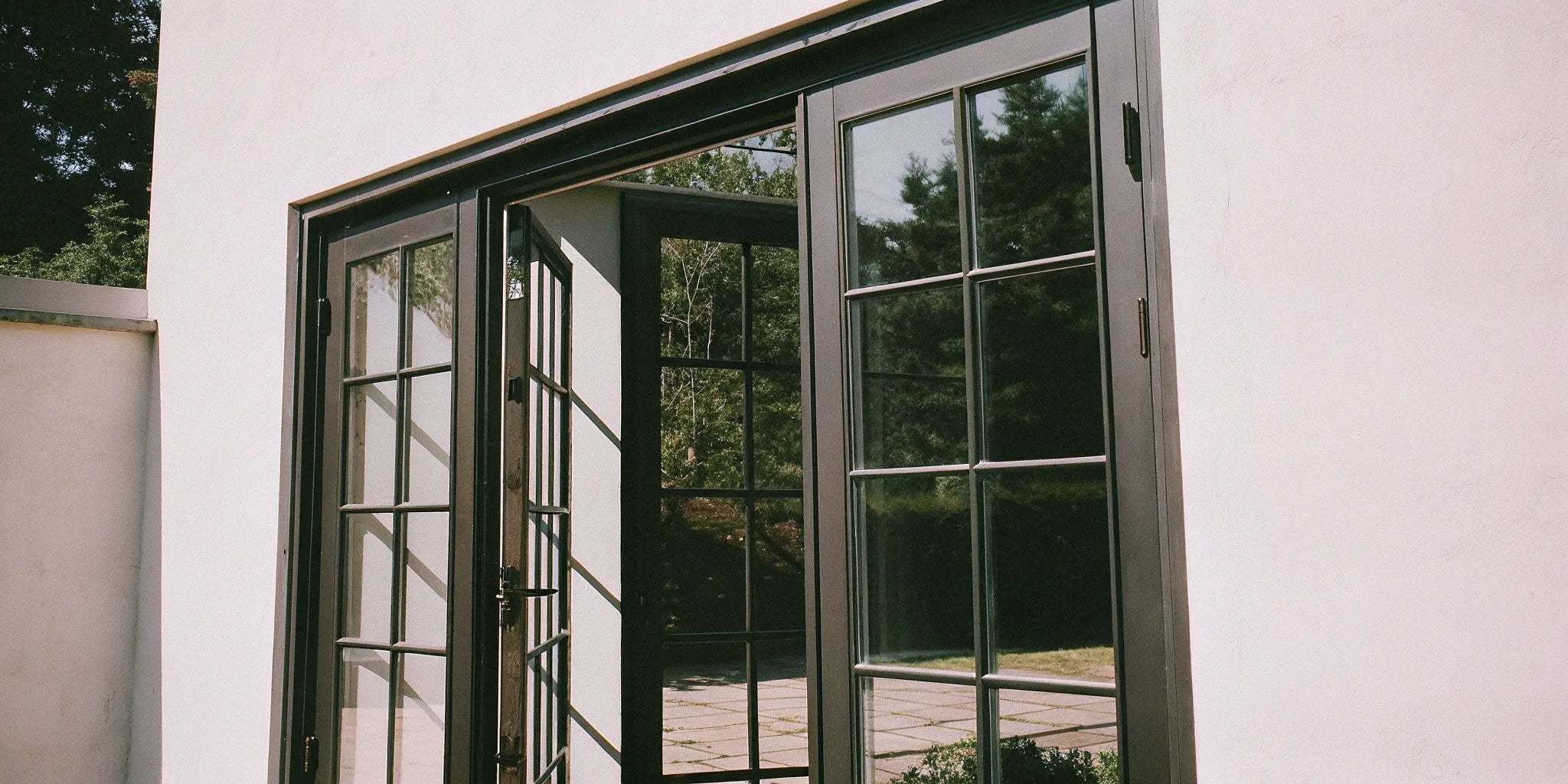
Choosing an exterior door is a huge decision—it sets the tone for your entire home. Want a look that's both classic and completely current? Consider black French doors. They blend the timeless grace of a traditional design with the clean, sharp lines of modern style. The bold black frame creates a stunning contrast that makes your view pop and adds instant sophistication to any facade. Whether you're renovating or building new, these doors make a powerful statement. Here’s what to look for when buying, from durable materials like steel to the top brands on the market.
Key Takeaways
- Prioritize Clean Lines and Light: The modern look is all about simplicity. Choose doors with slim frames and large glass panels to create a bright, open feel and a strong connection to your outdoor space.
- Choose Your Material for the Long Haul: The material you select determines your door's durability, maintenance needs, and security. For a low-maintenance option that offers top-tier strength and a sleek profile, steel is a leading choice.
- Look Beyond the Frame: Key details make all the difference. Insist on high-performance glass for energy efficiency and a multi-point locking system for security. A professional installation is the best way to guarantee a perfect, weather-tight fit.
Why Go with Modern Black French Doors?
Modern black French doors have become a go-to choice for homeowners and designers, and it’s easy to see why. They strike the perfect balance between classic elegance and contemporary style, creating a look that feels both fresh and enduring. Black is a powerful neutral that makes a sophisticated statement, framing your view of the outdoors like a piece of art. This makes them a timeless and stylish choice that complements nearly any architectural style, from a modern farmhouse to a sleek, minimalist home.
One of the biggest draws of any French door is the way they let in a lot of natural light. The large glass panes create a seamless transition between your indoor and outdoor living spaces, making rooms feel brighter, larger, and more connected to nature. The bold black frame adds definition and contrast, drawing the eye outward and highlighting the view. This simple design choice can completely transform the atmosphere of a room, creating an open and inviting feel.
Beyond their good looks, modern black French doors are incredibly versatile. You can find them in a range of materials, but steel doors are an especially popular option. Steel offers a slim yet strong profile that maximizes the glass area while providing exceptional durability and security. Unlike bulkier frames, steel allows for clean lines that define the modern aesthetic. This combination of strength and style means you don’t have to compromise on safety to get the look you want, giving you peace of mind and a beautiful entryway that adds significant curb appeal to your home.
Styling and Design Advice
Choosing modern black French doors is the first step; making them shine is all about the details. The right styling choices will integrate your new doors seamlessly into your home’s design, turning them from a simple entryway into a stunning focal point. From wall colors to hardware, a few thoughtful decisions can make all the difference in creating a cohesive and polished look that feels both intentional and inviting. Let's walk through some simple tips to help you style your doors like a pro.
Wall Color Pairings
Because black is a powerful neutral, it works beautifully with a wide range of colors. For a classic, high-contrast look that makes your doors pop, you can’t go wrong with crisp white walls. This combination feels clean, bright, and sophisticated. If you prefer a softer, more contemporary feel, try pairing your black doors with a light or medium grey for a calm and cohesive atmosphere. For those who love a bit of drama, black doors look incredible against rich jewel tones. A deep emerald green, a moody navy blue, or a warm burgundy wall will create a luxurious and inviting space that feels incredibly stylish and personal. This versatility is why black has become a go-to choice for designers.
Choosing the Right Door Trim
After settling on a wall color, it’s time to think about the trim. This detail has a surprisingly big impact on the final look. Painting the trim black to match the door creates a seamless, monolithic effect that can make the doorway appear larger and more dramatic—a great choice for modern or industrial spaces. On the other hand, using a crisp white trim creates a sharp, graphic contrast that beautifully frames the door. This is a more traditional approach that feels clean and polished, highlighting the door as a distinct architectural feature. Your choice really depends on whether you want the door to blend in for a subtle look or stand out as a statement piece.
Incorporating Black Doors into Your Design Concept
Think of your black French doors as more than just an entryway; they're a key design element that can ground your entire space. In a room with light walls and floors, the black frame creates a "visual pause," drawing your eye and adding a point of interest without overwhelming the space. This makes them an excellent anchor in minimalist, Scandinavian, or modern farmhouse designs. The slim profile of modern steel doors, in particular, complements these styles perfectly. By repeating black accents throughout the room—in lighting, hardware, or furniture—you can create a cohesive and professionally designed look that feels both intentional and effortless.
What Makes a French Door "Modern"?
When you picture a classic French door, you might imagine a charming, multi-paned design perfect for a country cottage. But a modern French door takes that timeless concept and reinterprets it for contemporary homes. It’s about more than just a coat of black paint; it’s a complete design philosophy rooted in simplicity, light, and a seamless connection to the outdoors.
Modern French doors strip away the ornate details of their traditional counterparts. Instead of intricate carvings and decorative hardware, the focus shifts to a clean, uncluttered aesthetic. This style prioritizes expansive glass, slim frames, and an overall feeling of openness. The goal is to make the door a functional work of art that frames your view rather than obstructing it. Think of it as a large, elegant window that you can walk through. This approach allows modern exterior doors to complement a wide range of architectural styles, from minimalist new builds to updated mid-century homes.
It's All About Clean Lines & Simple Hardware
The foundation of modern design is simplicity, and that’s exactly what you’ll find in today’s French doors. Modern black French doors are designed with clean lines and a minimalist aesthetic, often featuring simple grilles that add detail without obstructing the view. Forget the curved, decorative trim and fussy details of older styles. Instead, you’ll see straight, crisp lines that create a sharp, sophisticated silhouette. This extends to the hardware, which is typically sleek and functional. Look for simple lever handles, square backplates, and finishes like matte black or brushed nickel that contribute to the understated, elegant look.
Maximizing Light with Oversized Glass
One of the most defining features of a modern French door is its emphasis on glass. French doors are known for their oversized glass panels that let in a lot of natural light, creating a dramatic, wide opening to the outdoors. While traditional doors often feature a grid of many small panes (known as lites), modern versions use large, single panes of glass for each door. This maximizes your view and floods your interior with sunlight, helping to blur the boundary between your indoor and outdoor living spaces. Even when grilles are used to create a divided-lite look, they are typically thin and minimal to maintain that open, airy feeling.
Slim Frames Define the Modern Look
The frame of a modern French door is designed to be strong yet subtle. Modern French doors often feature contemporary frame profiles that are sleek and stylish, enhancing the overall aesthetic while providing durability. These frames are typically slimmer and have a flatter, more squared-off profile than traditional, bulkier designs. Materials like steel doors are ideal for this, as their inherent strength allows for a very narrow frame that can still support large panes of glass. This slim profile puts the focus where it belongs: on the expansive view and the beautiful natural light pouring into your home.
Which Material is Best for Black French Doors?
The material you choose for your black French doors is a big decision. It affects everything from how they look and how long they last to how much maintenance they’ll need down the road. Each option—steel, fiberglass, aluminum, and wood—comes with its own unique set of strengths. Are you looking for maximum security and minimal upkeep, or is a classic, customizable look your top priority? Understanding the key differences will help you find the perfect fit for your home's style, your local climate, and your lifestyle. Let's break down the most common materials so you can make a choice you'll be happy with for years to come.
Steel: For a Sleek, Durable Look
Steel is a powerhouse when it comes to exterior doors, and for good reason. Black steel French doors deliver a sleek, modern look with slim frames that maximize your view. But their real strength lies in their durability and security. Steel won't warp or crack like wood, and it provides excellent thermal protection, which can help with your energy bills. It’s an incredibly strong material, offering peace of mind that your home is secure. If you’re looking for a long-lasting, low-maintenance door that combines minimalist style with top-tier performance, steel is an outstanding choice. It stands up to the elements and daily use without demanding much in return.
Fiberglass: Low Maintenance, High Style
Think of fiberglass as the chameleon of door materials. It can be molded to have a smooth finish or a realistic wood grain texture, giving you incredible design flexibility. The biggest advantage of fiberglass is its resilience. These doors are built to resist warping, rotting, denting, and splitting, making them a fantastic low-maintenance option for almost any climate. They are also great insulators, helping to keep your home comfortable year-round. If you love the look of a classic wood door but don't want to deal with the regular upkeep of sanding and refinishing, a black fiberglass French door offers the best of both worlds: beautiful aesthetics and hassle-free durability.
Aluminum: The Ultimate in Modern Design
For a truly contemporary and high-end look, aluminum is hard to beat. Aluminum frames are known for being exceptionally strong yet incredibly thin, which allows for massive glass panels and clean, sharp lines. This minimalist profile is perfect for modern and industrial-style homes where maximizing natural light is a priority. While aluminum doors often come with a higher price tag, they are also lightweight, strong, and naturally resistant to rust. They are a great investment for homeowners who want a sleek, architectural statement piece that feels both durable and sophisticated. Their strength also allows for larger door systems than some other materials can support.
Classic Wood with a Modern Black Finish
There’s an undeniable warmth and classic charm to wood doors. A solid wood French door painted black makes a bold, inviting statement and offers endless customization possibilities. You can choose from various wood species, each with its own unique grain and character. Wood is a natural insulator and provides a substantial, high-end feel that other materials aim to replicate. However, this classic beauty comes with a trade-off: maintenance. Wood exterior doors require regular sealing or painting to protect them from moisture and prevent warping or rotting. If you’re committed to the upkeep, a black wood French door offers a timeless and impressive entryway.
How Much Do Modern Black French Doors Cost?
Figuring out a budget for your new exterior French doors can feel tricky because prices vary so much. The final cost depends on the material you choose, the size of the doors, the type of glass, and any custom features you add. To make it easier, let's break down the typical price ranges you can expect to see, from budget-friendly models to high-end custom designs.
Generally, you can find great options at almost any price point. More affordable doors often use materials like uPVC, which are practical and stylish. As you move into the mid-range, you’ll find materials like aluminum and fiberglass that offer enhanced durability and sleeker profiles. At the premium end, you’re paying for top-tier materials like steel, custom sizing, and advanced features that create a truly standout entryway. Understanding these tiers will help you find the perfect modern black French doors that fit both your home’s aesthetic and your wallet.
What You Can Get for Under $2,500
If you're looking for a stylish upgrade without a hefty price tag, you can find excellent modern black French doors in the $1,200 to $2,400 range. Doors in this category are often made from uPVC, a type of vinyl known for its energy efficiency and incredibly low maintenance. You won’t have to worry about painting or staining, and it holds up well against the elements. This price point is perfect for homeowners who want to achieve a modern look on a practical budget, offering a clean, minimalist aesthetic that doesn’t compromise on performance.
Mid-Range Doors: Investing in Quality ($2,000–$4,000)
In the mid-range, typically between $2,000 and $4,000, you’ll find doors made from materials like aluminum or fiberglass. Aluminum is a fantastic choice for a contemporary home because its strength allows for thinner, sleeker frames and larger glass panels, maximizing your view and natural light. Fiberglass offers the look of wood without the upkeep and provides excellent durability and insulation. This price range represents a sweet spot for many homeowners, delivering a high-end look and superior performance that balances cost and quality perfectly.
High-End & Custom Options (Starting at $4,000)
For those with a larger budget or specific design needs, premium and custom doors start at $4,000 and can go up from there. This category includes high-end materials like heavy-gauge steel, solid wood, and thermally broken aluminum. Here, you can get exactly what you want, from custom sizes that fit unique openings to specialized glass and bespoke hardware. Investing in premium steel doors not only creates a dramatic focal point but also provides unmatched security and longevity, making it a worthwhile investment for a forever home.
What Determines the Final Cost?
Several key factors determine the final cost of your French doors. The material is the biggest driver—uPVC is the most economical, while aluminum, fiberglass, and steel cost more. Size also plays a major role; standard sizes are more affordable, while custom dimensions can increase the price by 10% to 30%. The type of glass matters, too. While double-pane glass is standard, upgrading to triple-pane for better insulation can add another 20% to 30%. Finally, don't forget the finish—a standard black finish is often included, but custom colors or textures will add to the total.
Which Brands Make the Best French Doors?
When you start shopping for modern black French doors, you'll find a few brands consistently come up for their quality, design, and performance. Each one brings something different to the table, from ultra-durable steel to classic custom wood. Getting familiar with the top players can help you narrow down your options and find the perfect fit for your home's style and your family's needs. Here’s a closer look at some of the best brands on the market today.
USA Builders Depot Steel Door Collection
USA Builders Depot offers a fantastic collection of black steel French doors that really hit the mark on durability and security. If you're looking for something that provides a sleek, modern aesthetic without compromising on strength, this is an excellent place to start. Steel doors have a longer lifespan and offer better thermal protection than many traditional wood doors. Their sturdy construction provides an added layer of security, giving you peace of mind. This makes them a smart choice for homeowners who want to blend contemporary style with practical, everyday safety. The clean lines and robust build are perfect for a modern exterior update.
Pella Custom Black Wood Patio Doors
Pella is a well-known name in the window and door world, and for good reason. They are particularly recognized for their custom black wood patio doors, especially their French door designs. These doors are beautifully crafted to create an inviting and seamless transition between your indoor and outdoor living spaces. They often feature simple, elegant grilles and a contemporary black finish that frames your backyard view like a piece of art. Pella’s commitment to quality craftsmanship means you’re getting a door that is not only beautiful but also built to last, making them a popular choice for those who prioritize both elegance and function.
Andersen Hinged Patio Door Series
Andersen's hinged patio doors, which many of us know as French doors, are all about versatility and user-friendly design. They come in a variety of configurations, including single, double, and even three-panel options, so you can customize them to fit nearly any opening. One of the standout features of some Andersen designs is the ability to create a wide, unobstructed entryway without a central post getting in the way. This is ideal for creating that seamless flow between your home and your patio or deck, making your space feel more open and connected to the outdoors.
Marvin Modern Collection
Marvin is another top-tier brand that excels in creating products with a clean, contemporary feel. Their Marvin Modern collection is known for its sleek designs that appeal to homeowners with an eye for minimalist aesthetics. While they offer a wide range of products, their focus is on high-quality materials, innovative design, and excellent energy efficiency. If you're looking for a door that combines sophisticated style with top-notch performance, Marvin is definitely a brand to explore. Their commitment to modern design principles makes them a strong contender for anyone wanting to make a bold statement with their home's exterior.
How Do Materials Compare on Durability and Maintenance?
Choosing the right material for your exterior French doors goes beyond aesthetics; it’s a long-term investment in your home’s performance and security. This decision directly impacts how much time you’ll spend on upkeep, how well your doors stand up to the weather, and how protected your home is from both the elements and potential intruders. The four main players in the market are steel, fiberglass, wood, and aluminum, and each comes with a distinct set of strengths and weaknesses.
Steel is renowned for its unmatched strength and security, making it a top choice for homeowners who prioritize safety. Fiberglass offers a fantastic balance of durability and low maintenance, often mimicking the look of wood without the demanding upkeep. Traditional wood doors provide a classic, warm aesthetic but require consistent care to keep them looking their best. Finally, aluminum offers a sleek, modern profile perfect for contemporary homes, though its performance can vary. Thinking about your local climate, your lifestyle, and how much maintenance you’re willing to do will help you land on the perfect choice. Let's break down how these popular materials stack up against each other in the areas that matter most.
How Much Upkeep Does Each Material Need?
If you’re looking for a low-maintenance option, steel and fiberglass are your best bets. Modern steel doors are finished with durable, factory-applied coatings that resist chipping, cracking, and rust, usually only requiring a simple wipe-down with mild soap and water to stay clean. Similarly, fiberglass doors are a great choice if you want something that doesn't need much care, as they don't typically warp, rot, or dent, even in harsh weather. Wood doors, while beautiful, demand the most attention. They need to be regularly repainted or resealed every few years to protect them from moisture and prevent warping, which can be a significant long-term commitment.
Which Doors Stand Up to the Elements?
When it comes to facing the elements, your door's material is critical for its lifespan. Black steel French doors have the advantage of a longer lifespan and excellent weather resistance. Because steel is dimensionally stable, it won't swell, shrink, or warp with changes in temperature or humidity, ensuring a tight seal for years. Fiberglass also performs exceptionally well in harsh climates, as it resists rotting, corrosion, and rust. Wood is the most vulnerable material to weather. It naturally expands and contracts with moisture, which can compromise the door’s fit, lead to air leaks, and require more frequent repairs over its lifetime if not meticulously maintained.
Understanding Energy Efficiency Ratings
An exterior door is a key part of your home's thermal envelope, impacting both comfort and utility bills. Fortunately, most modern French doors are designed to save energy and keep your home well-insulated. Steel and fiberglass doors are often injected with a foam core, which provides excellent thermal protection and significantly reduces heat transfer. This insulation helps keep your home cooler in the summer and warmer in the winter. Wood is a natural insulator, but its efficiency can be reduced if the door warps and creates gaps. While older aluminum frames were poor insulators, many contemporary aluminum doors now include thermal breaks to improve their performance.
How Secure is Each Door Material?
Your front door is a primary line of defense, so security is a top priority. When it comes to sheer strength and resistance to forced entry, steel is the clear winner. Steel doors are strong, secure, and difficult to dent or kick in, offering homeowners ultimate peace of mind. Fiberglass is also a very durable and secure material that won't crack or break under impact. Solid wood doors can be quite secure due to their weight and density, but steel still provides a higher level of protection against intrusion. Regardless of the material, always pair it with a high-quality, multi-point locking system and a reinforced frame for maximum security.
Sound Reduction and Performance
You might think that a door with so much glass would let in a lot of outside noise, but modern French doors are engineered for impressive acoustic performance. Many are designed to reduce noise compared to standard interior doors, creating a quieter and more peaceful home environment. This is often achieved through solid core construction, high-performance glass, and superior weatherstripping that seals out sound along with drafts. These doors are built to last for many years with little care, so you get a durable, high-performing entryway that contributes to a more serene living space. The solid build of materials like steel adds to this effect, providing a sturdy barrier against street noise.
Eco-Friendly Material Options
As we become more conscious of the materials in our homes, it’s good to know that many modern doors are designed with sustainability in mind. Many manufacturers now offer doors made with eco-friendly materials that do not contain formaldehyde, which is better for your family's health and indoor air quality. Materials like steel and aluminum are not only durable but also highly recyclable at the end of their long lifespan, reducing waste in landfills. Furthermore, the excellent insulation provided by energy-efficient doors helps lower your home's heating and cooling needs, which reduces your overall carbon footprint. Choosing a well-made door is a decision that benefits both your home and the environment.
Your French Door Buying Checklist
Once you’ve narrowed down the material, it’s time to focus on the details that separate a good French door from a great one. The right glass, hardware, and construction will impact everything from your energy bills to your peace of mind. Paying attention to these features ensures your new doors are beautiful, functional, and built to last. Think of it as a checklist for quality—get these four things right, and you’ll love your investment for years to come.
Choosing the Right Glass for Your Climate
The large glass panes are the signature feature of French doors, but they can also be a source of energy loss if not chosen carefully. Modern doors offer high-performance glass packages that provide excellent insulation. Look for double- or even triple-pane glass with an inert gas like argon filling the space between the panes. A Low-E (low-emissivity) coating is another must-have; it’s a microscopic metallic layer that reflects heat, keeping your home warmer in the winter and cooler in the summer. These features are standard in quality steel windows and doors, helping you maintain comfort without sacrificing natural light.
Don't Overlook Hardware and Locks
The hardware on your French doors does more than just look good—it’s critical for security and smooth operation. A multi-point locking system is one of the most important features to look for. Instead of a single deadbolt, this system secures the door to the frame at several points, making it much harder to force open. Also, check the quality of the handles, hinges, and levers. Are they made from solid, corrosion-resistant materials like stainless steel or brass? High-quality hardware ensures your doors will open and close effortlessly for years, while strong steel doors provide an added layer of security and durability.
Choosing Hardware Finishes
Think of hardware as the finishing touch that completes your door's look. The right finish can tie your entire entryway together, so it’s worth considering your home’s overall style. For a seamless, ultra-modern aesthetic, matching matte black hardware creates a sophisticated, monolithic look. If you want to add a touch of contrast and warmth, consider finishes like satin brass or brushed nickel, which pop beautifully against the black frame. The key is to choose a finish that complements your home's character; a sleek city home might call for polished chrome, while a modern farmhouse could be the perfect backdrop for warm, natural textures in the hardware.
Coordinating Interior and Exterior Hardware
Since French doors are a bridge between your indoor and outdoor spaces, the hardware needs to look great from both sides. The simplest way to achieve a cohesive look is to use the same style and finish for the interior and exterior handles. However, you don't have to match them perfectly. It's become popular to mix metal finishes throughout a home, and your doors are no exception. As long as the finishes complement each other, you can create a thoughtful, layered design. For example, you could use a durable matte black handle on the exterior and a warm brass on the interior to match your indoor decor, creating a custom look that feels intentional and stylish.
Check the Frame and Weather Seals
A door is only as good as its frame and seals. A well-constructed frame prevents warping and ensures the doors hang correctly, creating a tight seal when closed. Look for robust weatherstripping around the entire perimeter of the doors and at the meeting point between them. The threshold at the bottom should also create a seal to block drafts and water. As This Old House notes, a proper installation starts with a well-prepared opening that is "plumb, level, in the same plane, and about an inch wider and taller than the doors' frame." This ensures the weatherproofing can do its job effectively.
Finding the Perfect Finish and Style
Modern black French doors offer plenty of room for personalization. You can tailor them to fit your home’s unique style with different grille patterns, also known as muntins. A simple square grille profile can add detail without obstructing the view, creating a clean, contemporary look. The finish itself is another key choice—matte black offers a sophisticated, understated feel, while a satin finish provides a subtle sheen. You can also consider adding sidelights or a transom window above the doors to create a more dramatic and light-filled entryway. These custom touches help integrate the doors seamlessly into your home's design.
French Doors vs. Sliding Doors
It’s a classic debate for any patio entrance: the timeless elegance of French doors versus the sleek functionality of sliding doors. French doors swing open to create a grand, welcoming entryway, offering a traditional and often romantic feel. Sliding doors, on the other hand, provide a modern, space-saving solution that maximizes your view with large, uninterrupted panes of glass. The right choice depends entirely on your home’s architecture, your budget, and how you plan to use the space. Both styles are excellent for connecting indoor and outdoor living areas, but they achieve it in very different ways. Let's compare them on the factors that matter most: cost, space, and the size of the opening.
Cost Comparison
When you're planning a renovation, the budget is always a top consideration. Generally, French doors are more affordable than sliding doors, which often cost more because they have larger glass panels and more complex track mechanisms. The final price for either style, however, is heavily influenced by the material. For example, a standard set of steel French doors can be a very cost-effective option, while a custom, multi-panel aluminum sliding system will land at the higher end of the price spectrum. It’s always smart to get quotes for both styles in the material you prefer to see how they fit within your project's budget.
Space Requirements
The functional footprint of your door is a practical point that can quickly make the decision for you. French doors require clear space to swing open, either into your room or out onto your patio. You’ll need to account for this swing radius when arranging furniture, planters, or outdoor seating to ensure the doors can open fully without obstruction. Sliding doors are the ultimate space-savers. Since they glide sideways on a track, they require almost no floor space to operate, making them a perfect choice for smaller rooms, tight balconies, or any area where a swinging door would feel impractical or cramped.
Maximum Opening Size
If your design goal is to create a sweeping, panoramic view, the maximum opening size is a critical factor. A double French door creates a beautiful, wide entryway, but it’s limited by the width of its two panels. Sliding doors, however, are built to cover much larger spans. Sliding door systems can feature multiple panels that stack or slide into a wall pocket, creating a seamless transition to the outdoors. This allows you to achieve a true "wall of glass" effect that offers an expansive, unobstructed view that a standard French door can’t quite match.
Getting Your Exterior French Doors Installed
Installing exterior French doors is a significant upgrade, but it’s a project that demands precision. Unlike an interior door, an exterior door has to protect your home from the elements, provide security, and operate smoothly for years. Whether you’re a seasoned DIYer or planning to hire a professional, understanding the key steps of the installation process will help you ensure a successful outcome. From preparing the opening to choosing the right swing, getting the details right is what separates a beautiful, functional entryway from a drafty, frustrating one. A proper installation protects your investment and guarantees your new doors look and perform their best.
Should You Hire a Pro or DIY?
Deciding between hiring a pro and doing it yourself often comes down to your comfort level, tools, and the complexity of the job. While a DIY installation can save money on labor, it’s a task that leaves little room for error. Exterior doors need to be perfectly plumb, level, and square to prevent drafts, leaks, and security issues. Professional installers bring the experience and specialized tools needed to ensure your French doors fit perfectly and function smoothly. For a high-quality product like a set of steel doors, professional installation is often the best way to protect your investment and ensure the door’s weather sealing and security features perform as designed.
Hardware Preparation and Drilling
Once your doors are hung and perfectly aligned, it’s time to install the hardware. Some door sets come pre-drilled for standard handles and locks, which can save you a lot of time and guesswork. However, if your doors are not pre-drilled, this step requires careful attention. It’s the classic “measure twice, drill once” scenario. You’ll need to mark the exact spots for your handles, lockset, and latch plate. When you’re ready to drill, use the correct bit size and a steady hand to ensure a clean hole. As you attach the hardware, drill the screws in tightly for a secure, flush fit, but be careful not to strip them. This precision is what gives your doors a professional finish and ensures they operate smoothly for years to come, especially on durable materials like steel doors where accuracy is key.
How to Measure and Prep Your Opening
A successful installation starts long before the door is even on site. It begins with the rough opening. According to the experts at This Old House, a rough opening needs to be "plumb, level, in the same plane, and about an inch wider and taller than the doors' frame." This extra space allows for adjustments and insulation. Before you order your doors, take precise measurements of the opening’s height, width, and depth. Check that the opening is square by measuring diagonally from corner to corner; the two measurements should be equal. If the opening isn’t properly prepared, the entire installation will be more difficult and the final result may be compromised.
In-Swing or Out-Swing: Which is Right for You?
One of the first decisions you’ll make is whether your doors will swing into the house (inswing) or out onto the patio (outswing). Inswing doors are more common and are often considered more secure, while outswing doors are great for saving interior space and can offer better protection against wind-driven rain. You’ll also need to decide which door will be the primary, or "active," door and which will be the "passive" door, which typically stays closed with top and bottom bolts. This choice affects hardware placement and daily usability, so consider the flow of traffic in and out of your home when making your decision.
What Are the Hidden Installation Costs?
The price of the door itself is just one part of the total project cost. Be sure to budget for additional materials and potential labor. Installing French doors involves several steps that require precision, and proper insulation is crucial for ensuring energy efficiency. Other costs can include new interior and exterior trim, flashing tape, caulk, shims, and insulation foam. If you’re replacing a smaller door or window, you may also face costs for reframing the wall to create a larger opening. Factoring in these expenses from the start will help you create a realistic budget and avoid surprises down the road.
How to Choose the Right Size and Configuration
Getting the size and configuration of your French doors right is as important as choosing the material and style. A perfect fit ensures your doors look great, function smoothly, and provide a weather-tight seal. You’ll need to decide between standard and custom sizing, single or double doors, and—for double doors—how the panels operate. Let's walk through these key decisions so you can choose with confidence.
Do You Need a Standard or Custom Size?
The first step is figuring out what size door you need. Most modern homes have standard-sized door openings, which makes finding an off-the-shelf door simpler and more affordable. To see if a standard door will work, measure your rough opening. A good rule of thumb is that the opening should be about one inch wider and taller than the door frame. This extra space allows for proper shimming and insulation, ensuring a snug fit. If you’re working with an older home or a unique architectural design, a custom steel door is often the best path forward to get a perfect fit for a non-standard opening.
Choosing Between Single and Double Doors
Modern black French doors come in two main configurations: single and double. A double door is the classic choice, creating a grand entrance to a patio or garden. Because they open from the center without a fixed post, they create an expansive, unobstructed view that merges your indoor and outdoor spaces. This makes them ideal for main entryways to the backyard. A single French door offers the same glass-centric style in a smaller footprint. It’s a fantastic solution for smaller balconies or side entrances where a full double door isn’t practical but you still want to maximize natural light.
Understanding Active vs. Passive Doors
If you opt for a double door, it’s important to understand how the two panels work together. One door is the "active" panel—this is the one you’ll use every day with the handle and lock. The other is the "passive" panel, which typically stays closed, secured by latches at the top and bottom. You can open the passive door whenever you need a wider opening, like when moving furniture or hosting a party. When ordering, you’ll need to decide which side you want the active door on. Think about the flow of traffic in your home and which swing direction feels most natural for the space to ensure your new doors are as functional as they are beautiful.
Exploring Different Door Styles and Configurations
Beyond the functional choices of size and swing direction, you can further customize your doors to match your home's specific style. The design of the glass panels, the presence of grilles, and even the overall door system can be tailored to create the exact look you want. While a classic double French door is a timeless choice, it’s worth exploring other configurations that might better suit your space or aesthetic. Thinking through these details will help you create an entryway that feels intentional and perfectly integrated with your home’s design.
Glass and Panel Options
A key feature of modern French doors is their focus on maximizing natural light. Unlike traditional designs with many small, divided panes, contemporary styles often use large, single panes of glass for each door. This creates an unobstructed view and a seamless connection to your outdoor space, making any room feel brighter and more open. The strength of materials like steel is what makes this possible, allowing for slim, minimalist frames that can support oversized glass. If you still appreciate the character of divided lites, you can opt for modern grilles that are thin and simple, adding architectural detail without blocking the view.
Alternative Configurations (Bi-fold, Sliding, Fixed)
While hinged French doors are a classic, they aren't the only way to create a light-filled opening. Sliding doors, for example, offer a clean, modern look and are a great space-saver since they don't swing into a room. Bi-fold doors are another popular option that can completely open up a wall, stacking neatly to the side for a true indoor-outdoor experience. You can also create a stunning architectural feature by pairing your French doors with fixed panels, like sidelights or a transom. Combining operable steel doors with matching steel windows can create an entire wall of glass that makes a dramatic statement.
Where Can You Buy Modern French Doors?
Once you have a clear idea of the material, style, and features you want, it’s time to find the right place to buy your doors. The retailer you choose can impact everything from product quality and customization options to the final price and post-purchase support. Navigating your options between big-box retailers and specialized suppliers will help you find the perfect fit for your project’s needs and budget.
Specialty Stores vs. Big Box Retailers
Big box stores offer convenience and a selection of standard-sized doors you can often see in person. This can be a good route if you have a straightforward project and are working with a tight budget. However, for modern designs, custom sizes, or premium materials like steel, a specialty supplier is usually the better choice. Companies that focus on specific products, like USA Builders Depot’s steel doors, provide deeper product knowledge, more customization options, and higher-quality construction. They are better equipped to help contractors and homeowners find doors that meet specific design and performance requirements.
Shopping Online for Your French Doors
Shopping for French doors online opens up a world of possibilities that you won’t find locally. Online retailers and direct-to-consumer suppliers often provide a much larger selection of styles and materials. Because they cut out the middleman, you can often find better value on premium products. When buying online, look for suppliers with detailed product specifications, clear photos, and responsive customer service. This ensures you have all the information needed to make a confident purchase without seeing the door in person. Many online suppliers also offer nationwide shipping, making it easy to get the exact door you want delivered to your job site.
What to Look for in a Warranty
A strong warranty is a great indicator of a manufacturer's confidence in their product. Before you buy, be sure to read the warranty details. A comprehensive warranty should cover the door, the frame, the glass, and the finish for a reasonable period. This protects your investment against defects and potential issues down the road. Equally important is customer support. A reliable supplier will be available to answer questions about installation, maintenance, and any other concerns that may arise. Checking a company’s customer reviews can give you a good sense of their reputation for service and support.
Typical Warranty Lengths by Material
Warranty lengths can tell you a lot about a material's expected lifespan and durability. Fiberglass doors often lead the pack with impressive warranties, with some brands offering coverage for as long as you own your home. This reflects their excellent resistance to warping and rotting. Steel doors also come with strong protection, typically backed by a 10-year warranty that speaks to their structural integrity and long-term performance. In contrast, wood doors usually have the shortest warranties, often around five years. This is because wood is more susceptible to the elements and requires consistent maintenance to prevent issues like warping or splitting, making its long-term condition more dependent on homeowner care.
How to Compare Doors and Read Reviews
Customer reviews offer honest, real-world feedback on a door's quality, appearance, and long-term performance. Look for patterns in reviews—if multiple people mention the same positive attribute or the same problem, it’s likely a reliable piece of information. When comparing your options, think beyond the initial price tag. Consider the long-term value offered by different materials. For example, steel French doors often have a longer lifespan, provide better thermal protection, and offer increased security compared to other materials. Weighing these factors will help you choose a door that not only looks great but also performs well for years to come.