
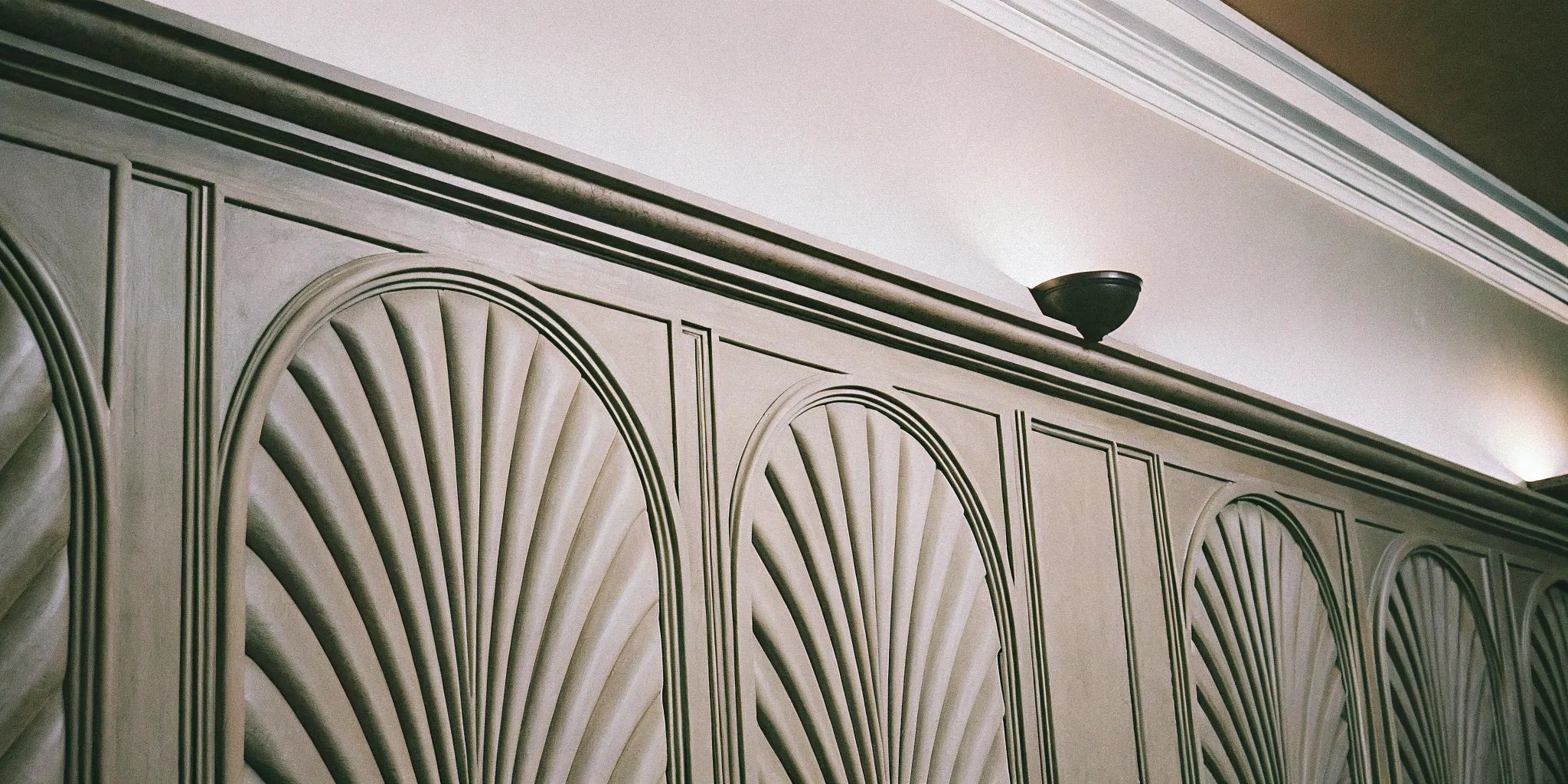
Fluted Wall Panel: Everything You Need to Know

Got a wall that just feels… flat? You could paint it, but for real architectural impact, you need texture. This is where a fluted wall panel makes all the difference. With their clean vertical grooves, these panels create a beautiful play of light and shadow that instantly adds depth and sophistication. The strong lines draw the eye upward, making ceilings feel higher and rooms feel more open. It’s a surprisingly simple way to get that high-end, custom look, turning a boring wall into your room's best feature.
Key Takeaways
- Add Instant Architectural Interest: Fluted panels are a versatile tool for adding texture and the illusion of height. Think beyond a single accent wall—use them to wrap a kitchen island, create a custom headboard, or even detail a ceiling for a high-impact, sophisticated look.
- Match the Material to Your Project's Needs: Your choice of material—from paint-ready MDF to elegant natural wood—directly impacts your budget and the panel's durability. For a balance of style and strength, especially in high-traffic or moisture-prone areas, consider a wood-plastic composite (WPC).
- Get a Professional Look Without the Hassle: Fluted panels are designed for straightforward installation using basic tools and construction adhesive, making them a manageable project. Once installed, they require minimal upkeep—usually just a quick dusting—to maintain their fresh, modern appearance.
What Are Fluted Wall Panels?
If you’ve been scrolling through design inspiration lately, you’ve probably seen them: stunning walls with a unique, vertically grooved texture. These are fluted wall panels, and they’ve become a go-to for designers, contractors, and homeowners looking to add instant character to a space. Also known as slat walls, these panels are more than just a passing trend; they’re a versatile design tool that blends texture, dimension, and style. They are showing up everywhere from high-end residential homes to sophisticated commercial interiors for a good reason.
Whether you’re creating a sophisticated accent wall in a living room, designing a modern office lobby, or adding a touch of warmth to a bedroom, fluted panels deliver a high-end look without a complicated installation process. They manage to feel both classic and completely contemporary, making them a perfect fit for almost any interior style, from minimalist to mid-century modern. They can be used to cover an entire wall for a dramatic effect or applied to smaller surfaces like kitchen islands, cabinet fronts, or reception desks to introduce a point of interest. Beyond their visual appeal, they also offer some surprising practical benefits, like improving a room's acoustics. Let's break down what makes these panels so popular and how you can use them in your next project.
Breaking Down the Fluted Design
At its core, a fluted wall panel is a decorative panel defined by a series of parallel, vertical grooves or ridges. This simple, repeating pattern creates a beautiful play of light and shadow that adds depth and texture to a flat surface. Think of it as a modern take on traditional wainscoting or millwork. The clean lines and uniform structure give it a sophisticated rhythm that can transform an ordinary wall into a deliberate design feature. This textured effect is what sets them apart from flat panels, giving any room an immediate architectural lift.
Fluted vs. Reeded Panels
When you start exploring textured wall treatments, you’ll likely hear the terms "fluted" and "reeded." While they sound similar, they describe two distinct styles that create very different effects. Fluted panels are defined by their concave, or inward-curving, channels. Think of the classic vertical grooves on a Greek column—that’s the idea. This design creates crisp shadow lines and adds a sense of depth and structure to a wall. In contrast, reeded panels feature convex, or outward-curving, rounded ridges. This offers a softer, more dimensional aesthetic with gentle highlights. Both are fantastic for adding architectural interest, but the choice comes down to the feeling you want to create. Fluted is perfect for sharp, modern drama, while reeded panels offer a softer, more tactile effect.
Understanding Flute Width and Visual Impact
The width of the grooves in fluted panels plays a huge role in the final look of your space—it’s not a one-size-fits-all situation. Panels with narrow flutes, often around one inch, create a fine, delicate texture that reads as subtle and sophisticated from a distance. As the flutes get wider, say two or three inches, the visual impact becomes much bolder and more dramatic. These wider styles create deeper shadows and more pronounced vertical lines, making them perfect for a statement wall that commands attention. This versatility is a key reason designers love them; you can find a style that allows you to tailor the scale of the texture perfectly to your room's proportions and your design goals in our fluted wall panel collection.
Design Styles and Material Varieties
-
WPC Fluted Panels: Made from wood-plastic composite, WPC panels offer a wood-like appearance with good moisture resistance, durability, and low maintenance.
-
Solid Wood Fluted Panels: Natural wood panels bring warmth and authentic grain patterns to interiors, making them a popular choice for premium residential and commercial spaces.
-
MDF Fluted Panels: MDF provides a smooth, uniform surface that can be painted or finished in different colors, making it suitable for customized interior designs.
-
PVC Fluted Panels: Lightweight and moisture-resistant, PVC panels can be a practical option for areas where easy maintenance and resistance to humidity are important.
-
Modern Minimalist Styles: Simple, evenly spaced grooves create a clean and understated look that works well with contemporary interiors.
-
Bold Architectural Designs: Deeper grooves, wider profiles, or contrasting finishes can create a strong feature wall and add visual depth to a room.
-
Wood-Grain Finishes: Wood-effect colors and textures provide the warmth of timber while allowing homeowners to achieve a consistent decorative finish.
-
Decorative Feature Walls: Fluted panels can be used behind TVs, beds, reception desks, staircases, or dining areas to introduce texture and create a focal point.
How Fluted Panels Transform a Room
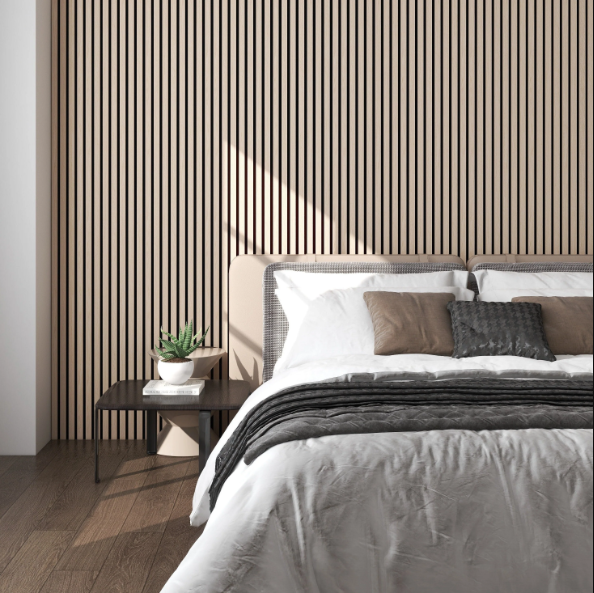
The real magic of fluted panels is how they can change the feel of a space. The strong vertical lines draw the eye upward, creating an illusion of height that can make rooms feel taller and more open. This effect is a game-changer in spaces with lower ceilings. Fluted wall panels bridge the gap between classic elegance and modern minimalism, making them incredibly versatile. They can serve as a dramatic feature wall behind a bed or sofa, add subtle texture to a hallway, or bring a professional, polished look to a commercial interior. It’s a straightforward way to add a layer of luxury and visual interest.
Practical Perks: Sound Absorption and More
While they’re celebrated for their style, fluted panels also improve a room’s function. The grooved surface is excellent at breaking up and absorbing sound waves, which helps reduce echo and soften ambient noise. This makes them a smart choice for spaces where sound control matters, like home offices, media rooms, or busy commercial environments. By disrupting the flat surfaces that cause sound to bounce around, these panels contribute to a quieter, more comfortable atmosphere. This blend of aesthetic appeal and acoustic performance is a key reason why they are so widely used in modern design.
Hiding Wall Imperfections with Ease
Let's be honest—perfectly smooth walls are rare. Most have their share of minor dings, settled cracks, or uneven patches from past repairs. Getting these surfaces ready for a flawless paint or wallpaper finish often involves a ton of prep work. Fluted wall panels offer a fantastic shortcut. They are great for covering up bumps or small damages on your walls without extensive prep, saving you time and money compared to plastering or wallpapering. By installing these panels directly over the existing surface, you create a brand-new, textured facade that cleverly conceals those minor flaws for good.
Potential for Improved Cooling
Here’s a surprising benefit you might not have considered: fluted panels can help make a room feel more comfortable. Some homeowners find that they can help keep a house cooler, which means you might not need to run your air conditioning as much during warm weather. While they aren't a substitute for proper insulation, the added layer and textured surface can contribute to subtle temperature regulation. It’s a nice bonus that complements the panels' aesthetic and acoustic advantages, helping your space not only look better but feel a little more comfortable, too.
What Are Fluted Panels Made Of?
One of the best things about fluted panels is the variety of materials they come in. This means you can find the perfect option to match your budget, style, and the demands of your space. Whether you’re looking for something you can paint to match your walls perfectly or a durable solution for a high-traffic area, there’s a fluted panel out there for you. Let’s walk through the most common materials so you can get a feel for what might work best for your project.
MDF: The Versatile and Affordable Option
If you love the idea of a custom look without a hefty price tag, MDF is your new best friend. Fluted panels made from MDF are a go-to for interior designers because they’re affordable and incredibly versatile. They provide the same high-end, textured look as more expensive materials but are much kinder to your budget. The best part? They typically come primed and ready for paint, giving you complete creative control. You can match them to your existing wall color for a subtle, monolithic look or go bold with a contrasting accent color. This makes them a fantastic choice for bedrooms, living rooms, and media walls.
Advanced Finishes: 3D Laminates
For a finish that offers both stunning looks and serious durability, 3D laminates are a fantastic choice. Think of them as a high-tech skin for your fluted panels. These advanced finishes are engineered to perfectly mimic the appearance of natural materials like rich wood grains, textured stone, or even sleek metal. The major advantage here is consistency; you get the beautiful, high-end look you want without the natural variations or potential imperfections of real wood or stone. This technology allows you to achieve a sophisticated, uniform aesthetic that’s both striking and reliable, giving your space a polished feel that lasts.
Beyond their visual appeal, 3D laminates are built for real life. They are typically applied over a strong core material, such as water-resistant MDF or a wood-plastic composite (WPC), creating a panel that stands up to daily wear and tear. This combination makes them a practical solution for high-traffic areas, commercial spaces, or even rooms with a bit more moisture. You get the best of both worlds: a durable, low-maintenance surface that’s easy to clean and a beautiful finish that enhances your design. It’s a smart way to invest in a stylish look that won’t require constant upkeep, making it a popular choice for modern interior wall panels.
The Timeless Appeal of Wood and Veneer
For a timeless, warm, and elegant aesthetic, nothing beats the real thing. Natural wood and veneer fluted panels bring organic texture and depth to a room that synthetic materials just can’t replicate. The vertical grooves highlight the natural grain of the wood, creating a sophisticated and calming atmosphere. Whether you prefer the light, airy feel of oak or the rich, dramatic look of walnut, these panels can complement a wide range of interior styles, from mid-century modern to rustic farmhouse. They are an investment that adds lasting character and value to your home.
WPC: Durable and Water-Resistant
Wood Plastic Composite, or WPC, is a fantastic modern material that gives you the best of both worlds. It combines wood fibers and plastic to create a panel that is incredibly durable, strong, and practically maintenance-free. USA Builders Depot’s Interior WPC Fluted Slat Wall Panels are a perfect example of this innovation. Because they are resistant to moisture and wear, WPC panels are an excellent choice for spaces where solid wood might not be suitable, like bathrooms, kitchens, or even covered outdoor areas. They won’t warp, rot, or fade, making them a smart, long-lasting solution for both residential and commercial projects.
Additional Durability Features
Fluted panels aren’t just about good looks; they’re built to withstand the demands of daily life, making them a smart and practical choice for nearly any space. For instance, materials like Wood Plastic Composite (WPC) are highly moisture-resistant, allowing you to bring that textured look into bathrooms, kitchens, and laundry rooms without fear of warping or rot. Their toughness also makes them ideal for high-traffic zones like hallways and commercial entryways, where they can easily handle scuffs and bumps. On top of that, the grooved design helps absorb sound, reducing echo and creating a quieter, more comfortable atmosphere. These built-in benefits mean your walls will continue to look great and perform well long after installation.
Lightweight and Low-Cost: PVC and Synthetics
Synthetic materials like PVC offer another durable and low-maintenance alternative for achieving the fluted look. These panels are engineered to mimic the appearance of natural wood but come with the added benefits of being lightweight, easy to clean, and often more affordable. They are available in a huge array of pre-finished colors and textures, from realistic wood grains to sleek, solid tones. This versatility makes them a great fit for contemporary interiors where you want a clean, polished look without the upkeep of natural materials. Their resistance to moisture also makes them a practical option for commercial spaces or busy family homes.
Other Material Options to Know
While wood, MDF, and composites cover most projects, the world of fluted panels extends into some truly unique materials. If you're aiming for a specific high-end or industrial look, it’s worth knowing about options like stone, concrete, metal, and glass. These materials are typically used in custom architectural projects and can make a powerful statement. They push the boundaries of the fluted design, transforming it from a warm, textured accent into a bold, structural feature. While they often come with a higher price point and more complex installation requirements, the dramatic results can be well worth the investment for the right space.
Stone and Concrete Panels
For a raw, industrial, or minimalist vibe, concrete and stone fluted panels are hard to beat. Concrete panels offer a sleek, modern aesthetic with a unique texture that can range from a smooth, polished finish to a more rugged, raw look. The vertical grooves in fluted concrete create a striking visual rhythm, adding depth and architectural interest to both indoor and outdoor walls. Stone panels, whether marble, travertine, or limestone, bring a sense of natural luxury and permanence. The fluting highlights the stone's inherent veining and texture, turning a simple wall into a monumental piece of art. These materials are incredibly durable and make a strong statement in entryways, lobbies, or as feature walls.
Metal and Glass Variations
If your design leans more toward a sleek, futuristic, or glamorous style, metal and glass fluted panels are excellent options. Metal panels, often made from aluminum or steel, can introduce a sharp, contemporary edge to a space. They come in a variety of finishes—from brushed brass to matte black—and are exceptionally durable, making them suitable for high-traffic commercial areas or as a bold accent in a modern home. Glass panels are a less common but stunning choice. When fluted, glass plays with light in a captivating way, creating an ethereal, almost liquid-like effect on a wall. This can make a space feel brighter and more open, adding a touch of sophisticated elegance that is truly unique.
Who Makes the Best Fluted Wall Panels?
When you’re ready to bring fluted panels into your space, the next step is finding a supplier you can trust. The market has a lot of options, and the quality can vary quite a bit. A great manufacturer offers durable materials, consistent finishes, and designs that are both beautiful and easy to install. A reliable product means your project will not only look professional but will also stand the test of time. To help you narrow it down, we’ve highlighted our own top-tier panels and a few other reputable brands known for their quality and innovation in the industry.
Why We Love USA Builders Depot's WPC Slat Panels
We specialize in Interior WPC Fluted Slat Wall Panels because they offer the perfect blend of style, durability, and practicality. Made from a wood-plastic composite, these panels deliver the warm, textured look of natural wood without the high maintenance. They are resistant to moisture and wear, making them a fantastic choice for busy homes and commercial spaces alike. Beyond their strength, our panels are designed to improve room acoustics by reducing echo and absorbing sound. With a straightforward installation process and a variety of modern finishes, they provide a high-impact design solution that’s built to last.
Other Great Brands to Consider
While we’re proud of our WPC collection, it’s always good to know the key players in the market. Brands like Hunter Douglas and Armstrong World Industries are well-known names in architectural design, offering a range of high-end wall and ceiling solutions that often include fluted designs. You might also come across specialists like NORTwood, which focuses on wood composite materials, or Kingspan Group, which is recognized for its sustainable building products. Looking at what these established companies offer can give you a broader sense of the styles and materials available, helping you feel confident in your final choice.
How Much Do Fluted Wall Panels Cost?
Figuring out the budget for your project is a huge first step, and the cost of fluted wall panels can vary quite a bit. The final price tag depends on the material you choose, the quality of the finish, and where you buy them from. Think of it less as a single price and more as a spectrum. On one end, you have budget-friendly options perfect for a quick DIY update. On the other, you have premium, solid wood panels that make a serious statement.
Understanding the key cost drivers will help you find the perfect balance between the look you want and the budget you have. We’ll break down what you can expect to pay based on different materials, what other factors influence the price, and how you can find the best value for your investment. This way, you can plan your project with confidence and no financial surprises.
How Material Affects the Price Tag
The material is the biggest factor determining the price of fluted panels. Natural wood panels, for example, sit at the higher end, typically running from $20 to $50 per square foot, especially for pre-finished or custom-sized options. For a more budget-conscious choice, MDF (Medium-Density Fiberboard) is a great alternative, usually costing between $5 and $12 per square foot. If you need something for a moisture-prone area like a bathroom, materials like PVC or our durable Interior WPC Fluted Slat Wall Panels are excellent mid-range options, often falling between $10 and $25 per square foot.
What Else Determines the Cost?
Beyond the base material, a few other things can affect the overall cost. The quality and finish of the panel play a big role. A high-quality panel with a flawless, ready-to-install veneer or paint finish will naturally cost more than an unfinished one that requires you to do the staining or painting yourself. The panel's thickness and weight can also influence the price, not just for the material itself but also for potential installation costs—heavier panels might require more robust mounting or professional help. Finally, custom sizes or intricate fluting profiles will add to the cost compared to standard, off-the-shelf designs.
How to Get the Best Value
Getting the best value doesn’t always mean finding the lowest price per panel. It’s about balancing cost, quality, and longevity. One of the most effective ways to save, especially on larger projects, is to buy in bulk. Many suppliers offer significant discounts for larger orders. If you’re a contractor or designer, it’s worth looking into trade programs, which provide exclusive pricing. You can see if you qualify for our trade application to access professional discounts. Also, factor in shipping costs—some suppliers offer free or flat-rate shipping, which can make a big difference in your final budget.
Consider a Half-Accent Wall
If a floor-to-ceiling feature wall feels like too much for your space or budget, think about a half-accent wall. Applying fluted panels to just the lower or upper portion of a wall creates a modern take on wainscoting that adds sophisticated architectural detail without overwhelming the room. This approach is a fantastic way to get that high-end, textured look while using fewer materials, which makes it a very budget-friendly strategy. It works beautifully behind a sofa in the living room, along a hallway to add visual interest, or as a creative headboard in a bedroom. You still get that beautiful play of light and shadow, but in a more subtle, focused way that adds a layer of luxury and character.
The Benefit of Factory-Direct Pricing
When you buy building materials from a big-box retailer, the price you pay often includes markups from distributors and middlemen. A great way to get more for your money is to purchase directly from a supplier. By cutting out the extra layers, factory-direct suppliers like USA Builders Depot can offer premium wall panels at a more competitive price. This ensures you’re investing in quality materials without paying for unnecessary retail overhead. This approach is especially valuable for contractors or anyone tackling a large project, as the savings add up quickly, allowing you to allocate more of your budget to other finishes and details.
Where Can You Install Fluted Panels?
One of the best things about fluted panels is their incredible versatility. While they make stunning accent walls, their use extends far beyond that. You can find a place for them in almost any room or commercial setting to add texture, depth, and a touch of modern elegance. Let’s look at a few ideas to get you started.
Room-by-Room Inspiration for Your Home
In residential spaces, fluted panels can transform a room from ordinary to custom-designed. Think beyond a simple feature wall in the living room. You can wrap a kitchen island for a high-end look, create a dramatic headboard in the bedroom, or even apply them to a ceiling to draw the eye upward. When used strategically, the vertical lines can make ceilings feel taller, and lighter-colored panels can help a small space feel more open. With options like durable Interior WPC Fluted Slat Wall Panels, you can even bring this textured look into moisture-prone areas like bathrooms and laundry rooms.
Styling Commercial Spaces: Offices, Hotels, and Beyond
Fluted panels are a designer’s secret weapon for creating sophisticated commercial interiors. They instantly add a sense of luxury and permanence, making them perfect for high-end retail stores, boutique hotels, and stylish restaurants. Use them to create a memorable backdrop behind a reception desk, add texture to conference room walls, or define a seating area in a cafe. The clean, linear pattern provides a professional yet warm aesthetic that can strengthen a brand’s presence and make a lasting impression on clients and customers. For contractors and designers, they offer a straightforward way to deliver a high-impact result.
Creative and Exterior Applications
While fluted panels are a fantastic choice for creating a stunning accent wall, their potential goes so much further. Thinking of them as a flexible design element rather than just a wall covering opens up a world of creative possibilities. You can use them to add texture to unexpected surfaces, build custom furniture pieces, or even bring that modern, linear look to the exterior of a building. The key is to look at the different surfaces in a space and imagine how that play of light and shadow could transform them. From small DIY projects to large-scale architectural features, these panels are a versatile tool for adding a high-end, custom touch.
Beyond Walls: Columns and Room Dividers
Don’t limit your vision to flat walls. Fluted panels are a versatile tool for adding texture and architectural detail to almost any surface. You can wrap them around a kitchen island to create a sophisticated focal point or use them to build a custom headboard that makes a bedroom feel like a boutique hotel. They’re also perfect for concealing plain structural columns, turning an eyesore into an elegant feature. For open-concept spaces, you can even construct partial room dividers to define different zones without closing off the room entirely. These creative applications are what take a design from standard to truly custom.
Using Fluted Panels on Building Exteriors
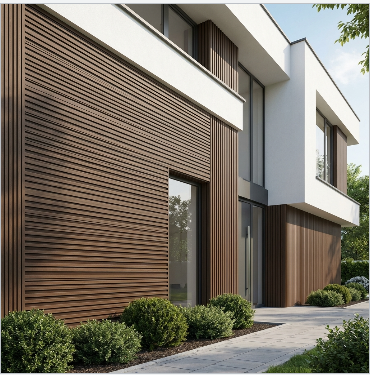
You can absolutely use fluted panels to make a statement on a building's exterior, but you have to choose the right material. Standard interior panels won't stand up to the elements, so you need a product specifically designed for outdoor use. Options like our Exterior Fluted Slat Wall Panels are engineered to resist moisture, UV rays, and temperature changes, ensuring they won’t warp or fade over time. This type of cladding can be used to create a modern, textured facade, highlight an entryway, or add a contemporary touch to a porch ceiling. It’s a durable way to boost curb appeal and give a home or commercial building a unique, architectural identity.
How to Match Panels to Your Decor
Don’t worry about fluted panels clashing with your existing decor. Their clean lines and simple geometry allow them to blend with a wide range of architectural styles. In a modern or minimalist space, they add texture without creating visual clutter. In a more traditional or transitional home, they can provide a contemporary update that still feels timeless. The key is in the finish. A natural wood veneer panel brings warmth to a mid-century modern design, while a paintable panel can be customized to match any color palette, from bold and dramatic to soft and neutral. This adaptability makes them a lasting choice, not just a fleeting trend.
How to Choose the Right Fluted Panels
Once you’ve decided to add fluted panels to your space, the next step is picking the perfect ones for your project. With so many materials, sizes, and finishes available, it helps to know what to look for. Think about the overall style you want to achieve, the specific needs of the room, and your budget. A little planning goes a long way in ensuring you get a result you’ll love for years to come. Let’s walk through the key considerations to help you make a confident choice.
What to Look For When You're Buying
The defining feature of a fluted panel is its series of vertical grooves, which create a beautiful play of light and shadow that adds depth to any wall. When you’re comparing options, pay close attention to the material. Whether you choose MDF, natural wood, or a durable composite, the material will dictate the panel’s look, feel, and performance. For example, our Interior WPC Fluted Slat Wall Panels are a fantastic choice for areas that need extra durability and moisture resistance, like bathrooms or basements. Consider the width and depth of the flutes as well, as these details can create either a subtle texture or a bold, dramatic statement.
Why Ordering Samples is a Smart First Step
Before you commit to a full wall of panels, ordering a sample is a non-negotiable first step. While online photos are great for inspiration, they can’t capture the subtle details that make all the difference. A physical sample lets you see the true color and feel the texture in your own space, under your own lighting. You can observe how the light changes the look of the flutes from morning to night and hold it up against your paint, flooring, and furniture to confirm it’s the right fit. This is especially important when choosing between materials—the warm grain of a natural veneer panel feels very different from the sleek finish of a WPC panel. Taking this small step removes the guesswork, prevents costly mistakes, and gives you the confidence that your finished project will be exactly what you envisioned.
How to Measure Your Space Correctly
Accurate measurements are your best friend when it comes to a professional-looking installation. Before you order, measure the height and width of the wall area you plan to cover. The good news is that most fluted panels are designed to be easily cut to size. You can trim them to fit around outlets, windows, or other obstructions. For the cleanest cut, a circular saw or table saw is your best bet. Here’s a pro tip: always cut with the decorative side facing up to prevent chipping and ensure a crisp edge. Planning your layout beforehand will also help you create a seamless look, especially if you need to join multiple panels together on a large wall.
Choosing a Color and Finish You'll Love
This is where you can really let your creativity shine. Fluted panels come in a huge variety of colors and finishes, making it easy to match them to your design vision. Many options come pre-primed and ready for you to paint in any color you choose, giving you complete control. Others are available in beautiful, pre-finished wood tones that add warmth and natural texture. When selecting a finish, think about your room’s overall color palette and whether you want the panels to blend in or stand out as a feature wall. Exploring a wide collection of wall panels can give you a better sense of the possibilities, from natural oak to sleek, modern black.
How to Install and Maintain Fluted Panels
One of the best things about fluted panels is how simple they are to install and care for. You don’t need a specialized crew or complicated cleaning routines to get a professional look that lasts. With a few basic tools and a little know-how, you can transform your space in a weekend and keep it looking fresh with minimal effort.
Getting Started: Tools and Prep Work
Installing fluted panels is a straightforward project for contractors and ambitious DIYers. Start with a clean, smooth, and dry wall. After prepping your surface, measure the space and cut the panels to size with a fine-toothed saw—always cut with the decorative side facing up for the cleanest edge. You can attach the panels using a strong construction adhesive, finishing nails, or screws. Many wall panels have interlocking edges for a seamless fit. If you choose unfinished panels, you can paint or stain them to match your room’s color scheme perfectly.
What Surfaces Can You Install On?
Fluted panels are surprisingly adaptable and can be installed on most common interior surfaces, as long as they are flat, clean, and structurally sound. You can confidently apply them to drywall, plasterboard, concrete, brick, and even existing tile. The key is to ensure the surface is free of dust, grease, and moisture before you begin, as this will help the construction adhesive form a strong, lasting bond. While the panels can cover minor imperfections like small cracks or uneven paint, it’s always a good idea to patch any significant holes or sand down major bumps for the best possible result. This versatility makes them a fantastic solution for a wide range of renovation projects.
Tips for a Seamless, Professional Look
Achieving a high-end, seamless finish is all about the prep work. Before you apply any adhesive, lay your panels out on the floor to plan the arrangement. This is especially important if you’re covering a large wall, as it helps you create a continuous, uninterrupted look. Use a level to draw a starting line on your wall to ensure the first panel goes on perfectly straight—this will guide the rest of your installation. When cutting panels to fit around outlets or light switches, measure twice and cut once. A clean, precise cut is the difference between a DIY look and a professional one. Taking the time to plan your layout will pay off in the final result.
Installation for Enhanced Soundproofing
While fluted panels naturally help with acoustics, you can take it a step further to maximize their sound-dampening properties. The grooved surface is already great at breaking up and absorbing sound waves, which reduces echo and ambient noise. For even better performance, consider installing a layer of acoustic felt or another soundproofing membrane directly onto the wall before you attach the panels. This creates an additional barrier that traps sound, making it an ideal solution for home offices, media rooms, or bedrooms. This simple extra step can significantly improve the comfort and quiet of your space, turning a stylish feature into a functional one.
How to Keep Your Panels Looking New
Keeping your fluted wall panels looking their best is easy. The vertical grooves can collect dust, so a quick wipe with a soft duster or microfiber cloth is usually all you need. For a deeper clean, use a slightly damp cloth to remove smudges. If you have acoustic panels with felt, a vacuum with a brush attachment will gently lift dust without causing damage. Always avoid harsh chemical cleaners or abrasive sponges that could harm the finish. The low-maintenance nature of Interior WPC Fluted Slat Wall Panels makes them ideal for busy spaces.
Special Care for Natural Wood Panels
Natural wood fluted panels bring a timeless elegance to a space, but unlike their synthetic counterparts, they require a bit of special care to maintain their beauty. The vertical grooves that give them so much character can also be a prime spot for dust to settle. To keep your panels looking their best, a regular dusting with a soft, dry microfiber cloth is your best bet. For anything more stubborn than dust, a slightly damp cloth will do the trick, but it's crucial to avoid harsh chemical cleaners. These can strip the wood's natural finish, leaving it dull and vulnerable. Think of it as gentle care for a quality piece of furniture—a little routine maintenance goes a long way in preserving its warmth and charm.
The biggest thing to watch out for with natural wood is moisture. In rooms like bathrooms, kitchens, or even basements where humidity can be a factor, wood panels can be susceptible to warping or rot over time. This is where choosing the right material for the right room is key. If you love the wood look but need something more durable for a moisture-prone area, a wood-plastic composite (WPC) panel is an excellent alternative. WPC panels, like our Interior WPC Fluted Slat Wall Panels, blend wood fibers with plastic, making them highly resistant to moisture and wear without sacrificing style. This makes them a worry-free choice for high-traffic or humid environments.
To give your natural wood panels a final layer of defense and really make their beauty pop, consider applying a protective finish. A quality sealant or varnish does more than just protect the surface; it enhances the wood's natural grain, adding depth and richness to the color. This protective barrier is your best defense against everyday life, helping to repel moisture and prevent stains from setting in. It’s a simple step that ensures your investment not only looks stunning on day one but continues to add character and value to your home for years to come. This finishing touch is what truly preserves the timeless appeal of wood and veneer.
Handling Scratches and Minor Repairs
The durability of your fluted panels depends on the material. WPC (Wood Plastic Composite) and PVC are exceptionally resilient, resisting moisture and scratches with little need for long-term attention. They are an excellent choice for high-traffic areas or humid rooms like bathrooms. Natural wood panels, while beautiful, may require more care to prevent warping, such as reapplying a protective finish periodically. For outdoor projects, durable options like Exterior Shiplap Cladding Wall Panels are engineered to withstand the elements and maintain their look for years.
Are Fluted Wall Panels a Good Choice for You?
Fluted panels are a fantastic way to add texture and character to a room, but like any design choice, they have their own set of considerations. Deciding if they’re the right fit for your project comes down to balancing their unique aesthetic benefits with practical factors like your budget and maintenance preferences. Let’s walk through the key points to help you determine if fluted walls are your perfect match.
A Quick Look at the Pros and Cons
One of the biggest draws of fluted panels is their visual impact. The vertical lines create a sense of height and depth, making a room feel more spacious and dynamic. They also offer acoustic benefits by helping to soften sound and reduce echo—a great perk for living rooms or home offices. However, it's good to be aware of the potential downsides. High-quality wall panels can be a bigger investment than a simple coat of paint, and installation can add to the cost. While materials like WPC are low-maintenance, natural wood panels may require more upkeep to stay in top condition. Finally, repairing a damaged panel can be a bit more involved than patching a hole in drywall.
Understanding the Practical Limitations
While fluted panels are a fantastic design tool, it’s smart to be aware of a few practical points before you commit. Thinking through these details ensures you choose the right material for the right space, leading to a beautiful result that performs exactly as you need it to. From insulation to moisture resistance, here’s what to keep in mind.
Thermal Insulation Considerations
Fluted panels are primarily a decorative feature, designed to add texture and style rather than significant thermal insulation. While they can add a minor insulating layer, they shouldn't be your main strategy for making a room more energy-efficient. If your top priority is improving a space's thermal performance, you might want to look at other specialized insulation products first. Think of fluted panels as the finishing touch that brings architectural interest, not the workhorse that keeps your energy bills down. They are perfect for creating a classic, elegant look, but for high-efficiency needs, they are best paired with proper insulation behind the wall.
Structural Support for Heavy Materials
The weight of your chosen panels is another important factor. Lightweight options like MDF, PVC, and WPC are generally easy to handle and can be installed on most standard drywall without any issues. However, if you’re considering heavier materials like solid wood, stone, or concrete fluted panels, you’ll need to make sure your wall can handle the load. These premium materials can be quite heavy and may require extra structural support to be installed safely, which can add to the overall project cost. Always check the weight specifications and consult with a professional if you’re unsure about your wall’s structural integrity.
Use in High-Moisture Areas
Not all fluted panel materials are created equal, especially when it comes to moisture. Natural wood, for example, can warp or swell in humid environments like bathrooms, kitchens, or basements. This is where material selection becomes critical. For these spaces, WPC panels are an excellent choice because they are specifically engineered to resist moisture. They won’t warp, rot, or fade when exposed to humidity, making them a smart, long-lasting solution for both residential and commercial projects. Choosing a water-resistant material from the start ensures your beautiful new wall stays that way for years to come, without any moisture-related headaches.
Fluted Panels vs. Other Wall Treatments
When you’re looking at wall treatments, you have plenty of options, from classic paint and wallpaper to shiplap and board and batten. So, where do fluted panels fit in? Unlike flat paint, they provide a three-dimensional texture that changes with the light throughout the day. While wallpaper offers endless patterns, it can’t deliver the same structural depth. Shiplap tends to create a more rustic or coastal feel, whereas fluted panels often lean more modern, transitional, or even art deco. They strike a unique balance between a statement feature and a timeless architectural element, giving you a sophisticated look that feels both current and lasting.
How to Make the Right Choice for Your Space
So, how do you know if fluted panels are right for you? Start by thinking about your goals. Are you looking for a durable, high-impact feature that adds architectural interest? Do you want to improve a room’s acoustics subtly? If so, fluted panels are an excellent contender. Consider your budget and the material that best fits your lifestyle—for example, Interior WPC Fluted Slat Wall Panels offer the look of wood without the maintenance. If you’re still on the fence, try using them for a smaller accent wall first. It’s a great way to introduce the texture into your space without committing to a full room.