




The Complete Single Hole Bathroom Faucet Guide
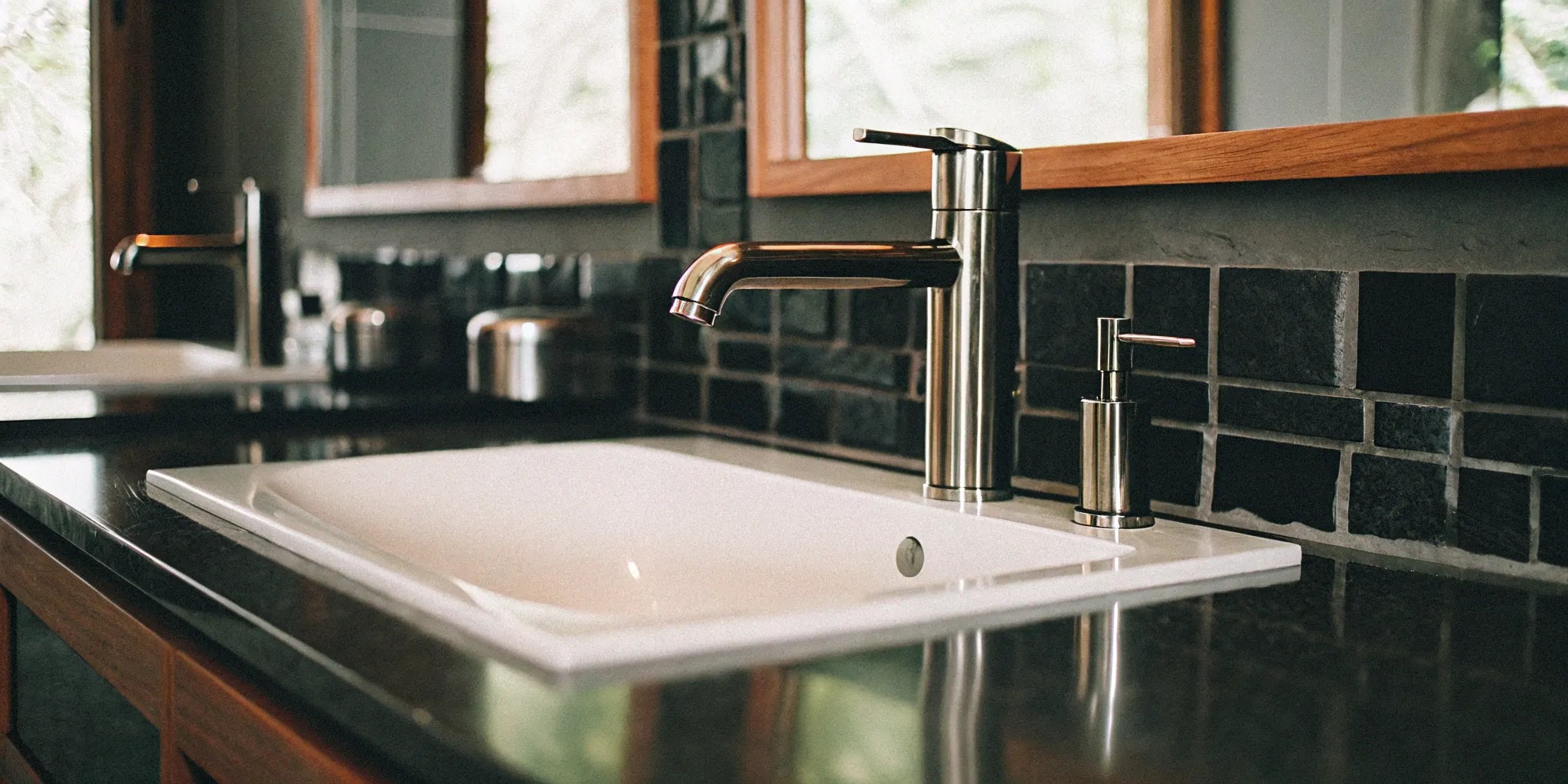
Think of your bathroom faucet as a functional sculpture. It's the one piece you interact with every single day, and choosing the right one can completely transform your vanity from ordinary to a true focal point. A modern single hole bathroom faucet does more than just deliver water; its sleek lines and unified design set the entire tone for a contemporary space. Whether you’re dreaming of the bold drama of matte black or the warm elegance of brushed gold, we’ll help you find a style that not only fits your vision but works flawlessly for years to come.
Key Takeaways
- Focus on Fit and Flow First: Before you choose a style, confirm the faucet’s height and reach are compatible with your sink to prevent splashing. Also, decide on a handle type, like a simple lever or touchless sensor, that suits your daily routine.
- Choose a Finish and Material That Lasts: Select a finish, like matte black or brushed gold, that complements your bathroom’s overall design. For long-term durability, look for faucets made from solid brass to avoid corrosion and leaks.
- Look Beyond the Price Tag for Real Value: A smart purchase balances cost with quality. Define your budget and must-have features, and always check the warranty—a strong one is a great sign of a well-made product that will perform for years.
What Is a Modern Single-Hole Faucet?
When you picture a modern bathroom, you probably imagine clean lines, an uncluttered countertop, and fixtures that feel both stylish and functional. The single-hole faucet is a cornerstone of this aesthetic. Unlike traditional faucets that require three separate holes in the sink or countertop—one for the spout and one for each handle—a single-hole faucet combines everything into one sleek, unified base. This design isn't just about looks; it’s a practical choice that simplifies installation and cleaning.
But what truly sets a modern single-hole faucet apart is the combination of form, function, and finish. It’s more than just a tap; it’s a piece of technology designed to make your daily routine smoother. These faucets are defined by their minimalist silhouettes, from sharp, geometric angles to soft, organic curves. They incorporate smart features that conserve water and improve hygiene, and they come in a stunning array of finishes that allow you to personalize your space. Whether you're doing a full renovation or just a simple update, choosing the right faucet from a collection of modern plumbing fixtures can completely transform the feel of your bathroom.
Why You'll Love Its Space-Saving Design
One of the biggest draws of a single-hole faucet is its streamlined appearance. The design is intentionally simple, creating a focal point that is elegant without being distracting. This minimalist approach makes it incredibly versatile, fitting seamlessly into contemporary, industrial, or even transitional bathroom styles. Because the handle is integrated into the faucet's body or sits right on top of it, the entire unit has a much smaller footprint. This frees up valuable counter space, making it an ideal choice for smaller vanities, powder rooms, or for anyone who simply prefers a more open and organized surface. The clean look also means fewer crevices to clean, which is always a welcome bonus.
Discover Smart Features and New Tech
Today’s single-hole faucets are designed with more than just aesthetics in mind; they’re built to perform. Many models include advanced technology that adds convenience and efficiency to your daily life. Touchless, motion-activated controls are becoming increasingly popular for their hygienic benefits, reducing the spread of germs. Inside, high-quality ceramic disc cartridges ensure a lifetime of drip-free operation. You can also find faucets with features like corrosion-resistant finishes that stand up to daily use and integrated pop-up drains for a perfectly coordinated look. Many are also WaterSense certified, which means they conserve water without sacrificing performance, helping you save on utility bills while being environmentally responsible.
Find Your Style: Popular Finishes and Designs
The right finish can tie your entire bathroom design together, and modern single-hole faucets offer a wide spectrum of choices. While polished chrome remains a timeless classic, matte black has become a go-to for creating a bold, dramatic statement. Warmer tones like brushed gold and rose gold add a touch of luxury and pair beautifully with natural materials. The style options are just as diverse. You can find faucets with sharp, angular lines that feel architectural, as well as models with gentle curves that create a softer, more organic look. This variety allows you to match your faucet to other elements in the room, from your lighting fixtures to your cabinet hardware, ensuring a cohesive and polished design.
Single-Hole vs. Double-Handle Faucets
While the single-hole faucet is a champion of modern design, it’s not the only option on the table. Its classic counterpart, the double-handle faucet, offers a different set of benefits that might be a better fit for your bathroom and your habits. The choice between them often comes down to a simple trade-off: the streamlined simplicity of one handle versus the precise control of two. Understanding the pros and cons of each style will help you select a fixture that not only looks great but also functions exactly how you need it to. Let’s compare them so you can make a confident decision for your space.
Benefits of a Single-Handle Faucet
The primary appeal of a single-handle faucet lies in its simplicity. With just one lever or knob to control both water flow and temperature, it offers an intuitive and uncluttered experience. This design is a natural fit for minimalist and contemporary bathrooms where clean lines are key. Installation is also typically more straightforward, as it only requires one hole in the countertop or sink deck. This makes it a popular choice for new builds and renovations alike, and you can find a huge variety of styles within any collection of modern bathroom plumbing fixtures.
Accessibility and Ease of Use
A single handle is incredibly easy to operate, even with your hands full or soapy. You can nudge it on with an elbow or the back of your hand, making it highly practical for daily use. This ease of operation is also a significant benefit for children, the elderly, or anyone with arthritis or limited hand strength. The simple, fluid motion required to turn the water on and adjust the temperature makes it one of the most accessible faucet designs available, ensuring comfort and convenience for everyone in the household.
Potential Downsides of a Single-Handle Faucet
Despite their convenience and sleek appearance, single-handle faucets do have a few drawbacks. The very feature that makes them simple—the single control—can also be a source of minor frustration. Because one handle manages both volume and temperature, finding that perfect warm-but-not-hot sweet spot can sometimes feel like a delicate balancing act. It’s a small detail, but one that can impact your daily routine, especially if you’re particular about water temperature or have young children who might not be as careful when adjusting it.
Temperature Control Precision
With a single-handle faucet, the range of motion for temperature adjustment is relatively small. This can make it difficult to achieve a precise temperature mix, and you might find the water gets too hot or too cold with just a tiny nudge of the handle. This can be a safety concern in households with young children, who may accidentally turn the handle all the way to hot. Double-handle models offer a more gradual and controlled way to blend hot and cold water, giving you greater peace of mind.
Repair Considerations
From a maintenance perspective, a single-handle faucet has one key vulnerability: if it starts to leak, the entire water supply to the sink must be shut off for repairs. Because the hot and cold water lines feed into a single cartridge, you can't isolate the problem. This means your sink will be completely out of commission until you can get the faucet fixed, which can be a major inconvenience in a busy bathroom. This is an important factor to consider for both primary bathrooms and high-traffic powder rooms.
When to Choose a Double-Handle Faucet
A double-handle faucet is an excellent choice if you value precision and a more traditional or symmetrical aesthetic. This style features two separate handles—one for hot water and one for cold—flanking a central spout. It’s a timeless look that works well in classic, transitional, and farmhouse-style bathrooms. While it requires three holes in the countertop, this configuration gives you independent control over the hot and cold water streams, allowing you to fine-tune the temperature and flow with accuracy for a perfectly customized hand-washing experience every time.
Advantages of Two Handles
The biggest advantage of a double-handle faucet is superior temperature control. You can adjust the hot and cold water independently to create the perfect blend. This design also offers a practical benefit when it comes to maintenance; if the hot water handle starts to leak, you can shut off its supply line and still use the cold water side while you wait for a repair. This built-in redundancy is something a single-handle faucet simply can't offer, making it a resilient choice for any home.
Disadvantages of Two Handles
The most obvious downside to a double-handle faucet is that it takes two hands to adjust the water temperature, which can be less convenient than flicking a single lever. These faucets also take up more counter space and create more seams to clean around the base of each component. Installation is slightly more complex due to the three separate pieces, and the symmetrical look might not fit the minimalist aesthetic you’re aiming for if you prefer a more streamlined and modern design for your bathroom.
What to Look For in a Single-Hole Bathroom Faucet
Once you’ve settled on the clean look of a single-hole faucet, it’s time to get into the details. Two faucets might look similar at first glance, but their features can create very different experiences in your daily routine. Thinking through how you’ll use your sink—whether it’s in a busy family bathroom or a sleek powder room—will help you pinpoint which features matter most. From the way the water feels to the height of the spout, these small details add up. Let’s walk through the key features to compare so you can find a faucet that not only looks great but also works perfectly for your space.
How to Get the Perfect Water Flow
The way water flows from your faucet is more important than you might think. It’s all about finding a balance between strong pressure and water efficiency. Most modern faucets are designed to give you great control over the water pressure, so you can get a powerful stream when you need it without wasting water. Look for the GPM (gallons per minute) rating—a lower number means better water conservation. Many faucets include an aerator, which mixes air into the water stream. This creates a soft, splash-free flow that feels substantial while using less water. It’s a small feature that makes a big difference in how your faucet performs every day.
Understanding Water Flow Rate (GPM)
When you're comparing faucets, you'll see the term GPM, which stands for gallons per minute. This number tells you exactly how much water the faucet releases. In the United States, the maximum flow rate for bathroom and kitchen faucets is generally capped at 2.2 GPM to balance strong pressure with water conservation. For bathroom sinks, however, you’ll often find faucets with even lower flow rates, typically between 1.0 and 1.5 GPM. This is a deliberate design choice that helps reduce your home's water consumption without you noticing a drop in performance. Many modern faucets also come with built-in aerators, which are small screens that mix air into the water stream. This clever feature makes the flow feel softer and fuller, prevents splashing, and is key to how a faucet can feel powerful while still being efficient.
Lever or Knob? Choosing Your Handle
The handle is your primary point of interaction with the faucet, so its design affects both style and function. Lever handles are the most common for single-hole faucets; they’re ergonomic and easy to operate with just one hand. Knob handles offer a more compact, minimalist look but can sometimes be trickier to grip with wet hands. Then there are touchless, sensor-activated faucets, which provide ultimate convenience and hygiene. When browsing different plumbing fixtures, think about who will be using the bathroom. A simple lever might be best for kids or those with limited mobility, while a touchless model is perfect for a guest bath.
Measure Twice: Finding the Right Height and Reach
Not all sinks are created equal, and your faucet needs to be a good match for your basin. Spout height and reach are two critical measurements to check. Spout height, or arc, determines how much clearance you have under the faucet. A high-arc design is ideal for vessel sinks or for easily washing your face and hands. Spout reach is how far the spout extends over the sink. A spout that’s too short will cause you to splash water on the countertop, while one that’s too long can feel awkward. Before you buy, measure your sink and consider how you’ll use it to ensure a comfortable and splash-free fit.
How to Manage Water Temperature
One of the best things about single-handle faucets is how simple they are to use. A single lever or knob gives you easy control over both water volume and temperature. Typically, you’ll move the handle side-to-side for hot and cold and lift it up or down to adjust the flow. This intuitive design makes finding your ideal temperature quick and effortless. Some advanced models even include features that prevent the handle from turning to a scalding temperature, which is a great safety measure for households with young children or elderly family members. It’s a practical feature that adds peace of mind to your daily routine.
Save Water Without Losing Pressure
If you want to lower your water bill and reduce your environmental footprint, look for a faucet with a WaterSense label. This certification from the EPA means the faucet uses at least 20% less water than the federal standard without compromising performance. You might worry that a water-saving faucet means a weak, unsatisfying trickle, but that’s not the case. Thanks to smart design and efficient aerators, WaterSense-certified faucets provide a flow that feels just as strong as a standard model. It’s an easy way to make a responsible choice that benefits both your wallet and the planet.
Should You Go Touchless?
Touchless faucets are no longer just for commercial restrooms—they’re becoming a popular feature in modern homes. The main benefit is hygiene; by eliminating the need to touch a handle, you reduce the spread of germs, which is especially useful in a guest bathroom. They also add a touch of futuristic convenience and help conserve water by running only when needed. However, they do require a power source, either from batteries or a hardwired connection, and they tend to be at a higher price point. Consider if the hands-free convenience and cleanliness are worth the investment for your specific needs.
How to Choose Your Faucet Style and Finish
Selecting a faucet is about more than just function—it’s a chance to define your bathroom’s personality. The right style and finish can tie your whole design together, turning a simple sink into a statement piece. From minimalist modern to warm industrial, the details make all the difference. Think about the overall mood you want to create. Are you aiming for a clean, spa-like retreat or a bold, dramatic space? Your faucet choice is a key part of that story. Let’s walk through how to pick the perfect combination of style, size, and material for your project.
What's Trending in Bathroom Faucets?
Clean lines and simple forms are leading the way in modern bathroom design. Single-handle faucets are especially popular because they offer a sleek, uncluttered look that works beautifully in contemporary spaces. Their minimalist design not only looks great but also makes temperature control effortless with just one hand. This focus on simplicity extends to the overall aesthetic, where less is more. Think smooth surfaces, geometric shapes, and an open, airy feel. These trends prioritize both style and practicality, creating a bathroom that feels both sophisticated and easy to use.
How to Match Your Faucet to Your Bathroom Style
Your new faucet should feel like a natural part of your bathroom’s design, not an afterthought. Consider the existing elements in your space—the vanity, mirror, lighting, and tile. A faucet with sharp, angular lines will complement a geometric vanity, while one with soft curves might suit a more traditional sink. High-quality plumbing fixtures often serve as the jewelry of the bathroom, adding a finishing touch that completes the look. Whether your style is industrial, classic, or ultra-modern, choose a faucet that enhances the aesthetic you’ve already created.
Getting the Size and Scale Just Right
A faucet that’s too large or too small can throw off the balance of your entire vanity. Before you buy, consider the scale of your sink and countertop. A large vessel sink needs a taller faucet with enough reach, while a small powder room sink requires a more compact design. Pay attention to spout height and reach to ensure water flows directly into the basin without splashing. It’s also smart to think about functionality. Features like a pop-up drain and corrosion-resistant finishes can make a big difference in your daily routine and keep your faucet working smoothly for years.
From Matte Black to Brushed Gold: Modern Finishes
The finish you choose has a huge impact on your bathroom's overall vibe. Matte black offers a bold, contemporary look that hides water spots, while brushed nickel provides a softer, more traditional feel. Polished chrome is a timeless classic that’s bright and reflective, and warm finishes like gold or bronze can add a touch of luxury. When selecting a finish, think about how it will coordinate with your other hardware, like cabinet pulls and towel bars. You can either match them for a cohesive look or mix metals thoughtfully to create a more dynamic, layered design.
Solid Brass and Beyond: Durable Faucet Materials
A beautiful faucet is great, but a durable one is even better. Look for faucets constructed from solid, lead-free brass, which is known for its longevity and resistance to corrosion. While it might be a bigger investment upfront, a well-made faucet will save you the headache of leaks and replacements down the road. Some high-end designs even incorporate unique materials like crystal or stone for an extra touch of elegance. Investing in quality materials ensures your faucet not only looks stunning but also stands up to the demands of daily use, making it a smart choice for any renovation.
Brands and Budgets: What Should You Spend?
Once you’ve narrowed down the style and features you want, it’s time to talk about money. Single-hole bathroom faucets come in a huge range of prices, from budget-friendly finds under $100 to designer fixtures that cost thousands. The price tag is usually tied to the brand’s reputation, the materials used, and the complexity of the design and features.
Don’t let the wide spectrum overwhelm you. The key is to find the sweet spot where quality, style, and your budget align. Whether you’re outfitting a high-end primary suite or a practical powder room, there’s a perfect faucet out there for your project. Let’s break down what you can expect at different price points so you can shop with confidence.
Understanding Faucet Price Ranges
You can find a great-looking single-hole faucet for under $100, but you can also find designer models that cost thousands. So, what’s the difference? The price is typically a reflection of the materials, brand reputation, and the complexity of the design. Budget-friendly options might look good initially but may use more plastic components, while higher-end faucets are often crafted from solid brass for maximum durability. A higher price tag can also mean a more robust warranty and advanced features like a water-saving aerator or a special finish that resists fingerprints. The best approach is to set a realistic budget and focus on finding the highest quality materials and features available within that range. It’s often worth investing a little more for a faucet that will perform well and last for years.
Finding Variety in Design and Color
The right finish can tie your entire bathroom design together, and modern single-hole faucets offer a wide spectrum of choices. While polished chrome remains a timeless classic, matte black has become a go-to for creating a bold, dramatic statement. Warmer tones like brushed gold add a touch of luxury and pair beautifully with natural materials. Beyond color, you can find faucets with sharp, angular lines that feel architectural, as well as models with gentle curves that create a softer look. This variety allows you to match your faucet to other elements in the room, from your lighting fixtures to your cabinet hardware, ensuring a cohesive and polished design. Exploring a diverse collection of plumbing fixtures is the best way to discover a style that truly fits your vision.
Our Top Picks from USA Builders Depot
At USA Builders Depot, we’ve curated a collection of modern plumbing fixtures that balance clean aesthetics with reliable performance. Our goal is to give you direct access to high-quality options without the overwhelming noise of a big-box store. You’ll find a variety of single-hole faucets designed to complement any contemporary bathroom, from minimalist designs to more expressive shapes. We focus on durable materials and timeless finishes to ensure your choice looks great for years to come. Plus, with nationwide shipping, you can get the materials you need delivered right to your door, simplifying your project timeline.
High-End Faucets: Are They Worth It?
High-end faucets are where craftsmanship and design truly shine. These fixtures often feature premium materials like solid, lead-free brass and may include unique details like crystal accents or artisanal finishes. Brands in this tier prioritize precision engineering, resulting in a faucet that not only looks like a piece of art but also feels incredibly smooth and solid to operate. Is the splurge worth it? If the faucet is a central design element in your bathroom, the investment can pay off by making a powerful statement. For luxury renovations or your own primary bathroom, a high-end faucet delivers a touch of elegance and superior quality you’ll appreciate every day.
The Sweet Spot: Great Mid-Range Options
The mid-range is where most people find their perfect match. This category is filled with trusted brands known for delivering an excellent balance of style, innovation, and durability. You’ll find a vast selection of designs, from sleek and modern to transitional, all built to withstand the rigors of daily use. These faucets often include practical features like water-saving aerators and ceramic disc valves for drip-free performance, without the premium price tag of luxury models. For most home renovations and new builds, a mid-range faucet is a smart, reliable choice that offers lasting value and style.
Stylish Faucets That Won't Break the Bank
Working with a tight budget doesn’t mean you have to settle for a faucet you don’t love. There are plenty of well-designed, budget-friendly options that offer modern style and dependable function. These faucets are perfect for secondary bathrooms, rental properties, or any project where cost is a primary concern. The key is to look for smart construction, like a metal body instead of plastic, and a reputable brand that stands behind its products. While they may not have the high-end finishes or weighty feel of more expensive models, a good budget-friendly faucet will get the job done without compromising on clean, contemporary design.
How to Spot a Good Deal
Finding a great deal is about more than just the lowest price—it’s about getting the best possible value. Start by comparing prices for the models you like across different suppliers. Keep an eye out for seasonal sales or holiday promotions, which can offer significant savings. It’s also wise to read customer reviews to see how a faucet performs in the real world. A low price isn’t a good deal if the fixture fails in a year. Finally, always check the warranty. A solid warranty is a sign that the manufacturer is confident in its product’s quality, giving you peace of mind with your purchase.
How to Install and Care for Your New Faucet
Once you’ve chosen the perfect faucet, it’s time to get it installed. A successful installation sets you up for years of reliable use, and a little routine care will keep it looking brand new. Whether you’re a seasoned contractor or a DIY-savvy homeowner, these steps will guide you through a smooth installation and help you maintain your faucet’s finish and function. Proper care ensures your fixture remains a stunning focal point in your bathroom.
Your Pre-Installation Checklist
Before you even think about unboxing your new faucet, the first and most critical step is to shut off the water supply. You can usually find the shutoff valves directly under the sink. Turn them clockwise until they are fully closed. If you don’t have valves under the sink, you’ll need to turn off the main water supply to your home. Once the water is off, turn on the old faucet to drain any remaining water from the lines. This simple but essential step prevents unexpected water damage and makes the entire process much cleaner and more manageable.
What You'll Need: Tools and Materials
Having everything you need on hand before you start will save you from making extra trips to the hardware store. Lay out a towel in your work area to protect your sink and vanity. You’ll typically need an adjustable wrench, a basin wrench for tight spots, and plumber’s tape. Your new faucet will come with mounting hardware, but it’s a good idea to check if new water supply lines are included—if not, you’ll need to purchase them separately. Taking a few minutes to organize your tools and parts makes the installation go much more smoothly.
Will It Fit? Checking Sink Compatibility
Confirm that your sink is designed for a single-hole faucet. Most modern vanities come with a pre-drilled hole perfectly suited for this style. If you're replacing an older faucet that had separate handles, you might have three holes. In this case, look for a single-hole faucet that comes with a deck plate, also called an escutcheon, to cover the extra openings for a clean, seamless look. Measuring the hole diameter and the thickness of your countertop ensures the faucet you choose will fit securely without any surprises during installation.
Troubleshooting Common Installation Problems
Even with careful preparation, you might run into a small snag. One common issue is difficulty tightening the mounting nuts in the cramped space under the sink. This is where a basin wrench becomes your best friend, allowing you to reach and tighten connections securely. If you find the water lines are misaligned, don’t force them. Instead, gently adjust the faucet’s position until everything lines up naturally. Taking a moment to double-check that all components are straight and securely fastened will prevent leaks and ensure your faucet functions perfectly from day one.
How to Keep Your Faucet Looking Brand New
Maintaining the beautiful finish of your new faucet is simpler than you think. For daily cleaning, all you need is a soft, damp cloth to wipe away water spots and soap residue. For a deeper clean, use a mild soap and water solution, then rinse and dry thoroughly. The key is to avoid abrasive cleaners, scouring pads, or harsh chemicals, as these can scratch or tarnish the finish, especially on matte black or brushed gold fixtures. This gentle approach is the best way to protect your plumbing fixtures and keep them looking pristine.
Easy Tips for Long-Term Faucet Care
A little preventative maintenance goes a long way in extending the life of your faucet. Periodically, take a quick look under the sink to check for any signs of moisture or slow drips around the connections. Also, inspect the water supply lines for any cracks, bulges, or signs of wear. Addressing a small leak early can prevent significant water damage down the road. If you notice reduced water flow, the aerator might be clogged with mineral deposits. Simply unscrew it, rinse it out, and screw it back on to restore normal pressure.
Handling Common Repairs: A Cartridge Replacement Guide
Even the best faucets can develop a drip over time, but don’t rush to call a plumber just yet. In most modern single-handle faucets, the culprit is a worn-out cartridge—the small internal part that controls water flow and temperature. The good news is that replacing it is a straightforward job that you can likely handle yourself in under an hour. It’s a simple fix that restores your faucet to perfect, drip-free working order. Tackling this small repair yourself is not only cost-effective but also incredibly satisfying. And if you find the issue is bigger than a cartridge, you can always explore new plumbing fixtures to give your space a fresh update.
Essential Tools for the Job
Before you get started, it’s best to gather all your tools so you don’t have to stop midway through the project. You’ll need a new replacement cartridge designed for your specific faucet model—be sure to check the manufacturer's instructions for the right part number. For tools, grab a pair of channel lock pliers, needle-nose pliers for smaller parts, an Allen wrench set, and both a Phillips and a small flat-blade screwdriver. It’s also a great idea to have a soft cloth or rag handy to protect your faucet’s finish from any accidental scratches while you work. Having everything within arm’s reach will make the entire process much smoother.
Step-by-Step Cartridge Replacement
With your tools ready, you can begin the replacement. First, turn off the water and drain the line. Then, follow these steps: remove the handle, which usually has a small set screw hidden under a decorative cap. Next, take off the flange and unscrew the handle adapter. You’ll see a series of small parts—a plastic ring, a metal ring, and a retaining clip—which you should carefully remove. Use the special tool that often comes with a new cartridge to loosen the old one, then pull it straight out. Slide the new cartridge in, making sure its tabs line up correctly with the faucet body. Finally, reassemble all the parts in reverse order, turn the water back on, and check for leaks.
Practical Tips for a Smooth Repair
A few simple prep steps can save you from a major headache. Before you do anything else, close the main water shutoff valves under the sink and turn the faucet on to drain any remaining water and release pressure. This prevents any surprise showers. Next, and this is a pro tip, plug your sink drain with a stopper or a rag. Faucets have tiny screws and clips that are notorious for falling down the drain at the worst possible moment. Taking this small precaution ensures you won’t lose any essential parts during the repair, keeping the job stress-free and preventing a simple fix from turning into a much bigger problem.
How to Shop for Your Faucet Smarter
Choosing the right faucet feels like a big decision because it is. It’s a fixture you’ll use every single day, so you want one that looks great, works perfectly, and lasts for years. But with so many options out there, it’s easy to feel overwhelmed. The key is to go in with a clear plan. By thinking through a few key factors before you buy, you can narrow down your choices and find a faucet that truly fits your needs, style, and budget. This approach saves you time and helps you invest in a piece you’ll be happy with long-term. Let’s walk through how to make the smartest choice for your bathroom.
Using Website Features to Find the Perfect Faucet
Shopping online for a faucet gives you access to an incredible variety of styles, but scrolling through endless pages can be exhausting. The good news is that most online stores have built-in tools designed to make your search much simpler. By using features like filters, comparison charts, and wishlists, you can cut through the noise and focus only on the options that meet your specific needs. Think of these tools as your personal shopping assistant, helping you organize your search, compare your top contenders, and make a final decision with confidence. It’s all about working smarter, not harder, to find that perfect fixture.
Filtering and Sorting to Narrow Your Search
The filter function is your best friend when you’re starting your search. Instead of looking at every single faucet, you can instantly narrow the field based on what matters most to you. Start by filtering for the essentials, like finish—whether you’re set on matte black, brushed gold, or classic chrome. You can also sort by price range to stay within your budget and filter by brand if you have a favorite. This process transforms a massive catalog of plumbing fixtures into a curated list of options that already fit your core requirements, saving you time and helping you focus on the details that will make the biggest difference in your space.
Using Comparison Tools for Side-by-Side Analysis
Once you’ve narrowed your choices down to a few favorites, it can be tough to make the final call. This is where a comparison tool comes in handy. Many websites allow you to select two or more faucets and view their specifications in a side-by-side chart. This makes it easy to compare key details like spout height, reach, material, and warranty information all in one place. Seeing the data laid out clearly helps you move beyond just aesthetics and make a practical, informed decision based on which faucet truly offers the best performance and value for your specific sink and daily needs.
Creating Wishlists and Price Alerts
If you’re not ready to make a purchase right away, a wishlist is a great way to keep track of your top contenders. It allows you to save all your favorite faucets in one convenient spot so you can easily come back to them later, share them with a partner or designer, or wait for a sale. Some sites also offer price alerts, which will notify you via email if an item on your wishlist goes on sale. This is a fantastic feature for anyone working within a strict budget, as it helps you get the best possible deal without constantly having to check the website for price drops.
How to Balance Quality and Price
Finding the perfect faucet often means striking a balance between what you love and what you can afford. You don’t have to spend a fortune to get a high-quality fixture. The market is filled with options across a wide spectrum of price points from trusted brands. The trick is to know where to invest and where you can save. A higher price tag often means more durable materials like solid brass, a longer-lasting finish, and a better warranty. As you explore our plumbing collection, consider the faucet’s internal components, like the valve cartridge. A ceramic disc valve, for example, is a hallmark of quality and will prevent drips for years.
What Are Your Faucet Non-Negotiables?
Before you get lost in a sea of beautiful faucets, take a moment to define your must-haves. What features are absolutely essential for your daily routine? Maybe you need a high-arc spout to fill up a water pitcher, or perhaps a single-handle design is a priority for ease of use. Think about both function and form. These faucets are designed to look good and work well, offering plenty of choices in aesthetics, materials, and size. Make a short list of your non-negotiables—whether it’s a specific finish like matte black, a water-saving certification, or a certain spout height. This list will be your guide, helping you filter out the noise and focus on the options that are truly right for you.
Why the Warranty Matters
A faucet warranty is more than just a piece of paper; it’s a manufacturer’s promise of quality and a safety net for your purchase. A strong warranty gives you peace of mind, protecting you against defects in materials or workmanship. When you’re comparing models, pay close attention to the warranty terms. Leading brands often offer limited lifetime warranties on their faucets and finishes, which shows they stand behind their products. This can be a major deciding factor, especially when you're investing in a higher-end fixture. It ensures you have support if something goes wrong down the line, making it a crucial part of a smart purchase.
Does the Brand Offer Installation Support?
Unless you’re a seasoned plumber, installing a new faucet can be a little intimidating. Before you fall in love with a specific model, find out what the installation process involves. Does it come with clear, easy-to-follow instructions and all the necessary mounting hardware? Some manufacturers offer detailed video tutorials on their websites, which can be incredibly helpful for DIYers. If you’d rather leave it to a professional, some retailers even offer in-home installation services for the products they sell. Checking for this support ahead of time can save you from a major headache and ensure your new faucet is installed correctly for leak-free performance.
Thinking Ahead: How to Find Replacement Parts
A great faucet is a long-term investment, and part of that is ensuring it’s serviceable for years to come. Before you make a final decision, do a little research on the availability of replacement parts. Over time, components like aerators and cartridges can wear out. For many well-known brands, finding these parts is simple. However, for some obscure or deeply discounted faucets, sourcing a replacement part can be nearly impossible. It’s important to know that extra parts needed for installation or future repairs are sometimes sold separately. A quick check online can confirm if parts are readily available, so you can keep your faucet running smoothly for its entire lifespan.
Related Articles
- A Buyer's Guide to Modern Kitchen Sink Faucets
- The Ultimate Black Bathroom Faucet Guide
- Brass Bathroom Faucets: The Ultimate Guide
- The Ultimate Guide to Modern Kitchen Faucets
Frequently Asked Questions
Can I install a single-hole faucet if my sink already has three holes? Absolutely. This is a common situation when updating an older bathroom. Many single-hole faucets come with an optional base plate, also called a deck plate or escutcheon. This plate is designed to sit at the base of the faucet and neatly cover the extra holes in your sink or countertop, giving you a clean, streamlined look without needing to replace your entire vanity.
With so many finishes available, how do I pick one that won't look dated in a few years? The key to a timeless choice is to consider your bathroom's overall style rather than chasing a fleeting trend. Finishes like polished chrome and brushed nickel are classics for a reason—they work with almost any design. For a more modern but still enduring look, matte black and brushed gold are excellent choices when they complement other fixtures in the room. Think of the finish as a supporting element that enhances your tile, vanity, and lighting, not one that competes with them.
What's the single most important feature to look for to ensure my faucet is durable? Beyond the finish, look at the faucet's core construction. A faucet made from solid brass is the gold standard for durability because it resists corrosion and stands up to daily use. Just as important is what’s inside: a high-quality ceramic disc cartridge. This is the mechanism that controls water flow, and a good one will ensure your faucet operates smoothly and remains drip-free for years.
Is a touchless faucet a practical choice for a home bathroom, or is it just a gimmick? Touchless faucets are definitely a practical choice, especially in certain situations. They are fantastic for guest bathrooms or powder rooms because they significantly reduce the spread of germs. They're also great for kids' bathrooms, as they prevent water from being left running. While they do cost more and require a power source (either batteries or a hardwired connection), the convenience and hygienic benefits are real advantages that many homeowners find are well worth the investment.
I'm worried a water-saving faucet will have weak pressure. Is that true? That’s a common concern, but modern water-saving faucets are engineered to perform without compromise. The magic is in the aerator, which is the small screen at the tip of the spout. It mixes air into the water stream, creating a flow that feels full and strong while actually using less water. When you shop for a faucet with the EPA WaterSense label, you can be confident it has been tested to meet high performance standards, so you won't have to sacrifice a satisfying stream for efficiency.