
Wall Sconce Light: A Guide to Choosing & Using Them
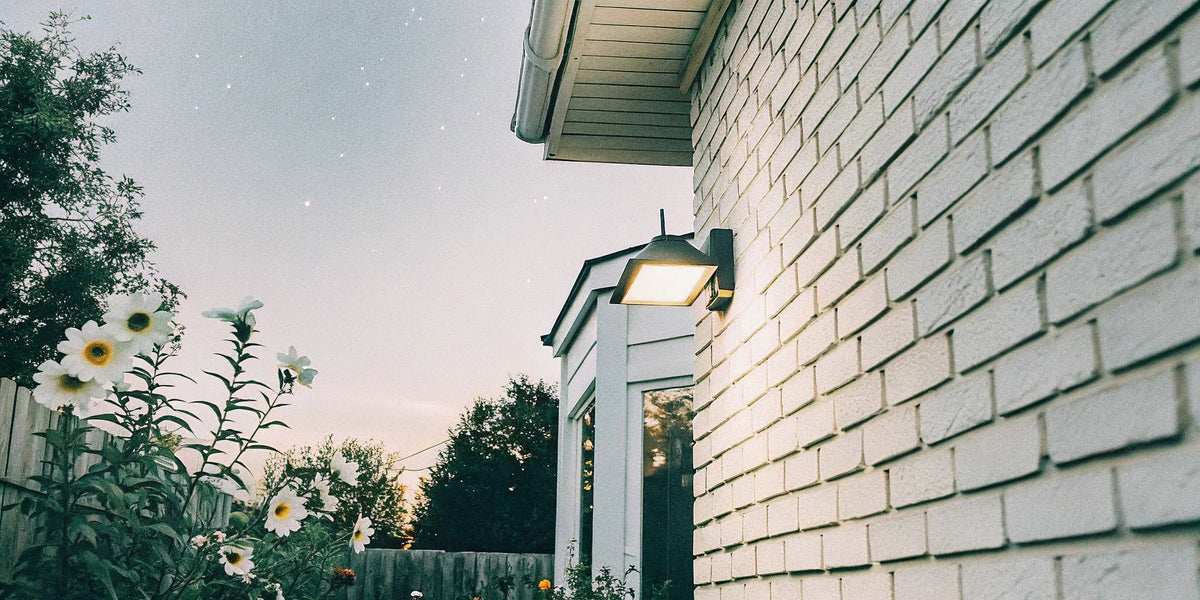
A well-lit exterior is your home’s first line of defense. Dark corners and shadowy entryways can be an open invitation for trouble, but strategic lighting changes the entire equation. This is where the practical power of an outdoor wall sconce light comes into play. Beyond just looking good, these fixtures are workhorses for safety, illuminating your doors, pathways, and garage to deter intruders and prevent accidental falls. We’ll help you choose sconces that enhance your home’s curb appeal and provide the visibility and peace of mind every homeowner deserves.
Key Takeaways
- Focus on Function First: Choose sconces with a wet-location rating and durable materials to ensure they last. Features like motion sensors, dusk-to-dawn automation, and energy-saving LEDs add security and convenience while lowering your energy bills.
- Match Scale and Placement to Your Home: For a balanced look, select a sconce that is about one-quarter to one-third the height of your front door. Install it at eye level, typically 66–72 inches from the ground, to provide welcoming light without creating glare.
- Light for Safety and Security: A well-lit exterior is one of the best ways to deter intruders. Place sconces strategically to illuminate entryways, pathways, and garages, eliminating dark spots and ensuring a safe path for family and guests.
So, What Exactly Is an Outdoor Wall Sconce?
Think of an outdoor wall sconce as jewelry for your home’s exterior. It’s a type of light fixture that mounts directly to a wall, and its job is to make the outside of your home look great, light up dark areas, and add a layer of safety. You’ll often see them flanking a front door, illuminating a garage, or casting a warm glow over a back patio. Beyond just looking good, these fixtures are workhorses. They guide your steps on a dark pathway, help you find your keys without fumbling, and make your home feel more secure and welcoming.
The right outdoor lighting can completely transform your home's curb appeal, highlighting architectural details and creating an inviting atmosphere. Whether you want to create a cozy ambiance for your outdoor living space or simply need functional light for safety, a wall sconce is a versatile and stylish solution. They come in a huge range of designs, from sleek and modern to rustic and traditional, so you can always find a fixture that complements your home’s unique character.
Wall Light vs. Wall Sconce: Is There a Difference?
You’ve probably heard the terms "wall light" and "wall sconce" used interchangeably, and for the most part, that’s perfectly fine. While there's a technical distinction—historically, a sconce held a candle or torch and left the bulb exposed, whereas a wall light had a covering like a glass shade—that difference has largely faded in modern language. Today, when you're shopping for exterior lighting, you'll find that both terms describe a fixture that mounts to the wall. So, don't get too hung up on the terminology. The most important thing is finding a fixture that fits your home's style, provides the right amount of light, and is rated for outdoor use to withstand the elements.
The Space-Saving Advantage of Wall Sconces
One of the best things about wall sconces is their ability to provide beautiful, functional light without taking up any valuable real estate. Because they mount directly to the wall, they don't occupy floor or table space, which is a huge plus for smaller patios, narrow walkways, or cozy front porches. This makes them an incredibly efficient lighting solution, allowing you to illuminate your outdoor areas without adding clutter. Instead of trying to squeeze in a bulky floor lamp or find a spot for a table lamp, you can create a well-lit, inviting atmosphere that feels open and spacious, making your outdoor living areas more usable and enjoyable after the sun goes down.
Are Wall Sconces Still in Style?
Absolutely. Far from being old-fashioned, wall sconces have evolved to become a staple in modern home design. They’ve moved beyond being purely functional and are now key players in creating mood and ambiance. Modern sconces are designed to add a soft, layered glow to a space, highlighting architectural features and making entryways feel more welcoming. Plus, today’s fixtures often come with smart technology, allowing you to control brightness and even color from your phone or with a simple voice command. Choosing a wall sconce isn't just a practical decision; it's a stylish one that proves good design is timeless.
What Makes Up a Wall Sconce?
When you break it down, an outdoor sconce is pretty simple. It consists of a mounting plate that attaches to the wall, a housing that protects the electrical components, and a light source. Sconces can hold anywhere from one to four bulbs, though some modern designs use integrated LED panels that don't require traditional bulbs at all. The materials are chosen for durability against the elements. You’ll commonly find sconces made from rust-resistant aluminum, sturdy stainless steel, and tough plastics. The shades or covers are often made of glass or acrylic to protect the bulb while diffusing the light beautifully.
Functional Types of Sconces
Not all sconces are created equal—their design directly impacts how they distribute light. The right choice depends entirely on the job you need it to do. Are you looking to cast a wide, welcoming glow, or do you need focused light on your house numbers? Some sconces, like uplights or downlights, are designed to wash a wall with light, creating dramatic shadows and highlighting textures. Others, like armed or lantern-style sconces, provide more general, ambient illumination. Using different types of fixtures allows you to layer light, which adds depth and character to your home’s exterior.
Common functional styles include armed sconces, which extend from the wall to direct light downward, making them perfect for flanking a doorway. Flush-mount sconces sit flat against the wall for a clean, minimalist look, while lantern styles offer a classic, traditional feel that casts a warm, multi-directional glow. For a more modern approach, cylinder or box-shaped sconces often provide both uplighting and downlighting, accentuating the architectural lines of your home. This style works especially well with contemporary materials like our Exterior Shiplap Cladding. Choosing the right function ensures your lighting is not only beautiful but also practical.
Find Your Perfect Sconce Style
Finding a sconce that matches your home’s aesthetic is the fun part. There are dozens of styles to choose from, but a few remain consistently popular. Modern Farmhouse designs blend rustic charm with clean lines, often featuring gooseneck arms and dark finishes. If your home is more contemporary, look for Industrial styles with metal cages and exposed bulbs for an urban edge. For a timeless look, Traditional sconces often mimic classic lanterns. And if you live near the coast, Nautical designs with their caged housing and weathered finishes can add the perfect touch.
What's Trending in Outdoor Sconces?
Today’s sconces are smarter than ever. Many now come with features designed to make your life easier and more efficient. Dusk-to-dawn sensors are a huge trend, as they automatically turn your lights on when the sun sets and off at sunrise—no timers needed. Dimmable sconces are also gaining popularity, allowing you to adjust the brightness to set the perfect mood for an evening on the patio. For an extra layer of security and convenience, motion-sensing lights turn on automatically when they detect movement, which is perfect for entryways and driveways.
Using Wall Sconces Indoors
While outdoor sconces are all about durability and security, indoor sconces focus on ambiance, style, and function. They are the ultimate multitaskers of the lighting world, capable of providing soft ambient light, focused task lighting, or dramatic accent illumination. Moving sconces indoors opens up a whole new set of design possibilities, allowing you to add layers of light that make your spaces feel more intentional, comfortable, and complete. From creating a cozy reading nook in the living room to adding a touch of elegance to a long hallway, indoor sconces are a versatile tool for shaping the atmosphere of your home.
Creating Layered Lighting for Depth and Ambiance
The secret to a beautifully lit room is layering. Instead of relying on a single overhead fixture, layered lighting uses multiple light sources to create balance, depth, and flexibility. Wall sconces are a key player in this strategy, serving as a perfect mid-level light source that bridges the gap between ceiling lights and table lamps. They add a warm, inviting glow that eliminates harsh shadows and makes a room feel more spacious and atmospheric. By combining sconces with other lighting fixtures, you can create a dynamic environment that adapts to any mood or occasion, whether you're hosting a dinner party or settling in for a quiet evening.
Common Placements for Indoor Sconces
One of the best things about wall sconces is their versatility. Because they mount directly to the wall, they save precious floor and table space, making them an ideal solution for smaller rooms or high-traffic areas. You can find a practical and stylish use for them in almost any room of the house. They can frame a piece of furniture, highlight an architectural detail, or simply provide gentle illumination where it's needed most. Understanding the most effective placements will help you get the most out of these adaptable fixtures, turning functional lighting into a stunning design element.
Hallways and Staircases
Hallways and staircases are often overlooked, but they are the perfect canvas for wall sconces. These transitional spaces benefit from the soft, ambient light that sconces provide, creating a safe and welcoming path through your home. Instead of a single, harsh overhead light, a series of sconces can add rhythm and visual interest to a long hallway, breaking up the monotony of a blank wall. On a staircase, they ensure each step is clearly visible, reducing the risk of accidents while adding a touch of sophistication. They provide general illumination without taking up any walking space, making the journey from one room to another a more pleasant experience.
Bedrooms and Living Rooms
In bedrooms and living rooms, wall sconces are masters of mood. Placing a pair of sconces on either side of a bed creates a cozy, symmetrical look and provides perfect lighting for late-night reading without disturbing your partner. In the living room, they can flank a fireplace, a sofa, or a favorite piece of art to create an intimate and inviting focal point. This type of placement adds a layer of warmth that makes the entire space feel more comfortable and relaxed. Sconces are a fantastic way to add soft, ambient light for watching movies or entertaining guests, setting a tone that overhead lighting simply can't replicate.
Getting the Height and Spacing Just Right
Proper placement is everything when it comes to wall sconces. Installing them at the right height and spacing not only ensures they look balanced but also maximizes their effectiveness. If they’re too high, the light can feel disconnected from the room; too low, and you risk uncomfortable glare. The goal is to position them so they integrate seamlessly with your decor and provide the intended lighting effect without drawing undue attention to the fixture itself. Following a few simple guidelines for different areas of your home will help you achieve a professional and polished look.
Bedside Sconce Placement
When installing sconces next to a bed, think about how you’ll use them. For reading, the ideal height is at eye level when you are sitting up in bed. This typically places the bottom of the sconce about 24-30 inches above the mattress. This position directs the light perfectly onto your book without shining directly into your eyes or casting shadows. If you have a headboard, make sure the sconces are placed just outside of it to create a balanced frame. This thoughtful placement turns your bedside into a functional and serene retreat.
Bathroom and Vanity Lighting
For the most flattering bathroom lighting, avoid placing a single fixture directly over the mirror, as this can cast unflattering shadows on your face. Instead, the best approach is to mount two sconces on either side of the mirror. Their centers should be at about eye level, or roughly 60-66 inches from the floor. This placement provides even, cross-illumination that eliminates shadows, making tasks like applying makeup or shaving much easier. It’s the secret to creating a bright, functional, and spa-like atmosphere in your bathroom.
Spacing Sconces in a Hallway
To create a cohesive and well-lit path in a long hallway, spacing is key. A good rule of thumb is to place sconces approximately 8 to 10 feet apart. This ensures there are no dark spots between fixtures and creates a pleasing visual rhythm. The height should be consistent, typically with the center of the fixture around 66-72 inches from the floor. This keeps the light source out of your direct line of sight, preventing glare while casting a beautiful wash of light along the walls and floor.
Using Sconces for Task and Accent Lighting
Beyond providing general ambient light, sconces are brilliant at performing more specific jobs. They can be used as task lighting to illuminate a particular activity, or as accent lighting to draw attention to a design feature you love. This dual capability is what makes them such a valuable addition to any lighting plan. A well-placed sconce can be the difference between a room that’s just lit and a room that’s thoughtfully designed, with light that serves a clear purpose and enhances the overall aesthetic.
Creating a Reading Nook
A cozy armchair and a good book are the foundation of a perfect reading nook, but the right lighting is what truly makes it work. A wall sconce is an excellent choice here because it provides focused light without cluttering a side table. Look for an adjustable or swing-arm sconce that you can position directly over your shoulder, ensuring the pages are well-lit. This targeted illumination reduces eye strain and allows you to get lost in your story for hours. It’s a simple addition that transforms any quiet corner into a dedicated space for relaxation.
Highlighting Artwork and Architectural Features
If you have a favorite painting, a gallery wall, or a unique architectural element, a wall sconce can turn it into a stunning focal point. Picture lights, which are long and narrow sconces, are designed specifically to be mounted above artwork, casting an even light across the canvas. You can also use uplights or downlights to graze a textured surface, such as a brick wall or decorative wood slat wall panels. This technique, known as wall grazing, accentuates the material's texture and depth, adding a dramatic and sophisticated touch to your interior design.
How Light Direction Shapes a Room's Atmosphere
The direction in which a sconce casts its light has a significant impact on the mood and perceived size of a room. Some sconces direct light upward, some downward, and others do both. Understanding the difference between these effects allows you to choose fixtures that will help you achieve your desired atmosphere. Whether you want a space to feel airy and open or intimate and cozy, the direction of your light is a powerful tool for shaping the emotional tone of your environment.
Uplighting vs. Downlighting
Sconces that cast light upward, known as uplights, bounce light off the ceiling and diffuse it throughout the room. This indirect illumination makes a space feel larger and more open, as it draws the eye upward and can make low ceilings appear higher. On the other hand, downlighting sconces direct a focused pool of light downward. This creates a more intimate and dramatic effect, highlighting the floor or a piece of furniture below. Downlighting is perfect for creating cozy nooks and adding a sense of warmth and enclosure to a space.
The Wall Washing Technique
Wall washing is a technique where light is spread smoothly and evenly across a large, flat wall. This is typically achieved with sconces that have a wide beam and are mounted a short distance from the wall. The effect is a soft, uniform glow that minimizes textures and imperfections, making the room feel brighter, cleaner, and more spacious. Wall washing is an excellent way to make a small room feel larger or to create a serene, minimalist backdrop. It provides beautiful ambient light without creating any hot spots or distracting glare.
Choosing the Best Outdoor Sconce: What to Look For
Choosing the right outdoor sconce goes beyond picking a style you love. You also need to think about how it will perform day in and day out, through every season. The best fixtures blend beautiful design with practical features that make your life easier and your home safer. From standing up to stormy weather to syncing with your smart home, here are the key things to look for when you’re ready to light up your exterior.
Will It Stand Up to the Elements?
This is non-negotiable. Your outdoor lights will be exposed to rain, snow, humidity, and sun, so they need to be built to last. Look for sconces specifically rated for "wet locations." This certification means they are sealed and constructed to prevent water from getting inside and damaging the electrical components. Materials matter, too. Powder-coated aluminum, stainless steel, and solid brass are excellent choices because they resist rust and corrosion. Investing in a well-made, weatherproof fixture from a trusted lighting collection means you won't have to worry about replacing it after a few rough seasons, ensuring it stays beautiful and functional for years.
How Much Light Do You Really Need?
Think about what you need the light to do. Are you lighting up a pathway for safety or creating a soft glow on your patio for ambiance? The brightness, measured in lumens, will determine how much light the sconce puts out. For a welcoming entryway, you might want something brighter, while a decorative accent light can be softer. Also, consider the direction of the light. Some sconces cast light up, some down, and others do both. This "light spread" dramatically affects the look. Many modern fixtures offer dimmable options, giving you the flexibility to adjust the brightness for any occasion, from a quiet evening to a lively outdoor party.
Does It Work with Your Smart Home?
If you love convenience, smart home compatibility is a feature you won't want to skip. Smart sconces connect to your home's Wi-Fi, allowing you to control them from anywhere using an app on your phone. You can turn lights on and off remotely, set schedules so they automatically activate at dusk, or even change the color temperature on some models. Integrating your outdoor lighting with a smart home system like Amazon Alexa or Google Assistant means you can control everything with a simple voice command. It’s a fantastic way to add another layer of security and make your home’s exterior work for you.
Should You Get a Motion-Activated Sconce?
Motion-activated sconces are a brilliant blend of security and efficiency. These fixtures have a built-in sensor that turns the light on automatically when it detects movement, then shuts it off after a set period of inactivity. This is perfect for illuminating your driveway when you pull in at night, lighting up the path to your door as you approach, or deterring unwanted visitors. Because the lights are only on when needed, you save a significant amount of energy. It’s a simple, practical feature that provides peace of mind and helps you find your keys without fumbling in the dark.
Saving Energy (and Money) with Your Sconce
Choosing an energy-efficient sconce is good for your wallet and the planet. LED lights are the gold standard here—they use a fraction of the energy of traditional incandescent bulbs and can last for tens of thousands of hours, meaning you’ll rarely have to change a bulb. Look for fixtures with an ENERGY STAR certification, which guarantees they meet strict efficiency guidelines. For those concerned with light pollution, consider a Dark Sky Certified fixture. These are designed to direct light downward where it's needed, reducing glare and preserving the beauty of the night sky.
How to Choose the Right Size and Style
Picking the right outdoor sconce is about more than just finding a light you like; it’s about choosing one that complements your home’s architecture and meets your practical needs. The right fixture feels like a natural extension of your home, while the wrong one can look out of place. When you’re browsing for new lighting, think about four key elements: scale, material, placement, and overall aesthetic. Getting these details right ensures your sconces will not only illuminate your space but also add to its curb appeal for years to come. Let’s walk through how to make the best choice for your home.
Getting the Scale Just Right
Size matters when it comes to outdoor lighting. A sconce that’s too small will look insignificant and won’t provide enough light, while one that’s too large can overwhelm your entryway. A good rule of thumb is to choose a fixture that is about one-quarter to one-third the height of your front door. For example, if you have a standard 80-inch door, look for sconces that are between 20 and 27 inches tall. If you’re flanking the door with two sconces, you can go slightly smaller. If you’re only using one, consider a slightly larger fixture to make a statement and ensure the area is well-lit.
Picking Your Material and Finish
The material and finish of your sconce determine its durability and style. Common materials like aluminum, stainless steel, and brass are excellent choices for outdoor use because they resist rust and corrosion. The finish you choose should complement your home’s existing hardware, such as your door handles, house numbers, and even your mailbox. Matte black offers a versatile, modern look, while oil-rubbed bronze provides a more traditional feel. Always check the fixture’s wet or damp rating to ensure it’s built to withstand the elements in your specific climate, whether that means heavy rain, snow, or salty sea air.
Beyond Traditional Metals: Modern Material Options
While classic metals like brass and aluminum are always a safe bet for durability, don’t overlook modern alternatives like high-grade composites and tough polymers. These materials are engineered to be incredibly resilient, often outperforming some metals in coastal areas where salt air can be corrosive. They won’t rust, pit, or fade, keeping their clean look for years with minimal upkeep. Plus, they open up a world of design possibilities. You can find sconces with sleek, minimalist forms or interesting textures that are difficult to achieve with metal, perfectly complementing contemporary home styles. When you explore a modern lighting collection, you'll see how these innovative materials are used to create fixtures that are as tough as they are stylish.
Finding the Perfect Installation Height
Proper placement is key to getting the most out of your outdoor sconces. Installing them at the right height prevents uncomfortable glare and ensures the light is cast where you need it most. As a general guideline, the center of the sconce should be positioned at eye level, which is typically 66 to 72 inches above the ground or the floor of the porch. This helps illuminate the faces of visitors without shining directly into their eyes. If your door is particularly tall or has sidelights, you may need to adjust this height slightly to maintain a balanced look.
How to Match Your Sconce to Your Home's Style
Your outdoor lighting should feel like a cohesive part of your home's design. The style you choose can reinforce your home’s architectural character.
Modern and Contemporary For a modern home, look for sconces with clean lines, simple geometric shapes, and a minimalist feel. Finishes like matte black, brushed nickel, or stainless steel work perfectly. Cylinder or box-shaped fixtures often complement the sleek, uncluttered look of contemporary architecture.
Traditional and Classic Traditional homes call for lighting with a bit more detail and classic charm. Think lantern-style sconces with decorative elements, curved arms, and seeded or beveled glass. Finishes like oil-rubbed bronze, antique brass, or black create a timeless, elegant look that suits colonial, Tudor, or Victorian styles.
Industrial and Urban Industrial-style sconces often feature a utilitarian design with raw materials and exposed hardware. Look for fixtures with metal cages, gooseneck arms, or warehouse-inspired shades. These styles pair exceptionally well with brick exteriors and modern steel doors, adding a touch of urban edge to your home’s facade.
Rustic and Farmhouse To achieve a rustic or modern farmhouse look, choose sconces that feel warm and inviting. Fixtures with barn-style shades, wood accents, and weathered finishes like galvanized metal or dark bronze are great options. These designs often blend simplicity with a touch of vintage character, perfect for creating a cozy and welcoming entryway.
When to Avoid Using Wall Sconces
As much as I love a good wall sconce, they aren’t the perfect solution for every single space. Sometimes, another type of lighting is simply a better fit. If your walls are already a major focal point—covered in art, busy wallpaper, or detailed architectural elements like fluted wall panels—adding sconces can make the area feel cluttered rather than curated. In large, open-concept rooms, sconces alone often can't provide enough broad, ambient light to illuminate the entire space effectively. They work best as accent or task lighting, so in a big room, you’d need to pair them with overhead fixtures. Finally, consider the practical limitations of installation; if you’re renting or dealing with brick or concrete walls, the process of hardwiring a fixture can be complex and costly.
How Sconces Improve Your Home's Safety and Security
Beyond their good looks, outdoor wall sconces are a practical addition to your home’s security plan. A well-lit exterior is one of the simplest and most effective ways to discourage unwanted visitors and prevent accidents. By strategically placing sconces, you can eliminate dark corners where intruders might hide and ensure that you, your family, and your guests can move around safely after sunset. Think of them as a welcoming beacon for friends and a clear warning sign for anyone with bad intentions. Good lighting fixtures are a fundamental layer of home safety.
Brighten Up Entryways and Doors
Your front door is the main entry point to your home, and it should be clearly illuminated. A pair of sconces flanking the door not only creates a warm, inviting entrance but also enhances security. They light up the lock, making it easier for you to find your keys at night, and allow you to clearly see who is on your doorstep before you open it. This simple addition helps make the outside of your home look better, illuminates dark areas, and ultimately makes your property safer for everyone. A well-lit entryway is your first line of defense, setting a secure tone for the rest of your home.
Light Up Garages and Pathways
Dark pathways, driveways, and garage areas are common spots for trips and falls. Installing outdoor sconces along these routes provides essential visibility, guiding footsteps and preventing accidents. When placed on either side of a garage door, sconces make it easier to park and move around your vehicle safely. You can choose fixtures based on the direction the light shines to ensure walkways are fully covered. This not only protects your family and guests from potential hazards but also illuminates any unexpected obstacles that might be in the way, ensuring a safe journey from the car to the front door.
Why Motion Detection Matters
For an added layer of security, consider sconces with motion-sensing technology. These fixtures remain off or in a dim mode until they detect movement, at which point they switch to full brightness. The sudden illumination can startle potential intruders, causing them to flee. It also serves as an immediate alert, letting you know that someone or something is on your property. Motion-activated lights are also energy-efficient, as they only use full power when needed. This smart feature is a powerful tool for enhancing security without keeping your lights on all night.
How Outdoor Lighting Deters Intruders
A well-lit property is a less attractive target for burglars. Outdoor wall lights are designed to illuminate the exterior of your house, making it look more interesting and, more importantly, occupied and monitored. By eliminating shadowy areas around windows, side doors, and backyards, you remove potential hiding spots. This increased visibility not only deters intruders but also improves the effectiveness of security cameras, allowing them to capture clearer footage. Consistent, strategic lighting sends a clear message that your home is secure and not an easy target.
Reliable Lighting in an Emergency
In an emergency, reliable outdoor lighting can be critical. Sconces built from durable materials like stainless steel or aluminum are designed to handle tough outdoor conditions, ensuring they work when you need them most. During a power outage, battery-backed or solar-powered sconces can provide essential light for safely evacuating or for first responders to locate your home. Having dependable light sources around your home’s exterior provides peace of mind, knowing you have a safe, visible path in any situation, whether it’s a storm or a late-night arrival.
What Can a Smart Sconce Do?
Outdoor lighting has come a long way from the simple flip of a switch. Today’s smart sconces offer a new level of control, efficiency, and security, integrating seamlessly into your daily life. These tech-forward features aren’t just for show—they provide practical solutions that make your home safer and more convenient. From energy-saving LEDs to app-controlled schedules, smart technology puts the power to manage your home’s exterior right at your fingertips.
The Real Benefits of LED Sconces
If you’re shopping for new sconces, you’ll notice that most models use LED technology, and for good reason. LED sconces are incredibly energy-efficient, using up to 80% less power than old-school incandescent bulbs. This translates directly to lower electricity bills each month. Beyond the cost savings, LEDs have an impressively long lifespan, often lasting for years without needing a replacement. This means less time spent on a ladder changing bulbs and less waste. For any home project, choosing modern lighting with LED technology is a smart, sustainable investment that pays for itself over time.
Set It and Forget It: Dusk-to-Dawn Sensors
One of the most practical smart features available is the dusk-to-dawn sensor. Sconces with this technology automatically sense the ambient light levels, turning on as the sun sets and shutting off at sunrise. This simple automation offers major benefits for both convenience and security. You’ll never have to remember to turn the porch lights on or off again, and your home will always be well-lit when it gets dark. This consistent illumination helps deter potential intruders and ensures you always have a clear, safe path to your door, all while saving energy by only running when needed.
How to Sync Sconces with Your Smart Home
For a truly connected home, look for outdoor sconces that can integrate with your existing smart home system. Whether you use Amazon Alexa, Google Assistant, or another platform, compatibility allows you to control your outdoor lighting with simple voice commands. You can group your sconces with other smart devices to create automated routines—for example, having your entryway lights turn on automatically when your smart lock is disengaged. This level of integration streamlines the way you manage your home, making your entire environment more responsive and functional without any extra effort.
Control Your Lights from Anywhere
Smart sconces give you the ability to manage your outdoor lighting no matter where you are, right from a smartphone app. Heading home late from work? Turn the lights on before you pull into the driveway. Away on vacation? Set a schedule to make it look like someone is home, adding a powerful layer of security. This remote access provides incredible peace of mind and flexibility. You can adjust brightness, change settings, or simply check to make sure the lights are off, all from the palm of your hand. It’s a simple feature that makes a huge difference in how you interact with your home.
How to Pick the Perfect Light Color
The color of the light your sconce emits plays a huge role in your home’s overall ambiance. This is measured in Kelvins (K), and choosing the right one is key. For a warm, cozy, and inviting glow similar to traditional bulbs, look for a color temperature between 2700K and 3000K. This is perfect for creating a welcoming atmosphere around seating areas or front doors. If you prefer a crisp, bright, and more modern look, a cooler temperature between 4000K and 5000K will provide a clean, vibrant light. Thinking about the mood you want to create will help you select the perfect sconce to complement your home’s exterior design.
What to Expect to Pay for Outdoor Sconces
Figuring out a budget for outdoor lighting can feel tricky because prices vary so widely. You can find simple, functional sconces for less than a fancy coffee, while high-end, designer fixtures can cost thousands. The key is understanding what you get at each price point so you can find the perfect balance of style, function, and cost for your project. Let’s break down what you can expect to pay and what factors drive the price.
Budget-Friendly Sconces That Don't Skimp on Quality
You don’t need a massive budget to light your outdoor space effectively. Budget-friendly sconces, often priced under $50, are perfect for illuminating side doors, sheds, or detached garages where function is the top priority. While you might not find intricate designs or premium materials like solid brass, you can still get durable, weather-resistant fixtures in classic styles. These options are typically made from aluminum or steel and offer a straightforward way to add safety and visibility to your home’s exterior without a significant financial commitment. They are an excellent choice for contractors working on large projects or homeowners needing multiple fixtures.
What Mid-Range Sconces Offer
The mid-range, typically from $50 to $200, is where most people find their ideal sconce. In this bracket, you’ll discover a much wider variety of styles, materials, and finishes—from modern matte black to classic oil-rubbed bronze. These fixtures often feature better construction, thicker glass, and more robust weatherproofing. You’ll also start to see more design-forward shapes and details that can truly enhance your home’s curb appeal. Many of the most popular and reliable lighting fixtures fall into this category, offering a fantastic blend of durability, style, and value that suits most residential and light commercial projects.
Is a Premium Wall Sconce Light Worth It?
For those who view lighting as a statement piece, premium sconces (costing $200 and up) offer unparalleled quality and design. These fixtures are often crafted from high-end materials like solid copper, brass, or hand-forged iron that age beautifully over time. You’re paying for superior craftsmanship, unique artistic designs, and often, a well-known brand name. Many premium lights are part of larger collections, allowing you to create a completely cohesive look with matching post lights, pendants, and landscape lighting. This is an investment in your home’s long-term aesthetic and value, ensuring your outdoor lighting is as stunning as it is functional.
How to Get the Most for Your Money
Getting the best value isn’t just about finding the lowest price—it’s about getting the most for your money. Always keep an eye out for seasonal sales and promotions, as you can often find mid-range or even premium fixtures at a significant discount. Before you buy, check the warranty and return policy to ensure you’re covered if the light doesn’t work for your space. For contractors and designers, signing up for a trade program can provide access to exclusive pricing and bulk discounts, which makes a huge difference on larger jobs. Smart shopping ensures you get a high-quality product that fits your budget.
What Drives the Cost of a Sconce?
Several key factors determine a sconce's price tag. The material is the biggest driver; solid brass will always cost more than aluminum. The brand name and designer behind the fixture also play a significant role. Finally, technology adds to the cost. Features like integrated LED bulbs, dusk-to-dawn sensors, motion activation, and smart home compatibility offer convenience and energy savings but will increase the initial price. Understanding these elements helps you decide which features are must-haves and where you might be able to save, allowing you to choose a sconce that meets your needs and your budget.
How to Install and Maintain Your Sconces
Once you’ve chosen the perfect outdoor sconces, you’re ready to get them installed and shining. Proper installation and a little routine care will ensure your lights look great and function perfectly for years to come. Whether you’re a seasoned DIYer or prefer to call in a professional, here’s everything you need to know to keep your sconces in top condition.
Wireless and Battery-Operated Options
If the thought of hiring an electrician and dealing with wiring sounds like a headache, you're in luck. Wireless and battery-operated sconces offer a fantastic, hassle-free alternative to traditional hardwired fixtures. These lights are perfect for tricky installation spots like brick or stone walls where running new electrical lines would be a major project. They’re also an ideal solution for renters who want to add outdoor lighting without making permanent changes to the property. With no cords to worry about, you get a clean, seamless look and the freedom to place light exactly where you need it, from a dark side yard to a cozy balcony.
Benefits of Going Wireless
The biggest advantage of going wireless is the incredibly simple installation. Most battery-operated sconces can be mounted in minutes with just a few screws, completely eliminating the need to hire an electrician. This not only saves you money but also gives you the flexibility to install lighting in places that were previously off-limits. Many of the most popular models are rechargeable, so you can easily power them up without constantly buying new batteries. This convenience makes them a practical and versatile choice for anyone looking to quickly improve their home’s exterior lighting without a complicated and costly installation process.
Common Features of Non-Wired Sconces
Non-wired sconces are packed with user-friendly features that make them just as functional as their hardwired counterparts. Many come with a remote control, allowing you to turn them on and off or adjust settings from a distance. Dimmable options are also common, giving you the ability to soften the light for a relaxed evening or brighten it for added security. Speaking of security, motion-activated sensors are a standout feature in many wireless lighting models. These fixtures light up automatically when they detect movement, providing safety and a strong deterrent to intruders, all while conserving battery life by only activating when needed.
Should You DIY or Hire a Pro?
Deciding whether to install your sconces yourself or hire an electrician comes down to your comfort level and the scope of the job. If you’re simply replacing an old fixture with a new one and the wiring is already in place, a DIY installation can be a straightforward and satisfying project. However, if you’re installing a sconce where there wasn’t one before, running new wiring is a job best left to a licensed professional to ensure everything is safe and up to code. A pro can also guarantee the fixture is securely mounted and weatherproofed, giving you total peace of mind. The right choice ultimately depends on your skills, budget, and the long-term value you place on a flawless setup.
Simple Steps to Weatherproof Your Sconces
Outdoor lighting has to stand up to rain, snow, and humidity, so proper weatherproofing is key. Before you begin any work, the most important step is to turn off the power at the circuit breaker. Once you’re sure the power is off, check that your sconce has a rubber or foam gasket that sits between the fixture’s base and the wall. This creates a seal against moisture. After mounting the sconce, apply a bead of clear silicone caulk around the top and sides of the base where it meets the wall. Leave the bottom unsealed so any moisture that does get inside has a place to drain. This simple step is one of the best ways to install an outdoor light fixture that will last.
Keeping Your Sconces Looking New
To keep your sconces looking their best, a little cleaning a few times a year is all it takes. First, make sure the light is turned off and the bulb is cool. Use a soft, damp cloth with a bit of mild soap to gently wipe down the fixture, removing any dirt, dust, or cobwebs. Avoid using harsh chemical cleaners or abrasive sponges, as they can damage the finish. For glass components, a standard glass cleaner will restore their sparkle and ensure the light shines brightly. Regular cleaning not only keeps your fixtures looking new but also prevents buildup that could affect their performance over time.
How to Replace the Bulb
Changing a lightbulb is a simple task that keeps your outdoor spaces safely illuminated. As always, start by turning off the power to the sconce. Depending on the design, you may need to unscrew a few small screws or twist off a cover to access the bulb. Once you can reach it, gently unscrew the old bulb and replace it with a new one. Make sure the new bulb’s wattage doesn’t exceed the fixture’s maximum rating, which is usually printed on a sticker inside. If you’re ever working with the wiring, remember the standard color code: black is the live wire, white is neutral, and the green or bare wire is the ground.
A Quick Seasonal Maintenance Checklist
A quick seasonal check-up will keep your outdoor sconces in excellent working order. As the seasons change, it’s a great time to run through this simple list:
- Inspect the Fixture: Look for any signs of wear, damage, or corrosion. Check that the mounting is still secure and that the weatherproofing seals are intact.
- Clean the Lenses: Wipe down the glass or plastic covers to remove any grime that could be dimming the light.
- Test the Bulbs: Turn the lights on to make sure all the bulbs are working. Replace any that have burned out. This is also a good time to consider upgrading to energy-efficient LED bulbs if you haven’t already.
- Check Sensors: If you have motion-activated or dusk-to-dawn sconces, test them to ensure they are functioning correctly.
Where to Find a High-Quality Wall Sconce Light
Once you know what you’re looking for, the next step is finding a sconce that will last. Quality matters, especially for fixtures exposed to the elements. A high-quality sconce isn't just about looks; it's about durable materials, reliable performance, and the backing of a good company. Let's walk through how to identify top-tier options and where to find them.
The USA Builders Depot Collection
A great place to start your search is with a supplier that understands the needs of both homeowners and trade professionals. Our curated collection of lighting fixtures is designed to complement a wide range of architectural styles, from modern to traditional. We focus on sourcing durable, stylish, and functional sconces that stand up to the outdoors. The advantage of shopping with a comprehensive supplier is that you can coordinate your lighting with other exterior elements like new steel doors or wall panels, ensuring a cohesive look for your entire project. With nationwide shipping, getting the perfect fixtures for your build or renovation is straightforward.
Other Trusted Brands to Consider
As you browse, you’ll likely come across established lighting brands known for their quality. Names like Kichler often appear because they offer a wide variety of styles and are known for good customer service. Recognizing these brands helps you understand the market and what features to expect at different price points. The key is to look for the qualities these brands are known for: solid construction, thoughtful design, and positive customer feedback. Whether you're choosing from our selection or comparing options elsewhere, focusing on these fundamentals will help you select a fixture that you'll be happy with for years to come.
Why the Warranty Matters
An outdoor sconce is an investment, and a good warranty is your insurance policy. Fixtures exposed to rain, sun, and temperature changes need to be tough, but a manufacturer's warranty shows that the company stands behind its product's durability. Before you buy, check the warranty details. What does it cover, and for how long? A strong warranty, coupled with a straightforward return policy, provides peace of mind. It signals that you're buying from a company that prioritizes quality and customer satisfaction, which is something we take seriously. You can see what our customers say about their experience in our reviews.
What Do Those Certifications Mean?
You might see labels like "Energy Efficient" or "Dark Sky Certified" on sconce packaging. These aren't just buzzwords; they're important indicators of performance and responsible design. Energy-efficient models, often using LED technology, consume less power, which saves you money on electricity bills over time. Dark Sky Certified fixtures are designed to minimize light pollution by directing light downward where it's needed, instead of out into the night sky. This is better for wildlife and preserves the view of the stars. Choosing a certified product means you’re getting a sconce that is not only effective but also designed with modern efficiency and environmental standards in mind.
How to Save Money and Energy with Your Lighting
Choosing the right outdoor sconce isn't just about style—it's also a smart financial decision. The type of bulb you use can have a major impact on your monthly electricity bill and long-term maintenance costs. By opting for energy-efficient technology, you can light up your home's exterior beautifully without breaking the bank. Plus, you'll be making a more sustainable choice for the environment. Let's break down how you can save.
LED vs. Traditional Bulbs: A Cost Breakdown
When you compare LED bulbs to old-school incandescent ones, the numbers speak for themselves. According to the U.S. Department of Energy, residential LEDs use at least 75% less energy and can last up to 25 times longer. Think about what that means for your wallet. Running a traditional bulb for 1,000 hours can cost around $11.00 in electricity, while an equivalent LED bulb costs just $1.32 for the same amount of time. While the upfront cost of an LED sconce might be slightly higher, the long-term savings on energy and replacement bulbs make it a clear winner.
Energy-Saving Features to Look For
So, what makes LEDs so efficient? Unlike incandescent bulbs that waste most of their energy producing heat, LEDs convert nearly all of their energy directly into light. This fundamental difference is why they use significantly less power to produce the same amount of brightness. This efficiency isn't just good for the planet; it directly translates to lower energy consumption and a noticeable reduction in your electricity bills. When you're lighting outdoor spaces that may be on for hours every night, these savings add up quickly, making LED sconces a practical and forward-thinking investment for your home.
How to Calculate Your Long-Term Savings
Switching to LED lighting can lead to some serious savings over the years. The average U.S. household can save about $225 annually just by making the switch, especially with outdoor fixtures that are often left on from dusk until dawn. Imagine what you could do with that extra money. When you’re browsing for new outdoor lighting, think of it as an investment that pays you back. Over the 10- or 15-year lifespan of an LED bulb, the initial cost becomes insignificant compared to the hundreds or even thousands of dollars you’ll save on energy.
Making an Eco-Friendly Lighting Choice
Beyond the financial perks, choosing LED sconces is a decision you can feel good about. Because they have such a long lifespan and consume far less energy, LEDs are a much more sustainable option. A longer life means fewer bulbs end up in landfills, and lower energy use reduces your home's carbon footprint. Every time you flip on your lights, you’re making a choice that impacts the environment. By opting for energy-efficient LEDs, you’re not just saving money—you’re contributing to a healthier planet one light fixture at a time.
Frequently Asked Questions
How far apart should I place my sconces if I'm using two around my front door? A great guideline is to place them slightly wider than the door frame, about 6 to 12 inches out from each side. This creates a balanced, symmetrical look that frames the entrance beautifully. For a garage door, you can place one sconce on each side or a single, larger fixture centered above the door. The goal is to provide even light without creating harsh shadows or looking cluttered.
What's the most durable material for a sconce in a harsh climate, like near the coast or in an area with heavy snow? If you live near the coast where salty air is a concern, solid brass or stainless steel are your best bets as they are highly resistant to corrosion. For areas with heavy rain or snow, look for fixtures made from powder-coated aluminum. This finish provides a tough, protective layer that prevents rust and keeps the sconce looking great through every season.
Are smart features like motion sensors and dusk-to-dawn sensors really necessary? While not strictly necessary, these features solve common problems and add a lot of convenience. A dusk-to-dawn sensor means you'll never forget to turn your lights on or off, which is great for both security and energy savings. Motion sensors are fantastic for entryways and driveways because they provide light exactly when you need it and can deter unwanted visitors. They are practical upgrades that make your home safer and your life a little easier.
What's the best light color for an outdoor sconce to create a welcoming feel? For a warm and inviting glow that feels cozy and classic, look for a color temperature between 2700K and 3000K. This range produces a soft, yellowish light similar to a traditional incandescent bulb, which is very flattering for home exteriors and welcoming to guests. It provides enough brightness for safety without feeling harsh or clinical.
Can I replace an old outdoor light fixture myself, or do I need an electrician? If you are swapping out an existing fixture and the wiring is in good condition, it's often a manageable project for a confident DIYer. However, if you need to run new wiring, install a fixture where there wasn't one before, or if you find the existing wiring is old or damaged, it is always safest to call a licensed electrician. They will ensure the installation is secure, weatherproof, and up to code.