
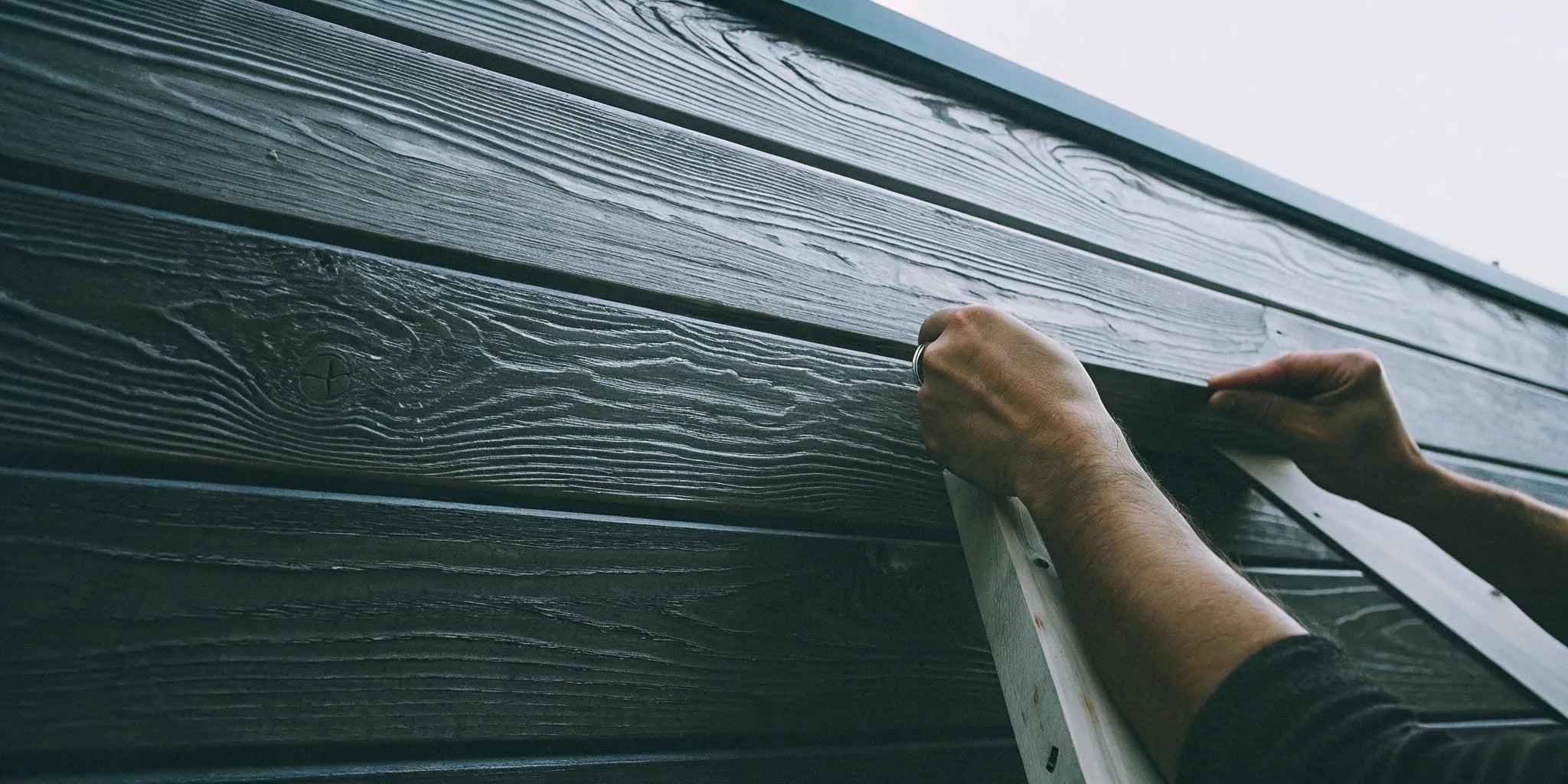
The Ultimate Guide to Using PVC Wood Panel

We've all been there—standing in a room, trying to decide between the material we love and the material that makes sense. Natural wood is beautiful, but its vulnerability to moisture and wear makes it a risky choice for kitchens, bathrooms, and basements. This is where modern material science comes in. The PVC wood panel offers a perfect blend of form and function, giving you the rich texture of wood in a completely waterproof and durable format. You no longer have to sacrifice style for practicality. In this article, we’ll cover the pros, cons, and installation tips to help you confidently use this versatile material.
For contractors and designers, finding materials that satisfy a client's aesthetic vision while meeting practical demands for durability and budget is a constant goal. PVC wood panels have become a go-to choice because they deliver on all fronts. They provide the sophisticated look of real wood but are engineered to perform in high-traffic and moisture-prone environments, leading to fewer callbacks and greater client satisfaction. Their consistent quality and ease of handling also streamline the building process. This comprehensive guide details the best practices for a perfect pvc wood panel installation, ensuring every project benefits from the material's full potential for style and long-term resilience.
Key Takeaways
- Choose PVC for the look of wood with better performance: PVC panels provide the warmth and aesthetic of wood but are fully waterproof, low-maintenance, and resistant to rot, mold, and pests, making them a durable and practical alternative.
- Proper preparation is key to a lasting installation: Always let your panels acclimate to the room's environment for at least 24 hours before starting, and remember to leave small expansion gaps around the perimeter to prevent buckling.
- Prioritize material quality for safety and durability: For the best results, select panels made from 100% virgin PVC to avoid toxic fillers and source them from a reputable supplier to ensure a safe, high-quality finish.
What Are PVC Wood Panels?
If you're looking for the warm, inviting look of wood without the high maintenance, PVC wood panels might be exactly what you need. Think of them as the modern, high-performance cousin to traditional wood. These panels are a type of composite material, often made from a blend of plastic (polyvinyl chloride) and wood fibers, designed to mimic the appearance of real wood. The result is a product that offers the best of both worlds: the timeless aesthetic of wood and the rugged durability of a synthetic material.
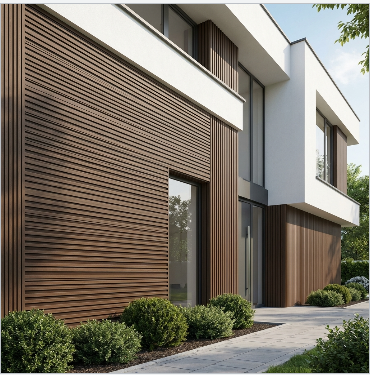
Unlike solid wood, which can be susceptible to moisture, pests, and wear over time, PVC panels are engineered to stand up to the elements. This makes them an incredibly versatile choice for a wide range of projects. You can use them to create a stunning accent wall in your living room, add texture to a bathroom, or even for exterior cladding that needs to withstand sun and rain. They provide a practical and stylish solution that delivers consistent performance, giving you peace of mind that your design will look great for years to come. Because they are manufactured, they also offer incredible consistency in color and grain, which can be a major advantage over natural wood where variations can sometimes complicate a project.
PVC vs. Traditional Wood: What's the Difference?
When you place a PVC panel next to a traditional wood plank, the biggest difference isn't just how they look—it's how they perform. Traditional wood is beautiful, but it requires a lot of upkeep and is vulnerable to common household issues. PVC panels, on the other hand, are inherently resistant to problems like mold, mildew, and insects. Because they are made from a plastic composite, there’s nothing for termites to eat or for moisture to rot. They are also surprisingly lightweight yet have a robust structure, which can make handling and installation a much smoother process than working with heavy, solid wood boards.
How PVC Panels Handle Moisture and Wear
Here’s where PVC panels truly shine, especially in tricky areas like kitchens, bathrooms, and basements. While wood can warp, swell, or rot when exposed to humidity and water, PVC panels are completely waterproof. This moisture resistance makes them one of the most durable wall panel options available. You won’t have to worry about splashes from the sink or steam from the shower causing damage. This resilience also extends to temperature changes, as the material is stable and won't expand or contract as dramatically as wood, preventing cracks and gaps over time.
Safety and Environmental Impact
When you're bringing new materials into a home or commercial space, safety is always a top priority. High-quality PVC wood panels are an excellent choice because they are manufactured with health in mind. The best panels, like the Interior WPC Fluted Slat Wall Panels, are made from 100% virgin PVC, which means they are free of the toxic fillers that can be a concern in lower-quality composites. They are also VOC-free, so they don't release harmful volatile organic compounds that can impact indoor air quality. This gives you peace of mind that you're creating a healthy, breathable environment for your family or clients.
From an environmental standpoint, PVC panels offer some compelling benefits that make them a responsible choice. Many are 100% recyclable, which helps reduce landfill waste and supports a more circular economy where materials are reused instead of discarded. Their lightweight design also plays a significant role in sustainability. Because the panels are not as heavy as solid wood or tile, transporting them from the supplier to your project site requires less fuel. This efficiency helps minimize their overall carbon footprint, making them a greener option from start to finish.
The incredible durability of PVC panels also contributes directly to their eco-friendliness. Their built-in resistance to moisture, mold, and pests gives them a much longer lifespan than traditional wood, which can require frequent chemical treatments, maintenance, or even full replacement. As some building experts note, this longevity saves resources and reduces the waste generated by frequent renovations. By choosing a material designed to last for decades, you’re making a smart investment for both your space and the environment.
Save Time and Money with PVC Panels
Beyond their performance, PVC panels are a fantastic choice for your wallet and your schedule. Generally, they are more affordable than many types of solid wood and other common building materials. But the savings don't stop at the initial purchase. One of the most significant benefits is their low-maintenance nature. Forget about the sanding, staining, and sealing that wood requires. PVC panels don't need any special treatments to keep them looking their best. A simple wipe-down with a damp cloth is usually all it takes to clean them, saving you valuable time and effort for years to come.
Installation Speed and Savings
Here’s a major win for your project timeline and budget: PVC panels are incredibly efficient to install. Because they are lightweight and designed with simple interlocking systems, they go up much faster than traditional materials like ceramic tile or solid wood. For a DIY homeowner, this means you can transform a room in a weekend without needing specialized tools or skills. For contractors, this translates directly into lower labor costs and the ability to complete jobs more quickly. In fact, installing PVC panels can be up to three times faster than tiling a similar area, reducing what could be a multi-day project to just a few hours. This efficiency makes them a smart choice for anyone looking to get beautiful results without the lengthy disruption.
Lifespan and Durability
When you choose a material for your home or project, you want something that will last. PVC panels are a fantastic long-term investment because they are built to withstand daily life. Their core advantage is being completely waterproof, which means they won't rot, warp, or grow mold, even in the most moisture-prone areas like bathrooms or basements. Unlike wood, they are also impervious to pests like termites. With proper installation and basic care, high-quality PVC panels can last for decades, maintaining their color and structural integrity without needing to be repainted or resealed. This impressive durability means you can enjoy the beautiful wood-look aesthetic without worrying about the constant upkeep and eventual replacement that natural materials often require.
Potential Downsides of PVC Panels
While PVC panels offer a ton of benefits, it's smart to look at the full picture. No material is perfect for every single situation, and knowing the potential drawbacks helps you make an informed decision for your specific project. Being aware of a material's limitations is just as important as knowing its strengths. This transparency ensures you choose the right product that will not only look great on day one but will also perform well for years to come. Let's walk through a few considerations to keep in mind before you commit to PVC for your next renovation or build.
Poor Sound Insulation
One of the main trade-offs with PVC panels is their limited ability to block noise. Because the material is lightweight and not very dense, it doesn't do much to absorb or dampen sound waves. This means you'll hear more of what's happening on the other side of the wall. If you're planning to update a home office where you need quiet for concentration, a media room, or a bedroom, PVC might not be the best choice on its own. For projects where noise reduction is a priority, you'll get better results by exploring materials specifically engineered for sound control, like acoustic wall panels, which are designed to create a more peaceful environment.
Potential for a "Plastic" Look
Although modern manufacturing has come a long way, some PVC panels can still have a distinctly "plastic" appearance. While they do an excellent job of mimicking wood from a distance, the illusion can sometimes fade upon closer inspection. The printed wood grain pattern may lack the unique depth and subtle imperfections that make real wood so appealing, and some finishes can have a slight sheen that gives away their synthetic origin. For a high-end living room or a feature wall where authenticity is key, this might be a dealbreaker. If you're set on achieving a genuine wood aesthetic, natural veneer panels can be a fantastic alternative, offering a real wood surface on a stable core.
Vulnerability to Damage
PVC is celebrated for its resistance to moisture, but it's not indestructible. The surface can be prone to scratches and dents from sharp objects or heavy impacts, so it may not be the ideal choice for extremely high-traffic areas where it could get bumped frequently. More importantly, prolonged exposure to direct sunlight can take a toll on the material. Over time, UV rays can cause the panels to become brittle and can lead to significant color fading. This is a critical factor to consider if you plan to install them near large, sun-facing windows or in certain outdoor applications where they will be exposed to the elements day after day.
Fire Safety Concerns
It's also important to be aware of how PVC behaves in a fire. As a plastic-based product, it can release harmful fumes when it combusts. This is a characteristic shared by many synthetic building materials, but it's a crucial safety consideration. Before installing any wall paneling, you should always verify its fire rating to ensure it complies with your local building codes, especially in commercial spaces or multi-family homes where regulations are stricter. Sourcing your materials from a reputable supplier who can provide clear safety documentation is the best way to ensure your project is not only beautiful but also safe and compliant.
How to Choose the Right PVC Wood Panels
Before you even think about installation, the first step is picking the right panels for your project. With so many options out there, it’s easy to feel overwhelmed. But focusing on a few key areas—quality, aesthetics, and intended use—will help you narrow down the choices and find the perfect fit for your space. Getting this part right ensures your finished project not only looks fantastic but also stands the test of time. Let’s walk through what you need to consider to make a confident decision.
Spotting Quality: What to Look for in a Brand
Not all PVC panels are created equal. The quality of the material directly impacts the panel's durability, safety, and appearance. When you're shopping, look for panels made from 100% virgin PVC resin. This ensures you're getting a pure, high-grade product without toxic fillers like lead or BPA. Top-tier panels also come with built-in resistances; check for features like anti-fungal, antimicrobial, and fire-retardant properties. A reputable supplier will be transparent about their materials, so you can feel confident you’re installing a safe and long-lasting product. High-quality wall panels are an investment in your property’s health and value.
Checking for Warranties
A good warranty is more than just a piece of paper; it’s a manufacturer's promise of quality. When you're comparing PVC panels, always take a look at the warranty details. Most reputable brands offer warranties that can range from 5 to 10 years, covering defects in materials and workmanship. This protects your investment and gives you confidence that the panels will perform as expected. It's also important to read the fine print. A warranty might not cover issues that arise from improper installation or a lack of maintenance, so make sure you understand what's required to keep it valid. Choosing a supplier who is transparent about their product warranties and has positive customer reviews ensures you're getting a material that is built to last.
Choosing Your Style: Texture, Thickness, and Design
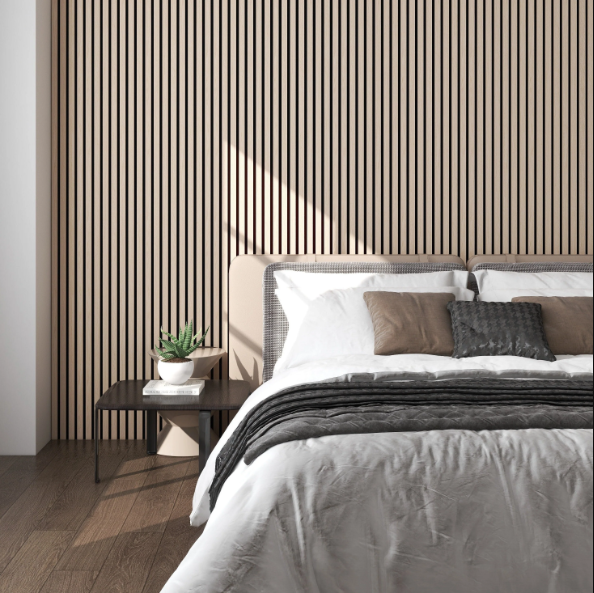
This is the fun part—choosing a style that brings your vision to life. PVC panels offer the warm, inviting look of wood without the vulnerability to moisture, mold, or pests. They are lightweight yet structurally sound, making them a versatile design element. Consider the overall aesthetic you want to achieve. Are you going for a rustic vibe or a sleek, modern look? The panel's thickness, texture, and finish play a huge role. For example, Interior WPC Fluted Slat Wall Panels can add depth and a contemporary feel to a room, while a smooth, wood-grain finish offers a more traditional touch. Don’t be afraid to order samples to see how they look and feel in your space.
Exploring Panel Types and Finishes
The design possibilities with PVC panels are nearly endless. As a modern material, they are engineered to come in a huge variety of styles, colors, and textures, allowing you to find the perfect match for any interior design. Many are crafted to convincingly mimic more expensive materials like natural stone, marble, or different wood species. Whether you prefer the deep grooves of fluted panels for a contemporary accent wall or a smooth, subtle wood grain for a classic look, there’s a finish available. This versatility makes it easy to achieve a high-end aesthetic without the associated cost or maintenance, giving you complete creative control over your space.
Recommended Thickness for Wet Areas
When you're planning a project for a bathroom, laundry room, or any space with high humidity, the thickness of your PVC panels is a critical factor. Thicker panels offer greater rigidity and impact resistance, which is essential for long-term durability. For general bathroom walls, it's best to choose panels that are at least 8mm thick. If you're installing them in a very wet area, such as a shower enclosure, opting for a 10mm thickness provides an extra layer of robustness and peace of mind, ensuring the installation remains stable and completely waterproof for years to come.
Can You Paint PVC Panels?
Yes, you can absolutely paint PVC panels, which is great news if you ever want to refresh your room's color scheme down the line. However, you can't just use any can of paint off the shelf. It's crucial to use a paint specifically formulated for plastic or PVC surfaces to ensure proper adhesion. Before you start, the panels must be thoroughly cleaned to remove any dust or oils, and applying a suitable primer is highly recommended. While painting offers customization, selecting one of the many pre-finished Interior WPC Fluted Slat Wall Panels can save you significant time and effort while guaranteeing a flawless, factory-grade finish from day one.
Home vs. Commercial: Does It Matter Which Panel You Choose?
Your panel choice may also depend on where you’re installing it. For home use, the low-maintenance nature of PVC is a huge plus. You get the beauty of wood without the constant upkeep, making it perfect for busy households. In commercial settings like offices, restaurants, or retail stores, durability and cost-effectiveness are paramount. PVC panels are a smart choice because they withstand high traffic and are easy to clean, reducing long-term maintenance costs. Because they are so resilient, they are a reliable option for contractors and business owners. If you're a trade professional, using durable materials like PVC can lead to happier clients and fewer callbacks.
Understanding Costs and Sizing
Once you've decided that PVC panels are the right fit for your project, the next step is to figure out the logistics of budget and measurements. Knowing the typical costs and standard sizes will help you plan effectively, ensuring you order the right amount of material without overspending. Let's break down what you can expect when it comes to pricing and dimensions so you can move forward with confidence.
Typical Price Ranges
One of the biggest draws of PVC wood panels is their cost-effectiveness, especially when compared to solid wood. Generally, they are more affordable than many traditional building materials, but the savings don't stop there. One of the most significant benefits is their low-maintenance nature, which saves you time and money on upkeep over the long term. While prices vary based on style, finish, and thickness, you can find high-quality panels starting around $190. Many suppliers also offer small samples for a minimal cost, which is a great way to see how different panel styles look in your space before committing to a full order.
Common Panel Dimensions
Before you place an order, grab a tape measure and calculate the total square footage of the area you plan to cover. This is crucial for determining how many panels you'll need. PVC panels come in various standard sizes, and some are sold in packs that can cover anywhere from 96 to 160 square feet. Always check the product specifications for the exact dimensions and coverage area of the panels you're interested in. Their lightweight design also makes them much easier to handle than heavy wood planks, which simplifies the installation process for both DIYers and professional contractors.
What Tools and Materials Do You Need?
Getting your tools and materials ready before you start is one of the best things you can do to ensure your project goes smoothly. There’s nothing worse than having to stop mid-installation to run to the store for a tube of adhesive or the right saw blade. A little prep work now saves a lot of headaches later. Think of it as setting up your command center for a successful installation. You don’t need a professional workshop, just the right essentials to get the job done correctly and safely.
We’ll walk through exactly what you should have on hand, from the tools that make cutting a breeze to the adhesives that will keep your beautiful new wall panels secure for years to come. Having everything laid out and within reach not only speeds up the process but also helps you focus on doing quality work. This checklist covers the essentials for measuring, cutting, fastening, and prepping your space, so you can approach your project with confidence and achieve a flawless, professional-looking result.
Your Toolkit for Cutting and Measuring
Precision is your best friend in this project. Start with the basics: a reliable tape measure, a pencil, and a level. For cutting the panels, you have a few options depending on your comfort level and the tools you have available. A sharp utility knife is great for straight cuts; just be sure to score the panel several times for a clean break. If you’re aiming for perfectly crisp edges or need to make angled cuts, a miter saw or a table saw with a fine-tooth blade will give you that professional finish. No matter which tool you choose, remember the old rule: measure twice, cut once.
Adhesives, Fasteners, and Safety Gear You'll Need
The right adhesive is critical for a long-lasting installation. Look for a high-quality, panel-specific construction adhesive that provides a strong, permanent bond. In addition to glue, you may need fasteners. The type you need depends entirely on your wall material—whether it’s drywall, wood, concrete, or metal studs. Always check the panel manufacturer’s recommendations. Just as important is your safety gear. Please don’t skip this part! Always wear safety glasses to protect your eyes from dust and debris, especially when cutting. If you’re using power saws, hearing protection is also a must. A safe project is a successful project.
Prepping Your Surface: What You'll Need
You can’t build a great wall on a faulty foundation. Before a single panel goes up, your wall surface needs to be clean, dry, and smooth. Grab some basic cleaning supplies, like a cloth and a mild cleaner, to wipe down the walls. You’ll also need spackle or a joint compound to fill any cracks, dents, or holes. A putty knife and some sandpaper will help you get a perfectly smooth finish. If you’re installing panels in a moisture-prone area like a bathroom or basement, consider applying a vapor barrier first. This extra step is crucial for projects involving materials like fiber cement boards and ensures long-term durability.
How to Install PVC Wood Panels: A Step-by-Step Guide
Ready to transform your space? Installing PVC wood panels is a straightforward project that can dramatically change the look and feel of a room. With the right preparation and a clear plan, you can achieve a professional-looking finish. This guide will walk you through every step, from prepping your wall to adding the final touches. Let’s get started on creating a beautiful, durable feature wall that you’ll love for years to come.
Step 1: Prep and Assess Your Wall
First things first: a great finish starts with a great foundation. Before you even think about adhesive, take a close look at your wall. It needs to be clean, completely dry, and smooth. Use a damp cloth to wipe away any dust or grime, and give it plenty of time to air dry. Run your hand over the surface to check for any imperfections. You’ll want to fill any holes or cracks with spackle and sand down any bumps for a perfectly flat surface. Skipping this step can cause the panels to sit unevenly, so it’s worth the extra effort.
Installing Over Existing Surfaces
One of the biggest perks of PVC panels is their versatility. In many cases, you can install them directly over existing surfaces like old tiles, drywall, or even plaster, as long as the wall is in good condition. This is a huge time-saver, allowing you to skip the messy and labor-intensive demolition process. Before you begin, give the existing surface a thorough check. It must be clean, flat, and structurally sound. Gently press on tiles to ensure none are loose, and tap on plaster to listen for any hollow spots that could indicate a problem. Because PVC is completely waterproof, it’s an ideal solution for giving a dated but solid tile wall in a bathroom or kitchen a modern facelift without a full tear-out. This flexibility makes these wall panels a favorite for efficient renovation projects.
Step 2: Let Your Panels Acclimate (and Why It's Important)
This step is simple but so important. PVC panels, like many building materials, can expand or contract slightly with changes in temperature and humidity. To prevent any warping or buckling after installation, you need to let them acclimate. Just bring your new wall panels into the room where they’ll be installed and let them sit for at least 24 hours. This gives the material time to adjust to the room’s environment, ensuring a stable and long-lasting fit once they’re on the wall. Don't be tempted to skip this—it’s a key part of a successful installation.
Step 3: Plan Your Layout, Measure, and Cut
Now for the fun part: planning your design. Decide where you want your first panel to go—many people start in a corner or from the center of the wall for a balanced look. Measure the height and width of your wall carefully. When you cut your panels, a great pro tip is to cut them about a half-inch shorter than the wall’s height. This small gap, which will be covered by trim later, allows for natural expansion and contraction. Use a fine-toothed saw or a sharp utility knife with a straight edge to get clean, precise cuts. Measure twice, cut once!
Step 4: Apply Adhesive and Position the Panels
With your first panel cut and ready, it’s time to apply the adhesive. Choose a high-quality construction adhesive specifically designed for PVC panels. Apply it to the back of the panel in a zigzag pattern, making sure to get good coverage without going too close to the edges to avoid squeeze-out. Once the adhesive is on, carefully position the panel on the wall. Press it firmly and evenly across the entire surface to ensure a strong bond. Make sure it’s perfectly level before moving on to the next one.
Step 5: Secure Panels and Manage Expansion Gaps
While adhesive does most of the work, you might want to add a few fasteners for extra security, especially in high-traffic or commercial areas. You can use small nails or screws along the panel's tongue or groove where they will be hidden by the next panel. The most critical part of this step is managing the expansion gaps we talked about earlier. That small space you left at the top and bottom is essential for preventing cracks or buckling as the material shifts. This is the most common cause of installation issues, so be sure to maintain those gaps.
Step 6: Seal the Edges and Finish the Job
You’re almost there! The final step is to give your new wall a clean, polished look. Use trim pieces designed for PVC panels to cover the expansion gaps at the top, bottom, and corners. This not only hides the gaps but also creates a professional frame for your feature wall. For installations in moisture-prone areas like bathrooms or kitchens, apply a thin bead of clear silicone caulk where the panels meet the floor or in the corners. This creates a waterproof seal, protecting your walls and ensuring your beautiful new PVC panels look great for years.
Common Installation Mistakes to Avoid
Even the most straightforward projects can go sideways if you miss a few key details. When it comes to installing beautiful wall panels, a little bit of prep goes a long way in preventing major headaches down the road. By steering clear of a few common missteps, you can ensure your installation is smooth, professional, and built to last. Let’s walk through the mistakes I see most often so you can avoid them entirely.
Mistake #1: Skipping Panel Acclimation
It’s tempting to tear open the boxes and start installing the moment your panels arrive, but patience is key. PVC panels need time to acclimate to the temperature and humidity of the room where they’ll be installed. Skipping this step means the panels might expand or contract after they’re on the wall, causing unsightly gaps or buckling. Give them at least 48 hours to adjust. While they’re acclimating, you can focus on wall preparation. A clean, dry, and smooth surface is non-negotiable for a secure bond, so make sure you’ve handled any repairs or cleaning before you begin.
Mistake #2: Forgetting Expansion Gaps
This is one of the most common—and most damaging—mistakes. All building materials, including PVC, naturally expand and contract with temperature fluctuations. An expansion gap is a small, intentional space (usually about 1/4 inch) left around the perimeter of the installation and around any fixed objects. This gap gives the panels room to move without putting stress on each other. Without it, the pressure can cause panels to warp, buckle, or even crack over time. This small detail is your best insurance against future repairs, so don’t be tempted to install your panels flush against the walls or ceiling.
Mistake #3: Choosing the Wrong Adhesive
Not all glues are created equal, and grabbing any old tube of construction adhesive is a recipe for failure. Using the wrong type can result in a weak bond, causing panels to peel away from the wall over time. Always check the manufacturer’s instructions for the recommended adhesive type that’s compatible with both the PVC material and your wall surface. While fasteners can be used to hold panels in place as the adhesive cures, you shouldn't rely on them alone. A quality construction adhesive provides the even, full-surface bond needed for a seamless and durable finish.
Mistake #4: Ignoring Local Building Codes
Before you start any project, it’s crucial to know the rules. Local building codes can have specific requirements for wall coverings, especially concerning fire ratings and installation in commercial spaces or moisture-prone areas. Installing panels that don’t meet these standards could lead to a failed inspection, forcing you to tear everything out and start over. If you’re a DIYer, a quick call to your local building department can clarify any requirements. For contractors and designers, staying current on these codes is part of the job. Professionals can also apply for our trade program for project support and bulk pricing.
Mistake #5: Underestimating the Impact of Poor Installation
It’s easy to think of installation as just the final step, but a poor job can completely undermine all the benefits of choosing PVC in the first place. When panels start peeling away from the wall because the wrong adhesive was used, or when they buckle and warp because expansion gaps were forgotten, you lose the sleek, seamless finish you were aiming for. These aren't just minor cosmetic issues; they are structural failures that can turn a beautiful feature wall into a costly problem. The time and money saved by cutting corners are quickly lost when you have to repair or completely redo the project. A proper installation ensures your durable wall panels perform as designed, giving you a low-maintenance, long-lasting finish that truly enhances your space.
Keeping Your PVC Panels Looking New
One of the best things about choosing PVC wall panels is how incredibly easy they are to care for. Unlike traditional wood that requires staining, sealing, and careful cleaning, PVC is designed for real life. You get the beautiful look of wood without the demanding upkeep. A little bit of simple, routine care is all it takes to keep your panels looking brand new for years, letting you spend less time on maintenance and more time enjoying your space. This durability makes them a fantastic long-term investment for any home or commercial project.
Your Guide to Simple Cleaning and Care
For day-to-day cleaning, a soft cloth or sponge with a bit of mild soap and warm water is all you need. Gently wipe down the surface to remove any dust, smudges, or splashes. It’s best to avoid abrasive scrubbers or harsh chemicals like bleach and ammonia, as they can dull or damage the panel’s finish over time. The smooth, non-porous surface of PVC makes it resistant to stains and moisture, so most messes wipe away without any fuss. This simple routine is enough to maintain the panels’ fresh, clean look indefinitely.
What to Check for Long-Term Durability
Long-term performance really begins with a solid installation. When your panels are installed correctly on a properly prepared surface, you’ve already done most of the work. Moving forward, it’s a good idea to occasionally check the seams and edges, especially in high-moisture areas like bathrooms or kitchens. Make sure the sealant is intact to prevent any water from getting behind the panels. Because PVC is so resilient and doesn’t warp or rot, these quick checks are usually all that’s needed to ensure your walls look great for decades.
Where to Find Quality PVC Wood Panels
Once you’ve decided to use PVC wood panels, the next big step is finding the right ones for your project. The quality of your panels will directly impact the look, feel, and longevity of your installation, so it’s worth putting in the time to source them from a reliable place. A great supplier not only offers a wide selection but also stands behind the quality of their products, ensuring you get materials that are safe, durable, and beautiful. This is where you can lean on their expertise to find panels that meet your specific needs, whether you're renovating a bathroom or designing a commercial space.
Why a Trusted Supplier Matters
When you’re shopping for PVC panels, it’s what’s inside that counts. High-quality panels are made from 100% virgin PVC resin, which means they don’t contain toxic fillers, lead, or BPA. A reputable supplier will ensure their products meet these standards and often carry panels with added benefits like anti-fungal, antimicrobial, and fire-retardant properties. Sourcing from a trusted company gives you peace of mind that your wall panels are built to last and safe for your home or business. Always take a moment to check customer reviews to see what others are saying about a supplier’s product quality and service.
How to Get the Best Value for Your Project
PVC panels are known for being a budget-friendly alternative to traditional materials, but true value goes beyond the initial price tag. Because they are so durable and maintenance-free, you save money and time over the long run. A quality supplier helps you get the best value by offering a range of products that balance cost with performance. For contractors and designers, finding a supplier with a trade program can lead to significant savings on bulk orders. If you’re a professional, it’s always a good idea to fill out a trade application to access exclusive pricing and support for your projects.