
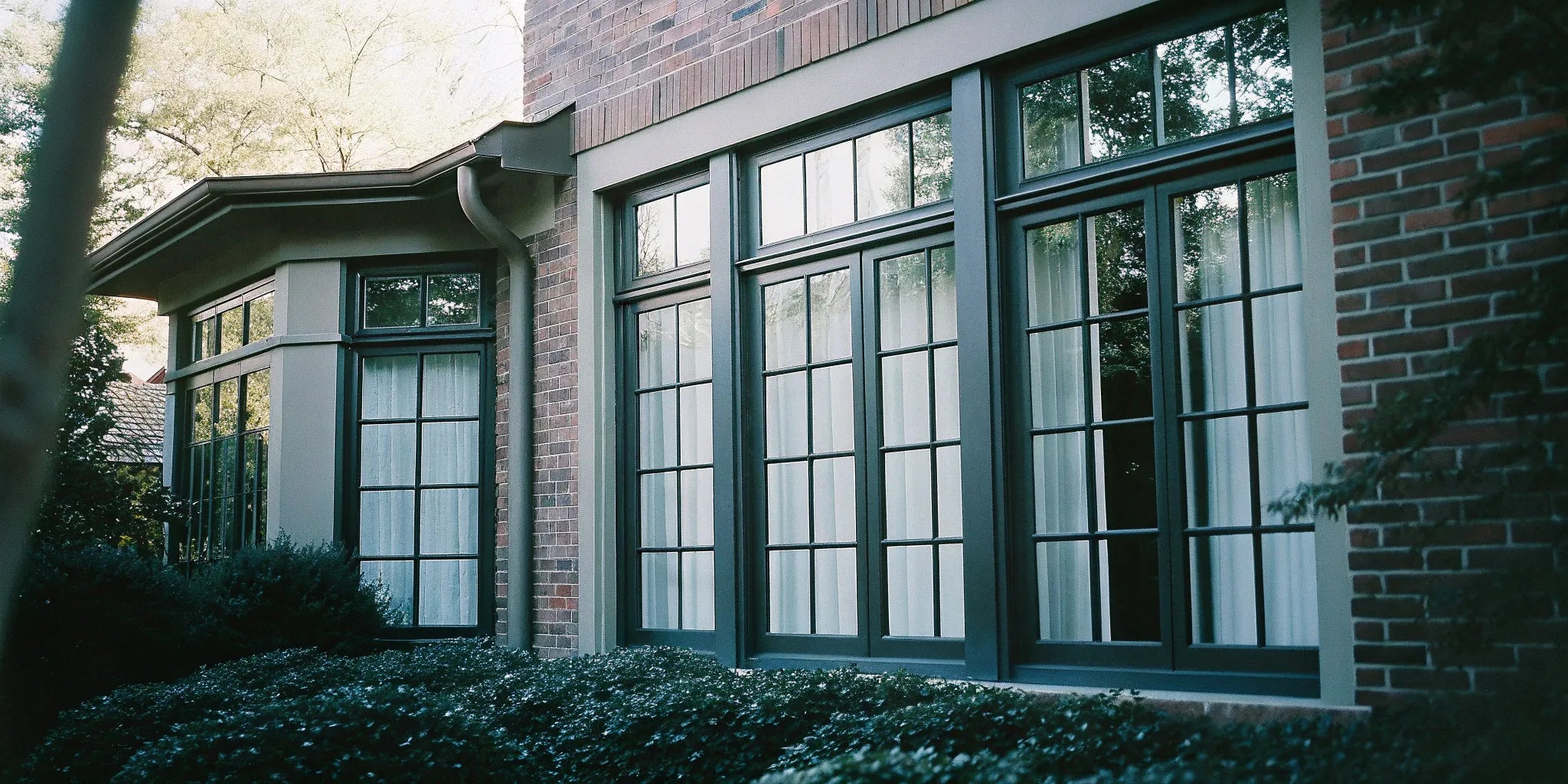
Residential Metal Windows: Pros, Cons & Costs

If you love modern, minimalist design, you know that every detail matters. But bulky window frames can easily disrupt that clean, open feel by obstructing views and limiting natural light. This is where the unique strength of metal truly shines. Because materials like steel are so strong, the frames can be made exceptionally thin, maximizing your glass area. These slim sightlines create a seamless connection between your indoor and outdoor spaces, making rooms feel larger and brighter. For anyone aiming for a sophisticated and light-filled home, a residential metal window is the key.
Key Takeaways
- Performance is the New Standard: Modern metal windows are engineered with thermal breaks, making them highly energy-efficient. This technology, combined with their natural strength, means you get a secure, durable window that helps lower your energy bills.
- Slimmer Frames Create a Brighter Space: The strength of steel and aluminum allows for thinner frames than other materials. This minimalist design maximizes the glass area, giving you brighter rooms, better views, and a clean, contemporary aesthetic.
- Invest in Long-Term Value, Not Just Upfront Cost: While the initial price may be higher, metal windows are a smart investment. Their exceptional durability, low maintenance requirements, and energy savings provide lasting value that pays off for years to come.
Why Choose Metal Windows for Your Home?
When you think of metal windows, you might picture industrial lofts or commercial buildings. But today’s metal windows offer so much more, blending incredible strength with sophisticated style for any home. They’ve become a top choice for homeowners, architects, and builders who want a solution that looks amazing and performs even better. If you're looking for an upgrade that delivers on durability, security, and modern design, metal windows are a fantastic investment. They provide a unique combination of benefits that other materials just can't match, making them a smart choice for the long haul.
Built to Last: The Durability Factor
One of the biggest draws of metal windows is their sheer resilience. Unlike wood that can rot or vinyl that can warp over time, high-quality steel windows are engineered to last for decades, often for the entire life of your home. They are built to handle whatever the weather throws at them—from heavy rain and snow to high winds—without losing their structural integrity. This incredible strength means you’ll spend less time and money on repairs and replacements down the road. It’s a true set-it-and-forget-it solution that provides lasting value and peace of mind.
A Stronger Barrier for Home Security
Your home should be your sanctuary, and windows are a critical part of its security. The natural strength of metal frames makes them an excellent deterrent against break-ins. They are incredibly difficult to bend, break, or force open, providing a robust barrier that significantly enhances your home's safety. When you pair strong metal windows with equally tough steel doors, you create a secure and cohesive defense for your entire home. This added layer of protection is one of the key reasons homeowners feel more at ease after making the switch to metal.
Upgrades like Laminated Glass and Multipoint Locks
While the inherent strength of a metal frame is a great starting point, you can take your home’s security to the next level with a few key upgrades. For top-tier protection, consider windows with laminated safety glass. This type of glass includes a special film that holds it together even if it shatters, making it incredibly difficult for an intruder to break through. It’s an excellent choice for ground-floor windows or any area where you want extra peace of mind. You can also add multipoint locking mechanisms, which secure the window sash to the frame at several different points instead of just one. This simple change makes the window far more resistant to being pried open, creating a formidable barrier against forced entry.
Achieve a Clean, Minimalist Style
If you love clean lines and abundant natural light, metal windows are a perfect fit. Because steel and aluminum are so strong, the window frames can be much slimmer than those made from other materials. These narrow sightlines maximize the glass area, flooding your rooms with light and offering unobstructed views of the outdoors. This minimalist profile lends itself beautifully to modern, contemporary, and even transitional home styles. The sleek, elegant look of steel windows can transform a room, making it feel more open, airy, and connected to its surroundings.
The Advantage of Slim Frames and Large Glass Panes
So, what makes slim frames so impactful? It all comes down to the material's strength. Steel is incredibly robust, so it doesn't need the thick, bulky profiles common with wood or vinyl windows. This inherent structural integrity allows for exceptionally thin frames, which maximizes the glass area within the opening. The result is a clean, modern aesthetic that floods your home with natural light and offers expansive, uninterrupted views. This seamless connection between your indoor and outdoor spaces makes any room feel larger and more open. Ultimately, high-quality steel windows act as more than just a functional element; they become a key design feature that refines your home’s architecture.
Stay Comfortable and Save on Energy Bills
It’s a common myth that metal windows aren't energy-efficient, but modern designs have completely changed the game. Today’s metal windows feature a technology called a "thermal break"—a barrier within the frame that stops heat and cold from passing through. This innovation prevents energy loss, keeping your home warmer in the winter and cooler in the summer. When combined with high-performance, low-E glass, these windows can significantly reduce your energy bills. Investing in thermally broken metal windows means you don't have to choose between style and performance; you get enhanced home comfort and long-term cost savings.
Unmatched Performance in Harsh Conditions
Beyond everyday wear and tear, your windows need to stand up to the unexpected. For homeowners in areas prone to extreme weather, performance isn't just a feature—it's a necessity. Metal windows offer a level of resilience that other materials simply can't match when facing severe conditions. Their inherent strength and superior engineering provide a formidable defense against everything from intense heat to hurricane-force winds. This makes them a smart choice for anyone who wants to ensure their home is not only beautiful but also exceptionally well-protected when it matters most.
Fire Resistance
In the event of a fire, the materials in your home can make a critical difference. Metal is an excellent choice for window frames because it is non-combustible. Unlike wood, which fuels a fire, or vinyl, which can melt and release harmful gases, steel and aluminum frames help contain flames and maintain their structural integrity even under extreme heat. This fire-resistant quality can slow the spread of a fire, providing valuable time for your family to get to safety. It’s a level of protection that offers incredible peace of mind, especially for those living in regions where wildfires are a concern.
Hurricane and High-Wind Ratings
For homes in coastal or storm-prone areas, windows are often the most vulnerable point during a hurricane or severe storm. High-quality steel windows are engineered to withstand extreme conditions, including high-velocity winds and impacts from flying debris. These systems are rigorously tested to meet stringent building codes for hurricane zones. Their strength prevents catastrophic window failure, which can lead to dangerous pressure changes inside your home and allow wind and rain to cause extensive damage. Choosing windows with a high-wind rating is a crucial step in fortifying your home against the elements and protecting your investment.
Your Guide to Metal Window Materials
When you hear “metal windows,” it’s easy to picture one specific style. But the truth is, metal offers a diverse range of materials, each with its own personality and strengths. From the robust security of steel to the sleek profile of aluminum, the right metal is out there to match your home’s architecture and your performance needs. Understanding the differences is the first step to choosing windows you’ll love for years to come. Let’s look at the most popular options available for residential projects.
Steel: The Ultimate in Strength and Security
Steel is the powerhouse of metal windows, known for its incredible strength and durability. This strength allows for exceptionally thin frames that can support large panes of glass, creating the sought-after minimalist look with maximum natural light. Modern steel windows are not just for industrial-style homes; their design versatility is impressive. You can find unique shapes like arched, pivot, and transom windows alongside classic French casement styles. This combination of brawn and beauty makes steel a top choice for homeowners who want security and a sophisticated architectural statement without compromise.
Lifespan and Durability
When you're investing in your home, you want choices that will stand the test of time. This is where steel windows really shine. Unlike wood that can rot or vinyl that can warp and become brittle over the years, steel is engineered to endure for decades—often for the entire life of your home. They hold their shape and strength against harsh weather, giving you a low-maintenance solution that provides genuine peace of mind. In fact, research shows that high-quality steel windows can last 50 years or more. This incredible durability means you won't have to worry about frequent replacements, adding lasting value to your property and making them a smart investment for the long haul.
Aluminum: A Versatile and Lightweight Option
Aluminum is one of the most popular materials for metal windows, and for good reason. It hits a sweet spot between strength, weight, and cost-effectiveness. While heavier than vinyl, an aluminum frame is strong enough to last for decades and is naturally resistant to rust and corrosion, making it an excellent option for homes in humid or coastal climates. Aluminum can be finished in a wide array of colors to match any exterior and offers clean, modern lines that complement contemporary home designs perfectly. Its durability and relatively low maintenance make it a practical and stylish choice for many homeowners.
Lifespan and Corrosion Resistance
One of the standout features of aluminum is its impressive longevity. These windows are built to last for decades, making them a smart, long-term investment for your home. What really sets aluminum apart is its inherent ability to resist rust and corrosion, which makes it an ideal choice if you live in a coastal area or a region with high humidity. Unlike other materials that struggle with moisture, you won't have to worry about aluminum frames degrading or becoming unsightly over time. This low-maintenance durability ensures your windows will continue to look great and perform well for years, without the constant upkeep that materials like wood might require.
Bronze: For a Timeless, Elegant Finish
For a touch of unmatched elegance and luxury, bronze windows are in a class of their own. Bronze is a premium material prized for its beauty and longevity. These high-end window systems are engineered with precision, often featuring the thinnest possible frames—sometimes called "sightlines"—to make the glass the true star of the show. Over time, bronze develops a unique and beautiful patina, a living finish that adds character and a timeless quality to a home. While it represents a significant investment, bronze offers a distinctive, high-end aesthetic that simply can’t be replicated.
Steel vs. Aluminum: Which is Better for Your Project?
Choosing between steel and aluminum often comes down to your top priorities: strength, budget, and climate. If your goal is maximum durability and the slimmest possible frames, steel is the clear winner. The unmatched strength of steel windows allows for incredibly thin profiles that support huge expanses of glass, creating that high-end, minimalist look. This makes steel the go-to for architectural projects where design and security are paramount. On the other hand, aluminum offers a fantastic balance of performance and value. It’s lightweight, strong, and naturally resistant to rust, making it a durable and low-maintenance choice, especially for homes in coastal or humid areas. While the frames aren't quite as thin as steel, they still provide a clean, modern aesthetic at a more accessible price point.
Considering Hybrid Options like Aluminum-Clad Wood
What if you love the warmth of wood interiors but want the durability of a metal exterior? You don’t have to choose. Hybrid windows, like aluminum-clad wood, offer the best of both worlds. This design features a strong, weather-resistant aluminum shell on the outside that protects the window from the elements and requires very little maintenance. On the inside, you get the classic beauty and natural insulation of a real wood frame, which you can stain or paint to perfectly match your interior decor. This combination gives you a high-performance, energy-efficient window that doesn't compromise on style, blending seamlessly into both traditional and modern homes.
Casement, Awning, or Fixed: Which Style Is Right for You?
Beyond the material, the way a window operates is crucial to its function in your home. Many homeowners focus on aesthetics and energy ratings but can overlook the importance of style and functionality, leading to common window selection mistakes.
- Casement windows are hinged on the side and swing outward, offering excellent ventilation.
- Awning windows are hinged at the top and open outward, allowing for airflow even during a light rain.
- Fixed windows, also known as picture windows, don’t open at all. They are perfect for maximizing views and light in spaces where ventilation isn’t a priority. Thinking about how you’ll use each window will help you choose the perfect style for every room.
Exploring Other Styles: French, Sliding, and Double-Hung
The options don't stop there. Metal frames are versatile enough to suit a variety of classic and contemporary window styles. French windows, which are essentially a pair of casement windows that open from the center, create a wide, unobstructed opening perfect for connecting to a patio or balcony. Sliding windows are a practical, space-saving choice that works well in modern homes where you don't want a window swinging outward. And for a more traditional look, double-hung windows feature two sashes that slide vertically, offering excellent control over airflow. Each of these styles can be crafted with slim steel frames to maintain a clean, modern aesthetic while providing the functionality you need.
Understanding Design Terms: "Crittall" vs. Steel-Framed
You’ve probably heard the term "Crittall windows" used to describe those iconic, black-framed grid windows. It's important to know that Crittall is actually a brand name, much like Kleenex is for tissues. The company pioneered this style in the early 20th century, and their name became synonymous with the look. Today, what most people are referring to is the broader category of steel-framed windows. You can achieve that same elegant, industrial-chic aesthetic with high-quality steel windows from various manufacturers. So, when you're searching for this style, focusing on "steel-framed" will give you a wider range of options to find the perfect fit for your project's budget and design goals.
Are Metal Windows Really Energy-Efficient?
Let's clear the air on a common myth: metal windows are not the energy drains they once were. While older, single-pane aluminum windows gave metal a bad reputation for being drafty, modern engineering has completely changed the game. Today’s steel windows are designed with sophisticated technology that provides excellent insulation, helping to keep your home comfortable and your energy bills in check.
The energy efficiency of a metal window doesn't come down to just the frame material. It’s a complete system that includes thermal breaks, advanced glass coatings, and gas fills. When you combine these features, you get a window that offers the strength and sleek look of steel without compromising on thermal performance. Understanding how these components work together is key to choosing a window that’s perfect for your home and climate.
How Thermal Break Technology Works
The secret to a modern metal window’s performance is the thermal break. Metal is a natural conductor, meaning it transfers heat and cold easily. A thermal break is a barrier made of a less conductive material, like polyamide, that is placed between the interior and exterior parts of the window frame. This simple but brilliant design feature effectively stops the flow of thermal energy through the metal.
Think of it as a buffer zone. In the winter, it prevents the cold from the outside frame from reaching the inside frame, keeping your home warmer. In the summer, it does the opposite, stopping outdoor heat from transferring into your cool, air-conditioned space. This technology is what allows modern metal windows to be so energy-efficient in any climate.
Why Glazing and Low-E Coatings Are a Must
The frame is only one part of the equation; the glass, or glazing, plays a massive role in energy efficiency. Most high-performance windows are double- or even triple-paned, creating insulating air gaps between the layers of glass. To take it a step further, manufacturers often fill these gaps with a dense, inert gas like argon, which is a much better insulator than regular air.
Another critical feature is a Low-E (low-emissivity) coating. This is an ultra-thin, transparent layer of metallic oxide applied to the glass surface. It reflects heat back to its source, keeping your home warmer in the winter by reflecting furnace heat back inside and cooler in the summer by reflecting the sun’s heat away. When you see an ENERGY STAR label, it’s because of features like these.
Choosing the Right Window for Your Climate
The most energy-efficient window for a home in Arizona might not be the best choice for a home in Minnesota. That’s why it’s so important to choose windows with energy ratings tailored to your specific climate. When you’re shopping, you’ll see two key ratings on the NFRC label: the U-factor and the Solar Heat Gain Coefficient (SHGC).
The U-factor measures how well the window prevents heat from escaping, so colder climates need a low U-factor. The SHGC measures how much solar heat the window blocks, so warmer, sunnier climates benefit from a low SHGC. Selecting windows with the right ratings for your region ensures you get the best performance and the most significant energy savings year-round.
Busting Common Energy Efficiency Myths
The biggest myth is that all metal windows perform poorly. This idea comes from old, cheap aluminum frames that had no thermal breaks. It’s true that a solid piece of aluminum has high thermal conductivity, but that’s simply not how high-quality windows are made anymore. Modern aluminum and steel windows with thermal breaks and high-performance glass can easily outperform old wood or vinyl windows.
Don’t let outdated information steer you away from the durability and style of metal. By focusing on today’s technology—thermal breaks, Low-E coatings, and gas fills—you can confidently choose a window that is both beautiful and highly energy-efficient. The slim profiles of steel frames even allow for a larger glass area, letting in more natural light without the energy penalty.
Beyond Temperature: Improving Sound Insulation
The same engineering that keeps your home comfortable also contributes to a quieter, more peaceful environment. High-performance glazing isn't just about temperature; it's also about acoustics. When you have double- or even triple-pane glass, the multiple layers and the insulating gap between them work together to dampen sound waves from the outside. This means less traffic noise, fewer disturbances, and a more serene living space. The complete system of modern steel windows—from the frame's construction to the advanced glass packages—is designed to improve your quality of life by creating a buffer from the outside world.
How to Choose the Best Residential Metal Windows
Once you’ve decided that metal windows are the right fit for your home, the next step is figuring out which specific product to choose. This decision goes beyond just aesthetics; it’s about finding windows that deliver on performance, fit your home’s unique needs, and give you peace of mind for years to come. To make the best choice, you’ll want to look closely at a few key areas: the window’s core features, whether you need standard or custom sizing, the details of the warranty, and what the installation process involves.
Thinking through these elements will help you select windows that not only look great but also function perfectly. A high-quality steel window is a significant investment in your home’s value, security, and comfort, so it’s worth taking the time to get the details right. Let’s walk through what you need to know to choose with confidence.
Your Checklist for the Best Features
When comparing metal windows, focus on a few essential features that separate a good window from a great one. First, look for slim sightlines. This term refers to the thinness of the window frame, which maximizes the glass area. The result is a clean, modern look that lets in more natural light and offers an unobstructed view. Next, confirm the window has a thermal break. This is a barrier inside the frame that stops heat from transferring through the metal, which is crucial for keeping your home comfortable and your energy bills down. Finally, consider the overall construction and material quality for long-term durability and security.
Do You Need Custom or Standard Sizing?
One of the biggest decisions you'll make is whether to go with standard or custom-sized windows. Standard sizes are often more affordable and readily available, making them a great choice for new construction projects or homes with conventional window openings. However, if you're renovating an older home with unique dimensions or have a specific architectural vision, custom solutions are the way to go. Custom windows can be made to fit any opening precisely, giving you complete design freedom in shape, size, and configuration. This flexibility ensures a perfect fit and a seamless look.
What to Look For in Your Window Warranty
A good warranty is a manufacturer’s promise that their product is built to last. Before you buy, take a moment to understand what the warranty covers. Look for comprehensive coverage that includes not just the glass but also the frame, hardware, and factory finish. Check the duration of the warranty—is it for a few years or a limited lifetime? It’s also helpful to know if the warranty is transferable to the next homeowner, which can be a valuable selling point if you ever decide to move. Reading the fine print helps you understand the long-term value of your investment.
What to Expect During Installation
Even the best window won’t perform well if it’s installed incorrectly. Professional installation is key to ensuring your windows are weathertight, secure, and operate smoothly. A proper fit is essential for maintaining your home's energy efficiency and preventing issues like drafts or leaks down the road. The process typically involves precise measurements, careful removal of the old window, setting and securing the new one, and sealing it against the elements. For contractors and builders, working with a reliable supplier is crucial, and many offer trade programs to support professionals through the process.
Potential Downsides and Key Considerations
Metal windows are a fantastic choice for durability and style, but like any major home upgrade, they come with a few important considerations. Being prepared for these factors from the start ensures your project goes smoothly and you end up with a result you absolutely love. Thinking about your home's structure, the installation process, and your project timeline will help you plan effectively and avoid surprises.
Weight and Structural Requirements
Steel windows are incredibly strong, but that strength comes with significant weight. They are much heavier than their wood or vinyl counterparts, which means your home's structure must be able to support them. This is especially true for large picture windows or multi-window installations. Before you commit to a design, it’s wise to have a professional assess whether the walls and headers above the window openings can handle the load. In some cases, especially in older homes, minor structural reinforcement might be necessary, so it's an important factor to include in your budget from the start.
The Need for Professional Installation
While the DIY spirit is great for many home projects, installing metal windows is a job for the pros. Their weight and the precision required for a perfect fit demand specialized skills. A proper installation is critical to ensure your windows are weathertight, secure, and operate smoothly for years to come. An incorrect installation can lead to drafts, leaks, and compromised security, completely undermining your investment. Factoring the cost of professional installation into your budget is essential for guaranteeing the performance of your new windows.
Manufacturing Lead Times and Planning
Unlike standard windows you might find in stock, high-quality metal windows are often made to order. This custom approach ensures a perfect fit and superior quality, but it also means you’ll need to plan for longer lead times. Depending on the manufacturer and your order's complexity, it can take several weeks for your windows to be built and delivered. It’s crucial to factor this timeline into your overall renovation schedule. Ordering your steel windows well in advance will help keep your project on track and prevent costly delays.
How Much Do Residential Metal Windows Cost?
When you’re planning a home project, the budget is always top of mind. It’s true that metal windows often come with a higher initial price tag than vinyl or wood, but it’s important to look at the full picture. The cost isn’t just about the window itself; it’s an investment in your home’s security, aesthetic, and long-term energy savings. The final price depends on a few key things: the material you choose, the complexity of the installation, and the features you select. By understanding these factors, you can make a choice that fits your budget while adding incredible value to your home for years to come. Let’s break down what goes into the cost so you can plan your project with confidence.
How Material and Style Impact Price
The biggest factor influencing the cost of your new windows is the metal itself. The most common options for residential projects are steel, aluminum, and bronze, and each has a different price point. Steel is prized for its incredible strength and slim sightlines, making it a premium choice for modern designs. Aluminum is a popular, versatile option that offers a great balance of durability and cost-effectiveness. Bronze sits at the higher end, offering a classic, luxurious finish that develops a beautiful patina over time. The style of the window—whether it’s a fixed picture window, a casement, or an awning—and its size will also affect the final price. Custom steel windows will naturally cost more than standard sizes, but they offer a perfect fit for unique spaces.
Steel Window Price Ranges
When budgeting for steel windows, it's helpful to have a general price range in mind. On average, you can expect a single steel window to cost anywhere from $1,000 to $4,000, not including installation. This is a wide range because the final price depends heavily on the specifics of your project. Factors like the overall size of the window, the complexity of the design (such as an arched or custom shape), and any special finishes will all play a role. While this represents a significant investment, the cost reflects the premium materials and craftsmanship that go into creating a window designed to last a lifetime.
How Metal Compares to Wood and Vinyl Costs
It’s no secret that steel windows have a higher upfront cost compared to other common materials. To put it in perspective, vinyl windows typically range from $500 to $800 each, while wood windows fall between $800 and $1,000. Steel starts where wood leaves off, generally beginning around $1,000 and going up from there. However, this initial price difference tells only part of the story. The higher cost of steel is an investment in unparalleled durability, security, and a timeless aesthetic that other materials can't match. Over the long term, their low maintenance needs and resilience often make them a more valuable choice.
Additional Costs: Glazing Options
Beyond the frame itself, the type of glass you choose—known as glazing—will also impact the total cost. Upgrading from standard double-pane glass to triple-pane glazing can increase the price of a window by 30% to 50%. While that sounds like a lot, this upgrade significantly improves insulation, which can lead to noticeable savings on your energy bills over time. Other features like Low-E coatings and argon gas fills also add to the initial cost but deliver superior thermal performance. These upgrades are worth considering as part of your investment in your home's comfort and efficiency.
Beyond the Sticker Price: Installation and Long-Term Value
The price on the tag isn’t the final number; you also need to account for professional installation. While it might be tempting to cut corners here, proper installation is critical for ensuring your windows perform as they should. An improperly installed window can lead to drafts, leaks, and security issues, completely wiping out the benefits of your investment. Think of high-performance windows as a long-term play. They might seem more expensive at first, but the long-term cost benefits from energy savings, combined with enhanced home comfort and increased property value, make them a smart financial decision. It’s about investing in quality that pays you back over time.
How Metal Windows Increase Home Resale Value
Investing in high-quality windows is one of the smartest upgrades you can make for your home, and metal windows offer a fantastic return. While they may have a higher upfront cost compared to other materials, they can significantly increase your home's resale value. Potential buyers recognize the long-term benefits: they see durable, secure windows that won't need replacing anytime soon. The sleek, modern aesthetic also has major curb appeal, making your home stand out in a competitive market. When you factor in the energy savings, low maintenance, and enhanced security, metal windows become a powerful selling point that justifies the investment and adds tangible value when it's time to sell.
The Eco-Friendly Choice: Recycled Steel
Making sustainable choices during a renovation feels good, and choosing steel windows is a great way to do it. Steel is one of the most recycled materials on the planet. In fact, it’s 100% recyclable, meaning it can be melted down and repurposed again and again without losing any of its strength or quality. This creates a closed-loop system that dramatically reduces waste and the need for new raw materials. Opting for windows made from recycled steel also helps lower the carbon footprint of your project, making it a responsible choice for both your home and the environment.
What Kind of Maintenance Do They Need?
One of the best things about metal windows is how little maintenance they require, which saves you time and money down the road. Unlike wood frames that can warp, rot, or need frequent repainting, metal is incredibly resilient. Modern metal windows are built to last, often featuring protective coatings that resist rust and corrosion, so they stand up beautifully to rain, snow, and humidity. They also incorporate "thermal breaks"—a barrier inside the frame that stops heat from transferring through the metal. This technology makes them highly energy-efficient, keeping your home comfortable and your utility bills lower. The minimal upkeep means you can spend less time on maintenance and more time enjoying the view.
Preventing Rust on Steel Windows
It’s a fair question—will my beautiful new steel windows eventually rust? The short answer is no, not if they're made correctly. The steel used in high-quality residential windows today is a world away from the raw metal of the past. It typically undergoes a galvanization process, where it's coated in a layer of zinc to create a powerful barrier against moisture and corrosion. On top of that, manufacturers apply durable, factory-applied finishes—like powder coating or high-performance paint—that seal the steel from the elements. These layers work together to ensure your modern steel windows can handle rain, humidity, and snow for decades without issue. This advanced protection is why they are known for their incredible longevity and low-maintenance appeal.
A Pro Tip for Saving: Ask About Trade Discounts
If you’re a contractor, builder, or designer, managing project costs without sacrificing quality is always the goal. One of the most effective ways to do this is by partnering directly with a supplier. Many companies, including USA Builders Depot, offer special pricing and bulk discounts for industry professionals. By setting up a trade account, you can get access to materials at a lower cost, which can make a significant difference in your overall budget, especially on larger projects. This allows you to provide your clients with premium products like steel doors and windows while keeping the project financially on track. It’s a straightforward way to get the best materials for less, so be sure to fill out a trade application before you start your next build.
Related Articles
- The Buyer's Guide to Old Metal Frame Windows
- Metal Frame Steel Window Guide: Pros, Cons & Styles
- Steel Casement Window: The Complete Buyer's Guide