
Solid Wood Tambour Panels 101: A Simple Guide

Tired of flat surfaces? Adding texture is the secret to a space that feels dynamic and custom, but things get tricky on curved walls or furniture. This is exactly where solid wood tambour panels shine. Made from individual wood slats on a flexible backing, they are designed to wrap smoothly around curves. You can easily turn a plain kitchen island or reception desk into a stunning, seamless feature. This unique adaptability, combined with the natural beauty of real wood, is your go-to for adding sophisticated texture and architectural interest to any project.
Key Takeaways
- Get Authentic Texture and Warmth: Solid wood tambour brings the unique grain and character of real hardwood into your space, offering a high-end, natural look that synthetic materials can't replicate.
- Use Its Flexibility for Creative Designs: Tambour's ability to bend around curves makes it perfect for finishing kitchen islands, reception desks, and custom cabinetry, turning standard surfaces into architectural features.
- Don't Skip the Prep Work: For a flawless, long-lasting installation, always acclimate your panels to the room for 48 hours and ensure your surface is clean and dry before applying adhesive.
What Are Solid Wood Tambour Panels?
If you’ve ever seen a wall with a beautiful, fluted, or reeded texture, you were likely looking at tambour panels. Think of them as a series of thin, solid wood slats bonded to a flexible backing. This simple construction creates a dynamic, three-dimensional surface that adds instant character and architectural interest to any room. Unlike flat surfaces that can feel one-dimensional, tambour introduces rhythm and shadow, playing with light to make a space feel more considered and custom. It’s a designer’s secret for adding depth without clutter.
Solid wood tambour is a fantastic way to bring the warmth and authenticity of natural wood into a design. These versatile wall panels are not just for walls; their unique flexibility allows them to wrap around curved surfaces, making them perfect for kitchen islands, reception desks, and custom cabinetry. They bridge the gap between classic materials and modern design, offering a timeless look that works in almost any style, from mid-century modern to contemporary minimalism. Whether you’re a contractor looking for a high-impact feature or a homeowner ready for a weekend project, solid wood tambour is an approachable yet sophisticated choice that can completely transform a space.
How Are Tambour Panels Crafted?
The process of creating a solid wood tambour panel is all about precision and quality materials. It starts with high-grade North American hardwoods, which are milled into individual slats or "reeds." Each slat is then carefully sanded to create a perfectly smooth surface, ensuring it’s ready for finishing right out of the box. These finished slats are then bonded side-by-side onto a durable, flexible backing. This backing is the secret to tambour's versatility, allowing the sheet of wood slats to bend and conform to curves without breaking. The result is a high-quality panel that showcases the natural grain of the wood while offering incredible design flexibility.
The Secret to Their Flexible Design
The standout feature of solid wood tambour is its ability to follow curves. That flexible backing allows the entire panel to bend, making it the perfect solution for cladding surfaces that aren't flat. Think about wrapping a curved kitchen island base, adding texture to a rounded column, or creating a fluted effect on cabinet doors. This adaptability opens up a world of creative possibilities that are difficult or impossible to achieve with rigid materials like standard wood planks or drywall. It allows you to add a seamless, high-end textured finish to unique architectural features, turning a plain surface into a stunning focal point with minimal fuss.
Finding Your Perfect Hardwood Finish
Solid wood tambour panels are available in a variety of beautiful hardwoods, each offering a distinct look and feel. Some of the most popular options include White Oak, known for its light, airy tone that’s perfect for modern and Scandinavian designs, and Walnut, which provides a rich, dark elegance ideal for sophisticated spaces. Red Oak offers a classic warmth with a prominent grain pattern, while Hard Maple provides a smooth, clean canvas that’s great for a natural finish or a uniform painted look. You can also find unfinished wood wall panels in a "Paint Grade" option, which is specifically designed to give you a flawless, custom-colored finish.
Available Wood Types
Choosing the right wood is all about matching the material to your design vision. Our Unfinished Wood Wall Panels are crafted in the USA from high-quality North American Hardwoods, giving you a premium foundation for any project. You can select from several beautiful options, including the rich, sophisticated tones of Walnut, the classic warmth of Red Oak, or the light, contemporary feel of White Oak. For a clean and smooth surface that takes paint beautifully, Hard Maple is an excellent choice. Each panel arrives perfectly sanded, providing a smooth canvas that’s ready for your custom paint or stain, allowing you to achieve a truly personalized look.
Understanding Panel Specifications
One of the best things about solid wood tambour is how straightforward it is to work with. These flexible wooden panels feature a slatted design that adds incredible texture and depth to any indoor space. They are engineered for easy installation, making them a great option for both professional contractors and ambitious DIYers. Because the panels are designed to join together seamlessly, you can cover walls of nearly any size or shape without obvious breaks. This allows you to create a continuous, high-end finish that makes a room feel more modern and thoughtfully designed, turning a simple surface into a standout feature.
Why Choose Solid Wood Tambour Panels?
Deciding on the right material for your walls or furniture can completely change the feel of a room. While there are many options out there, solid wood tambour panels offer a unique combination of style, strength, and versatility that’s hard to beat. They go beyond just being a wall covering; they become a central feature of your design.
If you're looking for a material that adds character and warmth, stands up to daily life, and gives you the freedom to get creative, solid wood tambour is an excellent choice. Let’s look at the three biggest reasons why designers and homeowners are falling in love with these dynamic panels for everything from accent walls to custom cabinetry. Their ability to blend timeless natural beauty with modern flexibility makes them a standout option for almost any project.
Bring Natural Warmth into Your Space
There’s something about real wood that instantly makes a space feel more inviting. Solid wood tambour panels capture this perfectly, bringing organic texture and warmth into your home or commercial space. Each panel showcases the unique grain, knots, and subtle color variations of the wood, meaning no two installations are exactly alike. This natural character creates an authentic, high-end look that simply can’t be replicated by synthetic materials. Whether you’re aiming for a cozy, rustic vibe or a clean, Scandinavian aesthetic, the rich tones of solid wood provide a stunning backdrop. You can explore various unfinished wood wall panels to find the perfect species to complement your design.
An Investment in Lasting Style
Don’t let the flexible design fool you—solid wood tambour is incredibly tough. Because it’s crafted from solid hardwood strips, it has the inherent strength and resilience of the wood it’s made from. This makes it a practical investment that is built to withstand the test of time, even in busy households or commercial settings. Unlike softer materials that can easily dent or scratch, solid wood panels hold up well against daily wear and tear. This durability ensures that your feature wall, kitchen island, or cabinet fronts will maintain their beauty for years to come. Choosing a high-quality material means less worry about repairs and replacements down the road, giving you lasting peace of mind.
Flexible Designs for Any Aesthetic
One of the most exciting aspects of solid wood tambour is its incredible design flexibility. The panels are designed to bend and contour, allowing you to apply them to curved surfaces where rigid materials won't work. Think about wrapping a rounded reception desk, creating a fluted kitchen island, or adding texture to an arched entryway. This adaptability opens up a world of creative possibilities beyond flat walls. You can use them to craft custom furniture, build unique bed headboards, or add dimension to ceilings. For designers and DIY enthusiasts alike, tambour panels are a fantastic tool for bringing imaginative and sophisticated ideas to life, adding depth and architectural interest to any project.
Improve Your Room’s Acoustics
Beyond their visual appeal, solid wood tambour panels offer a surprising functional benefit: they can significantly improve a room's acoustics. Flat, hard surfaces like drywall or plaster tend to reflect sound waves, which is what causes that annoying echo in an empty room. The three-dimensional, slatted surface of tambour panels works differently. It helps to break up and absorb sound waves, reducing reverberation and creating a quieter, more comfortable environment. This makes them an excellent choice for spaces where sound control matters, like home offices, media rooms, or even lively open-concept living areas. By adding these acoustic wall panels, you're not just making a design statement; you're creating a more serene and functional space.
How Do Solid Wood Panels Compare to Other Materials?
When you're choosing tambour panels, solid wood is a top-tier choice, but it’s helpful to see how it stacks up against other common options. The right material depends on your project's budget, location, and the look you want to achieve. While alternatives like MDF and veneer have their place, solid wood offers a unique combination of authenticity and longevity that’s hard to beat. Let's break down the key differences so you can make a confident decision for your space.
Solid Wood vs. MDF: Which Is Right for You?
MDF (Medium-Density Fiberboard) is an engineered wood product that serves as a budget-friendly alternative to solid wood. While it can be a practical choice for certain applications, it has some key differences. Solid wood boasts natural grain patterns and superior durability, making it a true investment. MDF, on the other hand, can be susceptible to moisture. If water gets in, especially at the edges, it can swell and warp over time. For areas like bathrooms or humid climates, a properly sealed solid wood panel is a much more reliable option. The strength and character of Unfinished Wood Wall Panels provide a timeless quality that engineered materials can't replicate.
The Real Deal: Solid Wood vs. Veneer and Laminate
Veneer and laminate panels are other popular alternatives. A veneer panel has a thin layer of real wood glued to a core material (like MDF), giving you a genuine wood surface at a lower cost. Laminate is a synthetic, printed layer that mimics wood grain. While both can look great initially, solid wood is in a different league for durability. Because it's solid all the way through, it’s as strong as the wood it’s made from. If a solid wood panel gets scratched, you can sand it down and refinish it. With veneer, you have very little room for repairs, and with laminate, a deep scratch is usually permanent. The authentic texture and lasting strength of solid wall panels make them a superior choice for high-traffic areas.
How to Balance Cost and Quality
It’s no secret that solid wood panels typically come with a higher price tag than MDF or laminate options. Think of it as an investment in quality and longevity. The upfront cost reflects the material's natural beauty, durability, and ability to be refinished for a lifetime of use. Cheaper alternatives might save you money now, but they may need to be replaced sooner, costing you more in the long run. Solid wood also offers greater flexibility for custom finishes and sizes, ensuring a perfect fit for your design vision. For contractors and designers, explaining this long-term value is key, and programs for trade professionals can help manage costs for larger projects.
Get Inspired: How to Use Solid Wood Tambour Panels
Solid wood tambour panels are incredibly versatile, making them a fantastic choice for almost any design style. Their signature fluted texture adds depth and character, while their flexibility allows them to wrap around curved surfaces—something flat panels just can’t do. Whether you’re aiming for a warm, organic feel or a sharp, modern look, these panels provide a creative solution. You can use them to build custom furniture, create a stunning accent wall, or add texture to unexpected places like ceilings and cabinet fronts. Let’s explore a few popular ways to incorporate them into your next project.
Create a Classic Mid-Century or Scandi Look
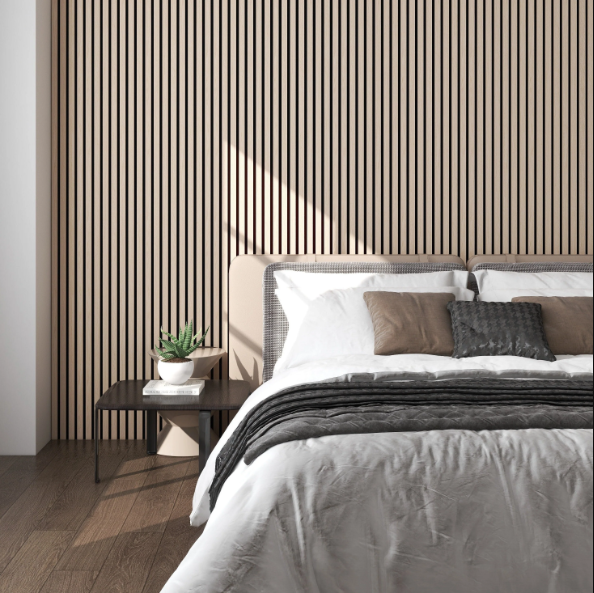
The clean lines and natural materials central to Mid-Century and Scandinavian aesthetics are a perfect match for solid wood tambour. The gentle, repeating lines of the panels add subtle visual interest without overwhelming the minimalist feel. Because these panels can contour around curves, they’re ideal for creating custom media consoles or sideboards with rounded edges, a hallmark of mid-century furniture. You can also use them to craft a beautiful headboard or a feature wall that brings organic warmth into a bedroom or living space. Using unfinished wood wall panels allows you to apply a light, natural stain that enhances the wood grain, staying true to Scandinavian design principles.
Add Texture to Modern and Industrial Spaces
In industrial and contemporary interiors, tambour panels introduce a welcome layer of texture and warmth that can soften harsher elements like concrete or metal. The strong vertical or horizontal lines of the panels create a sense of order and sophistication that complements a modern aesthetic. Consider using a dark-stained wood tambour to create a dramatic accent wall in a living room or office. For a truly contemporary statement, you can even paint the panels a bold, monochromatic color to match the room’s decor. This approach turns the wall into a piece of sculptural art, adding dimension while maintaining a clean, polished look.
Upgrade Your Kitchen Islands and Cabinetry
Tambour is a game-changer for kitchens. It’s one of the best ways to finish a curved kitchen island, creating a seamless, high-end look that’s both durable and stylish. Wrapping the base of an island in flexible wood tambour hides joints and adds a beautiful fluted texture that refines the entire room. You can also use these panels on cabinet doors to break up the monotony of flat surfaces. This works especially well for creating a unique coffee bar or appliance garage. Since many paint and stain grade panels are available, you can easily match them to your existing cabinetry for a cohesive design.
Beyond Walls: Creative Furniture and Door Upgrades
Think beyond the accent wall—the same qualities that make solid wood tambour a stunning wall feature also make it perfect for upgrading furniture and doors. You can transform a generic, flat-pack media console or sideboard into a high-end, custom piece by applying tambour to the door fronts or wrapping it around the body. Its flexibility is ideal for creating unique headboards with soft, rounded corners or refinishing a dated dresser for a modern, textured look. Because these versatile panels are made from durable hardwood, they add both style and resilience to everyday furniture, giving you a designer look without the custom price tag.
This creative approach works just as well for interior doors. Applying tambour to a plain, flat closet or pantry door is a simple way to add architectural interest and make it a deliberate part of your design. This can create a cohesive feel throughout your home, tying a hallway or bedroom into the aesthetic of a main living area. It’s a fantastic detail that makes a space feel more custom and thoughtfully designed, especially if you've invested in a new statement entry door. By carrying that textured, high-quality feel to your interior doors, you create a consistent and sophisticated look from room to room.
Design a Statement Wall for Your Home or Business
If you want to make a big impact, a floor-to-ceiling tambour wall is the way to go. It can serve as a stunning focal point in an entryway, behind a sofa, or in a dining room. The texture and depth it adds can make a room feel taller and more dynamic. This application is also perfect for commercial spaces like boutique hotels, restaurants, and reception areas. A tambour feature wall adds a touch of luxury and sophistication that clients and customers will notice. For designers and contractors working on larger projects, it’s worth exploring a trade program to get the best materials and pricing for these large-scale installations.
Ready to Install? Read This First
You’ve picked out your beautiful solid wood tambour panels, and you’re ready to bring your design to life. Before you jump into the installation, a little prep work will ensure you get a flawless, professional-looking finish that lasts. Taking the time to prepare your panels and the installation surface properly is the key to getting the most out of your investment. These steps are straightforward but make a huge difference in the final result, whether you're a seasoned contractor or a DIY-savvy homeowner working with high-quality wall panels.
Don't Skip This Step: Why Acclimation Is Key
Wood is a natural material that responds to its environment, specifically to changes in temperature and humidity. Acclimation is simply the process of letting your tambour panels get used to the climate of the room where they’ll be installed. It’s a crucial step you can’t afford to skip. For the best results, let the panels sit in the installation area for at least 48 hours. This allows the wood to expand or contract before it’s fixed to the wall, preventing potential issues like warping or gaps from appearing later on. Think of it as letting your panels settle into their new home before they get to work.
Gather Your Tools for a Smooth Installation
One of the best things about solid wood tambour is its versatility. You can finish the panels using standard wood finishing techniques, either before or after you install them. This gives you the flexibility to stain, paint, or seal them to perfectly match your design vision. If you’re aiming for a specific color, it’s often easier to apply the finish before installation. This is especially true for Paint and Stain Grade Panels, which are designed to give you a perfect canvas for your chosen finish. A high-quality construction adhesive and a J-roller are also essential for ensuring a secure, bubble-free application.
How to Prep Your Walls for a Perfect Finish
Proper preparation is all about creating the best possible bond between the panel and the surface. Before you even think about adhesive, gently roll and unroll the tambour panels a few times. This helps flex the backing material, making the panel more pliable and easier to handle during installation. Next, it’s time to clean. You’ll need to wipe down both the back of the tambour panel and the surface you're attaching it to, making sure they are completely free of dust, dirt, and moisture. A clean, dry surface is non-negotiable for a strong, lasting bond that will keep your beautiful new wall feature looking great for years.
Step-by-Step Installation Guide
Now for the fun part—the installation. Putting up solid wood tambour panels is a straightforward process that can be tackled in a weekend. The key to a professional-looking result lies in the details: careful preparation, precise cuts, and a secure application. Whether you're a seasoned contractor or a first-time DIYer, following these steps will help you achieve a flawless finish that transforms your space. We'll walk through everything from preparing your surface to securing the panels for a hold that lasts, ensuring your new feature looks amazing for years to come.
What Surfaces Can You Install On?
One of the best features of solid wood tambour is its versatility. Thanks to that flexible backing, these panels aren't limited to flat walls. They are specifically designed to wrap smoothly around curved structures, making them an ideal choice for finishing kitchen islands, reception desks, columns, and arched entryways. Of course, they work beautifully on standard flat surfaces too, creating a stunning accent wall or headboard. As long as the surface is clean, dry, and structurally sound, you can likely install tambour on it. This adaptability is what makes these wall panels such a powerful tool for adding custom architectural details to any room.
Cutting and Trimming Panels to Size
Getting a clean, precise cut is essential for a seamless look. Before you begin, measure your installation area carefully—twice!—and transfer those measurements to your panel. Because these panels are made from high-grade solid hardwood slats, you’ll want to use a sharp, fine-toothed blade on your saw to prevent splintering and ensure a crisp edge. A table saw or a circular saw with a guide can help you achieve a perfectly straight line. Take your time with this step; accurate cuts are the foundation of a professional-quality installation and will make lining up your panels much easier.
Securing Panels for a Lasting Hold
For a bond that will stand the test of time, a high-quality construction adhesive is your best friend. Apply a generous amount of adhesive to the back of the panel in a serpentine or "S" pattern, making sure to get good coverage, especially around the edges. Once you press the panel onto your prepared surface, use a J-roller to apply firm, even pressure across the entire panel. This is a critical step that pushes out any air bubbles and ensures the adhesive makes solid contact everywhere, creating a strong, permanent bond between the panel and the wall.
Achieving a Seamless Look
The secret to a truly flawless finish lies in the prep work you do before the adhesive even comes out. As we mentioned, acclimating your panels for at least 48 hours is non-negotiable for preventing future gaps or warping. Once you’re ready to install, pay close attention to how the panels line up. The individual slats should create a continuous, uninterrupted pattern from one panel to the next. If you're installing on a large wall, start in the center and work your way out to ensure the final design is balanced and symmetrical. Taking your time here will pay off with a stunning, high-end result.
How Much Do Solid Wood Tambour Panels Cost?
Investing in solid wood tambour panels is a commitment to quality, and the price reflects that. Generally, you can expect a single panel to cost around $250, though you can sometimes find certain wood types, like Walnut, on sale for closer to $160. This cost is an investment in the longevity, durability, and timeless appeal of real wood, which adds significant value to any space it graces.
Unlike cheaper alternatives, solid wood offers an authentic texture and warmth that can't be replicated. The price covers not just the material itself but also the craftsmanship required to create the flexible, fluted design. When you’re budgeting for your project, think of tambour panels as a long-term feature that will stand the test of time, much like hardwood flooring or custom cabinetry. The final cost will depend on a few key factors, including the type of wood you choose and the specific needs of your project.
What Factors Affect the Price?
The final price tag on solid wood tambour panels is shaped by a couple of main factors: the wood species and any customizations. Premium hardwoods like Walnut and White Oak will naturally cost more than options like Red Oak or Maple due to their demand and material costs. Each wood type brings its own unique grain, color, and character, so the choice often comes down to your design vision. Customization also plays a big role. If you need panels cut to specific dimensions or require a special finish, that will add to the overall cost. At USA Builders Depot, we offer a variety of Unfinished Wood Wall Panels that give you the flexibility to stain or paint them to perfectly match your project.
Where to Find High-Quality Tambour Panels
You can find solid wood tambour panels at specialty wood suppliers and some big-box home improvement stores. For the best selection and expertise, it’s often better to work with a dedicated building materials supplier. A trusted nationwide supplier like USA Builders Depot ensures you get high-quality, consistent products delivered right to your job site. We specialize in providing premium wall panels for both residential and commercial projects, so you can be confident you're getting materials that are built to last. Sourcing from a reliable supplier also means better support and guidance if you have questions about installation or finishing.
Tips for Getting the Best Value
Getting the best value isn’t just about finding the lowest price—it’s about balancing cost with quality and service. Start by comparing materials and understanding the differences between wood species. For larger projects, look for suppliers that offer discounts for trade professionals. For example, contractors and designers can get exclusive pricing by joining our trade program, which makes a big difference on bulk orders. Also, consider the long-term value. Solid wood is incredibly durable and repairable, saving you replacement costs down the road. Finally, factor in shipping and customer support. A supplier with fast, reliable shipping and a knowledgeable team can save you time and prevent costly project delays.
How to Care for Your Tambour Panels
Solid wood is beautiful and durable, but like any natural material, it needs a little TLC to stay that way. The good news is that caring for your wall panels is straightforward. With just a few simple habits, you can protect your investment and ensure your tambour panels look stunning for years. Proper care starts before you even install them and continues with gentle, regular maintenance. This preserves the natural character that made you choose solid wood in the first place.
Your Guide to Cleaning and Humidity Control
Keeping your tambour panels clean is simple. Dust them weekly with a soft, dry microfiber cloth to prevent buildup. For a deeper clean, use a lightly dampened cloth and dry the surface immediately. Avoid harsh chemical cleaners or abrasive sponges, as these can damage the wood’s finish. It’s also smart to manage the room's humidity. Extreme moisture swings can cause wood to expand or contract, so maintaining a stable indoor environment helps keep your panels in perfect shape and prevents any unwanted gaps or warping over time.
How to Protect Panels from Sun and Heat
Wood can be sensitive to the sun. Prolonged exposure to direct sunlight can cause the natural color of your tambour panels to fade over time. If your panels are in a particularly sunny spot, consider using curtains or blinds to filter the harsh UV rays during peak hours. It’s also important to keep them away from direct heat sources like radiators, vents, or fireplaces. Intense, concentrated heat can dry out the wood, potentially leading to warping or cracking. A little prevention goes a long way in preserving the wood’s integrity and rich color.
Finishing Touches and Long-Term Maintenance
One of the best things about solid wood is customizing its finish. If you choose Unfinished Wood Wall Panels, you can apply a stain or paint that perfectly matches your design aesthetic. This protective finish not only achieves your desired look but also makes the panels easier to clean. For long-term stability, always let your panels acclimate to the room’s environment for at least 48 hours before installation. This simple step allows the wood to adjust to the temperature and humidity, preventing issues with expansion or contraction later on and setting your panels up for a long, beautiful life.
Common Tambour Panel Mistakes (And How to Avoid Them)
Solid wood tambour is a fantastic material, but a few common slip-ups can keep you from getting that perfect, professional finish. Knowing what to watch out for ahead of time makes the entire process smoother and ensures your new feature wall or cabinet wrap looks incredible for years. From installation prep to long-term care, avoiding these mistakes will help you protect your investment and get the results you want.
Avoiding Common Installation Pitfalls
A successful installation starts before you even pick up the adhesive. One of the most common mistakes is skipping the prep work. Before you begin, gently roll and unroll your tambour panels a few times. This simple step helps flex the backing material, allowing the panel to lie flat and making it much easier to work with. Another crucial step is to always perform a dry fit. Place the panels on the surface without any adhesive to check the alignment and make sure everything lines up perfectly. This gives you a chance to make any necessary cuts or adjustments before committing, preventing crooked lines and uneven gaps. Taking these extra minutes will save you a major headache later.
Why Room Conditions Matter for Your Panels
Wood is a natural material that expands and contracts with changes in its environment, and forgetting this can lead to problems down the road. Before you even think about installation, make sure the room's temperature is stable—ideally between 65 and 80 degrees Fahrenheit for at least 24 hours before and after you install the panels. This helps the wood and the adhesive set properly. It’s also important to manage humidity and keep the panels away from direct heat sources like radiators or vents. Long-term exposure to direct sunlight can also cause the wood to fade or warp over time, so consider the placement of your wood wall panels carefully to protect their natural beauty.
Usage Limitations for Wood Panels
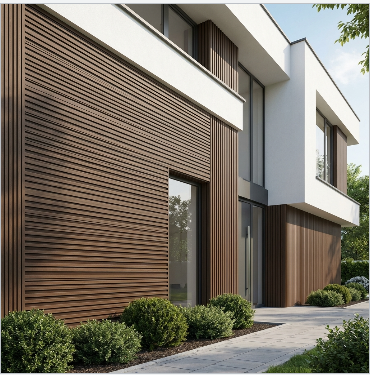
While solid wood tambour is incredibly versatile, it's important to know its limits—especially when it comes to moisture. Most wood panels are designed for indoor use only because materials like wood and MDF are sensitive to water. Direct exposure to moisture or high humidity can cause them to swell, warp, or even delaminate over time, which is why they aren't recommended for bathrooms without excellent ventilation or for outdoor applications. Even high-quality Natural Veneer Wall Panels perform best in stable, controlled indoor environments. If your project involves an exterior wall, you’ll need a product specifically engineered for the elements, such as Exterior Shiplap Cladding, which is designed to handle weather and moisture without compromising its integrity.
Easy Maintenance Mistakes to Avoid
Keeping your solid wood tambour looking its best is easy, but using the wrong products can cause irreversible damage. Avoid harsh chemical cleaners at all costs, as they can strip the wood’s finish and dry it out. For routine cleaning, a simple dusting with a soft, dry cloth is usually all you need. If you encounter tougher grime, use a slightly damp cloth with a mild wood cleaner. To keep the wood looking rich and polished, you can periodically apply a quality wood polish or lemon oil. This simple maintenance routine nourishes the wood and helps it maintain its luster for years to come, ensuring your tambour panels remain a stunning feature in your space.