



Steel Door 101: A Complete Buyer's Guide
Think ‘steel door’ and what comes to mind? Probably a plain, gray slab on the back of a warehouse. It’s time to update that image. Today’s steel doors have evolved far beyond their industrial roots, becoming a top choice for stylish homes and sophisticated businesses. They offer incredible design flexibility, with finishes that mimic warm wood or elegant glass panels that let in natural light. Forget the old myths about rust and boring designs. A modern steel door delivers superior security and energy efficiency without forcing you to compromise on aesthetics. It’s a perfect blend of strength and style.
Key Takeaways
- Go Beyond Industrial Looks: Modern steel doors blend robust security with customizable designs, including wood-grain finishes and glass panels, making them a stylish and versatile choice for any entryway.
- Match the Door to the Job: Identify your top priority—be it energy savings, fire code compliance, or high security—to select the right type of steel door, from insulated models to certified fire-rated options.
- Prioritize Low-Maintenance Durability: Steel doors offer superior long-term value by resisting the warping, cracking, and rot common with other materials, which means less time and money spent on future repairs and upkeep.
What Makes a Steel Door, a Steel Door?
When you hear "steel door," you might picture a heavy, industrial door on a warehouse. While that’s one application, today’s steel doors are so much more. At its core, a steel door is a specific type of metal door prized for its unmatched strength, security, and durability. But what really makes them a top choice for both commercial buildings and modern homes is their surprising versatility. They’ve evolved far beyond simple, functional slabs of metal. Modern steel doors combine robust construction with sophisticated design, offering a perfect blend of performance and style for any project. Let's break down what they're made of, the features they offer, and some common myths you can ignore.
A Look Inside a Modern Steel Door
One of the biggest misconceptions is that steel doors are solid steel through and through. In reality, most are constructed with a steel skin wrapped around an insulating core. This clever design is what makes them so practical. The core is typically made of high-density foam or sometimes wood, which provides excellent thermal insulation. This construction keeps the door relatively lightweight, making it easy to open and close without sacrificing strength. The steel exterior provides the security and weather resistance you need, while the insulated core helps maintain your building's temperature and reduce energy costs. It’s a smart combination that delivers durability without the unnecessary weight of solid metal.
Construction and Core Materials
Think of a modern steel door as a high-tech sandwich. On the outside, you have two durable steel panels, or skins, that act as the "bread." The "filling" is an insulating core, which is the secret to the door's impressive performance. This core is usually made from a high-density polyurethane or polystyrene foam that provides excellent thermal insulation, helping to keep your home comfortable and your energy bills in check. This layered construction gives the door incredible strength and rigidity without making it excessively heavy. It’s a smart design that delivers the best of both worlds: the robust security of steel and the energy-saving benefits of a fully insulated barrier, all in a package that’s easy to operate daily.
Steel Gauges and Frames
When you're looking at steel doors, you'll often see a "gauge" number. It might seem counterintuitive, but with steel, a lower gauge number means thicker, stronger steel. Most residential doors use 24-gauge steel, which provides a great balance of security and affordability. For projects requiring higher security or durability, you can find doors with thicker 20- or even 18-gauge steel. Of course, a strong door is only as good as its frame. That's why our steel doors are designed to be installed in robust frames that can handle their strength and ensure a secure, weather-tight fit for years to come, providing a complete and reliable entry system.
Core Insulation Options
The core of a steel door does more than just fill space—it’s a critical component for performance. The most common core material is polyurethane foam, which is injected into the door cavity where it expands and hardens. This process creates a solid, highly insulated core with an impressive R-value, which is a measure of thermal resistance. This insulation is key to preventing heat transfer, meaning your heated or cooled air stays inside where it belongs. Beyond energy savings, this foam core also adds structural integrity to the door panel, preventing dings and dents, and provides excellent sound-dampening qualities. It helps create a quieter, more peaceful indoor environment by muffling outside noise.
What Smart Features Can a Steel Door Have?
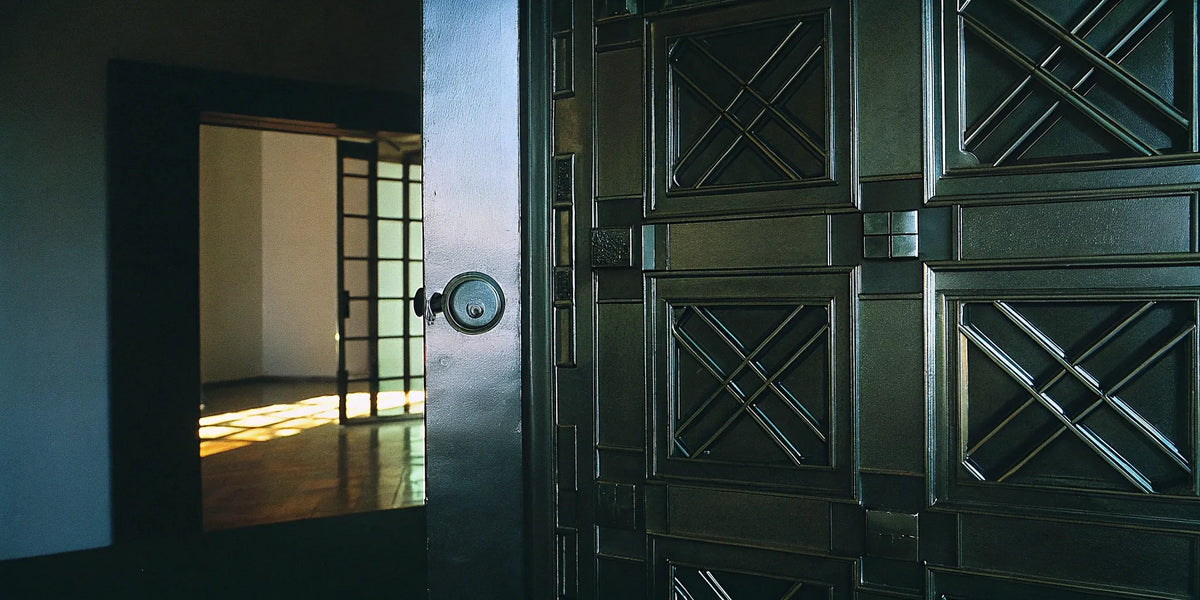
Forget the flat, gray doors of the past. Modern steel doors come packed with features that enhance both their look and function. Many now include high-definition panels that are embossed to mimic the rich texture and grain of a classic wood door, giving you timeless style without the upkeep. Beyond aesthetics, the energy-saving core is a key feature that provides superior insulation. You can also find custom steel doors with integrated glass panels, sidelights, and unique hardware to match your architectural vision perfectly. These advancements mean you get a door that not only secures your property but also adds significant curb appeal.
Steel Door Myths: Fact vs. Fiction
Several myths about steel doors might make you hesitate, but it’s worth separating design flexibility from material performance. Steel doors are available in many finishes, colors, and decorative styles that can complement residential as well as commercial architecture. Rust remains a valid concern: some models use galvanized or zinc-coated steel and protective finishes to reduce corrosion risk, while others use different systems. Confirm the exact product construction, intended exposure, maintenance requirements, and warranty, especially in humid or coastal climates. Steel doors can also be configured with wood-look finishes and custom hardware for a wide range of entry designs.
Is a Steel Door Right for Your Business?
When you're selecting materials for your business, every choice matters. The doors you install are more than just entry points; they're a critical part of your building's security, efficiency, and overall look. While you have plenty of options, steel doors consistently stand out as a top choice for commercial properties, and for good reason. They offer a powerful combination of strength, longevity, and performance that’s tough to match. Let’s walk through the key benefits you can expect when you choose steel for your business.
Maximize Your Property's Security
First and foremost, security is a top priority for any business owner. Steel doors are incredibly strong and serve as a formidable deterrent to potential intruders. Their solid construction makes them extremely difficult to breach, giving you confidence that your inventory, equipment, and team are protected. Unlike doors made from other materials, steel won't crack or warp under pressure. Investing in high-quality steel doors is a straightforward and effective way to secure your property. This durability means you can focus on running your business with one less thing to worry about.
The Importance of a Complete Doorset
A high-security steel door is only as strong as its frame and hardware. That’s why it’s so important to think in terms of a complete doorset—the door slab, frame, hinges, and locks all engineered to work together as a single, cohesive unit. When these components are sourced and installed as a system, you can be confident that everything fits and functions exactly as it should. This is especially critical for meeting specific performance requirements, like fire ratings or acoustic insulation, where every part of the assembly plays a role in overall safety and compliance. Opting for a complete doorset from a trusted supplier simplifies installation and ensures the security and durability you’re paying for are not compromised by a weak link in the system.
Stand Strong Against Any Weather
Your exterior doors face a daily battle with the weather. From intense sun and heavy rain to freezing temperatures and high winds, the elements can take a toll. Steel doors are engineered to handle it all without faltering. They resist warping, rotting, and swelling, issues that commonly plague wooden doors in humid or wet climates. This resilience ensures your doors will continue to open and close smoothly for years, maintaining a tight seal against drafts and moisture. This makes them a reliable, long-term investment that holds up against whatever Mother Nature throws its way, much like durable steel windows.
How Steel Doors Can Lower Your Energy Bills
Heating and cooling a commercial space can be a major expense, but your doors can help manage those costs. Many steel doors are designed with an insulated core, which acts as a barrier to heat transfer. This means your building stays warmer in the winter and cooler in the summer, reducing the strain on your HVAC system. A well-insulated door prevents energy from escaping, which translates directly into lower utility bills each month. By choosing an energy-efficient steel door, you’re making a smart financial decision that pays off over time while creating a more comfortable envi
Continue Planning Your Steel Door Project
Use our steel door size guide to confirm common opening dimensions, compare 3-, 4-, 5-, and 8-lite glass configurations, and review what to know before ordering steel doors for new construction. For French-door projects, see the measuring and sizing guide and the exterior Steel French door guide. You can also browse the complete steel door collection.