



Acoustic Wall Panel: A Complete Buyer's Guide
Open floor plans and high ceilings look amazing, but the echo? Not so much. Sound bounces off hard surfaces, turning beautiful rooms into spaces where it's hard to hear or focus. An acoustic wall panel is the perfect fix. It's designed to absorb that unwanted noise, making conversations clearer and your home feel more peaceful. These panels do more than just quiet a room; they add warmth, texture, and a sophisticated architectural element. Finding a reliable supplier for wholesale acoustic wall panels in the USA means you can affordably treat large areas and finally get the serene space you deserve.
Key Takeaways
- Function Meets Form: Acoustic panels are a dual-purpose solution, designed to absorb echo and clarify sound while also serving as a striking architectural feature. You can improve a room’s sound quality without compromising on your design vision.
- Source Directly for Significant Savings: Buying wholesale is the smartest way to manage your budget. It gives you access to trade pricing and bulk discounts, allowing you to get professional-grade materials for much less than retail.
- Understand Absorption vs. Soundproofing: Acoustic panels are made to improve sound quality within a room by reducing reverberation. They are not designed to block sound from entering or leaving, which is the job of soundproofing. Knowing this helps you set clear expectations for your project.
What Exactly Are Acoustic Wall Panels?
Acoustic wall panels are one of the most effective ways to control sound in a room while adding a serious style upgrade. But what exactly are they, and how do they work? Simply put, these panels are designed to manage noise, reduce echo, and improve the overall sound quality of a space. Whether you're designing a quiet home office or a bustling restaurant, understanding how they function is the first step to creating a more comfortable and functional environment.
How Do They Actually Quiet a Room?
Ever been in a large, empty room where your voice seems to bounce off every surface? That’s called reverberation. Acoustic panels are designed to stop that from happening. They work by absorbing sound waves instead of letting them reflect back into the room. The magic is in their construction: porous materials like felt backing trap the sound energy, converting it into a tiny amount of heat and effectively deadening the noise. This process reduces echo and clarifies sound, making conversations easier to hear and music more crisp and clear. Think of them as sophisticated sound sponges that soak up unwanted noise.
Understanding Sound Absorption vs. Soundproofing
It's easy to mix up sound absorption and soundproofing, but they solve two very different problems. Acoustic wall panels are designed for sound absorption. Their purpose is to improve the sound quality *within* a single space by reducing echo and reverberation. They soak up sound waves that are already in the room, preventing them from bouncing off hard surfaces and creating that distracting, cavernous feeling. This makes conversations clearer and the overall environment much more pleasant and focused.
Soundproofing, in contrast, is about isolation. It’s designed to block sound from traveling between rooms or from the outside in. This usually involves dense, heavy materials and construction techniques that create an airtight barrier. So, if your goal is to stop hearing your neighbor's TV, you need soundproofing. But if you want to make your open-concept living room feel less like an echo chamber, sound absorption is the solution you're looking for. Understanding this difference ensures you invest in the right materials for your specific project.
Choosing the Right Material and Style
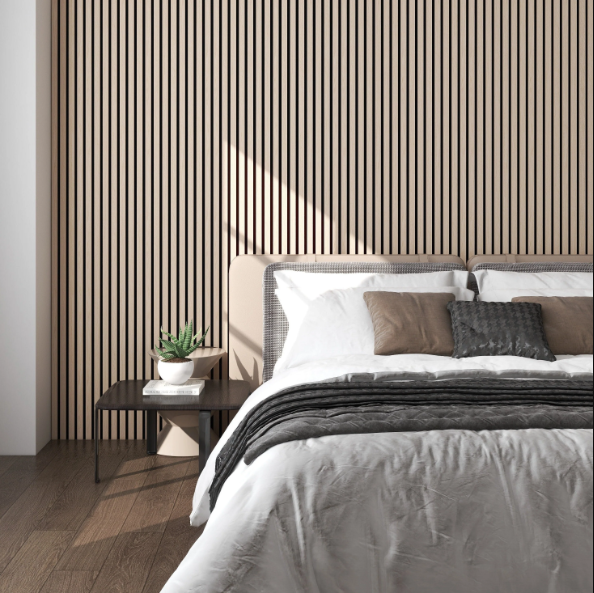
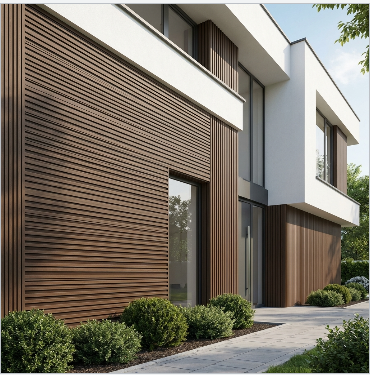
The most popular acoustic panels today combine function with beautiful design. Many, like the ones we offer, feature vertical wood slats mounted on a dense, sound-absorbing felt backing. These Acoustic Wall Panels are not just effective; they're a stunning architectural feature. The wood slats help to break up sound waves, while the felt, often made from recycled materials, does the heavy lifting of absorption. You can find them in a variety of finishes, from natural oak and walnut veneers to unfinished options you can paint or stain to perfectly match your decor. This blend of natural materials creates a warm, modern look that works in almost any setting.
Wood Slat Panels with Felt Backing
The most sought-after style right now is the wood slat panel with a felt backing, and for good reason. These panels are designed to make rooms look better and sound quieter, blending high-performance acoustics with a clean, modern aesthetic. The design is simple yet brilliant: thin slats of wood, often made from American Oak or Walnut, are mounted onto a thick, dense felt panel. The wood slats help diffuse sound waves, while the felt backing absorbs them, drastically reducing echo. This combination creates a feature wall that not only serves as a beautiful focal point but also makes your space feel calmer and more serene. They are a perfect fit for living rooms, home theaters, and offices where both style and sound matter.
Other Materials: PET Felt, Fiberglass, and More
While wood slat panels are a top choice for their visual appeal, the world of acoustic materials is vast, especially in commercial settings. For spaces that require specific performance standards, you’ll find panels made from a wide range of materials, including mineral fiber, fiberglass, and even metal. Many of these are engineered for maximum sound absorption in places like recording studios or large auditoriums. The felt backing on popular decorative panels is typically made from PET felt, a durable and often recycled material that offers excellent acoustic properties. For most home and office projects, the combination of wood veneer and PET felt provides the ideal balance of performance and sophisticated design without needing to explore more industrial options.
Finish Options and Natural Wood Variations
One of the best parts about choosing wood slat panels is the ability to customize them to your exact style. You can find them in a variety of beautiful finishes, from the warm, inviting tones of Natural Oak to the rich, deep color of Walnut. If you have a specific color palette in mind, you can also opt for unfinished or paint-grade panels to create a truly custom look. Because these panels often use real wood veneer, you should expect slight, natural variations in color and grain from one panel to the next. This isn't a defect—it's a sign of authentic material that adds unique character and warmth to your walls, ensuring your installation is one-of-a-kind.
Are They for Homes or Businesses?
Acoustic panels are incredibly versatile and solve noise problems in all kinds of places. In a home setting, they can transform a living room with high ceilings from an echo chamber into a cozy space. They’re also perfect for home offices, ensuring clear audio for video calls, or in home theaters for that perfect cinematic sound. Commercially, the applications are endless. Restaurants use them to lower the din of conversation, creating a more pleasant dining experience. In open-plan offices, they reduce distractions and improve focus. You’ll also find them in recording studios, schools, and conference rooms—anywhere that clear sound and noise control are essential for productivity and comfort.
Specialized Panels for Commercial Environments
While the acoustic panels you see in homes are great, commercial environments like offices, restaurants, and studios often need something more robust. Specialized commercial panels are engineered to handle higher levels of noise and meet specific building codes. These panels often feature advanced sound-absorbing cores and are made from durable materials like high-density PET felt, which is not only effective but also environmentally friendly. The goal is to create a space that is both acoustically balanced and visually impressive. From sleek, minimalist designs to bold, textured features, these commercial wall panels offer businesses a way to control sound effectively without compromising on their brand's aesthetic, providing the perfect blend of performance and style.
Is Buying Acoustic Wall Panels Wholesale?
Deciding to buy acoustic panels wholesale is about more than just getting a better price—it’s a strategic move for any project, big or small. Whether you’re a contractor outfitting an entire office or a homeowner creating the perfect media room, sourcing panels directly gives you access to better materials, more design options, and significant savings. By going wholesale, you can manage noise and enhance your environment without compromising on quality or your budget. It’s the smartest way to achieve professional-grade sound control and aesthetics.
Get Better Sound, Not Just Less Noise
The main job of an acoustic panel is to improve a room's sound quality. They work by absorbing sound waves, preventing them from bouncing off hard surfaces like walls and ceilings. This simple function has a huge impact, reducing echo, minimizing background noise, and making conversations clearer. For spaces like home theaters, recording studios, or open-plan offices, this is a game-changer. By installing Acoustic Wall Panels, you can transform a loud, chaotic room into a calm, focused, and pleasant environment. It’s the foundation of creating a space that not only looks good but sounds great, too.
How You Can Save with Bulk Pricing
One of the most compelling reasons to buy wholesale is the cost savings. Purchasing directly from a supplier like USA Builders Depot cuts out the retail markup, giving you a much better price per panel. For contractors and designers managing large projects, these savings add up quickly. Many suppliers offer bulk discounts for larger orders, making it more cost-effective to outfit entire commercial or residential spaces. If you’re a trade professional, signing up for a trade program can unlock even deeper discounts and exclusive pricing, helping you stay competitive and profitable while delivering high-quality results for your clients.
Don't Sacrifice Style for Sound Control
Long gone are the days of boring, utilitarian acoustic treatments. Modern acoustic panels are designed to be a beautiful part of your interior decor. They have gained popularity in modern construction because they can improve sound quality while enhancing a room's aesthetics. You can find panels in a variety of materials and finishes, from sleek Natural Veneer Wall Panels that add warmth and texture to paint-grade options you can customize to match any color scheme. This means you never have to choose between function and style. Instead, you can integrate sound control seamlessly into your design vision.
Why Acoustic Panels Are a Lasting Upgrade
Investing in high-quality acoustic panels is a decision that pays off for years to come. Built from durable materials, these panels are designed to last, requiring minimal maintenance while continuing to perform effectively. This makes them a smart, long-term upgrade for any property. Improving a room's acoustics can also increase home value, making it a more attractive and functional space for future buyers or tenants. By choosing quality wholesale panels, you’re not just solving a noise problem—you’re adding lasting value and comfort to your environment.
Where Should You Buy Wholesale Acoustic Panels?
Once you know you need acoustic panels, the next step is finding a supplier you can trust. The right partner won’t just sell you a product; they’ll offer quality materials, reliable shipping, and the expertise to help you get the job done right. Whether you’re a contractor sourcing for a large commercial project or a homeowner creating a quiet home office, your supplier makes all the difference. Let’s walk through what to look for, from nationwide distributors to the fine print on quality certifications.
Our Top Pick: USA Builders Depot
For a straightforward and reliable experience, finding a supplier with a strong logistics network is key. At USA Builders Depot, we specialize in providing premium Acoustic Wall Panels with fast, nationwide shipping, so you can get the materials you need, wherever your project is located. We focus on offering a curated selection of high-performance panels that look as good as they sound. Because we know projects often involve more than just walls, we also supply everything from steel doors to flooring, making it easy to coordinate all your materials from a single, trusted source. This simplifies your purchasing process and ensures you get consistent quality across the board.
Shipping and Return Policies
Before you commit to a large order, it’s essential to look at the shipping and return policies, as they can vary dramatically between suppliers. Some companies offer fast domestic shipping, while others might take several weeks. The real differences appear in the return policies. You’ll find some suppliers with generous 30-day return windows, but it’s also common to see shorter periods and restocking fees of 20% or more. The most important thing to watch for is the “custom order” clause. Certain suppliers, like Acoustic Panels Art, classify all panels as custom, which makes them non-returnable and non-refundable. This can be a major risk, so always confirm a supplier’s policy before you purchase. A transparent company will have this information clearly laid out, helping you avoid any costly surprises.
How Do Other Suppliers Measure Up?
When you’re evaluating different suppliers, it’s smart to look beyond the product photos. Dig into customer testimonials and reviews to see what real buyers are saying about product quality and service. Does the company have a clear return policy? Is their customer support team helpful and easy to reach? A reputable supplier will be transparent about their materials, sourcing, and performance data. Create a simple checklist to compare your top choices on factors like shipping costs, delivery times, product variety, and available support. This little bit of homework ensures you partner with a company that will stand behind its products and help make your project a success.
How to Spot a High-Quality Acoustic Panel
Not all acoustic panels are created equal. High-quality materials are essential for effective sound absorption and long-term durability. When browsing products, look for the Noise Reduction Coefficient (NRC) rating, which tells you how much sound a panel can absorb. A higher NRC means better performance. Also, check for fire safety ratings, especially for commercial projects where building codes are strict. A good supplier will provide detailed spec sheets for their products, so you know exactly what you’re getting. Investing in well-made Natural Veneer Wall Panels or other premium options ensures your space will be quiet and safe for years to come.
What to Know About Pricing and Custom Orders
The cost of acoustic panels can vary widely based on materials, size, thickness, and design complexity. While it’s tempting to go for the lowest price, remember that cost often reflects quality and acoustic performance. Buying wholesale is a great way to get better value, especially for larger projects. If you’re a trade professional, look for suppliers that offer special pricing or loyalty programs. For example, our Trade Application gives contractors and designers access to bulk discounts. Don’t hesitate to ask about custom orders if you have unique size or finish requirements—a flexible supplier can often accommodate special requests to perfectly fit your vision.
Understanding Panel Costs and Sizing
The price of acoustic panels is influenced by a few key factors: the materials used, the panel's dimensions, and its acoustic performance rating. For example, a panel with a Natural Veneer Wall Panel finish will typically cost more than an unfinished or paint-grade option because of the premium material. Sizing is another important consideration. Most panels come in standard lengths, like 94 or 106 inches, designed to fit common ceiling heights with minimal cutting. However, if your project requires unique dimensions or specific cuts, custom sizing may be necessary. Understanding these variables helps you set a realistic budget and choose the right product that balances cost, aesthetics, and sound control for your space.
Why You Should Order Samples First
Before you commit to covering a wall, ordering samples is one of the smartest steps you can take. Photos online can be helpful, but they can’t capture the true color and texture of a material. A sample allows you to see how the wood finish looks in your room’s specific lighting and how it pairs with your existing paint, flooring, and furniture. It also lets you feel the quality of the felt backing and the sturdiness of the slats firsthand. This small upfront step helps you make a confident decision, ensuring the final result matches your vision and preventing any costly surprises or disappointments down the line. It’s the best way to guarantee you’ll love your new walls.
Your Pre-Purchase Checklist for Acoustic Panels
Jumping into a project is exciting, but a little planning goes a long way, especially when buying materials in bulk. Before you place your order for wholesale acoustic panels, walk through this simple checklist. It will help you clarify your goals, choose the right products, and ensure a smooth installation, saving you time and money down the road. Think of it as your blueprint for creating a space that not only looks great but sounds incredible, too.
First, Measure Your Space and Define Your Goal
First things first: grab a tape measure. You need to know the total square footage of the walls or ceiling you plan to cover. A good rule of thumb for effective sound absorption is to cover about 15% to 30% of the room's total surface area. Are you trying to reduce echo in a large conference room or absorb sound in a home recording studio? Defining the primary goal will help you decide on the right amount of coverage and the best type of Acoustic Wall Panels for the job. This simple step ensures you order enough panels to be effective without overspending on unnecessary material.
Next, Check the Performance Specs
Not all acoustic panels are created equal. The materials directly impact how well they perform and how long they last. High-quality felt backings and dense wood composites are excellent for absorbing sound waves and reducing reverberation. Take a moment to read the product specifications. Look for details on the materials used, the panel’s dimensions, and its acoustic properties. Whether you choose Natural Veneer Wall Panels for their warmth or WPC panels for their durability, understanding the specs ensures you get the performance you expect for your specific environment.
Decoding the Noise Reduction Coefficient (NRC)
When you start comparing different Acoustic Wall Panels, you’ll likely come across a spec called the Noise Reduction Coefficient, or NRC. In simple terms, the NRC is a rating from 0.0 to 1.0 that tells you how much sound a material can absorb. Think of it like a percentage: a panel with an NRC of 0.85 will absorb about 85% of the sound that hits it, while reflecting the other 15%. The higher the NRC, the more effective the panel is at reducing echo and clarifying sound. It’s important to remember that this is about sound absorption (improving acoustics inside a room), not soundproofing (blocking noise from getting in or out). A high NRC rating is a key indicator of a quality panel that will deliver the performance you need.
Finally, Plan for Installation and Upkeep
The good news is that most modern acoustic panels are designed for straightforward installation. You can typically attach them directly to the wall with screws or apply a strong construction adhesive. Before you buy, decide which method works best for your space and skill level. Maintenance is just as simple—a soft cloth can handle dust, and a slightly damp cloth can wipe away any scuffs. For contractors and designers, planning this ahead helps provide clients with a clear project timeline and care instructions. Professionals can also apply for our trade program to get exclusive pricing.
Installation Best Practices for Maximum Performance
To get the most out of your acoustic panels, a little installation strategy goes a long way. For a standard installation, you can screw the panels directly into the wall, using at least nine screws per panel to ensure they are secure. However, if you want to maximize sound absorption, here’s a pro tip: install 45mm timber battens onto the wall first, and then attach the panels to the battens. This creates a small air gap behind the panel, which significantly improves its ability to trap sound waves. For even better performance, you can fill that gap with sound-insulating material like Rockwool. This method is the secret to achieving professional-grade acoustics in any room.
Simple Cleaning and Maintenance
One of the best things about modern Acoustic Wall Panels is how easy they are to care for. They are designed for real-world use and don’t require any special treatment to keep them looking great. For routine cleaning, a quick wipe with a dry microfiber cloth is all you need to remove dust. If you notice any marks or scuffs, simply use a slightly damp cloth to gently wipe the area clean. That’s it. Because they are made from durable materials like natural wood veneers and high-density felt, these panels are built to last, giving you years of style and sound control with minimal effort.
Common Mistakes to Avoid When Buying Wholesale
One of the biggest misconceptions is thinking acoustic panels are the same as soundproofing. Acoustic panels are designed to absorb sound within a room to improve clarity and reduce echo. They are not designed to block sound from entering or leaving a room—that’s soundproofing, which requires different construction methods. Understanding this distinction is key to setting the right expectations. By focusing on sound absorption, you can use these panels to create a comfortable, clear, and productive auditory environment without being disappointed that they don't silence a noisy neighbor.
What If Acoustic Panels Aren't the Right Solution?
Acoustic panels are fantastic for taming echo and improving sound clarity within a room, but they aren't a one-size-fits-all solution. It's important to remember their primary job is sound absorption, not soundproofing. If your main goal is to block noise from a loud neighbor or a busy street, you might need a different approach. Soundproofing focuses on stopping sound from traveling through walls, which requires adding mass or sealing air gaps. Understanding this distinction is crucial. Before you invest in a wall of beautiful slat wood panels, let's explore some effective and often more affordable alternatives that are specifically designed to block unwanted noise from entering your space.
Cheaper Alternatives for Soundproofing
If your budget is tight or your noise problem is more about blocking sound than absorbing it, there are several practical strategies you can try. These methods focus on the core principles of soundproofing: adding mass to make it harder for sound vibrations to pass through, and sealing any air leaks that sound can travel through. While they may not offer the same polished, decorative finish as our Acoustic Wall Panels, they can be highly effective at creating a quieter environment. Let's look at a few options, from simple fixes to minor construction updates that trade professionals can tackle.
Add Mass with Drywall or Furniture
One of the most effective ways to stop sound in its tracks is to make your walls heavier and denser. Sound waves lose energy when they have to vibrate a heavy object, which is why adding mass is a classic soundproofing technique. A straightforward and relatively inexpensive option is to add another layer of drywall over your existing wall. For even better results, you can use a special sound-dampening compound between the two layers. If you're looking for a less permanent solution, strategically placing heavy furniture, like a large, full bookshelf, against the shared wall can also help absorb and block some of the noise transfer from an adjacent room.
Seal Air Gaps and Insulate Walls
You might be surprised by how much sound can sneak through tiny cracks and gaps in your walls. Sound travels through air, so sealing any potential leaks is a critical step in soundproofing a room. Carefully inspect the wall for any openings, paying close attention to the areas around electrical outlets, light switches, and window or door frames. Use an acoustic sealant or caulk to fill these gaps completely. For a more intensive project, opening up the wall to add insulation can make a massive difference. Insulation not only provides thermal benefits but also fills the empty cavity, which helps to deaden sound vibrations before they can pass through to the other side.
Mask Noise with a White Noise Machine
Sometimes, the simplest solution is the most effective. If you're dealing with low-level, intermittent noise like muffled conversations or a neighbor's TV, a white noise machine can be a lifesaver. This approach doesn't actually block or absorb sound. Instead, it masks the intrusive noises by introducing a constant, soothing sound at a consistent frequency, like the hum of a fan or gentle static. Your brain tunes into the consistent sound and is less likely to be startled or annoyed by the unpredictable noises. It's an affordable, non-invasive first step to try before committing to a larger, more permanent soundproofing project.
Related Articles
- Acoustic Wall Panel 101: The Complete Guide
- Decorative Acoustic Wall Panels: A Buyer's Guide
- Sound Absorbing Panels 101: A Buyer's Guide


