

🔄
Skip to content

Cart

Your cart is empty

Article: WPC Wall Panels: A Complete Homeowner's Guide

Decorative WPC panels for interior walls in a modern living room.
WPC Wall Panels

WPC Wall Panels: A Complete Homeowner's Guide

That stunning, textured accent wall you've been dreaming of is easier to get than you think. While high-end feature walls often mean complex materials and a big budget, there’s a smarter way. Enter WPC wall panels: a straightforward path to achieving that designer look without the hassle. With designs ranging from sleek, modern fluted slats to warm, realistic wood grains, these panels provide incredible design flexibility. They are the perfect solution for adding depth, style, and a serious wow-factor to your home—a brilliant choice that’s both practical and beautiful.

Key Takeaways

  • Get the look of wood without the upkeep: WPC panels offer the warmth and texture of natural materials but are engineered to resist moisture, scuffs, and fading, saving you from future maintenance headaches.
  • A stylish solution for any room: Their water-resistant nature makes them ideal for bathrooms and basements, while modern designs like fluted slats can create a sophisticated accent wall in a living room or office.
  • A smart choice for your budget and timeline: WPC is a cost-effective alternative to materials like solid wood, and its straightforward tongue-and-groove installation makes for a quick and manageable project.

What Exactly Are WPC Wall Panels?

If you’ve been looking for a modern alternative to paint or traditional wood paneling, you’ve probably come across WPC wall panels. So, what are they? WPC stands for Wood Plastic Composite, and these panels are an innovative wall covering designed to blend style with serious durability. Think of them as the next generation of interior design materials, created to solve the common problems you see with materials like drywall or solid wood, like scuffs, dents, and moisture damage. They are a fantastic way to add texture, depth, and character to a room without committing to a complex or fragile material.

They offer the warm, textured look of wood without the high maintenance that often comes with it. Because they’re a composite material, they’re engineered to be stronger, more stable, and more resistant to everyday life. Whether you’re designing a striking accent wall for a living room or looking for a practical solution for a high-moisture area like a bathroom or basement, our collection of Interior WPC Fluted Slat Wall Panels provides a versatile and stylish option. They give you the freedom to create a high-end look that’s also built to last, making them a go-to for both homeowners and trade professionals who need reliable, beautiful materials.

What's Inside a WPC Panel?

The name "Wood Plastic Composite" tells you almost everything you need to know. These panels are made by combining natural wood fibers or wood flour with thermoplastics—strong, versatile plastics like PVC. To create a panel, manufacturers mix these core ingredients with additives that help with color and stability. The mixture is then heated and pressed or extruded into its final form, whether that’s a flat panel or a fluted, textured design. This process creates a dense, solid core that is consistent all the way through, unlike materials that are just coated or laminated on the surface. It’s this solid construction that makes them so tough.

How This Composite Mix Benefits Your Home

This unique blend of wood and plastic is what gives WPC panels their superpowers. The wood fibers provide a natural look, texture, and rigidity, while the plastic component makes the panels incredibly durable and water-resistant. This combination means you get a product that looks fantastic and performs exceptionally well in almost any indoor environment. Unlike traditional plaster or wood walls, WPC panels won’t warp, rot, or attract pests when exposed to moisture. They are also considered a sustainable choice, as they often use recycled plastics and wood byproducts, making them a smart and stylish upgrade for any room.

Key Material Properties

The real magic of WPC panels lies in their material properties, which are a direct result of that wood-plastic blend. These aren't just pretty surfaces; they are engineered to perform. Unlike traditional materials that might require you to choose between looks and durability, WPC offers both. This means you can install a beautiful fluted wall in a high-traffic hallway or a moisture-prone bathroom without worrying about scuffs, warping, or water damage. Understanding these core benefits helps you see why our Interior WPC Fluted Slat Wall Panels are such a popular choice for designers and homeowners who want style that stands up to real life.

Fire and Chemical Resistance

Safety is always a top consideration in any building project, and WPC panels deliver peace of mind. They are specifically engineered to be more resistant to fire than natural wood. In the event of a fire, they don't ignite easily and, importantly, don't release harmful smoke, making them a much safer option for interior walls in both homes and commercial spaces. This built-in fire resistance is a significant advantage that you don't get with many traditional wall coverings. It’s one of those behind-the-scenes features that provides an extra layer of protection for your property and the people in it, making it a responsible and smart design choice.

UV Protection for Lasting Color

We’ve all seen how sunlight can fade furniture, art, and even wall paint over time, leaving a room looking tired and uneven. WPC panels are designed to solve this exact problem. One of their standout features is their built-in UV protection, which helps them resist the fading and cracking caused by prolonged sun exposure. This means the rich color and beautiful texture of your accent wall will remain vibrant and consistent for years, even in a bright, sun-drenched room. You can design your space with confidence, knowing your investment will continue to look as good as the day it was installed, without any special treatments or maintenance.

WPC Panels vs. Traditional Walls: Why Make the Switch?

If you’re used to thinking of interior walls as just drywall and paint, it’s time to meet a modern alternative that’s changing the game. WPC (Wood Plastic Composite) panels offer a fresh approach to wall finishes, blending the warmth of wood with the resilience of modern materials. While traditional walls have served us well, they come with their own set of challenges—scuffs, moisture damage, and the constant need for repainting.

WPC panels, on the other hand, are designed for real life. They stand up to wear and tear, handle moisture without warping or rotting, and require minimal upkeep. This makes them a practical and stylish choice for anyone looking to create beautiful, long-lasting interiors without the constant maintenance. Whether you're renovating a single room or managing a large-scale commercial project, switching to Interior WPC Fluted Slat Wall Panels can save you time, money, and headaches in the long run. Let’s break down exactly why making the switch is such a smart move.

Say Goodbye to Water Damage and Dents

One of the biggest advantages of WPC panels is their incredible durability. Made from a mix of wood fibers and plastic, these panels are engineered to be strong and resilient. Unlike drywall, which can easily dent or get damaged by moisture, WPC is resistant to rot, insects, and fungi. This makes it an excellent choice for any room in the house, but especially for high-moisture areas like bathrooms, basements, or laundry rooms. You won’t have to worry about the panels warping, swelling, or degrading over time, giving you a wall finish that looks great for years.

Enjoy Low-Maintenance, High-Impact Walls

Forget about scrubbing scuff marks or scheduling regular paint touch-ups. WPC panels are incredibly easy to care for; most of the time, a simple wipe with a damp cloth is all you need to keep them looking brand new. This low-maintenance quality saves you both time and effort. Plus, many WPC panels are made from recycled materials, making them a more sustainable choice for your home or project. You get a beautiful, hassle-free wall that’s also a responsible option for the environment—it’s a win-win.

A Stylish Investment That Pays Off

While the upfront cost of WPC panels might be different from a can of paint, they are a very budget-friendly solution in the long run. Think about the costs associated with traditional walls: repainting every few years, repairing drywall dings, or dealing with expensive water damage. WPC panels eliminate most of these recurring expenses. Their durability means you won’t be spending money on repairs, and their timeless style ensures your walls won’t look dated. For contractors and designers, this value is even greater, and special pricing is often available through a trade program.

WPC vs. PVC Panels: Which Is Better?

When you're deciding between wall panel materials, WPC and PVC are two of the most common options you'll encounter. While both are a step up from traditional drywall, WPC panels consistently come out ahead for a few key reasons. The most noticeable difference is the look and feel; WPC offers the authentic warmth and texture of wood, while PVC can sometimes look more synthetic. Beyond aesthetics, WPC is engineered for superior durability. Its wood-plastic composite core is highly resistant to moisture, scuffs, and fading, making it a perfect choice for everything from busy living rooms to humid bathrooms. This resilience means you get a beautiful finish that lasts without the long-term costs of repainting or repairs, making our Interior WPC Fluted Slat Wall Panels a smarter investment for your project.

Understanding the Limitations of WPC Panels

While WPC panels are a fantastic choice for many projects, it’s important to know that no material is perfect for every single situation. Being aware of a product's limitations helps you make the best decision and ensures your final result is exactly what you envisioned. WPC panels are incredibly versatile, but there are a few specific scenarios where they might not be the ideal fit. Understanding these factors ahead of time will help you plan your project successfully and choose the right materials for the right spaces, guaranteeing a beautiful and long-lasting installation.

Heat Sensitivity Considerations

Because WPC panels contain thermoplastic components, they can be sensitive to very high temperatures. According to some manufacturers, WPC can begin to soften or change shape if exposed to heat above 158°F (70°C). This means they aren't the best choice for areas that experience intense, direct heat. For example, you wouldn't want to install them as a backsplash directly behind a stove or on the wall immediately surrounding a fireplace insert. For most other applications in a home or commercial space—like living room accent walls, bedrooms, or bathrooms—this heat sensitivity isn't an issue at all.

Natural Wood Look vs. WPC Appearance

WPC panels do an excellent job of capturing the aesthetic of natural materials, offering modern styles and realistic wood-like finishes. Our Interior WPC Fluted Slat Wall Panels, for instance, provide a clean, contemporary look that adds incredible texture to a room. However, it's important to remember they are a composite material. While they come very close, they don't have the same unique grain variations and organic feel of real timber. For many, this is a worthy trade-off for gaining superior durability and moisture resistance. If your project demands the authentic touch of solid wood, you might consider options like our Natural Veneer Wall Panels instead.

Initial Cost Compared to Other Materials

When planning a project, budget is always a key factor. Generally, WPC wall panels are a cost-effective solution, especially when compared to solid wood or stone. The material costs are typically lower, and the straightforward installation process can also reduce labor expenses. However, they are more of an initial investment than a simple can of paint or a roll of wallpaper. It's helpful to think of WPC panels as a long-term value. You're paying for a durable, low-maintenance finish that won't require repainting, repairs, or replacement for many years, ultimately saving you money over time.

Flexibility on Uneven Surfaces

WPC panels are rigid and designed to create a perfectly straight, uniform surface. This is a huge benefit for achieving a professional look, but it also means they are not very flexible. If you’re installing them on a wall that is significantly uneven, bowed, or wavy, you may run into challenges. The hard backing of the panels won't conform to imperfections, which could result in gaps or an improper fit. Before installation, it’s always a good idea to check your walls with a level and address any major high or low spots. A little prep work goes a long way in ensuring a smooth and seamless installation.

Find Your Perfect Look: WPC Panel Styles

One of the best things about WPC panels is their incredible versatility. Forget thinking you’re stuck with a single, uniform look. These panels come in a huge range of designs, textures, and colors, making it easy to find the perfect match for your home or commercial space. Whether you’re aiming for a warm, rustic vibe or a sleek, modern aesthetic, there’s a WPC panel that fits your vision.

Add Depth with Fluted and 3D Designs

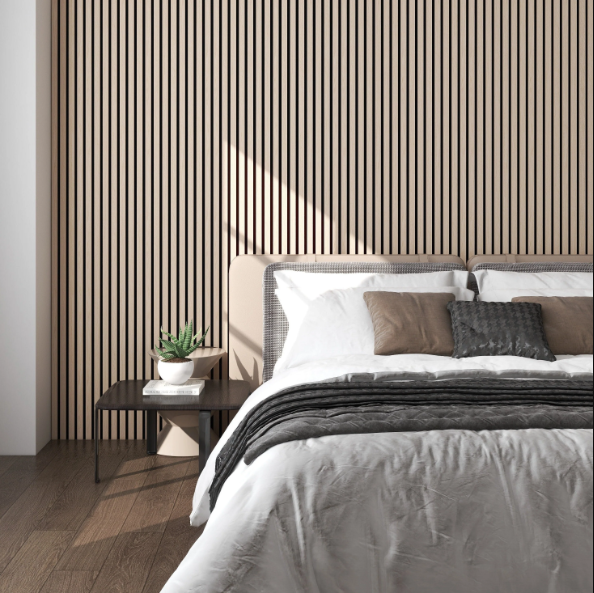
If you want to add depth and character to a room, textured WPC panels are a fantastic choice. Instead of a flat surface, you can opt for designs with grooves, waves, or other three-dimensional patterns that play with light and shadow. Interior WPC fluted slat wall panels are especially popular for creating stunning accent walls that feel both modern and sophisticated. These designs add an architectural element to your space, turning a plain wall into a dynamic focal point. They’re perfect for living rooms, bedrooms, or even entryways where you want to make a strong first impression.

Get the Look of Wood Without the Upkeep

WPC panels masterfully replicate the look of other materials without the associated maintenance. You can find panels with realistic wood grain finishes that capture the warmth of oak, teak, or walnut, giving you a cozy, natural feel. If your style is more contemporary, you can explore panels that mimic the clean look of polished marble or have a smooth, matte finish. This flexibility allows you to get the high-end aesthetic you want while benefiting from the durability and water resistance of a composite material. You can browse the many different wall panel styles to see just how convincing and beautiful these finishes are.

Match Any Palette with Custom Colors

The color possibilities with WPC panels are nearly endless. You can choose from classic neutrals like black, white, and grey for a timeless backdrop, or go with rich wood tones for a more traditional look. For something a bit more luxurious, you might find panels in metallic shades or with elegant gold marble patterns. The color you choose can completely transform the mood of a room, whether you’re creating a bright, airy office or a dark, moody media room. These panels also come in different formats, allowing you to create custom looks like wainscoting or full-wall slat designs.

Specialty Panels for Acoustics and Wainscoting

Beyond their visual appeal, WPC panels can also improve how a room sounds. The textured surfaces of fluted and 3D panels aren't just for show; they can act as acoustic diffusers, breaking up sound waves to reduce echo and reverberation. This makes them a smart choice for spaces where sound quality matters, like a home office where you take a lot of calls, a media room, or even a bustling living area. Instead of sound bouncing off flat, hard walls, it gets scattered, creating a more pleasant and controlled auditory environment. Our collection of Acoustic Wall Panels is specifically designed to offer these benefits, blending sophisticated style with practical sound management.

WPC panels are also a fantastic modern take on traditional wainscoting. Because they are so durable and resistant to scuffs and moisture, they are perfect for the lower portion of a wall, which often takes the most abuse from furniture, pets, and daily traffic. You get the classic, elegant look of wainscoting without worrying about the dents that plague painted drywall or the warping that can affect solid wood in humid areas. The design freedom is a huge plus; you can use Interior WPC Fluted Slat Wall Panels vertically for a modern feel or explore other textures to create a custom look. This allows you to achieve a high-end, built-in aesthetic that’s also built to last, adding both style and a protective layer to your walls.

Where Can You Install WPC Wall Panels?

One of the best things about WPC panels is their versatility. They work well in almost any indoor setting, from living rooms to humid bathrooms. Unlike traditional materials, WPC panels give you the freedom to get creative with your design without worrying about wear and tear. Whether you’re a homeowner planning a weekend project or a contractor outfitting a commercial space, these panels adapt to fit your vision. Let’s look at a few of the most popular places to install them.

Create a Stunning Living Room Accent Wall

Your living room is the perfect place to make a statement, and WPC panels are an incredible tool for it. Use them to create a stunning accent wall behind your sofa or entertainment center to add texture and depth. The clean lines of fluted slat panels can draw the eye and make a room feel taller and more modern. They offer a sophisticated backdrop that complements any decor style, from minimalist to rustic. Instead of dealing with paint or wallpaper, you can install a feature wall that is durable, stylish, and instantly transforms the feel of your room.

Upgrade Your Bathroom with Water-Resistant Panels

If you’ve dealt with peeling paint or warped wood in a bathroom, you’ll appreciate the water-resistant nature of WPC panels. They are an excellent choice for high-moisture areas like bathrooms, laundry rooms, and kitchen backsplashes. Because they don’t absorb moisture, you avoid swelling, rotting, or mildew growth—common problems with other materials. This makes our collection of wall panels a practical alternative to traditional tile, giving you a seamless, grout-free finish that is incredibly easy to clean and maintain.

Modernize Your Office or Commercial Space

WPC panels aren’t just for homes—they are a fantastic solution for commercial spaces. Their durability and sophisticated appearance make them ideal for high-traffic areas like office reception desks, conference rooms, and retail stores. They handle daily wear and tear while maintaining a polished, professional look. Their low-maintenance quality is a huge advantage for any business owner. For contractors and designers working on commercial projects, we offer special pricing and support through our trade program to help you deliver high-quality results for your clients on time and within budget.

Beyond Interior Walls: Outdoor and Furniture Applications

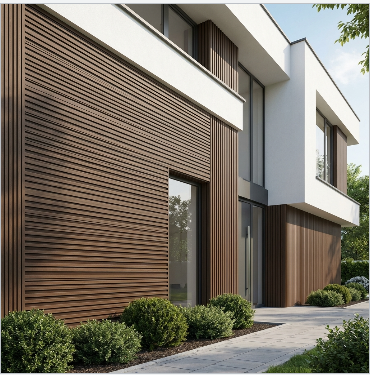
While WPC panels are a fantastic choice for interior walls, their benefits don’t stop at the front door. The same properties that make them durable and water-resistant indoors also make them an excellent material for outdoor projects. Many homeowners and builders use WPC panels as exterior cladding to protect a home from the elements while adding modern curb appeal. Our Exterior Fluted Slat and Shiplap Panels are designed to withstand rain, snow, and sun without rotting or fading. This versatility extends even further into furniture design, where WPC can be used to create stylish and durable pieces, especially for outdoor patios and decks where weather resistance is key. This ability to cover the outside of your house or build long-lasting furniture makes WPC a truly adaptable material for a wide range of creative projects.

WPC Wall Panels: Fact vs. Fiction

When a new material gains popularity, it’s natural for some misconceptions to pop up. Wood-plastic composite (WPC) panels are no exception. You might have heard things that make you hesitate, but I’m here to clear the air. Let’s walk through some of the most common myths about WPC panels so you can feel confident about your decision. Understanding the facts will help you see why so many homeowners and designers are choosing this versatile material for their interior spaces.

Myth: WPC Panels Are 100% Waterproof

This is one of the biggest points of confusion. While WPC panels are highly water-resistant, they aren’t completely waterproof. What’s the difference? Water-resistant means they can handle moisture, humidity, and splashes without warping or swelling, which is why they’re a fantastic choice for bathrooms, laundry rooms, and kitchens. However, they aren't designed to be fully submerged in water for long periods. So, while you can confidently install Interior WPC Fluted Slat Wall Panels in a steamy bathroom, you wouldn’t use them to line a swimming pool.

Myth: They Look Artificial or Feel Flimsy

Early versions of composite materials may have earned this reputation, but today’s WPC panels are in a different league. High-quality manufacturing has made it possible to create panels with incredibly realistic textures and finishes that closely mimic natural wood. From the grain patterns to the subtle color variations, modern wall panels offer an authentic look without the drawbacks of real wood. They also feel solid and substantial, not flimsy or hollow. You get the sophisticated aesthetic of wood with the durability of a composite material, giving you the best of both worlds.

Myth: They're Expensive and Hard to Maintain

At first glance, the upfront cost of WPC panels might seem higher than some traditional options like paint or basic wood paneling. However, it’s important to look at the bigger picture. WPC is a long-term investment that saves you money over time. Unlike real wood, it never needs to be sanded, stained, or sealed. Maintenance is as simple as wiping the panels down with a damp cloth. When you factor in the money and effort saved on upkeep, WPC panels often prove to be the more economical choice. For contractors and designers, our trade program offers special pricing that makes it even more cost-effective.

How to Choose the Best WPC Panels for Your Project

Once you’ve decided that WPC panels are the right fit for your project, the next step is picking the perfect ones. With so many options out there, it can feel a little overwhelming. But don’t worry—a little bit of knowledge goes a long way. Focusing on a few key quality indicators will help you select panels that not only look fantastic but also stand the test of time. Think of it like choosing any other important building material; you want something that’s built to last and performs as expected. By paying attention to the panel’s construction, the manufacturer’s reputation, and the installation process, you can confidently invest in a product that will transform your space for years to come.

Why Panel Thickness and Density Matter

Not all WPC panels are created equal, and their physical makeup is the first clue to their quality. Two key specs to look at are thickness and density. Generally, WPC panels range from 2 mm to 25 mm thick, with densities between 600 kg/m³ and 800 kg/m³. A thicker, denser panel will be more durable and impact-resistant, making it a great choice for high-traffic areas like hallways or commercial spaces. It also provides better sound insulation. For a decorative accent wall in a quiet room, a slightly thinner panel might be perfectly fine. When you browse different Interior WPC Fluted Slat Wall Panels, check the product specifications to ensure you’re getting the right level of durability for your needs.

Understanding the Wood and Plastic Composition

The magic of WPC panels is right in the name: Wood Plastic Composite. They’re made by blending natural wood fibers—which give them that authentic look and texture—with durable thermoplastics. This combination is what gives them their superpowers. The wood provides the classic, warm aesthetic we all love, while the plastic element makes the panels incredibly tough, stable, and resistant to water. During manufacturing, this mixture is heated and extruded into its final shape, creating a solid, dense core. This isn’t just a pretty surface layer; the material is consistent all the way through, which is why it stands up so well to everyday life without warping, rotting, or attracting pests.

How to Spot Quality: Brands and Warranties

Your walls are a long-term investment, so you want to buy from a company that stands behind its products. A reputable supplier will be transparent about their materials and have positive customer feedback. Before you buy, take a moment to read through some customer reviews to get a sense of others' experiences with the product and the company. Another great indicator of quality is the warranty. WPC panel warranties can range from 5 to 25 years, and a longer warranty often signals a higher-quality product. This protects you from manufacturing defects and gives you peace of mind that your beautiful new walls are built to last.

Choosing the Right Installation System

One of the biggest draws of WPC panels is their straightforward installation. Most are designed with a simple tongue-and-groove or click-lock system that makes them DIY-friendly. Before you commit, check the installation instructions to see what’s involved. Do the panels require a special adhesive, or do they clip into place? To ensure a professional-looking finish, always use a spirit level to keep your panels straight and a fine-tooth saw for clean, precise cuts. Understanding the process ahead of time helps you plan accordingly, whether you’re tackling the project yourself or hiring a contractor. Exploring a full collection of wall panels can give you a better idea of the different installation styles available.

Let's Talk About Cost: What to Expect

Budget is a major factor in any home improvement project, so let's get right to it. One of the best things about WPC panels is that they give you a high-end look without the high-end price tag. When you compare them to traditional materials like solid wood or stone, WPC panels are a refreshingly affordable option. They offer a practical way to get the aesthetic you want while staying on budget.

But the initial price is only part of the story. The real value comes from their long-term performance. Because these panels are so durable and require minimal upkeep, you save money over time on repairs and maintenance that other materials might need. Think of it as an investment in your home’s style and your peace of mind. You’re not just buying a wall covering; you’re choosing a solution that will look great and hold up for years to come.

How Much Do WPC Wall Panels Cost?

So, what can you actually expect to pay? While prices vary, WPC panels are known for being budget-friendly. For comparison, they often cost significantly less than materials like thermo-treated wood, which can be up to three times as expensive. You can find high-quality Interior WPC Fluted Slat Wall Panels in multi-panel packs, which makes covering a full accent wall straightforward and economical. This accessible price point makes it possible to transform a room without draining your renovation fund, giving you more flexibility for other parts of your project.

Understanding Panel Sizing and Coverage

Before you can order your panels, you need to figure out exactly how many you’ll need. Start by measuring the height and width of the wall or area you plan to cover, then multiply those two numbers to get your total square footage. WPC panels are typically sold in packs, and the product description will tell you the total area a single pack covers—for example, a 10-pack might cover 42.9 square feet. Once you have your wall’s square footage, you can easily calculate how many packs to buy. It’s always a smart idea to order about 10% extra to account for any cuts or mistakes. You can find detailed coverage information on all our Interior WPC Fluted Slat Wall Panels to make your planning simple and accurate.

What Factors Influence the Final Price?

Several key factors determine the final cost of your WPC panels. The quality and density of the board play a big role—thicker, more robust panels may cost a bit more but offer enhanced durability and sound insulation. The specific finish and design you choose can also influence the price. Of course, the quantity you purchase matters, too. If you’re a trade professional or tackling a large-scale project, you can often access bulk pricing to lower your overall cost. Many contractors apply for a trade account to get the best rates on materials for their clients.

Using a Calculator to Budget Your Project

Figuring out exactly how many panels you need doesn't have to involve complicated math or guesswork. A project calculator is a simple tool that takes the uncertainty out of planning. All you need are the basic dimensions of your wall—the height and width—and the calculator will instantly determine the number of panels or packs required to cover the space. This gives you a clear, upfront cost for your materials, making it much easier to plan your overall budget. It’s a great way to see just how affordable creating a high-end feature wall can be, especially when you explore the different WPC panel styles available. By knowing the exact material cost, you can confidently allocate funds for other project elements like lighting or flooring.

How to Install WPC Wall Panels Yourself

One of the best things about WPC panels is how straightforward they are to install. Whether you’re a seasoned contractor or a weekend DIY warrior, you can achieve a professional-looking finish with the right preparation and a bit of patience. Let’s walk through the process so you can feel confident tackling your project.

Step 1: Prep Your Walls and Gather Your Tools

Before you even think about opening a panel box, take a good look at your walls. A successful installation starts with a solid foundation. Your wall surface needs to be clean, dry, and completely flat. Any bumps, holes, or moisture will prevent the panels from adhering properly and can ruin the final look. So, patch any imperfections and give the wall a good wipe-down.

Once your wall is ready, gather your tools. You’ll need a measuring tape, a pencil, a spirit level (this is non-negotiable for straight lines!), a fine-tooth saw for clean cuts, and a caulk gun with a strong construction adhesive. Depending on the panel weight, you might also need screws for extra support.

Step 2: Your Step-by-Step Installation Guide

With your prep work done, it’s time for the fun part. Start by measuring your wall and cutting your first Interior WPC Fluted Slat Wall Panel to size. Use your spirit level to ensure this first piece is perfectly straight—it will guide the rest of your installation.

Apply a generous amount of construction adhesive to the back of the panel in a zigzag pattern. Press it firmly onto the wall, holding it for a moment to secure it. For heavier panels or ceiling installations, adding a few screws will provide extra stability. Continue this process with the remaining panels, locking them together using their tongue-and-groove system. For a truly polished look, finish the edges and corners with matching trim.

Pro Tip: Securing Trim Pieces

Don't skip the trim—it's the secret to making your WPC wall look like it was installed by a pro. To get a clean, seamless finish, use the same strong construction adhesive you used for the panels. Apply a thin, continuous bead along the back of your trim piece and press it firmly into place along the edges or corners of your wall. Here’s a great trick: use a few strips of painter's tape to hold the trim securely against the wall while the adhesive cures. This prevents any slipping and ensures a tight fit. If any adhesive squeezes out, wipe it away immediately with a damp cloth. This final touch not only covers any cut edges but also provides a polished, sophisticated look that completes the entire installation.

Step 3: Caring for Your New Walls

Your new walls look amazing, and keeping them that way is easy. For routine cleaning, simply wipe the panels down with a clean, dry microfiber cloth. This prevents dust from building up and removes any moisture to avoid water spots, which is especially important in bathrooms.

If you encounter tougher grime, use a soft cloth or sponge with a mild detergent and water. Never use abrasive cleaners or harsh chemicals, as they can damage the panel’s surface. With just a little bit of care, your WPC walls will maintain their beauty for years. If you're a trade professional installing these panels for clients, be sure to pass these simple care tips along. You can also sign up for our trade program to get exclusive pricing on future projects.

Ready to Transform Your Walls?

If you’ve made it this far, you’re likely convinced that WPC panels are the right choice for your space. They offer a fantastic combination of modern style, impressive durability, and practical, low-maintenance living. The next step is finding a supplier you can trust to deliver high-quality panels that will bring your vision to life. It’s important to source your materials from a place that not only has a great selection but also stands behind its products.

Choosing the right panels can feel like a big decision, but it doesn’t have to be overwhelming. At USA Builders Depot, we’re here to make the process straightforward and even enjoyable. We’ve curated a collection of top-tier WPC panels designed to meet the needs of any project, whether you’re a homeowner tackling a weekend renovation or a contractor outfitting a commercial space. We combine our extensive product knowledge with a commitment to customer satisfaction, ensuring you get the perfect materials delivered right to your door.

Find Your Perfect Panels at USA Builders Depot

When you’re ready to transform a room, our collection of Interior WPC Fluted Slat Wall Panels is the perfect place to start. We offer a wide variety of styles and finishes to match any aesthetic, from warm, natural wood looks to sleek, contemporary designs. These panels are perfect for creating a stunning accent wall in a living room, adding texture to a bedroom, or bringing a professional touch to an office. Our customers consistently tell us how our panels have completely changed the feel of their spaces, giving them a beautiful and classy finish that’s built to last.

Are You a Pro? Get Special Trade Pricing

We know that contractors, designers, and other trade professionals have unique needs. You’re juggling client expectations, timelines, and budgets, and you need a supplier who can keep up. That’s why we offer a trade program with special pricing on our WPC panels and other building materials. By partnering with us, you get access to competitive rates that help you deliver exceptional value to your clients without compromising on quality. If you’re a professional looking for a reliable source for stylish and sustainable materials, we encourage you to apply for our trade program and see how we can support your business.

Related Articles

Frequently Asked Questions

Can I really use WPC panels inside a shower? While WPC panels are fantastic for bathroom walls because they handle steam and splashes so well, they are not designed for areas with constant, direct water flow. Think of them as water-resistant, not fully waterproof. So, they are perfect for the main walls of your bathroom, a powder room, or even a kitchen backsplash, but you should stick with tile or a solid surface material for the inside of a shower enclosure.

How much work is it to keep these panels looking good over time? Honestly, this is one of their best features—they are incredibly low-maintenance. Unlike wood that needs sealing or paint that needs touch-ups, WPC panels just need a simple wipe-down. For regular dusting, a dry microfiber cloth works perfectly. If you get a scuff or a spill, a damp cloth with a bit of mild soap is all it takes to make them look brand new again.

Do I need to hire a professional to install WPC panels? Not necessarily! If you're comfortable with basic DIY projects and have the right tools like a level and a saw, you can definitely install these yourself. Most panels are designed with a tongue-and-groove system that makes them fit together smoothly. However, if you're aiming for a complex design or just want a perfect finish without the effort, hiring a professional is always a great option.

Are WPC panels an environmentally friendly option? Yes, they are often considered a sustainable choice. Many WPC panels are made from a combination of recycled plastics and reclaimed wood fibers or sawdust, which are byproducts of the wood industry. By using these materials, manufacturers reduce waste and lessen the demand for new resources, making it a smart and responsible choice for your home.

Besides walls, can I install these panels on ceilings? Absolutely! Installing WPC panels on a ceiling is a creative way to add texture and architectural interest to a room. It can make a space feel cozier and more sophisticated. The installation process is similar to putting them on a wall, but you'll want to use both a strong construction adhesive and screws to ensure they are securely fastened overhead.
Read more

A secure and durable residential steel entry door providing home security and energy efficiency.
Steel Door

The Ultimate Steel Entry Door Buyer's Guide

A steel entry door offers security, energy efficiency, durability, and style for your home. Learn the top 5 benefits of choosing a steel entry door.

Read more
Textured stone wall panels on the exterior of a modern house.
Wall Panels & Cladding

Stone Wall Panel 101: Your Ultimate Guide

Get the look of real stone with a modern stone wall panel. Learn about materials, installation tips, costs, and how to choose the best style for your home.

Read more