3D Wall Panels: A Comprehensive Guide
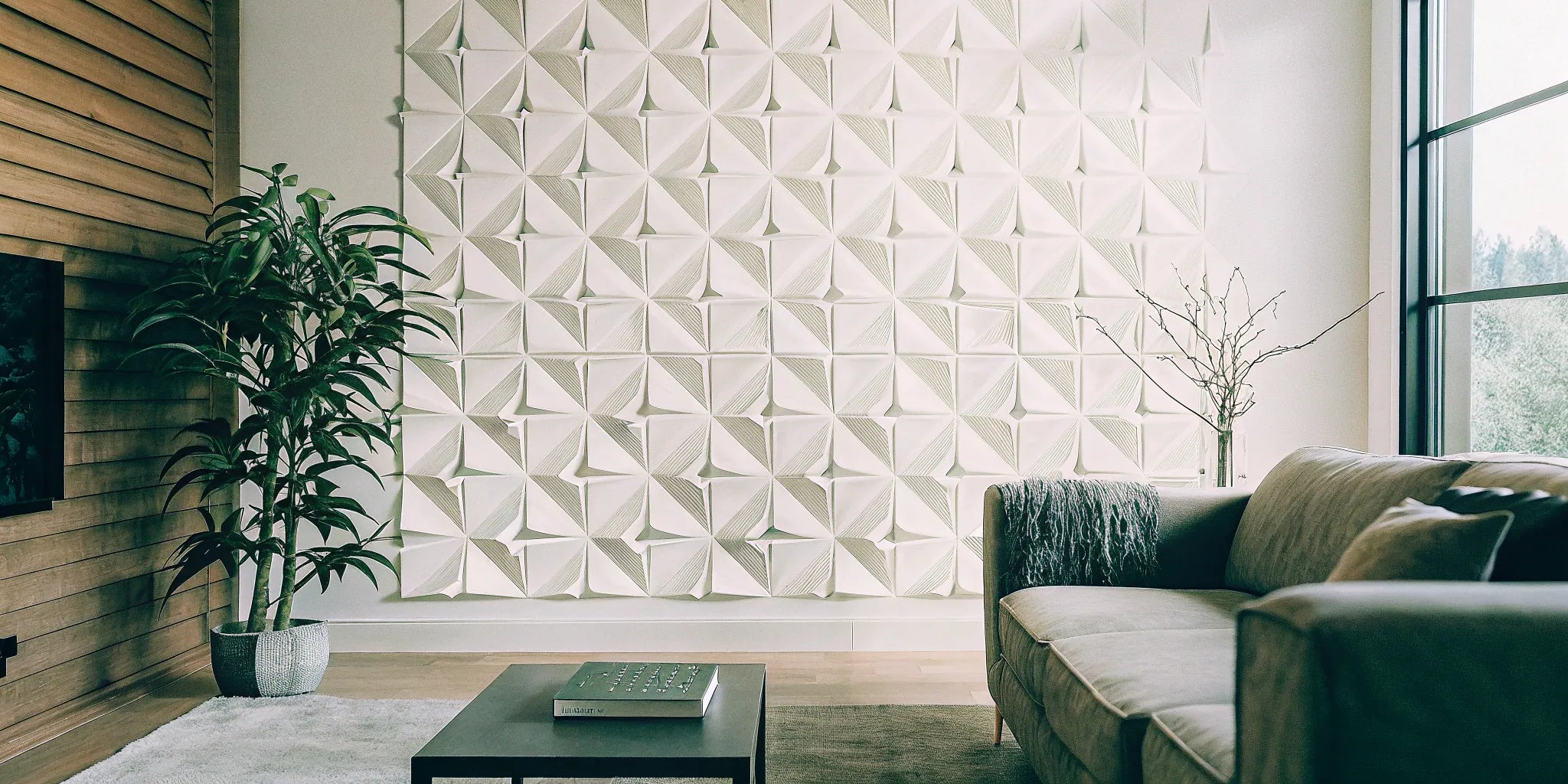
3D wall panels add depth through raised shapes, grooves or slats. They can create a feature behind a sofa, define an entryway or frame a media wall. The right choice depends on the pattern, material, installation system and intended location—not just the photograph.
“3D” describes the appearance. It does not mean a panel is peel-and-stick, removable, acoustic or suitable for wet areas. Check those features for the exact product before ordering.
Choose a pattern and scale for the room
Fluted and slatted designs
Repeated lines can give a feature wall an orderly rhythm. Compare the width and depth of the profile with nearby cabinetry, door trim and furniture. Plan where the pattern starts and ends so exposed edges look intentional.
Geometric and wave patterns
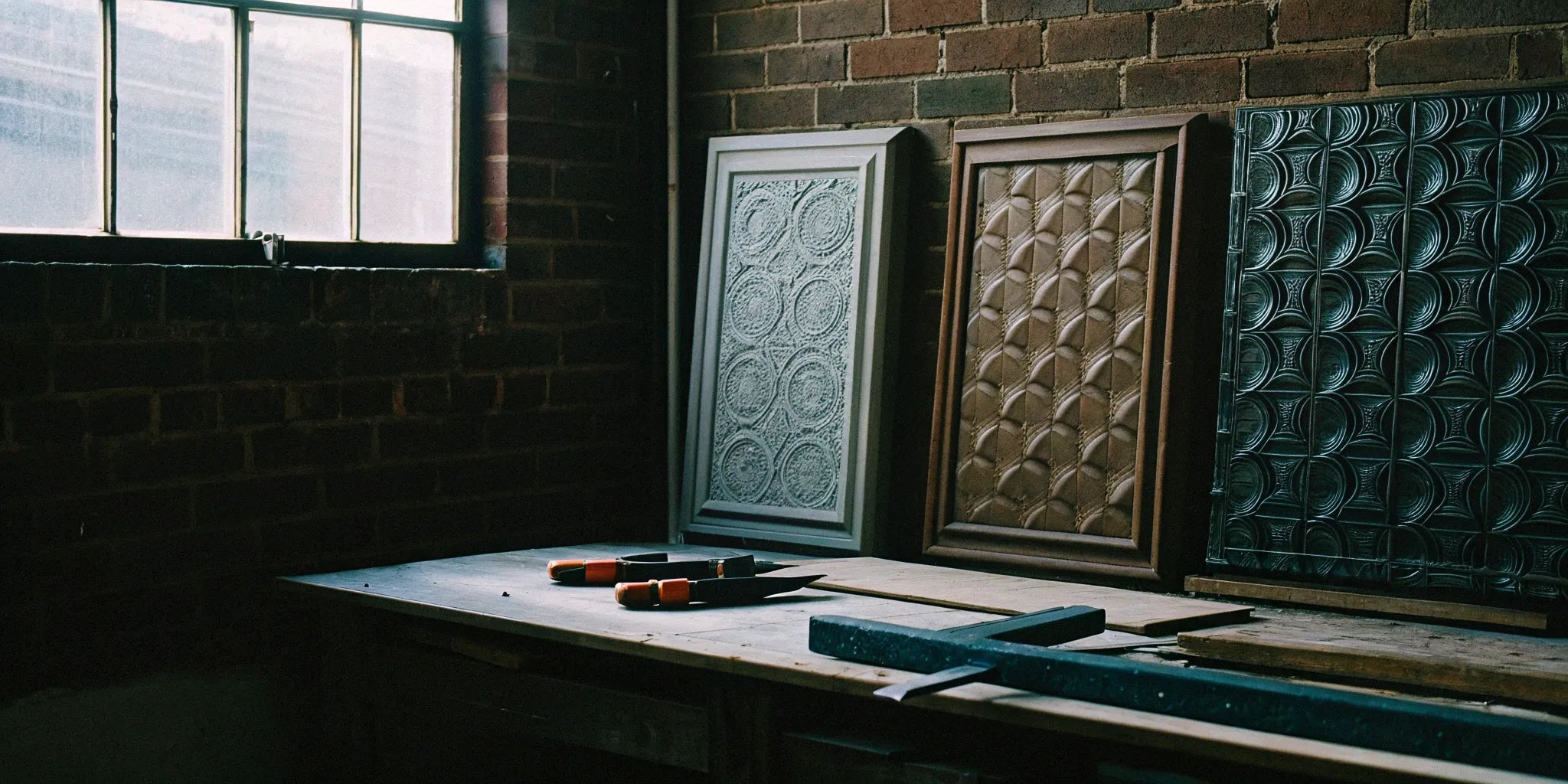
Use the pattern repeat to plan the full wall, including corners and openings. Review several panels together when possible; a small sample may not show how seams align across a larger area. A framed panel section can be an alternative to covering the entire wall.
Brick and stone looks
Compare texture, joint color and repeat patterns as well as the main surface color. For a closer look at product types and edge details, read our brick wall panels guide.
View samples under daylight and your planned evening lighting. Light from the side can emphasize texture and seams. Browse USABD lighting and test placement before committing to the panel layout.
Compare the actual product construction
| Product family | Information to request | Design decision |
|---|---|---|
| Molded decorative panels | Exact material, weight, thickness, finish and attachment method. | Whether the profile depth and surface suit the location. |
| Wood, veneered or composite slat panels | Face material, core or backing, usable coverage and edge options. | Grain direction, color variation, spacing and exposed-end treatment. |
| Gypsum or other mineral-based panels | Weight, support requirements, joint finishing and painting instructions. | Whether the installation scope achieves the intended continuous appearance. |
| Panels sold for acoustic use | Test information for the exact product and installed assembly. | Whether the specified coverage and mounting method address the room’s acoustic goal. |
This table explains categories; it does not mean USABD stocks every material or pattern. Check our current wall panel collection, then confirm the selected product’s construction and application.
Evaluate peel-and-stick options carefully
Peel-and-stick describes an adhesive backing, not the entire 3D panel category. Confirm the approved wall surfaces, preparation, application conditions and removal instructions for that exact product.
- Check compatibility with existing paint, wallpaper or wall texture before application.
- Follow the manufacturer’s surface-testing instructions where provided.
- Do not add construction adhesive unless the manufacturer approves it.
- Do not assume removal will leave paint or drywall undamaged.
- For a rental, obtain the property owner’s permission before altering the wall.
Choose a removable product only when its written requirements suit your wall and your expectations. Avoid generic heat-assisted removal advice; use the selected manufacturer’s method.
Check performance and application limits
Acoustics: a raised or slatted face does not establish sound absorption or soundproofing. Request test results for the intended assembly if acoustic performance matters. Room sound absorption and sound transmission between rooms are different requirements.
Moisture and exterior exposure: confirm whether the product is approved for a dry interior, humid room, direct water exposure or outdoor use. A material name alone is not approval for all four. For outdoor projects, start with exterior wall panels and the applicable installation documentation.
Heat and fire: confirm clearances near fireplaces and other heat sources. Have the project team review required fire-performance documentation for the exact product and assembly; decorative texture does not establish compliance.
Insulation and durability: do not budget for energy savings or assume scratch, impact or fade resistance without product-specific evidence. Compare the finish, warranty and care requirements with the expected use of the room.
Plan installation and edge details together
- Measure and draw the wall. Include openings, outlets, switches, corners and any fixtures that need separate support.
- Confirm the substrate. Resolve damage or moisture issues and follow the specified preparation requirements before covering the wall.
- Review a trial layout. Check pattern direction, seams and cut positions before fixing panels.
- Use the specified installation system. Follow the exact storage, acclimation, cutting, adhesive, fastener, movement and curing instructions. There is no universal 24–48-hour acclimation rule for every panel.
- Coordinate services. Account for the added wall thickness at electrical fittings and have electrical changes handled by a qualified professional. Mount TVs and shelves using a suitable support system.
- Finish with compatible accessories. Match the panel family, profile and finish rather than color alone.
For WPC interior fluted panels, verify compatibility with the interior fluted wall clips. For natural veneered panels, compare natural veneered corner trim. These are product-family starting points, not universal accessories for geometric or peel-and-stick panels.
For a media feature, see our TV wall panel planning guide before finalizing mounting and lighting positions.
Calculate quantities and compare complete costs
Measure the wall area, then use the selected product’s usable coverage per panel or pack. Review the cutting layout and pattern repeat before deciding on a waste allowance. Round up to the selling unit and include corners, end pieces and any spare material you want to retain.
Compare quotes for the same finished scope: panels, accessories, surface repairs, installation materials, labor, delivery and any electrical work. Avoid comparing price per panel without accounting for differences in coverage. Confirm current availability and project timing before scheduling installation.
Care and ordering checklist
Ask for cleaning, repainting and repair instructions for the exact finish. Do not assume every panel accepts primer, oil, household cleaners or additional coatings. Consider how easily the profile can be cleaned and whether individual pieces can be replaced.
Before ordering, confirm the product name, finish, approved application, usable coverage, final quantity, accessory selection and installation requirements. Review delivery and return terms for your order.
Contact USABD with measurements and reference images for help comparing available finishes. Our Marietta, Georgia showroom is open by appointment only.