
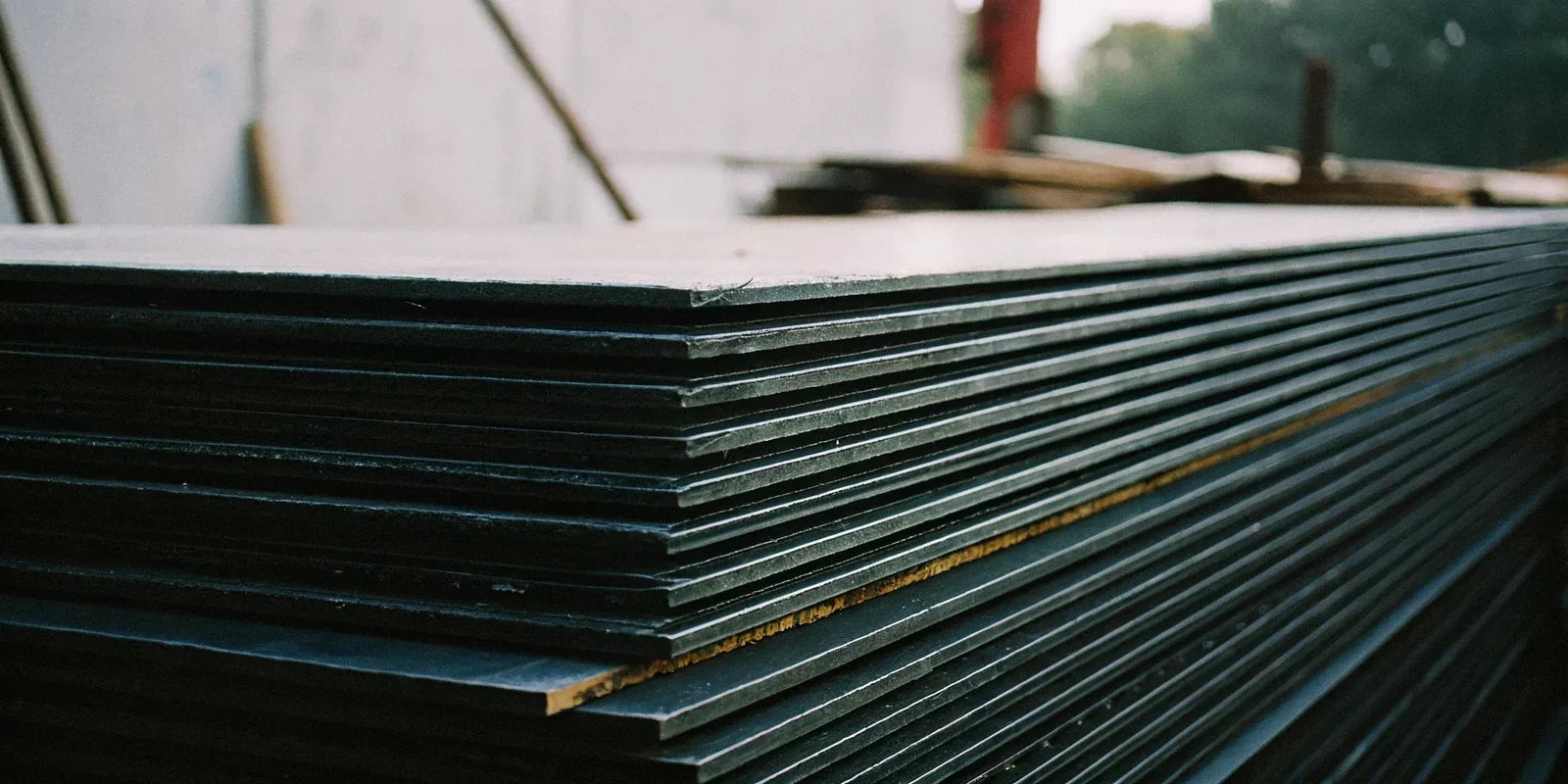
The Ultimate Guide to Fiber Cement Panel Siding
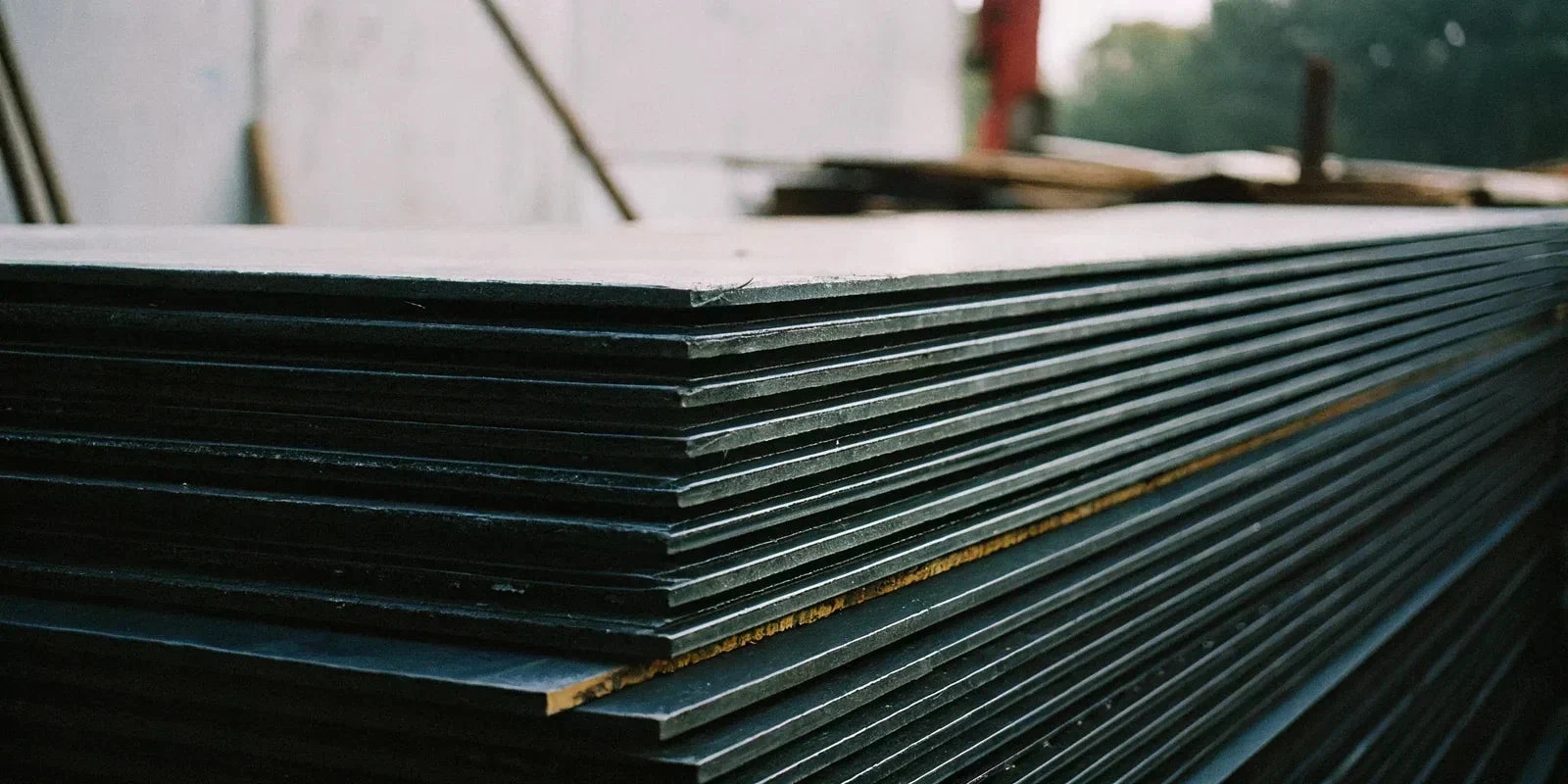
Planning a project with 4×8 fiber cement panels starts with the exact board, its intended application and the installation details. Use this guide to understand sheet size, compare finishes, prepare a project budget and identify the product documents to review before ordering.
Shop 4×8 fiber cement boards at USABD
Our large-format fiber cement board is currently listed as a 96″ × 48″ board with 32 square feet of gross area. Check the product page for current ordering details and confirm thickness, finish and intended use before purchase.
For project help, request a fiber cement board quote. Send your wall dimensions, openings, preferred finish, intended application and delivery ZIP code. You can also visit our technical resources.
Key Takeaways
- Confirm the exact product: Check dimensions, thickness, finish, permitted applications and supporting documents before specifying a board.
- Plan the complete installation: Follow the selected product’s instructions for tools, dust control, attachment, cut-edge treatment, drainage and maintenance. Check warranty terms for the exact product and finish.
- Compare complete quotes: Include accessories, labor, delivery and site preparation alongside the panel price.
What Does the 4×8 Panel Label Tell You?
The 4×8 designation describes the sheet format. It does not establish a board’s fire classification, weather performance, finish warranty or suitability for a particular wall system. Review the selected product’s specifications and installation instructions together.
Understanding Panel Sizes and Specs
A 4×8-foot sheet measures 48 × 96 inches and has a gross area of 32 square feet. Actual dimensions, thickness and installation requirements depend on the selected product. Do not infer thickness from the 4×8 label or assume that every sheet provides 32 square feet of usable installed coverage.
For example, 320 square feet divided by 32 gives 10 full boards before allowances for cuts, waste and the installation layout. This is an area estimate, not a final order quantity. Have your installer prepare a panel layout that accounts for openings, joints, orientation and reusable offcuts before ordering.
Confirm the board weight and the manufacturer’s handling instructions when planning delivery and installation. A panel’s size alone does not determine its suitability for your wall or project.
Choose a Finish and Panel Layout
Start with the finish offered for the specific board. Review a sample where available and confirm color, texture, coating requirements and permitted panel orientation. Include joints, trim and cut edges in the design rather than choosing the panel in isolation.
If you want a board-and-batten appearance or a rainscreen layout, have the designer or installer confirm the appropriate product and attachment details. Do not assume that decorative trim alone provides the required joint or water-management detail.
Check Performance Claims Against Product Documents
Weather Exposure and Service Life
Ask for documentation relevant to your location and proposed installation, including any exposure limits, fastening requirements and finish-care instructions. Avoid choosing a panel based on a general claim that all fiber cement boards withstand every climate or last a fixed number of years.
Keep expected service life separate from warranty coverage. Ask which defects are covered, whether labor or finish repairs are included, and which installation and maintenance conditions apply.
Fire Performance and Intended Use
Obtain the exact product’s test information and confirm that it meets the project requirements. Do not treat a material description as approval for a fire-rated wall assembly, fireplace surround or heat shield. The selected assembly and any appliance instructions must also be checked.
Environmental and Energy Claims
If environmental performance matters to your specification, request relevant product declarations and compare their scope before making claims about recycled content or carbon impact. Ask your designer to assess insulation and energy requirements for the complete wall construction.
Application Limits
Confirm whether the board is approved for the intended interior or exterior use. Do not substitute exterior cladding for a tile backer or wet-area product without the required documentation. Review handling, cutting, attachment and moisture-management requirements before ordering.
How to Budget for 4×8 Fiber Cement Panels
Use current product pricing and a project-specific installation quote. A material price per board is different from a completed wall price per square foot. Ask each supplier and installer to state what their quote includes so comparisons are meaningful.
Panel Quantity and Material Cost
Start with a panel layout prepared for your wall dimensions and openings. Multiply the required board quantity by the quoted board price, then add specified trim, fasteners, flashing, coatings and other installation materials. Check whether tax and delivery are included.
Labor and Site Preparation
Request separate allowances for removal and disposal of existing materials, substrate repairs, access equipment, installation and any required finishing. Ask how unexpected conditions will be priced before work begins.
Delivery and Handling
Confirm stock availability, lead time, delivery access, unloading arrangements and storage requirements. Include these costs in your comparison, especially when evaluating large-format sheets or orders from multiple suppliers.
Maintenance and Warranty
Review the actual cleaning, inspection and finish-maintenance requirements. Obtain the written warranty and check exclusions, transfer conditions and the claims process. Do not budget around an assumed repainting interval, insurance discount or resale return.
Compare Products on the Same Basis
Compare the exact board dimensions, thickness, finish, permitted application, supporting test documents, installation system and warranty. A specification or warranty from another manufacturer does not apply automatically to a USABD listing.
Browse our fiber cement boards and contact USABD to confirm product details and request a quote for your project. Trade professionals can also review our trade application.
Plan Installation Around the Selected Panel System
This overview helps you prepare questions for your installer; it is not a substitute for the exact product’s installation instructions. Confirm the board’s intended application and obtain the current guide before ordering tools or starting work.
Choose an Installer Familiar with the Product
Ask prospective installers about experience with the specific panel system, similar completed projects and the documents they will follow. Request a written scope covering wall preparation, attachment, flashings, joints, finishes and cleanup. Confirm applicable licensing, insurance and warranty responsibilities.
Confirm Tools and Fasteners
Use the board manufacturer’s specified tools, fastener type, spacing, edge distances and attachment method for the supporting construction. Do not assume that screws sold for tile backer board suit exterior cladding. Predrilling, countersinking and fastener-head position are product-specific; do not improvise them from general advice.
Prepare the Wall and Panel Layout
Have the installer confirm the substrate, supporting structure, panel orientation and joint layout. Coordinate the weather-resistive barrier, flashings and any required drainage or ventilation space before hanging panels. Use the specified clearances at grade, decks, rooflines and openings; one clearance dimension does not apply to every location.
Handle and Cut Panels Safely
Follow the manufacturer’s storage and lifting instructions for the actual sheet size and weight. Plan the crew and handling equipment accordingly. Check the product safety data sheet and use the prescribed cutting method and dust controls.
Power-saw cutting of fiber cement can generate respirable crystalline silica. OSHA’s fiber-cement cutting fact sheet describes a specific outdoor task using a saw with a blade of 8 inches or less and a suitable vacuum dust-collection system. Its requirements depend on the task and equipment. Do not assume an ordinary shop vacuum or an N95 alone is sufficient; indoor work and other setups require separate assessment under the applicable requirements.
Treat Joints and Cut Edges as Specified
Follow the selected system’s instructions for joint widths, flashing, sealants and cut-edge treatment. Do not assume every cut edge needs the same primer, every joint needs caulk, or every fastener should be driven flush. Preserve required drainage openings and use compatible materials.
Check the Completed Installation
Before handover, ask the installer to verify attachment, clearances, flashings, joint details and finish treatment against the applicable documents. Keep the product identification, installation instructions, warranty and project records together. Resolve damaged panels or installation deviations before covering them with paint or sealant.
Maintain the Selected Product and Finish
Use the manufacturer’s cleaning, inspection and coating guidance. Ask for approved cleaning products, methods and any touch-up procedure for your finish. Avoid a universal repainting interval or paint specification: factory-finished, through-color and site-painted products can have different requirements.
Inspect at the intervals recommended for the product and exposure. Have cracks, loose panels or signs of moisture assessed before attempting repairs. Do not assume exterior caulk can repair a damaged panel. Preserve required clearances around landscaping and maintain the specified drainage details.
Prepare Your Fiber Cement Board Quote
Send USABD the information below to help us review your material request:
- Project location and delivery ZIP code.
- Wall dimensions, drawings and openings.
- Intended application and preferred board or finish.
- Installer-confirmed board quantity and required accessories.
- Required delivery date and site access details.
Have your installer determine cutting and waste allowances from the layout. Confirm availability, freight charges, quote validity and applicable return terms before placing the order.
Request project assistance or review our technical resources before selecting your board.
Related Articles
- 3D Wall Panel: Your Guide to a Modern Home Exterior
- Everything You Need to Know About Fiber Cement Board
Frequently Asked Questions
Can I install fiber cement panels myself? Decide based on the product’s instructions, the work involved and your ability to handle the material and control dust safely. Ask a qualified installer to assess the project if you are unsure.
Does a 4×8 label determine the installation method? No. It describes sheet size. Confirm thickness, weight, permitted use, attachment and joint details for the exact board.
Can exterior panels be used indoors or around a fireplace? Only where the specific product is suitable for that application. Do not infer approval for a tile backer, wet area, heat shield or fireplace surround from its use as exterior cladding. Check relevant product and appliance instructions.
What maintenance is required? Follow the selected product’s inspection, cleaning and repair guidance. Finish maintenance and warranty terms vary.
Can I paint the panels? Confirm whether your selected finish permits painting and obtain the approved preparation and coating instructions before proceeding.