



How to Buy a Wall Panel Online The Right Way
Let's be real: finding the best deal when you buy a wall panel online is about more than just the price tag. You need something that's actually worth the money—durable, easy to install, and built to last. The last thing you want is a cheap panel that creates more problems than it solves. This guide cuts through the noise. We'll show you how to find high-quality WPC and acoustic panels that fit your budget. We’ll cover smart shopping tips, like timing your purchase for seasonal sales, so you can feel confident in your choice.
Key Takeaways
- Calculate the true cost before buying: A low price per panel can be misleading. Always factor in shipping fees, potential return costs, and the long-term durability of the material to understand the total investment and avoid surprise expenses.
- Plan your project meticulously: Prevent budget overruns and delays by ordering material samples to confirm the look and feel, accurately measuring your space (and adding 10% for waste), and properly prepping your walls for a smooth installation.
- Unlock hidden discounts and promotions: Maximize your budget by signing up for trade programs if you're a professional, subscribing to newsletters for exclusive coupon codes, and timing your purchase with seasonal sales events to get the best possible price.
How to Find Affordable Wall Panels Online
When you’re ready to give a room a major style upgrade, wall panels are a fantastic choice. But with so many options online, finding panels that are both beautiful and budget-friendly can feel like a huge task. The good news is that with a little know-how, you can find high-quality panels that don’t drain your wallet. It’s all about knowing where to look and what to look for.
Online specialty stores are often a great starting point. Some focus on specific materials, offering a wide range of wood wall panels that are lightweight and easy to install. Other outlets feature popular styles like modern slat walls and shiplap at a discount, often sold in bulk boxes that help lower the overall cost. While big marketplaces like Amazon have endless options for 3D wall panels, it’s important to balance a low price with consistent quality, as materials and sellers can vary widely.
Understanding the full cost of your project is key. While the panels themselves are one part of the equation, installation is another. On average, you can expect wall paneling installation to cost around $20 per square foot, though the price of the materials themselves can start as low as $1 per square foot for basic options. Knowing this helps you create a realistic budget from the start.
Ultimately, the smartest way to buy wall panels online is to focus on value over the absolute lowest price. A cheap panel that warps, fades, or is difficult to install will only cost you more time and money in the long run. Look for a supplier that offers a great selection of durable materials, from acoustic and WPC panels to exterior cladding, so you can find the perfect fit for your project’s specific needs.
What Makes an Online Retailer Truly Affordable?
When you’re hunting for the best deal on wall panels, it’s easy to get fixated on the price per square foot. But the cheapest option isn’t always the most affordable in the long run. True affordability is a mix of upfront cost, long-term value, and smart shopping strategies. A retailer that seems cheap at first glance might surprise you with high shipping fees or low-quality materials that need replacing in a few years.
To find a genuinely good deal, you need to look at the complete picture. This means considering the quality of the materials, calculating the total cost including shipping and any extra supplies, and taking advantage of discounts designed for professionals or large projects. By shifting your focus from the sticker price to the overall value, you can make a purchase you’ll be happy with for years to come, without overspending. Let’s break down what to look for.
Why You Should Look Beyond the Price Tag
The lowest price tag can be tempting, but it often comes with a hidden cost: lower quality. As our team often says, "The biggest mistake you can make is choosing cost savings over quality. The material of your wall panel determines its longevity, appearance." A cheap panel might look good initially, but if it scratches easily, fades, or can’t handle a bit of moisture, you’ll be spending more on repairs or a full replacement sooner than you think.
Instead, think about the lifetime value of the product. Investing a little more in durable wall panels made from high-quality wood, veneer, or WPC means you get a finish that lasts. These materials are designed to withstand daily life, saving you money and hassle over time.
Don't Forget to Calculate Shipping Costs
Wall panels are large and heavy, which means shipping can add a significant amount to your final bill. A retailer might advertise low prices but make up for it with steep freight charges. Always add items to your cart and proceed to checkout to see the fully-landed cost before you commit. Look for companies that offer transparent shipping rates or free shipping thresholds.
Don’t forget to account for project overages. It’s a standard practice to order about 10% more material than your measurements call for. This extra stock covers any cutting mistakes, accidental damage during installation, or slight imperfections in a panel. Factoring this into your initial budget prevents the need for a small, expensive follow-up order with additional shipping fees.
How to Find Bulk Discounts and Pro Pricing
If you’re a contractor, designer, or builder, you should never pay retail price. Many online suppliers offer special programs for professionals that provide significant savings on materials. These trade programs are designed to build relationships with industry pros who make repeat or large-volume purchases. Before you buy, check the retailer’s website for a pro account or trade application.
Even if you’re a homeowner tackling a large renovation, don’t hesitate to ask about bulk discounts. Many suppliers offer better pricing when you purchase a certain quantity. At USA Builders Depot, we offer a trade program to ensure our professional partners get the best possible pricing for their projects, helping them stay competitive and profitable.
Comparing Common Wall Panel Types and Costs
Before you can find the best deal, you need to know what you’re shopping for. Wall panels come in a huge range of materials and styles, each with its own price point and purpose. Understanding the basics will help you narrow down your search and find a product that delivers on both function and value. From sound-dampening acoustic panels to durable exterior cladding, the right choice depends entirely on your project’s needs. Let’s break down some of the most popular options and what you can expect to pay.
Acoustic Wall Panels
If you’re trying to quiet a noisy room or improve sound quality in a home theater, Acoustic Wall Panels are your best friend. These panels are specifically engineered to absorb sound waves, reducing echo and background noise. Many high-quality options offer a Class-A sound absorption rating, making them perfect for offices, studios, or living rooms where peace and quiet are a priority. They blend function with style, often featuring beautiful wood slat designs that add warmth and texture to any space while creating a more serene environment.
Wood Wall Panels: Finished vs. Unfinished
Nothing beats the classic, timeless look of wood. Wood wall panels are available in a variety of species like Oak, Ash, and Walnut, and come in both finished and unfinished styles. Unfinished or paint-grade panels give you the creative freedom to match your exact color scheme. Pricing can vary widely, from as low as $1 per square foot for basic options to over $40 for premium hardwoods. On average, you can expect to budget around $20 per square foot for materials and installation, making it a versatile choice for different budgets.
WPC Fluted Slat Wall Panels
For a modern look that’s incredibly low-maintenance, consider WPC panels. WPC stands for Wood Plastic Composite, a hybrid material that combines wood fibers and plastic to create a panel that is exceptionally durable and resistant to moisture. This makes Interior WPC Fluted Slat Wall Panels a fantastic choice for high-traffic areas, bathrooms, or even commercial spaces. Their fluted or slatted design adds depth and a contemporary feel to walls without the upkeep required for natural wood, giving you a high-end look that lasts.
Durable Exterior Wall Panels
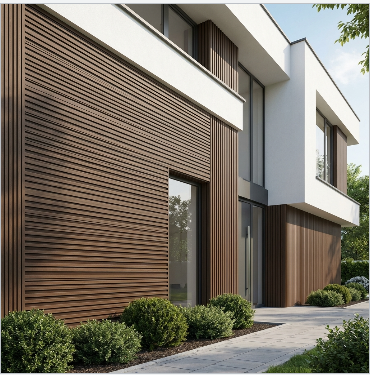
Your home’s exterior deserves just as much attention as the interior. Exterior wall panels are built to withstand the elements while boosting your home’s curb appeal. Materials like WPC and specially treated wood are popular choices for exterior applications because they resist moisture, fading, and pests. Options like shiplap and fluted slat cladding offer a clean, modern aesthetic that can completely transform a facade. These panels provide a protective layer for your home while delivering a significant style upgrade that holds up year after year.
Other Popular Panel Styles to Consider
Beyond the core categories, the world of wall panels includes some creative options perfect for specific needs. Whether you’re looking for a quick DIY solution or a one-of-a-kind statement piece, these styles offer unique benefits that can bring your vision to life without a complicated installation process or a generic look.
Flexible and Peel-and-Stick Options
If you want a fast and straightforward update, peel-and-stick panels are a game-changer. These options are designed for DIY enthusiasts, eliminating the need for messy adhesives or professional installers. They are an excellent choice for creating an accent wall over a weekend or for renters who want to personalize their space without making permanent changes. Many companies offer stylish finishes, including wood-look planks that provide a high-end appearance for a fraction of the cost and effort. This approach makes it easy to transform a room affordably and without a long-term commitment.
Reclaimed Wood and Mosaic Panels
For a look with more depth and history, reclaimed wood panels are an incredible choice. Sourced from old structures like barns and warehouses, each plank has a unique story, adding authentic character and warmth that new materials can’t replicate. It’s also a sustainable option that brings a piece of the past into your home. Similarly, wood mosaic panels use small, intricate pieces of wood to create stunning patterns, turning your wall into a work of art. These styles are perfect for anyone looking to make a bold, textured statement and create a true focal point in their room.
Which Features Offer the Best Value for Your Money?
Finding the cheapest wall panels isn’t just about the price per square foot. True value comes from getting the features you need without overpaying. A panel that costs a bit more upfront but is durable, easy to install, and fits your design perfectly will save you money and headaches in the long run. When you’re comparing options, think about which features will give you the most bang for your buck.
Why Material Quality and Durability Matter
The material of your wall panel determines its longevity and appearance, so this is not the place to cut corners. While a low-cost option might seem tempting, it could end up costing more if it dents, fades, or warps easily. Materials like WPC (Wood Plastic Composite) and solid wood offer excellent durability for high-traffic areas. Investing in quality wall panels from the start means you won’t be spending money on repairs or replacements a few years down the road. Always consider the panel’s intended use and choose a material built to handle it.
Understanding Different Material Options
Choosing the right material is all about matching it to your room's function and your budget. If you love a timeless, classic feel, nothing compares to natural wood. Options like Unfinished Wood Wall Panels give you total creative freedom to paint or stain them to match your exact color scheme. For a high-traffic area or a bathroom, you’ll want something more resilient. That’s where Interior WPC Fluted Slat Wall Panels shine. This wood-plastic composite material resists moisture and wear, all while delivering a sleek, modern aesthetic. And in spaces where noise is a concern, like a home office or media room, Acoustic Wall Panels are engineered to absorb sound and reduce echo, blending high performance with sophisticated design. Matching the panel to the room's function is the key to a successful and affordable project.
Checking for Sound and Moisture Resistance
Functional features can add incredible value, especially when they solve a specific problem in your space. If you’re creating a home office or media room, Acoustic Wall Panels are worth every penny for the peace and quiet they provide. For bathrooms, basements, or kitchens, moisture resistance is non-negotiable. Choosing a panel that can withstand humidity prevents issues like mold and warping. Neglecting key features like moisture or fire resistance is a common mistake that can lead to costly damage, so be sure to check the product specifications for these ratings.
Is It Easy to Install Yourself?
Don’t forget to factor labor costs into your budget. A panel system designed for easy, DIY-friendly installation can save you hundreds or even thousands of dollars. Look for features like tongue-and-groove systems or interlocking designs that simplify the process. When you’re ready to buy, it’s a smart move to order about 10% more material than your measurements call for. This extra stock covers any cutting mistakes or accidental damage, ensuring you can finish the job without a last-minute, expensive reorder.
Finding a Style That Fits Your Space
The best wall panels are the ones that grow with your style. While some people think panels are only for modern decor, they are incredibly adaptable. Options like Unfinished Wood Wall Panels offer a blank canvas, allowing you to paint or stain them to match your vision perfectly. This versatility means you’re not locked into one look. A classic fluted or shiplap design can complement rustic, traditional, or contemporary aesthetics, ensuring your investment remains stylish for years to come and won’t feel dated after a single trend cycle.
Eco-Friendly and Customizable Finishes
Choosing a wall panel that you can customize is one of the smartest ways to get more for your money. Instead of being locked into a factory finish, options like Paint and Stain Grade Panels give you complete creative control. You can paint them to match your walls for a subtle, textured look or choose a bold accent color that makes the room pop. This flexibility ensures your investment stays relevant even as your design tastes change. Plus, many modern panels are made with sustainability in mind, using materials like recycled wood fibers or other eco-friendly composites, so you can feel good about your choice.
Consider Reusability for Long-Term Value
Here’s a feature most people overlook: reusability. Some wall panel systems are designed for easy installation and removal, almost like puzzle pieces. This is a huge advantage if you’re renting and want to take your investment with you, or if you simply enjoy redecorating every few years. Panels with simple interlocking or tongue-and-groove mechanisms can often be carefully disassembled without damage, allowing you to reinstall them in a new room or a new home. This turns a one-time purchase into a long-term design asset, offering incredible value that goes far beyond the initial price tag.
How Can You Find the Best Deals and Promotions?
Finding high-quality wall panels at a great price isn’t about luck—it’s about smart shopping. Beyond comparing the base price of panels, you can save a significant amount of money by taking advantage of deals, discounts, and special programs. Many online suppliers offer promotions that aren't always advertised on the homepage, but they can make a huge difference in your project's bottom line.
A little bit of planning goes a long way. By timing your purchase, signing up for the right programs, and paying attention to shipping policies, you can stretch your budget without compromising on the style or quality you want. Whether you’re a homeowner tackling a weekend project or a contractor sourcing materials for a large build, these simple strategies will help you get the best possible value. Think of it as your checklist for savvy shopping before you click "add to cart."
Keep an Eye Out for Seasonal Sales Events
Timing is everything. Many retailers offer deep discounts during seasonal sales events around major holidays like Memorial Day, Labor Day, and Black Friday. This is often when they clear out inventory to make room for new styles. It’s also a good idea to keep an eye out for "limited-time deals" that can pop up any time of year. You can often find incredible prices on last season’s styles or overstocked items in a website’s clearance section. Make it a habit to check these pages periodically, as the best deals don’t last long.
Ask About Trade Discounts for Professionals
If you’re a contractor, designer, or builder, you should never pay the full retail price. Most building material suppliers offer a trade program with exclusive pricing and benefits for professionals. These programs often provide access to bulk discounts, dedicated support, and early access to new products. For example, at USA Builders Depot, we have a trade application designed to give professionals the competitive pricing they need for their projects. Signing up is usually simple and can lead to substantial savings over time, so it’s always worth asking about.
Sign Up for Newsletters to Get Promo Codes
One of the easiest ways to get a discount is by subscribing to a company’s email newsletter. Many online stores will offer an immediate promotional code—like 10% or 15% off—just for signing up. Beyond that initial welcome offer, you’ll be the first to know about upcoming sales, new product launches, and exclusive subscriber-only deals that aren’t advertised to the general public. It’s a low-effort way to stay in the loop and ensure you never miss a chance to save on your next order.
How to Score Free Shipping and Bundle Deals
Shipping costs for large, heavy items like wall panels can add up quickly and turn a great deal into an expensive one. Always check a retailer’s shipping policy before you buy. Many companies offer free shipping once your order reaches a certain dollar amount. If you’re just under the threshold, consider bundling your purchase with other needed materials like trim, adhesive, or even lighting fixtures to qualify. This way, you get more of what you need for your project while completely eliminating the delivery fee.
Check for Flexible Payment Options
A truly affordable supplier makes the entire purchasing process smooth, and that includes checkout. Look for retailers that offer a variety of payment methods, as this flexibility can make managing your project budget much easier. Most reputable online stores accept major credit cards like Visa, MasterCard, and American Express, but many also support digital wallets like PayPal, Apple Pay, and Google Pay. Having these options allows you to use the payment form that works best for you, whether you’re using a business card for a client project or a personal account for a home renovation. It’s a small detail that signals a customer-focused company.
Understand How Panels Are Packaged and Sold
Before you can accurately compare prices, you need to understand how the panels are sold. They don’t always come as single units; many suppliers sell them in boxes or multi-panel packs. This is often more cost-effective and ensures you have enough matching material for your project. Always check the product description to see how many square feet a single box covers. This will help you calculate exactly how many you need to order, preventing shortages or overspending. Some wall panels are also designed with interlocking systems, making installation as simple as fitting two puzzle pieces together, which can save you money on labor.
How Do Shipping and Returns Work for Large Items?
Ordering large items like wall panels online is different than getting a small package delivered. These materials are heavy, bulky, and require special handling, so shipping and returns follow a different set of rules. Understanding this process before you buy is one of the best ways to protect your budget and keep your project on track. It helps you avoid surprise fees and know exactly what to do when that freight truck arrives at your home or job site.
What to Expect from Freight Shipping
Most large orders of wall panels arrive via LTL (Less Than Truckload) freight. Unlike standard delivery, freight costs can include more than a base rate. Some suppliers might charge per mile or have a minimum fee. It’s also common for carriers to allow a specific window for unloading—often just an hour. If your crew isn't ready and the truck has to wait, you could face expensive detention fees. Ask for a detailed shipping quote upfront to confirm all potential charges. Professionals can often get clarity on these costs through a trade program.
Typical Shipping Timelines
Patience is a virtue, but project delays are a headache. Shipping timelines for wall panels can vary quite a bit depending on the supplier and the product. Based on industry standards, you can generally expect your order to ship within 5 to 12 business days. However, many suppliers with items in stock can get them out the door much faster, sometimes in just 2 to 5 days. On the other hand, custom orders, oversized panels, or very large quantities might take longer, occasionally extending to a few weeks. The best practice is to always confirm the estimated shipping window before you finalize your purchase. This simple step helps you plan your installation schedule accurately and ensures you find a supplier who can deliver your wall panels when you need them.
What Should You Look for in a Return Policy?
Before you finalize your purchase, read the return policy carefully. For bulky items, returns aren't always simple or cheap. Look for three key things: the return window, restocking fees, and who pays for return shipping. Many companies charge a restocking fee to cover handling costs. More importantly, the cost of shipping heavy panels back to the warehouse almost always falls on you, and freight charges can be significant. Also, be aware that custom-cut panels or very large orders are often non-returnable. Knowing these details ahead of time can save you from a costly mistake.
Common Return Windows and Conditions
Most online suppliers offer a return window of around 30 days, but there’s a catch: the items must be in their original, unopened packaging. This is where it gets tricky. Even if you meet that condition, you’ll almost certainly be responsible for paying the return freight shipping, which can be incredibly expensive for heavy materials. On top of that, many companies charge a restocking fee, which is a percentage of your purchase price deducted from your refund to cover their handling costs. Before you commit to a specific style of wall panels, take five minutes to read the full return policy on the product page or the company’s FAQ section. Understanding these terms upfront is the best way to avoid any costly surprises.
How to Make Sure Your Panels Arrive Safely
Your panels should arrive in perfect condition, and that starts with secure packaging. When your order arrives, your job is to inspect it before the delivery driver leaves. Check the packaging for any signs of damage, like punctures or crushed corners. If you see anything concerning, unwrap that part of the shipment and inspect the panels themselves. If you find any damage, you must note it on the delivery receipt before signing. This step is critical for filing a successful damage claim. A company with positive customer reviews often has a reliable process for these situations.
What Support and Tools Should You Look For?
A great price on wall panels is only part of the equation. The best online suppliers don’t just sell you materials; they provide the support and tools you need to make your project a success. These resources are designed to help you plan accurately, avoid common pitfalls, and feel confident in your choices from start to finish. Think of it as a safety net for your budget and your timeline. When a company invests in helping you plan, it shows they care about the final result just as much as you do. This support can be the difference between a smooth, stress-free installation and a project filled with costly surprises.
From free design consultations that help you nail down your vision to online calculators that take the guesswork out of ordering, these tools are your best friend when tackling a renovation. They help you answer critical questions like, "How many panels do I actually need?" and "Will this style look right in my space?" Utilizing these resources ensures you order the right amount of the right wall panels the first time. This not only saves you money on unnecessary materials and extra shipping fees but also prevents the frustration of project delays. Let’s look at some of the most valuable tools you should look for.
Free Design Services and Consultations
Making big design decisions can be intimidating, but you don’t have to do it alone. Many retailers, like Room & Board, offer free design services to help guide you through the process. A quick consultation with an expert can help you clarify your vision, choose materials that complement your existing decor, and ensure the final look is cohesive. This is especially helpful when you’re trying to match new wall panels with existing flooring or furniture. These services are an invaluable resource for turning your ideas into a concrete plan, giving you the confidence to move forward without second-guessing your choices.
Helpful Online Tools like Panel Calculators
The last thing you want is to run out of material mid-project or end up with a garage full of expensive leftovers. This is where online tools become essential. Look for suppliers that offer a panel calculator on their product pages. This simple feature helps you determine exactly how many panels you need based on your wall dimensions, and it often reminds you to add that crucial 10% for cuts and waste. Some companies also provide visualization tools, which allow you to upload a photo of your room and see how different panel styles will look. These resources streamline the planning process and help you create an accurate budget from the start.
The Benefit of a Physical Showroom
While online shopping offers incredible convenience, nothing beats seeing and touching materials in person. As companies like Daltile point out, a physical showroom allows you to experience the true color, texture, and quality of a product in a way that a screen just can't capture. If a supplier has a showroom near you, it’s worth a visit. If not, ordering samples is the next best thing and an absolute must. Holding a sample in your hand lets you see how it looks in your home’s natural light and compare it against your paint colors and furniture, ensuring you make a choice you’ll love for years.
What Mistakes Should You Avoid When Buying Panels Online?
Finding a great deal on wall panels feels like a huge win, but a low price tag can sometimes hide future headaches. The key to a successful project isn't just finding the cheapest option—it's about avoiding common mistakes that can cost you time, money, and a lot of frustration. From miscalculating your needs to choosing the wrong material for your space, a few simple oversights can derail your entire renovation. Let's walk through the most common pitfalls so you can shop smart and ensure your project looks amazing for years to come.
Don't Sacrifice Quality for a Low Price
It’s tempting to go for the lowest price, but this is often the biggest mistake you can make. The material of your wall panel determines its longevity and appearance. Cheaper panels might use lower-grade composites or veneers that can easily scratch, warp when exposed to humidity, or fade over time. You might save money upfront, but you could end up paying more in the long run for repairs or a full replacement. Instead of focusing only on price, consider the overall value. Investing in high-quality wall panels ensures your walls will withstand daily life and continue to look great, making them a smarter long-term investment.
Why You Need to Measure Twice
The old saying "measure twice, cut once" is critical when ordering materials online. Inaccurate measurements are one of the fastest ways to blow your budget and delay your project. Before you add anything to your cart, measure the height and width of each wall you plan to cover, and double-check your math. Remember to account for doors, windows, and other obstructions. It’s also a standard practice to order about 10% extra material to account for cuts and mistakes. A simple calculation error can leave you short on panels or with a pile of expensive, unusable material.
Confirming Panel Dimensions for Your Ceiling Height
Don't assume your ceiling is perfectly level—it's a common mistake that can lead to installation headaches, especially in older homes. To get it right, measure your wall’s height in at least three different spots: on the far left, in the middle, and on the far right. Because walls can bow and ceilings can sag, you’ll likely get slightly different numbers. Use the shortest measurement as your guide when ordering to ensure your panels fit without needing major on-site trimming. Remember to also account for baseboards, crown molding, or light fixtures that will affect the final placement. Taking these extra steps is the key to making sure the wall panels you choose create a seamless, professional-looking feature wall.
Forgetting to Prep Your Walls First
A beautiful panel installation starts with a solid foundation. You can’t install panels over a wall that’s damaged, dirty, or uneven and expect good results. Before you begin, inspect your walls for any issues. You should always check your walls beforehand for things like bumps, cracks, or nodules. Lumps and bumps should be sanded down, cracks should be filled, and any signs of moisture must be fully addressed. A clean, dry, and smooth surface is essential for proper adhesion and a professional-looking finish. Taking the time to prep your walls correctly prevents panels from peeling, bubbling, or sitting unevenly.
Overlooking Key Resistance Features
Not all wall panels are suitable for every room. A common mistake is neglecting crucial features like moisture and fire resistance, especially in demanding environments. For example, a standard MDF panel won't last long in a humid bathroom or a steamy kitchen. In these areas, you need materials specifically designed to handle moisture, like Interior WPC Fluted Slat Wall Panels. Similarly, for commercial projects or certain residential applications, you may need to consider fire-rated panels to meet building codes. Always match the panel’s features to the room’s function to ensure safety, durability, and peace of mind.
What Can Customer Reviews Really Tell You?
When you’re shopping for affordable wall panels, customer reviews are your best friend. They offer a real-world look at a product that you just can’t get from a description or a polished photo. Think of them as honest feedback from people who have already done the work—they’ve unboxed the product, installed it, and lived with it. Reading through customer experiences can tell you so much about the true quality of the materials, how frustrating (or simple) the installation was, and most importantly, whether the panels will still look great a few years from now. It’s about digging past the star rating to find the details that matter for your specific project.
While a low price might catch your eye, reviews reveal the true value. They help you understand if a deal is genuinely good or if you're just buying a future headache. Look for patterns in the comments—if multiple people mention the same issue or the same positive feature, you can be confident that it's a consistent part of the product experience. This is how you move from being a price-shopper to a smart buyer, ensuring your investment looks great and performs well for years.
Check for a High Volume of Positive Ratings
A handful of five-star reviews is a good start, but a high volume of positive feedback tells a much more reliable story. When hundreds of customers have shared their experiences, it points to a consistent product and a trustworthy supplier. Look for patterns in the comments—if dozens of people praise the panel's durability, the secure packaging, or the straightforward installation, you can feel confident you’ll have a similar experience. A large sample size helps filter out the outliers and gives you a clearer picture of what to expect. This is how you can verify a company's positive feedback and move from being a price-shopper to a smart buyer, ensuring your investment performs well for years to come.
Look for Comments on Material Performance
Pay close attention to what customers say about the material itself. Are they mentioning that the panels feel solid and well-made, or do they feel flimsy? Look for keywords that speak to performance, like "waterproof," "fire-resistant," or "UV-protected," especially for panels in demanding environments like bathrooms or exteriors. Reviewers often note whether the color and texture matched the online photos, which can save you from a disappointing surprise. Comments about sustainably sourced wood or durable finishes are also great indicators of a quality product. These details help you understand if you’re buying a panel that’s just cheap or one that offers genuine value and will stand the test of time.
See What Others Say About Installation
A great price can quickly lose its appeal if the installation is a nightmare. Reviews from both DIYers and professional contractors can give you a clear picture of what to expect. Look for comments on how easy the panels were to handle and cut. Were they lightweight? Did they arrive with clear instructions or helpful video guides? Some reviewers will mention if the panels were warped or if they required special tools, which is crucial information for planning your project. Reading about others’ experiences helps you avoid common mistakes and gauge whether the installation is a good fit for your skill level, saving you time and potential frustration down the road.
Find Reviews That Talk About Long-Term Durability
The best wall panels look great not just on day one, but for years to come. This is where long-term reviews are incredibly valuable. Scan for comments about how the panels have held up over months or even years. Have they faded in direct sunlight? Are they resistant to scratches and scuffs in high-traffic areas? For wood or WPC panels, look for mentions of warping, peeling, or how they’ve handled humidity. Satisfied customers often return to share how happy they are with the durability, which is a strong signal that you’re investing in a product with lasting quality. This is especially important for trade professionals whose reputations depend on durable results.
Your Checklist for Buying Wall Panels Online
Buying building materials online can feel like a big commitment, but a little planning makes all the difference. When you’re ready to purchase wall panels, you want to be sure you’re getting the right product at the right price without any surprises. Following a few smart steps can help you avoid common pitfalls and ensure your project goes smoothly from checkout to installation. Think of it as a simple checklist to protect your investment and get the exact look you want for your space. With the right approach, you can confidently order everything you need and have it delivered right to your door.
Always Get Samples Before You Commit
Computer screens can be deceiving. The color, texture, and finish of a wall panel can look completely different in person than it does online. Before you commit to covering an entire wall, it’s essential to order samples. Holding a sample in your hand allows you to feel the material’s quality, see its true color in your home’s lighting, and match it with your existing paint, flooring, and furniture. This small upfront step is the best way to prevent a costly mistake and ensure the final product meets your expectations. It’s a simple quality check that gives you total peace of mind before placing a large order.
Double-Check Your Measurements and Prep Work
The old saying "measure twice, cut once" definitely applies here. Before you add anything to your cart, carefully measure the height and width of the wall you plan to cover. Be sure to account for any windows, doors, outlets, or light switches. It’s also a good practice to order about 10% extra material to account for any cuts or mistakes. Just as important is checking the condition of your walls. Look for any bumps, cracks, or moisture issues that need to be addressed before installation. A smooth, clean surface is key to a professional-looking finish, and this prep work will save you a lot of headaches down the road.
Compare the Total Cost Across Retailers
The sticker price on a panel is only one part of the equation. To find the best value, you need to look at the total cost, which includes the price per panel, shipping fees, taxes, and any handling charges. Sometimes a retailer with a slightly higher panel price might offer cheaper shipping, making the overall cost lower. However, the biggest mistake is choosing cost savings over quality. A cheap panel that warps, fades, or damages easily will end up costing you more in replacements and repairs. Look for suppliers that offer durable materials and transparent pricing, like trade programs that provide bulk discounts.
Time Your Purchase to Get the Best Deal
If your project timeline is flexible, a little patience can lead to significant savings. Many retailers run seasonal sales or clearance events, especially around major holidays. A great way to stay in the loop is by subscribing to newsletters from your favorite suppliers. You’ll be the first to know about promotions, new arrivals, and exclusive discount codes. Planning ahead allows you to watch for these deals without rushing your decision. By timing your purchase strategically, you can get high-quality exterior shiplap or interior acoustic panels during a sale, freeing up more of your budget for other parts of your project.