

The Complete Guide to Custom Made Louvered Doors

There's nothing more frustrating during a renovation than finding the perfect style of door, only to discover it doesn't come in the size you need for your unique space. This is a common roadblock in older homes and custom builds, often forcing compromises that detract from your vision. That’s why moving beyond standard, off-the-shelf options is so important. When you choose custom made louvered doors, you take back control. You get to dictate the exact height, width, material, and finish, ensuring a flawless fit and a cohesive look that complements other elements like your steel windows, creating a product that feels intentional, not just adequate.
Key Takeaways
- Use Louvers for Strategic Ventilation: Their slatted design is the perfect solution for improving air circulation in stuffy areas like closets, laundry rooms, and pantries, helping to prevent moisture buildup where solid doors would trap it.
- Go Custom for a Perfect Fit and Function: Don't settle for standard sizes. Customizing dimensions, slat spacing, and materials like wood or steel ensures your door meets the exact practical and aesthetic needs of your space.
- Think Beyond Closets for Design Impact: Louvered doors are incredibly versatile and can be used as stylish room dividers, cabinet fronts, or even durable exterior doors, adding architectural character to any room.
What Are Custom Louvered Doors?
If you've ever seen a door with horizontal slats, you've seen a louvered door. They're a classic design choice known for their unique blend of style and function. Unlike a solid door, a louvered door is designed to let air and light move freely between spaces, making it a practical solution for areas that need good ventilation. Custom louvered doors take this concept a step further by being made-to-order, ensuring they fit your exact measurements and match your home's aesthetic perfectly. They offer a smart way to divide a space without completely closing it off.
Defining Features and Design
The defining feature of any louvered door is its series of angled slats, or "louvers." These slats are set into the door frame, creating gaps that allow for airflow. The beauty of a custom design is that you can often choose whether these louvers are fixed in place or operable, meaning you can adjust their angle to control the amount of light and privacy. This functionality, combined with a distinct architectural look, is what sets them apart. Whether you're aiming for a coastal vibe or a clean, modern feel, the specific design of the louvers contributes significantly to the door's overall style.
Louvered vs. Standard Doors
The main difference between a louvered door and a standard solid door comes down to purpose. A standard door is built to provide complete privacy, block sound, and insulate a room. Think of a bedroom or a front entry, where security and quiet are top priorities. In contrast, a louvered door is all about circulation. It’s the ideal choice for closets, pantries, laundry rooms, or any space where preventing stagnant air is important. While they offer visual separation, they don't completely block sight or sound. Choosing between them isn't about which is better, but which is right for the job. For entryways that demand security, for example, you'll always want to go with high-quality steel doors.
Exploring Types of Louvered Doors
Once you start looking, you’ll notice that louvered doors come in several functional and stylistic variations. The right choice depends entirely on where you plan to use the door and what you need it to do. From adjustable slats that give you control over light and air to different operating styles like folding or sliding, understanding the core types is the first step in finding the perfect fit for your project. Let's break down the most common options you'll encounter.
Operable vs. Fixed Louvers
The biggest difference in louvered doors comes down to the slats themselves: can they move or not? Operable louvered doors feature adjustable slats, much like a window shutter. This design gives you complete control over ventilation and light, allowing you to open them for maximum airflow or close them for privacy. On the other hand, fixed louvered doors have slats that are locked in place at an angle. These are designed to provide constant, passive ventilation, making them an excellent choice for closets, laundry rooms, and utility spaces where preventing stagnant air is a priority. A third style, often called a "false" louver, offers the visual texture of slats but is actually a solid panel, providing a purely aesthetic touch without the airflow.
Bi-Fold and Sliding Styles
Beyond the slats, louvered doors are available in different operating styles to fit various spaces. Bi-fold louvered doors are a classic choice for closets and pantries. They consist of two panels hinged together that fold in half as they open, requiring less swing space than a traditional door. This makes them ideal for tight hallways or smaller rooms. Sliding louvered doors, sometimes called bypass doors, operate on a track system. They are perfect for wider closets or as stylish room dividers, as one door slides behind the other. Both styles combine the functional benefits of louvers with a space-saving design that works well in modern and traditional homes alike.
Interior vs. Exterior Applications
Where you install your door heavily influences its design and material. Interior louvered doors are commonly used for closets, pantries, and as partitions between rooms, where their primary roles are to encourage airflow and add a decorative element. For these applications, wood is a popular and beautiful choice. Exterior applications, however, demand much greater durability and security. Here, materials like metal are essential. Louvered steel doors can be used to create secure and well-ventilated utility spaces, stylish patio enclosures, or even integrated into commercial building designs to balance airflow with robust protection against the elements.
Choosing the Right Material
The material you choose for your louvered doors impacts everything from their appearance and durability to their maintenance needs and cost. This decision is foundational, shaping not just how the door looks but how it performs in your space day after day. Think about where the door will live—is it a breezy interior closet or an exterior entryway exposed to the elements? The right material will stand up to its environment while complementing your home’s overall design. Whether you’re drawn to the classic warmth of wood, the sleek strength of metal, or the practical resilience of modern synthetics, understanding the differences will help you make a choice you’ll be happy with for years to come. Let’s break down the most common materials to find the perfect fit for your project.
Wood: Hardwood, Composite, and Engineered
Wood is a timeless choice for louvered doors, offering natural beauty and warmth that’s hard to replicate. High-quality hardwoods like oak, cherry, and maple provide exceptional durability and a premium look, making them perfect for statement-making interior doors. For a more budget-friendly yet sturdy option, engineered wood or composite materials like MDF are excellent alternatives. These materials are designed for stability and can be painted or finished to match any decor. When considering wood, think about the environment—solid hardwood flooring and doors are best for stable, dry areas, while engineered options often handle humidity better.
Metal: Aluminum and Steel
For a modern aesthetic combined with incredible strength, metal is an outstanding choice. Aluminum louvered doors are lightweight, resistant to rust, and require very little maintenance, making them ideal for both interior and exterior applications. Steel offers unmatched security and durability, which is why it’s a top pick for commercial spaces or any area where strength is the main priority. Our custom steel doors are engineered for performance, and the same principles of strength and security apply when using steel for louvered designs. Metal can be powder-coated in various colors to fit your design scheme while providing a sleek, clean finish.
PVC and Other Synthetics
If you need a door for a high-moisture area like a bathroom, laundry room, or coastal home, PVC and other synthetic materials are your best bet. PVC is completely waterproof, so it won’t warp, crack, or rot when exposed to humidity or direct water contact. It’s also incredibly easy to clean and requires virtually no maintenance beyond a simple wipe-down. While it may not have the same traditional feel as wood, modern synthetics come in a variety of finishes and styles. They offer a practical, long-lasting solution that excels in promoting ventilation and light in challenging environments.
How to Customize Your Louvered Doors
One of the best parts of choosing louvered doors is the incredible level of customization available. This isn't just about picking a color; it's about tailoring every aspect of the door to fit your space, style, and functional needs perfectly. When you go custom, you get to control the dimensions, the look of the slats, and the finishing touches, ensuring the final product feels like an intentional part of your home’s design.
Whether you're a homeowner aiming for a specific aesthetic or a contractor working with unique architectural requirements, customization allows you to solve practical challenges—like an oddly sized closet opening or the need for better airflow in a laundry room—without compromising on style. From the precise fit to the final hardware, every choice contributes to a cohesive and polished look.
Custom Sizes and Dimensions
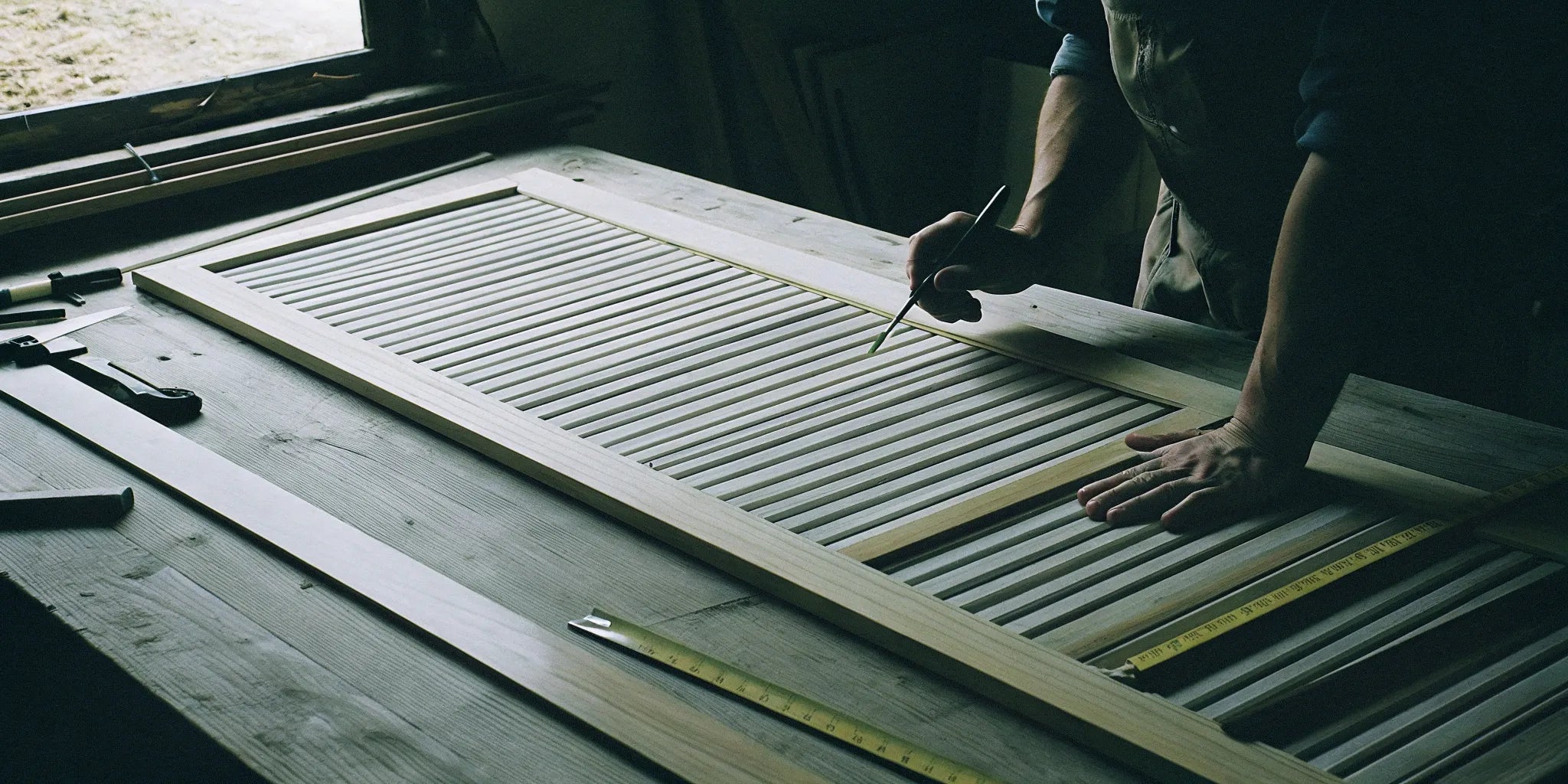
Getting the size right is the first and most important step. Standard doors from big-box stores only fit standard openings, which can be a major headache in older homes or custom-built spaces. With custom-made doors, you can specify the exact height and width you need, ensuring a perfect, seamless fit without bulky filler strips or extensive frame modifications. It’s the kind of precision professionals rely on for a clean installation. This same principle applies to other entryways, where custom steel doors can be engineered to fit unique openings, providing both security and style.
Slat Width and Spacing
The louvers, or slats, are the defining feature of these doors, and you have complete control over their appearance. You can choose from various slat widths—narrower slats often create a modern, streamlined look, while wider slats feel more traditional. The spacing between them is just as important. Tighter spacing offers more privacy and light blockage, ideal for bedroom closets. Wider spacing, on the other hand, maximizes ventilation, which is perfect for laundry rooms or pantries where airflow is a priority. This choice lets you balance aesthetics with the practical needs of the room.
Hardware and Finishes
The final details—hardware and finish—are what tie the whole look together. You can select hardware that matches your home's existing style, from sleek, modern pulls to classic knobs. Many manufacturers also offer options for hinge boring, letting you choose between standard or concealed hinges for a cleaner look. When it comes to finishes, the possibilities are endless. You can order doors primed and ready for you to paint, or choose from a wide range of factory-applied paints and stains. A custom finish ensures your doors complement other design elements, like your acoustic wall panels.
Key Benefits of Louvered Doors
Louvered doors are more than just a functional entryway; they're a design element that brings a unique combination of benefits to any space. Their slatted construction is the key to their appeal, offering practical advantages that solid doors simply can't match. From improving air circulation in stuffy rooms to adding a touch of architectural charm, these doors solve common household problems with style. Whether you're looking to create a breezy, open feel in your home or need a solution that balances light with privacy, louvered doors are an incredibly versatile choice. They work beautifully in both residential and commercial settings, adapting to various needs while enhancing the overall aesthetic. Let's look at the three main reasons why so many designers and homeowners are choosing them for their projects.
Better Ventilation and Airflow
The most celebrated feature of louvered doors is their ability to promote constant air circulation. The angled slats allow air to flow freely between spaces, even when the door is closed. This makes them a perfect solution for areas that can get stuffy or damp, like laundry rooms, pantries, and closets containing HVAC units. By improving ventilation, you can help prevent the buildup of moisture, which in turn reduces the risk of mold and mildew. This passive airflow helps maintain a more comfortable and healthier indoor environment without needing to leave doors wide open. It's a simple yet effective way to keep your home feeling fresh.
Control Light and Maintain Privacy
Louvered doors masterfully walk the line between openness and seclusion. While the slats allow air and light to pass through, their angled design obstructs a direct line of sight, giving you a sense of privacy. This makes them ideal for spaces like bedroom closets or en-suite bathrooms where you want separation without complete isolation. The filtered light that passes through can also brighten up hallways or windowless rooms, creating a softer, more ambient glow than a fully open doorway would. For even greater control, operable louvers let you adjust the slats to manage the exact amount of light and privacy you need at any moment.
Versatile Style and Aesthetic Appeal
Beyond their practical benefits, louvered doors add a layer of texture and visual interest that can elevate any room's design. Their classic, shutter-like appearance fits seamlessly into a wide range of decor styles, from coastal and farmhouse to traditional and contemporary. Modern designs have expanded beyond classic wood to include different materials that offer a sleek, industrial look. The choice of material and finish allows you to customize the door to your exact taste. For example, a crisp white finish can feel bright and airy, while a dark-finished steel door can create a bold, modern statement. This adaptability makes them a go-to for designers looking to add character to a space.
Where to Use Louvered Doors
Louvered doors are incredibly versatile, fitting seamlessly into various settings where airflow and style are priorities. Their unique slatted design makes them a practical solution for spaces that need ventilation without sacrificing privacy or aesthetic appeal. From a stuffy closet in your home to a utility room in a commercial building, these doors offer a functional elegance that solid doors just can't match. They work hard to keep air moving, control light, and add a touch of architectural interest wherever they’re installed. Let’s look at some of the best places to use them in both residential and commercial projects.
In Your Home: Closets, Kitchens, and More
In your home, louvered doors are perfect for areas that benefit from continuous air circulation. Think about closets, laundry rooms, and pantries—spaces that can easily become musty or damp. The slats allow air to flow through, keeping clothes fresh and dry goods from getting stale. They also let you control the amount of natural light entering a room, adding a soft, diffused glow. Beyond utility spaces, louvered doors bring a beautiful, classic look to kitchen cabinets or room dividers. They add texture and a relaxed, coastal vibe that can make any room feel more open and inviting.
For Businesses and Commercial Spaces
For commercial buildings, louvered doors are a smart choice for both functional and aesthetic reasons. They are often used in utility closets, mechanical rooms, and data centers where equipment needs constant ventilation to prevent overheating. Metal door louvers play a critical role in meeting building codes that require specific interior airflow levels. Beyond their practical benefits, durable steel doors with louvered panels can enhance a building’s architectural style. They offer a clean, modern look while providing the necessary airflow, security, and durability required for high-traffic commercial environments, proving that you don’t have to choose between performance and design.
Popular Design Styles and Trends
One of the best things about louvered doors is their incredible versatility. They aren’t tied to a single design era, which means they can complement almost any home. Whether your space is sleek and modern or full of classic charm, there’s a louvered door style that will feel right at home. They can be a subtle architectural detail or a standout feature. Let’s look at how these doors fit into some of the most popular design trends and what’s new in colors and materials.
Modern and Contemporary Looks
Louvered doors are a perfect match for modern and contemporary interiors, where clean lines and functionality are key. Their simple, geometric design works beautifully with the minimalist aesthetic found in many current design trends, including Shaker-style interiors. Beyond looks, their ability to control airflow makes them a smart, practical choice for maintaining comfortable temperatures without sacrificing style. For a truly modern feel, choose doors with thin, crisp slats and pair them with simple, matte black or brushed nickel hardware. This minimalist approach pairs beautifully with other modern elements, like sleek steel doors and windows, creating a cohesive look throughout your space.
Traditional and Classic Styles
If your style leans more traditional, louvered doors offer a timeless charm that’s hard to beat. Wooden louvered doors, in particular, add warmth, texture, and architectural character to any room. They feel perfectly at home in coastal cottages, classic farmhouses, and colonial-inspired spaces, often used for closets, pantries, or as elegant room dividers. The angled slats create a gentle play of light and shadow that adds depth and interest, enhancing the cozy and established feel of a traditional home. Pairing them with rich hardwood flooring can complete a warm and inviting atmosphere that feels both elegant and lived-in.
Trending Colors and Materials
While classic white never goes out of style, current door design trends embrace a much wider palette. Think sophisticated neutrals like greige and charcoal, or go for a bold statement with deep navy, forest green, or even black for a touch of drama. Modern advancements have also expanded the material options beyond traditional wood. You can now find louvered doors made from durable steel, aluminum, and composite materials, offering different levels of durability and maintenance for both interior and exterior use. These material and color choices allow you to coordinate your doors with other design features, like textured wall panels, for a truly custom and cohesive design.
How to Choose the Right Manufacturer
Finding the right louvered doors is only half the battle—partnering with the right manufacturer is what truly brings your project to life. The company you choose will determine the quality, durability, and final look of your doors. Think of it as choosing a collaborator for your design. A great manufacturer will offer expert guidance, quality materials, and the flexibility to create exactly what you need, ensuring the final product is something you’ll love for years to come.
Look for Quality Materials and Craftsmanship
The difference between a door that lasts a few years and one that lasts a lifetime often comes down to materials and craftsmanship. Look for manufacturers who are transparent about where they source their wood, metal, or synthetic materials. Ask about their construction process. Many top-tier companies use precision technology to ensure every joint is tight and every slat is perfectly aligned. This attention to detail prevents warping and ensures smooth operation. High-quality steel doors, for example, rely on superior engineering for security and longevity—the same principle applies to a well-made louvered door.
Check Their Customization Options
The beauty of custom doors is getting a product that fits your space and style perfectly. Before committing to a manufacturer, explore the full extent of their customization options. Can they build doors to your exact width and height specifications? Do they offer a variety of slat widths, spacing, and profiles? A truly flexible manufacturer will also provide a wide selection of finishes, from natural wood stains to any paint color you can imagine. The more control you have over these details, the better the final product will integrate with your home’s overall design aesthetic.
Review Warranties and Pricing
A solid warranty is a manufacturer’s vote of confidence in their own product. Read the fine print carefully to understand what’s covered and for how long. Some warranties have exclusions for oversized doors or specific finishes, so it’s important to know these details upfront. When it comes to pricing, get a detailed quote that breaks down the cost of materials, labor, and any hardware. While budget is always a factor, the cheapest option isn’t always the best value. For contractors and designers, building a relationship with a supplier through a trade program can often provide access to better pricing and dedicated service on high-quality materials.
What to Know Before You Buy
You've picked a style and found a great manufacturer—you're in the home stretch! Before you place that order for your custom louvered doors, there are just a couple of final, practical steps to cover. Getting the measurements right and understanding the long-term care will ensure your new doors fit perfectly and look great for years to come. Let's walk through exactly what you need to do.
How to Measure and Plan for Installation
Getting the measurements right is the most critical step in ordering a custom door. An eighth of an inch can make all the difference between a perfect fit and a frustrating installation. Start by measuring the rough opening where the door will go. You’ll need three measurements for both the width and the height: top, middle, and bottom for width, and left, middle, and right for height. Use the smallest of the three measurements for each dimension to ensure the door frame will fit. Also, check if the opening is square by measuring diagonally from corner to corner. If the measurements are the same, your opening is square.
Next, think about the installation itself. Will the door swing into the room or out? Will the handle be on the left or the right? This determines the door’s handing. When it comes to materials, consider your environment. For example, if you need a durable, low-maintenance option, aluminum is an excellent choice for its strength and adaptability. Planning these details ahead of time will make the actual installation process much smoother, whether you’re hiring a pro or tackling it yourself.
Check Building Codes and Maintenance Needs
Before finalizing your purchase, it’s a smart move to check your local building codes. This is especially important for commercial spaces or in areas with specific ventilation requirements. The good news is that louvered doors are often a great solution for these needs. In fact, louvered doors help meet building codes for interior airflow in both homes and businesses by allowing air to circulate freely even when closed. A quick call to your local building authority or a chat with your contractor can confirm any specific requirements for your project.
Finally, consider the long-term upkeep. The material you choose will determine how much maintenance is needed. Wood doors might require occasional refinishing to protect them from moisture, while metal doors are generally more resilient. Materials like PVC are known for being incredibly simple to maintain and long-lasting, often just needing a wipe-down to stay clean. Choosing a material that fits your lifestyle and willingness to perform upkeep will ensure you love your louvered doors for a long time.
Understanding the Cost of Custom Louvered Doors
When it comes to custom louvered doors, there isn't a one-size-fits-all price tag. The final cost depends on a mix of your design choices, the materials you select, and the specific dimensions of your space. Understanding these key factors will help you set a realistic budget and make informed decisions. Think of it less as a fixed price and more as a build-your-own project where each component contributes to the final total. Let's break down what influences the cost, from the raw materials to the finishing touches.
Material and Design Complexity
The material you choose is the foundation of your door's cost. Solid hardwoods like oak or mahogany are at the higher end, offering timeless beauty and durability. More budget-friendly options include engineered wood like MDF, composites, and PVC, which provide a great look with easier maintenance. Metals are another popular choice; while aluminum is lightweight, steel doors offer unmatched strength and security. Beyond the material, the complexity of the design itself plays a big role. A door with tightly spaced slats, intricate patterns, or unique shapes requires more skilled labor and precision, which will be reflected in the price.
Size, Hardware, and Installation
It makes sense that the bigger the door, the higher the cost, as it requires more material and labor. Custom sizing is a huge advantage of louvered doors, but be prepared for non-standard dimensions to influence the price. Don't forget the hardware—handles, hinges, and locks can range from basic to high-end designer pieces, adding to the total. Some designs might also need extra structural elements, like a mid-rail for added stability, which comes at an additional cost. Finally, factor in shipping and professional installation. Always ask for a comprehensive quote that includes these expenses to avoid any surprises down the line.


